
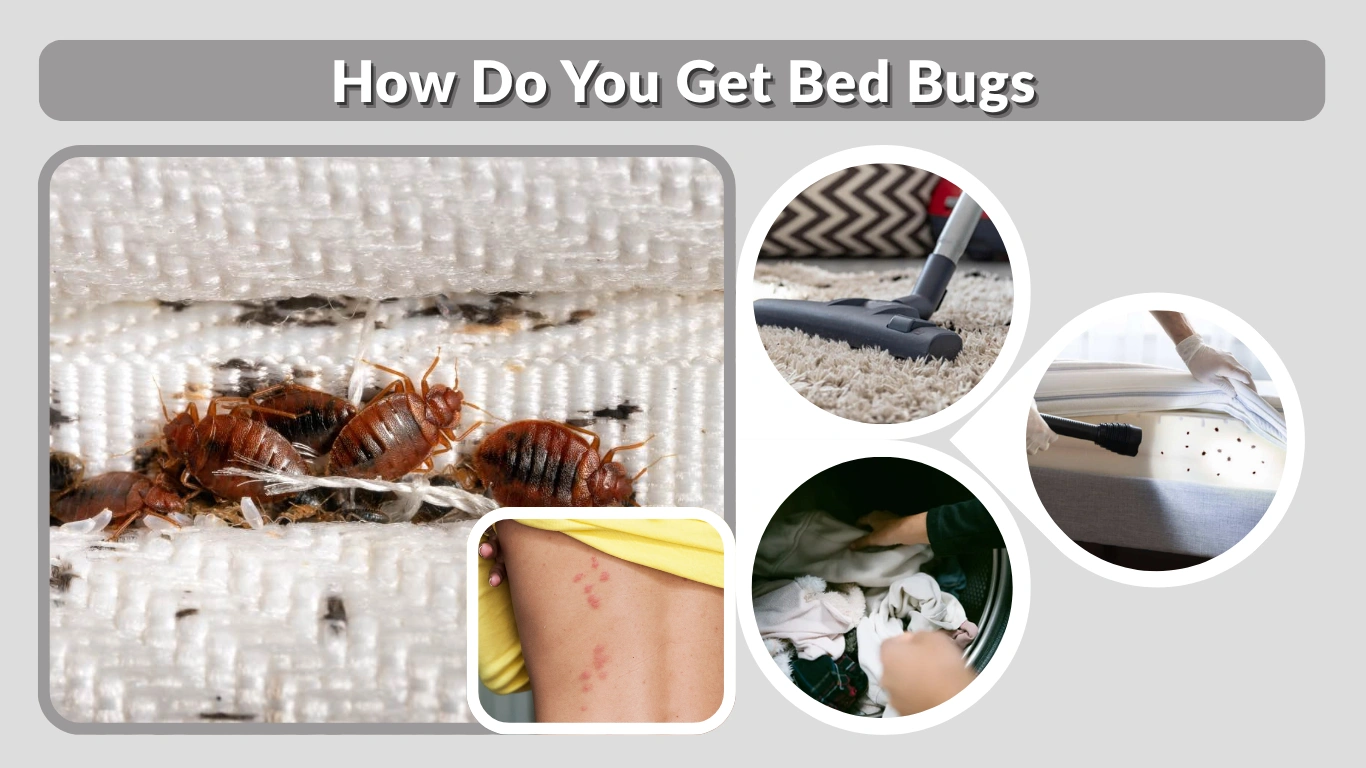
Bed bugs are tiny, flat insects that feed on human blood, often while people sleep. Although they don’t transmit diseases, they can cause itching, sleeplessness, and anxiety. One of the biggest misconceptions about bed bugs is that they infest only dirty homes — in truth, anyone can get them.
Bed bugs spread easily because they’re expert hitchhikers. They cling to clothing, furniture, or luggage and move wherever people go. Once they settle in, they hide in cracks, mattresses, and furniture, multiplying rapidly and becoming difficult to eliminate.
In this article, we’ll explore how people get bed bugs, the early signs of infestation, and the steps to remove them effectively. Understanding how these pests spread is the first step to preventing a major infestation.
How Do You Get Bed Bugs?
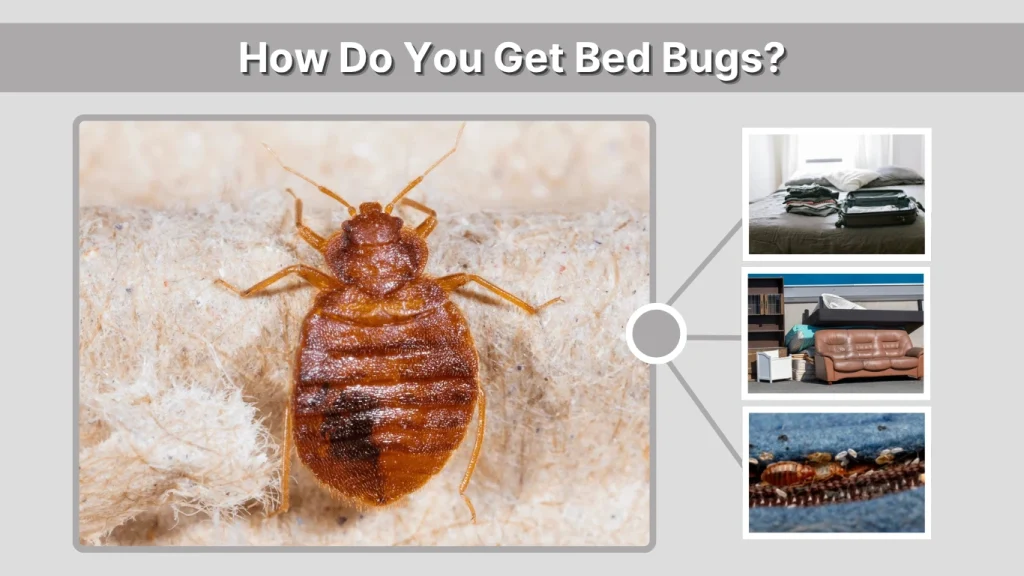
Bed bugs are small and discreet, but their ability to travel from place to place makes them difficult to avoid. Most infestations begin when a few bugs or eggs are unknowingly carried into a home.
Common Ways Bed Bugs Spread
Travel:
One of the most common ways people get bed bugs is through travel. These insects often hide in hotel mattresses, upholstered chairs, and luggage racks. When travelers place bags on the floor or bed, bed bugs can crawl inside and hitch a ride home.
Used Furniture:
Secondhand couches, mattresses, and even nightstands can harbor bed bugs or their eggs. Once inside, they spread to other areas of the house. Always inspect and clean used furniture before bringing it indoors.
Shared Housing:
Bed bugs can move through small gaps in walls, vents, or electrical outlets in apartment complexes, dorms, or hotels. Even if you keep your home spotless, nearby infestations can spread quickly through shared spaces.
Public Places:
Movie theaters, buses, trains, schools, and office chairs can occasionally carry bed bugs. They cling to clothing, handbags, or backpacks and travel with people back to homes or cars.
Unlike fleas or ticks, bed bugs don’t jump or fly. They rely entirely on people and objects to move from one location to another.
Why Bed Bugs Are So Easy to Bring Home
Bed bugs are masters of concealment. Their flat bodies allow them to squeeze into tiny spaces such as mattress seams, behind wallpaper, or inside electrical outlets. Their eggs are pearly white and sticky, clinging to fabrics or furniture unseen.
Even one fertilized female can lay up to five eggs a day, leading to a full infestation in a few weeks. Because they are mostly nocturnal, people often don’t realize they have bed bugs until bites appear or bugs are visible in daylight.
For these reasons, bed bugs can appear to come “out of nowhere,” even though they were likely carried in unknowingly.
How Do You Know If You Have Bed Bugs?
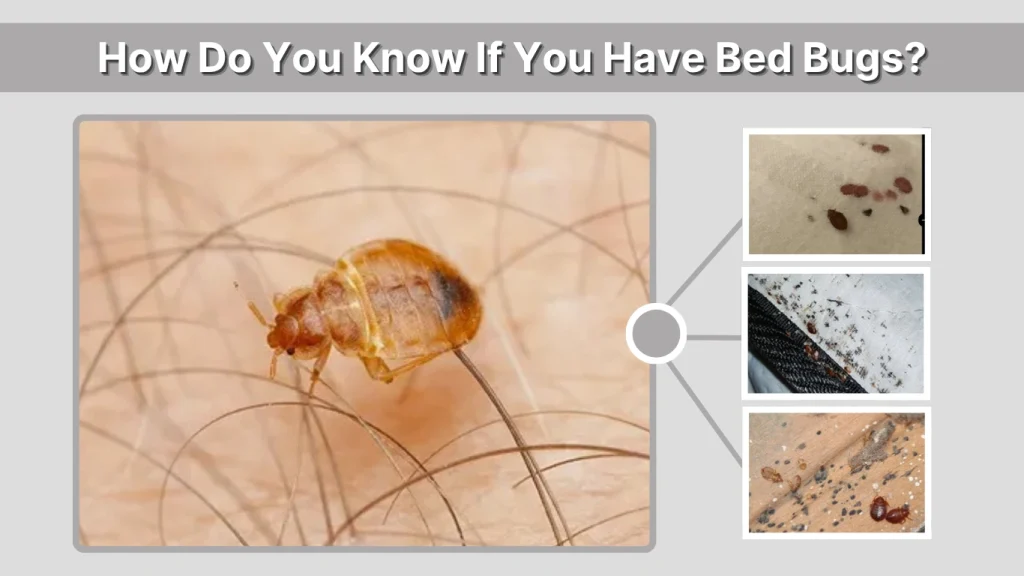
Spotting a bed bug infestation early can prevent it from spreading throughout your home. Because they’re small and hide during the day, detection requires careful inspection.
Common Signs of Bed Bugs
- Small blood stains on sheets or pillowcases — from crushed bugs or bites.
- Dark fecal spots (tiny black or brown dots) on bedding, mattresses, or furniture.
- Shed skins or eggshells — signs of growing nymphs.
- A musty or sweet odor, especially in heavily infested rooms.
- Live bugs visible along mattress seams, headboards, or behind furniture.
These signs often appear first in bedrooms or areas where people spend long periods sitting or lying still, such as couches and recliners.
Bed Bug Bite Identification
Bed bug bites are one of the most obvious signs of infestation, but they’re often mistaken for mosquito or flea bites. They typically appear as small red bumps or welts, often in lines or clusters. The bites can itch intensely and may cause mild swelling or irritation.
You’ll usually find bites on areas exposed during sleep — arms, neck, legs, and back. Some people show no reaction at all, while others develop noticeable rashes or allergic responses.
If you wake up with itchy marks that weren’t there before bed, it’s wise to inspect your mattress, sheets, and nearby furniture immediately.
Where Bed Bugs Hide
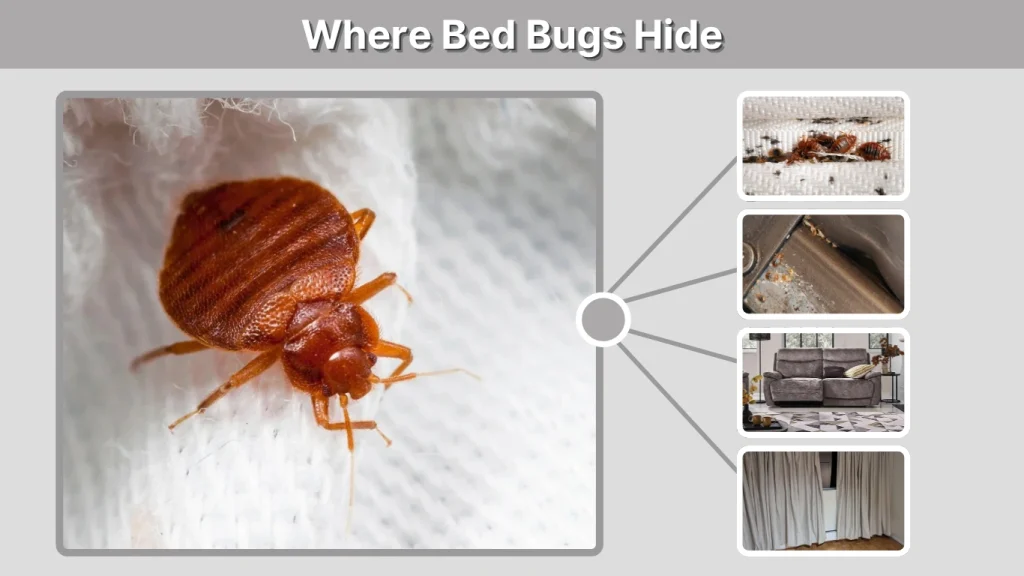
Bed bugs are highly skilled at staying out of sight. They prefer dark, tight spaces near where humans rest.
Common Hiding Spots Inside Homes
- Mattress seams, box springs, and headboards — their most common hiding areas.
- Bed frames and nightstands, especially in joints and cracks.
- Upholstered furniture like couches, recliners, and chairs.
- Baseboards, carpets, and curtain folds, where they can stay hidden during the day.
Bed bugs may also hide behind picture frames, wall outlets, or loose wallpaper. Because of their small size, they can squeeze into any crack wide enough to fit a credit card.
Unusual Hiding Places
While bed bugs prefer sleeping areas, they can hide in surprising locations when infestations grow. They may live behind electrical outlets, inside picture frames, or between baseboards and walls.
They’re also known to hide in vehicles, especially if you’ve recently transported infested belongings. Suitcases, shoes, backpacks, and laptop bags can all serve as hiding spots for eggs or small nymphs.
Another common place people overlook is electronics. Bed bugs may crawl into alarm clocks, speakers, or gaming consoles where warmth and darkness attract them. If you suspect infestation, avoid spraying chemicals near electronics — instead, seal items in bags and treat them with heat or cold safely.
How to Get Rid of Bed Bugs
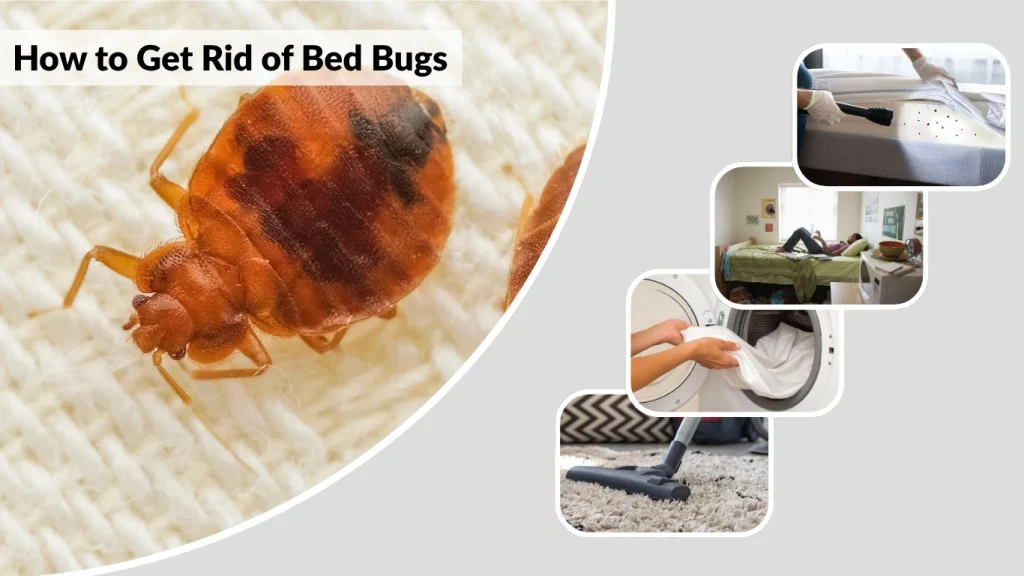
Eliminating bed bugs requires persistence and a multi-step approach. These insects reproduce quickly, and even a few survivors can restart an infestation. Here’s how to take control effectively.
Step-by-Step Bed Bug Elimination
1. Inspect and Identify:
Check your mattress seams, bed frames, and furniture using a flashlight. Confirm whether you’re dealing with bed bugs and not other look-alike insects like carpet beetles or fleas.
2. Declutter and Contain:
Reduce clutter around sleeping areas. Bag clothing, blankets, and linens before moving them to prevent spreading bugs to other rooms.
3. Wash and Heat-Treat:
Wash all bedding, clothes, and fabrics in hot water (at least 120°F / 48°C) and dry them on high heat for at least 30 minutes. Heat kills both live bugs and eggs.
4. Vacuum Thoroughly:
Vacuum floors, carpets, furniture, and crevices daily. Immediately empty the vacuum outside into a sealed plastic bag.
5. Steam or Heat Treatment:
Steam cleaning is highly effective. Temperatures above 120°F destroy bed bugs in all life stages. Focus on mattresses, seams, and upholstered furniture.
6. Seal and Protect:
Use bed bug-proof mattress encasements to trap any remaining insects inside. Seal cracks in walls and baseboards to block hiding spots.
7. Monitor and Repeat:
Continue inspecting every few days. Bed bug traps placed under bed legs can help you confirm whether bugs are still active.
Natural and Home Remedies
If you prefer a chemical-free approach, several natural remedies can help manage smaller infestations.
- Diatomaceous Earth (DE): A natural powder that dries out and kills bed bugs on contact. Sprinkle it around baseboards, furniture legs, and cracks.
- Essential Oils: Tea tree, lavender, and peppermint oil can repel bed bugs. Mix with water and spray around beds and carpets.
- Vinegar and Baking Soda: Though not lethal, vinegar can repel bugs temporarily, and baking soda can help neutralize odors from infestations.
- Sunlight Exposure: Placing infested bedding or furniture in direct sunlight for several hours can help reduce populations.
These methods work best for mild infestations or as supplements to professional treatments.
Professional Pest Control
For severe or persistent infestations, professional help is often the only way to eliminate bed bugs completely. Exterminators use steam, heat chambers, and residual insecticides that kill hidden bugs and eggs.
Many professionals also use integrated pest management (IPM) — a method combining inspection, cleaning, heat, and chemical control for long-term prevention.
One treatment may not be enough; most pest control experts recommend at least two follow-ups to ensure full eradication.
How to Get Rid of Bed Bugs from Specific Items
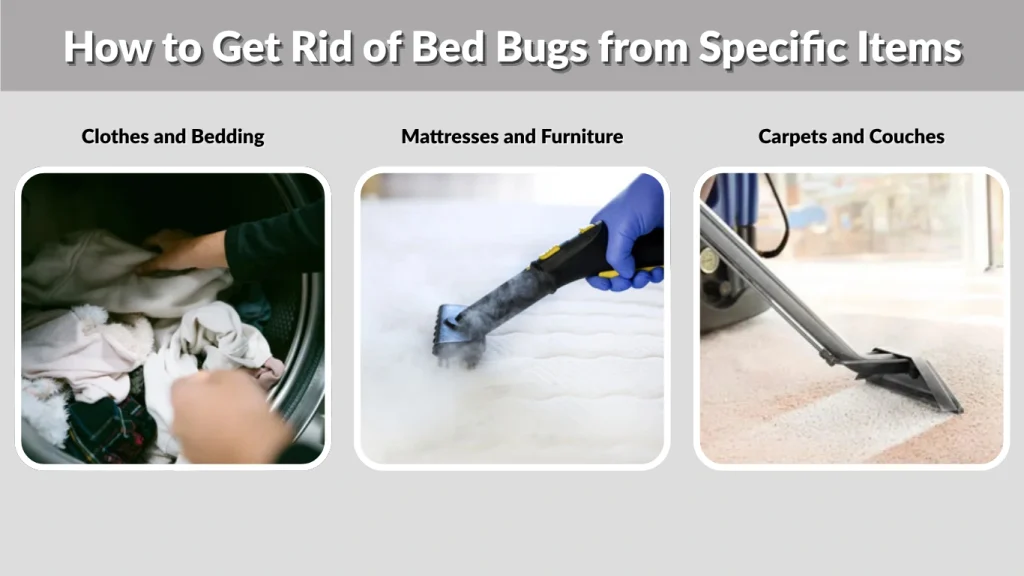
Clothes and Bedding
Wash and dry all clothing, linens, and curtains at the highest safe temperature. Use a dryer for at least 30 minutes on high heat to kill eggs and larvae. Afterward, store clean clothes in airtight plastic bags or sealed bins until the infestation is cleared.
Mattresses and Furniture
Vacuum the seams and corners carefully, then use a steam cleaner to penetrate deep into fabric. Encase mattresses and box springs in zippered bed bug covers. For badly infested furniture, disposal might be the safest option — mark or damage it clearly to prevent others from reusing it.
Carpets and Couches
Steam-clean and vacuum carpets, rugs, and upholstery frequently. Bed bugs often hide in couch cushions or under fabric folds. If the problem persists, consider professional carpet treatment.
Electronics and Luggage
Seal small items in plastic bags and expose them to controlled heat (such as 120°F for several hours) or cold (below 0°F for at least 4 days). Always check manufacturer instructions before applying heat to devices.
How to Treat Bed Bug Bites
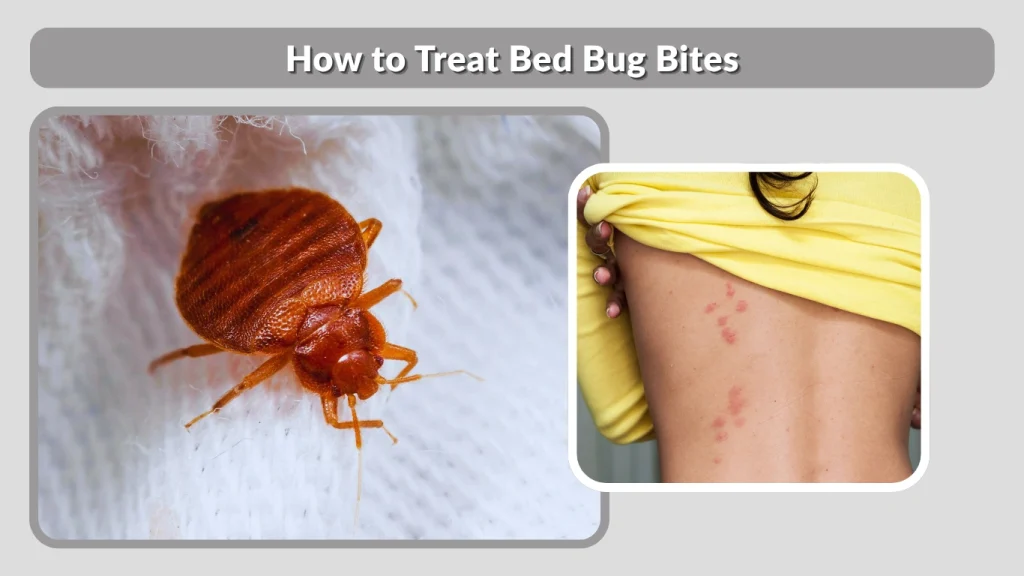
Reducing Itching and Pain
Bed bug bites usually heal within one to two weeks. To reduce discomfort:
- Wash the area with mild soap and water.
- Apply calamine lotion, hydrocortisone cream, or aloe vera gel.
- Take antihistamines to relieve itching and swelling.
- Avoid scratching to prevent infection.
If severe allergic reactions occur — such as hives, blisters, or swelling — seek medical attention immediately.
Healing and Preventing Scars
To prevent scars or dark spots after bites:
- Keep skin moisturized with natural oils like coconut oil or vitamin E.
- Avoid picking or scratching healing areas.
- Apply cold compresses to reduce redness and inflammation.
Bed bug bites fade faster when kept clean and moisturized.
How to Prevent Bed Bugs
Travel and Home Precautions
- Inspect hotel mattresses and luggage racks before unpacking.
- Keep suitcases off the bed and store them in the bathroom during hotel stays.
- After returning home, wash all travel clothes in hot water and dry on high heat.
- Avoid bringing in used furniture without a thorough inspection.
Long-Term Prevention Tips
- Vacuum your home regularly and reduce clutter.
- Use bed bug interceptors under bed legs to detect early infestations.
- Seal cracks and openings along walls and baseboards.
- Replace or inspect mattresses every few years.
Bed bugs can reappear if preventive steps aren’t maintained, especially after travel or moving items between locations.
FAQs
How do bed bugs start in the first place?
They usually hitchhike into homes on luggage, secondhand furniture, or clothing after travel or contact with infested areas.
Can bed bugs live on your body or clothes?
They don’t live on humans, but they can hide briefly in clothing or fabric folds. They prefer resting spots like beds and couches.
What kills bed bugs instantly?
High heat (above 120°F / 48°C) kills bed bugs and their eggs immediately. Professional heat treatments or steam cleaning are most effective.
Can you get rid of bed bugs naturally?
Yes, with diatomaceous earth, essential oils, and regular heat cleaning — though severe infestations often require professional help.
How can I prevent them from coming back?
Inspect luggage after travel, use mattress covers, and keep sleeping areas clutter-free. Vacuum regularly and check furniture for signs of bugs.
