
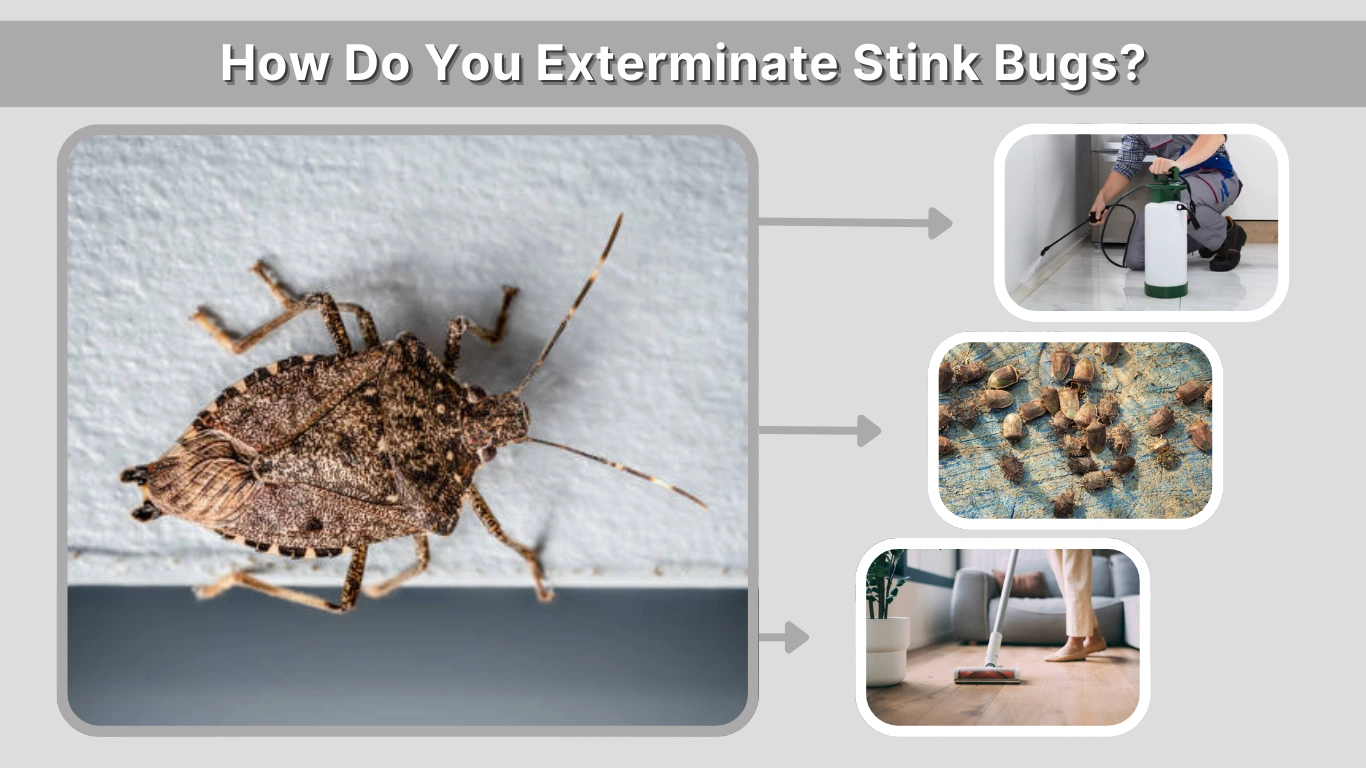
Stink bugs are one of the most frustrating household pests, especially when they begin appearing in large numbers inside your home. Known for their strong odor and stubborn behavior, stink bugs often invade houses during cooler months in search of warmth. While they don’t bite or cause structural damage, their presence can quickly become a serious nuisance.
Many homeowners ask, “How do you exterminate stink bugs?” The answer isn’t always simple. Stink bug extermination is less about total elimination and more about effective control and prevention. Understanding why stink bugs enter homes and which extermination methods actually work can help you reduce infestations and prevent them from returning.
What Are Stink Bugs and Why Do They Invade Homes?
Stink bugs are shield-shaped insects that primarily live outdoors, feeding on plants, fruits, and crops. As temperatures drop in late summer and fall, they begin seeking warm shelter to survive the winter. Homes offer ideal hiding places, making them a common target.
Stink bugs typically enter through small gaps around windows, doors, siding, rooflines, and utility openings. Once inside, they hide in walls, attics, basements, and other quiet areas. Because they are attracted to light, homeowners often notice stink bugs near windows, ceilings, and light fixtures.
Brown Marmorated Stink Bug
The brown marmorated stink bug is the most common species found inside homes. This invasive insect is particularly problematic because it gathers in large numbers and often returns to the same homes year after year. Its ability to survive many common pest control methods makes extermination more challenging without proper prevention.
Can Stink Bugs Be Exterminated?
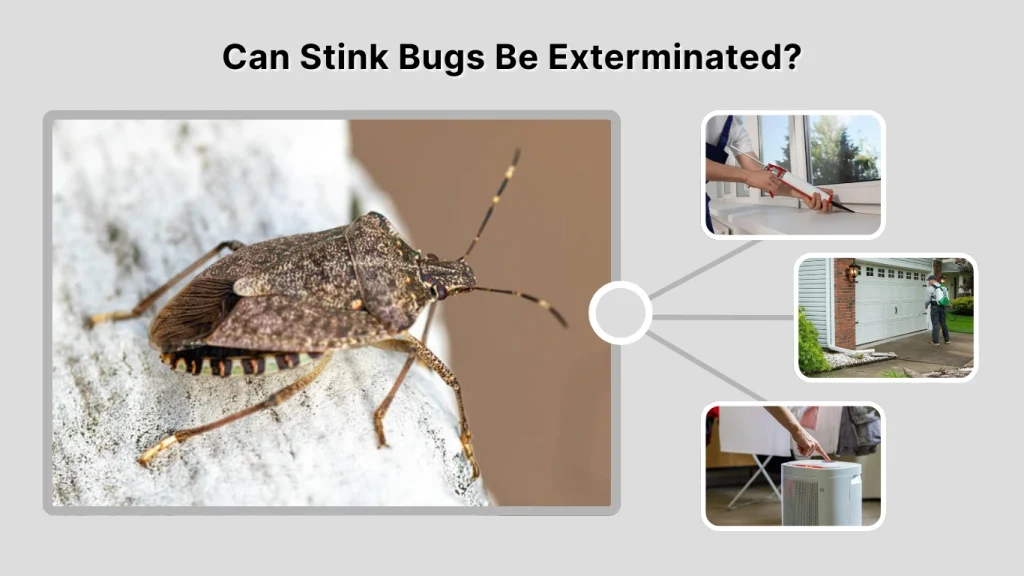
Stink bugs can be controlled, but complete extermination is difficult. Unlike pests that breed indoors, stink bugs do not reproduce inside homes. Instead, they continuously enter from outside, especially during seasonal changes.
Because of this, extermination focuses on reducing the number of stink bugs entering your home rather than eliminating every individual bug. Long-term success depends on sealing entry points, using proper removal methods, and applying preventative treatments at the right time of year. When done correctly, infestations can be significantly reduced.
How Do You Exterminate Stink Bugs Naturally?
Many homeowners prefer to start with natural or non-chemical methods. These approaches are best suited for small infestations or occasional stink bugs found indoors.
Physical Removal Methods
One of the most effective natural methods is vacuuming stink bugs. Using a shop vacuum or a vacuum with a disposable bag allows you to remove stink bugs without crushing them, which helps prevent odor. The bag should be sealed and discarded immediately.
Soapy water is another effective solution. A simple mixture of dish soap and water can kill stink bugs on contact by breaking down their outer shell. Some homeowners use containers filled with soapy water as traps near windows and entry points.
Manual removal using gloves or tissue paper can also work for small numbers, as long as the stink bugs are not crushed.
Home Prevention Techniques
Preventing stink bugs from entering your home is one of the most important steps in extermination. Sealing cracks around windows and doors, repairing damaged screens, and installing door sweeps can greatly reduce entry points.
Reducing outdoor lighting near doors and windows can also help, as stink bugs are attracted to light. Maintaining proper insulation and sealing gaps around utility lines further limits access into the home.
How Do You Exterminate Stink Bugs in the House?
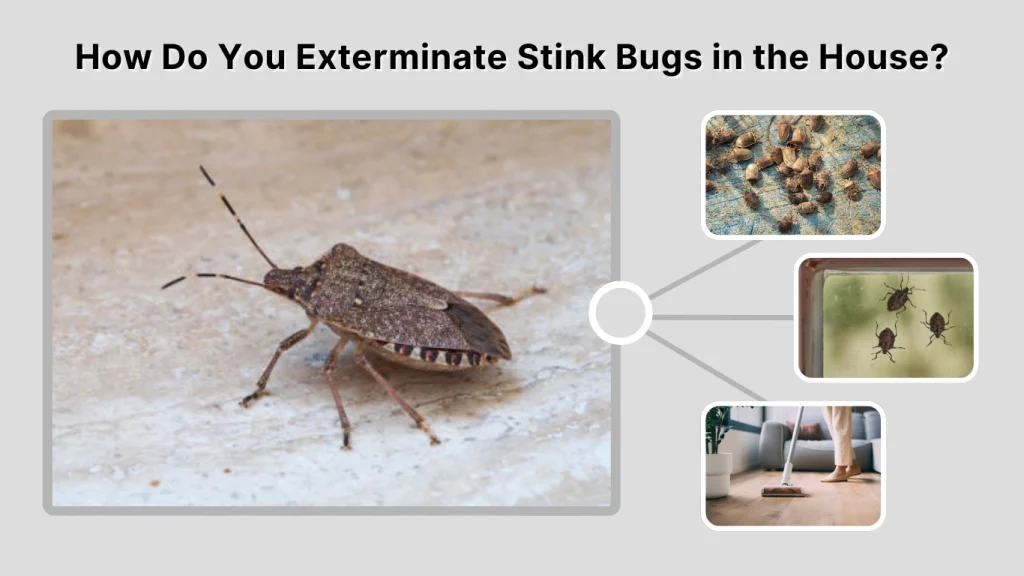
Indoor stink bug extermination focuses on safe removal rather than spraying large amounts of insecticide. Crushing stink bugs should be avoided, as it releases their odor and may attract more bugs.
Stink bugs commonly hide in wall voids, attics, basements, behind baseboards, and around window frames. Vacuuming and physical removal are the safest options for indoor control. In some cases, light, targeted treatments may be used in hidden areas, but widespread indoor spraying is generally ineffective.
Proper indoor extermination combined with sealing and prevention helps reduce both current stink bugs and future infestations.
Chemical Methods to Exterminate Stink Bugs
When natural methods are not enough, chemical treatments can help control stink bug infestations. However, chemical extermination must be used carefully, as stink bugs are resistant to many common insecticides and improper use can make the problem worse.
Over-the-Counter Insecticides
Many store-bought insect sprays claim to kill stink bugs, but their effectiveness is limited. Aerosol sprays may kill stink bugs on contact, yet they rarely provide lasting results. These sprays often cause stink bugs to retreat deeper into wall voids, making them harder to remove later.
If over-the-counter insecticides are used, they should be applied sparingly and only in areas where stink bugs are actively present. Reading product labels and following safety instructions is essential to protect people and pets.
Professional-Grade Treatments
Professional exterminators use stronger, long-lasting insecticides that are typically applied outdoors rather than indoors. Exterior perimeter treatments create a barrier around doors, windows, siding, and foundation areas where stink bugs attempt to enter.
These residual treatments are far more effective than indoor spraying because they target stink bugs before they enter the home. When combined with sealing and exclusion, professional-grade treatments can significantly reduce seasonal infestations.
How Do Exterminators Get Rid of Stink Bugs?
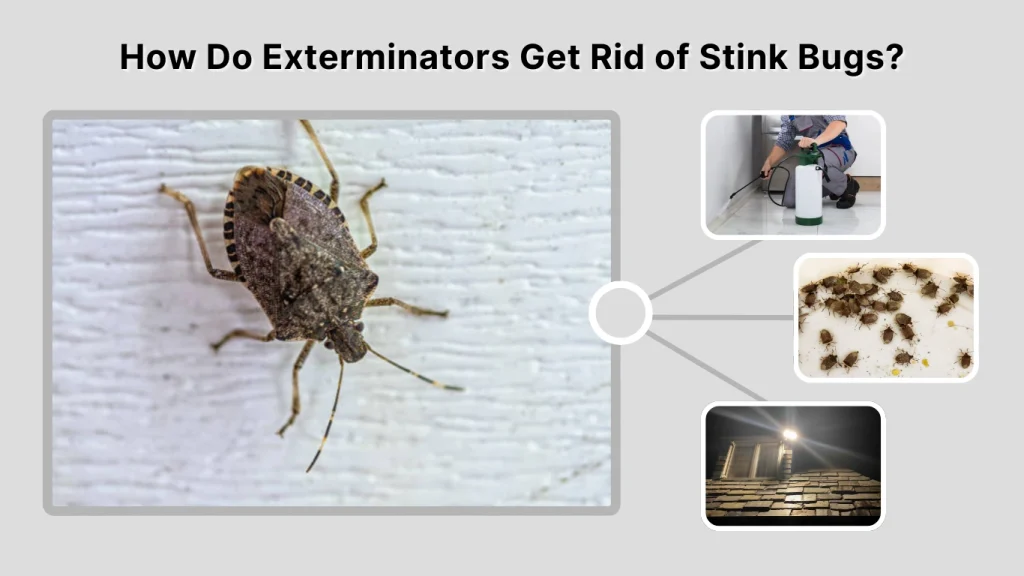
Professional exterminators approach stink bug control differently than many homeowners expect. Rather than focusing on indoor extermination, they concentrate on preventing stink bugs from entering in the first place.
Most exterminators apply treatments in late summer or early fall, before stink bugs begin searching for shelter. This timing helps stop infestations before they start. Exterminators may also identify and seal common entry points, such as gaps in siding or around utility lines.
Integrated Pest Management (IPM) Approach
Many pest control companies use an Integrated Pest Management (IPM) strategy for stink bugs. IPM combines chemical treatments with non-chemical methods like monitoring, exclusion, and seasonal maintenance. This approach reduces the need for repeated treatments and provides longer-lasting results.
DIY vs Professional Stink Bug Extermination
DIY extermination methods can be effective for small infestations, especially when stink bugs are caught early. Vacuuming, sealing entry points, and using simple traps can help manage occasional stink bugs indoors.
However, when infestations are recurring or involve large numbers, professional extermination is often more effective. Exterminators have access to professional-grade products and understand stink bug behavior, which allows them to treat the problem at its source.
For many homeowners, a combination of DIY prevention and professional treatment offers the best results.
How Much Does It Cost to Exterminate Stink Bugs?
The cost of stink bug extermination depends on several factors, including the size of the home, infestation severity, and the type of service chosen. One-time treatments are typically less expensive but may not prevent future infestations.
Seasonal or ongoing treatment plans cost more upfront but provide better long-term protection. While DIY methods may appear cheaper, repeated infestations can make professional extermination more cost-effective over time.
When Should You Call a Professional Exterminator?
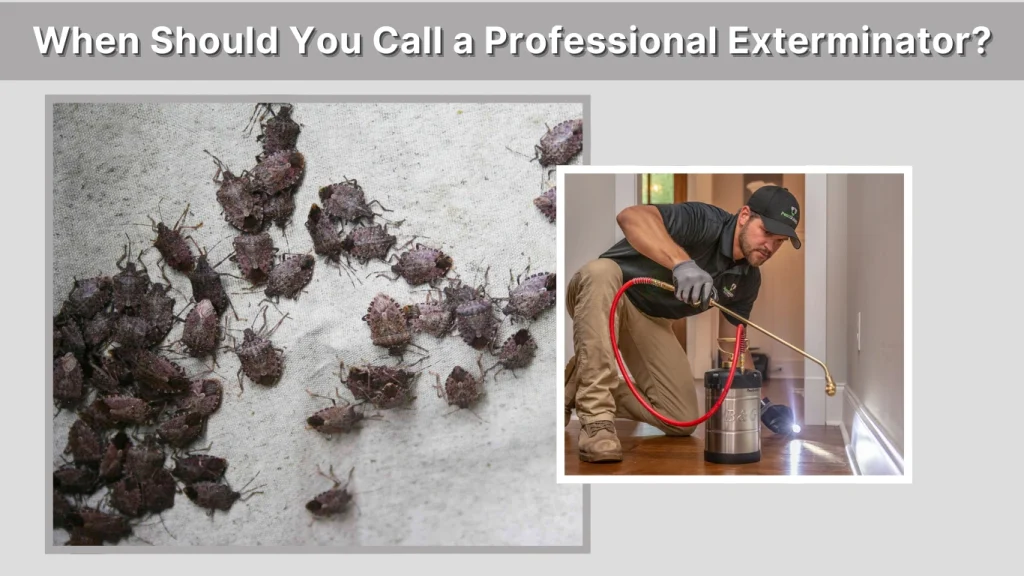
You should consider calling a professional exterminator if stink bugs appear in large numbers, return every year, or continue to invade despite sealing and removal efforts. Homes with difficult-to-access entry points or ongoing infestations often benefit the most from professional services.
Professional extermination also saves time and reduces stress, especially for homeowners who have tried multiple DIY methods without success.
Conclusion
Exterminating stink bugs requires a strategic approach that combines removal, prevention, and long-term control. While it may be difficult to eliminate stink bugs completely, effective extermination methods can significantly reduce their presence in your home.
Natural removal techniques work well for small infestations, but chemical treatments and professional extermination provide stronger, longer-lasting results. By acting early and focusing on prevention, homeowners can successfully manage stink bugs and keep them from becoming a recurring problem.
FAQs
How do you exterminate stink bugs effectively?
The most effective way to exterminate stink bugs is by combining physical removal, sealing entry points, and exterior preventative treatments. Vacuuming and soapy water work well indoors, while professional exterior treatments help stop stink bugs from entering the home in the first place.
Can stink bugs be completely exterminated?
Stink bugs are difficult to eliminate completely because they live and breed outdoors. Extermination focuses on controlling their numbers and preventing them from entering the home rather than total eradication.
Do chemical sprays work on stink bugs?
Chemical sprays can kill stink bugs on contact, but they rarely provide long-term control. Many sprays are ineffective once stink bugs hide inside walls, which is why exterior treatments and prevention are more successful.
When is the best time to exterminate stink bugs?
The best time to exterminate stink bugs is late summer to early fall, before they enter homes to overwinter. Treating entry points early helps prevent infestations before they start.
When should you call a professional exterminator for stink bugs?
You should call a professional exterminator if stink bugs appear in large numbers, return each year, or continue entering despite sealing and removal efforts. Professionals can provide long-term control through targeted treatments and prevention strategies.
