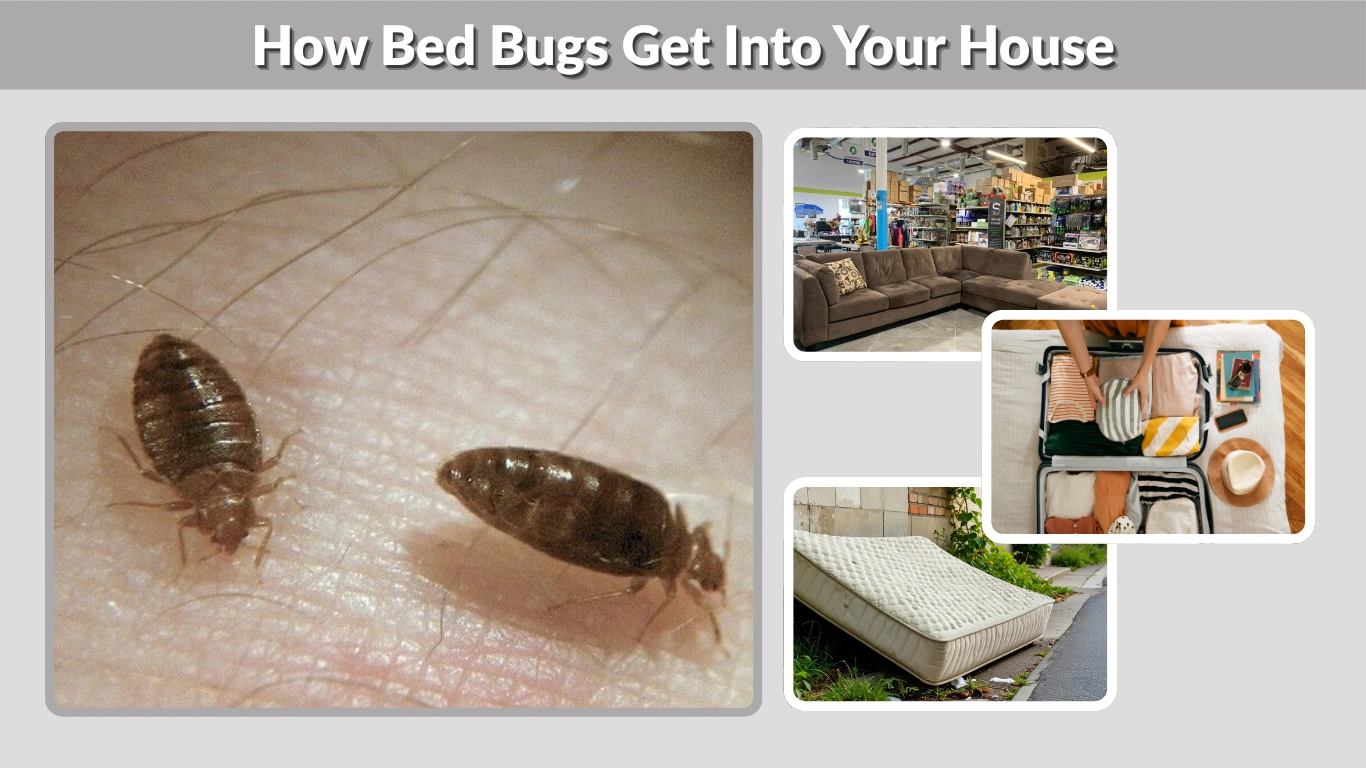
Bed bugs are small, flat insects that spread easily and often go unnoticed until an infestation becomes visible. They don’t need dirt, clutter, or old furniture to invade your home—only a way to hitch a ride inside. Understanding how bed bugs enter houses is essential for preventing long-term problems, especially because they reproduce quickly and hide extremely well. This guide explains the main ways bed bugs get into homes, early warning signs, and how infestations begin.
Common Ways Bed Bugs Get Inside Your House
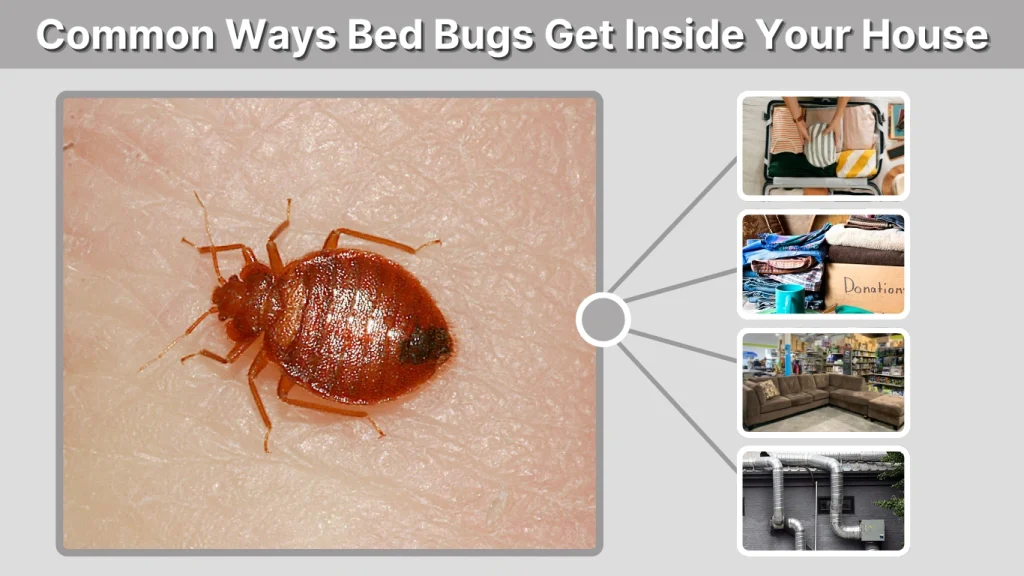
Bed bugs typically enter homes by attaching themselves to personal items or traveling through connected living spaces. Some of the most frequent and proven entry points include:
- Luggage after hotel or Airbnb stays
- Clothing or backpacks exposed to public seating
- Visitors who unknowingly carry bugs
- Used or refurbished mattresses, couches, or chairs
- Shared walls, vents, and piping in apartment buildings
These pests rarely walk in through doors or windows. Instead, they depend on human movement to travel from place to place.
Why Bed Bugs Seem to Appear Overnight
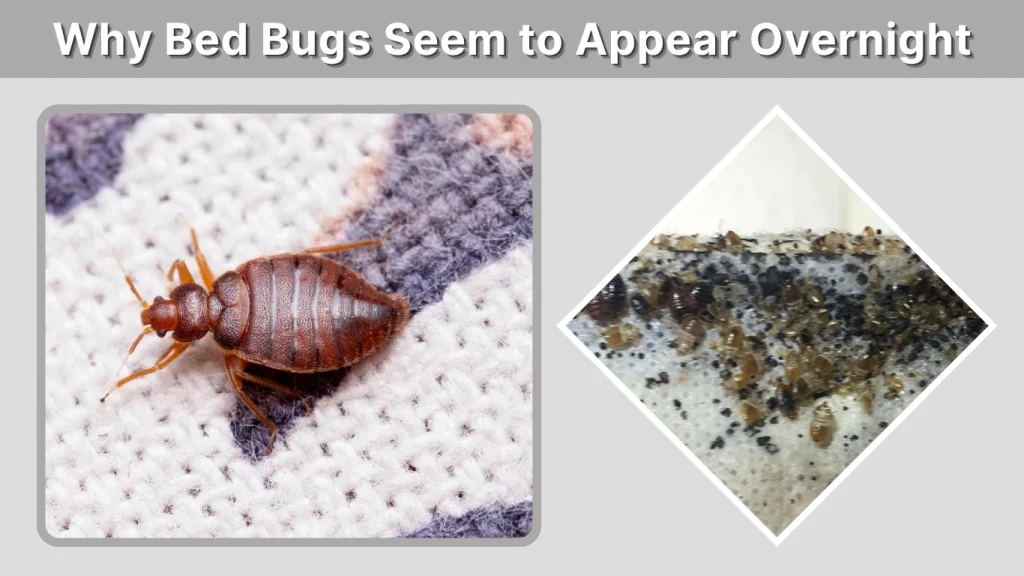
Hidden Daytime Behavior
Bed bugs stay hidden during the day inside mattress seams, cracks, crevices, and behind furniture. Because their hiding spots are small and difficult to see, most homeowners don’t notice them until the population becomes larger or bites start appearing.
Rapid Reproduction
A single pregnant female can lay dozens of eggs within weeks. Each egg is about the size of a grain of salt, making them nearly invisible to the naked eye. This fast reproductive cycle creates the illusion that the infestation appeared overnight, even though it has been growing quietly.
Accidental Transport
Bed bugs can cling to jackets, purses, work uniforms, and backpacks. When these items are placed on beds, carpets, or couches, bed bugs transfer to new hiding places. This process often happens without any visible signs, making it difficult to identify the exact moment they entered your home.
Early Signs Bed Bugs Are Already Indoors
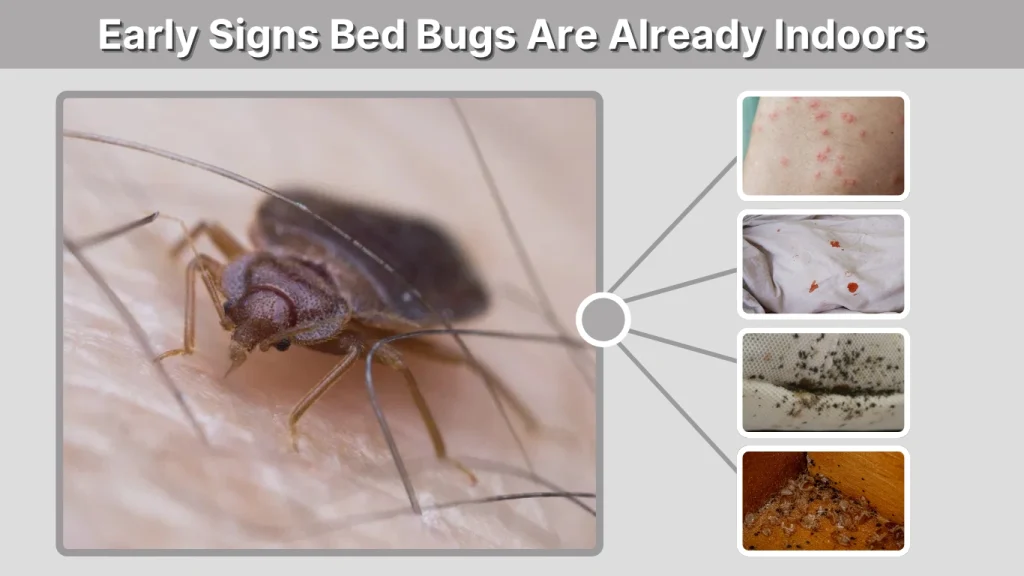
Recognizing the first signs of bed bugs is the key to preventing a minor issue from becoming a full-scale infestation. Look for:
- Itchy red bite clusters forming lines or zigzag patterns
- Rusty or red blood marks on pillowcases and sheets
- Tiny black fecal spots around seams of bedding or furniture
- Pale shed skins and eggshells near cracks or edges
- A musty, sweet odor around mattresses or upholstered furniture
Not all signs will appear at once, and some people never react to bites, so inspections are important.
How Bed Bug Infestations Start and Spread
Most infestations begin with a single female bed bug that enters your home through luggage, clothing, or second-hand items. She can lay multiple eggs per day, and within a few weeks the population grows rapidly, especially when hiding places are not disturbed. Bed bugs live in clusters and expand their territory as the numbers increase, moving from the bed to couches, carpet edges, and baseboards. As the infestation matures, they can spread between rooms, making treatment more challenging.
A key factor in their spread is their ability to survive for months without feeding, allowing them to hide in cracks, behind outlets, or inside furniture frames. Because they reproduce and spread gradually, many people only notice bed bugs when the population becomes large enough to cause frequent bites and visible marks. By this stage, the infestation is often much older than it appears.
How Bed Bugs Travel Into Your Home
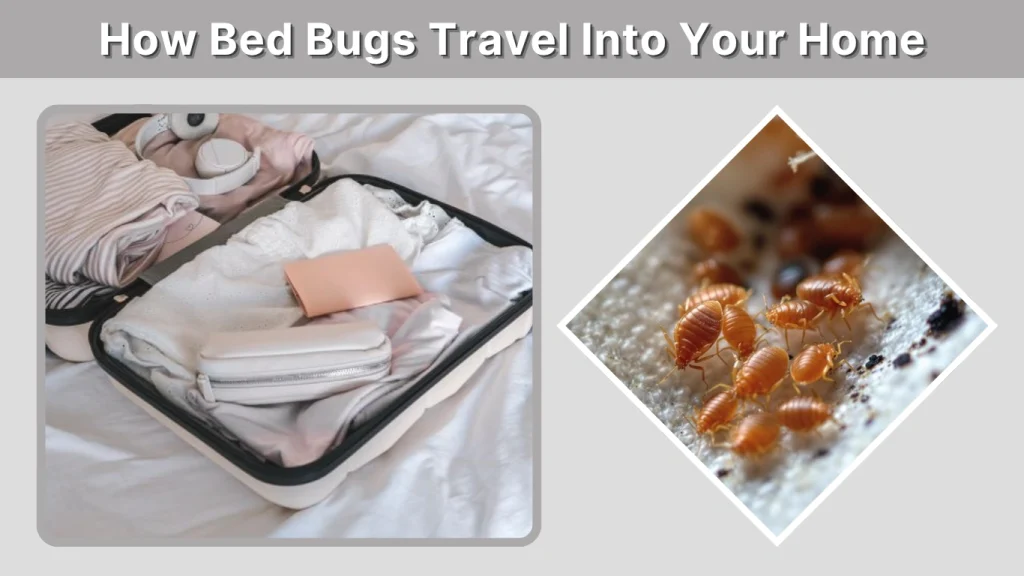
Clothing and Personal Items
Although bed bugs do not cling to skin like lice, they easily hide in pockets, zippers, cuffs, and bag seams. Clothing placed on beds, couches, or hotel chairs becomes the perfect vehicle for moving bugs into new spaces.
Neighbor Units in Multi-Housing
In apartments, condos, and dormitories, bed bugs can migrate through electrical outlets, wall cracks, ceiling gaps, or plumbing. When one unit becomes infested, surrounding units face a high risk of exposure.
Public Spaces and Workplaces
Bed bugs can be found in theaters, offices, buses, taxis, and waiting rooms—anywhere people sit. They transfer when personal items touch these surfaces, later ending up in bedrooms, closets, or carpets at home.
Simple Prevention Tips to Keep Bed Bugs Out
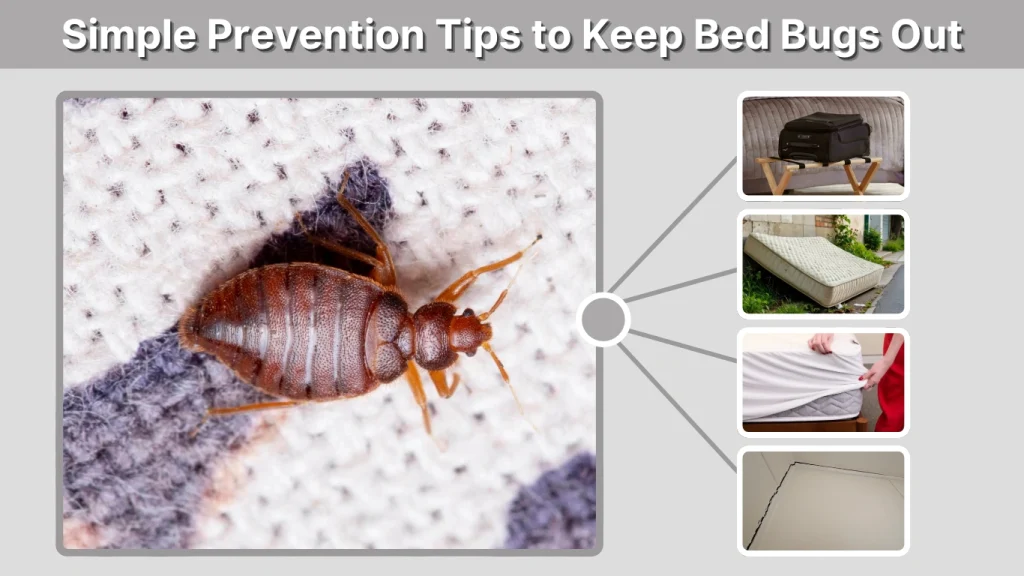
Preventing bed bugs requires consistent habits and awareness rather than deep cleaning. These practical steps reduce the chances of bringing bugs home:
- Keep luggage elevated in hotels
- Avoid buying used mattresses or upholstered furniture
- Use protective mattress encasements
- Seal cracks and gaps in walls or floors
- Reduce clutter to limit hiding spots
Regular inspections, especially after travel, play a major role in long-term prevention.
How Bed Bug Bites Occur Inside Homes
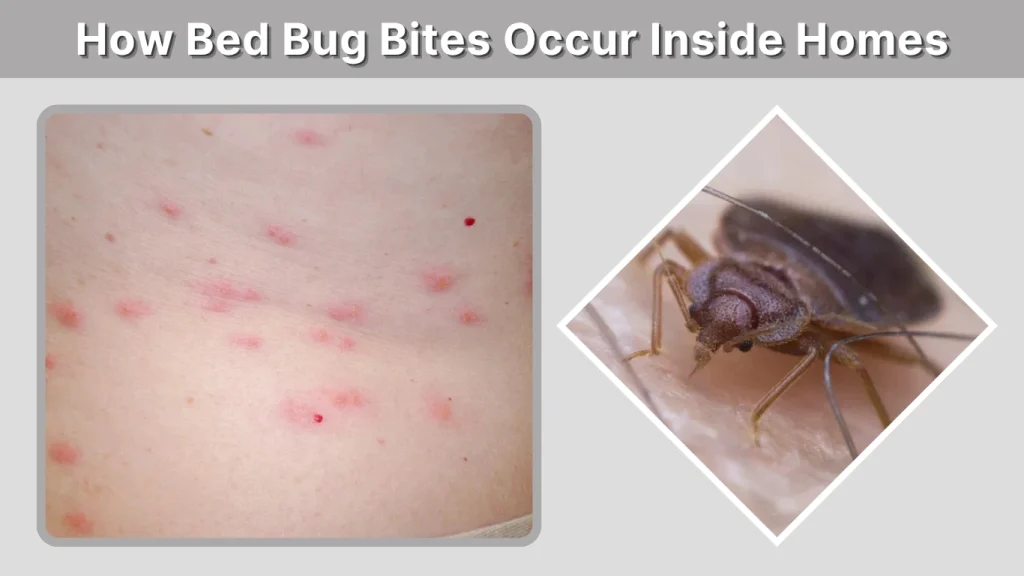
Attraction to Heat and Breath
Bed bugs locate humans by sensing body warmth and carbon dioxide. During the night, these signals guide them to sleeping areas where they can feed without interruption.
Nighttime Feeding Patterns
Bed bugs feed for several minutes before returning to their hiding spots. Their bites are painless at the moment of feeding because they inject a mild numbing agent, allowing them to go unnoticed.
Why Reactions Differ by Person
Some people experience strong allergic reactions that cause red, itchy bumps, while others show almost no symptoms at all. This variation makes it difficult to detect an infestation solely by bite marks.
Effective Methods to Get Rid of Bed Bugs in Your House
Eliminating bed bugs often requires a combination of treatments and repeated efforts. Vacuuming mattresses, carpets, and bed frames removes live insects and eggs. Washing bedding and clothing in high heat effectively kills all life stages. Steam treatment penetrates deep into crevices where chemicals cannot reach. When infestations are advanced, professional heat treatments or pesticide applications offer the most reliable results. Full removal may take several weeks, depending on the severity.
Long-Term Home Protection Against Bed Bugs
Maintaining a bed bug–free home depends on ongoing awareness. After traveling, inspect luggage immediately and store suitcases in sealed bags when not in use. Keep beds slightly away from walls and avoid resting bags or coats on upholstered furniture. Regular vacuuming of sleeping areas helps remove early threats before they spread. Investing in mattress covers and practicing careful furniture selection significantly lowers the risk of future infestations. With consistent habits, long-term protection becomes manageable.
FAQs
Can bed bugs enter a clean home?
Yes. Bed bugs are attracted to humans, not dirt, so even spotless homes can become infested. They enter by hitchhiking on luggage, clothes, guests, or second-hand furniture. Cleanliness does not impact their ability to spread, but regular inspection helps detect them early.
Can one bed bug cause an infestation?
A single pregnant female can start a full infestation. She can lay dozens of eggs within a few weeks, and each new generation grows quickly. Because their eggs are hard to spot, early signs often go unnoticed until the population becomes large.
Can bed bugs travel on clothes during the day?
Yes. Bed bugs can cling to fabric in pockets, seams, and folds. While they prefer hiding, they may attach to clothing or bags if disturbed. They don’t live on the body, but they can easily travel from public places to homes through personal items.
Can bed bugs spread from a neighbor’s home?
In shared housing like apartments or dorms, bed bugs often migrate through wall cracks, plumbing lines, and electrical outlets. If one unit is infested, nearby units face elevated risk. Sealing entry points and coordinating building-wide treatment is the most effective approach.
Can you eliminate bed bugs without professional help?
Mild infestations can sometimes be managed with vacuuming, steaming, high-heat laundry, and mattress encasements. However, severe or widespread infestations usually require professional heat or chemical treatment. Combining DIY efforts with expert intervention gives the highest chance of complete removal.