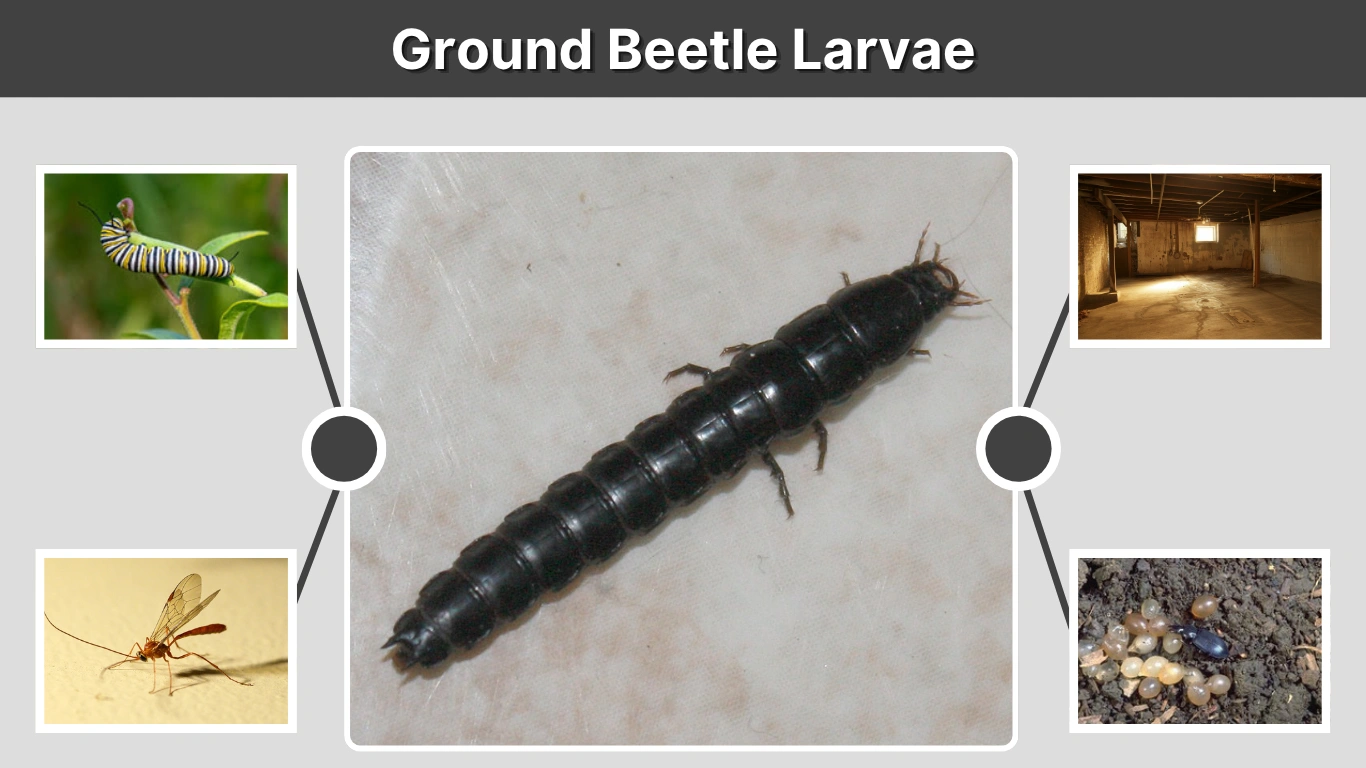
Ground beetle larvae belong to the family Carabidae, a group of highly beneficial insects known for their predatory habits. These larvae are fascinating to study because of their unusual appearance and ecological role. Found across woodlands, fields, gardens, and even homes, they are a key part of natural pest control. Understanding their life cycle, identification, and diet can help homeowners and gardeners recognize their value in the environment.
What Are Ground Beetle Larvae?
Ground beetles are widespread insects with more than 40,000 species recorded worldwide. While adult beetles are often recognized by their shiny black or metallic shells, their larvae are less familiar but equally important. Ground beetle larvae are predatory, long-bodied creatures that spend most of their time hidden in soil or leaf litter.
These larvae are active hunters, preying on other insect larvae, small worms, and even vertebrates in some cases. They play a crucial role in regulating pest populations, including harmful species such as flea beetle larvae. Because of their natural ability to keep pests in check, ground beetle larvae are considered allies in agriculture and gardening.
Ground Beetle Larvae Identification

Identifying ground beetle larvae can be challenging since their appearance differs from adults. They usually have an elongated, dark body with a noticeable head capsule. The big-headed ground beetle larvae are especially distinctive, with a broader head compared to the rest of the body. Their mandibles are strong and adapted for grasping and consuming prey.
Different species show slight variations:
- Common black ground beetle larvae – typically dark brown to black with a smooth body.
- Violet ground beetle larvae – linked to the striking violet ground beetle species, often showing subtle purple hues.
- Blue ground beetle larvae – rare in distribution, connected to one of the UK’s most unique beetles.
- Scarites ground beetle larvae – larger and more robust, adapted to sandy or loose soil habitats.
In the UK, ground beetle larvae are frequently spotted in woodlands and gardens, while in regions like California, Oklahoma, and New Jersey, they are found in diverse habitats ranging from farmland to suburban yards. Their burrowing behavior makes them more common in soil-rich areas, while woodland ground beetle larvae thrive under leaf litter.
Life Cycle and Development
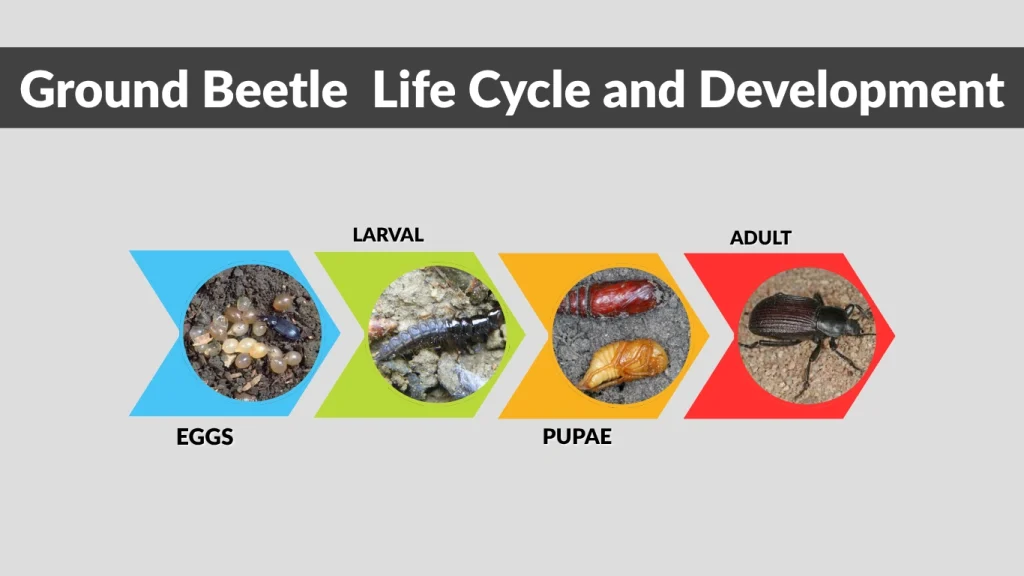
Ground beetles undergo complete metamorphosis, progressing from egg to larva, pupa, and finally adult beetle. The larval stage is the longest and most active feeding period. Eggs are usually deposited in soil or hidden areas where larvae can quickly find food after hatching.
The larval stage can last several months, during which the insect grows rapidly while hunting for prey. Their predatory habits are most intense during this time, as they need high amounts of protein to fuel development. Once mature, they pupate in soil chambers before emerging as adult beetles.
What Do Ground Beetle Larvae Eat?
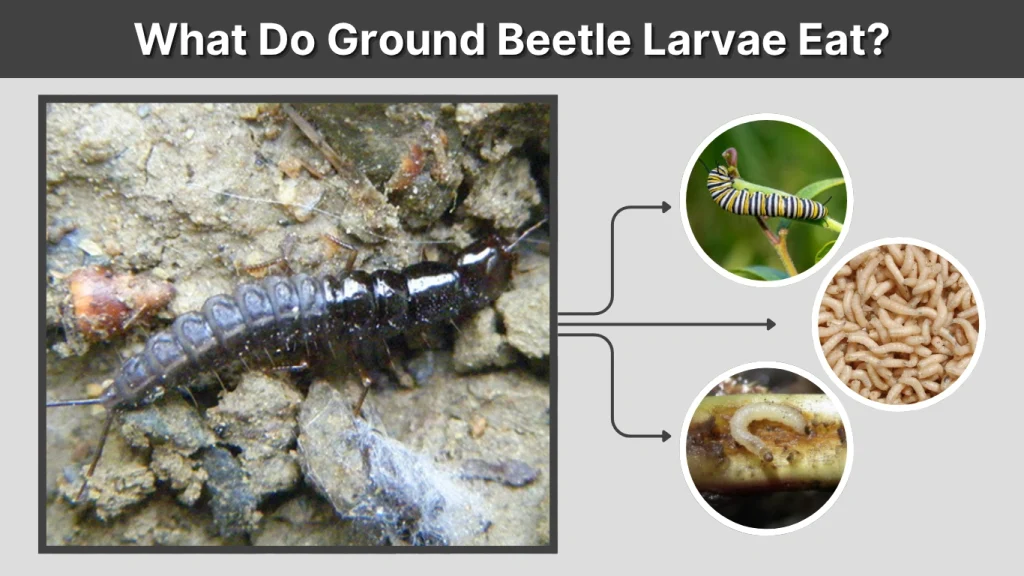
The diet of ground beetle larvae is highly carnivorous, making them valuable predators in ecosystems. They commonly feed on:
- Insect larvae such as caterpillars, maggots, and rootworms.
- Flea beetle larvae, a notorious garden pest.
- Small invertebrates like worms and slugs.
Remarkably, ground beetle larvae have been documented feeding on frogs and other small vertebrates when available. This aggressive hunting behavior showcases their adaptability as predators. Because of their diverse appetite, they are sometimes introduced in agricultural systems to control pest outbreaks naturally.
Ground Beetle Larvae and Interactions
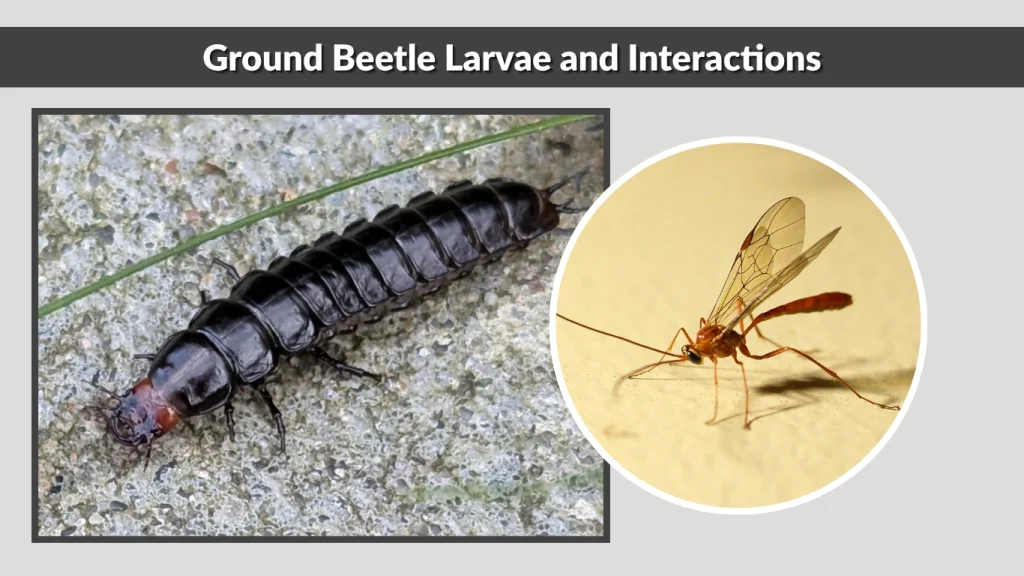
Ground beetle larvae play an active role in food webs. They are both predators and prey, influencing the balance of many ecosystems. Their powerful jaws allow them to attack a wide range of organisms, yet they also face threats from larger predators and parasites.
One of the most interesting interactions involves ichneumon wasps and other parasitic insects. These wasps lay eggs inside the larvae, and the developing wasp consumes its host from within. This natural check prevents ground beetle larvae from becoming overly dominant.
Another connection is with small mammals like voles. While voles do not typically eat larvae, they share the same habitats. Since ground beetle larvae feed on insects that damage plants, they indirectly benefit voles by helping maintain healthy vegetation.
Can Ground Beetle Larvae Bite Humans?
Yes, ground beetle larvae can bite if handled, but their bite is not harmful or dangerous. Their mandibles are adapted to capture prey, not injure humans. Most encounters happen accidentally when they wander indoors or are unearthed in gardens. Unlike some insects, they are not venomous and do not pose medical risks.
Ground Beetle Larvae in Houses and Gardens
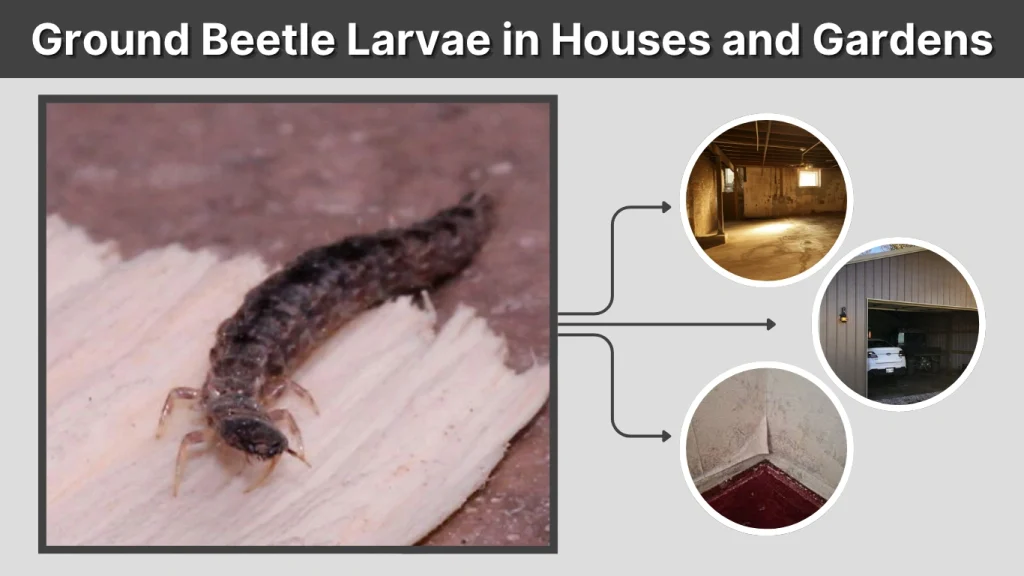
It’s not uncommon to find ground beetle larvae inside houses, particularly basements, garages, or damp corners. They enter accidentally in search of food or shelter. While their presence may alarm homeowners, they are harmless indoors and do not infest like cockroaches or termites.
In gardens, however, their presence is highly beneficial. By preying on caterpillars, maggots, and flea beetle larvae, they help reduce pest populations naturally. Many gardeners welcome their activity as part of organic pest control. Instead of trying to eliminate them, it is best to encourage their presence by maintaining natural soil cover and avoiding excessive pesticide use.
Regional Variations of Ground Beetle Larvae
Different species of ground beetle larvae are distributed across regions:
- UK – Includes the common black ground beetle, violet ground beetle, and the rare blue ground beetle. Woodland habitats are especially important here.
- California – Home to both large predaceous ground beetles and species adapted to sandy soils.
- New Jersey – A mix of woodland and suburban beetles, often associated with garden ecosystems.
- Oklahoma – Species such as burrowing ground beetles thrive in farmland soils.
These variations highlight the adaptability of ground beetles to diverse climates and terrains. From forests to grasslands, larvae are resilient predators that adjust their diets based on availability of prey.
Buying and Selling Ground Beetle Larvae
Because of their pest-control abilities, ground beetle larvae are sometimes sold for use in agriculture and gardening. In the UK and internationally, they can be purchased through biological supply companies. When buying larvae, considerations include proper habitat preparation and ensuring that species introduced are native to avoid ecological disruption.
However, they are not as commonly sold as other beneficial insects like ladybugs or nematodes. Their rearing is more complex, and their predatory behavior makes them harder to manage in captivity. Still, interest in using ground beetle larvae for natural pest management continues to grow.
Scientific Classification and Interesting Facts
Ground beetle larvae belong to the family Carabidae, a large group with thousands of species worldwide. Their scientific classification is as follows:
- Kingdom: Animalia
- Phylum: Arthropoda
- Class: Insecta
- Order: Coleoptera
- Family: Carabidae
Fascinating Facts
- Predaceous nature: They are among the most efficient hunters of soil-dwelling insects.
- Unique feeding: Some species have been observed consuming frogs, showcasing their aggressive adaptability.
- Ecological allies: Farmers and gardeners rely on them as natural pest control agents.
- Diversity: From large scarites beetle larvae to delicate violet ground beetle larvae, the variety is extensive.
Conclusion
Ground beetle larvae are powerful predators with an important role in natural ecosystems. Easily identified by their elongated bodies and large heads, they thrive in soil and woodland habitats. Though sometimes found in homes, they are not harmful and instead provide great benefits in gardens and farms by controlling pests. Their fascinating interactions with prey, predators, and parasites highlight their ecological significance.
Whether studied for science, admired for their resilience, or even purchased for biological control, ground beetle larvae remain one of nature’s most effective pest managers.