
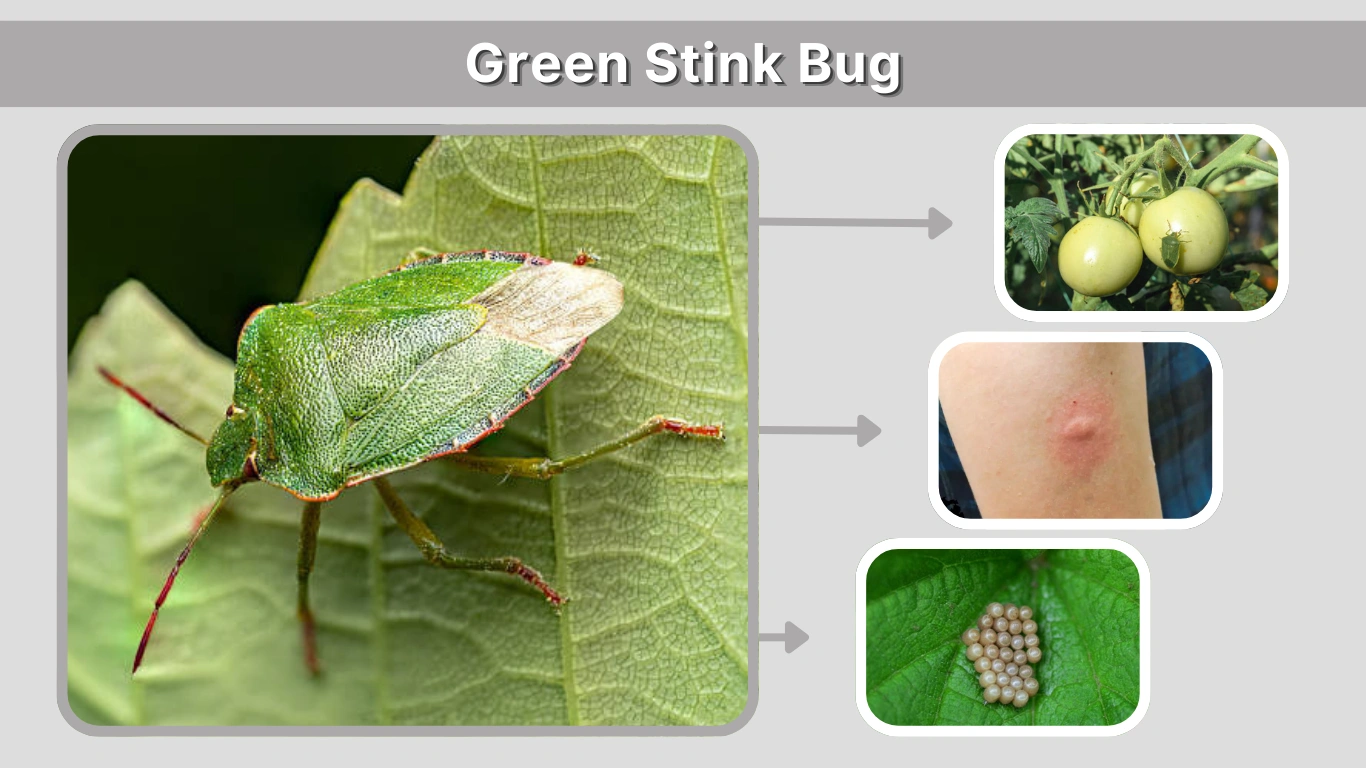
Green stink bugs are common insects that often catch attention because of their bright green color and strong odor. They are frequently seen in gardens, farms, and sometimes inside homes, leading many people to wonder if they are dangerous, poisonous, or harmful to plants. Green stink bugs are often confused with brown stink bugs or other green insects that smell when disturbed. Understanding how to identify them, where they live, and what damage they can cause helps clear up myths and makes control easier when needed.
What Is a Green Stink Bug?
A green stink bug is a type of true bug belonging to the stink bug family, Pentatomidae. These insects are known for their shield-shaped bodies and their ability to release a strong-smelling chemical as a defense. While many people assume all stink bugs are brown, several species are bright green for most of their adult lives.
Common Names and Variations
Green stink bugs may be referred to by several names depending on species and location. Common names include green stink bug, southern green stink bug, green shield bug, and bright or lime green stink bug. These names often cause confusion, especially when different green species are grouped together under one label.
Scientific Classification
The most common green stink bug in North America is Chinavia hilaris. Another well-known species is the southern green stink bug, Nezara viridula, which is more common in warmer climates and agricultural areas. Both belong to the Pentatomidae family, which includes hundreds of stink bug species worldwide.
Green Stink Bug Identification
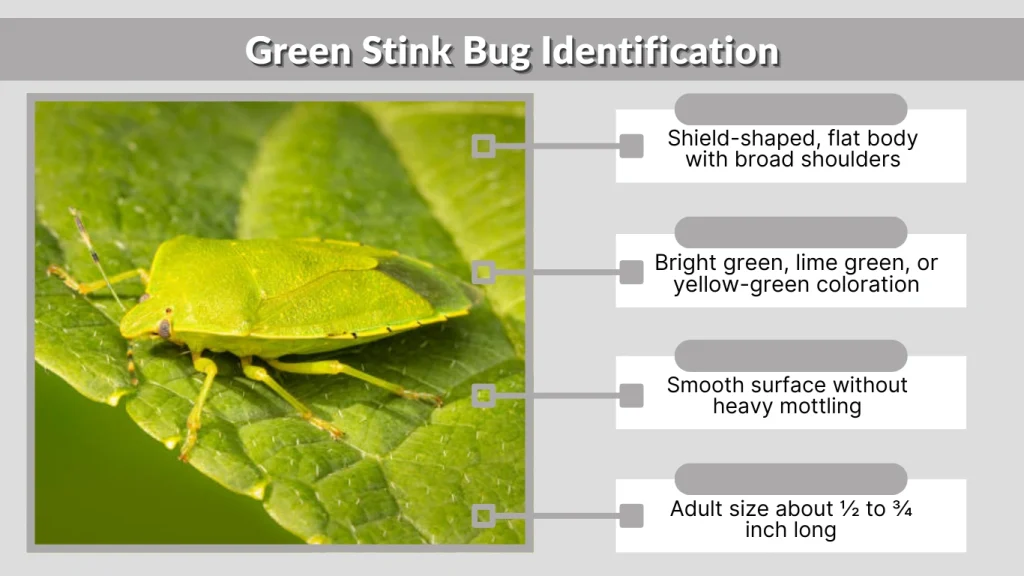
- Shield-shaped, flat body with broad shoulders
- Bright green, lime green, or yellow-green coloration
- Smooth surface without heavy mottling
- Adult size about ½ to ¾ inch long
- Thin pale or yellowish edge along the body margin
- Triangular scutellum visible on the back
- Piercing-sucking mouthparts tucked under the body
- Emits a strong odor when disturbed or crushed
- Nymphs are rounder and often black, red, orange, or green with spots
- Commonly found on leaves, fruits, and garden plants
Are Green Stink Bugs Green or Brown?
Stink bugs can be green or brown depending on the species. Green stink bugs remain green throughout most of their adult lives, while brown stink bugs, such as the brown marmorated stink bug, are mottled brown or gray. Some green species may darken slightly in cooler weather, which adds to the confusion. Color alone is not always enough to identify the exact species, but it is a useful starting point.
Green Stink Bug vs Brown Stink Bug
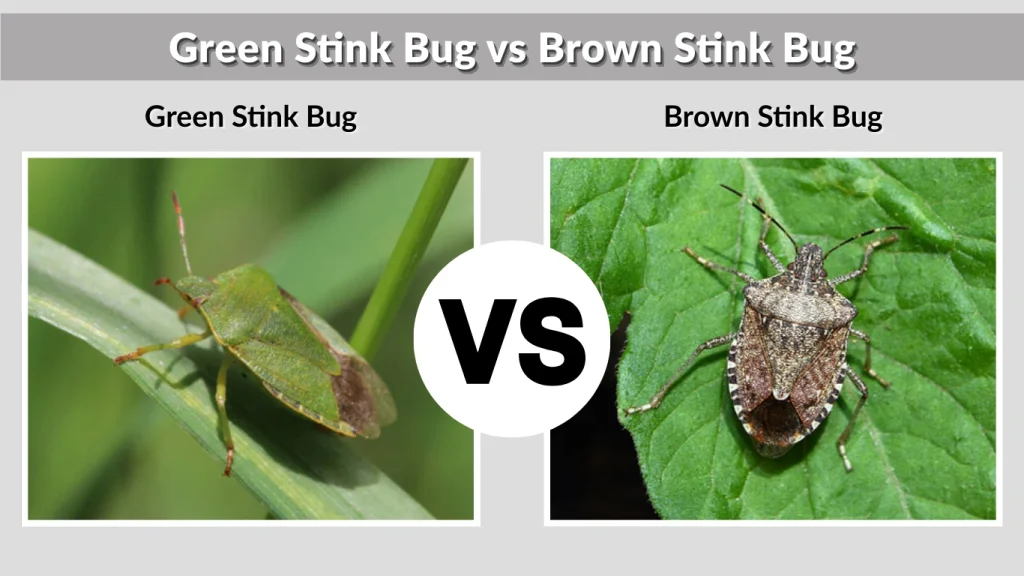
Green stink bugs and brown stink bugs share many similarities, but there are important differences.
Key Differences
Green stink bugs are usually solid green with smooth coloring, while brown stink bugs have mottled patterns. Many green stink bugs are native to North America, whereas the brown marmorated stink bug is invasive in many regions. Brown stink bugs are more likely to invade homes in large numbers, especially in fall.
Why People Confuse Them
Both types release a strong odor when disturbed, have similar body shapes, and are often found in the same environments. Because of this, many people refer to any foul-smelling bug as a stink bug without noticing color or markings.
Life Cycle of a Green Stink Bug
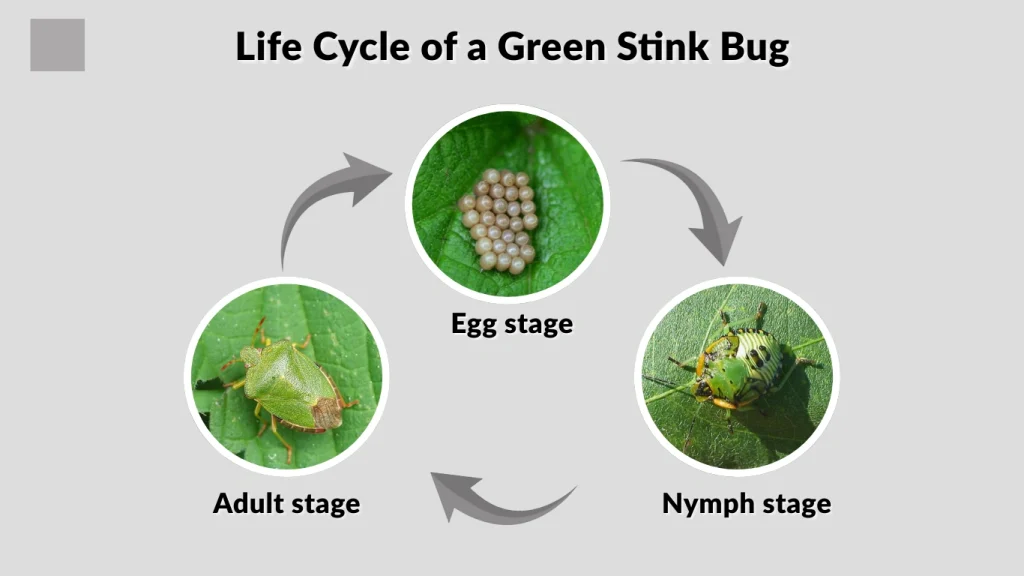
Green stink bugs go through a gradual life cycle consisting of egg, nymph, and adult stages.
Egg Stage
Female green stink bugs lay clusters of barrel-shaped eggs on the undersides of leaves. These eggs are usually pale green or yellow and hatch within a few days. Southern green stink bug eggs are especially common on crop plants.
Nymph Development
After hatching, nymphs pass through several growth stages called instars. Each stage involves molting and a change in size and coloration. During this time, nymphs feed heavily on plant juices.
Adult Stage and Lifespan
Adults are most active during warm months. As temperatures drop, they seek shelter and may accidentally enter homes. Most green stink bugs live several months, depending on climate and food availability.
Habitat and Geographic Range
Green stink bugs are adaptable insects found in a wide range of environments. They prefer areas where food is abundant, especially locations with fruiting plants and crops.
Where Green Stink Bugs Live
These insects are most commonly found in gardens, agricultural fields, orchards, and forest edges. They thrive in areas with warm temperatures and dense vegetation. Citrus groves, vegetable gardens, and soybean fields are especially attractive to green stink bugs because they provide easy access to plant juices.
Common Locations in North America
Green stink bugs are widely distributed across the United States. They are particularly common in Florida and the southeastern states, where warm weather allows multiple generations each year. They are also found in California, Arizona, Utah, Colorado, Illinois, Indiana, and Massachusetts. While less common in colder regions, they can still appear during warmer months.
Why They Enter Homes
Green stink bugs do not breed indoors, but they may enter houses accidentally. This usually happens in late summer or fall when they search for shelter from cooling temperatures. Open windows, gaps around doors, and small cracks provide easy entry points.
Green Stink Bug Diet and Plant Damage

Green stink bugs are plant feeders that use piercing-sucking mouthparts to extract juices from leaves, stems, and fruits.
What Green Stink Bugs Eat
Their diet includes a wide variety of plants. Common food sources include tomatoes, peppers, beans, corn, citrus fruits, apples, and berries. In agricultural settings, they are known to damage soybeans, cotton, and other field crops.
Damage to Plants
Feeding damage appears as small puncture marks, discolored spots, or misshapen fruits. In severe cases, repeated feeding can cause fruits to drop prematurely or develop hard, corky areas beneath the skin. This makes green stink bugs a significant concern for gardeners and farmers.
Are Green Stink Bugs Harmful to Humans?
Green stink bugs often look intimidating, but they pose very little risk to people.
Are Green Stink Bugs Poisonous or Venomous?
Green stink bugs are not poisonous and do not produce venom. The strong odor they release is unpleasant but not toxic. This defensive chemical is meant to deter predators rather than harm humans.
Can Green Stink Bugs Bite?
Green stink bugs can bite, but this is rare. Bites usually occur only if the bug is handled roughly or trapped against the skin. Even then, the bite is mild and does not cause serious injury.
Green Stink Bug Bite: What to Know
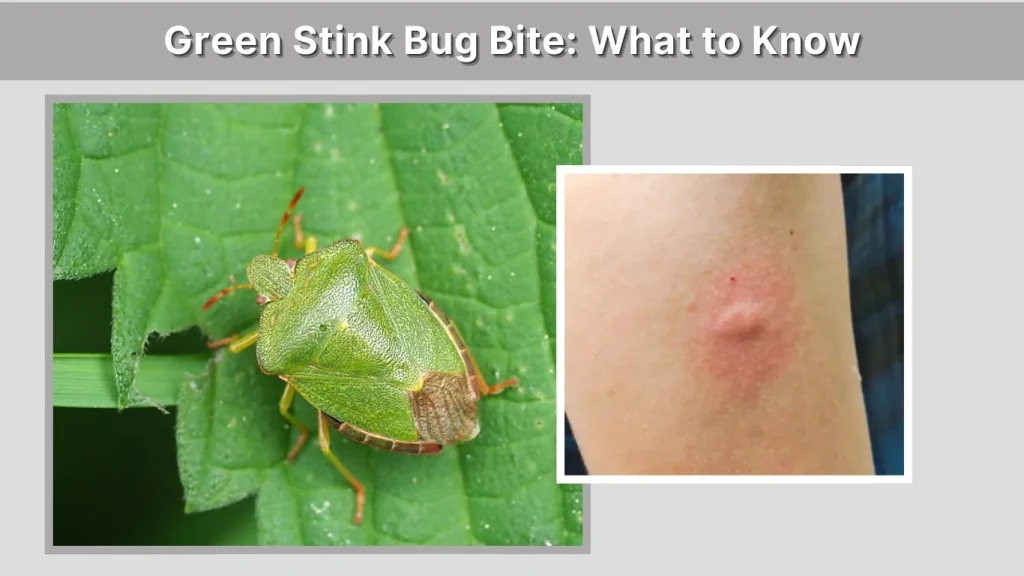
A green stink bug bite may feel like a small pinch or needle prick. Mild redness or irritation can occur, but symptoms usually fade quickly. Washing the area with soap and water is usually sufficient. Medical attention is rarely needed unless an allergic reaction develops, which is uncommon.
Smell and Defense Mechanism
The most well-known feature of green stink bugs is their odor. When threatened or crushed, they release a strong-smelling chemical from specialized glands. The smell is designed to repel predators and warn others of danger. While unpleasant, it does not cause harm and fades over time with ventilation.
Natural Predators and Ecological Role
Despite being pests, green stink bugs play a role in local ecosystems.
Common Predators
Birds, spiders, frogs, and predatory insects feed on green stink bugs. Parasitic wasps also target their eggs, helping control populations naturally.
Are Green Stink Bugs Beneficial?
Green stink bugs are not considered beneficial insects due to the damage they cause to crops. However, they are part of the food chain and contribute to ecological balance by supporting predator species.
Green Stink Bug Control and Prevention
Managing green stink bugs focuses on prevention and population control rather than elimination.
Garden and Outdoor Control
Hand-picking stink bugs and dropping them into soapy water is effective for small infestations. Row covers can protect plants, and encouraging natural predators helps keep numbers in check. Removing weeds and debris reduces hiding spots.
Preventing Green Stink Bugs Indoors
Sealing cracks, repairing window screens, and closing gaps around doors helps prevent entry. Reducing outdoor lighting near doors and windows can also make homes less attractive to flying insects at night.
Southern Green Stink Bug Control
The southern green stink bug is more destructive in agricultural areas and may require targeted management strategies. Monitoring crops and using integrated pest management methods are the most effective long-term solutions.
Are Green Stink Bugs Invasive?
Most green stink bugs in North America are native species. However, the southern green stink bug has expanded its range in some areas and can behave invasively in agricultural systems. Unlike the brown marmorated stink bug, green species rarely cause large-scale indoor infestations.
Interesting Facts About Green Stink Bugs
Green stink bugs can fly and are strong fliers when temperatures are warm. Their blood is not green; it is clear to pale yellow like most insects. Their bright coloration helps them blend into foliage, making them harder for predators to spot.
FAQs
Are green stink bugs dangerous?
Green stink bugs are not dangerous to humans. They do not carry diseases and rarely bite. Their main impact is on plants rather than people.
Are green stink bugs harmful to plants?
Yes, green stink bugs can damage fruits, vegetables, and crops by feeding on plant juices. Heavy infestations can reduce yield and quality.
Why are some stink bugs green and others brown?
Color differences depend on species and genetics. Green stink bugs stay green as adults, while brown stink bugs are a separate group with different markings.
Can green stink bugs infest homes?
Green stink bugs do not infest homes but may enter accidentally while seeking shelter during cooler months.
What should I do if I find one inside my house?
Gently capture it with a cup and release it outdoors. Avoid crushing it to prevent the odor from spreading.
