

Flea and bed bug bites often look similar, causing confusion when trying to identify the pest responsible. Both insects feed on human blood, leave itchy marks, and may trigger allergic reactions. However, their bite patterns, preferred locations on the body, and the timing of symptoms differ in important ways. This guide covers the first half of the full 1500-word article—about 700 words—focusing on appearance, symptoms, patterns, and visual differences.
Overview
Flea bites and bed bug bites share several similarities, which is why people frequently mistake one for the other. They can appear as red bumps, become itchy, and occur in clusters. Understanding the distinctions is crucial because the treatment, removal process, and long-term prevention strategies vary depending on the pest. While fleas commonly originate from pets or infested environments, bed bugs thrive in beds, furniture, and travel luggage. Knowing the source helps you take effective action.
Understanding Flea Bites
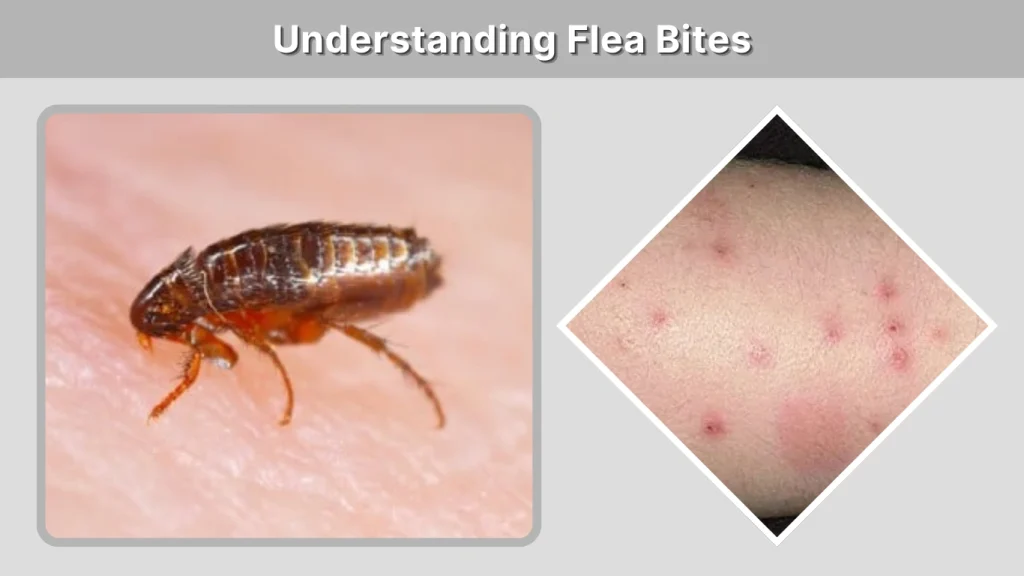
What Fleas Are
Fleas are tiny, wingless insects that feed primarily on the blood of pets and wildlife. They thrive in warm, humid environments and often enter homes through dogs, cats, or clothing. Their strong legs allow them to jump long distances, making it easy for them to reach human skin even if they don’t live directly on the body. Flea infestations often begin unnoticed until the first bites appear.
What Flea Bites Look Like
Flea bites typically appear as small, red bumps with a distinct central puncture mark. They often occur in small groups or clusters, sometimes forming a line of two or three bites. On lighter skin, flea bites may look bright red; on darker skin, they may appear hyperpigmented or purplish. Flea bites tend to be very itchy, and repeated scratching can lead to scabs or secondary infections.
Symptoms of Flea Bites
Flea bites usually cause immediate itching, which can intensify over several hours. Individuals with sensitive skin may experience swelling, redness, and raised welts. In severe cases, an allergic reaction—known as flea allergy dermatitis—can develop, leading to intense itching and widespread rash. Scratching increases the risk of infection, especially around the ankles and lower legs.
Where Flea Bites Commonly Appear on Humans
The most common locations for flea bites include the ankles, lower legs, waistline, and the areas where clothing fits tightly, such as behind the knees or around the socks. Fleas target these areas because they stay close to the ground or jump from infested carpets, rugs, and pet bedding. Humans typically notice bites after being in contact with pets or spending time near floors.
Understanding Bed Bug Bites
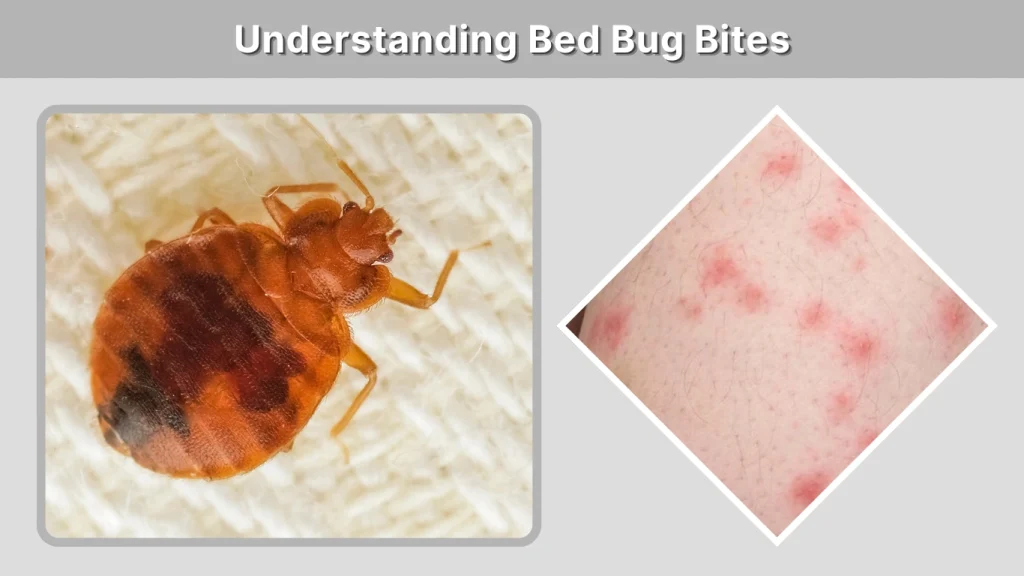
What Bed Bugs Are
Bed bugs are small, flat, reddish-brown insects that hide in cracks, mattresses, headboards, and upholstered furniture. They come out at night to feed on human blood and are known for their stealthy behavior. Unlike fleas, bed bugs do not live on humans or pets. Instead, they hide during the day and emerge when people are asleep, making their bites noticeable only hours later.
What Bed Bug Bites Look Like
Bed bug bites often appear as red, swollen bumps that may resemble mosquito bites. A hallmark feature is the “breakfast, lunch, and dinner” pattern—three bites in a row or small cluster. However, not everyone reacts the same way; some people show no visible marks at all. On darker skin tones, bed bug bites may show up as raised bumps that darken over time.
Symptoms of Bed Bug Bites
Bed bug bites may not itch immediately. Reactions often develop several hours or even days after the bite occurs. Symptoms include redness, swelling, mild burning, and intense itching. Individuals with strong reactions may experience large welts, hives, or blister-like bumps. Because bed bugs bite at night, bites usually appear on exposed skin.
Where Bed Bug Bites Commonly Appear on Humans
Bed bug bites usually show up on areas of the body that remain uncovered during sleep. These include the arms, face, shoulders, back, neck, and legs. Bed bugs tend to bite in visible clusters or straight lines, following the direction of blood vessels under the skin. Unlike fleas, bed bugs do not concentrate their bites on one part of the body.
Flea Bites vs Bed Bug Bites: Side-by-Side Comparison

| Feature | Flea Bites | Bed Bug Bites |
| Appearance | Small red bumps with a clear central puncture | Red, swollen welts without a sharp puncture point |
| Size | 1–3 mm | 4–7 mm (larger and puffier) |
| Color on Light Skin | Bright red, sometimes forming small halos | Pink or red, often inflamed |
| Color on Dark Skin | Dark red or purplish spots | Raised bumps that may darken over time |
| Pattern | Random clusters of 2–3 bites | Straight lines or zigzags (breakfast-lunch-dinner pattern) |
| Itching | Immediate, intense itching | Delayed itching; moderate to severe |
| Pain Level | Mild sting on bite | Usually painless during the bite |
| Common Body Locations | Ankles, lower legs, waistline | Arms, neck, face, shoulders, back |
| Timing of Bites | Anytime, especially after contact with pets | Mainly at night during sleep |
| Reaction Onset | Fast—itching starts quickly | Slow—bites may appear hours to days later |
| Likelihood of Infection | Higher due to scratching | Moderate (scratching also increases risk) |
| Source of Infestation | Pets, carpets, bedding, yard environments | Mattresses, furniture, luggage, cracks in walls |
Image-Based Identification Guide

Pictures of Flea Bites
Flea bite images typically show small, round, red bumps clustered tightly together. The skin around each bite may be slightly inflamed, and a dark puncture point is usually visible in the center. Photos often highlight the lower legs and ankles since these are the most common bite locations. In many cases, the skin appears scratched due to the intense urge to itch, resulting in scabbing or small abrasions.
Pictures of Bed Bug Bites
Photos of bed bug bites often show raised welts that look similar to mosquito bites but appear in noticeable patterns. On lighter skin, these bumps look bright red or pink with swelling. On darker skin, images show raised bumps with a deeper, darker tone. Bed bug bite photos usually feature areas like the arms, neck, and shoulders—places that are exposed during sleep. In many comparison images, you’ll see the distinct “line of three” pattern.
Flea Bites vs Bed Bug Bites Pictures
Side-by-side images help make the difference clearer. Flea bites appear more individually defined, smaller, and grouped lower on the body. Bed bug bites appear more swollen, larger, and often arranged in lines or clusters on the upper body. Visual guides also highlight how bed bug bites may appear in geometric patterns, unlike the random clusters produced by fleas.
Extended Multi-Pest Comparison

Flea Bites vs Mosquito Bites vs Bed Bug Bites
A three-way comparison highlights several key differences:
- Flea bites: Smaller, cluster in groups of 2–3, often near the ankles.
- Mosquito bites: Puffy, round, soft bumps that appear shortly after the bite.
- Bed bug bites: Firm, raised welts that form straight lines or zigzags.
Mosquito bites tend to be the itchier of the three initially, but flea and bed bug bites can last longer and leave more persistent marks.
Flea Bites vs Bed Bug Bites vs Chiggers
Chiggers create extremely itchy welts that cluster tightly around the waistline, behind the knees, or in areas where clothing fits snugly. Their bites can resemble flea bites but tend to swell more. Bed bug bites differ with their lined patterns, while flea bites remain smaller with sharper edges. Chiggers often cause intense itching for several days.
Flea Bites vs Bed Bug Bites vs Spider Bites
Spider bites usually appear as isolated, painful welts with noticeable swelling. In contrast:
- Flea bites = clusters
- Bed bug bites = lines
- Spider bites = single, large bump
Spider bites may also produce blistering or necrotic centers depending on the species, which fleas and bed bugs do not cause.
Sand Flea Bites vs Bed Bug Bites

Appearance
Sand flea bites differ significantly from regular flea bites. Instead of small bumps, they create large, swollen welts with a distinctive black dot in the center. Bed bug bites, by comparison, remain rounded, red, and smaller. Photos of sand flea bites often show deeper inflammation or infection, which is less common with bed bug bites.
Severity
Sand flea bites can be more dangerous because the fleas may burrow into the skin, particularly on the feet. Bed bug bites rarely lead to infection unless scratched excessively. Sand flea bites last longer, cause more severe swelling, and often require medical attention.
Special Comparisons
Cat Flea Bites vs Bed Bug Bites
Cat flea bites resemble typical flea bites but may appear more scattered because cats move frequently through the home. Bed bug bites remain more patterned and predictable. Cat flea bites tend to be lower on the body, while bed bug bites mostly appear on exposed areas during sleep.
Human Flea Bites vs Bed Bug Bites
Human fleas are rare, but their bites resemble dog or cat flea bites—small, red, and very itchy. Bed bug bites, however, tend to last longer and often appear in straighter lines. Human flea bites are typically found on the legs and feet, while bed bug bites can appear anywhere exposed during sleep.
Bed Bug Bites vs Dog Lice vs Fleas
- Dog lice bites cause small red bumps, similar to fleabites, but usually occur on pets rather than humans.
- Flea bites concentrate on the legs.
- Bed bug bites spread along the arms, back, and neck.
Dog lice rarely bite humans unless the infestation is severe.
Causes and Risk Factors

Why Fleas Bite Humans
Fleas bite humans when their primary hosts—pets or wildlife—are nearby. They jump from carpets, pet bedding, or furniture. Homes with pets, carpeting, or warm climates have higher flea risks. Fleas also remain active year-round indoors.
Why Bed Bugs Bite Humans
Bed bugs are attracted to carbon dioxide, heat, and human scent. They feed at night and hide during the day, making them difficult to detect. Travelers, apartment occupants, and individuals with used furniture face higher risks. Bed bugs spread easily through luggage and shared buildings.
Treatment for Flea Bites
At-Home Remedies
Treating flea bites begins with cleaning the area using warm water and mild soap. Applying ice packs reduces swelling, while anti-itch creams or antihistamines help manage itching. Oatmeal baths and aloe vera also soothe irritated skin. It’s important to avoid scratching to prevent infection.
When to See a Doctor
Seek medical care if bites become infected, show signs of pus, or if a widespread rash develops. Individuals with severe allergies should get medical treatment immediately.
Treatment for Bed Bug Bites

At-Home Remedies
Bed bug bite treatment focuses on reducing itching and inflammation. Wash the affected area, apply hydrocortisone cream, and consider antihistamines for swelling. Cool compresses help relieve discomfort. Although bed bug bites are unpleasant, they typically heal within 1–2 weeks.
When to Seek Medical Help
If a person develops severe swelling, blistering, or allergic reactions, medical attention is necessary. Persistent welts or infections may require prescription treatments.
How to Remove Fleas
Treating Your Home
Eliminating fleas requires a thorough cleaning routine:
- Vacuum carpets, rugs, and furniture daily.
- Wash pet bedding in hot water.
- Use steam cleaning to kill eggs.
- Apply flea sprays or powders approved for indoor use.
Combining these steps helps break the flea life cycle.
Treating Pets
Fleas must be removed from pets using:
- Flea combs
- Topical treatments
- Oral flea medication
- Veterinary-approved shampoos
Consistent pet treatment is essential to prevent reinfestation.
How to Get Rid of Bed Bugs
Home Treatments
Effective home strategies include:
- Washing bedding and clothing in hot water
- Running items through a high-heat dryer
- Using mattress covers
- Removing clutter that hides bed bugs
Heat treatment is the most effective home method.
Professional Extermination
Severe infestations require professional pest control. Experts use high-heat systems or chemical treatments to eliminate bed bugs thoroughly. Professional removal may take multiple visits but ensures long-term results.
Prevention Tips
Preventing Flea Bites
- Regularly groom and treat pets
- Vacuum frequently
- Use flea prevention products
- Keep bedding and carpets clean
Preventing Bed Bug Bites
- Inspect hotel beds and headboards
- Keep luggage off floors
- Use protective mattress encasements
- Avoid used furniture
- Seal cracks and crevices in sleeping areas
