
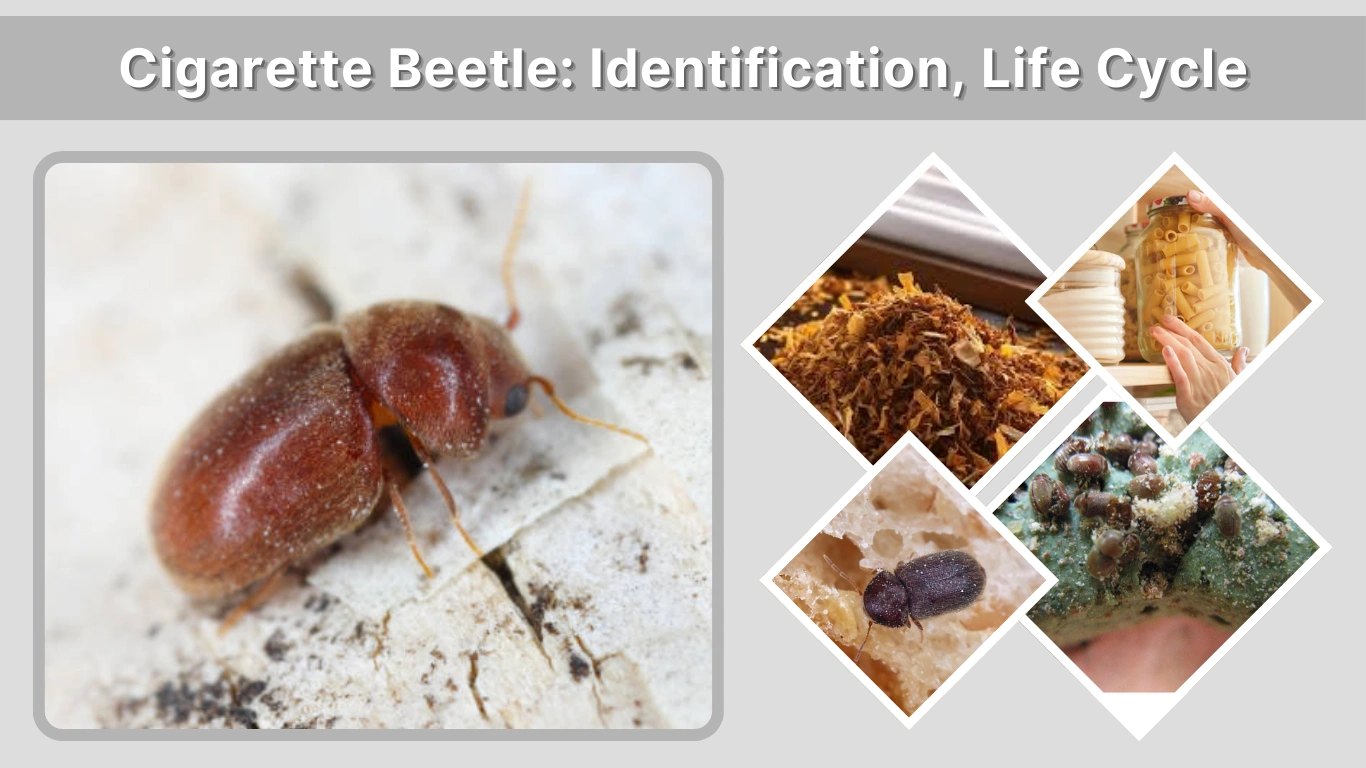
Cigarette beetles are tiny pantry pests that can cause surprising damage to stored foods and tobacco products. Scientifically known as Lasioderma serricorne, these insects are common in homes, grocery stores, and food warehouses worldwide. Despite their small size, they can quickly infest dry food items such as flour, spices, cereals, and even cigarettes. Because they reproduce rapidly and often remain unnoticed until the infestation spreads, understanding how to identify, control, and prevent cigarette beetles is essential for protecting stored products.
What is a Cigarette Beetle?
A cigarette beetle is a small stored-product pest belonging to the family Anobiidae. It is widely known for infesting tobacco products, but it also attacks many pantry foods. These beetles are especially problematic in warm environments where food is stored for long periods.
The species Lasioderma serricorne is commonly found in kitchens, warehouses, tobacco factories, and grocery stores. Because they feed on dried organic materials, they can infest a wide variety of products, including grains, herbs, and spices.
Physical Appearance
Cigarette beetles are very small insects, typically measuring about 2–3 millimeters in length. Their bodies are oval-shaped and slightly hump-backed, giving them a rounded appearance when viewed from the side.
They are usually light brown to reddish-brown in color. One noticeable feature is their smooth wing covers, which lack the deep grooves seen in some other pantry beetles. Their heads are often hidden under the pronotum (the shield-like structure behind the head), making them appear somewhat hunched.
Another distinguishing feature is their serrated antennae, which look like tiny saw teeth under magnification.
Cigarette Beetle vs Drugstore Beetle
Cigarette beetles are often confused with drugstore beetles because the two insects look very similar. Both are small brown pantry pests that infest stored products.
However, there are several key differences:
- Antennae Shape: Cigarette beetles have serrated antennae, while drugstore beetles have antennae ending in a small club.
- Wing Covers: Drugstore beetles have noticeable grooves on their wing covers, whereas cigarette beetles have smooth wing covers.
- Food Preference: Cigarette beetles frequently infest tobacco products, while drugstore beetles are more commonly associated with stored food and pharmaceuticals.
Although they differ slightly in appearance and habits, both species can cause similar problems in pantries and storage facilities.
Cigarette Beetle Life Cycle
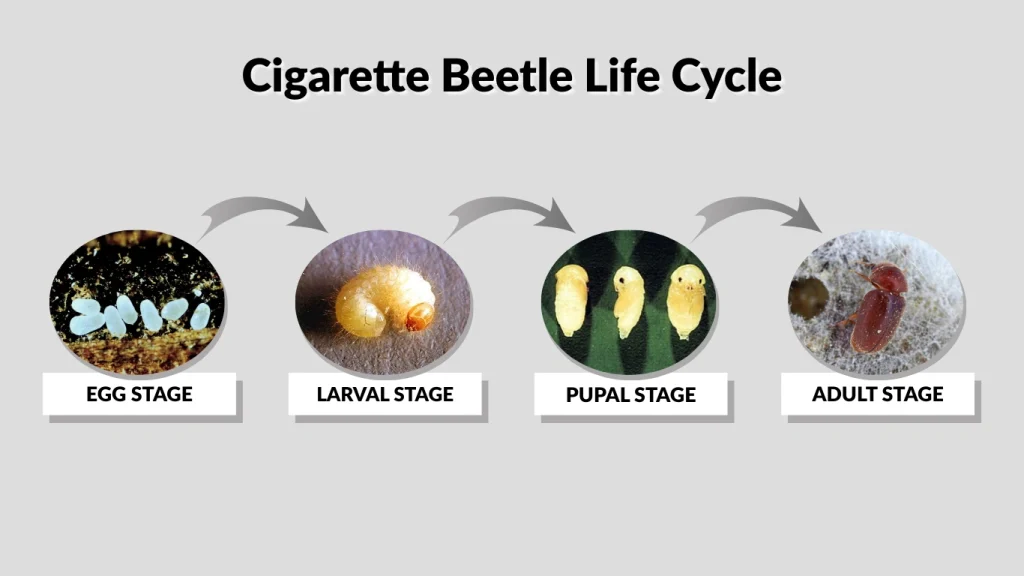
Understanding the life cycle of cigarette beetles helps explain why infestations spread so quickly. Under favorable conditions, the entire life cycle can be completed in six to eight weeks, allowing multiple generations to develop each year.
Egg Stage
The life cycle begins when the female beetle lays eggs directly on or near food sources. A single female can lay 30 to 100 eggs during her lifetime.
These eggs are extremely tiny and difficult to see with the naked eye. They usually hatch within 6 to 10 days, depending on temperature and humidity.
Larva Stage
Once the eggs hatch, the larvae emerge and begin feeding immediately. The larval stage is the most destructive part of the life cycle because the larvae consume stored products as they grow.
Larvae are creamy white with brown heads and have small hairs covering their bodies. They feed on materials such as:
- Flour
- Spices
- Dried herbs
- Tobacco
- Cereals and grains
During this stage, they contaminate food products with frass (insect waste) and damaged particles.
Pupa Stage
After completing the larval stage, the insect forms a pupal chamber, often inside food materials or packaging. Inside this protective case, the larva transforms into an adult beetle.
The pupal stage typically lasts one to three weeks.
Adult Stage
Adult cigarette beetles emerge from the pupal stage ready to reproduce. Although adults may still feed, their primary purpose is mating and laying eggs.
Adult beetles are capable of flying, which helps them spread infestations to nearby food sources. They are often attracted to light and may be seen flying around kitchens or near windows.
The adult stage generally lasts two to four weeks.
What Do Cigarette Beetles Eat?
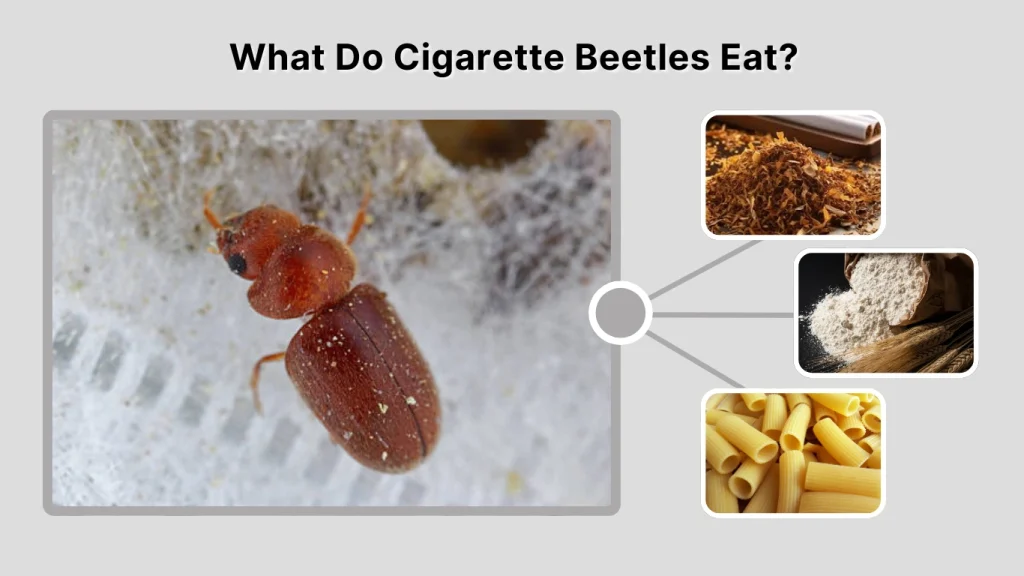
One reason cigarette beetles are such problematic pests is their extremely broad diet. They can survive on many types of dried organic materials found in homes and storage facilities.
Tobacco Products
As their name suggests, cigarette beetles commonly infest tobacco. They are often found in:
- Cigarettes
- Cigars
- Loose tobacco
- Tobacco leaves
Large infestations can cause significant damage in tobacco warehouses and manufacturing facilities.
Pantry Foods
Cigarette beetles also infest a wide range of pantry foods, including:
- Flour
- Rice
- Pasta
- Cereals
- Dried fruits
- Spices
Spices are particularly vulnerable because they are often stored for long periods.
Unusual Food Sources
Unlike many pantry pests, cigarette beetles can feed on unusual materials such as:
- Pet food
- Dried flowers
- Books and paper products
- Decorative plant materials
This adaptability allows them to survive even when typical food sources are limited.
Signs of Cigarette Beetle Infestation
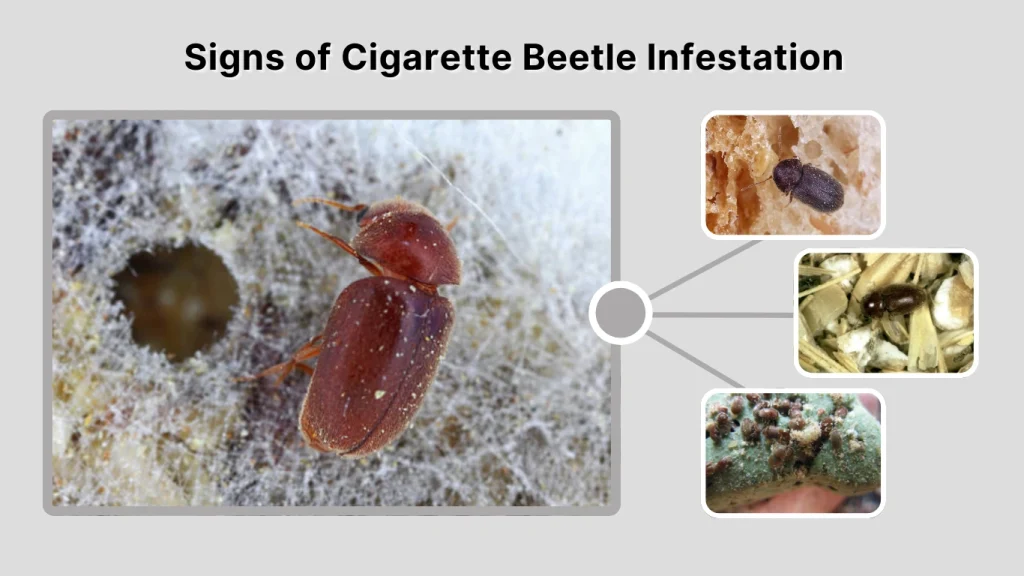
Cigarette beetle infestations can be difficult to detect in the early stages because the insects are very small and often hide inside food packaging. However, there are several signs that may indicate their presence in a pantry or storage area.
Small Holes in Food Packaging
One of the most common signs is tiny holes in food packages. Adult beetles can chew through cardboard, paper, and thin plastic to reach food inside. If you notice unexplained holes in packages of flour, spices, or cereal, cigarette beetles may be the cause.
Powdery Residue or Frass
Another clear indicator is the presence of fine powder or insect waste, known as frass. This material often appears near infested foods and may look like dust or small granules.
Frass is usually found inside packaging or around stored food products where larvae have been feeding.
Presence of Larvae in Food
Larvae may sometimes be visible in infested foods. These small, creamy-white worms feed directly on the product and are responsible for most of the damage.
Finding larvae inside dry foods such as grains, spices, or dried herbs is a strong sign of a cigarette beetle infestation.
Flying Beetles Near Lights
Adult cigarette beetles are capable of flying and are often attracted to light. You may notice small brown beetles flying around kitchen lights, windows, or pantry areas, especially during warmer months.
Seeing multiple beetles flying indoors usually means a food source nearby is already infested.
Where Cigarette Beetles Are Commonly Found
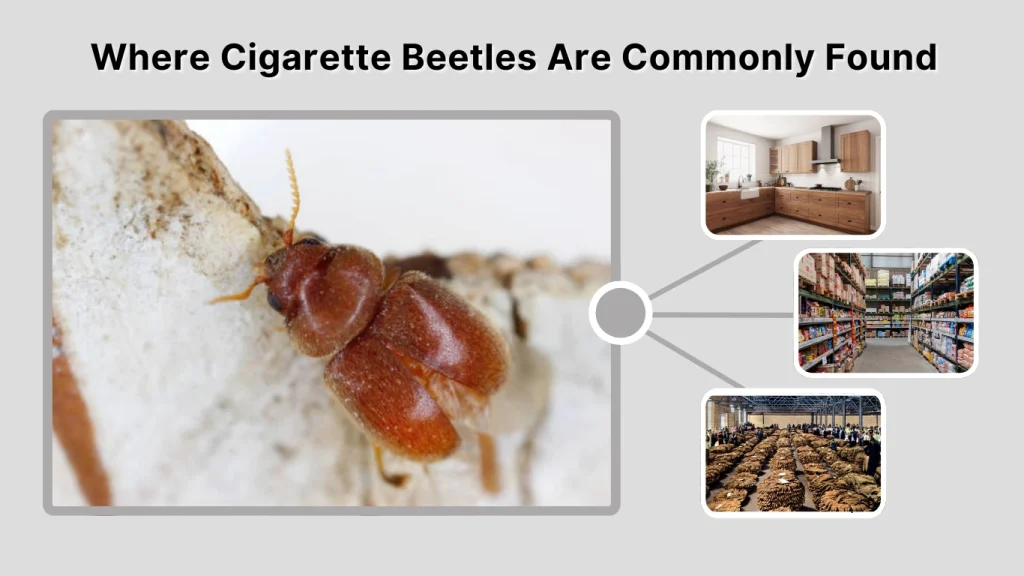
Cigarette beetles can live in many environments where dried foods or plant products are stored. Their ability to survive on different materials allows them to infest both homes and commercial facilities.
Homes and Kitchens
In residential settings, cigarette beetles are most often found in pantries and kitchen cabinets. They infest dry food products that are stored for long periods without being used.
Common household infestation sites include spice racks, cereal boxes, flour containers, and pet food storage areas.
Grocery Stores
Retail stores that sell large quantities of packaged foods may occasionally experience cigarette beetle infestations. Products stored for long periods can become breeding sites for these pests.
Improper storage conditions can increase the risk of infestation.
Food Processing Facilities
Food factories and processing plants are also vulnerable to cigarette beetles. Large quantities of grains, spices, and other dried foods provide ideal conditions for their growth.
Because infestations can spread quickly, strict sanitation and monitoring programs are usually required in these environments.
Tobacco Warehouses
Cigarette beetles are especially notorious in tobacco storage facilities. They can damage large amounts of stored tobacco leaves and finished products.
In severe cases, infestations may result in significant financial losses for manufacturers.
Damage Caused by Cigarette Beetles
Although cigarette beetles are small, they can cause serious problems when they infest stored products.
Food Contamination
Larvae feed directly on stored foods, leaving behind waste materials and damaged particles. This contamination makes food unsuitable for consumption.
Infested food products often develop unpleasant odors and may need to be discarded.
Financial Loss in the Food Industry
In commercial settings, cigarette beetle infestations can result in large financial losses. Food products may need to be destroyed if contamination is discovered.
Additionally, businesses may face inspection issues or temporary shutdowns while dealing with pest problems.
Tobacco Product Damage
Tobacco products are one of the most commonly affected items. Cigarette beetles can chew holes in cigarettes and cigars, making them unusable.
For tobacco manufacturers and distributors, this damage can be particularly costly.
How Cigarette Beetles Enter Homes
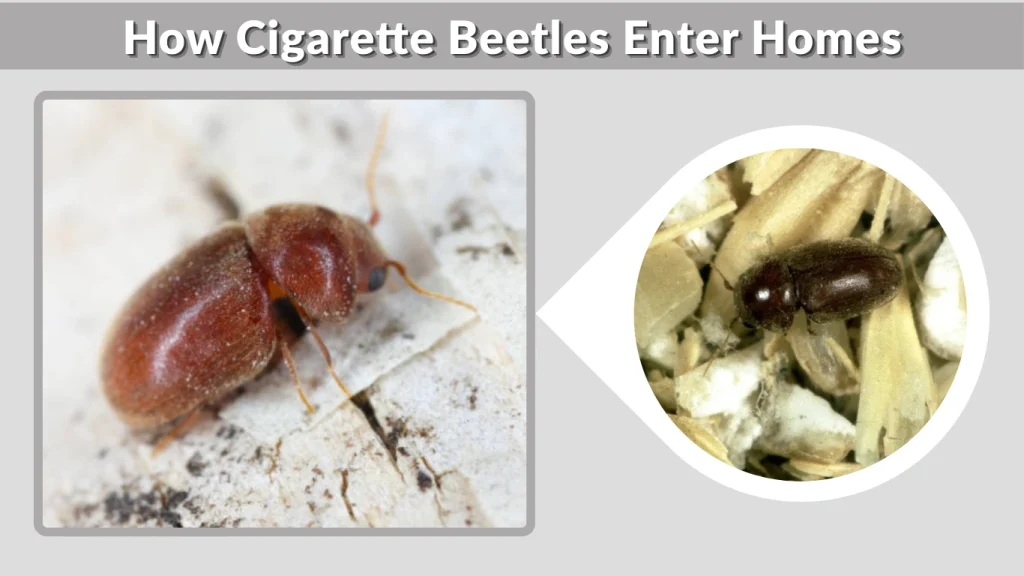
Understanding how cigarette beetles enter homes can help prevent infestations before they begin.
Infested Packaged Foods
The most common way cigarette beetles enter a home is through infested food products purchased from stores. Eggs or larvae may already be present inside packaging before the food is brought home.
Once the beetles hatch, they can spread to other stored foods.
Poor Storage Conditions
Improper storage conditions can also contribute to infestations. Foods stored in open containers or loosely sealed packages are easier for beetles to access.
Warm and humid environments also help the insects reproduce more quickly.
Imported Food Products
Imported dried foods and spices sometimes carry cigarette beetle eggs or larvae. Because these products travel long distances, infestations may go unnoticed until the food reaches the consumer.
How to Get Rid of Cigarette Beetles
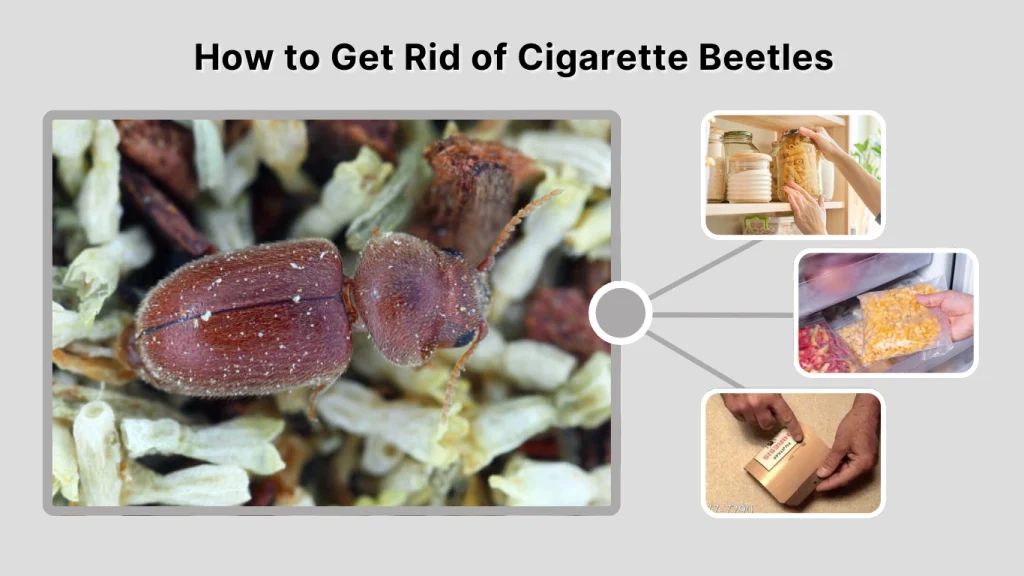
If cigarette beetles are discovered in the pantry, quick action is important to prevent the infestation from spreading.
Identify and Remove Infested Food
The first step is to carefully inspect all stored foods. Any product showing signs of infestation should be discarded immediately.
Even if insects are not visible, suspicious packages should be sealed and thrown away.
Clean the Pantry Thoroughly
After removing contaminated food, the pantry should be cleaned thoroughly. Shelves, corners, and cracks should be vacuumed to remove eggs and larvae.
Wiping surfaces with warm soapy water can also help eliminate remaining insects.
Use Freezing or Heat Treatment
Some foods can be saved by using temperature treatments. Freezing products for several days can kill eggs and larvae. Similarly, heat treatment may also destroy insects in certain products.
However, heavily infested foods should still be discarded.
Use Pheromone Traps
Pheromone traps are commonly used to monitor and reduce adult beetle populations. These traps attract male beetles using chemical signals and help identify infestation levels.
While traps do not eliminate infestations entirely, they are useful for detection and monitoring.
Use Insecticides (If Necessary)
In severe infestations, insecticides may be used in cracks, crevices, or storage areas. However, chemical treatments should be used carefully, especially near food products.
Professional pest control services may be required for large infestations.
Preventing Cigarette Beetle Infestations
Prevention is the most effective way to avoid problems with cigarette beetles.
Proper Food Storage
Store dry foods in airtight containers made of glass, metal, or thick plastic. These containers prevent beetles from reaching stored food.
Regular Pantry Cleaning
Cleaning the pantry regularly helps remove food debris that might attract pests. Periodic inspections can also help detect infestations early.
Checking Products Before Storage
Always inspect food products before placing them in the pantry. Damaged packages or suspicious items should be avoided.
Monitoring with Traps
Using pheromone traps can help detect beetles early and prevent infestations from spreading.
Conclusion
Cigarette beetles are small but destructive pests that can infest many types of stored products. From tobacco to pantry foods, their broad diet and rapid life cycle allow infestations to spread quickly if left untreated. By learning how to identify these insects, recognizing the signs of infestation, and practicing proper food storage, homeowners and businesses can significantly reduce the risk of cigarette beetle problems. Early detection and good sanitation remain the most effective ways to protect stored products from these persistent pests.
