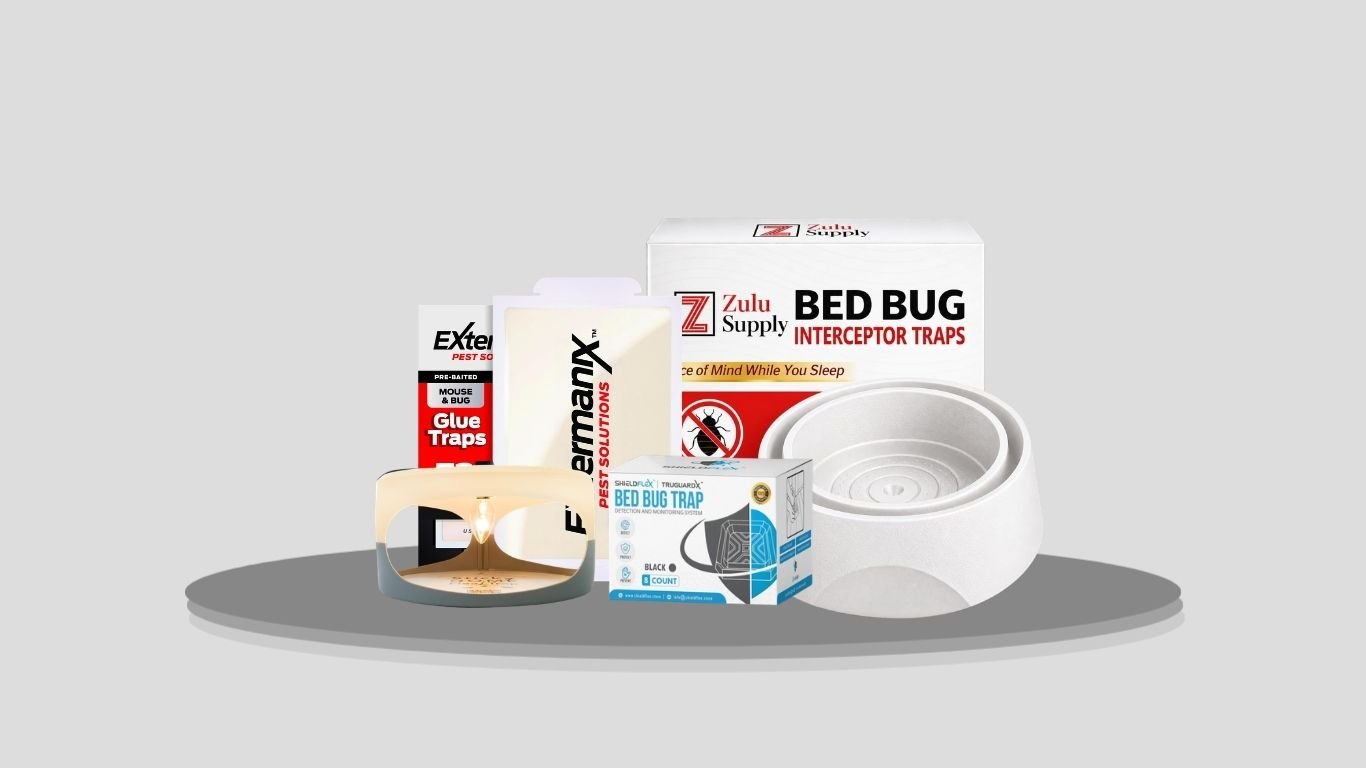
Bed bug traps can help detect activity early, monitor problem areas, and reduce the number of insects reaching beds or furniture. The best options include sticky traps, interceptor cups, glue boards, and monitoring devices designed for placement near bed legs, baseboards, and other high-risk areas. While traps are not always a complete solution for an established infestation, they can be a useful part of a broader control plan. In this guide, we review 13 of the best bed bug traps for practical home use.
1. Qualirey UV Flea & Bed Bug Light Traps
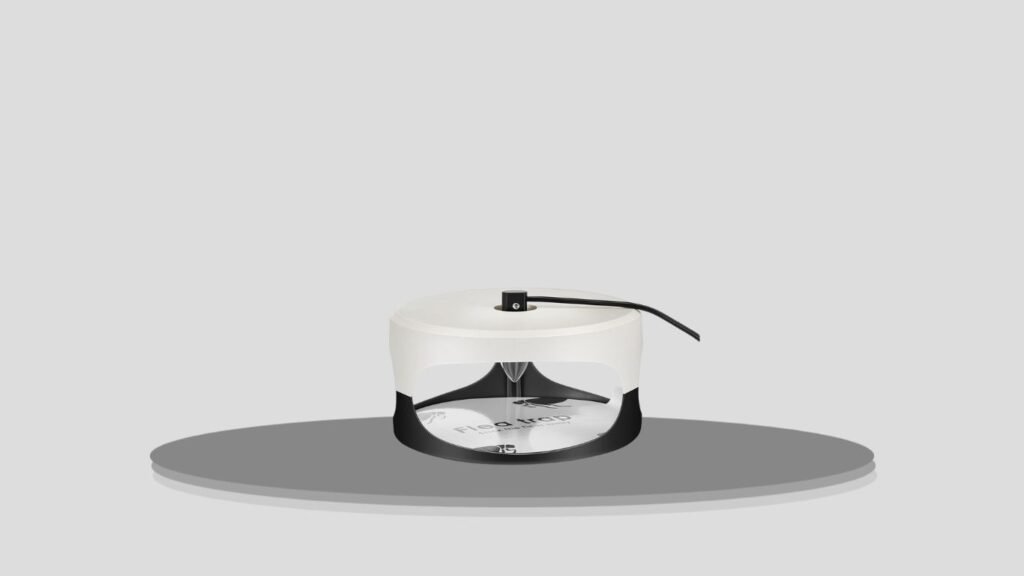
The Qualirey UV Light Trap set combines heat, light, and replaceable sticky pads in a plug-in design intended for indoor insect monitoring. The package includes four trap units, eight sticky discs, 12 bulbs, and four power cords. While it is primarily designed around flea attraction, the product listing also includes bed bugs among its target pests, making it best considered a supplemental monitoring option rather than a stand-alone bed bug treatment.
Key Features
- Includes four plug-in trap units
- Eight replaceable sticky discs
- Twelve UV bulbs
- Four power cords
- Uses light and heat as attractants
- Sticky base captures insects entering the unit
- ABS plastic construction
- Designed for indoor use
- No pesticide spray required
- Suitable for bedrooms, living rooms, and similar spaces
Why It’s Best for Supplemental Indoor Monitoring
The biggest advantage of the Qualirey system is that it provides continuous passive trapping once plugged in. This can be useful in rooms where you want an additional monitoring device operating overnight without repeatedly setting out new disposable traps.
Its enclosed sticky-disc design also keeps adhesive more controlled than open glue boards. Placement near beds, upholstered furniture, or other suspected activity areas can make it easier to inspect captured insects.
For bed bugs specifically, however, furniture-leg interceptors generally provide a more established monitoring method, so this unit makes the most sense as one component of a broader detection strategy.
Performance and Everyday Use
Qualirey recommends using the traps in darker locations because strong ambient light can reduce the effectiveness of the light-based attraction. The replaceable discs simplify maintenance: once a pad becomes dusty or heavily covered with insects, it can be exchanged without replacing the complete device.
The included spare bulbs also extend the usable life of the package.
Pros, Cons & Overall Verdict
The major strengths are the four-unit package, replaceable sticky pads, reusable housings, and pesticide-free trapping approach. The limitation is that its attraction system is primarily oriented toward light- and heat-responsive insects, so it should not replace proven interceptor monitoring or professional treatment for an established bed bug infestation.
Overall Verdict: The Qualirey UV Light Traps rank #1 for broad indoor insect monitoring with reusable hardware, particularly when bed bug monitoring is combined with flea and other crawling-insect concerns.
2. ASPECTEK Sticky Dome Indoor Insect Trap
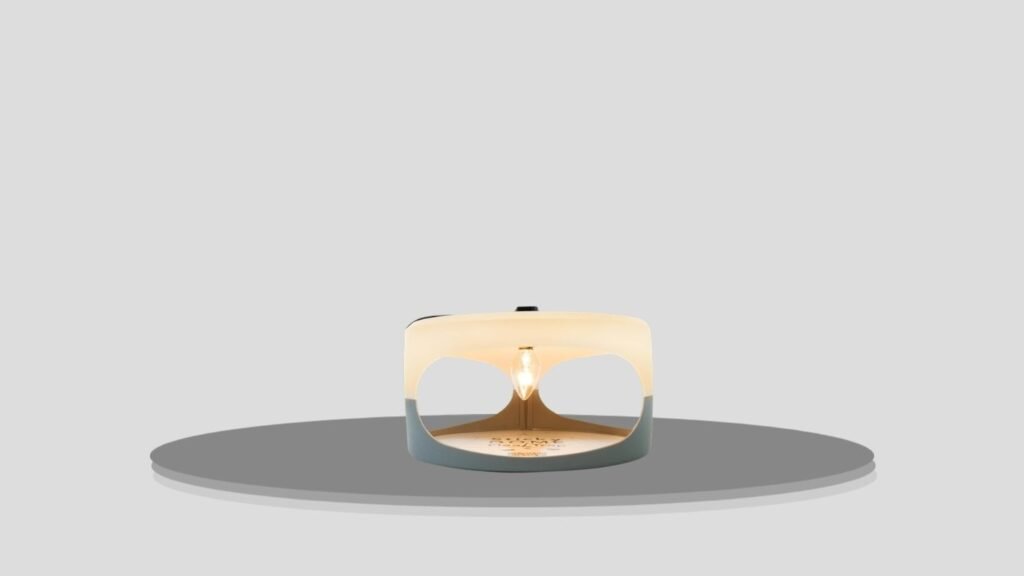
The ASPECTEK Sticky Dome is an indoor plug-in trap that combines heat, light, color, and replaceable adhesive discs. Although best known as a flea trap, its current listing also identifies bed bugs among the targeted insects. The two-pack includes replacement glue discs and bulbs, offering a reusable monitoring setup for bedrooms and other living areas without pesticide sprays.
Key Features
- Two reusable dome traps
- Four sticky glue discs included
- Four bulbs included
- Plug-in operation
- Uses heat, light, color, and odor as attractants
- Odorless glue trapping surface
- Replaceable adhesive inserts
- Designed for indoor monitoring
- Portable between rooms
- CE and RoHS-certified design listed by manufacturer
Why It’s Best for Reusable Sticky Monitoring
Unlike disposable glue boards, ASPECTEK allows the main trap body to remain in service while only the adhesive insert is replaced. That makes it practical when monitoring needs to continue for weeks rather than just a few days.
The dome also shields much of the sticky surface from accidental contact. For households that dislike exposed glue boards on the floor, this can create a cleaner-looking setup.
Because the unit plugs into a standard outlet, it is also easy to relocate between a bedroom, living room, or other suspected activity area.
Trapping Performance & Maintenance
The trap uses a combination of heat and visual cues to draw insects toward the adhesive disc. ASPECTEK specifically lists bed bugs, fleas, flies, gnats, and cockroaches among target pests.
Sticky discs should be inspected regularly and replaced once dusty or covered with insects. For confirmed bed bugs, however, use this alongside furniture-leg interceptors and other integrated control measures rather than relying on the dome alone.
Pros, Cons & Overall Verdict
The reusable construction, replaceable glue discs, two-pack quantity, and easy plug-in operation are its main benefits. The limitation is that it is fundamentally a multi-insect trap and not a dedicated furniture-leg bed bug interceptor.
Overall Verdict: The ASPECTEK Sticky Dome ranks #2 for users who want a reusable indoor sticky monitoring device that can also address other insect activity at the same time.
3. Extermanix Glue Traps for Mice & Bugs
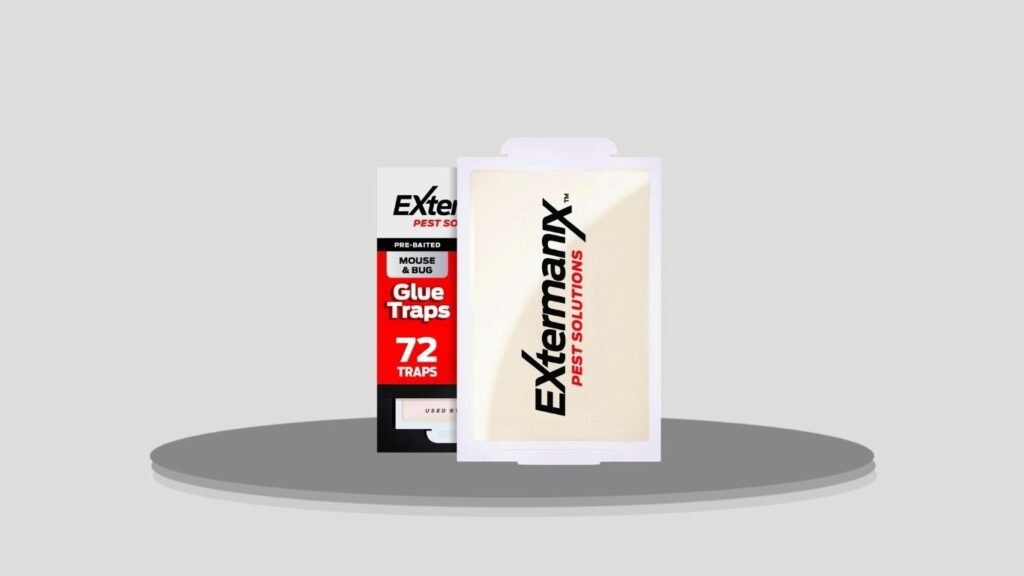
Extermanix Glue Traps are broad-spectrum adhesive boards rather than dedicated bed bug interceptors. The package contains 12 pre-baited traps designed for mice, cockroaches, spiders, and other crawling pests. Their strongest feature for bed bug monitoring is the large sticky surface, which can be positioned beside walls, furniture edges, and other travel routes where crawling insects may cross.
Key Features
- Includes 12 glue traps
- Pre-baited adhesive design
- Can be placed flat
- Can be folded into a covered tunnel shape
- Suitable for crawling insects
- Strong adhesive surface
- No electricity required
- No pesticide spray required
- Suitable along baseboards and corners
- Disposable after capture
Why It’s Best for Broad Crawling-Pest Monitoring
The biggest advantage of Extermanix is versatility. If a home has bed bug concerns along with cockroach, spider, or rodent activity, the same glue boards can help reveal what is moving through particular areas.
They can be positioned flush against baseboards, behind furniture, beside bed frames, or near cracks where crawling insects are likely to travel.
Folding a board into a covered configuration also helps place adhesive in narrow spaces while reducing accidental contact with the sticky surface.
Adhesive Performance & Placement
The large adhesive area can capture crawling insects as soon as they cross the board. Since bed bugs tend to stay close to sleeping and resting areas, monitoring boards are most useful when positioned near suspected travel routes rather than randomly throughout the house.
Glue traps should be inspected frequently because dust reduces stickiness over time.
Pros, Cons & Overall Verdict
The 12-piece quantity, broad pest coverage, flexible flat-or-folded setup, and strong adhesive make this a practical general-purpose monitoring tool. The major limitation is that it does not isolate furniture legs the way a true bed bug interceptor does.
Overall Verdict: The Extermanix Glue Traps rank #3 for multi-pest monitoring where large adhesive surfaces and flexible placement are more important than dedicated bed-leg protection.
4. EcoPest Bed Bug Blocker Pro Interceptors
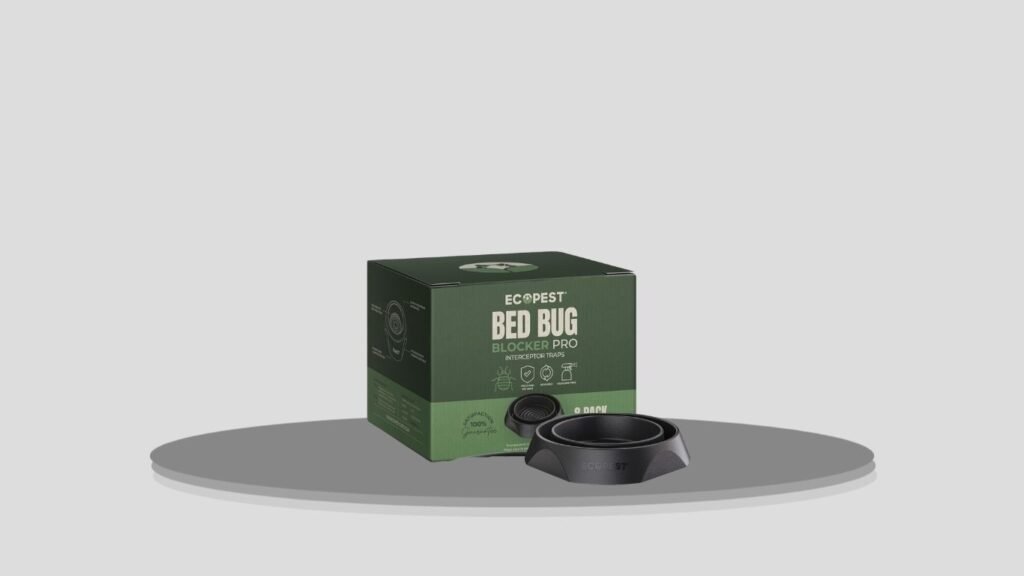
EcoPest Bed Bug Blocker Pro Interceptors are purpose-built bed bug monitoring traps placed directly beneath bed or furniture legs. The eight-pack creates a physical barrier between the floor and furniture while using a smooth-walled reservoir to trap bed bugs traveling in either direction. This pesticide-free design closely matches the interceptor approach recommended by bed bug specialists and the EPA.
Key Features
- Eight interceptor traps
- Designed specifically for bed bugs
- Fits beneath beds and furniture legs
- Pesticide-free operation
- Passive 24/7 monitoring
- Inner and outer trapping areas
- Reusable plastic construction
- Helps identify early activity
- No glue or electricity required
- Suitable for beds, couches, and other furniture
Why It’s Best for Bed Leg Protection
Interceptors are one of the most practical tools for determining whether bed bugs are moving toward or away from a sleeping area. Bed bugs traveling from the floor toward the bed enter the outer channel, while bugs leaving furniture can also become trapped.
University of Minnesota Extension notes that interceptors can both reduce the number of bed bugs reaching beds and help confirm whether bed bugs are present.
An eight-piece set provides enough units for two standard four-legged pieces of furniture.
Detection Performance & Maintenance
The traps work continuously without chemicals, bait, or power. For the best results, the bed should be moved away from the wall and bedding should not touch the floor, preventing bed bugs from bypassing the interceptors.
The cups should also be inspected and cleaned regularly so their smooth surfaces remain effective.
Pros, Cons & Overall Verdict
Their strongest qualities are bed-bug-specific design, reusable construction, continuous monitoring, and pesticide-free operation. The main limitation is that interceptors only catch bugs that attempt to cross the furniture legs; they cannot eliminate insects already hiding inside mattresses, frames, or wall voids.
Overall Verdict: The EcoPest Bed Bug Blocker Pro ranks #4 as one of the more technically appropriate options here for dedicated bed bug detection and furniture isolation.
5. Trapper Max Glue Traps
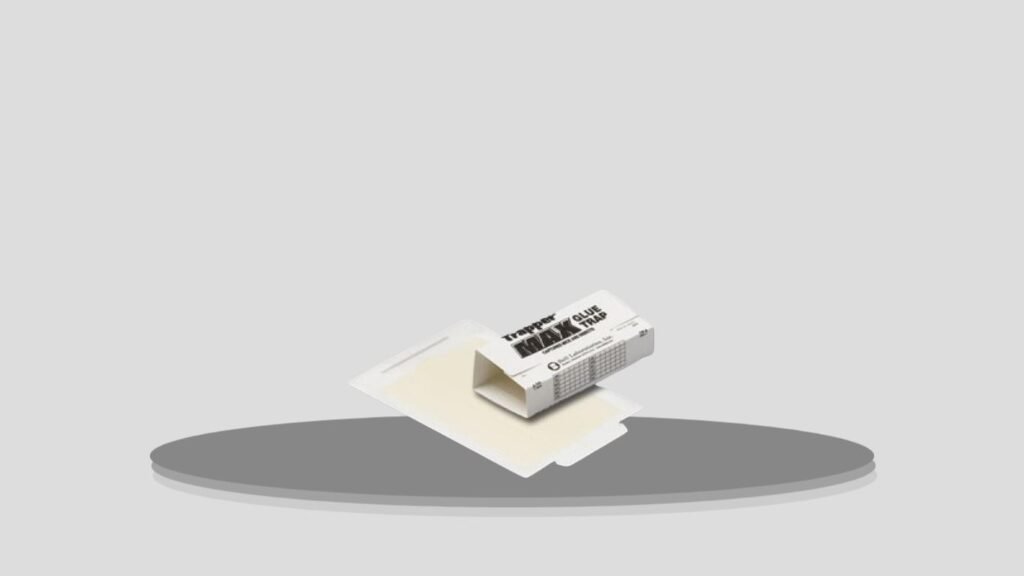
Trapper Max is a professional-style adhesive board made by Bell Laboratories for mice and crawling insects. Each large board offers approximately 29 square inches of glue-covered capture area and can be used either flat or folded into a covered trap. For bed bug monitoring, its main advantage is the wide adhesive surface that can be placed along known crawling routes.
Key Features
- 12 boards in the listed package
- Approximately 29 square inches of glue area per board
- Board dimensions around 8.25 × 5.25 inches
- Can be used flat or folded
- Bell Laboratories adhesive formulation
- Designed for mice and crawling insects
- Non-poisonous trapping method
- Disposable construction
- Large monitoring surface
- Easy-release protective paper
Why It’s Best for Large Sticky Coverage
The large adhesive footprint gives Trapper Max an advantage when monitoring broad travel zones such as beneath furniture, beside baseboards, or around room edges.
Instead of requiring a bug to enter a narrow trap opening, a flat board presents a relatively large sticky surface. This makes it helpful for monitoring several types of crawling pests at once.
The option to fold the board also allows it to fit into tighter areas while keeping adhesive less exposed.
Adhesive Strength & Practical Use
Bell states that its glue formulation is designed for strong holding power. The board can be used flat for maximum surface coverage or folded into a covered form when dust or accidental contact is a concern.
For bed bugs, placement is critical. Adhesive traps should be located where bugs are likely to travel and used alongside mattress inspection, encasements, and interceptors.
Pros, Cons & Overall Verdict
The strengths include a large capture surface, strong adhesive, versatile folding design, and a well-established pest-control manufacturer. The downside is that Trapper Max is a general insect and rodent glue board rather than a specialized bed bug interceptor.
Overall Verdict: The Trapper Max ranks #5 for broad sticky monitoring, especially when you want large adhesive boards that can work against multiple crawling pests.
6. ShieldFlex TruGuard X Bed Bug Interceptors
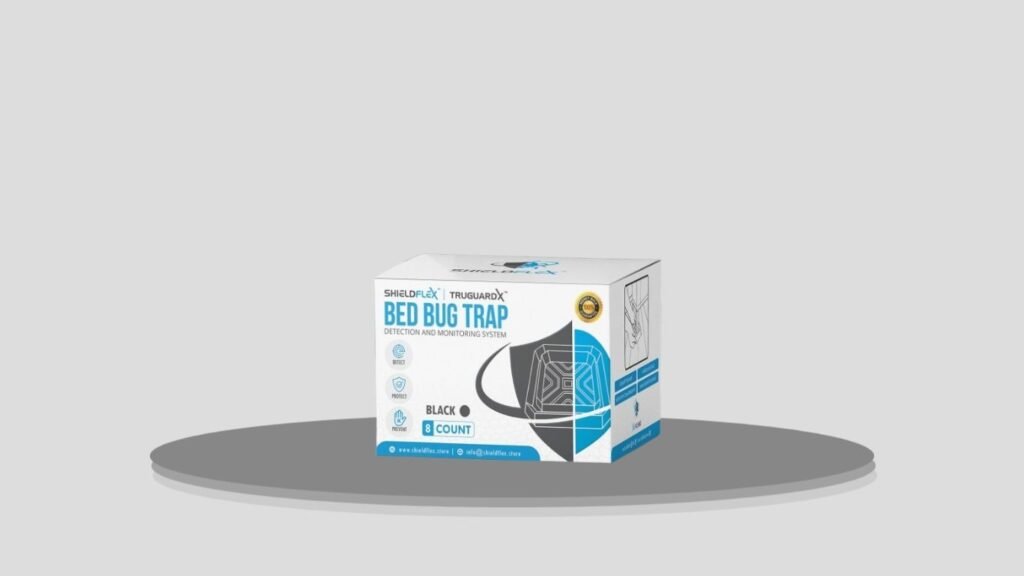
The ShieldFlex TruGuard X is an eight-pack of dedicated bed bug interceptor traps designed to sit underneath furniture legs. Constructed from polypropylene with a reinforced base, the traps use textured outer approaches and slippery interior reservoirs to capture bed bugs attempting to reach a bed or climb away from it. Because no pesticide or adhesive is needed, they can remain in place for long-term monitoring.
Key Features
- Eight interceptor traps
- Specifically designed for bed bugs
- Durable polypropylene construction
- Reinforced base plate
- Fits beneath furniture legs
- Textured outer climbing surface
- Smooth trapping reservoir
- Reusable design
- No pesticide required
- No electricity or glue required
- Suitable for continuous monitoring
Why It’s Best for Long-Term Bed Bug Detection
TruGuard X uses the natural crawling behavior of bed bugs rather than attempting to lure them with chemicals. Bugs trying to reach a sleeping person can climb the outer surface and then fall into a smooth reservoir from which escape is difficult.
This makes the product particularly useful after treatment, when homeowners need to know whether bed bug activity has actually stopped.
The EPA recommends continuing to use monitoring devices such as interceptors after control efforts to help verify eradication.
Durability & Monitoring Performance
ShieldFlex emphasizes an extra-thick base designed to withstand the weight of beds and other furniture. This matters because an interceptor that bends or cracks can lose its ability to isolate a furniture leg properly.
For best performance, every furniture leg should be isolated and alternative pathways—such as blankets touching the floor—should be eliminated.
Pros, Cons & Overall Verdict
The main advantages are bed-bug-specific design, strong reusable construction, zero pesticide use, and excellent suitability for long-term detection. Its limitation is common to all interceptors: bugs already living inside the bed or furniture do not need to cross the trap.
Overall Verdict: The ShieldFlex TruGuard X ranks #6 as a strong choice for continuous furniture-leg monitoring and post-treatment detection. It works best as part of an integrated bed bug control plan rather than as the sole treatment.
7. EcoPest Labs Bed Bug Blocker XL Interceptors
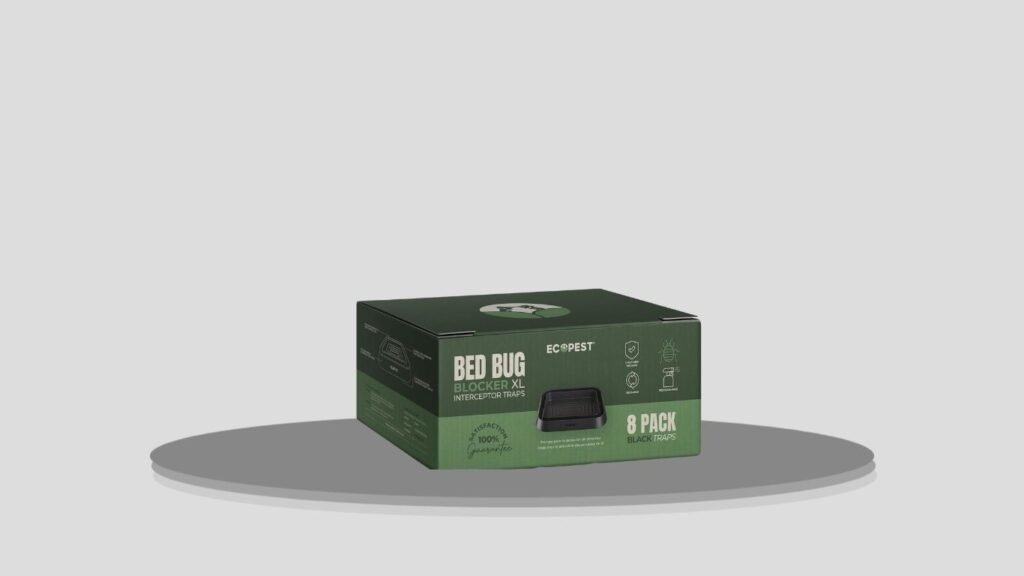
The EcoPest Labs Bed Bug Blocker XL is an eight-pack of extra-large interceptor traps designed specifically for placement beneath bed and furniture legs. Unlike adhesive traps, these monitors rely on their physical design to capture bed bugs attempting to climb toward or away from furniture. The XL dimensions make them particularly useful under heavier beds or furniture with wider legs.
Key Features
- Includes eight interceptor traps
- Extra-large furniture-leg design
- Designed specifically for bed bugs
- Passive 24/7 monitoring
- No pesticides required
- No glue or electricity needed
- Suitable for heavier beds and furniture
- Reusable construction
- Available in black or white
- Useful for early bed bug detection
Why It’s Best for Large Furniture Legs
Standard interceptors can be too small for wide bed posts, couches, or substantial wooden furniture. EcoPest’s XL format is designed to accommodate larger furniture while maintaining the smooth trapping channel that prevents bed bugs from easily escaping.
Eight interceptors also provide enough coverage for more than one four-legged piece of furniture, making the package particularly useful for a bed plus a nearby chair or nightstand.
Monitoring Performance & Durability
EcoPest markets the Blocker XL as a continuous monitoring tool rather than a chemical treatment. Once installed, there is no bait to replace and no adhesive pad to dry out.
For effective isolation, beds should remain away from walls and blankets should not touch the floor, since those contact points can give bed bugs another route onto the furniture.
Pros, Cons & Overall Verdict
The biggest advantages are the oversized design, reusable construction, pesticide-free monitoring, and eight-piece package. The limitation is that interceptors only catch bed bugs that cross furniture legs.
Overall Verdict: The EcoPest Labs Bed Bug Blocker XL ranks #7 for larger beds, couches, and furniture where ordinary interceptor cups may be too small.
8. Bell Trapper Monitor Insect Traps
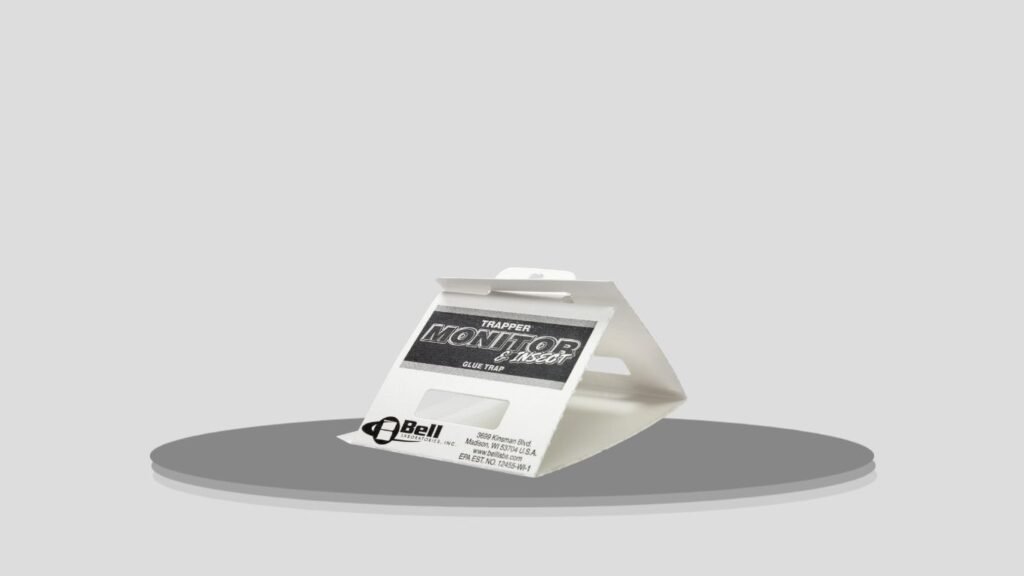
Bell Trapper Monitor Insect Traps are professional-style cardboard glue monitors designed for crawling insects. The Amazon package associated with this listing contains multiple individual monitoring sections and is particularly useful for mapping pest activity around baseboards, furniture, appliances, and other protected areas. Bell describes the product as a non-toxic monitoring trap rather than an insecticide treatment.
Key Features
- Professional-style sticky insect monitors
- Cardboard construction
- Non-toxic adhesive trapping approach
- Large traps can be divided into smaller sections
- Adhesive backing for secure placement
- Useful along walls and furniture edges
- No pesticide application required
- Designed for monitoring crawling insects
- Space provided for recording location and inspection information
- Large multipack suitable for widespread monitoring
Why It’s Best for Mapping Bed Bug Activity
The biggest advantage of Bell Trapper monitors is the quantity and flexibility. Instead of monitoring only furniture legs, individual traps can be distributed around several suspected travel routes.
This can be useful when trying to determine whether activity is concentrated beside a bed, behind furniture, near baseboards, or around another harboring location.
The traps do not contain a bed bug-specific attractant, so good placement is essential. They work by intercepting crawling insects that naturally cross the adhesive surface.
Adhesive Performance & Practical Use
Bell manufactures the Trapper line primarily for pest-monitoring applications. The traps can be placed flat in hidden areas where bed bugs or other insects may travel.
Regular inspection also provides useful information about whether activity is increasing or declining during treatment.
Pros, Cons & Overall Verdict
The strengths include high trap quantity, professional-style monitoring, flexible sizing, and low cost per monitoring point.
The limitation is that these are general insect glue monitors rather than furniture-leg bed bug interceptors.
Overall Verdict: The Bell Trapper Monitor ranks #8 for comprehensive room monitoring when you want numerous inexpensive detection points around suspected bed bug travel routes.
9. Zulu Supply 12-Pack Bed Bug Interceptor Traps
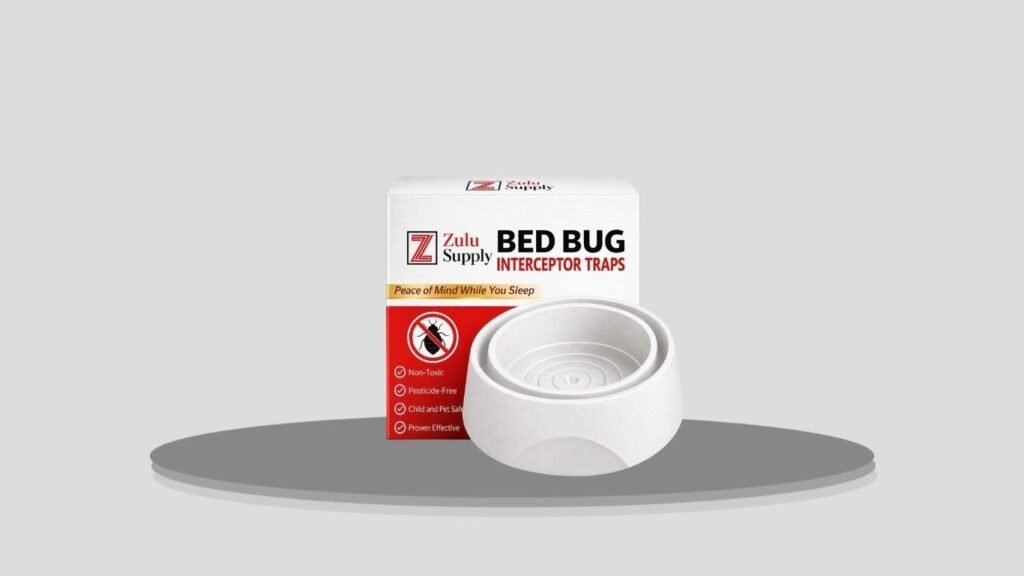
The Zulu Supply 12-Pack provides a substantial set of reusable white interceptors designed for beds, sofas, chairs, dressers, and other furniture. Each trap measures approximately 4.25 × 4.25 × 1.25 inches and uses smooth non-climbable interior walls to retain bed bugs that enter the trapping area.
Key Features
- Includes 12 white interceptors
- Approximately 4.25 inches square
- Reusable polypropylene construction
- Smooth non-climbable interior walls
- Passive bed bug monitoring
- No pesticide required
- No electricity needed
- Fits many standard furniture legs
- Suitable for homes, hotels, dormitories, and apartments
- Easy to inspect and clean
Why It’s Best for Multi-Room Coverage
A 12-pack provides considerably more flexibility than the typical four-piece package. It can cover three standard four-legged furniture pieces or allow interceptors to be distributed between multiple bedrooms.
This makes the set particularly appealing after treatment, when monitoring several sleeping or resting areas can help reveal whether activity remains.
Performance & Reusability
The smooth inner surfaces are designed to make climbing back out difficult once a bed bug falls into the interceptor. Unlike sticky traps, there is no adhesive surface that gradually becomes covered with dust.
The polypropylene cups can be inspected, cleaned, and returned to service, giving the product value for longer-term monitoring.
Pros, Cons & Overall Verdict
The main strengths are the generous 12-piece count, reusable design, no-pesticide operation, and broad furniture compatibility.
The primary limitation is that properly isolating furniture is essential. Bedding touching the floor or furniture contacting a wall can allow bed bugs to bypass the cups.
Overall Verdict: The Zulu Supply 12-Pack ranks #9 for homeowners who need enough interceptors to monitor several beds or furniture pieces at the same time.
10. ShieldFlex TruGuard X Bed Bug Interceptors – 12 Pack
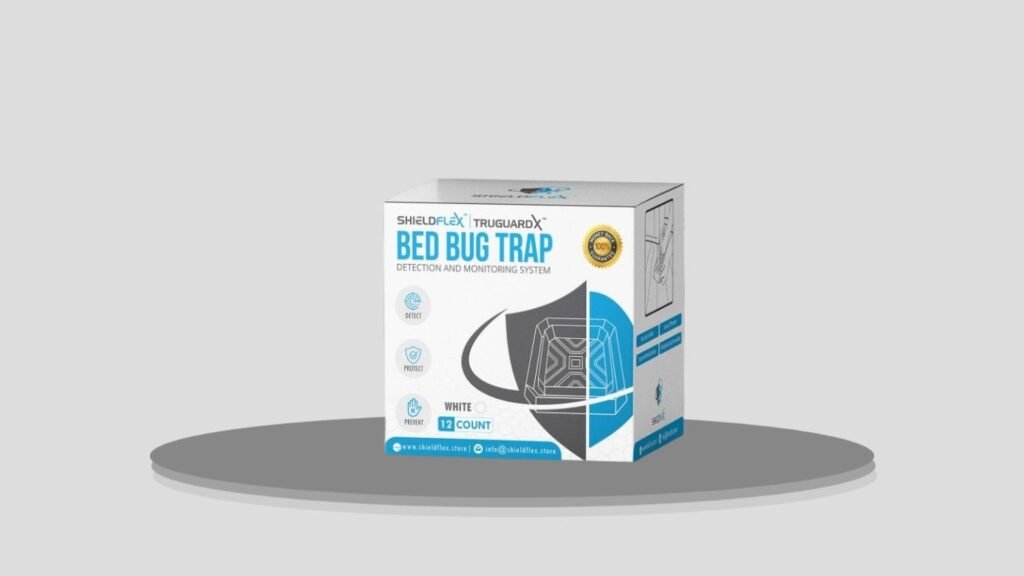
This version of the ShieldFlex TruGuard X expands the same interceptor design reviewed earlier into a 12-piece package. The traps are made from polypropylene and include reinforced bases intended to support furniture while providing a passive monitoring barrier around each leg.
Key Features
- Includes 12 TruGuard X interceptors
- Reinforced polypropylene base
- Designed specifically for bed bug monitoring
- Smooth escape-resistant trapping area
- Fits beneath bed and furniture legs
- Passive continuous operation
- No pesticides
- No adhesive replacement required
- Reusable design
- Suitable for multiple furniture pieces
Why It’s Best for Wider Monitoring Coverage
The 12-pack is particularly useful when monitoring more than one room. Four traps can isolate a bed, another four can protect a couch or second bed, and the remaining units can be placed beneath other frequently used furniture.
That flexibility makes this version better suited to larger households than the smaller eight-pack.
Strength & Monitoring Performance
One of the most important design details is the reinforced base. Furniture legs concentrate considerable weight onto a small area, and a cracked interceptor cannot function properly. ShieldFlex emphasizes a thicker base specifically to reduce this problem.
Because no chemical lure or glue is involved, the traps can remain in service for long-term monitoring as long as they remain clean and undamaged.
Pros, Cons & Overall Verdict
The main benefits are the 12-piece quantity, strengthened base, reusable construction, and bed-bug-specific design.
They do not kill bugs hidden elsewhere in the room, so they should be viewed as detection and isolation devices rather than complete extermination tools.
Overall Verdict: The ShieldFlex TruGuard X 12-Pack ranks #10 for long-term monitoring across several beds or pieces of furniture.
11. DuoTrap Bed Bug Interceptor Traps – 4 Pack
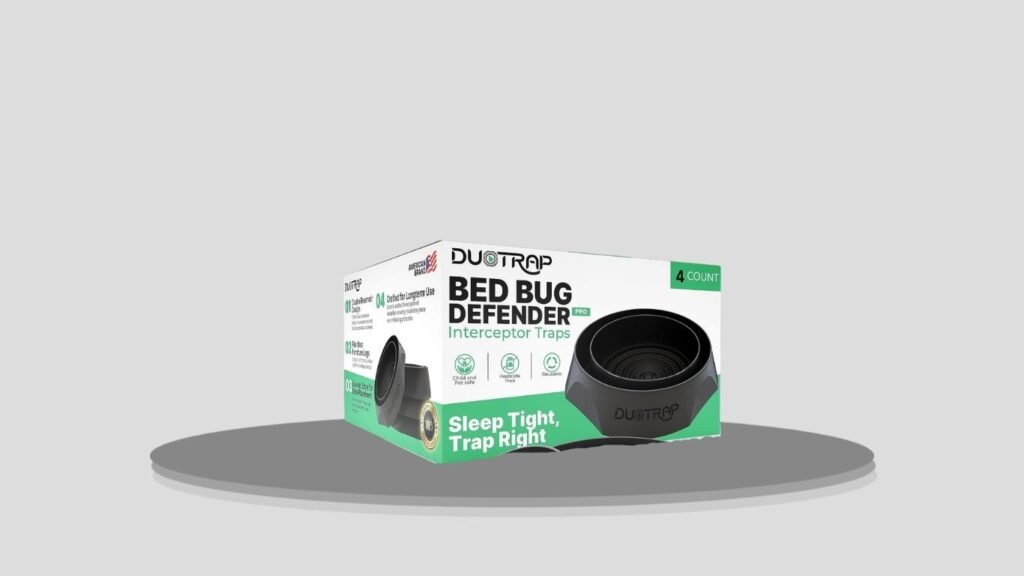
DuoTrap Bed Bug Interceptors are large black traps built for placement beneath bed posts and other furniture legs. Each unit measures approximately 6.38 × 5.63 × 1.13 inches and uses an escape-resistant double-reservoir design. The larger footprint gives the trap room to accommodate many furniture-leg styles while maintaining dedicated monitoring areas.
Key Features
- Four black interceptor traps
- Approximately 6.38 × 5.63 inches
- Double-reservoir design
- Smooth escape-resistant trapping wells
- Fits many bed and furniture legs
- Durable plastic construction
- Ready to use
- No pesticide treatment required
- Child- and pet-conscious passive design
- Suitable for bedrooms, hotels, and dormitories
Why It’s Best for Oversized Interceptor Coverage
The generous 6.5-inch-class footprint is the standout feature. Furniture with wide feet or unusual posts can be difficult to position inside smaller interceptor cups.
DuoTrap gives the leg more central space while retaining outer trapping channels for insects approaching from the floor.
The black color also provides a discreet appearance under darker bedframes or furniture.
Performance & Everyday Use
The traps arrive ready to place beneath furniture. Once installed, they work continuously without bait, power, or disposable glue.
Their effectiveness depends on bed isolation. Furniture should remain separated from walls, and bedding should not provide another bridge between the bed and floor.
Pros, Cons & Overall Verdict
The main advantages are the generous dimensions, double-reservoir construction, easy setup, and reusable design. The four-piece quantity is perfect for one standard bed but provides less overall coverage than 8- or 12-pack options.
Overall Verdict: The DuoTrap Bed Bug Interceptors rank #11 for beds with wider legs or users who want a substantial, discreet four-piece interceptor system.
12. Zulu Supply XL Bed Bug Interceptors – 4 Pack
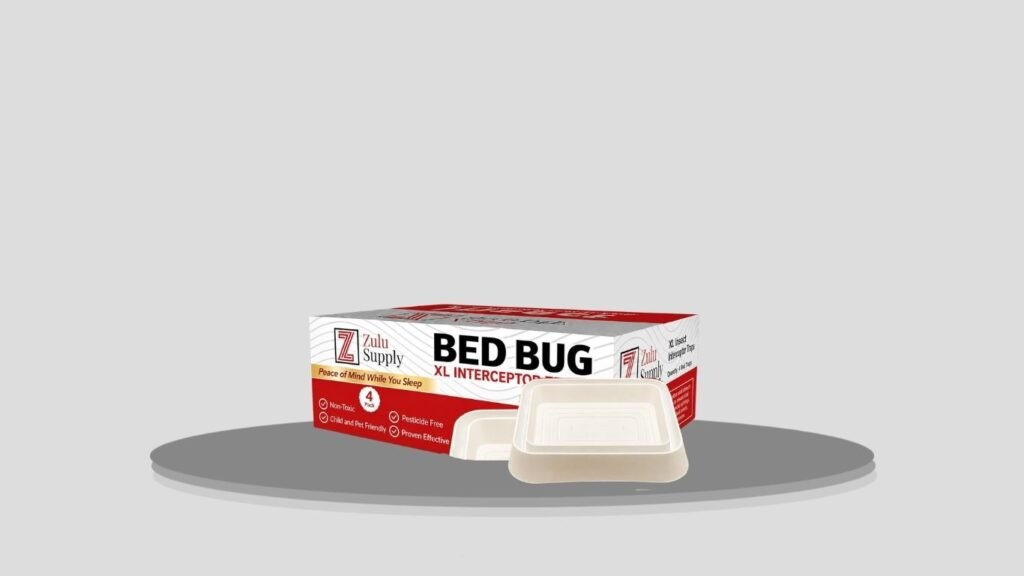
Zulu Supply XL Interceptors are heavy-duty white monitoring cups designed to fit a wide variety of bed and furniture legs. Each trap measures approximately 4.25 × 4.25 × 1.25 inches and uses smooth interior walls to retain bed bugs attempting to cross the furniture-leg barrier.
Key Features
- Includes four XL white interceptors
- Approximately 4.25 × 4.25 × 1.25 inches
- Heavy-duty polypropylene construction
- Universal-style furniture fit
- Smooth non-climbable inner walls
- Reusable design
- Passive 24/7 monitoring
- No insecticide required
- No sticky adhesive
- Designed specifically for bed bugs
Why It’s Best for One-Bed Monitoring
A four-pack provides exactly enough traps to isolate a typical four-legged bed without leaving unused pieces. For someone monitoring a single bedroom, this can be more economical and easier to manage than buying a much larger set.
The XL internal space also gives it an advantage with substantial bed posts.
Durability & Detection Performance
Zulu Supply uses polypropylene designed for repeated service. The interceptor can remain beneath furniture and be periodically inspected for captured bed bugs.
Smooth surfaces are crucial because the system does not depend on adhesive. Instead, bed bugs climb into the trap and encounter walls that are difficult to scale.
Pros, Cons & Overall Verdict
The major strengths are the reusable heavy-duty build, bed-bug-specific configuration, simple four-piece quantity, and XL fit.
Four traps provide limited coverage if several beds or couches need monitoring.
Overall Verdict: The Zulu Supply XL 4-Pack ranks #12 for users who want a straightforward reusable interceptor setup for one primary bed or furniture item.
13. Micnaron Indoor Light Trap with Replacement Sticky Pads
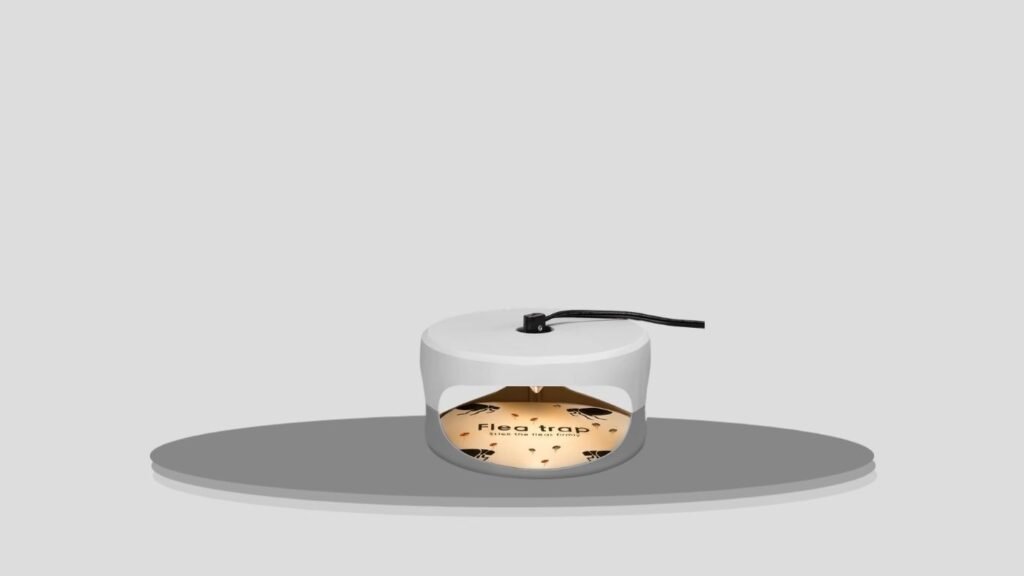
The Micnaron Indoor Light Trap uses an illuminated trapping unit combined with replaceable adhesive pads. An important distinction is that this product is marketed primarily as a flea trap rather than a dedicated bed bug interceptor. It can capture insects attracted into the sticky area, but its design makes it better suited to supplemental pest monitoring than to primary bed bug detection or control.
Key Features
- Indoor plug-in light trap
- Replaceable sticky trapping pads
- Reusable outer housing
- Two-unit configuration associated with the listing
- Passive nighttime operation
- No pesticide spray required
- Sticky surface captures attracted insects
- Designed primarily for fleas
- Easy replacement of used adhesive inserts
- Suitable as a supplemental indoor monitor
Why It’s Best as a Supplemental Trap
The light-and-sticky-pad format provides convenient continuous monitoring for insects that respond strongly to visual or heat-based attraction.
For bed bugs, however, furniture-leg interceptors have a clearer behavioral advantage because they exploit the insects’ natural tendency to crawl toward sleeping hosts. Bed bugs do not rely primarily on light cues when locating people.
For that reason, Micnaron works better alongside dedicated bed bug monitors than as the main trap.
Maintenance & Practical Performance
Sticky pads are easy to inspect visually. When the adhesive becomes dusty or covered with insects, the pad can be discarded and replaced while the electrical trap remains in use.
Placing the unit in a relatively dark indoor area can improve the prominence of the light source for pests that respond to it.
Pros, Cons & Overall Verdict
The strongest features are reusable hardware, replaceable adhesive pads, clean indoor operation, and continuous passive trapping.
Its key drawback is important: it is primarily a flea trap, not a purpose-built bed bug interceptor.
Overall Verdict: The Micnaron Indoor Light Trap ranks #13 as a supplementary insect monitor. For confirmed bed bugs, one of the dedicated furniture-leg interceptors higher on this list is the more technically appropriate choice.
FAQs
1. Do bed bug traps really work?
Yes, but their purpose matters. Furniture-leg interceptors are useful for detecting bed bugs and catching individuals moving between a bed and the surrounding room. Glue monitors can reveal crawling activity in other locations. Neither type should automatically be expected to eliminate a significant infestation by itself.
2. Where should I place bed bug traps?
Interceptor cups should be placed directly beneath every leg of a bed, couch, or other monitored furniture. Glue monitors can be positioned near baseboards, furniture edges, and other suspected travel routes. Beds should be pulled away from walls, and sheets or blankets should not touch the floor, because these can create alternative routes around interceptors.
3. Are bed bug interceptors better than sticky traps?
For monitoring a bed, interceptors are generally the more targeted design because bed bugs moving toward or away from the sleeping area must cross them. Sticky traps provide more flexible placement and can be useful for broader monitoring, but they depend more heavily on placing the adhesive directly in a bug’s travel path.
4. Can bed bug traps eliminate an infestation?
Usually not on their own. Traps are most valuable for detection, monitoring, and reducing the number of bugs that reach isolated furniture. An established infestation may require a broader integrated approach involving inspection, laundering and heat treatment of appropriate items, vacuuming, encasements, targeted treatment, and sometimes professional pest management.
5. How often should I check bed bug traps?
Check traps regularly—often every few days during active monitoring—and after treatment to look for continuing activity. Interceptor cups should be kept clean and free of dust, while adhesive traps should be replaced when their sticky surfaces become dirty or full. Continued monitoring after treatment can help reveal whether bed bugs remain.