
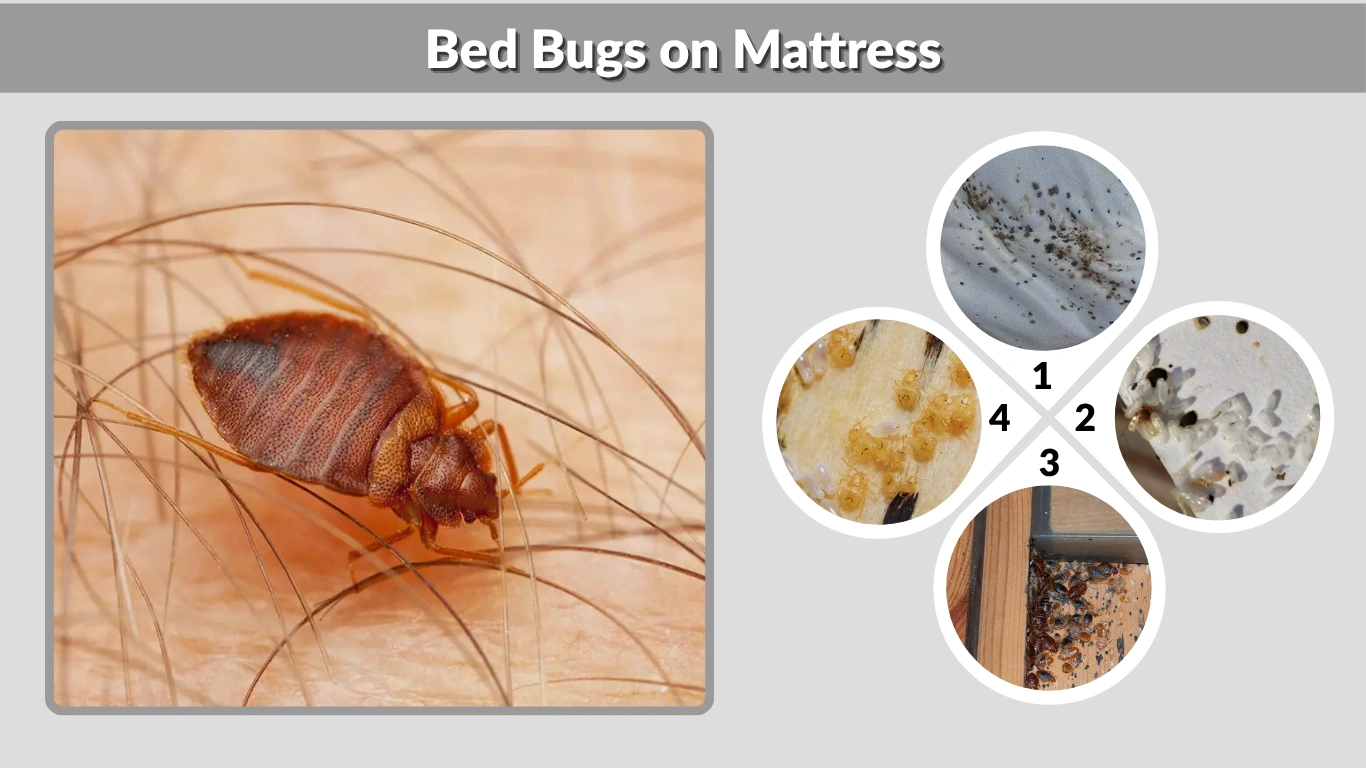
Finding bed bugs on your mattress can be stressful, but recognizing the signs early can help you control the problem before it spreads. Bed bugs are small, blood-feeding insects that hide in seams, creases, and bedding, emerging at night to feed on humans. This guide explains how to identify bed bugs, spot their stains and eggs, and use effective methods to remove them safely from your mattress and home.
What Bed Bugs Look Like on a Mattress
Adult Bed Bugs
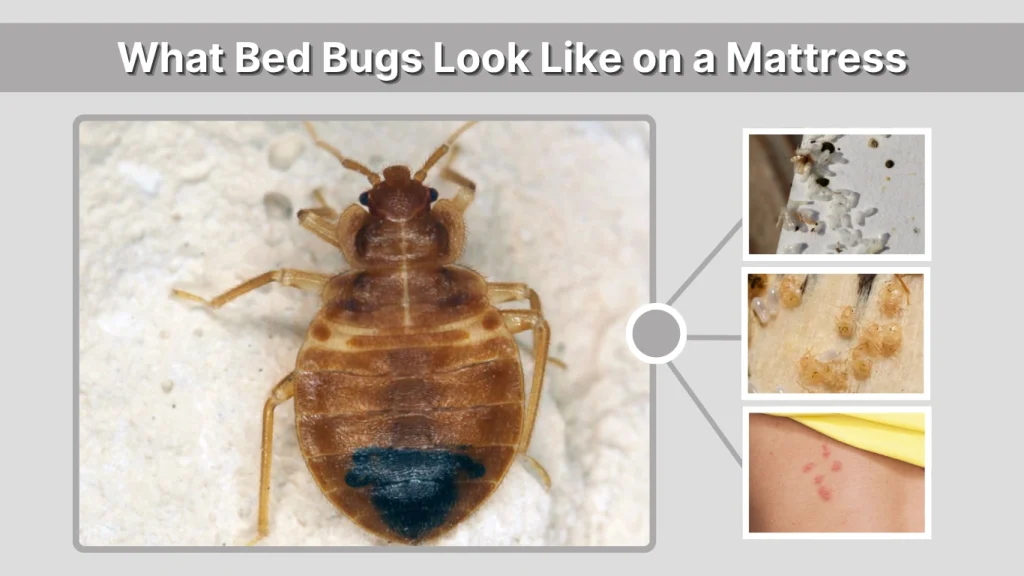
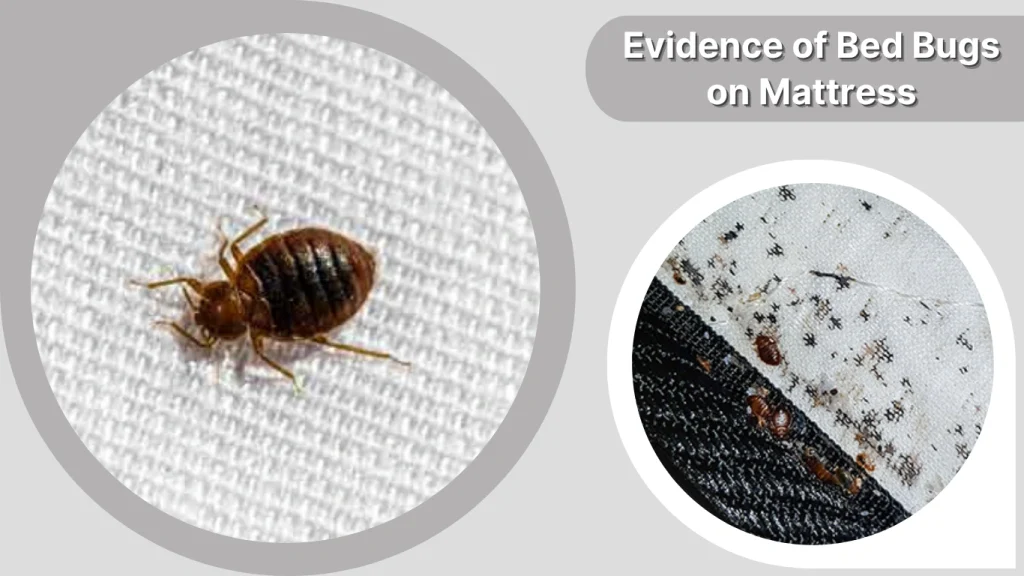
Adult bed bugs are oval-shaped, flat, and about the size of an apple seed (4–5 mm). They are reddish-brown in color and turn darker and more swollen after feeding. These insects are slow-moving but visible to the naked eye. You’ll most often find them hiding along mattress seams, under tags, or near the headboard, especially during the day.
Bed Bug Eggs and Larvae
Bed bug eggs are tiny, white, and oval, resembling grains of rice. Each female lays about five eggs per day, gluing them to hidden surfaces. Clusters of eggs are common near seams or under zippers. When the eggs hatch, pale-yellow nymphs emerge; they are smaller versions of adults and gradually darken after feeding on blood.
Bed Bug Shells and Skins
As bed bugs grow, they shed their exoskeletons several times. These discarded shells, called cast skins, are translucent and pale brown. Finding them on your mattress or sheets is a strong indicator of an infestation, especially if accompanied by black spots or live insects.
Early Signs of Bed Bugs on a Mattress
Bed Bug Spots and Stains
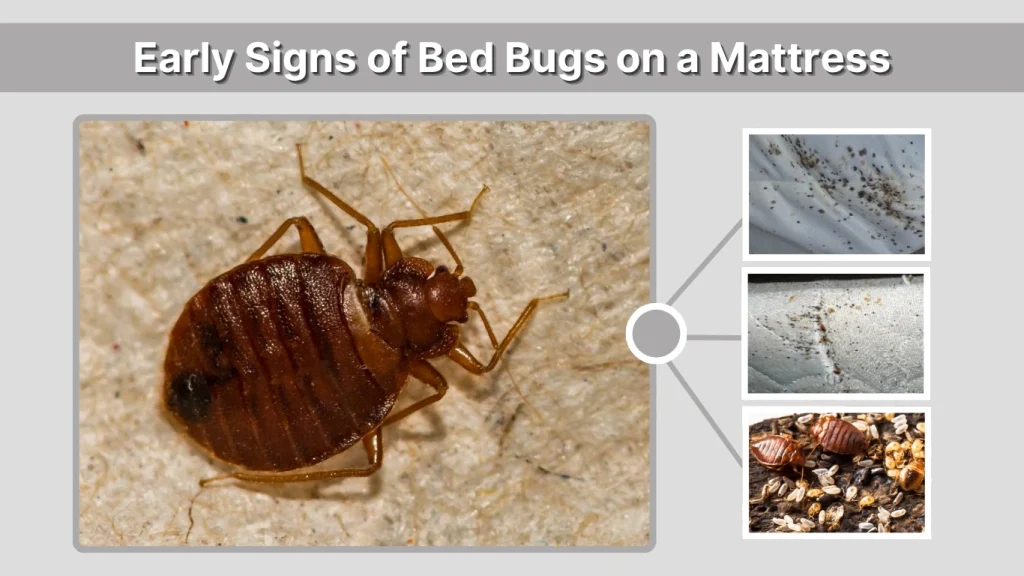
One of the first visual clues of bed bugs is dark or rusty-colored spots on your mattress. These stains are caused by bed bug feces or crushed insects after feeding. When wiped with a damp cloth, these spots may smear, confirming they are from droppings. You may also notice faint yellowish stains, which are an early sign of bed bug activity.
Bed Bug Droppings
Bed bug droppings appear as tiny black or dark brown dots—similar to pepper flakes—often found in lines or clusters. They are usually concentrated along mattress seams, piping, and corners. Droppings can also appear on pillows, sheets, and bed frames.
Bed Bug Eggs and Clusters
Eggs and egg shells are common signs of a growing infestation. They are small, white, and sticky to the touch. You may find them attached to fabric edges, under mattress tags, or around headboards. The presence of multiple egg clusters usually means an active infestation requiring immediate treatment.
Bite Marks
Bed bug bites often appear as red, itchy welts in a line or cluster, typically on areas exposed while sleeping—such as arms, legs, neck, or shoulders. While not everyone reacts to bites, those who do may notice irritation or swelling. The presence of bites alongside stains is a strong sign of bed bugs on your mattress.
Where to Find Bed Bugs on a Mattress
Common Hiding Spots
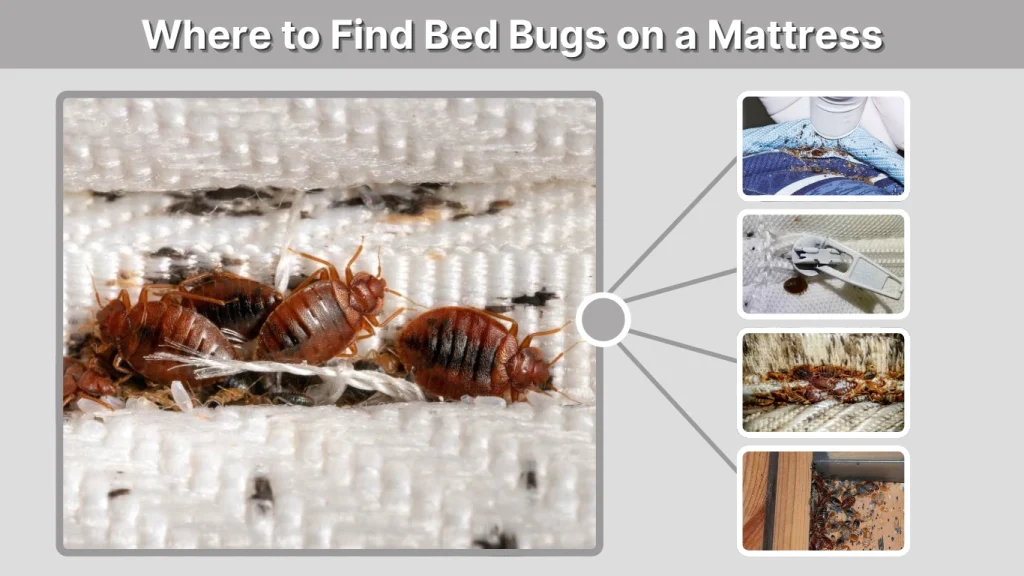
Bed bugs are masters of hiding. They prefer dark, tight spaces close to their food source. Common places to check include:
- Mattress seams, buttons, and piping.
- Under fabric tags or zippers.
- Between the mattress and box spring.
- In bed frames, headboards, or nearby furniture joints.
- Behind wall cracks, baseboards, or electrical outlets near the bed.
Checking the Mattress Thoroughly
To perform a full inspection:
- Strip all bedding and place sheets and pillowcases in a sealed plastic bag.
- Use a flashlight to inspect every seam, crease, and corner.
- Slide a credit card along edges to dislodge hidden insects or eggs.
- Check the box spring, bed frame, and headboard for dark spots or live bugs.
- Place bed bug interceptors or sticky traps under bed legs to detect movement.
A careful inspection can reveal even small infestations before they spread to other rooms.
Evidence of Bed Bugs on Mattress
| Type of Evidence | Description | Appearance |
| Fecal Spots | Bed bug waste | Tiny black dots or smears |
| Blood Stains | Crushed bed bugs or feeding | Reddish-brown stains |
| Eggs | Reproductive clusters | White, sticky, rice-shaped |
| Shells / Skins | Molted exoskeletons | Light brown, translucent |
| Live Bugs | Active infestation | Flat, reddish-brown insects |
These signs often appear together. If you find multiple types of evidence—especially fecal spots and shed skins—it likely means an active infestation rather than a past one.
How to Check for Bed Bugs on a Mattress
DIY Inspection Steps
Start by removing all bedding and washing it in hot water. Examine the entire mattress surface using a flashlight. Focus on corners, seams, and under labels. You can also use adhesive tape or a lint roller to pick up small eggs or droppings for closer inspection. After checking the mattress, inspect the box spring, headboard, and nightstands nearby.
Professional Inspection
If you’re unsure or suspect a larger problem, call a pest control specialist. Professionals can use tools like thermal scanners or trained dogs to locate hidden colonies. Early detection reduces treatment time and prevents bed bugs from spreading to walls, carpets, or furniture.
How to Get Rid of Bed Bugs on a Mattress
Immediate Actions
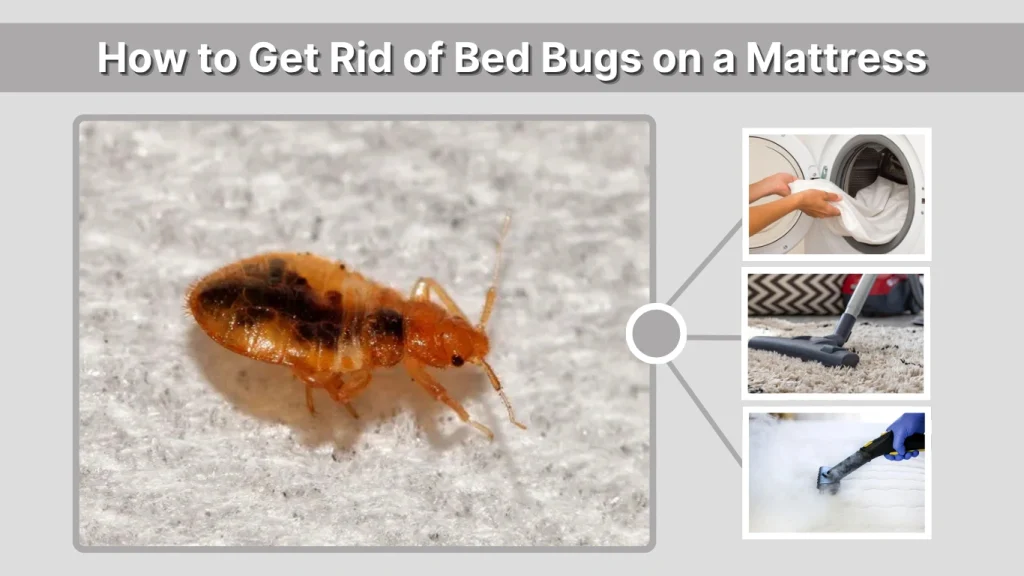
If you confirm bed bugs on your mattress, act quickly to stop the infestation. Begin by stripping the bed completely and washing all bedding, pillowcases, and blankets in hot water (at least 120°F / 49°C). Dry them on the highest heat setting to kill both bugs and eggs. Vacuum the mattress thoroughly—paying attention to seams, edges, and under labels—and immediately seal and discard the vacuum bag in an outdoor trash bin.
Next, clean the surrounding area, including the bed frame, headboard, nightstands, and floor. Bed bugs can hide in cracks or joints, so use a stiff brush to loosen eggs and debris before vacuuming. Avoid transferring bedding or furniture between rooms, as this can spread the infestation.
Safe Treatments
Steam is one of the most effective ways to kill bed bugs and their eggs on contact. Use a steamer on all surfaces of the mattress, including seams and folds. Ensure the steam temperature reaches at least 160°F (71°C).
You can also use EPA-approved bed bug sprays that are safe for mattresses and fabric. Always follow the manufacturer’s instructions and let the mattress dry completely before reuse.
Finally, use bed bug–proof encasements to seal your mattress and box spring. These specialized covers trap any remaining insects inside and prevent new ones from getting in. Keep the encasement on for at least 12 months to ensure that all trapped bugs die naturally.
Natural and Home Remedies
For those seeking chemical-free options:
- Diatomaceous earth: A natural powder that dehydrates bed bugs when sprinkled along seams, headboards, and carpet edges.
- Essential oils: Tea tree, lavender, or peppermint oils have mild repellent properties, though they are not standalone solutions.
- Sunlight and heat: Exposing your mattress and bedding to direct sunlight can help dry out and kill some bugs.
These natural methods work best when combined with cleaning, steaming, and vacuuming.
Special Cases: Bed Bugs on Air and Foam Mattresses
Air Mattresses
While air mattresses are made of plastic, bed bugs can still hide in seams, flocked surfaces, or nearby bedding. They generally do not live inside the inflatable chamber but may settle in folds or covers. Clean the surface using hot, soapy water and a scrub brush. Vacuum nearby carpets and use encasements or plastic covers when possible.
Foam or Memory Foam Mattresses
Bed bugs cannot burrow into dense foam but may hide in fabric covers or underneath. If you have a memory foam mattress, remove and wash the outer cover regularly. Inspect seams and zippers carefully. Using a zippered encasement helps block bed bugs from accessing or escaping the foam layers.
Causes and Prevention
Common Causes
Bed bugs are excellent hitchhikers and spread easily through:
- Travel: They cling to luggage or clothing after hotel stays.
- Used furniture: Infested mattresses or couches brought home secondhand.
- Multi-unit housing: Shared walls or hallways in apartments and dorms.
- Public places: Theaters, offices, and transportation can occasionally host them.
Even the cleanest homes can develop bed bug infestations, as cleanliness does not deter them—only vigilance and prevention do.
Preventive Measures
- Inspect regularly: Check mattress seams and corners every few weeks, especially after traveling.
- Use encasements: Seal mattresses and box springs in bed bug–proof covers.
- Reduce clutter: Eliminate hiding spots around sleeping areas.
- Vacuum often: Clean carpets, baseboards, and furniture weekly.
- After travel: Unpack luggage outdoors or in a separate area; wash clothes immediately in hot water.
- Inspect used items: Carefully check secondhand furniture before bringing it indoors.
Following these steps can drastically lower the risk of infestation.
FAQs
What do bed bugs look like on a mattress?
Adult bed bugs are small, flat, and reddish-brown, about the size of an apple seed. You may also notice their white eggs, black fecal spots, or translucent shed skins along seams and fabric edges.
How can I tell if I have bed bugs on my mattress?
Check for dark fecal stains, tiny white eggs, or live insects hiding in corners and seams. Blood spots on sheets or itchy red bites on your skin are common signs of an active infestation.
Can bed bugs live on air or foam mattresses?
Yes, but they live on the fabric or in nearby crevices, not inside the material. They prefer soft, hidden spaces like seams, covers, or nearby furniture rather than smooth plastic or solid foam.
How do I kill bed bugs on my mattress naturally?
Use high-heat treatments like steaming and laundering. Sprinkle diatomaceous earth along mattress edges and vacuum daily. Combining heat, cleaning, and encasement is the most effective natural strategy.
What causes bed bugs on a mattress?
Bed bugs spread by hitchhiking on clothing, luggage, or secondhand furniture. They are drawn to body heat and carbon dioxide, so mattresses provide the perfect environment for them to feed and hide.
