
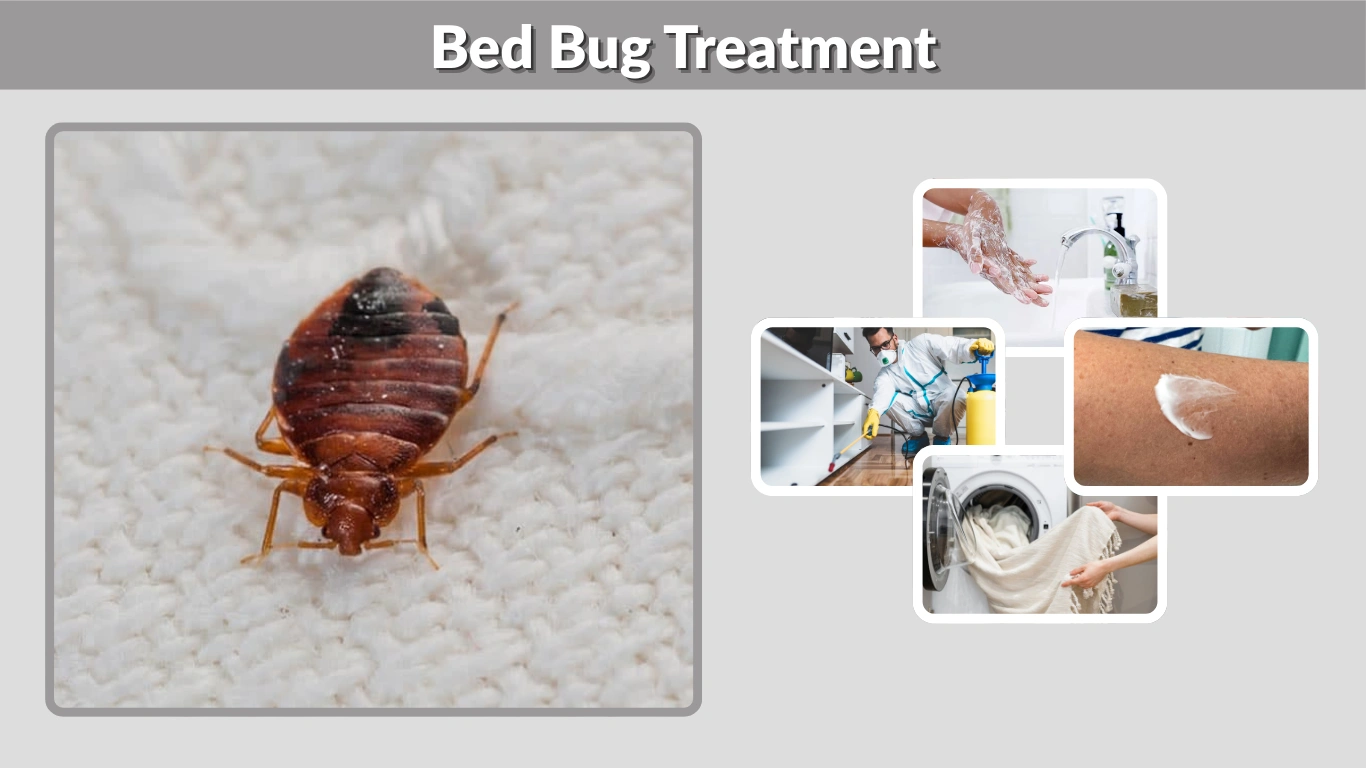
Bed bugs are small, flat, reddish-brown insects that feed on human blood while you sleep. Their bites can cause itching, irritation, and sleepless nights. What makes them especially troublesome is how quickly they multiply and how difficult they are to eliminate without proper treatment.
Once these pests invade your bedding, furniture, or luggage, getting rid of them requires a strategic approach. Understanding different treatment options—professional, DIY, and natural—can help you restore comfort and prevent future infestations. This guide explores effective bed bug treatments, their costs, and the best prevention strategies to keep your home pest-free.
Understanding Bed Bug Infestations
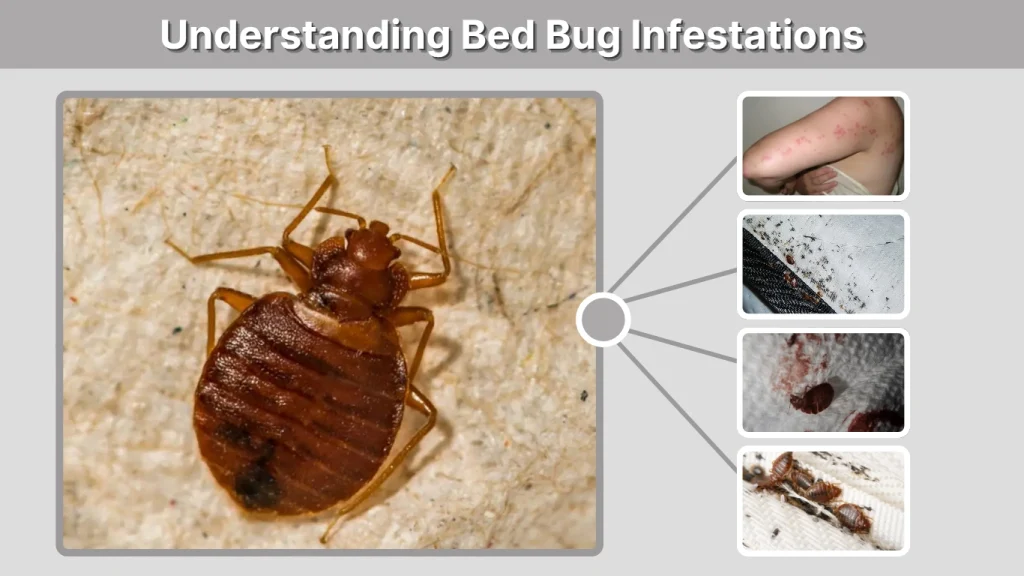
Common Signs of Bed Bugs
Early detection is the key to controlling bed bugs. Signs include:
- Red, itchy bites in clusters or lines on exposed skin.
- Tiny dark spots on sheets or mattresses, which may be fecal stains.
- Rust-colored marks where bugs are crushed.
- Shed exoskeletons or eggs in mattress seams, headboards, and furniture joints.
- A musty odor, especially in larger infestations.
Spotting these signs early allows you to act before the problem spreads throughout your home.
Why Quick Treatment Is Essential
Bed bugs reproduce rapidly. A single female can lay up to 500 eggs in her lifetime, hiding them deep within cracks, seams, and furniture joints. Without prompt treatment, they can spread from your bed to couches, carpets, and even wall voids.
The longer you wait, the more challenging and expensive the extermination becomes. Immediate treatment not only saves you money but also prevents skin irritation, anxiety, and sleep disruption caused by nightly bites.
Professional Bed Bug Treatment Options
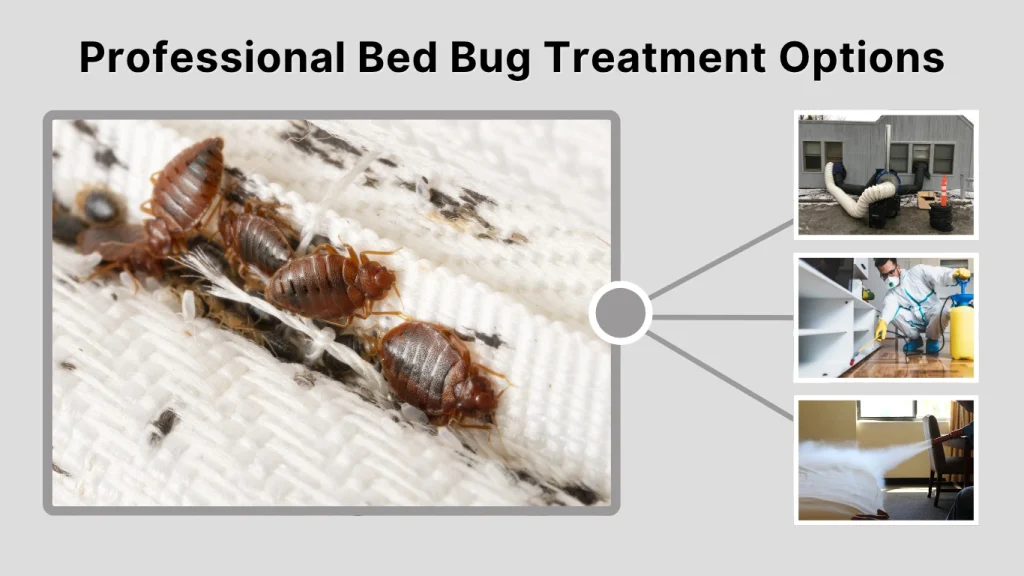
When infestations are extensive, professional treatment is often the only reliable solution. Pest control experts use advanced techniques and specialized equipment to eliminate bed bugs at all life stages—from eggs to adults.
Heat Treatment
Heat treatment is one of the most effective, chemical-free ways to eliminate bed bugs. In this process, professional exterminators use industrial heaters to raise room temperatures to around 120–140°F (49–60°C). At this range, bed bugs and their eggs cannot survive.
This method is particularly effective because heat penetrates walls, mattresses, and furniture, reaching hidden bugs that sprays might miss. It’s also environmentally friendly and leaves no toxic residue behind.
Pros:
- Kills all life stages in one session.
- Safe for most furniture and belongings.
- No chemical exposure.
Cons:
- More expensive than other methods.
- Requires professional handling.
The process typically lasts 6–8 hours, including setup and cooling time.
Chemical Treatment
Chemical treatment involves using EPA-approved insecticides that target bed bugs directly. Professionals often use a combination of pyrethroids, neonicotinoids, and desiccant dusts to ensure full eradication.
This approach is ideal for moderate infestations or areas where heat treatment isn’t practical. However, since some eggs may survive the first round, multiple visits are usually required.
Pros:
- Affordable for smaller infestations.
- Targets hidden colonies effectively.
- Often combined with other methods for maximum success.
Cons:
- May require several follow-up visits.
- Chemicals can leave mild odors or residues.
Professional chemical treatment is most effective when paired with vacuuming, steaming, and laundering infected items.
Steam Treatment
Steam treatment uses high-temperature vapor (over 200°F) to kill bed bugs and eggs on contact. It’s an excellent eco-friendly option for mattresses, couches, curtains, and carpets.
Steam doesn’t penetrate walls or deep crevices, so it’s best for surface-level infestations. However, when combined with consistent cleaning and inspection, it’s highly effective for early infestations.
Pros:
- Non-toxic and safe around children and pets.
- Ideal for spot treatments.
- Affordable and accessible for home use.
Cons:
- Limited reach—only kills what the steam touches.
- Requires patience and multiple sessions.
Combination Treatments
For severe infestations, pest control companies often recommend integrated treatments—a mix of heat, chemical, and steam methods. Combining these ensures both immediate and long-term effectiveness by destroying eggs, nymphs, and adults.
Companies like Orkin and Terminix often customize treatment plans based on infestation size and location. While these comprehensive treatments cost more, they typically guarantee complete eradication.
Bed Bug Treatment Costs
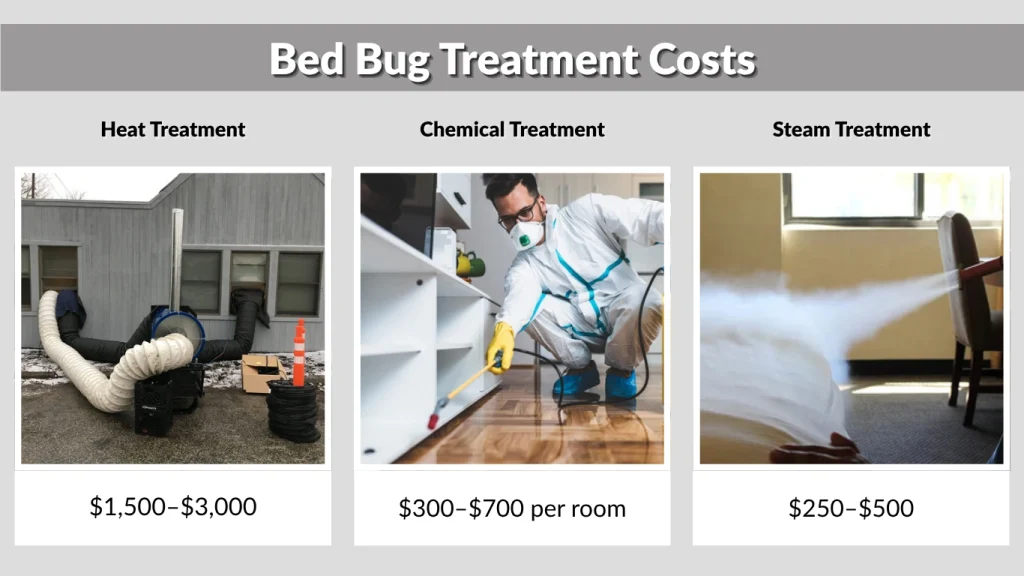
Professional treatments vary widely in price depending on home size, infestation level, and the method used.
Average Cost by Treatment Type
| Treatment Method | Average Cost (USD) | Duration | Effectiveness |
| Heat Treatment | $1,500–$3,000 | 6–8 hours | 95–100% |
| Chemical Treatment | $300–$700 per room | 2–4 visits | 80–95% |
| Steam Treatment | $250–$500 | 1–2 hours | 70–90% |
While heat treatment is the most expensive, it’s also the most thorough, often requiring only one visit. Chemical and steam methods are cheaper but may need repetition for lasting results.
Factors That Affect Price
Several factors influence the final treatment cost:
- Infestation severity: Heavier infestations need longer treatments.
- Home size: Larger homes require more equipment and labor.
- Location: Prices vary by city or region.
- Type of treatment: Heat and combination methods cost more than sprays.
- Follow-up visits: Re-treatments increase total costs.
Some pest control companies offer free inspections or discounted packages for combined treatments. Always request a quote before booking to avoid unexpected costs.
DIY and Natural Bed Bug Treatments
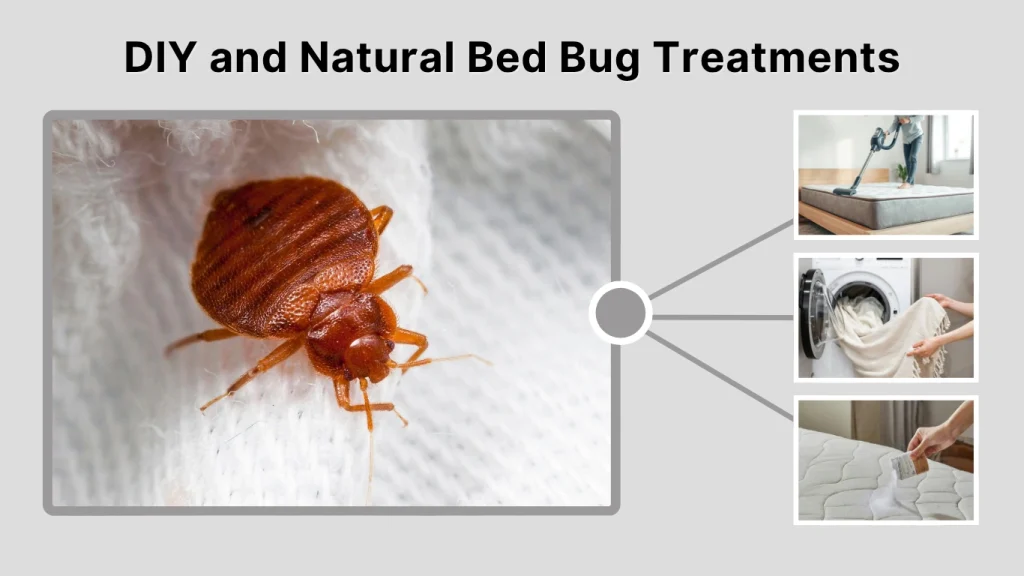
If your infestation is mild or caught early, you may be able to reduce or eliminate bed bugs using DIY or natural methods. While not as powerful as professional treatments, these options can help control the problem before it spreads.
Home Remedies
- Vacuuming: Use a high-suction vacuum on mattresses, bed frames, and carpet edges. Immediately seal and dispose of the vacuum bag.
- Hot Water Washing: Wash all bedding, curtains, and clothing in hot water (at least 120°F/49°C) and dry on the highest heat setting for 30 minutes.
- Diatomaceous Earth: This natural silica powder kills bed bugs by dehydrating them. Sprinkle around mattress seams, baseboards, and cracks.
- Freezing: Small items like pillows or stuffed toys can be placed in sealed bags and frozen at –4°F (–20°C) for 3–4 days.
These methods are safe, affordable, and can complement professional treatments by targeting hidden or residual bugs.
Natural Alternatives
Essential oils such as tea tree, lavender, and peppermint have mild repellent properties. Although they don’t kill bed bugs, they may discourage them from nesting in certain areas. Sprays made with vinegar or alcohol can kill bugs on contact but won’t eliminate eggs, so consistent cleaning is still essential.
Homemade treatments work best when combined with frequent vacuuming and inspection. However, if bites or activity persist after two weeks, professional intervention is strongly recommended.
When DIY Isn’t Enough
While home methods may reduce visible bugs, they rarely reach hidden nests deep in furniture, wall cracks, or electrical outlets. If you continue waking up with bites, see signs of live insects, or notice stains reappearing, call a licensed pest control expert. Ignoring a growing infestation often leads to higher long-term costs.
Bed Bug Bite Treatment
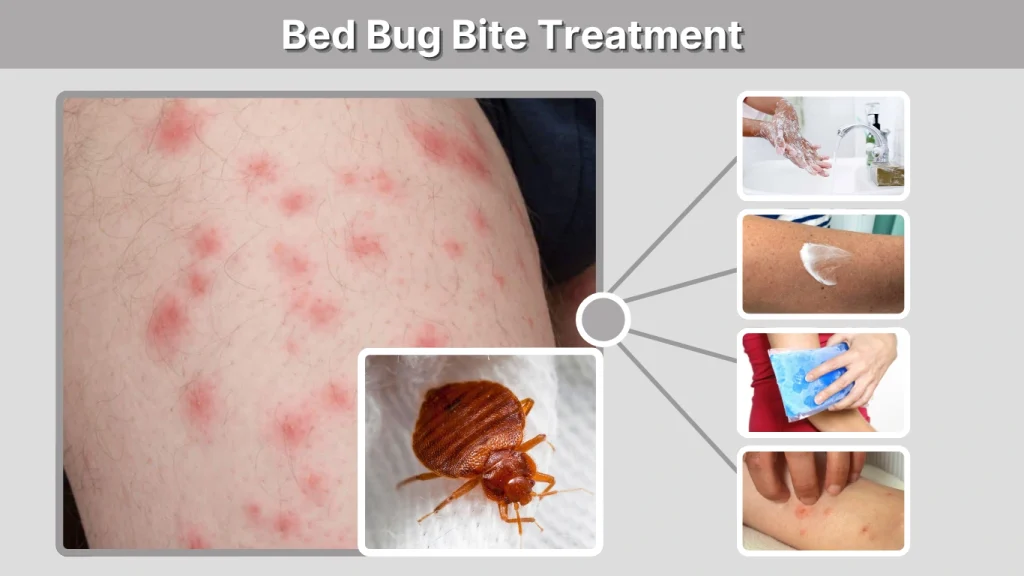
Even after bed bugs are gone, their bites can remain itchy and uncomfortable. Fortunately, most bites heal naturally within one to two weeks.
First Aid and Home Care
- Clean the bites with mild soap and warm water to prevent infection.
- Apply calamine lotion or hydrocortisone cream to reduce redness and itching.
- Use cold compresses to soothe swelling.
- Avoid scratching, as it can cause open wounds and scarring.
- For more relief, take an oral antihistamine to reduce allergic reactions.
Over-the-counter options are often enough, but persistent or severe reactions may require medical evaluation.
Medical Treatment for Severe Reactions
Some individuals experience significant swelling, blistering, or allergic responses. In such cases, doctors may prescribe:
- Topical corticosteroids for inflammation.
- Antibiotics if infection occurs from scratching.
- Prescription antihistamines for intense itching.
If you experience difficulty breathing, dizziness, or widespread swelling, seek emergency medical attention immediately.
Bed Bug Treatment for Pets and Cars
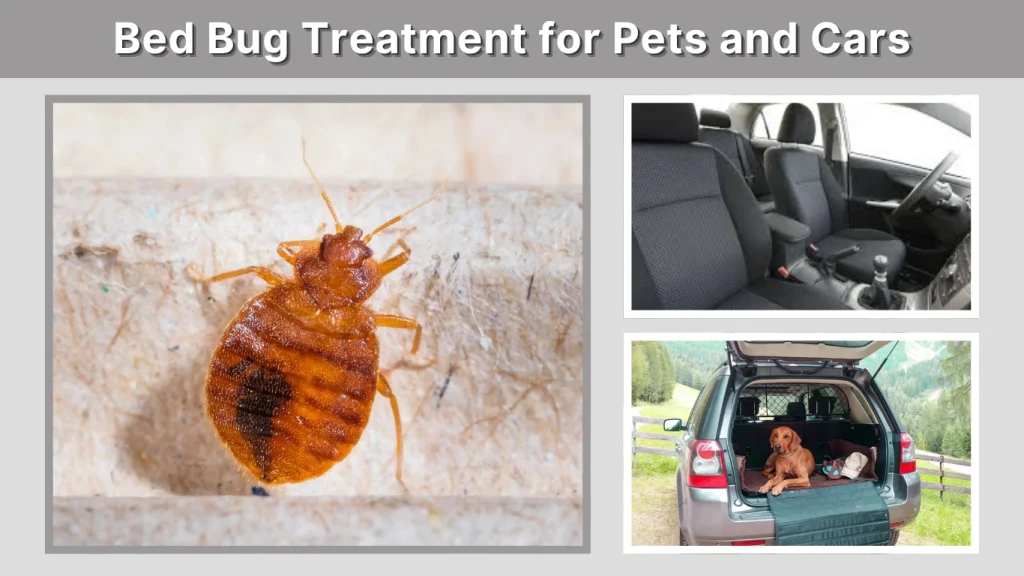
Bed bugs are primarily human pests, but they occasionally bite animals or infest cars and luggage.
Treating Pets
Bed bugs don’t live on pets the way fleas do, but they may feed on them temporarily. To protect your furry companions:
- Bathe pets with warm water and mild shampoo.
- Wash their bedding, blankets, and toys in hot water.
- Vacuum and steam the area where pets sleep.
If your pet continues to scratch or develops red bumps, consult a veterinarian.
Keywords: bed bug treatment for dogs, bed bugs and cats treatment.
Treating Cars
Bed bugs can hitchhike in vehicles after travel or moving furniture. To eliminate them:
- Vacuum seats, carpets, and trunk thoroughly.
- Use a portable steam cleaner to treat upholstery.
- Park the car in direct sunlight on hot days, as extreme heat discourages survival.
- Consider professional car detailing with pest control products.
After Treatment — Cleaning and Prevention
Even after extermination, ongoing cleaning ensures that any surviving eggs don’t re-hatch and start a new infestation.
Post-Treatment Steps
- Wait 24 hours before putting bedding and clothes back in treated rooms.
- Vacuum floors and furniture weekly for at least a month.
- Dispose of vacuum bags immediately after use.
- Use bed bug-proof mattress encasements to trap any remaining insects.
- Place interceptor traps under bed and furniture legs to monitor for survivors.
Heat treatment is safe for most belongings, but always confirm with your technician before returning electronics or delicate items.
Long-Term Prevention Tips
- Inspect used furniture and mattresses before bringing them home.
- Reduce clutter, as it gives bed bugs more places to hide.
- Seal wall cracks and tighten baseboards.
- During travel, keep suitcases elevated and zipped; wash clothes as soon as you return home.
- Schedule annual inspections if you live in multi-unit housing or frequently travel.
Preventive habits are the most reliable way to avoid another infestation and the costly treatments that come with it.
Myths About Bed Bug Treatment
“Bed Bugs Only Infest Dirty Homes”
This is one of the biggest misconceptions. Bed bugs care about blood, not cleanliness. They thrive anywhere with warmth and human hosts, from luxury hotels to spotless apartments.
“One Treatment Is Enough”
Even the most thorough extermination may require follow-up visits. Eggs can survive initial treatments and hatch days later, so scheduling a second inspection ensures complete eradication.
“DIY Sprays Work Like Professional Methods”
Store-bought sprays can kill bugs on contact but rarely reach hidden colonies. Professional methods such as heat or chemical combinations are necessary for long-term success.
Financing and Affordability
Professional bed bug treatment can be costly, but many pest control services offer financing options or payment plans. Some companies also include warranties or re-treatment guarantees for extra peace of mind.
Before booking, request multiple quotes and compare services. Look for companies that include follow-up visits and monitoring to ensure lasting results.
FAQs
What is the most effective bed bug treatment?
Professional heat treatment kills all bed bug life stages in one visit and is considered the gold standard.
Can I treat bed bugs myself?
You can reduce a small infestation with vacuuming, diatomaceous earth, and hot water washes, but professionals are needed for full eradication.
How much does bed bug treatment cost?
Average costs range from $300 per room to $3,000 for a full-home heat treatment, depending on severity and location.
Will heat treatment damage my furniture?
No. Licensed technicians monitor temperatures carefully to ensure your home and belongings remain safe.
How long does professional treatment take?
Most treatments last 6–8 hours, but larger homes or repeat infestations may take longer.
