
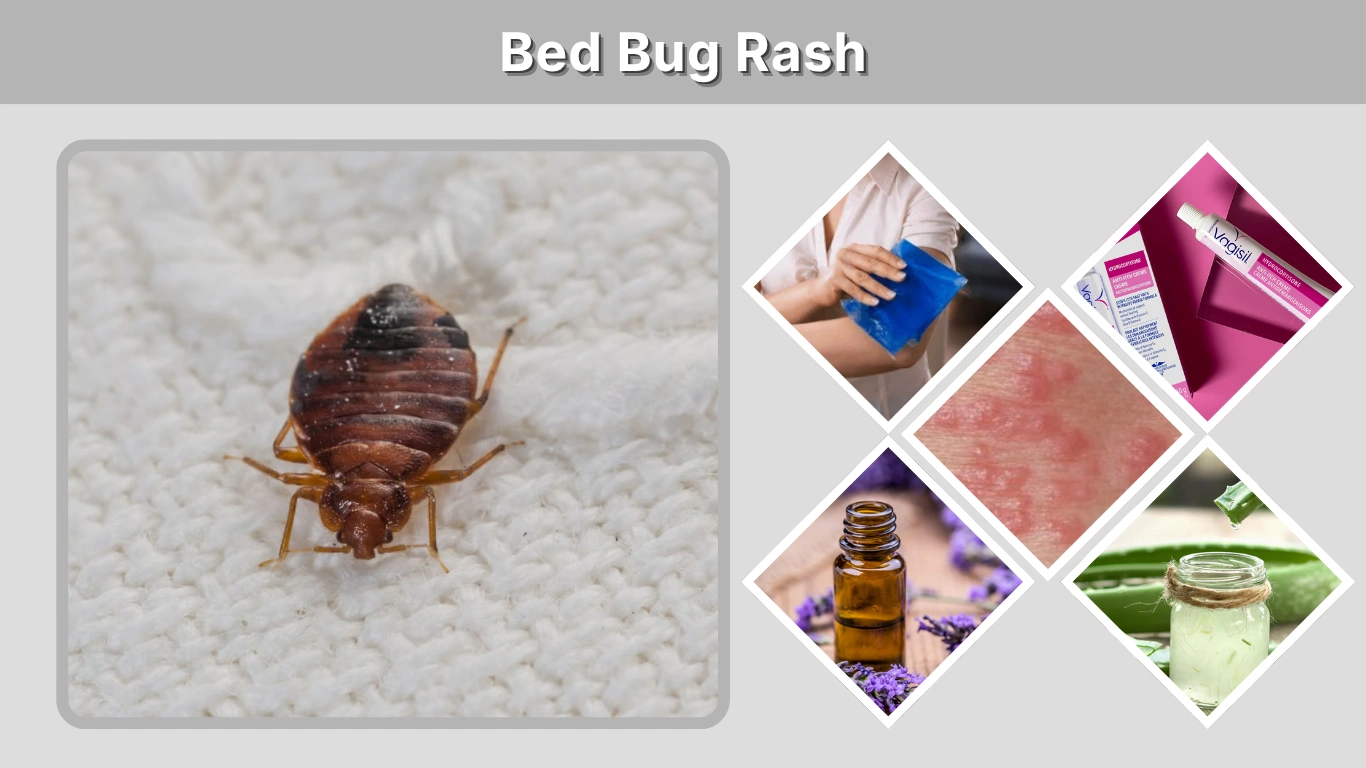
Bed bug rashes can be uncomfortable, confusing, and easy to misidentify due to their close resemblance to many other skin conditions. Because bed bug bites don’t always appear immediately, people often mistake the resulting rash for allergies, heat rash, scabies, or irritation from detergents. Understanding how these rashes form, what they look like, and how to treat them is essential for early detection and preventing a minor issue from becoming a severe infestation.
Understanding Bed Bug Rashes
Bed bug rashes form as a reaction to proteins in the insect’s saliva. When a bed bug bites, it injects a numbing agent and anticoagulant to help feed without being noticed. While not everyone reacts, many people develop red, itchy, swollen patches on their skin. These rashes can range from small bumps to large, inflamed welts, depending on individual sensitivity and the number of bites received. Persistent scratching can worsen symptoms or lead to infection.
How to Identify a Bed Bug Rash
What a Bed Bug Rash Looks Like
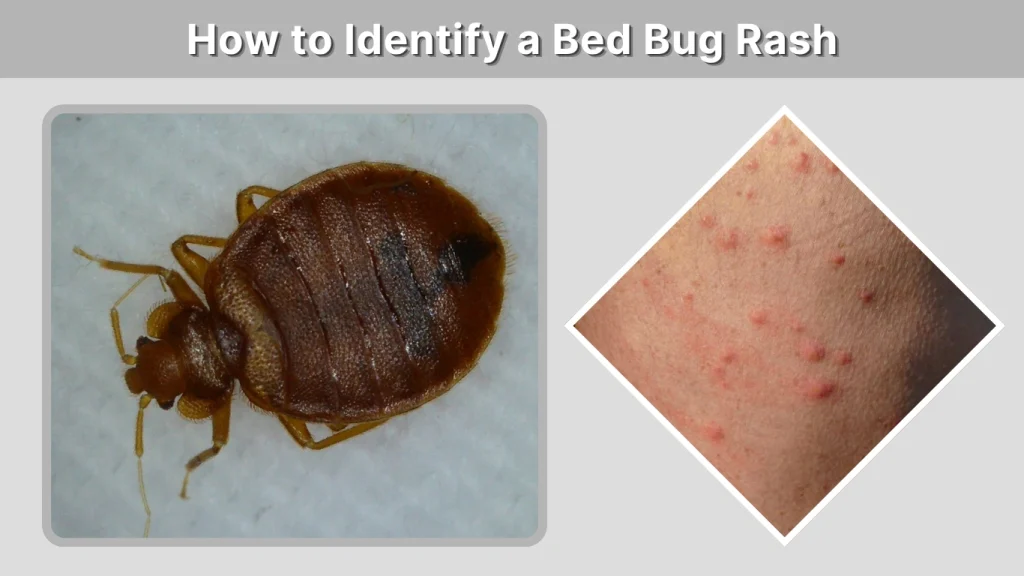
A bed bug rash usually appears as clusters or lines of red, raised bumps on the skin. They’re typically small, round, and intensely itchy, often showing up hours or even days after the bite. The classic pattern is the “breakfast-lunch-dinner” formation — three bites in a row. In some cases, the rash may spread, becoming blotchy or swollen. Severe allergic reactions can produce hives, large welts, or even a bullseye-like pattern similar to Lyme disease.
Key Symptoms to Watch For
Symptoms often include itching, burning, swelling, and mild tenderness around the bite sites. Some people experience delayed reactions, noticing rashes 24–48 hours after exposure. Additional signs include raised welts, fluid-filled bumps, or dark marks that remain for days. If a rash becomes warm, painful, or oozes fluid, it may indicate an infection. These symptoms require medical attention, particularly if the rash spreads rapidly or causes fever.
Where Bed Bug Rashes Usually Appear
Because bed bugs prefer exposed skin, rashes commonly appear on the arms, legs, neck, face, shoulders, and hands. Areas covered by clothing are less likely to be affected unless the infestation is severe. Bed bugs feed at night, so new rashes noticed in the morning are often a strong indicator of activity. Itching may increase at night due to heightened skin sensitivity and histamine release when the body is at rest.
Bed Bug Rash Pictures (Visual Identification Guide)

Bed Bug Bite Rash Images
Photos of typical bed bug rashes often show small red bumps forming noticeable clusters or straight lines. The bites usually appear uniform in size and shape, unlike mosquito bites, which vary. Bed bug rash images also illustrate the differences between mild and severe reactions — from faint pink bumps to dark, swollen welts. These visual cues help distinguish bed bug rashes from other common skin irritations.
Bed Bugs Skin Rash Examples
Visual examples of skin rashes from bed bugs highlight how reactions differ based on skin type and severity. Some individuals develop widespread redness and blotches, while others show isolated bumps. Allergic responses may appear more dramatic, creating large, inflamed patches. Children often experience stronger reactions due to sensitive skin, making early identification especially important in households with young family members.
Early vs. Advanced Rash Pictures
Early-stage rashes typically feature fresh red bumps that are slightly raised and itchy. As the reaction progresses over 24–48 hours, the bumps may darken, swell, or form a more defined rash. Advanced rashes can become blister-like or develop surrounding redness as inflammation increases. In individuals with sensitive skin, hyperpigmentation or dark spots may remain for weeks after the initial rash fades.
Causes of Bed Bug Rashes

Why Bed Bugs Cause Skin Reactions
Bed bug rashes develop because human skin reacts to histamines and foreign proteins in the insect’s saliva. The immune system identifies the saliva as an irritant, triggering inflammation and redness. People with heightened sensitivities may experience more intense rashes, while others show no visible reaction at all. The severity often depends on repeated exposure, as reactions become stronger over time.
Can Bed Bug Bites Cause Severe Rashes?
While most rashes are mild, some people develop severe reactions that include large swollen welts, blistering, or a bullseye-shaped mark. In rare cases, widespread hives or anaphylactic responses can occur. Severe rashes may also mimic conditions like poison ivy or infections, making diagnosis challenging. Medical treatment becomes crucial when swelling spreads rapidly or the rash becomes extremely painful.
Factors That Increase Rash Severity
Some people react more dramatically to bed bug bites due to their skin sensitivity or underlying conditions. Those with eczema, dermatitis, or a history of allergies often develop stronger reactions. Multiple bites in a short period can also intensify inflammation. Scratching worsens symptoms and increases the risk of secondary infection, especially if bacteria enter the broken skin. Environmental factors like heat, humidity, and friction from clothing can further irritate the rash and delay healing.
Bed Bug Rash vs Other Skin Conditions
Bed Bug Bites vs Heat Rash
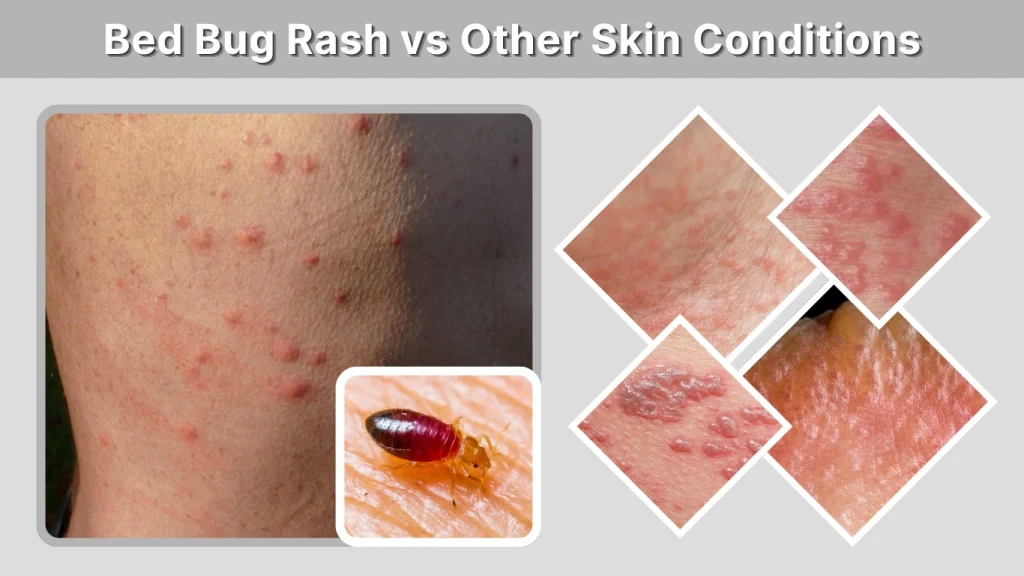
Bed bug rashes are often confused with heat rash because both produce clusters of red bumps. However, heat rash typically appears in areas where sweat accumulates, such as the underarms, chest, or waistline. It consists of tiny, prickly red dots rather than raised, inflamed bumps. Bed bug rashes usually itch intensely and appear on exposed skin. Heat rash improves with cooling, while bed bug rashes persist or worsen without treatment.
Bed Bug Rash vs Scabies
Scabies is a skin condition caused by mites that burrow under the skin, leaving thin, thread-like lines known as “burrows.” The itching is severe and often worse at night. Bed bug rashes do not create burrows and appear as surface-level bumps. Scabies commonly affects finger webs, wrists, and elbows, whereas bed bug rashes appear on exposed areas such as arms, legs, and neck. Identifying burrows is the quickest way to distinguish between the two.
Bed Bug Bites vs Poison Ivy Rash
Poison ivy causes blistering, streak-like rashes that form after contact with the plant’s oils. These blisters often ooze or crust over as they heal. In contrast, bed bug rashes form discrete bumps or welts, usually arranged in clusters or lines. The itching from poison ivy can be intense, but its appearance is more uneven and scattered. Exposure history also helps: if the person was outdoors in wooded areas, poison ivy may be the cause.
Bed Bug Rash vs Shingles
Shingles is a nerve-related condition that creates a painful, burning rash, usually on one side of the body. The rash forms fluid-filled blisters rather than small red bumps. Pain is the defining feature of shingles, whereas bed bug rashes are primarily itchy. Shingles may also cause tingling, fever, or fatigue before the rash appears. A key difference is that bed bug rashes are usually symmetrical or scattered, not isolated to a single nerve pathway.
Other Conditions That Look Similar
Various other conditions may mimic bed bug rashes, including flea bites, contact dermatitis, mosquito bites, and allergic hives. Flea bites tend to cluster around the ankles and lower legs, while mosquito bites are larger and more random. Contact dermatitis appears as patches of irritated skin caused by products, detergents, or fabrics. Understanding these differences helps narrow down the cause when rashes are hard to identify.
Symptoms That Help Confirm Bed Bug Rashes

Patterns of Bed Bug Bites
The most recognizable bite pattern is the “breakfast-lunch-dinner” trio — three bites in a line or cluster. Bed bugs feed in close proximity, which is why the bites often appear grouped. Unlike random insect bites, bed bug bite patterns are more organized. A rash forming in straight or clustered formations is a strong indicator of bed bug activity.
Behavior Clues
Bed bug rashes often worsen at night due to the body’s inflammatory response during rest. Because bed bugs feed while people sleep, waking up with new bites is a critical sign. If multiple household members develop similar rashes simultaneously, bed bugs are more likely the cause. Pets typically show no signs of bites, which helps differentiate bed bugs from fleas.
Home Clues Supporting Bed Bug Activity
Several signs confirm bed bug presence: tiny blood spots on bedding, dark fecal stains on mattresses, shed skins, or live bugs hiding along seams or cracks. Rashes combined with visible evidence greatly increase the likelihood of a bed bug infestation. A thorough inspection of mattresses, headboards, box springs, and upholstered furniture is essential.
Treatment for Bed Bug Rashes
Immediate Relief Methods
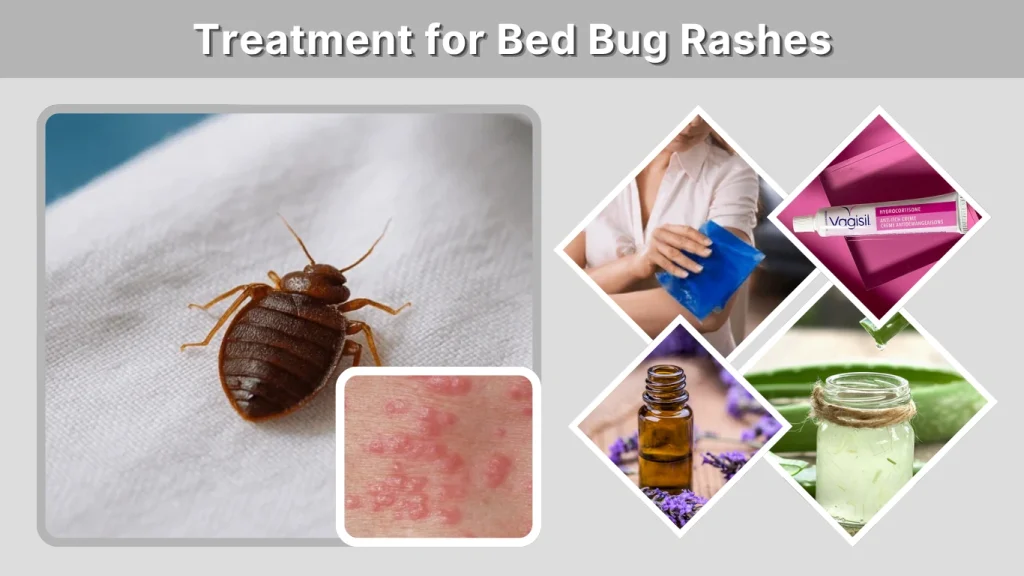
Simple at-home treatments can reduce itching and inflammation. Cold compresses help soothe irritated skin and reduce swelling. Over-the-counter anti-itch creams such as hydrocortisone or calamine lotion provide relief, while oral antihistamines reduce allergic reactions. Keeping the skin clean and avoiding scratching prevents infection and speeds recovery.
Home Remedies
Natural remedies can help calm the skin. Aloe vera reduces redness and cools irritated areas, while oatmeal baths soothe widespread rashes. A paste made from baking soda and water may relieve itching. Essential oils like tea tree or lavender can help, but they must be diluted to avoid further irritation.
When to See a Doctor
Medical attention is necessary if the rash becomes infected, extremely painful, or spreads rapidly. Signs of infection include warmth, pus, swelling, and fever. Allergic reactions, though rare, require prompt treatment if breathing difficulty, dizziness, or swelling of the lips and eyes occurs. A dermatologist can also help differentiate bed bug rashes from similar skin conditions.
How Long Bed Bug Rashes Last
Most mild rashes heal within a week, while moderate reactions may take 10–14 days. Severe allergic responses or infections may prolong recovery to several weeks. Dark spots or hyperpigmentation can remain for months, especially in individuals with sensitive skin. Avoiding scratching and using proper treatment speeds up healing significantly.
Preventing Bed Bug Rashes
Stop Current Rash From Getting Worse
To protect the skin, avoid scratching and keep the affected area covered with soft clothing. Moisturizers help restore the skin barrier and reduce irritation. Gently washing with mild soap prevents bacteria from causing secondary infections. Anti-itch treatments and cool environments also help limit inflammation.
Eliminating Bed Bugs to Prevent Future Rashes
Treating the rash alone is not enough — eliminating the pests is essential. Washing bedding and clothes in hot water, vacuuming carpets and furniture, and using steam treatments can reduce infestations. Mattress encasements trap bugs and prevent future bites. In severe cases, professional extermination ensures complete removal. Preventive steps, including regular inspection and reducing clutter, help stop bed bugs from returning.
FAQs
Can bed bugs cause a rash?
Yes, bed bugs can cause rashes in many individuals due to their saliva, which triggers allergic reactions. These rashes often appear as small red bumps arranged in clusters or lines, accompanied by itching and swelling. Some people develop more intense reactions, including large welts or hives. While mild rashes resolve quickly, severe cases may require medical treatment if symptoms escalate.
What does a bed bug rash look like?
A bed bug rash typically appears as red, raised bumps that may form clusters or straight lines. The rash is usually very itchy and may swell or redden over time. Some people develop blotchy patches or hive-like reactions. The appearance varies depending on sensitivity, but the hallmark pattern is the “breakfast-lunch-dinner” trio of bites in a row.
How long does a bed bug rash last?
Most bed bug rashes last about a week, but moderate reactions may continue for 10–14 days. Severe allergic responses or cases with secondary infection can extend healing to several weeks. Dark spots or hyperpigmentation sometimes remain after the rash fades. Proper treatment, avoiding scratching, and maintaining clean skin help speed up recovery.
How do you treat a rash caused by bed bugs?
Treatment focuses on reducing itching and inflammation. Cold compresses, hydrocortisone creams, calamine lotion, and antihistamines provide relief. Home remedies like aloe vera or oatmeal baths can soothe the skin. If the rash shows signs of infection or becomes extremely painful, medical attention is necessary to prevent complications and ensure proper healing.
How do you tell the difference between bed bug rashes and other skin conditions?
Bed bug rashes usually show up as clusters or lines of red bumps on exposed skin, often appearing overnight. Heat rash, scabies, poison ivy, and flea bites have distinct patterns or locations. Confirming bed bugs involves comparing bite patterns and checking for home signs such as blood spots, fecal stains, or live insects. When uncertain, a dermatologist can help identify the cause.
