
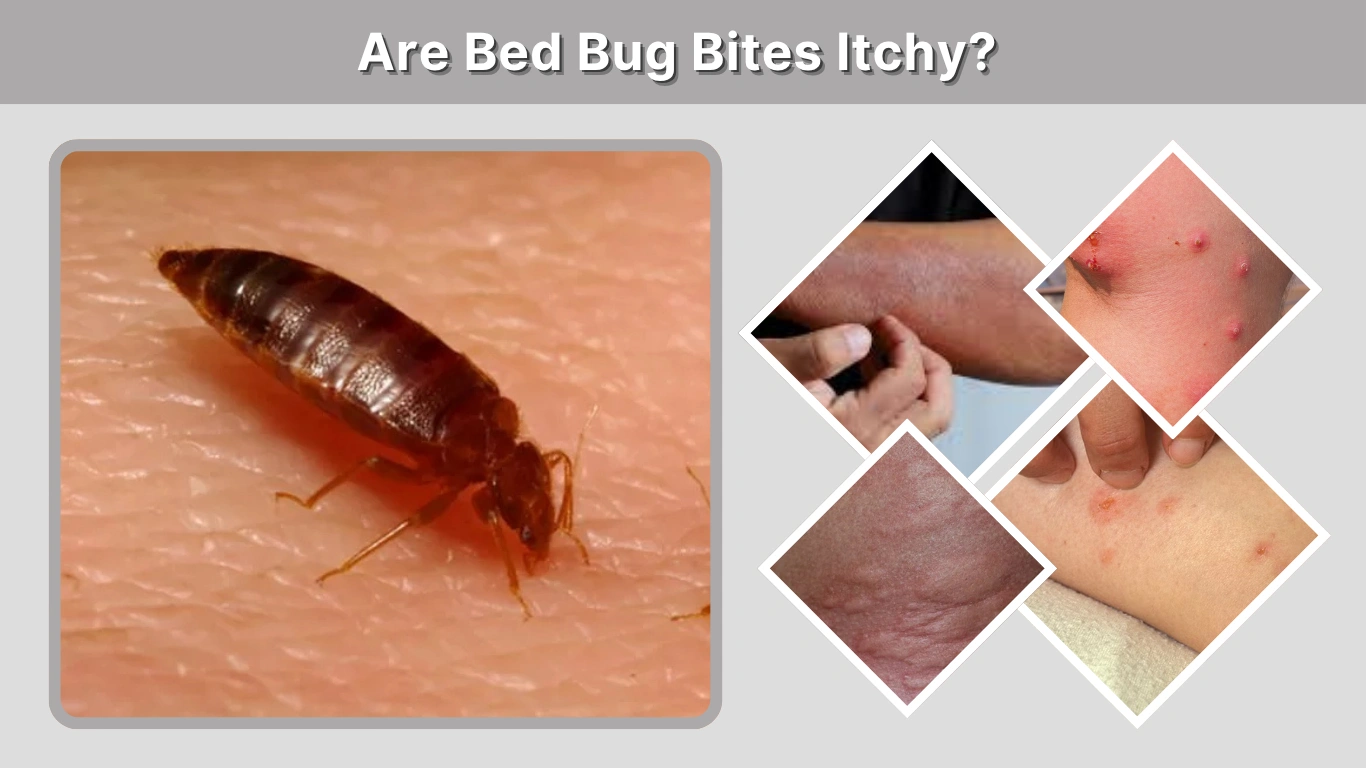
Bed bugs are tiny, blood-feeding insects that hide in mattresses, furniture, and cracks around the home. Their bites are well-known for causing irritation, itchiness, and red welts that can last for days. But not everyone reacts the same way. Some people experience mild itchiness, while others suffer from intense, almost unbearable itching that disrupts sleep and daily comfort.
This guide explains whether bed bug bites are itchy, why they itch, how long the itch lasts, and what you can do to manage or prevent it.
Do Bed Bug Bites Itch? (Short Answer)
For most people, yes—bed bug bites are itchy, and itchiness is the most common symptom. However, not everyone experiences itching in the same way, and some people may not feel any itch at all.
Typical Reaction
A typical bed bug bite creates a small, raised, red welt that becomes itchy anywhere from immediately to several hours later. The itch can be mild or intense depending on the individual’s sensitivity. Because bed bugs inject saliva containing anticoagulants and anesthetics, the reaction varies widely—some people’s skin becomes inflamed quickly, while others react slowly.
What Bed Bug Bites Feel Like
The initial sensation is usually painless. Most people do not feel the bite when it happens. Afterward, the bite may feel:
- Itchy
- Warm or irritated
- Slightly tender
- Completely unnoticeable (for those with low sensitivity)
How Itchy Are Bed Bug Bites?
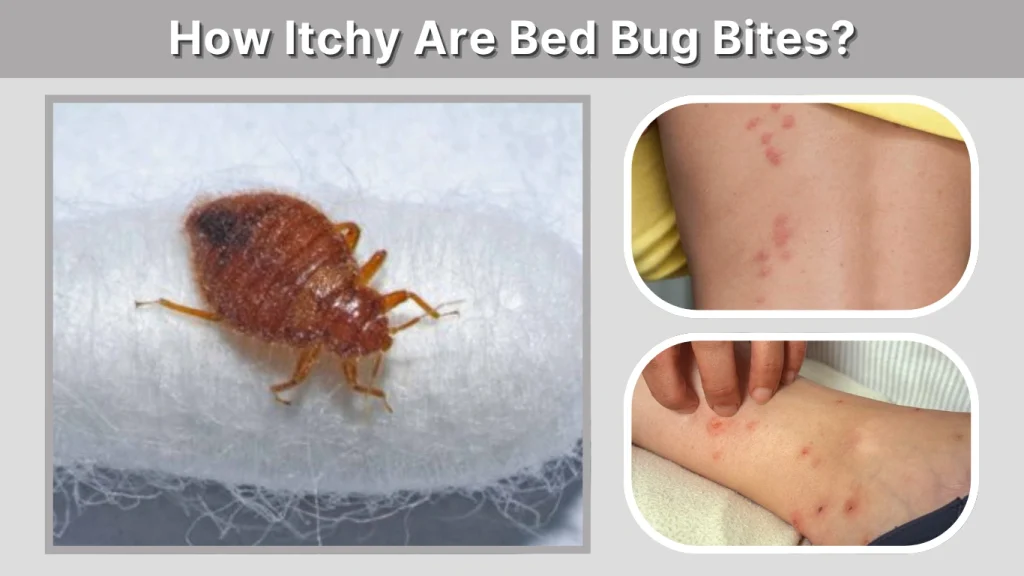
Bed bug bite itchiness ranges from mild to extremely intense. Some describe the itch as similar to a mosquito bite, while others find it significantly worse and longer-lasting.
Levels of Itch Severity
Mild Itchiness:
Some people experience slight itching that fades within a day. These individuals have low sensitivity to bed bug saliva.
Moderate to Persistent Itching:
Many people fall into this category — the bites itch throughout the day and can become bothersome, especially if there are multiple clustered bites.
Extreme or Burning Itch:
Highly sensitive or allergic individuals may experience intense, almost burning-level itching. This type of reaction can last several days and may interfere with sleep.
Why Some People Experience Stronger Itching
Itch intensity depends on the person’s immune system and skin sensitivity. Factors include:
- Allergic reactions to bed bug saliva
- Repeated exposure (sensitization makes itching worse)
- Sensitive skin types
- Pre-existing skin conditions like eczema
- Stress and anxiety, which can heighten the itch response
People who have been bitten several times typically react more strongly over time.
Why Bed Bug Bites Are So Itchy
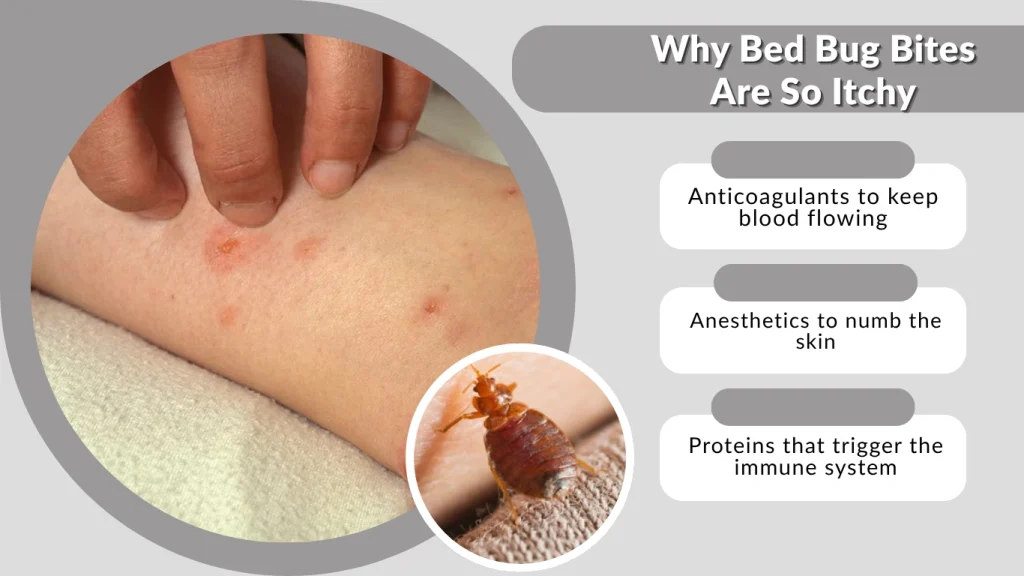
The itch is not caused by the puncture itself but by the body’s reaction to substances injected by the bed bug while feeding.
Role of Bed Bug Saliva
Bed bug saliva contains:
- Anticoagulants to keep blood flowing
- Anesthetics to numb the skin
- Proteins that trigger the immune system
The immune system attacks these foreign substances, creating redness, inflammation, and itchiness.
Histamine Response in the Skin
When the body detects the saliva, it releases histamines, which cause:
- Swelling
- Redness
- Itching
- Fluid buildup
Scratching increases histamine release, which makes itching worse and prolongs healing.
Delayed Reactions Explained
Many people do not feel itching immediately. A delayed itch occurs because the immune response takes time to activate.
Bites may appear hours or even a full day later. People bitten repeatedly often develop faster and more intense reactions because their immune system recognizes the saliva.
When Does the Itching Start?
The timing of itchiness can differ from person to person.
Immediate vs. Delayed Itching
Some individuals feel itching almost immediately after being bitten, especially if they are highly sensitive.
However, delayed itching is far more common — most people experience itchiness 1 to 12 hours after the bite.
Itching Before Bites Appear
It is possible to feel itching before you see the bites. The skin can react internally before redness or swelling becomes visible on the surface. For some, the welts don’t show up until the next morning even though the itching starts during the night.
How Long Do Bed Bug Bites Stay Itchy?
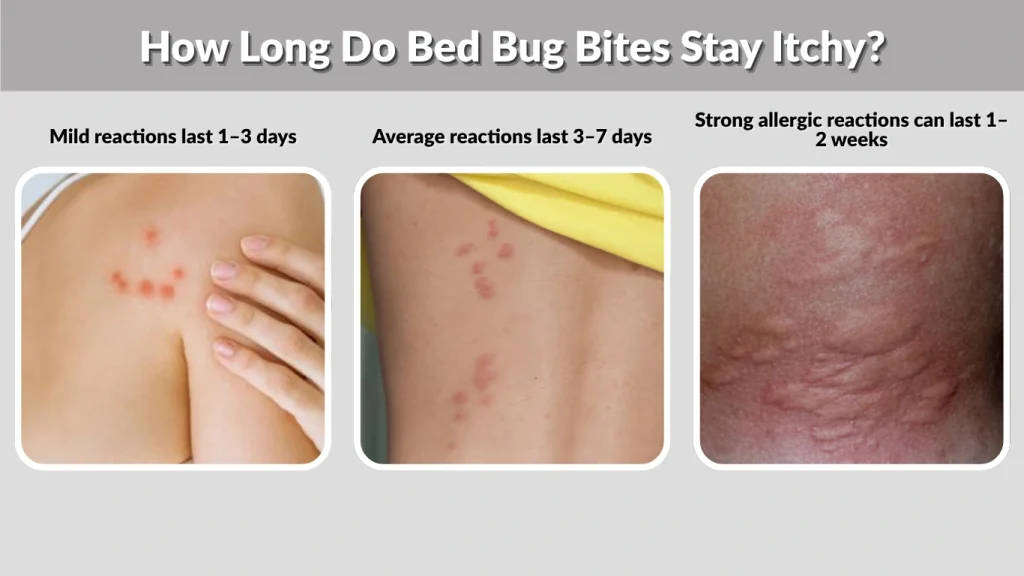
The duration varies, but most people experience itchiness between 3 and 7 days.
Typical Duration
- Mild reactions last 1–3 days
- Average reactions last 3–7 days
- Strong allergic reactions can last 1–2 weeks
The more severe the immune response, the longer the itching persists.
Factors That Make Itching Last Longer
Itching may linger if:
- You have strong allergic reactions
- You have been bitten many times
- You scratch the bites repeatedly
- The skin becomes irritated or infected
People with sensitive skin may notice prolonged inflammation or hyperpigmentation even after the itching stops.
When to Expect Faster Healing
People with milder immune responses or those who avoid scratching often heal faster. Proper skincare—such as moisturizing and applying anti-itch creams—can reduce inflammation and shorten recovery time. Staying hydrated and avoiding irritants like harsh soaps also supports quicker healing.
Are Bed Bug Bites Always Itchy?
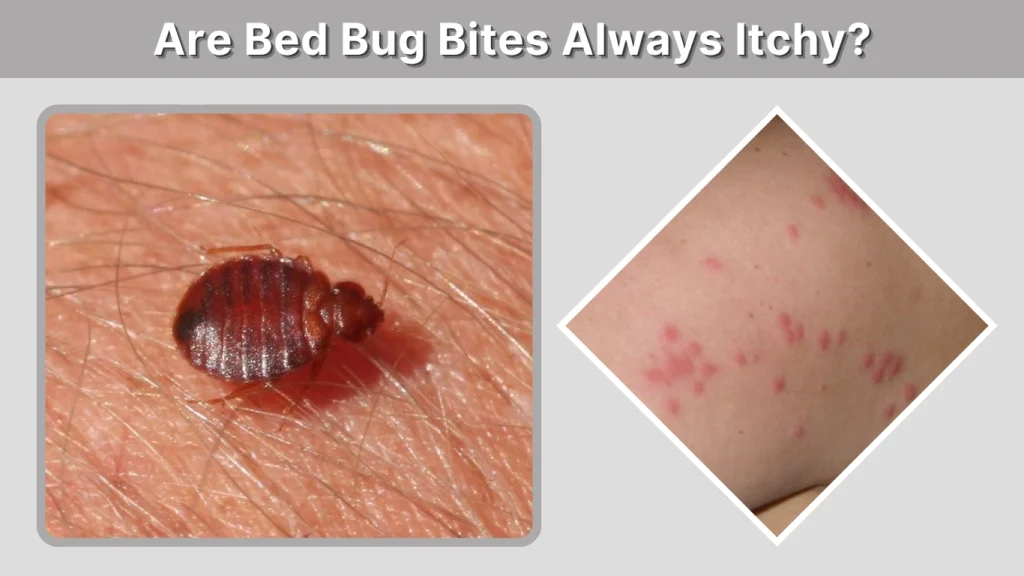
While itchiness is extremely common, not all bed bug bites cause itching. Reactions vary widely from person to person.
Cases Where Bites Are Not Itchy
Some individuals simply do not react strongly to bed bug saliva. Their immune system does not release significant histamines, resulting in:
- No itching
- No redness
- No swelling
In some cases, these people may never notice bites at all. This is one reason infestations can grow unnoticed for weeks.
Why Some People Never Feel Itching at All
Genetic differences play a major role. Just as some people react strongly to mosquito bites while others barely react, bed bug bite sensitivity is similarly diverse. People with naturally low skin reactivity or weaker inflammatory response often have minimal symptoms.
Can Bed Bug Bites Become Itchy Later?
Yes. Even those who aren’t immediately sensitive may develop stronger reactions over time. With repeated exposure, the body can begin reacting more aggressively to bed bug saliva, causing itchiness where there was none before.
Bed Bug Bites vs. Mosquito Bites: Which Is Itchier?
Comparing Itch Intensity
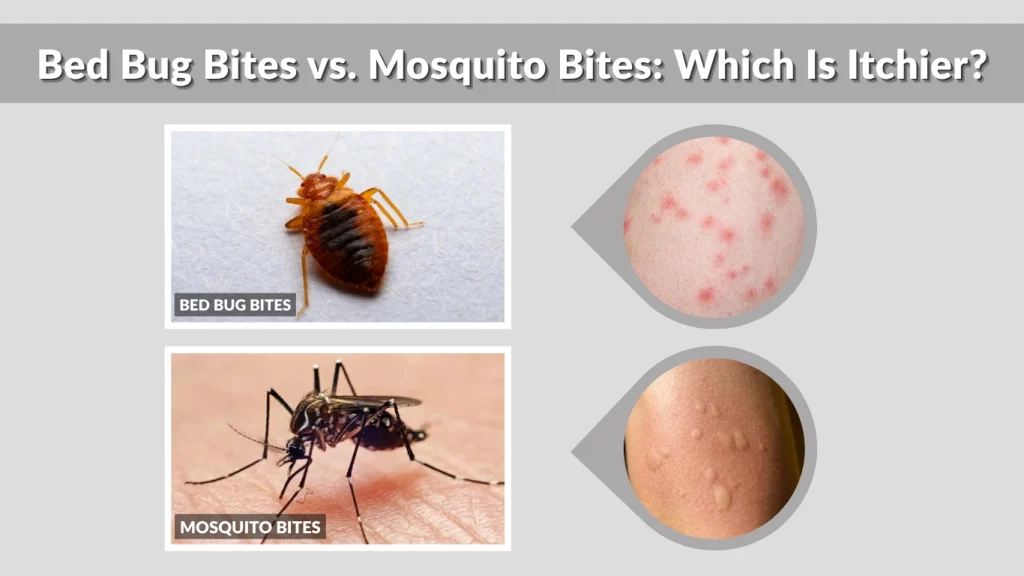
Both types of bites can be itchy, but bed bug bites often itch longer. Mosquito bites itch intensely at first but usually fade in hours. Bed bug bites often linger for days or even a full week.
This is because:
- Bed bug saliva contains multiple proteins triggering prolonged immune response
- Mosquito saliva is typically processed and neutralized faster
Appearance Differences
- Bed bug bites: Often appear in clusters or straight-line “breakfast, lunch, dinner” patterns.
- Mosquito bites: Typically isolated, random, and spread out.
Duration Differences
- Mosquito bites: Usually fade within 1–2 days
- Bed bug bites: Commonly last 3–7 days, sometimes longer
Bed bug bites may also continue itching even after the redness fades, due to deeper inflammation.
Symptoms Beyond Itching
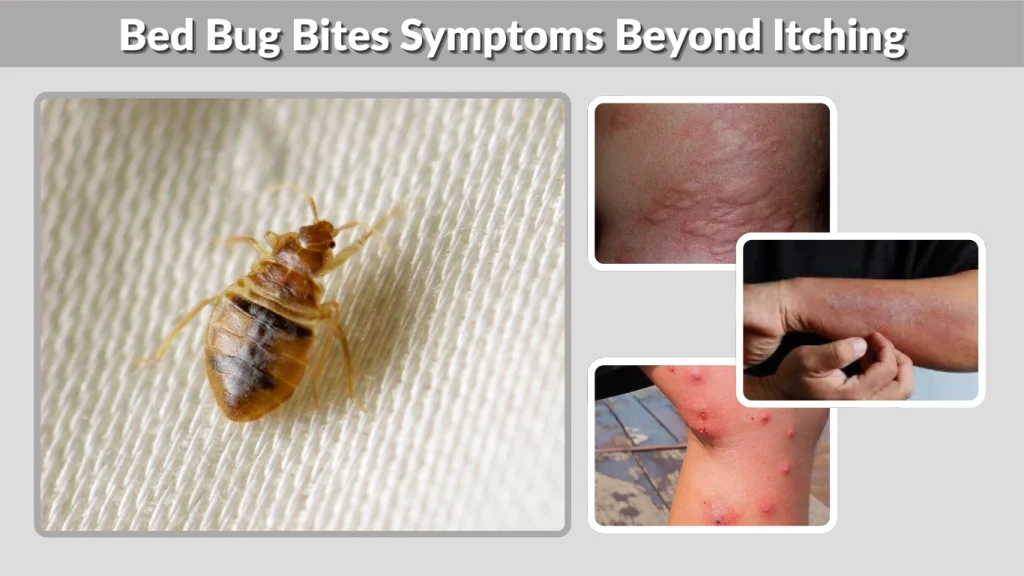
Bed bug bites commonly itch, but they may also produce other symptoms depending on the individual.
Are Bed Bug Bites Painful or Sore?
Most bites aren’t painful at first, but tenderness can appear if:
- The skin becomes swollen
- You scratch excessively
- The bite becomes inflamed
Occasionally, bites may feel sore if there’s a mild allergic reaction or if they are located on sensitive skin.
When Bites Become Red and Inflamed
Redness is normal, but excessive inflammation may indicate:
- Over-scratching
- Irritation from lotions or detergents
- Secondary bacterial infection
The skin may become warm, swollen, or develop crusting if bacteria enter through scratches.
Signs of Allergic Reactions
Some individuals may experience:
- Large, swollen welts
- Severe itching
- Spreading redness
While rare, severe allergies can require medical attention.
Do Bed Bug Nymph Bites Itch the Same?
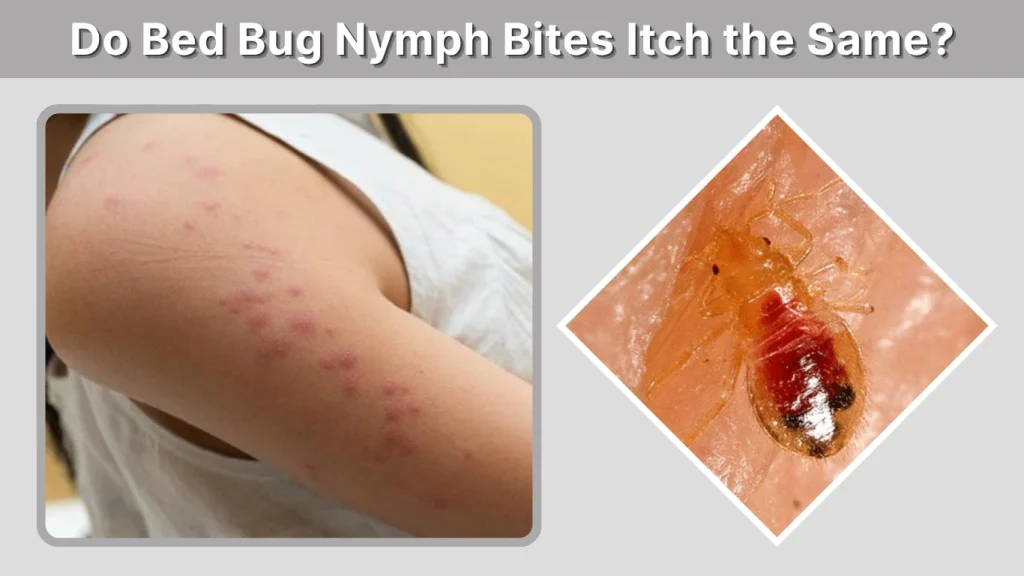
Nymphs (young bed bugs) feed just like adults, and their bites typically create similar reactions.
Nymph vs Adult Bite Reactions
Nymph saliva has the same proteins as adult saliva, so reactions are often identical. However, because nymphs bite more frequently while maturing, their bites may appear more numerous.
Why Nymph Bites May Itch More
Nymphs often target softer, thinner skin, which can make itching feel stronger. Their bites may also be smaller and harder to identify, leading people to scratch more, increasing irritation.
How to Stop Bed Bug Bite Itching
The good news is that several remedies—both natural and medical—can greatly reduce itching and inflammation.
Home Remedies
- Cold compress: Reduces swelling and numbs the skin.
- Soap and water: Helps remove irritants and lowers inflammation.
- Baking soda paste: Natural anti-inflammatory effect.
- Aloe vera: Soothes irritated skin and promotes healing.
- Oatmeal bath: Provides natural anti-itch properties.
Over-the-Counter Treatments
- Hydrocortisone cream: Reduces itching and inflammation.
- Antihistamine creams: Blocks histamine response.
- Oral antihistamines: Helpful for multiple bites or severe itching.
Natural Remedies
Some people prefer natural options like:
- Tea tree oil (antiseptic, anti-inflammatory)
- Witch hazel (soothes swollen skin)
These can help but should be used with caution on sensitive skin.
What NOT to Do
- Do not scratch: It worsens inflammation and can lead to infection.
- Avoid harsh alcohols: They dry out the skin and increase irritation.
- Do not apply random oils or lotions: Some products can aggravate the area.
When to See a Doctor
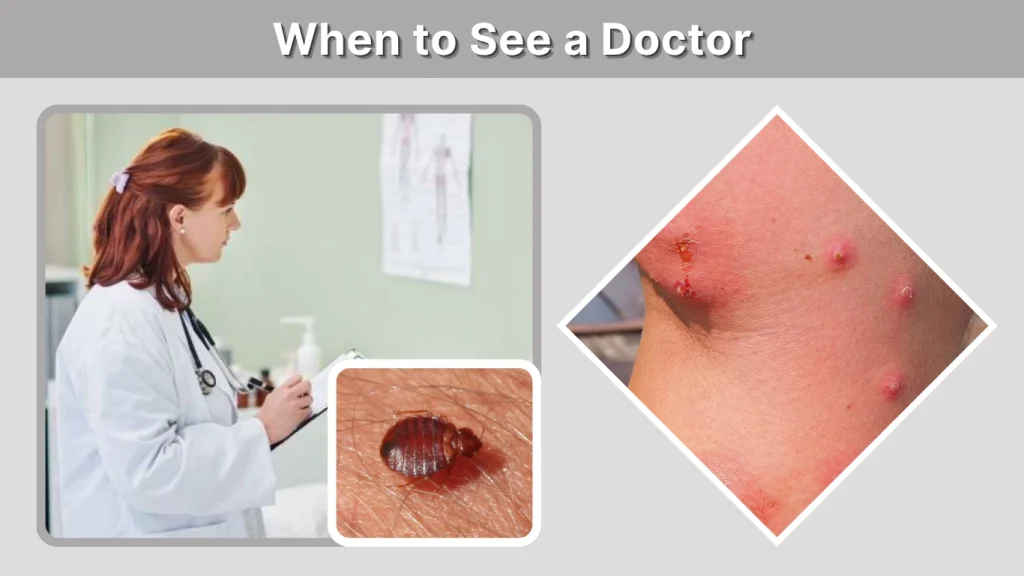
Most bed bug bites heal on their own, but medical attention is sometimes necessary.
Signs of Infection
Seek care if you notice:
- Pus or yellow crusts
- Spreading redness
- Warm, painful swelling
- Fever or chills
Severe Allergic Reactions
Although rare, you should see a doctor if you experience:
- Rapid swelling
- Persistent large welts
- Breathing difficulties
Persistent Itching More Than 2 Weeks
Itching lasting longer than two weeks may indicate:
- Severe allergic response
- Secondary infection
- Another underlying skin condition
How to Confirm Your Bites Are From Bed Bugs
It’s easy to confuse bites from bed bugs with mosquitoes, fleas, or mites.
Appearance Clues
Bed bug bites often:
- Appear in clusters or lines
- Are red, raised, and inflamed
- Occur on exposed skin
Behavioral Patterns
Bed bugs are nocturnal, so bites usually appear:
- After sleeping
- On areas not covered by clothing
- In repeating nightly patterns
Home Inspection Tips
Look for:
- Small blood stains on sheets
- Dark fecal spots near mattress seams
- Shed skins or tiny white eggs
- Live bed bugs hiding in crevices
Preventing Future Bed Bug Bites
Treating Your Home
- Wash bedding in hot water
- Vacuum mattresses and floors
- Use bed bug-proof mattress encasements
- Declutter sleeping areas
When to Hire Professional Exterminators
If you see multiple bugs, eggs, or widespread signs, professional treatment is often necessary. Bed bugs multiply quickly, and DIY methods may not fully eliminate them.
Travel Prevention Tips
While traveling:
- Inspect hotel mattresses
- Keep luggage elevated
- Avoid placing clothes on hotel furniture
- Check your bags when returning home
FAQs
Why do bed bug bites itch so much?
Bed bug bites itch because their saliva contains anticoagulants and proteins that trigger your immune system. Your body releases histamines to fight these substances, causing redness, swelling, and itching. The more sensitive you are, the stronger the itch response becomes—especially after repeated bites.
How long do bed bug bites stay itchy?
Most bed bug bites stay itchy for 3–7 days, but reactions vary. Mild responses may fade in one day, while sensitive individuals may itch for up to two weeks. Scratching, skin irritation, or infection can make itching last longer, so proper care speeds healing significantly.
Are bed bug bites itchier than mosquito bites?
For many people, yes. Bed bug bites often itch longer because their saliva triggers a deeper and more prolonged immune response. Mosquito bites itch intensely at first but usually fade quickly. Bed bug bites can stay itchy for days, especially when clustered or repeated.
Do all bed bug bites itch?
No, not all bed bug bites cause itching. Some people have little or no reaction due to low skin sensitivity. Others may develop delayed or stronger reactions over time. Genetics, immune response, and repeated exposure all influence whether bites become itchy or remain unnoticed.
How can I stop bed bug bites from itching?
You can relieve itching with hydrocortisone cream, cold compresses, antihistamines, aloe vera, oatmeal baths, or baking soda paste. Avoid scratching, as it worsens inflammation and may cause infection. If itching lasts longer than two weeks or severe swelling occurs, consider seeing a doctor.
