
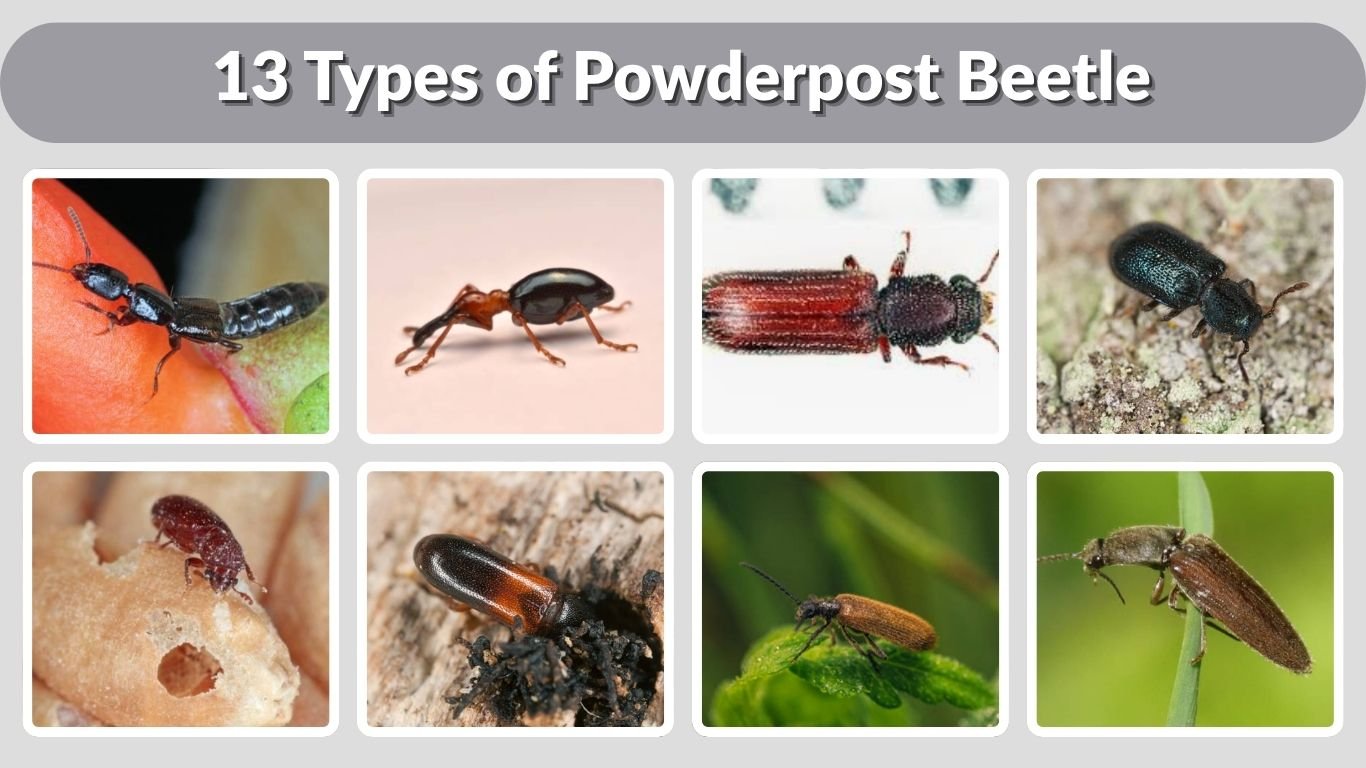
Powderpost beetles are small wood-boring insects known for damaging wooden structures, furniture, and stored materials. They are named for the fine, powder-like dust they leave behind as larvae tunnel through wood. Found worldwide, these beetles can infest both hardwood and softwood depending on the species. This guide covers 13 types of powderpost beetles, helping you identify them based on their characteristics, habitat, and behavior.
1. Lyctus brunneus (Brown Powderpost Beetle)
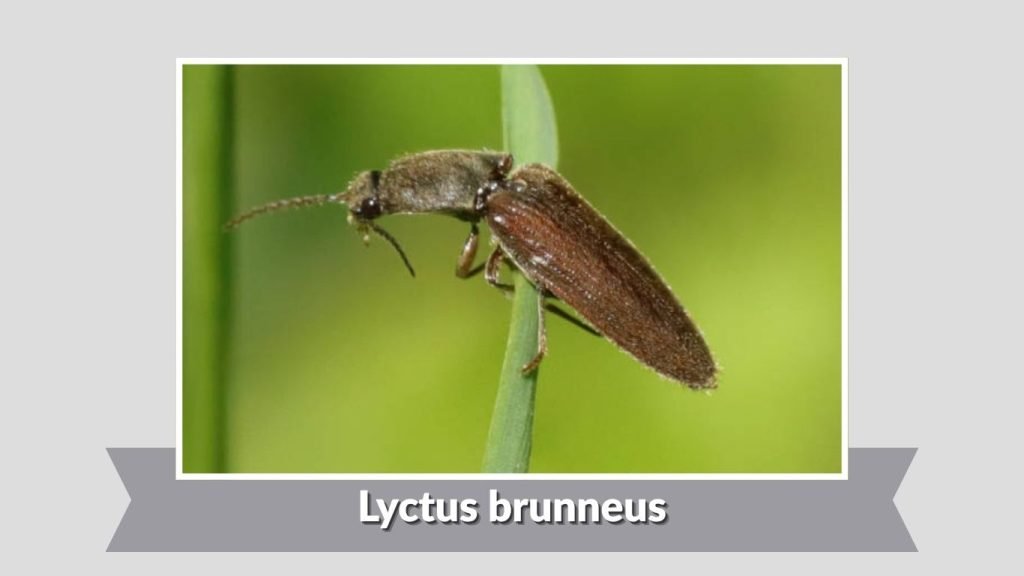
A common wood-boring beetle known for infesting hardwoods and causing fine powdery damage. It is frequently found in furniture, flooring, and structural wood, making it one of the most recognized powderpost beetle species worldwide.
Characteristics
- Small, slender beetle typically reddish-brown in color
- Cylindrical body shape with a slightly flattened appearance
- Head visible from above, unlike some other wood-boring beetles
- Antennae with a two-segmented club at the tip
- Leaves fine, flour-like powder (frass) in infested wood
Habitat and Distribution
The Brown Powderpost Beetle is widely distributed across tropical and temperate regions worldwide. It is commonly found in homes, warehouses, and wooden structures. This species prefers dry hardwoods such as oak, ash, and bamboo, especially wood with high starch content.
Behavior and Diet
This beetle feeds on the starch found in hardwood. The larvae are responsible for the damage, boring through wood and creating tunnels. Adults do not feed extensively but emerge from wood to reproduce. Infestations are often noticed by the presence of fine powder and small exit holes.
Life Cycle
Females lay eggs in pores or cracks of wood. Once hatched, larvae bore into the wood and feed for several months to years, depending on conditions. After completing development, they pupate inside the wood. Adults emerge through small exit holes, ready to reproduce and continue the cycle.
2. Lyctus linearis (European Powderpost Beetle)
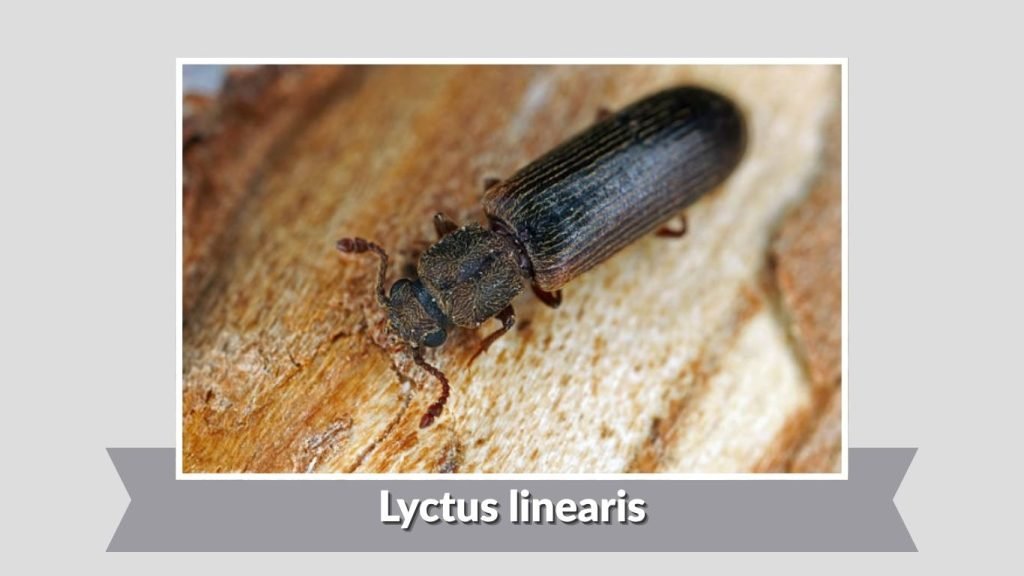
The European Powderpost Beetle is a well-known wood-infesting species that primarily attacks seasoned hardwoods. It is commonly associated with furniture, flooring, and timber products, where it can cause significant structural and cosmetic damage over time.
Characteristics
- Small, slender beetle with a cylindrical body
- Reddish-brown to dark brown coloration
- Head clearly visible from above
- Antennae ending in a small club
- Produces very fine, powder-like frass
Habitat and Distribution
This species is widely distributed across Europe and has spread to other regions through trade and movement of wood products. It is commonly found in homes, storage areas, and timber yards. The beetle prefers dry, seasoned hardwoods such as oak, ash, and elm, especially those with high starch content. It is less likely to infest softwoods, making hardwood items more vulnerable.
Behavior and Diet
The larvae are responsible for most of the damage, feeding on starch within hardwood and creating a network of tunnels. Adult beetles do not feed significantly but emerge from wood to mate and lay eggs. Infestations are often detected by the presence of fine powder and tiny round exit holes. The beetles are more active in warm and humid conditions, which support faster development.
Life Cycle
Females lay eggs in the pores or cracks of exposed wood surfaces. After hatching, larvae bore into the wood and begin feeding, which can last several months or even years depending on environmental conditions. Once mature, they pupate within the wood. Adults emerge by creating small exit holes, and the cycle continues as they reproduce and infest new wood.
3. Lyctus cavicollis (Southern Lyctus Beetle)
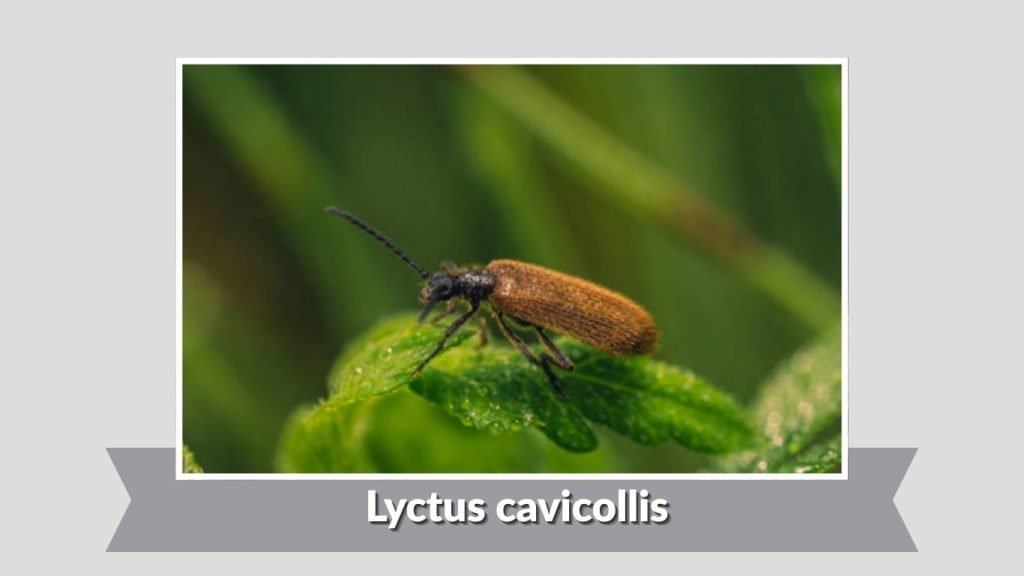
The Southern Lyctus Beetle is another destructive powderpost beetle species known for infesting hardwood products. It is especially common in warmer regions and is frequently associated with wooden furniture, flooring, and decorative wood items.
Characteristics
- Small, elongated beetle with a narrow body
- Light brown to reddish-brown coloration
- Head visible from above with a distinct neck-like thorax
- Antennae with a small club at the tip
- Leaves fine, talcum-like powder in infested wood
Habitat and Distribution
This species is primarily found in warmer climates, including parts of North America and other tropical and subtropical regions. It is commonly encountered in homes, lumber storage areas, and furniture workshops. The beetle prefers dry hardwoods such as oak, hickory, and bamboo, particularly wood that has not been properly treated or sealed.
Behavior and Diet
The larvae feed on starch present in hardwood, causing internal damage that weakens the structure. Adult beetles are mainly focused on reproduction and are often short-lived. Infestations may go unnoticed until powdery frass and exit holes become visible. The beetles are more active in warm conditions, which support their growth and reproduction.
Life Cycle
Females lay eggs in small cracks or pores of wood. The larvae hatch and tunnel into the wood, feeding and growing over time. This stage can last several months or longer depending on environmental conditions. Once fully developed, they pupate inside the wood. Adults emerge through small holes and begin the cycle again by laying eggs in suitable wooden surfaces.
4. Trogoxylon impressum (Impressed Powderpost Beetle)
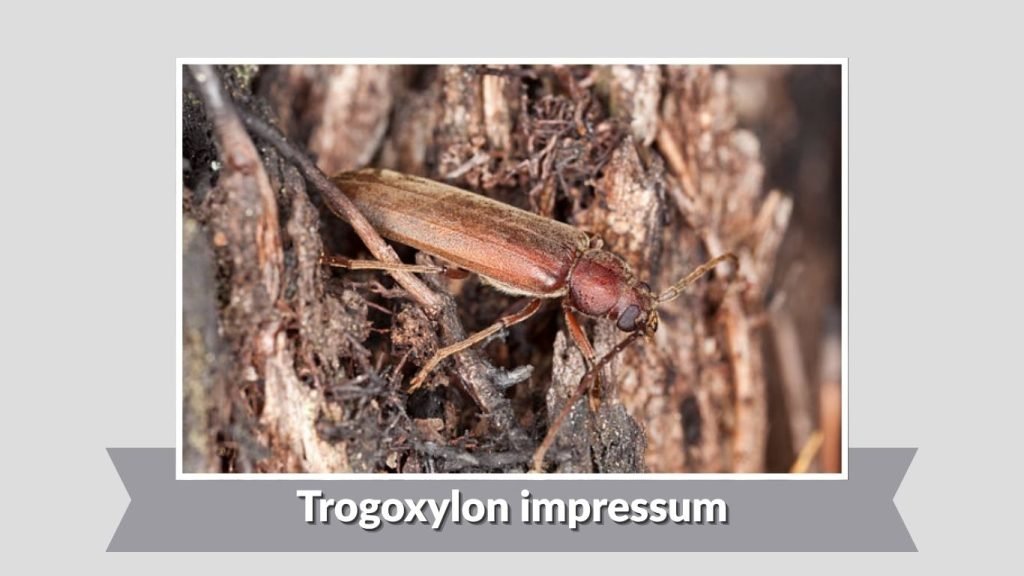
The Impressed Powderpost Beetle is a lesser-known but destructive wood-boring species that primarily targets dry hardwoods. It is often associated with stored timber, furniture, and wooden structures, where it can quietly cause internal damage over time.
Characteristics
- Small, cylindrical beetle with a compact body
- Reddish-brown to dark brown coloration
- Head visible from above with a slightly flattened appearance
- Fine grooves or “impressed” markings on the wing covers
- Produces very fine, powdery frass similar to flour
Habitat and Distribution
This species is found in various regions, including parts of Asia, Africa, and occasionally other areas through timber trade. It is commonly present in lumber yards, warehouses, and wooden structures. The Impressed Powderpost Beetle prefers dry, seasoned hardwoods such as oak and other porous woods rich in starch. It thrives in warm environments where untreated wood is available.
Behavior and Diet
The larvae are the primary cause of damage, feeding on starch within hardwood and creating a network of tunnels. Adults do not feed much and are mainly responsible for reproduction. Infestations are often difficult to detect until powdery frass and small exit holes appear. The beetle tends to remain hidden within wood, making early detection challenging.
Life Cycle
Females lay eggs in the pores or cracks of wood surfaces. After hatching, larvae bore into the wood and begin feeding, which may last several months depending on environmental conditions. They eventually pupate within the wood. Adult beetles emerge through small exit holes and continue the cycle by laying eggs in suitable wooden materials.
5. Minthea rugicollis (Rough-Necked Powderpost Beetle)
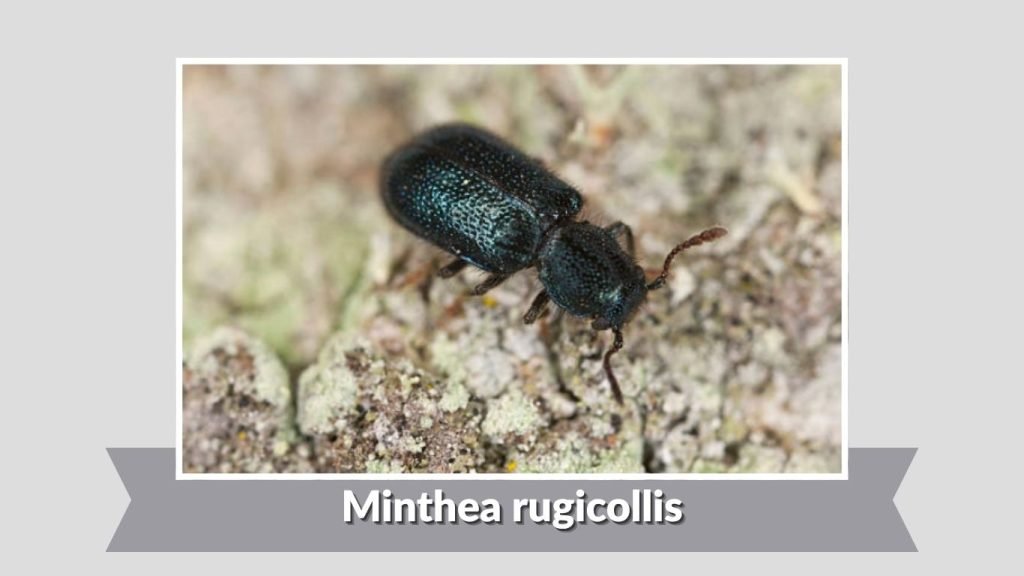
The Rough-Necked Powderpost Beetle is a distinctive species known for its textured thorax and ability to infest hardwood materials. It is commonly associated with furniture and structural wood, especially in warmer climates where infestations can spread quickly.
Characteristics
- Small beetle with a slightly elongated body
- Brown to dark brown coloration
- Rough, textured thorax giving a “rugged” appearance
- Head visible from above
- Leaves fine, powder-like frass in infested wood
Habitat and Distribution
This species is widely distributed in tropical and subtropical regions, including parts of Asia and Africa. It is often found in homes, warehouses, and wood storage areas. The Rough-Necked Powderpost Beetle prefers dry hardwoods such as bamboo, plywood, and processed timber products, particularly those with high starch content.
Behavior and Diet
The larvae feed on starch in hardwood, causing internal damage that may weaken wood over time. Adults are short-lived and primarily focused on reproduction. Infestations are usually identified by the presence of fine powder and small exit holes. The beetle is more active in warm, humid environments, which support faster development.
Life Cycle
Females lay eggs in cracks, pores, or unfinished surfaces of wood. Once hatched, larvae tunnel into the wood and feed for several months. After completing development, they pupate within the wood. Adults emerge through small holes and begin the cycle again, often reinfesting the same wood if conditions remain favorable.
6. Minthea squamigera (Scaly Powderpost Beetle)
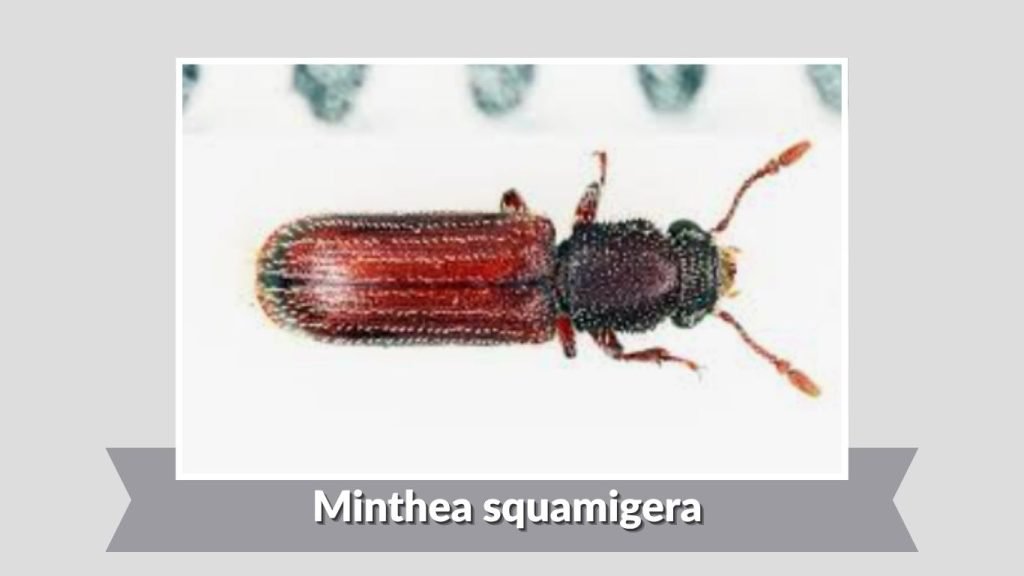
The Scaly Powderpost Beetle is a small but destructive wood-boring insect recognized for its slightly rough, scaly body texture. It commonly infests processed wood products and can cause hidden structural damage if left untreated.
Characteristics
- Small beetle with a slender, elongated body
- Brown to dark brown coloration with a slightly scaly appearance
- Head visible from above with a narrow thorax
- Fine surface texture on wing covers
- Produces powdery, flour-like frass
Habitat and Distribution
This species is widely distributed in tropical and subtropical regions, especially in Asia and Africa. It is commonly found in homes, warehouses, and furniture storage areas. The Scaly Powderpost Beetle prefers dry hardwoods, bamboo, plywood, and other processed wood materials rich in starch. It thrives in warm, humid environments where untreated wood is available.
Behavior and Diet
The larvae are responsible for most of the damage, feeding on starch within wood and creating internal tunnels. Adults emerge mainly to reproduce and do not feed significantly. Infestations are often detected late, as damage occurs inside the wood. Signs include fine powder and small exit holes. This species can reinfest the same wood repeatedly if conditions remain favorable.
Life Cycle
Females lay eggs in cracks, pores, or unfinished surfaces of wood. After hatching, larvae bore into the wood and feed for several months. The duration depends on temperature and humidity. Once fully developed, they pupate inside the wood. Adults emerge through small exit holes and begin the cycle again, often leading to repeated infestations.
7. Dinoderus minutus (Bamboo Powderpost Beetle)
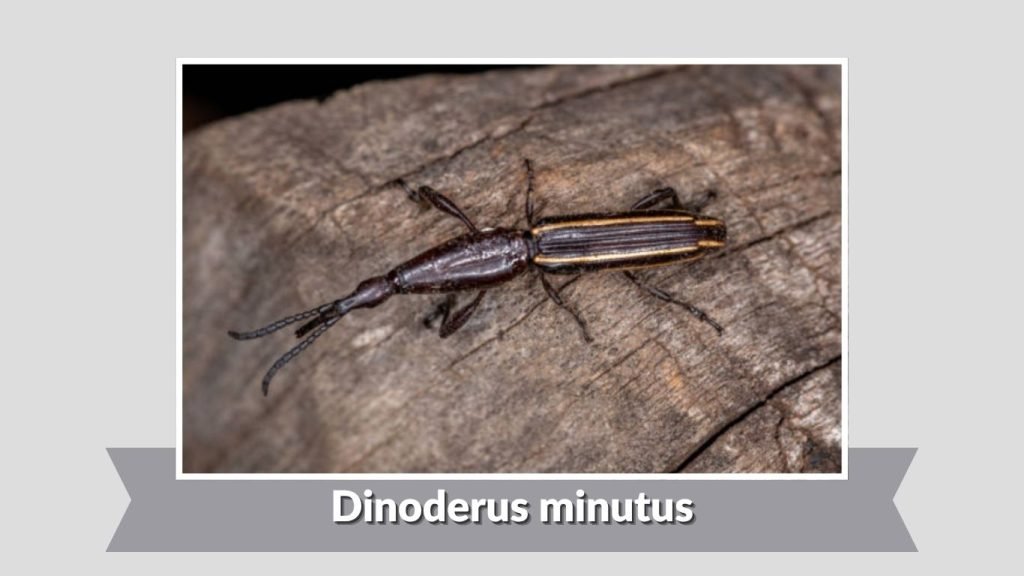
The Bamboo Powderpost Beetle is a highly destructive species known for attacking bamboo and similar materials. It is one of the most common pests of bamboo products, causing rapid and severe damage if not controlled.
Characteristics
- Small, cylindrical beetle with a compact body
- Dark brown to nearly black coloration
- Head often hidden under the thorax when viewed from above
- Strong mandibles adapted for boring into hard materials
- Produces coarse, powdery frass in infested bamboo
Habitat and Distribution
This species is widely distributed across Asia, Africa, and other tropical regions. It is strongly associated with bamboo forests, bamboo products, and wooden structures containing bamboo. It thrives in warm and humid environments, making it especially common in tropical climates. It is often found in furniture, baskets, and construction materials made from bamboo.
Behavior and Diet
Unlike many powderpost beetles that prefer hardwood, this species specializes in bamboo. Both larvae and adults can bore into bamboo, causing extensive damage. Infestations can spread quickly, especially in untreated materials. The beetles are usually hidden inside the material, making early detection difficult until visible holes and powder appear.
Life Cycle
Females lay eggs inside bamboo or in small cracks on the surface. After hatching, larvae bore deep into the material and feed extensively. Development can be rapid under warm conditions, allowing multiple generations per year. Pupation occurs within the bamboo, and adults emerge through exit holes, continuing the infestation cycle.
8. Dinoderus bifoveolatus (Bamboo Borer Beetle)
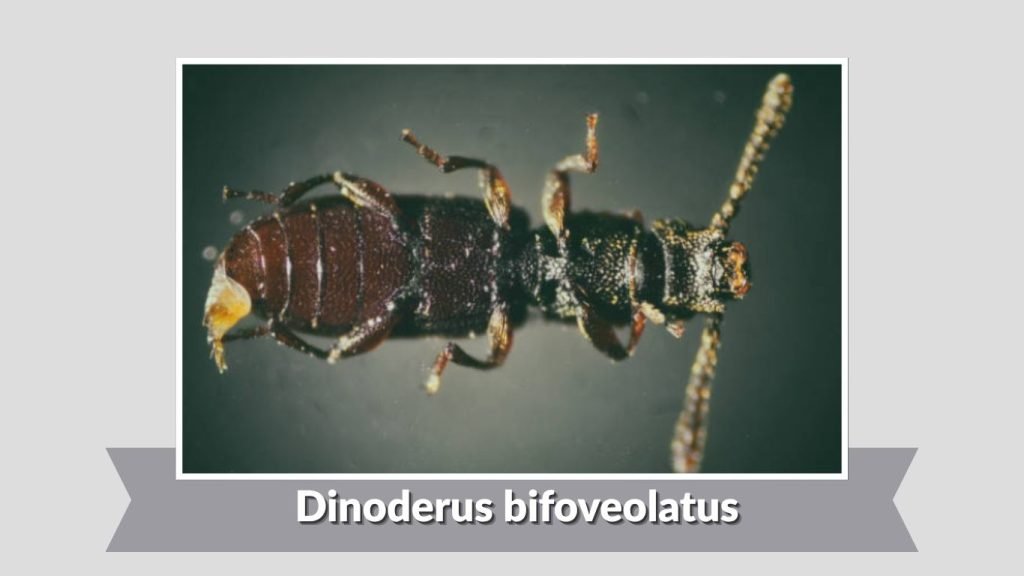
The Bamboo Borer Beetle is a destructive powderpost species closely associated with bamboo and similar materials. It is known for causing rapid internal damage, especially in untreated bamboo products used in construction and household items.
Characteristics
- Small, cylindrical beetle with a compact body
- Dark brown to black coloration
- Head partially hidden beneath the thorax
- Strong mandibles for boring into tough materials
- Produces coarse, gritty powder-like frass
Habitat and Distribution
This species is widely found in tropical and subtropical regions, including Asia and Africa. It is strongly associated with bamboo forests and areas where bamboo products are stored or used. It commonly infests furniture, baskets, and building materials made from bamboo. Warm and humid environments support its rapid growth and spread.
Behavior and Diet
Both larvae and adults bore into bamboo, feeding on its internal structure. This makes the Bamboo Borer Beetle particularly destructive compared to species where only larvae cause damage. Infestations often go unnoticed until structural weakening or visible powder appears. The beetles remain hidden within the material, making early detection difficult.
Life Cycle
Females lay eggs inside bamboo or in small surface cracks. After hatching, larvae bore deep into the material and begin feeding. Development is relatively fast in warm climates, allowing multiple generations each year. Pupation occurs inside the bamboo, and adults emerge through exit holes, continuing the infestation cycle.
9. Dinoderus porcellus (Lesser Bamboo Powderpost Beetle)
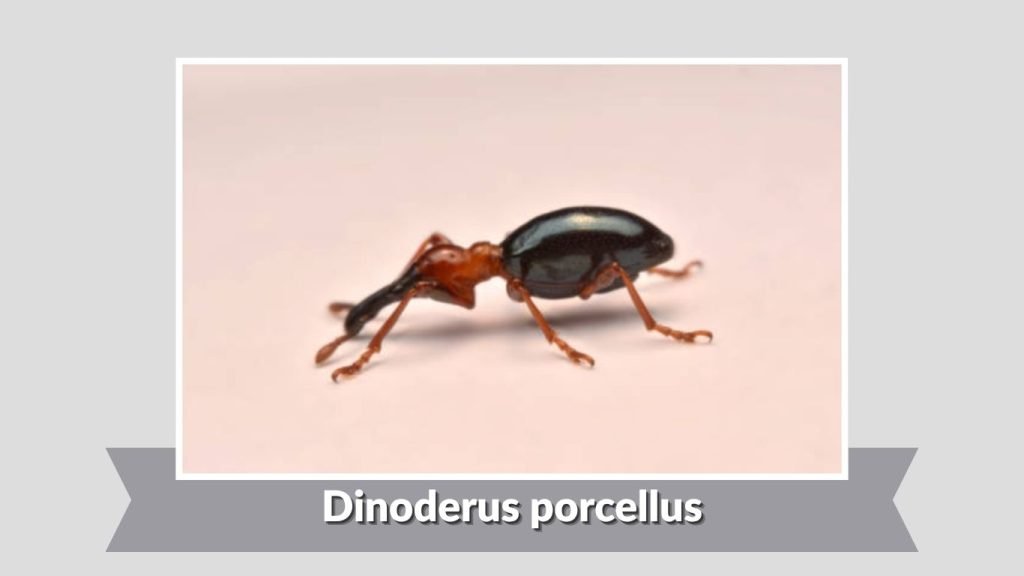
The Lesser Bamboo Powderpost Beetle is a smaller but still damaging species that targets bamboo and related materials. It is commonly found in tropical regions and can cause gradual but serious deterioration of bamboo products.
Characteristics
- Small beetle with a short, cylindrical body
- Brown to dark brown coloration
- Head mostly concealed by the thorax
- Smooth outer surface with minimal markings
- Produces fine to slightly coarse powdery frass
Habitat and Distribution
This species is widely distributed across tropical regions, particularly in Asia and Africa. It is commonly found in bamboo structures, furniture, and stored bamboo materials. It thrives in warm, humid environments where bamboo is abundant and untreated.
Behavior and Diet
The Lesser Bamboo Powderpost Beetle feeds primarily on bamboo. Both larvae and adults contribute to the damage by boring into the material. Infestations develop gradually but can become severe over time. The beetles are rarely seen outside the material, making detection difficult until exit holes and powder appear.
Life Cycle
Females lay eggs within bamboo or in small cracks on the surface. Larvae hatch and begin feeding internally, creating tunnels that weaken the structure. Development speed depends on environmental conditions, with faster growth in warm climates. After pupation inside the bamboo, adults emerge and continue the cycle by reinfesting suitable materials.
10. Stephanopachys substriatus (Conifer Powderpost Beetle)
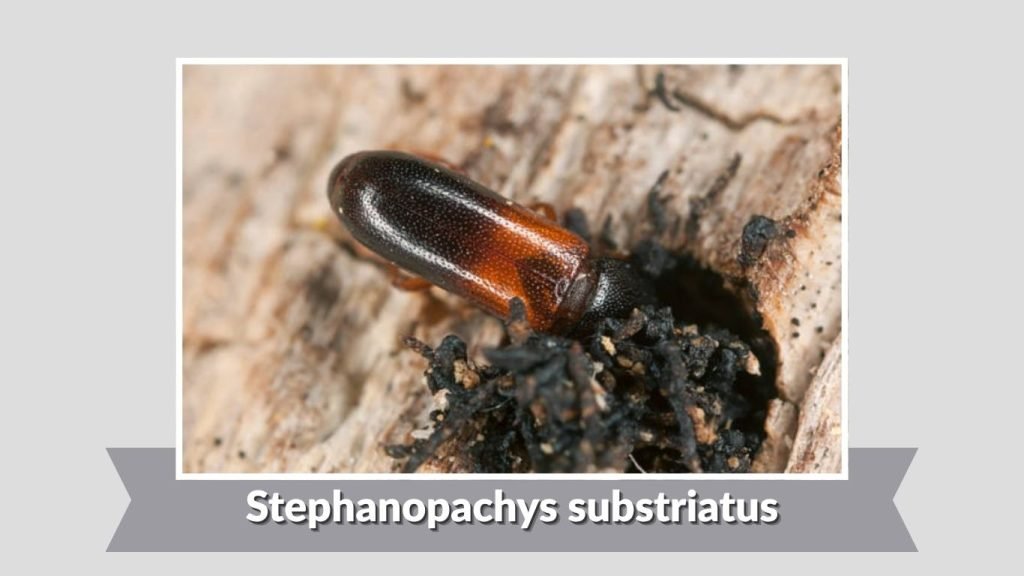
The Conifer Powderpost Beetle is a wood-boring species that primarily targets softwoods, especially conifers. Unlike many powderpost beetles that prefer hardwood, this species is known for infesting pine and similar woods, making it a concern in construction and timber industries.
Characteristics
- Small to medium-sized beetle with a cylindrical body
- Dark brown to black coloration
- Rough, slightly ridged wing covers
- Head partially hidden under the thorax
- Produces fine to coarse powdery frass
Habitat and Distribution
This species is found across Europe, Asia, and parts of North America. It is commonly associated with forests, lumber yards, and wooden structures made from coniferous wood. It prefers dry, seasoned softwoods such as pine, fir, and spruce. The beetle is often found in timber storage areas where untreated wood is present.
Behavior and Diet
The larvae feed on the wood fibers of softwood, boring tunnels that weaken the structure. Adults emerge mainly for reproduction and are not significant feeders. Infestations are often identified by exit holes and powder deposits. The beetle tends to remain hidden inside the wood, making early detection difficult.
Life Cycle
Females lay eggs in cracks or rough surfaces of softwood. After hatching, larvae bore into the wood and feed for several months. Development time varies depending on temperature and humidity. Pupation occurs within the wood, and adults emerge through exit holes to reproduce and continue the cycle.
11. Stephanopachys linearis (Linear Powderpost Beetle)
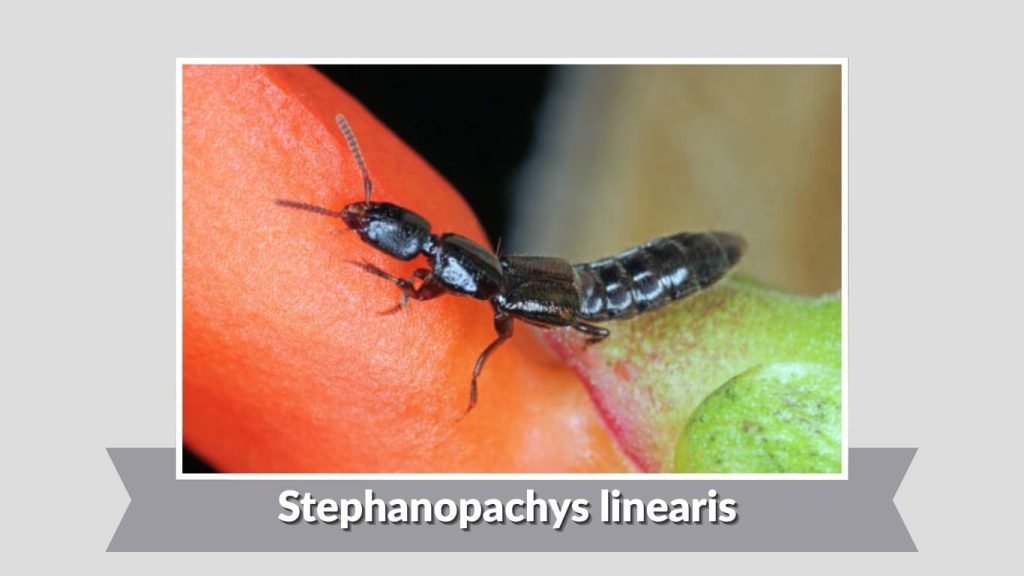
The Linear Powderpost Beetle is a close relative of other conifer-infesting species, known for attacking softwood materials. It is commonly found in forested areas and timber products, where it can cause gradual but significant damage.
Characteristics
- Small beetle with an elongated, cylindrical body
- Dark brown coloration with a slightly matte finish
- Subtle linear grooves along the wing covers
- Head mostly hidden beneath the thorax
- Produces fine powder-like frass
Habitat and Distribution
This species is distributed across Europe and parts of Asia, often in forested regions and areas where conifer wood is processed or stored. It prefers dry, seasoned softwood such as pine and spruce. It is commonly found in lumber yards, wooden structures, and stored timber.
Behavior and Diet
The larvae bore into softwood and feed on its internal fibers, creating tunnels that weaken the material. Adults are primarily focused on reproduction and are rarely seen feeding. Infestations may go unnoticed until visible signs such as powder and exit holes appear. The beetle is more active in warm conditions.
Life Cycle
Females lay eggs in cracks or rough surfaces of wood. Larvae hatch and begin feeding inside the wood, where they remain for most of their development. After several months, they pupate within the tunnels. Adults emerge through exit holes and continue the cycle by laying eggs in suitable wood.
12. Xylobiops basilaris (False Powderpost Beetle)
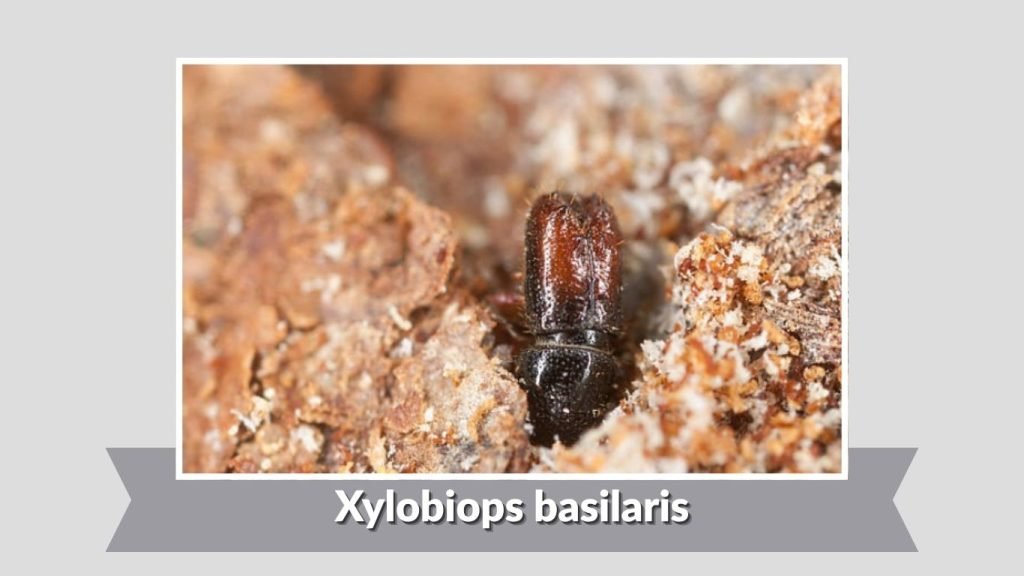
The False Powderpost Beetle is often confused with true powderpost beetles due to similar damage patterns. However, it belongs to a different group and has slightly different habits. It is commonly found infesting both hardwood and softwood materials, especially in structural timber.
Characteristics
- Small to medium-sized beetle with a cylindrical body
- Dark brown to black coloration
- Rough, textured wing covers with visible ridges
- Head partially hidden beneath the thorax
- Produces coarse, gritty frass rather than fine powder
Habitat and Distribution
This species is widely distributed across North America and parts of other regions. It is commonly found in wooden structures, barns, and timber storage areas. The False Powderpost Beetle prefers seasoned wood, including both hardwood and softwood, making it more versatile than many true powderpost beetles.
Behavior and Diet
The larvae bore into wood and feed on its internal fibers, creating tunnels that weaken the structure. Unlike true powderpost beetles, the damage is often coarser and more irregular. Adults are mainly active for reproduction and are not significant feeders. Infestations are often identified by rough frass and larger exit holes.
Life Cycle
Females lay eggs in cracks or rough surfaces of wood. After hatching, larvae bore into the wood and feed for several months or longer. Development depends on environmental conditions such as temperature and humidity. Pupation occurs inside the wood, and adults emerge through exit holes to continue the cycle.
13. Rhyzopertha dominica (Lesser Grain Borer)
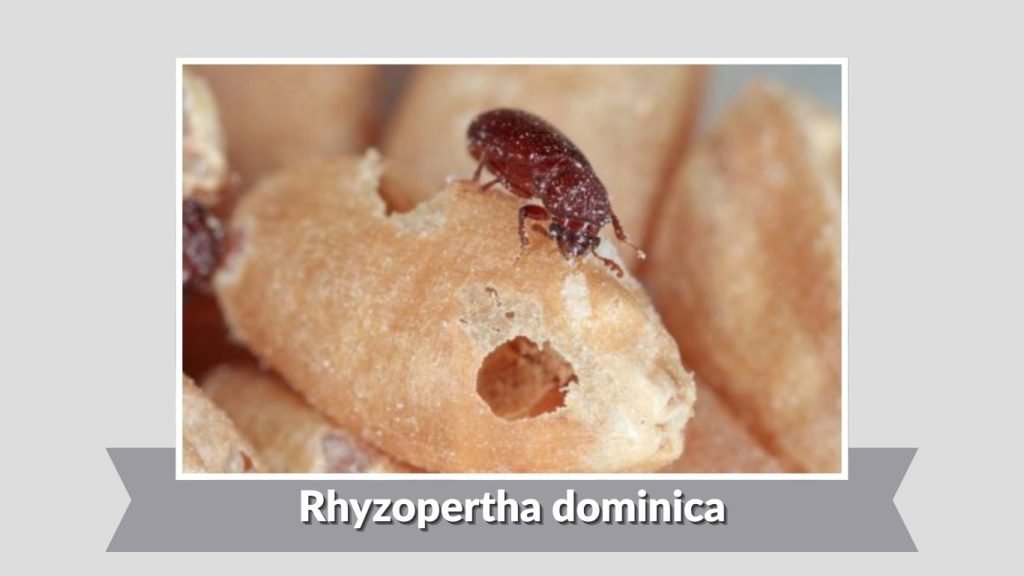
The Lesser Grain Borer is a well-known pest of stored grains but is also related to powderpost beetles due to its wood-boring behavior in certain conditions. It is highly destructive in storage environments and can cause significant economic losses.
Characteristics
- Small, cylindrical beetle with a compact body
- Dark brown to nearly black coloration
- Head hidden beneath a hood-like thorax
- Strong mandibles for boring into hard materials
- Produces fine powder mixed with grain debris
Habitat and Distribution
This species is found worldwide, especially in warm regions where grain storage is common. It is typically associated with stored products such as wheat, rice, and maize, but can also infest dry plant materials. It thrives in warehouses, silos, and storage facilities with warm, dry conditions.
Behavior and Diet
The Lesser Grain Borer feeds primarily on stored grains, boring into kernels and reducing them to powder. Both larvae and adults contribute to the damage. It is highly active and can spread quickly within storage areas. Infestations are often detected by the presence of powdery residue and damaged grains.
Life Cycle
Females lay eggs loosely among stored grains. After hatching, larvae bore into the kernels and develop inside. The life cycle can be completed quickly under favorable conditions, allowing multiple generations per year. Pupation occurs within the grain, and adults emerge ready to infest new materials and continue the cycle.
FAQs
What are powderpost beetles?
Powderpost beetles are small wood-boring insects that infest and damage wood by turning it into fine powder. The larvae live inside the wood and feed on its starch or fibers, creating tunnels that weaken structures over time.
How can you identify a powderpost beetle infestation?
Common signs include tiny round exit holes on wood surfaces and fine, powdery dust (frass) near or below the holes. Infested wood may also feel weakened or hollow. Damage often appears gradually and may go unnoticed for long periods.
Are powderpost beetles harmful to humans?
Powderpost beetles are not harmful to humans directly. They do not bite or spread disease. However, they can cause significant damage to wooden furniture, flooring, and structures, which may lead to costly repairs if left untreated.
What types of wood do powderpost beetles attack?
Most powderpost beetles prefer hardwoods such as oak, ash, and bamboo, especially those with high starch content. Some species also attack softwoods like pine. Untreated, seasoned wood is particularly vulnerable to infestation.
How can powderpost beetles be prevented?
Prevention includes using properly dried and treated wood, sealing exposed surfaces, and maintaining low humidity levels. Regular inspection of wooden items and storage areas can help detect infestations early and reduce the risk of spread.
