
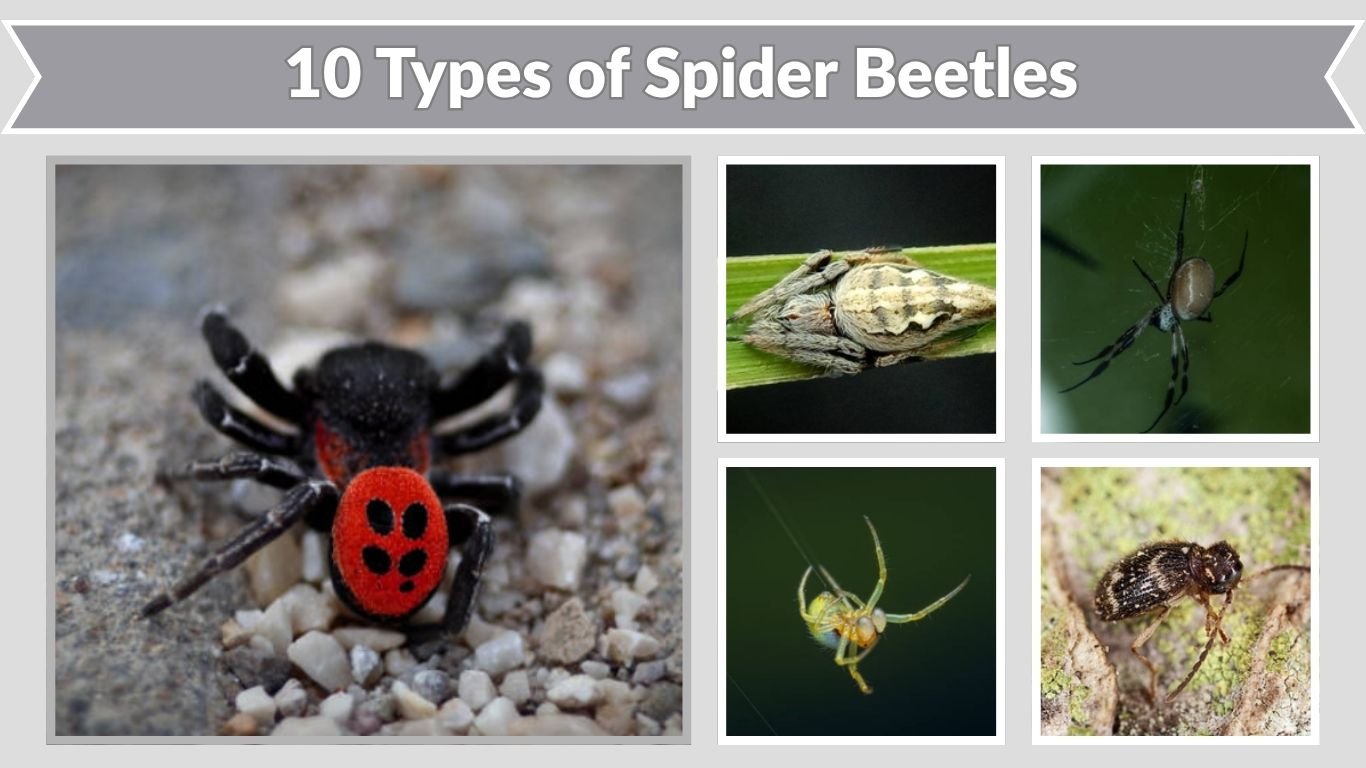
Spider beetles are small, round-bodied insects that resemble spiders due to their long legs and compact shape. They are commonly found in homes, warehouses, and storage areas, where they feed on a wide range of organic materials. This guide covers 10 different types of spider beetles, helping you identify them based on their unique features, habitats, and behaviors.
1. Smooth Spider Beetle
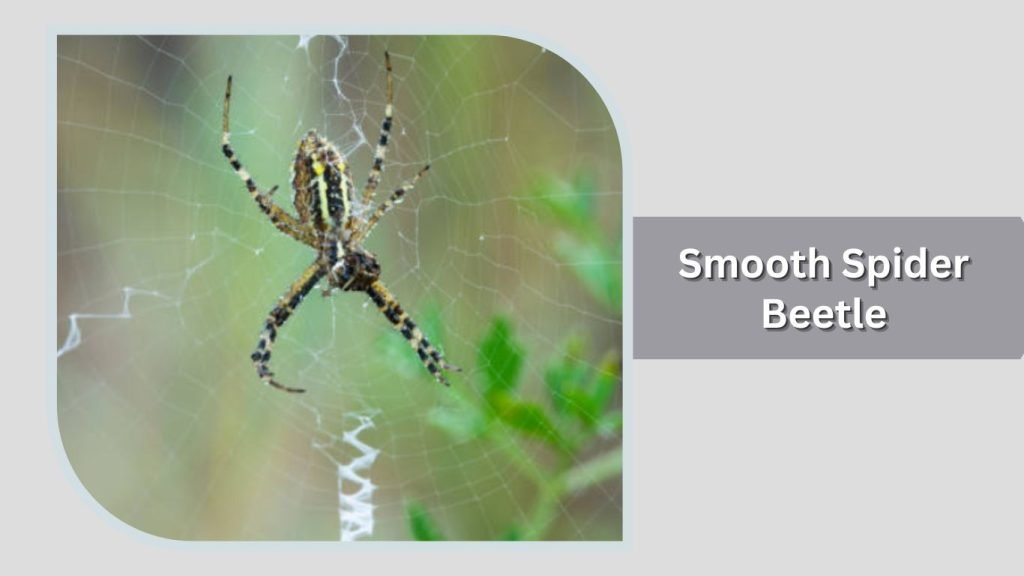
A small, rounded beetle that resembles a spider due to its long legs and globular body. It is commonly found in stored products and indoor environments, where it feeds on a variety of organic materials.
Characteristics
- Small, smooth, and shiny body with a rounded shape
- Reddish-brown to dark brown coloration
- Long, thin legs giving a spider-like appearance
- Wing covers without noticeable hairs or markings
- Antennae relatively short compared to legs
Habitat and Distribution
The Smooth Spider Beetle is widely distributed across many regions, including North America, Europe, and Asia. It is commonly found indoors in homes, warehouses, and storage facilities. This beetle prefers dry environments where food sources such as grains, dried food, and organic debris are available.
Behavior and Diet
This species feeds on a wide range of materials, including stored food products, dried plant matter, and even animal-based items like leather or wool. It is mostly active at night and tends to hide in cracks, crevices, or dark corners during the day. It can survive in low-moisture conditions.
Life Cycle
Females lay eggs near food sources, ensuring larvae have immediate access to nutrition. The larvae feed and grow through several stages before pupating in sheltered areas. After metamorphosis, adults emerge and continue feeding, often remaining in the same environment.
2. Golden Spider Beetle
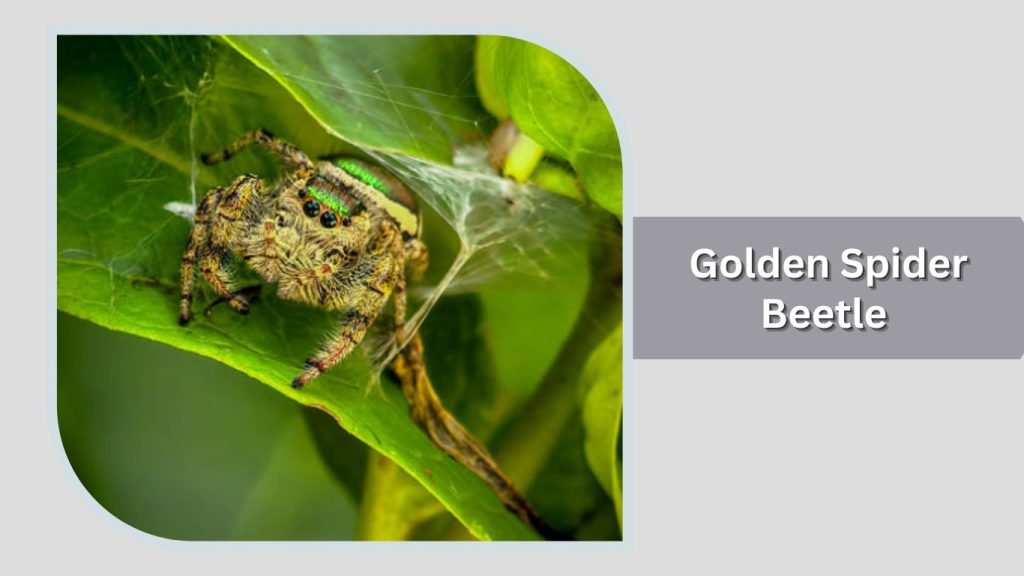
A small, distinctive beetle known for its shiny, golden-brown appearance and spider-like shape. It is often found in stored products and indoor environments, where it feeds on a wide variety of organic materials.
Characteristics
- Small, rounded body with a shiny golden or yellowish-brown color
- Long, slender legs giving a spider-like look
- Fine hairs covering the body, creating a silky appearance
- Head tucked downward, partially hidden from above
- Antennae short but clearly visible
Habitat and Distribution
The Golden Spider Beetle is widely distributed across Europe, North America, and other regions. It is commonly found indoors in kitchens, storage areas, warehouses, and food processing facilities. It prefers dry, warm environments where food sources are easily accessible.
Behavior and Diet
This beetle feeds on a variety of stored products, including grains, cereals, dried fruits, and organic debris. It may also consume non-food items such as paper or fabric. It is mostly nocturnal, hiding in cracks and dark areas during the day and becoming active at night.
Life Cycle
Females lay eggs near food sources, allowing larvae to feed immediately after hatching. The larvae pass through several growth stages before pupating in hidden areas. After metamorphosis, adults emerge and continue feeding, often remaining close to their original habitat.
3. American Spider Beetle
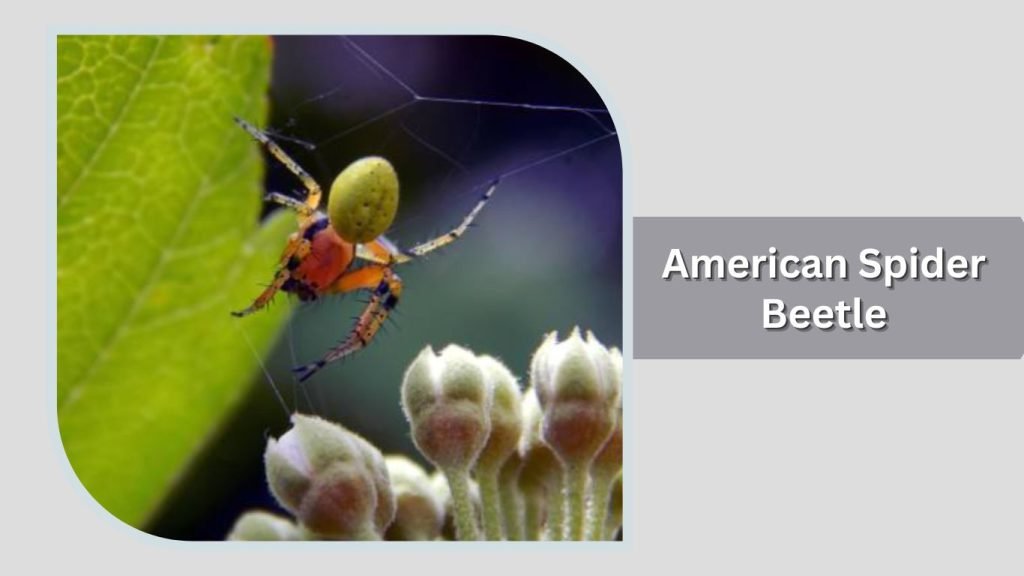
The American Spider Beetle is a small, globular beetle that closely resembles a spider due to its long legs and rounded body. It is commonly found in stored food environments and is known for its ability to infest a wide range of organic materials.
Characteristics
- Small beetle with a round, almost spherical body
- Reddish-brown to dark brown coloration
- Long, thin legs that give a spider-like appearance
- Smooth and slightly shiny outer surface
- Head bent downward, often hidden from above
Habitat and Distribution
The American Spider Beetle is widely distributed across North America and has also been reported in other parts of the world. It is commonly found indoors in homes, warehouses, granaries, and food storage facilities. This species prefers dry, undisturbed environments where food sources are readily available. It often hides in cracks, crevices, and dark corners, making infestations difficult to detect early.
Behavior and Diet
This beetle is highly adaptable and feeds on a wide variety of materials. Its diet includes stored grains, flour, cereals, dried fruits, spices, and even animal-based products such as leather, wool, and dead insects. It is mostly nocturnal, becoming active at night to search for food. During the day, it remains hidden in sheltered areas. Due to its feeding habits, it is considered a pest in food storage environments.
Life Cycle
Females lay eggs near or directly on food sources. Once hatched, larvae begin feeding immediately and pass through several developmental stages. The larvae are small, curved, and covered with fine hairs. After completing their growth, they pupate in hidden locations such as cracks or within food materials. Adults emerge after metamorphosis and continue feeding and reproducing, often leading to persistent infestations if not controlled.
4. Australian Spider Beetle
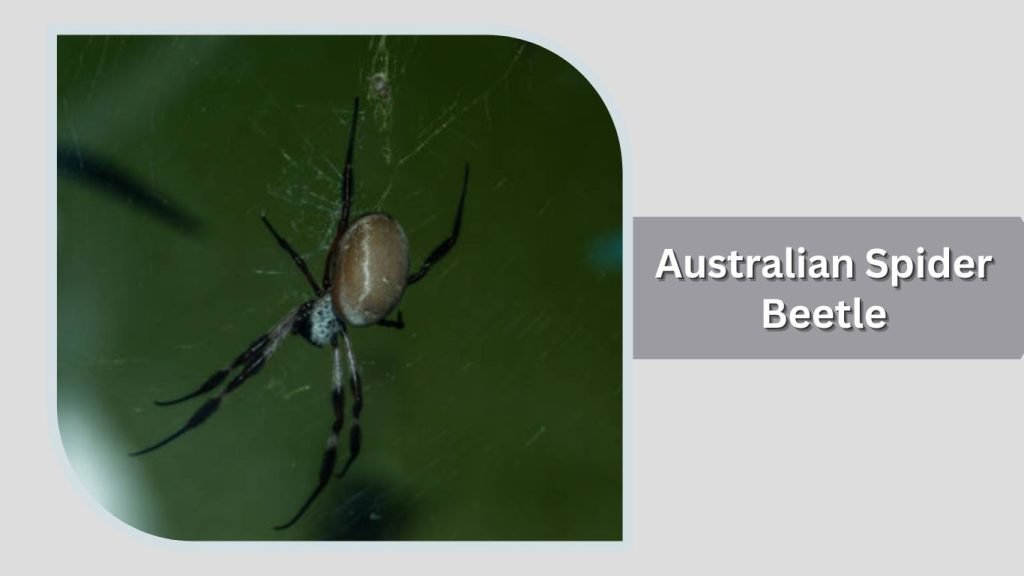
The Australian Spider Beetle is a small, rounded beetle known for its spider-like appearance and ability to thrive in stored product environments. Despite its name, it is found in many parts of the world and is considered a common household pest.
Characteristics
- Small, globular body with a smooth, shiny surface
- Reddish-brown to dark brown coloration
- Long, thin legs that create a spider-like look
- Head bent downward and not easily visible from above
- Fine hairs may be present on parts of the body
Habitat and Distribution
The Australian Spider Beetle is widely distributed across multiple continents, including Europe, North America, and Asia. It is commonly found indoors in homes, storage facilities, warehouses, and food processing areas. This species prefers dry, warm environments where food sources such as grains, dried foods, and organic debris are available. It often hides in cracks, crevices, and undisturbed corners.
Behavior and Diet
This beetle is highly opportunistic and feeds on a wide range of materials. Its diet includes stored grains, cereals, flour, dried fruits, spices, and even non-food items like paper, textiles, and animal remains. It is primarily nocturnal, staying hidden during the day and becoming active at night to search for food. Due to its feeding habits, it is considered a nuisance pest in households and storage areas.
Life Cycle
Females lay eggs close to food sources to ensure larval survival. Once hatched, larvae feed actively and grow through several stages. They are small, curved, and covered with fine hairs. After completing development, they pupate in sheltered areas such as cracks or within stored materials. Adults emerge and continue feeding and reproducing, which can lead to ongoing infestations if conditions remain favorable.
5. White-Marked Spider Beetle

The White-Marked Spider Beetle is a small but easily identifiable species due to the pale markings or patches on its otherwise dark body. It is commonly associated with stored food products and indoor environments, where it can become a persistent pest if left unmanaged.
Characteristics
- Small, rounded body with a spider-like shape
- Dark brown to black coloration with distinct pale or white markings
- Long, slender legs giving a spider-like appearance
- Slightly hairy body surface
- Head bent downward and often hidden from above
Habitat and Distribution
The White-Marked Spider Beetle is widely distributed across Europe, North America, and parts of Asia. It is most often found indoors in homes, warehouses, museums, and storage facilities. This species prefers dry, undisturbed environments where organic materials are available. It is commonly found in cracks, crevices, and behind stored items, making it difficult to detect early.
Behavior and Diet
This beetle feeds on a wide variety of organic materials, including stored grains, flour, dried fruits, spices, and even animal-based items like wool, leather, and dead insects. It is primarily nocturnal, hiding during the day and becoming active at night to search for food. Its ability to consume diverse materials makes it a common pest in both household and commercial storage areas.
Life Cycle
Females lay eggs near suitable food sources. After hatching, larvae begin feeding immediately and go through several growth stages. The larvae are small, curved, and covered with fine hairs. They eventually pupate in hidden locations such as cracks or within stored materials. Adults emerge after metamorphosis and continue feeding and reproducing, allowing populations to grow quickly under favorable conditions.
6. Brown Spider Beetle
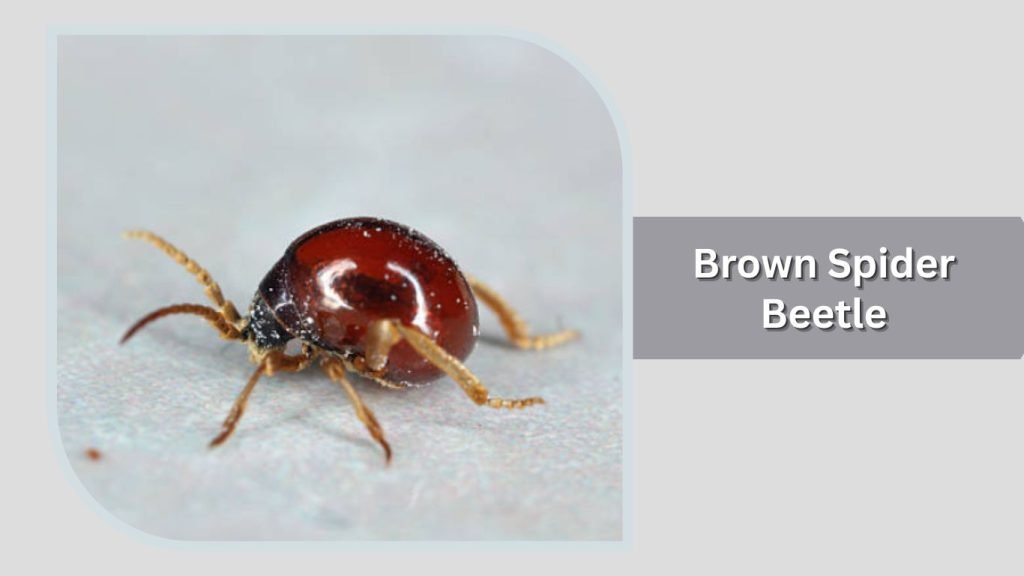
The Brown Spider Beetle is a common indoor species known for its rounded body and spider-like appearance. It is often found in stored products and household environments, where it feeds on a wide variety of organic materials and can become a persistent pest.
Characteristics
- Small beetle with a rounded, globular body
- Uniform brown to reddish-brown coloration
- Long, thin legs that give a spider-like look
- Smooth or slightly hairy outer surface
- Head bent downward and not easily visible from above
Habitat and Distribution
The Brown Spider Beetle is widely distributed across many regions, including Europe, North America, and Asia. It is commonly found indoors in homes, kitchens, warehouses, and food storage areas. This species prefers warm, dry environments where food sources such as grains, dried foods, and organic debris are present. It often hides in cracks, crevices, and dark, undisturbed spaces.
Behavior and Diet
This beetle is highly adaptable and feeds on a wide range of materials. Its diet includes stored grains, flour, cereals, dried fruits, spices, and even non-food items like paper, textiles, and animal remains. It is mostly nocturnal, staying hidden during the day and becoming active at night. Due to its feeding habits, it is considered a nuisance pest in homes and storage facilities.
Life Cycle
Females lay eggs close to food sources, ensuring that larvae can begin feeding immediately after hatching. The larvae pass through several developmental stages and are typically small, curved, and covered with fine hairs. They pupate in hidden areas such as cracks or within stored materials. Adults emerge after metamorphosis and continue feeding and reproducing, often leading to ongoing infestations.
7. Shiny Spider Beetle
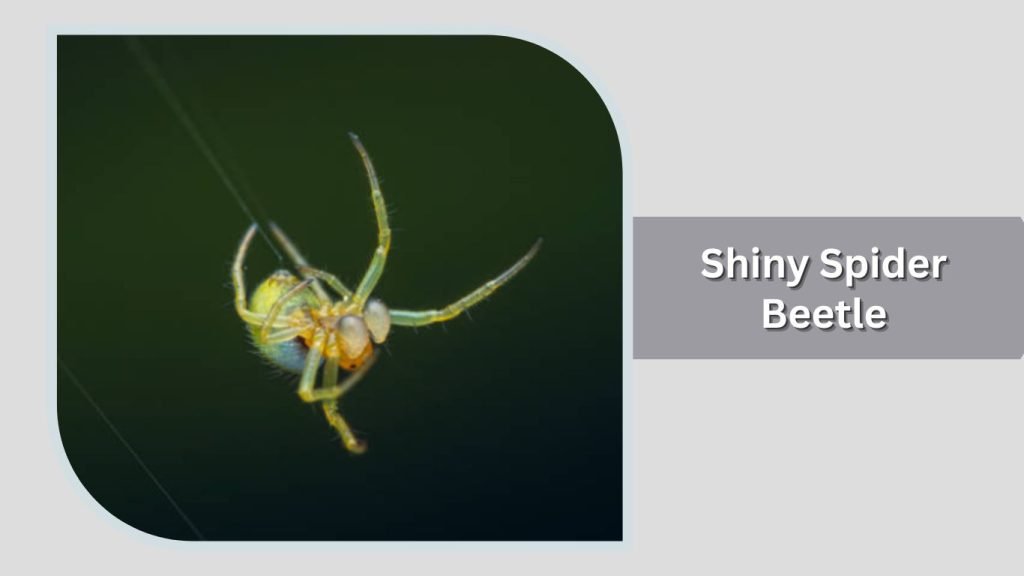
The Shiny Spider Beetle is a small, glossy species known for its smooth, polished appearance and spider-like body shape. It is commonly found in indoor environments, especially where stored food or organic materials are present, making it a potential household pest.
Characteristics
- Small, rounded body with a highly shiny and smooth surface
- Reddish-brown to dark brown coloration
- Long, thin legs giving a spider-like appearance
- Nearly hairless body, enhancing its glossy look
- Head bent downward and partially hidden from above
Habitat and Distribution
The Shiny Spider Beetle is widely distributed across many regions, including Europe, North America, and Asia. It is most commonly found indoors in homes, storage facilities, warehouses, and museums. This species prefers dry, warm environments where it can easily access food sources. It often hides in cracks, crevices, and behind stored goods, making it difficult to detect in early stages.
Behavior and Diet
This beetle feeds on a wide range of organic materials, including grains, flour, dried fruits, spices, and other stored products. It may also consume non-food items such as paper, textiles, and animal-based materials. It is primarily nocturnal, remaining hidden during the day and becoming active at night to search for food. Its feeding habits can lead to contamination of stored goods.
Life Cycle
Females lay eggs near suitable food sources. After hatching, larvae begin feeding immediately and grow through several stages. The larvae are small, curved, and covered with fine hairs. Once fully developed, they pupate in hidden areas such as cracks or within stored materials. Adults emerge after metamorphosis and continue feeding and reproducing, often resulting in persistent infestations if not controlled.
8. Hairy Spider Beetle

The Hairy Spider Beetle is a small species easily recognized by the fine hairs covering its body, giving it a slightly fuzzy appearance. Like other spider beetles, it resembles a spider due to its long legs and rounded shape and is often found in stored product environments.
Characteristics
- Small, rounded body covered with fine hair-like structures
- Brown to dark brown coloration
- Long, slender legs creating a spider-like look
- Slightly rough texture due to body hairs
- Head bent downward and not clearly visible from above
Habitat and Distribution
The Hairy Spider Beetle is widely distributed across Europe, North America, and parts of Asia. It is commonly found indoors in homes, warehouses, museums, and storage facilities. This species prefers dry, undisturbed environments where organic materials are available. It typically hides in cracks, crevices, and dark corners, making early detection difficult.
Behavior and Diet
This beetle feeds on a wide variety of organic materials. Its diet includes stored grains, flour, cereals, dried fruits, spices, and even non-food items such as wool, leather, paper, and dead insects. It is primarily nocturnal, remaining hidden during the day and becoming active at night. Its ability to consume diverse materials makes it a common pest in both household and commercial settings.
Life Cycle
Females lay eggs near or directly on food sources. Once hatched, larvae begin feeding immediately and pass through several developmental stages. The larvae are small, curved, and covered with fine hairs. After completing their growth, they pupate in sheltered locations such as cracks or within stored materials. Adults emerge after metamorphosis and continue feeding and reproducing, often leading to persistent infestations.
9. Long-Legged Spider Beetle
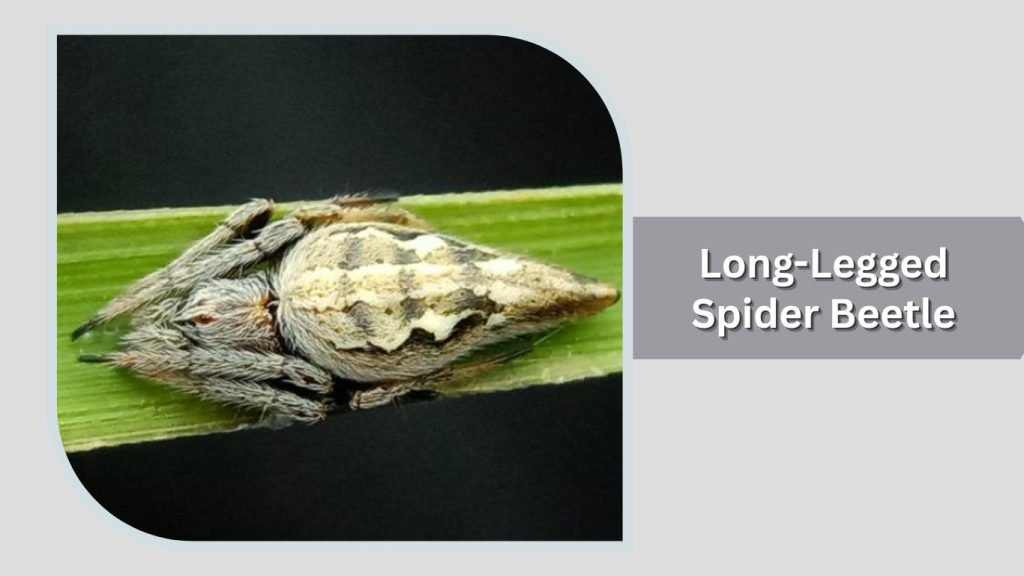
The Long-Legged Spider Beetle is a distinctive species known for its unusually long and slender legs compared to its small, rounded body. This feature gives it a strong spider-like appearance. It is commonly found in indoor environments where organic materials are stored.
Characteristics
- Small, rounded body with very long, thin legs
- Light brown to dark brown coloration
- Smooth or slightly glossy outer surface
- Legs noticeably longer than in most other spider beetles
- Head bent downward and partially hidden from above
Habitat and Distribution
The Long-Legged Spider Beetle is widely distributed across Europe, North America, and parts of Asia. It is most commonly found indoors in homes, storage areas, warehouses, and museums. This species prefers dry, warm environments where food sources such as grains, dried foods, and organic debris are available. It often hides in cracks, crevices, and behind stored items.
Behavior and Diet
This beetle feeds on a wide range of organic materials, including stored grains, flour, cereals, dried fruits, and spices. It may also consume non-food items such as paper, textiles, and animal-based materials. It is primarily nocturnal, hiding during the day and becoming active at night. Its long legs allow it to move easily across surfaces while searching for food.
Life Cycle
Females lay eggs near suitable food sources to ensure larval survival. Once hatched, larvae begin feeding immediately and pass through several growth stages. The larvae are small, curved, and covered with fine hairs. They eventually pupate in hidden areas such as cracks or within stored materials. Adults emerge after metamorphosis and continue feeding and reproducing, often leading to ongoing infestations.
10. Dark Spider Beetle
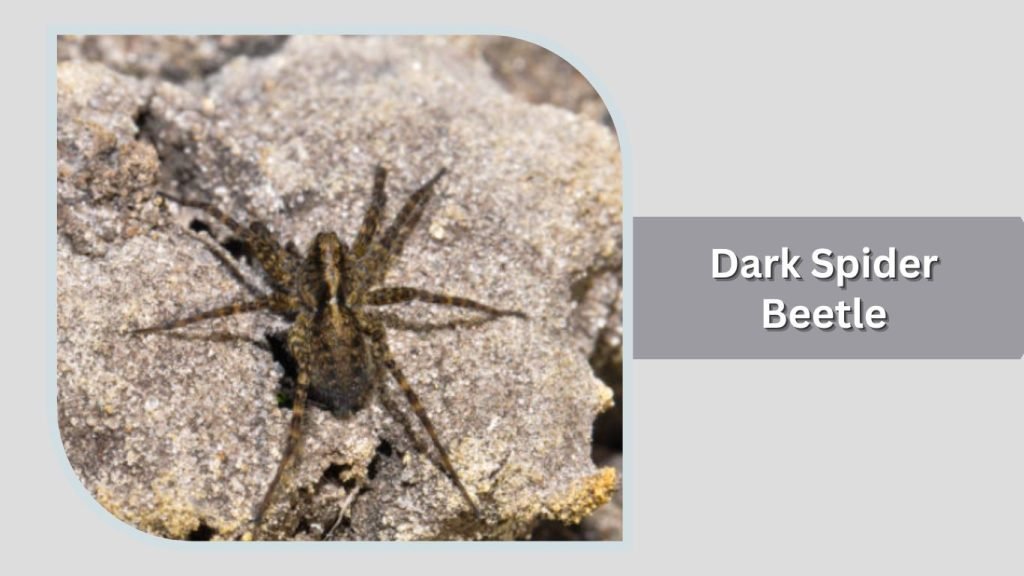
The Dark Spider Beetle is a small, inconspicuous species known for its deep brown to black coloration and spider-like form. It is commonly found in indoor environments, particularly in areas where stored food and organic materials are present.
Characteristics
- Small, rounded body with a dark brown to black color
- Smooth or slightly dull outer surface
- Long, thin legs creating a spider-like appearance
- Compact body with a slightly globular shape
- Head bent downward and mostly hidden from above
Habitat and Distribution
The Dark Spider Beetle is widely distributed across Europe, North America, and parts of Asia. It is most often found indoors in homes, warehouses, food storage facilities, and museums. This species prefers dry, warm conditions and tends to hide in cracks, crevices, and undisturbed areas where food sources are available.
Behavior and Diet
This beetle feeds on a wide variety of organic materials, including stored grains, flour, cereals, dried fruits, and spices. It may also consume non-food items such as paper, textiles, leather, and dead insects. It is primarily nocturnal, staying hidden during the day and becoming active at night. Its feeding behavior can lead to contamination of stored products.
Life Cycle
Females lay eggs near or on food sources. After hatching, larvae begin feeding immediately and pass through several developmental stages. The larvae are small, curved, and covered with fine hairs. They eventually pupate in hidden locations such as cracks or within stored materials. Adults emerge after metamorphosis and continue feeding and reproducing, which can result in persistent infestations if conditions remain suitable.
FAQs
What are spider beetles?
Spider beetles are small insects belonging to the family Ptinidae. They are named for their spider-like appearance, with round bodies and long legs. These beetles are commonly found in stored products and indoor environments where organic materials are present.
Are spider beetles harmful to humans?
Spider beetles are not harmful to humans in terms of biting or stinging. However, they can be considered pests because they contaminate stored food and damage items like grains, fabrics, and paper, making them a nuisance in homes and storage areas.
What do spider beetles eat?
Spider beetles feed on a wide range of organic materials, including grains, flour, cereals, dried fruits, spices, and even non-food items like wool, leather, paper, and dead insects. Their adaptable diet helps them survive in various environments.
Where are spider beetles commonly found?
They are commonly found indoors in homes, warehouses, museums, and food storage facilities. Spider beetles prefer dry, warm environments and often hide in cracks, crevices, and dark, undisturbed areas close to food sources.
How can spider beetles be controlled?
Control involves proper sanitation, such as removing food sources, sealing cracks, and storing food in airtight containers. Regular cleaning and inspection help prevent infestations. In severe cases, pest control treatments may be necessary to eliminate them effectively.
