

Orange butterflies are among the most vibrant and eye-catching insects in nature. Their warm, fiery colors range from soft amber to deep burnt orange, often combined with black, white, or silver patterns that make them stand out in any environment. These butterflies are commonly seen in gardens, fields, forests, and tropical regions around the world.
In this list, you will discover 17 types of orange butterflies, each with unique patterns, habitats, and behaviors that highlight their beauty and diversity in the natural world.
1. Monarch Butterfly
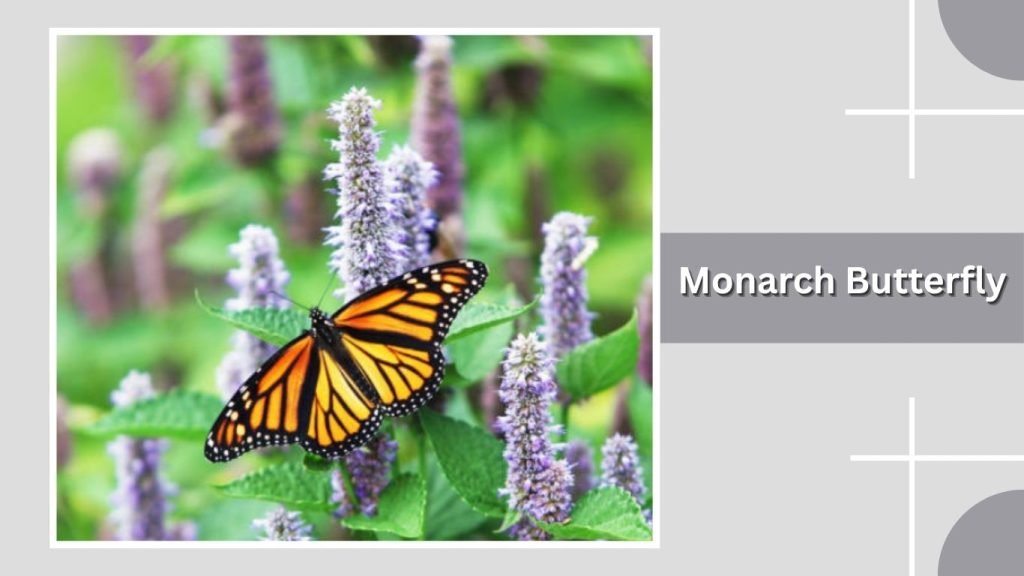
The Monarch Butterfly is one of the most famous orange butterflies, known for its long migrations and striking appearance. Found across North and Central America, it is easily recognized and widely admired for both its beauty and incredible journey.
Identification
- Medium to large butterfly with a wingspan of 3.5 to 4 inches
- Bright orange wings with bold black veins
- Black border with white spots along the edges
- No tail extensions
- Slow, gliding flight
Color Pattern
The wings are a vivid orange divided by thick black veins, creating a stained-glass effect. The outer edges are bordered in black with small white spots, adding contrast and making the pattern highly distinctive.
Habitat
Monarchs are found in open habitats such as meadows, fields, gardens, and roadsides. They rely heavily on milkweed plants, which serve as the primary host for their caterpillars.
Behavior
Monarch Butterflies are famous for their long-distance migration, traveling thousands of miles each year. They are active during the day, often seen gliding gracefully between flowers while feeding on nectar.
2. Viceroy Butterfly
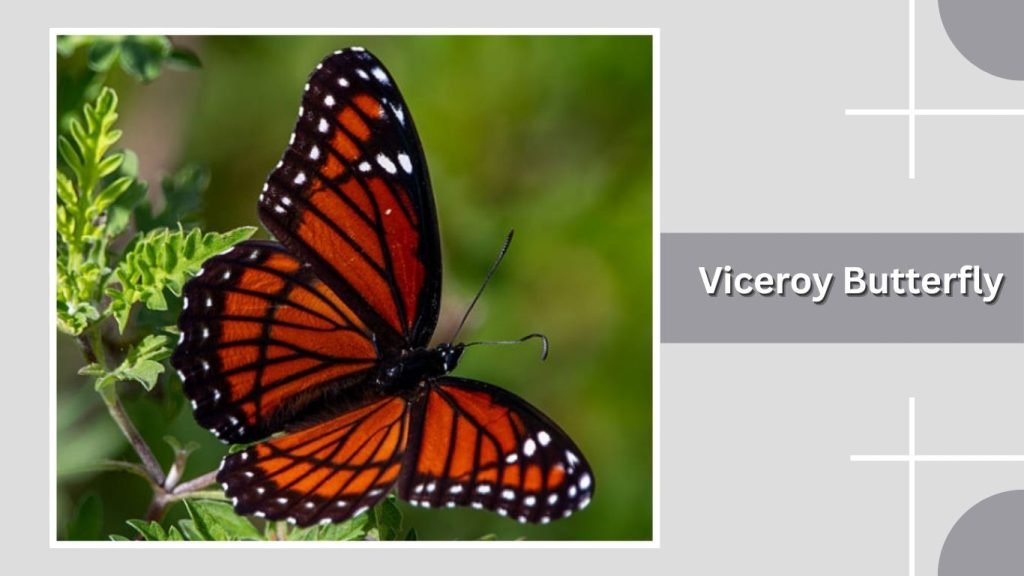
The Viceroy Butterfly closely resembles the Monarch but is slightly smaller and has distinct differences in its wing pattern. It is commonly found across North America and is well known for its mimicry.
Identification
- Medium-sized butterfly with a wingspan of 2.5 to 3 inches
- Bright orange wings with black veins
- Black border with white spots
- Distinct black line across hindwings
- No tail extensions
Color Pattern
The wings are orange with bold black veins, similar to the Monarch. The key difference is the horizontal black line across the hindwings, which helps distinguish it. The black borders with white spots add contrast.
Habitat
Viceroys prefer wetlands, marshes, ponds, and areas near water. They are often found where willow and poplar trees grow, as these are important host plants.
Behavior
These butterflies are active during the day and have a steady, gliding flight. They often mimic Monarchs to avoid predators and are commonly seen feeding on nectar from flowers.
3. Gulf Fritillary
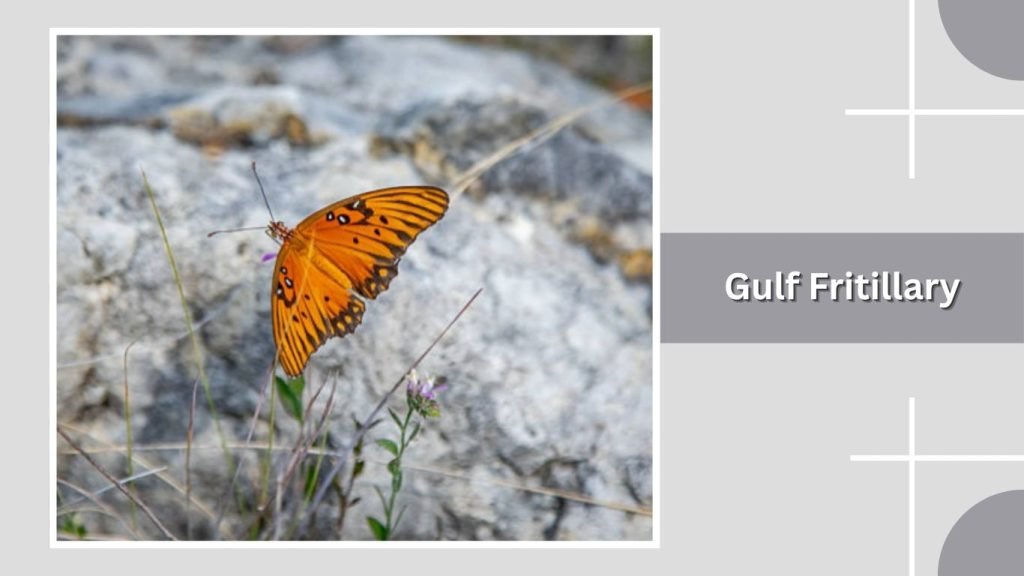
The Gulf Fritillary is a bright and energetic orange butterfly known for its elongated wings and striking silver spots underneath. It is commonly found in warm regions of the Americas.
Identification
- Medium-sized butterfly with a wingspan of 2.5 to 3.5 inches
- Bright orange wings with black markings
- Long, narrow wing shape
- Silver spots on the underside
- Fast, active flight
Color Pattern
The upper wings are vivid orange with scattered black spots and streaks. The underside is more decorative, featuring shiny silver spots against a brownish background, creating a beautiful contrast.
Habitat
Gulf Fritillaries are found in gardens, fields, roadsides, and open areas. They are especially common where passionflower plants grow, which serve as their host plants.
Behavior
These butterflies are very active and fast fliers. They are often seen darting quickly between flowers while feeding on nectar. Their energetic movement makes them easy to notice in sunny environments.
4. Painted Lady
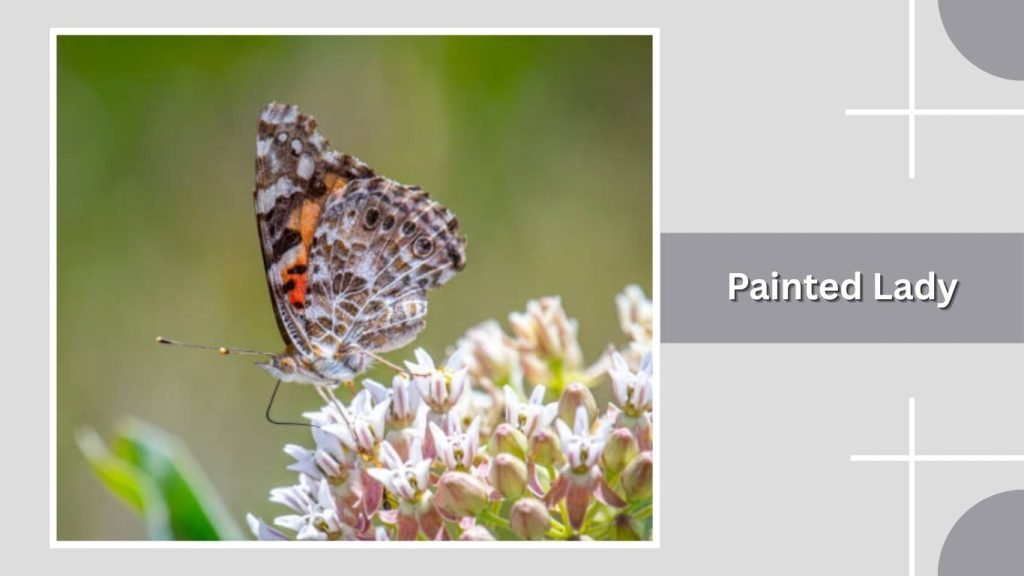
The Painted Lady is one of the most widespread butterflies in the world, known for its vibrant orange color and remarkable migration abilities. It can be found on almost every continent except Antarctica.
Identification
- Medium-sized butterfly with a wingspan of 2 to 3 inches
- Orange wings with black and white markings
- White spots near the tips of forewings
- No tail extensions
- Fast, fluttering flight
Color Pattern
The wings are a mix of orange, black, and white. The upper side shows bold orange patches with black markings, while the tips of the forewings feature white spots. The underside is more muted with eye-like spots.
Habitat
Painted Ladies thrive in a wide range of habitats, including gardens, fields, deserts, and grasslands. They are highly adaptable and can be found in both wild and urban environments.
Behavior
These butterflies are known for long-distance migrations and are highly active during the day. They frequently visit flowers for nectar and are often seen flying quickly across open spaces.
5. American Lady

The American Lady is a close relative of the Painted Lady and is commonly found in North America. It is slightly less widespread but equally beautiful with its warm orange tones.
Identification
- Medium-sized butterfly with a wingspan of 2 to 2.5 inches
- Orange wings with black and white markings
- Two large eye spots on the underside of hindwings
- White patch on forewings
- Quick, fluttery flight
Color Pattern
The wings are primarily orange with black markings and white spots near the tips. The underside features two prominent eye spots, which help distinguish it from similar species.
Habitat
American Ladies are found in open habitats such as fields, gardens, roadsides, and meadows. They prefer sunny areas with plenty of flowering plants.
Behavior
These butterflies are active during the day and are fast fliers. They often visit flowers for nectar and may migrate short distances. Their quick movements and bright colors make them easy to spot.
6. Red Admiral
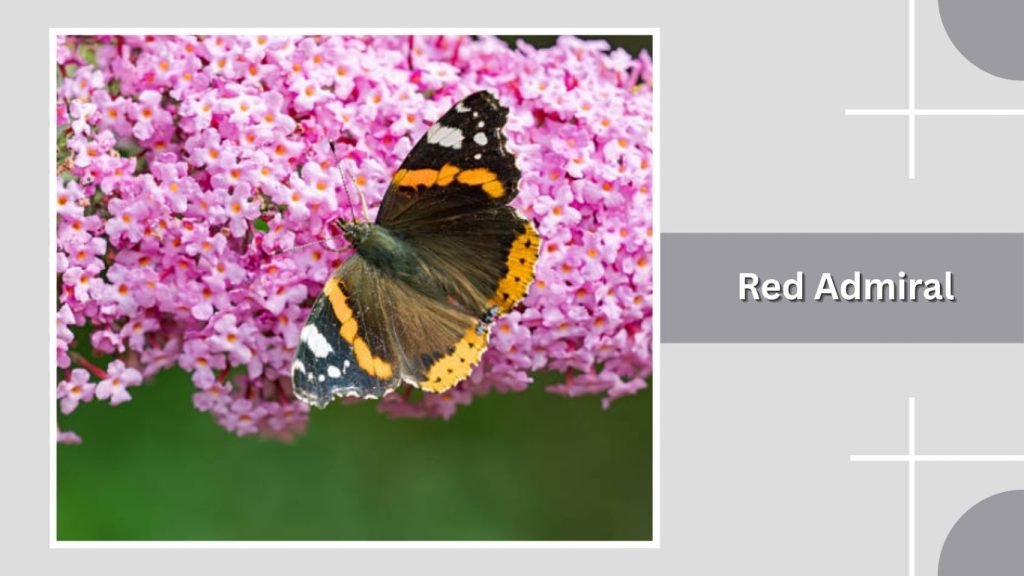
The Red Admiral is a bold and striking butterfly known for its dark wings contrasted with bright orange bands. It is widely distributed across North America, Europe, and Asia, often seen in gardens and wooded areas.
Identification
- Medium-sized butterfly with a wingspan of 2 to 3 inches
- Dark brown to black wings
- Bright orange-red bands across forewings
- White spots near wing tips
- Strong, fast flight
Color Pattern
The wings are mostly dark with vivid orange-red bands cutting across them. White spots near the tips of the forewings add contrast, making the butterfly highly noticeable despite its darker base color.
Habitat
Red Admirals are commonly found in gardens, parks, woodlands, and near streams. They prefer areas with plenty of nectar sources and are often seen basking in sunny spots.
Behavior
These butterflies are territorial and often return to the same resting spots. They are active during the day and frequently feed on nectar, tree sap, and even overripe fruit.
7. Julia Butterfly
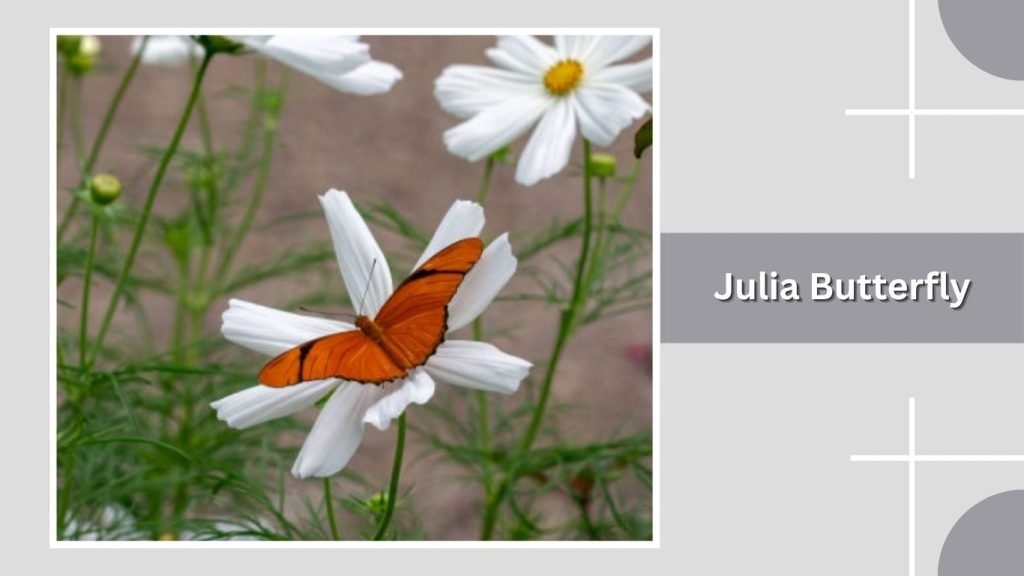
The Julia Butterfly is a graceful and slender orange butterfly known for its elongated wings and smooth flight. It is commonly found in tropical and subtropical regions of the Americas.
Identification
- Medium-sized butterfly with a wingspan of 3 to 3.5 inches
- Bright orange wings
- Long, narrow wing shape
- Minimal black markings
- Slow, gliding flight
Color Pattern
The wings are a rich orange with very few markings, giving the butterfly a clean and elegant look. The underside is slightly paler, maintaining a soft, uniform color.
Habitat
Julia Butterflies are found in forests, gardens, and coastal areas. They prefer warm climates and are often seen in areas with abundant flowering plants.
Behavior
These butterflies are slow and graceful fliers, often gliding smoothly through their habitat. They are active during the day and frequently visit flowers for nectar, adding to their gentle and elegant presence.
8. Orange Sulphur
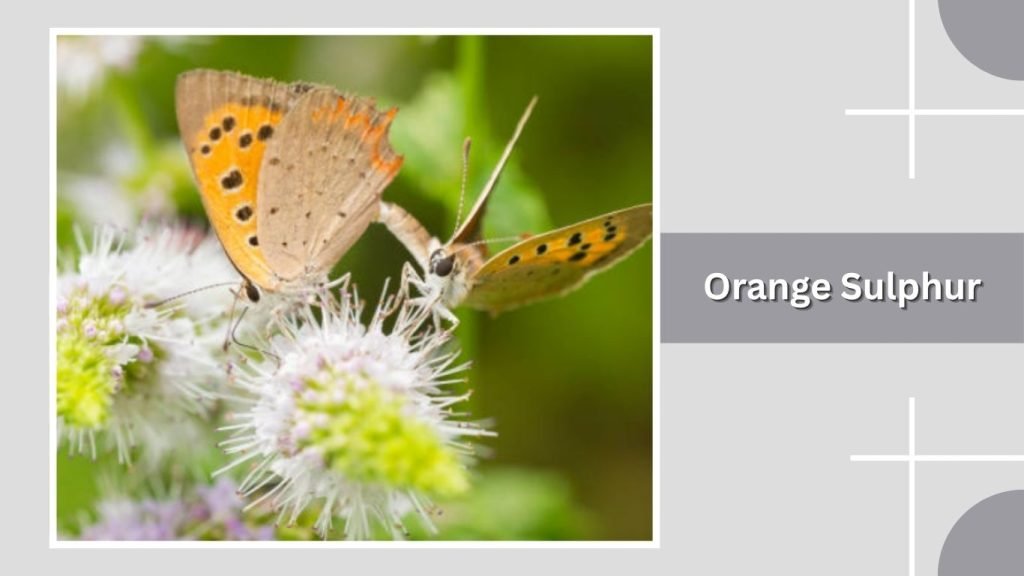
The Orange Sulphur is a bright and lively butterfly commonly found across North America. Its warm orange-yellow coloration and active nature make it a familiar sight in open landscapes.
Identification
- Medium-sized butterfly with a wingspan of 1.5 to 2.5 inches
- Orange to yellow wings with black borders
- Females often lighter in color
- Small dark spot on each wing
- Fast, fluttering flight
Color Pattern
The wings range from soft yellow to deep orange, edged with dark black borders. Some individuals appear more yellow, while others show a stronger orange tone, creating variation within the species.
Habitat
Orange Sulphurs are found in open habitats such as fields, meadows, gardens, and roadsides. They are especially common in areas with clover and other flowering plants.
Behavior
These butterflies are very active during the day, flying quickly and close to the ground. They frequently visit flowers for nectar and are often seen in large numbers in favorable conditions.
9. Sleepy Orange
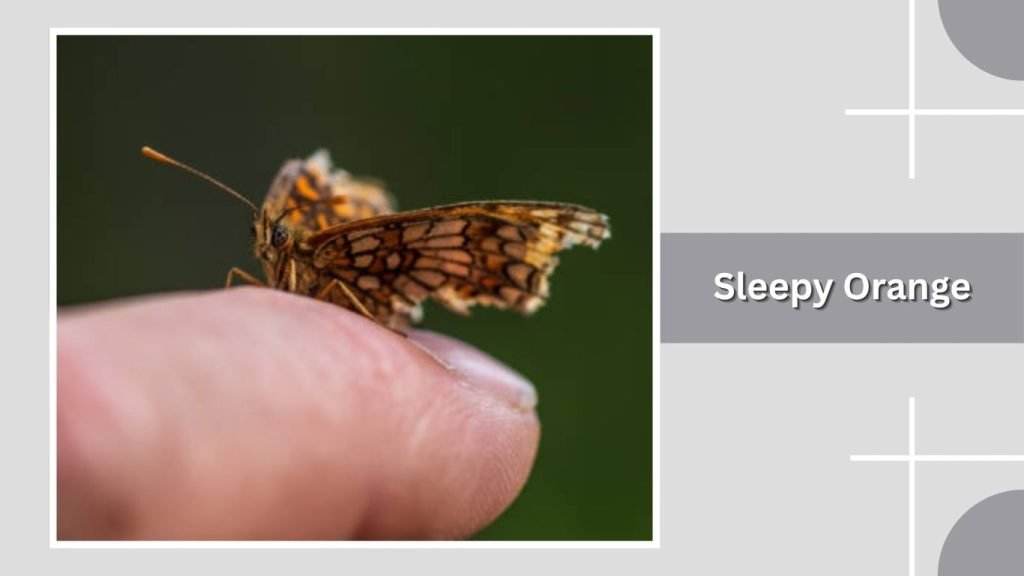
The Sleepy Orange is a delicate butterfly known for its soft orange tones and calm flight. It is commonly found in warm regions of the Americas, especially in sunny, dry areas.
Identification
- Small to medium butterfly with a wingspan of 1.5 to 2 inches
- Orange to yellow wings with subtle markings
- Rounded wing shape
- Slight dark edging on wings
- Gentle, slow flight
Color Pattern
The wings display soft shades of orange with hints of yellow and light brown. The coloration can vary depending on the season, sometimes appearing more muted or deeper in tone.
Habitat
Sleepy Oranges prefer open areas such as gardens, woodland edges, scrublands, and roadsides. They thrive in warm climates with plenty of sunlight and suitable host plants.
Behavior
These butterflies are active during the day but have a slower, more relaxed flight. They often glide close to the ground and visit flowers for nectar, moving calmly through their habitat.
10. Tawny Coster
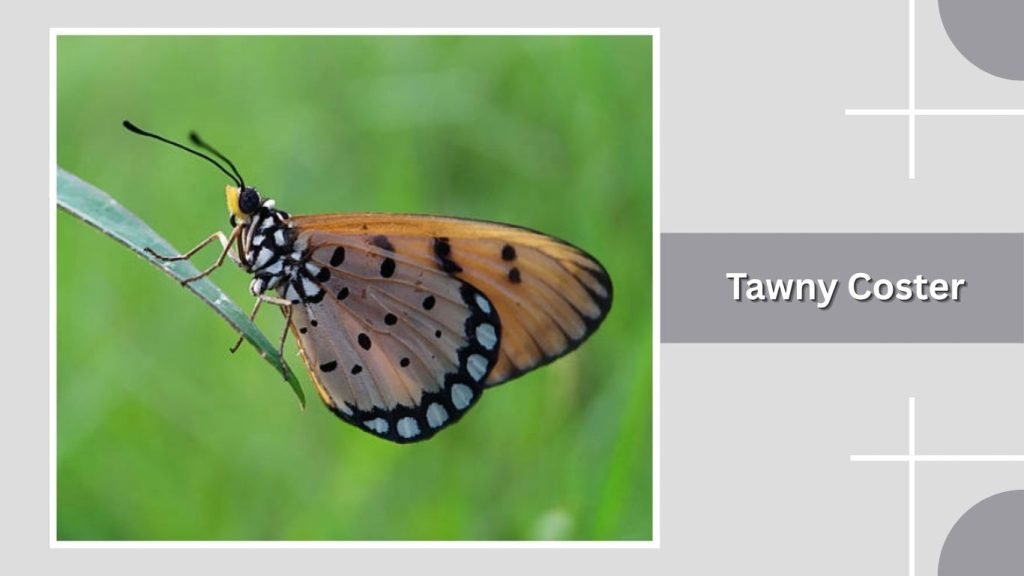
The Tawny Coster is a bright orange butterfly commonly found in South and Southeast Asia. It is easily recognized by its slow flight and distinctive spotted wings, often seen in open sunny habitats.
Identification
- Medium-sized butterfly with a wingspan of 2 to 2.5 inches
- Bright orange wings with black spots
- Black borders along wing edges
- No tail extensions
- Slow, floating flight
Color Pattern
The wings are a warm orange shade covered with evenly spaced black spots. The edges are bordered in black with small white dots, creating a striking and well-defined pattern.
Habitat
Tawny Costers are commonly found in grasslands, gardens, open fields, and roadsides. They prefer dry, sunny areas with low vegetation and plenty of flowering plants.
Behavior
These butterflies are slow and graceful fliers, often gliding steadily. They are active during the day and frequently visit flowers for nectar. Their unpalatable nature helps protect them from predators.
11. Plain Tiger
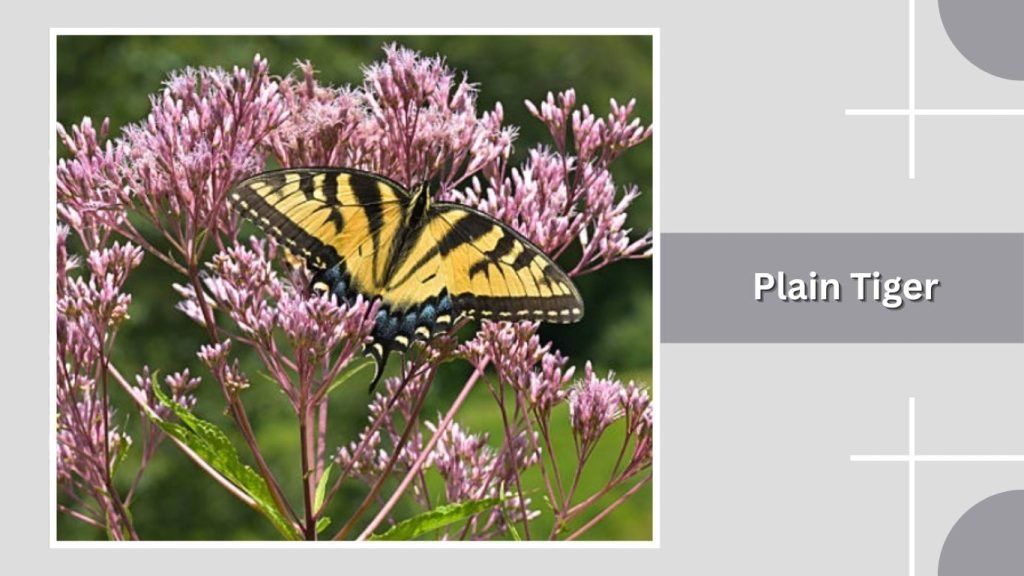
The Plain Tiger, also known as the African Monarch, is a widespread orange butterfly known for its resemblance to the Monarch. It is commonly found in Asia and Africa.
Identification
- Medium to large butterfly with a wingspan of 3 to 4 inches
- Bright orange wings with black veins
- Black border with white spots
- No tail extensions
- Smooth, gliding flight
Color Pattern
The wings are orange with bold black veins, similar to the Monarch. The edges have black borders decorated with white spots, giving it a clean and recognizable pattern.
Habitat
Plain Tigers are found in open areas such as gardens, fields, grasslands, and urban spaces. They are often associated with milkweed plants, which are essential for their lifecycle.
Behavior
These butterflies are active during the day and are strong, steady fliers. They glide between flowers while feeding on nectar and are often seen in sunny environments.
12. Leopard Lacewing
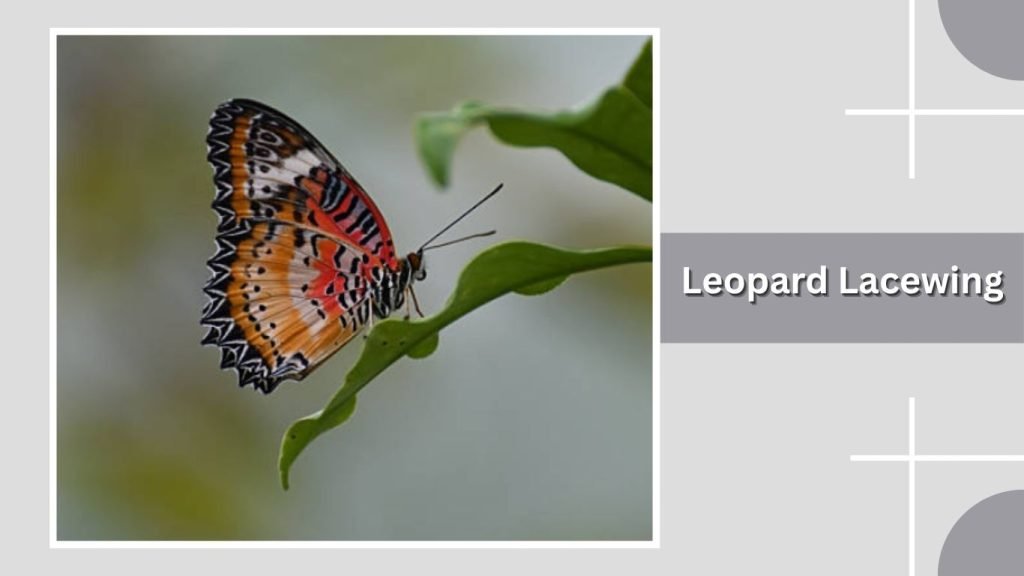
The Leopard Lacewing is a vibrant orange butterfly known for its bold black spots and intricate wing patterns. It is commonly found in South and Southeast Asia and is popular in butterfly gardens.
Identification
- Medium-sized butterfly with a wingspan of 2 to 3 inches
- Bright orange wings with black spots
- Broad wings with slightly rounded edges
- No tail extensions
- Active, fluttering flight
Color Pattern
The wings are vivid orange with numerous black spots scattered across the surface. The underside is lighter with a more intricate pattern, giving it a lace-like appearance that adds to its beauty.
Habitat
Leopard Lacewings prefer gardens, forests, and open areas with plenty of flowering plants. They thrive in warm climates and are often seen in butterfly parks and natural reserves.
Behavior
These butterflies are active during the day and frequently visit flowers for nectar. They have a lively flight pattern and are often seen basking in the sun or resting on leaves.
13. Queen Butterfly
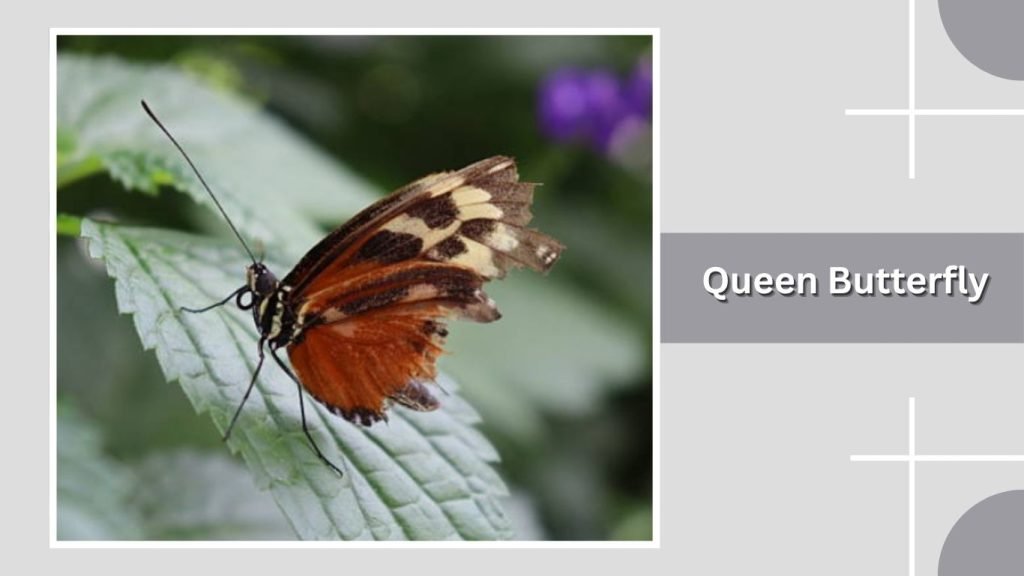
The Queen Butterfly is a graceful orange butterfly closely related to the Monarch. It is found in the Americas and is known for its softer coloration and elegant flight.
Identification
- Medium-sized butterfly with a wingspan of 3 to 3.5 inches
- Orange-brown wings with black veins
- White spots on dark borders
- No tail extensions
- Smooth, gliding flight
Color Pattern
The wings are a softer orange-brown compared to the Monarch, with fine black veins. White spots line the dark borders, creating a subtle yet attractive contrast.
Habitat
Queen Butterflies are commonly found in open habitats such as fields, gardens, deserts, and coastal areas. They prefer warm regions with milkweed and other host plants.
Behavior
These butterflies are active during the day and are often seen gliding slowly between flowers. They feed on nectar and are known for their calm and steady flight patterns.
14. Variegated Fritillary
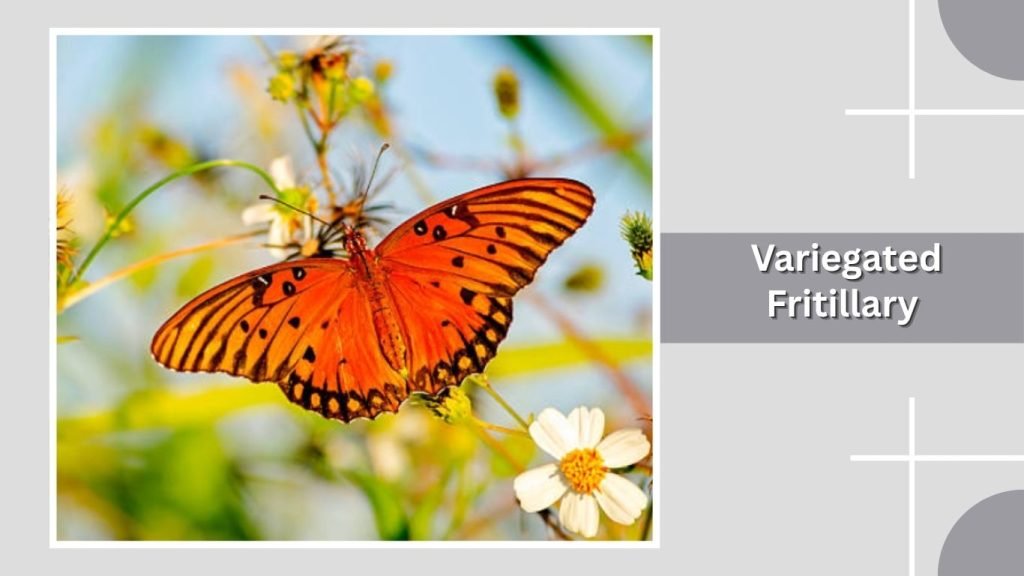
The Variegated Fritillary is a bright and energetic orange butterfly known for its bold markings and wide distribution. It is commonly found across the Americas in open and sunny environments.
Identification
- Medium to large butterfly with a wingspan of 2.5 to 3.5 inches
- Bright orange wings with black spots and lines
- Scalloped wing edges
- No tail extensions
- Fast, active flight
Color Pattern
The wings are vivid orange with dark black markings forming spots and streaks. The underside is more muted, often brownish with silvery spots, adding contrast and camouflage when resting.
Habitat
Variegated Fritillaries prefer open habitats such as fields, gardens, grasslands, and roadsides. They thrive in warm climates with abundant flowering plants.
Behavior
These butterflies are strong and fast fliers, often seen moving quickly between flowers. They are active during the day and frequently feed on nectar, making them common visitors in gardens.
15. Fiery Skipper
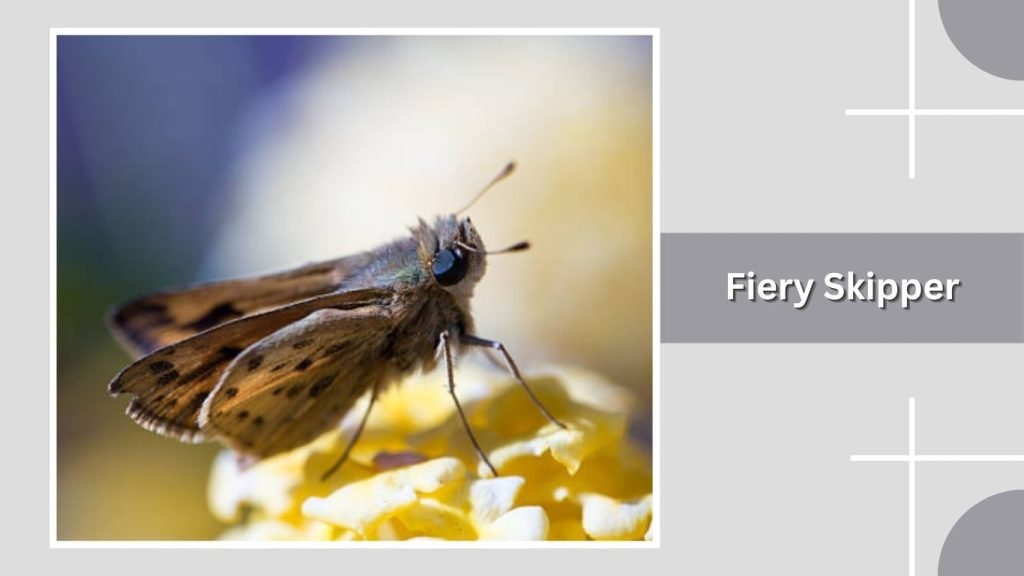
The Fiery Skipper is a small but vibrant orange butterfly known for its quick movements and compact size. It is widely found in the Americas, especially in grassy areas.
Identification
- Small butterfly with a wingspan of 1 to 1.5 inches
- Bright orange wings with dark brown edges
- Short, stocky body
- Slightly hooked antennae
- Rapid, darting flight
Color Pattern
The wings are a rich orange with darker brown borders and spots. Males are usually brighter, while females may appear slightly darker or more patterned.
Habitat
Fiery Skippers are commonly found in grasslands, lawns, gardens, and parks. They prefer warm climates and areas with plenty of grass, which serves as a host plant.
Behavior
These butterflies are very active and fast fliers, often darting quickly from place to place. They are active during the day and frequently visit small flowers for nectar.
16. Large Copper
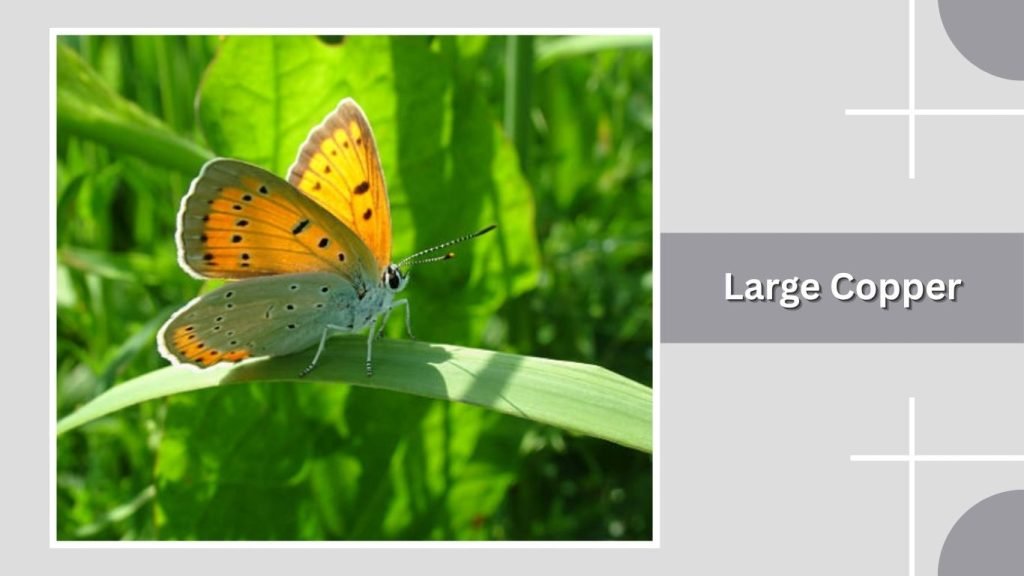
The Large Copper is a striking orange butterfly known for its rich coloration and association with wetland habitats. It is found in parts of Europe and Asia, though it is considered rare in many regions.
Identification
- Medium-sized butterfly with a wingspan of 1.5 to 2 inches
- Bright copper-orange wings
- Black spots scattered across wings
- Dark borders along edges
- Strong, direct flight
Color Pattern
The wings display a deep coppery-orange color with bold black spots. The edges are lined with darker borders, enhancing the contrast and giving the butterfly a vivid and polished look.
Habitat
Large Coppers prefer wetlands, marshes, and riverbanks. They rely on specific host plants like dock species, making them sensitive to habitat changes and loss.
Behavior
These butterflies are active during the day and are strong fliers. They often stay near their habitat and are seen visiting flowers for nectar in sunny conditions.
17. Small Copper
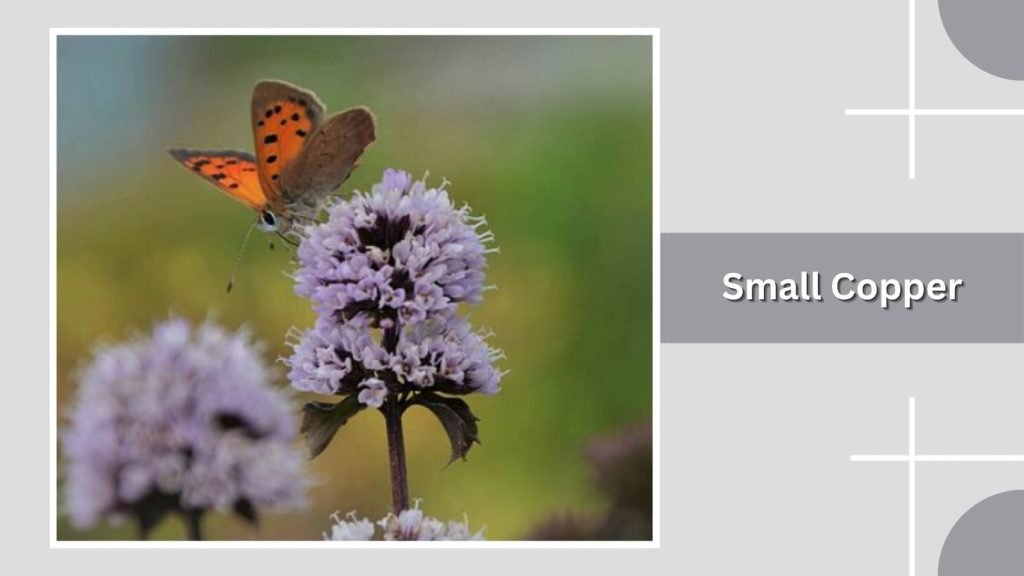
The Small Copper is a bright and lively butterfly widely found across Europe, Asia, and North America. Despite its small size, it is easily noticeable due to its vivid coloration.
Identification
- Small butterfly with a wingspan of 1 to 1.5 inches
- Bright orange forewings with black spots
- Dark brown hindwings
- Slightly scalloped wing edges
- Fast, fluttery flight
Color Pattern
The forewings are bright orange with black spots, while the hindwings are darker, often brown or black. This contrast creates a distinctive two-tone appearance.
Habitat
Small Coppers are commonly found in grasslands, meadows, gardens, and roadsides. They prefer sunny areas with low vegetation and plenty of nectar sources.
Behavior
These butterflies are active and territorial. Males often defend small patches of land, while both sexes frequently visit flowers for nectar. Their quick flight makes them easy to spot in open areas.
