
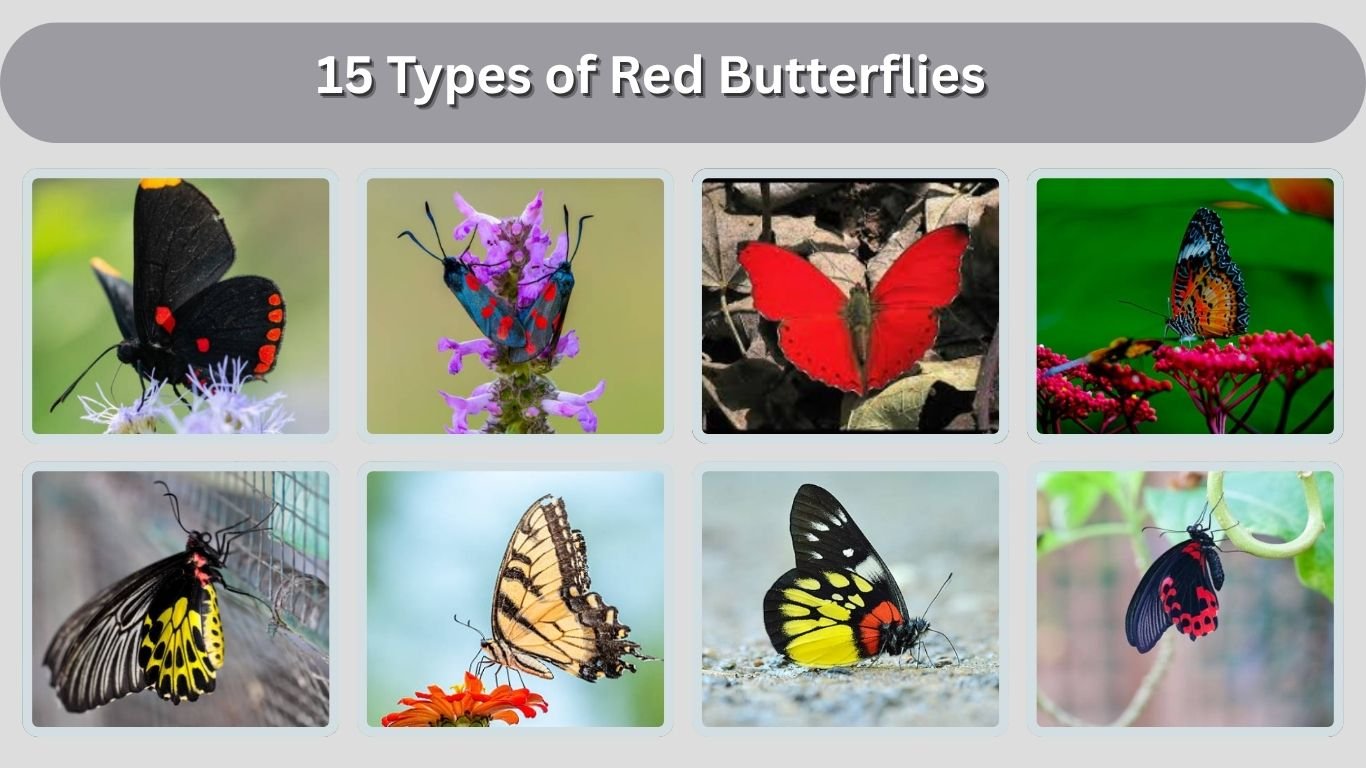
Red butterflies are some of the most eye-catching and vibrant species found in nature. Their bold red coloration often serves as a warning to predators or helps them blend into colorful surroundings. Commonly seen in gardens, forests, and tropical regions, these butterflies not only add beauty but also play an important role as pollinators in maintaining healthy ecosystems.
1. Red Admiral
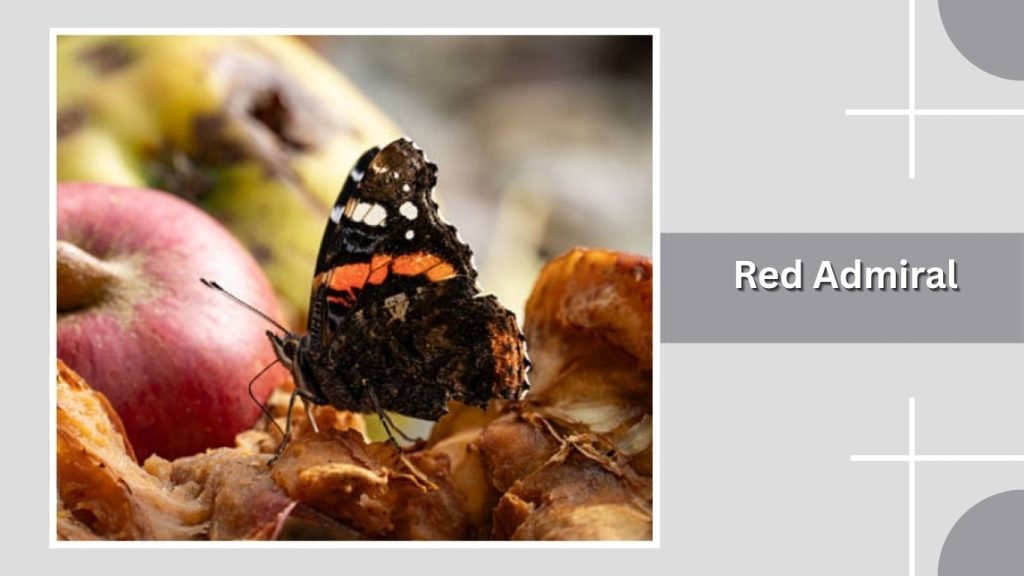
The Red Admiral (Vanessa atalanta) is a striking butterfly known for its bold black wings marked with bright red bands. It is a common and easily recognizable species often seen in gardens and parks.
Identification
- Black wings with vivid red-orange bands
- White spots near the tips of the forewings
- Medium to large size
- Strong contrast in coloration
- Slightly scalloped wing edges
Habitat
Red Admirals are found in gardens, woodlands, parks, and urban areas. They are attracted to sunny spots with plenty of flowers, as well as areas with trees and shrubs.
Behavior
These butterflies are territorial and may chase other butterflies away. They are active during the day and often bask in the sun with wings open to absorb heat.
Diet
Adults feed on nectar, tree sap, and overripe fruits. Caterpillars mainly feed on nettle plants, making them an important host for their lifecycle.
2. Scarlet Peacock
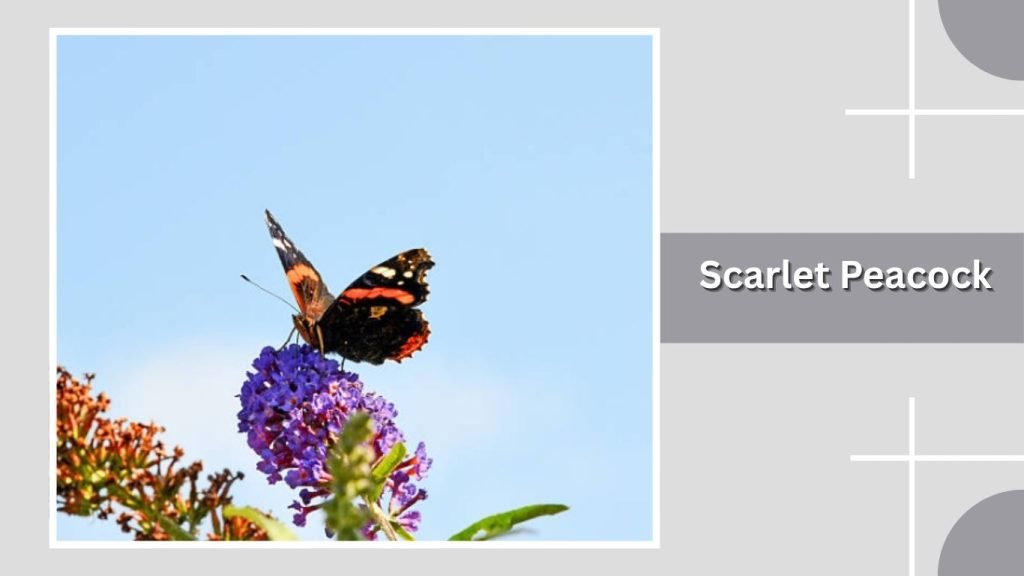
The Scarlet Peacock is a vibrant butterfly known for its deep red coloration combined with darker markings. It is admired for its bold appearance and graceful flight.
Identification
- Bright red wings with black accents
- Medium size
- Smooth, rounded wing shape
- Subtle patterns across wings
- Slightly glossy appearance
Habitat
This butterfly is commonly found in gardens, forests, and tropical areas. It prefers warm environments with abundant flowering plants.
Behavior
Scarlet Peacocks are active during the day and often bask in sunlight. They move gracefully between flowers and are generally calm in nature.
Diet
They feed on nectar from flowers such as lantana and hibiscus. Caterpillars depend on specific host plants for development.
3. Crimson Patch
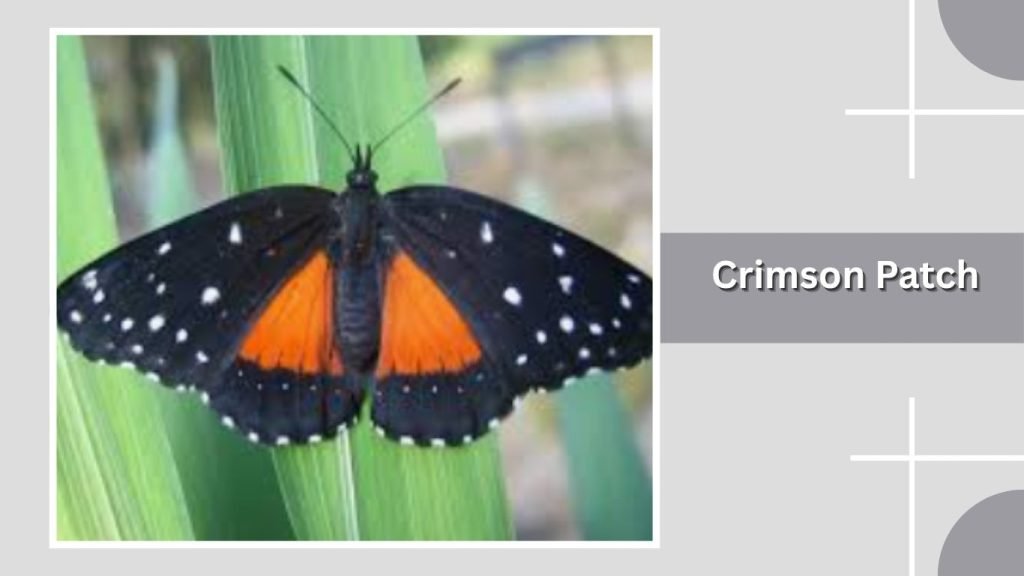
The Crimson Patch (Chlosyne janais) is a colorful butterfly known for its striking red patches combined with black and orange markings.
Identification
- Bright red patches on wings
- Black background with orange and white markings
- Medium size
- Rounded wing edges
- Bold and contrasting patterns
Habitat
This butterfly is found in gardens, forests, and open areas, especially in warmer regions. It prefers places with plenty of nectar-producing plants.
Behavior
Crimson Patches are active during the day and often rest with wings open. They are commonly seen visiting flowers in sunny areas.
Diet
Adults feed on nectar from flowers, while caterpillars feed on host plants such as snapdragon and related species.
4. Postman Butterfly
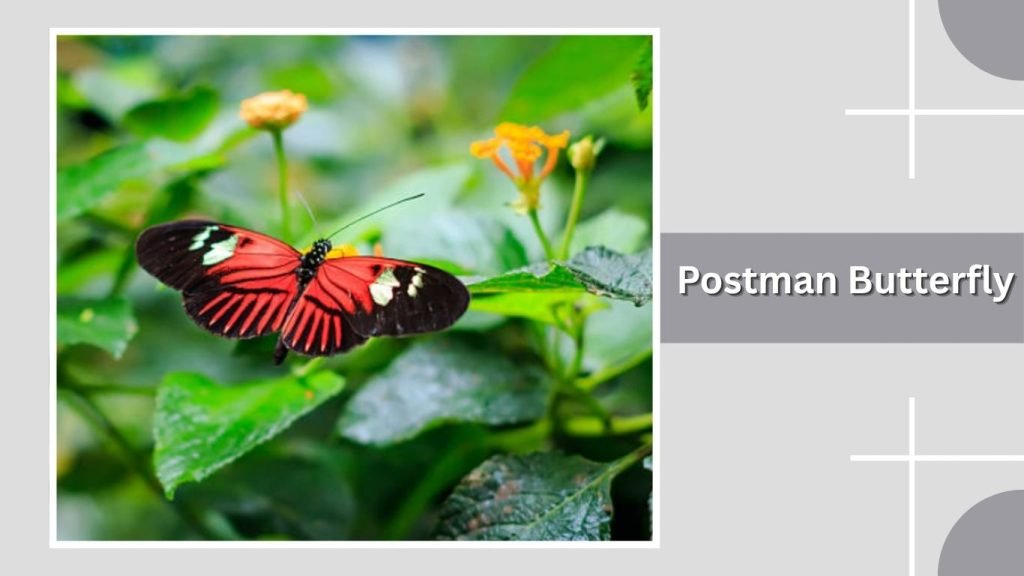
The Postman Butterfly (Heliconius melpomene) is a well-known red butterfly recognized for its bold red and black wing patterns. It is commonly found in tropical regions.
Identification
- Black wings with bright red bands or patches
- Long, narrow wing shape
- Medium size
- Smooth and slightly glossy wings
- Distinct, simple pattern
Habitat
This butterfly lives in tropical forests, gardens, and open areas. It prefers warm climates with plenty of flowering plants and host vines.
Behavior
Postman Butterflies are slow fliers and often glide gracefully. They are active during the day and may gather in small groups, especially when feeding.
Diet
Adults feed on nectar and pollen, which provides extra nutrients. Caterpillars feed mainly on passionflower plants.
5. Ruby Tiger Butterfly
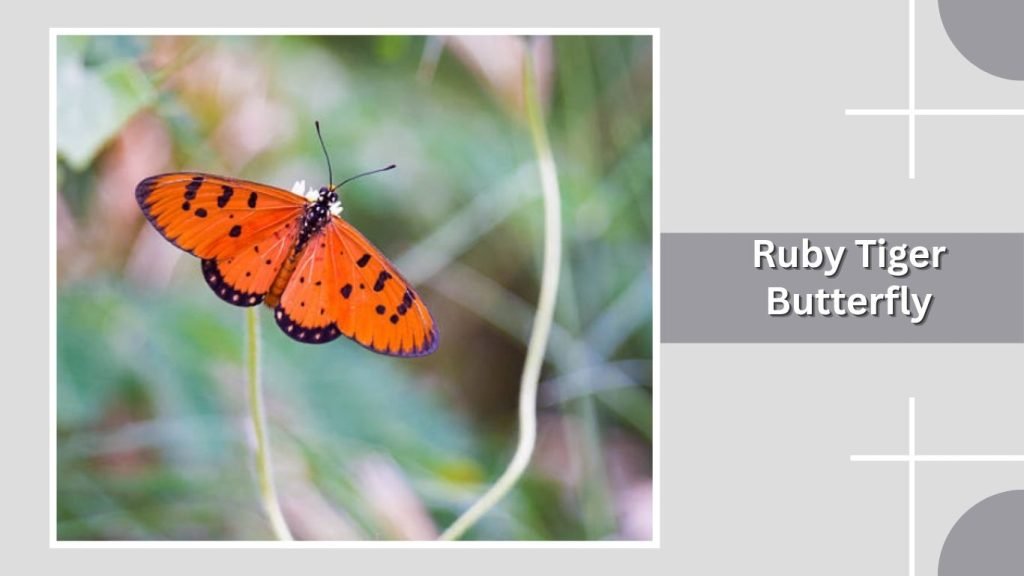
The Ruby Tiger Butterfly is known for its deep red or ruby-colored wings combined with darker markings, giving it a bold and attractive look.
Identification
- Deep red or ruby-colored wings
- Black or dark markings
- Medium size
- Rounded wing shape
- Slightly velvety appearance
Habitat
This butterfly is found in gardens, forests, and open landscapes. It prefers warm environments with access to nectar-rich flowers.
Behavior
Ruby Tiger Butterflies are active during the day and often bask in sunlight. They move steadily between flowers and are generally calm.
Diet
They feed on nectar from flowers such as daisies and lantana. Caterpillars rely on specific host plants for growth and development.
6. Red Lacewing
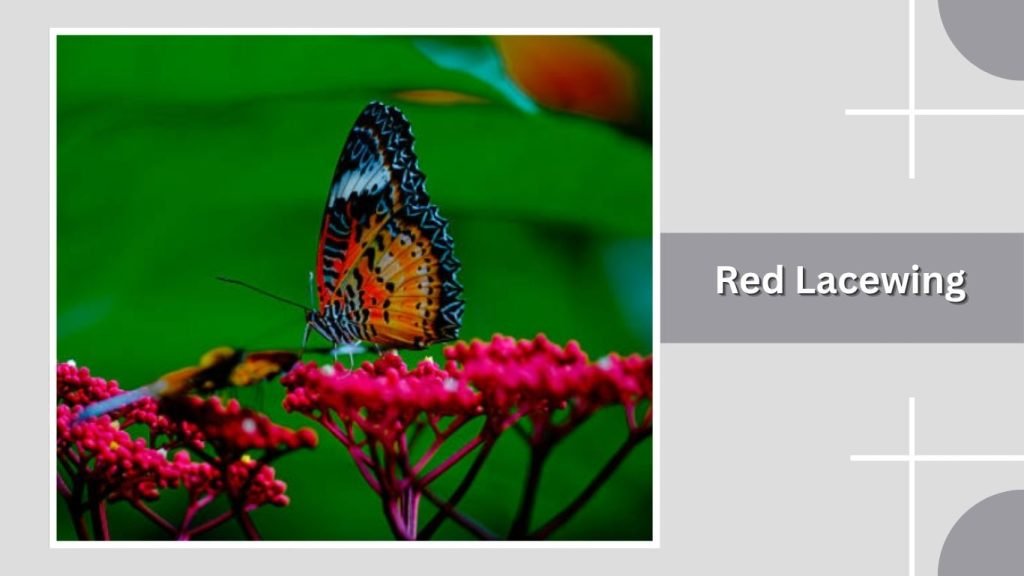
The Red Lacewing (Cethosia biblis) is a stunning butterfly known for its bright red wings with intricate black and white patterns. It is commonly found in tropical regions.
Identification
- Bright red wings with black borders
- White spots and markings along edges
- Medium size
- Strong contrast in colors
- Slightly scalloped wing edges
Habitat
This butterfly is found in tropical forests, gardens, and parks. It prefers warm, humid environments with plenty of flowering plants.
Behavior
Red Lacewings are active during the day and are strong fliers. They often rest with wings open, showing off their vivid colors.
Diet
Adults feed on nectar from flowers such as lantana and hibiscus. Caterpillars feed on specific host plants, often vines.
7. Crimson Rose
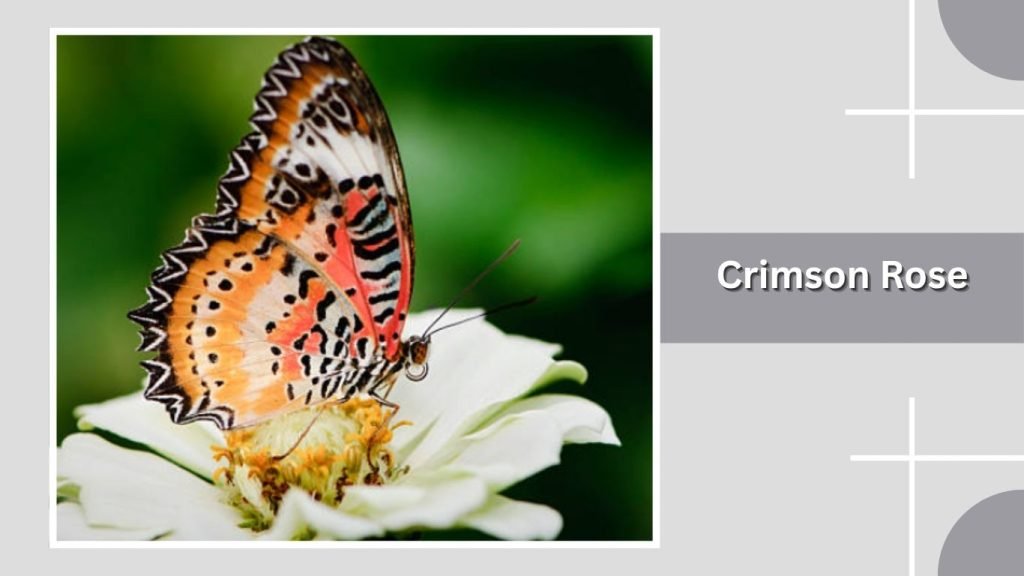
The Crimson Rose (Pachliopta hector) is a large and elegant butterfly known for its striking red body and black wings with white markings.
Identification
- Black wings with white patches
- Bright red body and spots on hind wings
- Large size
- Long, narrow wings
- Graceful appearance
Habitat
This butterfly is commonly found in gardens, forests, and open areas in warm regions. It prefers places with flowering plants and host vines.
Behavior
Crimson Roses are slow and graceful fliers. They are active during the day and are often seen gliding between flowers.
Diet
Adults feed on nectar from flowers like jasmine and lantana. Caterpillars feed on plants from the Aristolochia genus.
8. Red Helen
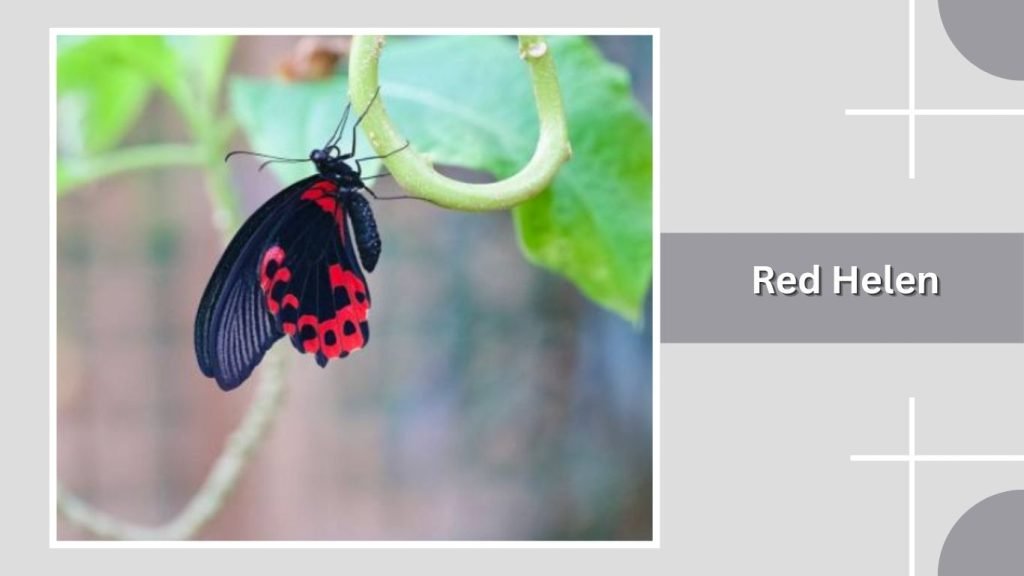
The Red Helen (Papilio helenus) is a large and elegant butterfly known for its black wings with subtle red accents. It is a member of the swallowtail family.
Identification
- Black wings with red or orange markings
- White patches on hind wings
- Large size
- Tail-like extensions on hind wings
- Smooth, broad wings
Habitat
This butterfly is found in forests, gardens, and hilly areas. It prefers regions with plenty of trees and flowering plants.
Behavior
Red Helens are strong fliers and are active during the day. They often glide gracefully and may visit flowers or damp ground to absorb minerals.
Diet
Adults feed on nectar from flowers such as jasmine and lantana. Caterpillars feed on citrus and related plants.
9. Red Pierrot
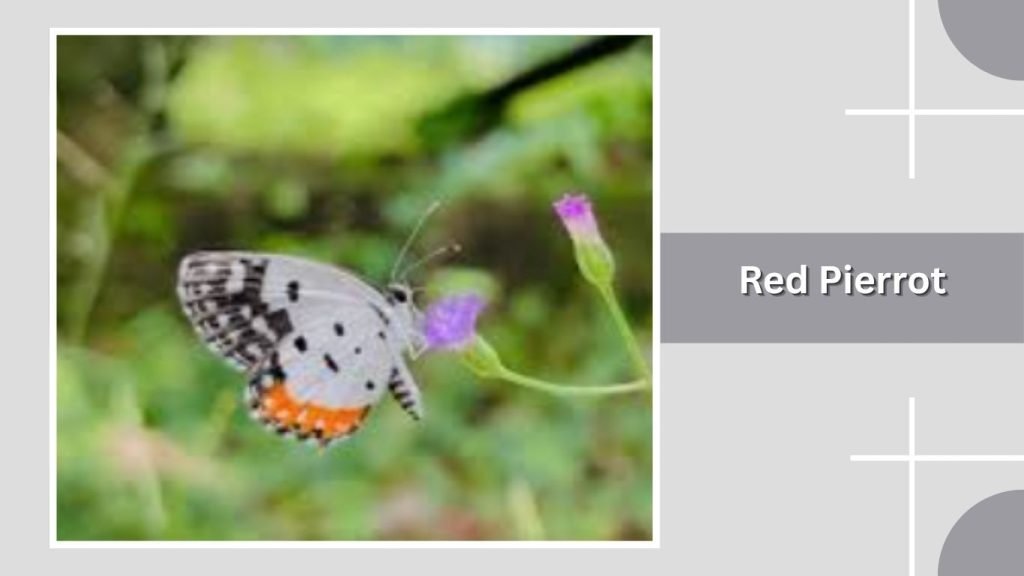
The Red Pierrot (Talicada nyseus) is a small but striking butterfly known for its white, black, and red pattern. It is commonly seen in gardens.
Identification
- White wings with black spots
- Bright red markings on the underside
- Small size
- Rounded wing shape
- Delicate appearance
Habitat
This butterfly is commonly found in gardens, parks, and open areas. It prefers places with host plants like Kalanchoe.
Behavior
Red Pierrots are active during the day and are often seen flying close to plants. They are quick and agile in movement.
Diet
Adults feed on nectar from small flowers. Caterpillars feed mainly on succulent plants such as Kalanchoe.
10. Blood Red Glider
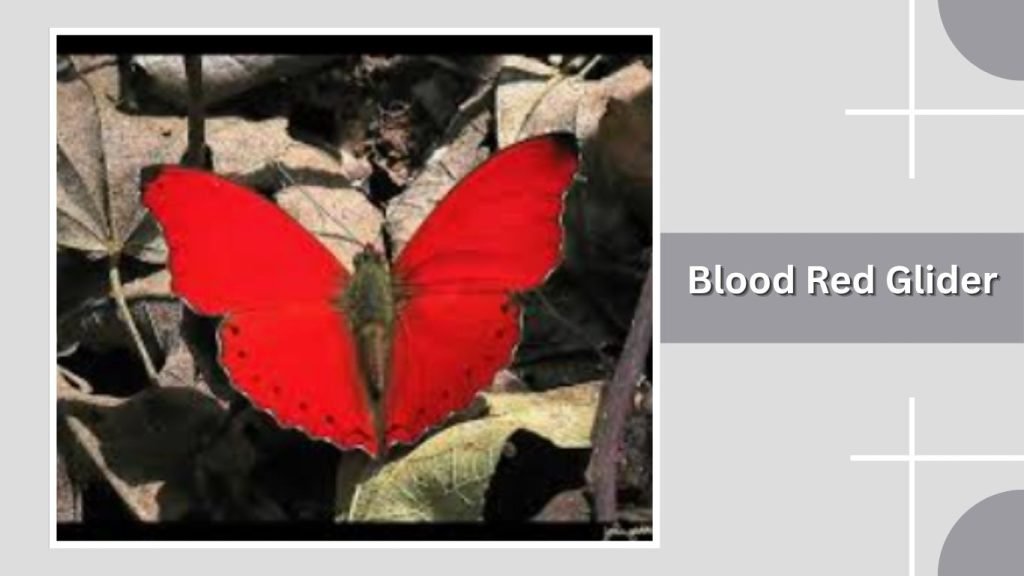
The Blood Red Glider is a vivid butterfly known for its deep red coloration and smooth, gliding flight. It is often admired for its striking appearance in warm regions.
Identification
- Deep red wings with darker edges
- Medium size
- Smooth, rounded wing shape
- Slightly glossy texture
- Bold, uniform coloration
Habitat
This butterfly is typically found in gardens, open fields, and tropical areas. It prefers sunny environments with abundant flowering plants.
Behavior
Blood Red Gliders are active during the day and are known for their steady, gliding flight. They often move calmly between flowers and resting spots.
Diet
They feed on nectar from flowers such as hibiscus and lantana. Caterpillars depend on specific host plants for development.
11. Red Base Jezebel
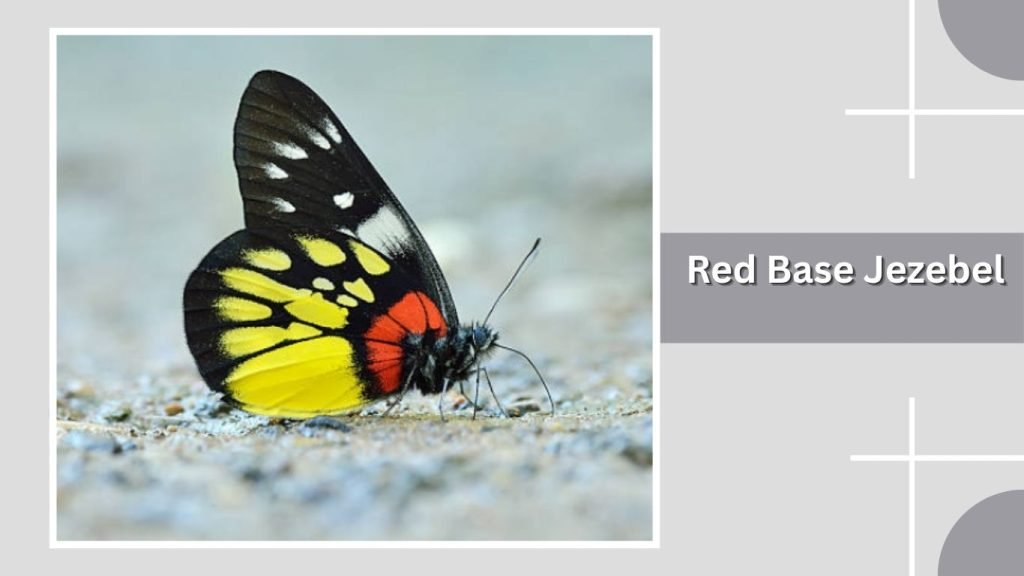
The Red Base Jezebel (Delias pasithoe) is a colorful butterfly recognized for its white upper wings and bright red and yellow underside.
Identification
- White upper wings with black veins
- Bright red and yellow underside
- Medium size
- Strong contrast in coloration
- Rounded wing edges
Habitat
This butterfly is found in forests, gardens, and hilly regions. It prefers areas with flowering plants and host trees.
Behavior
Red Base Jezebels are active during the day and often fly high among trees. They are graceful fliers and may glide between plants.
Diet
Adults feed on nectar from flowers. Caterpillars feed on parasitic plants like mistletoe, which serve as their primary host.
12. Red Rim Butterfly
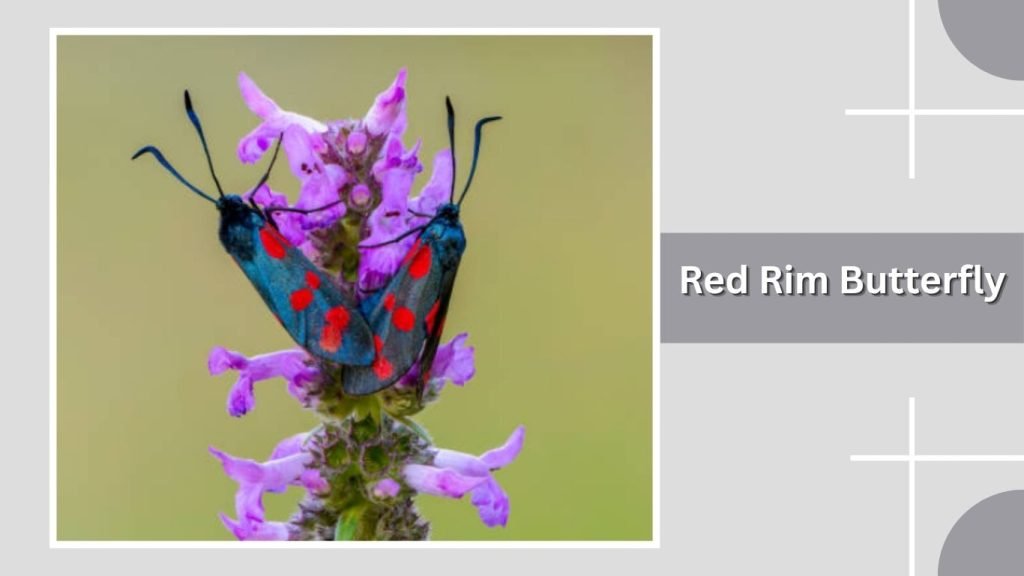
The Red Rim Butterfly is known for its dark wings edged with bright red borders, giving it a bold and elegant appearance.
Identification
- Dark wings with red outer edges
- Medium size
- Smooth, rounded wings
- Subtle inner markings
- Strong color contrast
Habitat
This butterfly is found in gardens, forests, and tropical regions. It prefers warm areas with plenty of flowering plants.
Behavior
Red Rim Butterflies are active during the day and often glide smoothly between flowers. They are generally calm and spend time basking in sunlight.
Diet
They feed on nectar from flowers such as daisies and lantana. Caterpillars rely on specific host plants for development.
13. Red Tiger Butterfly
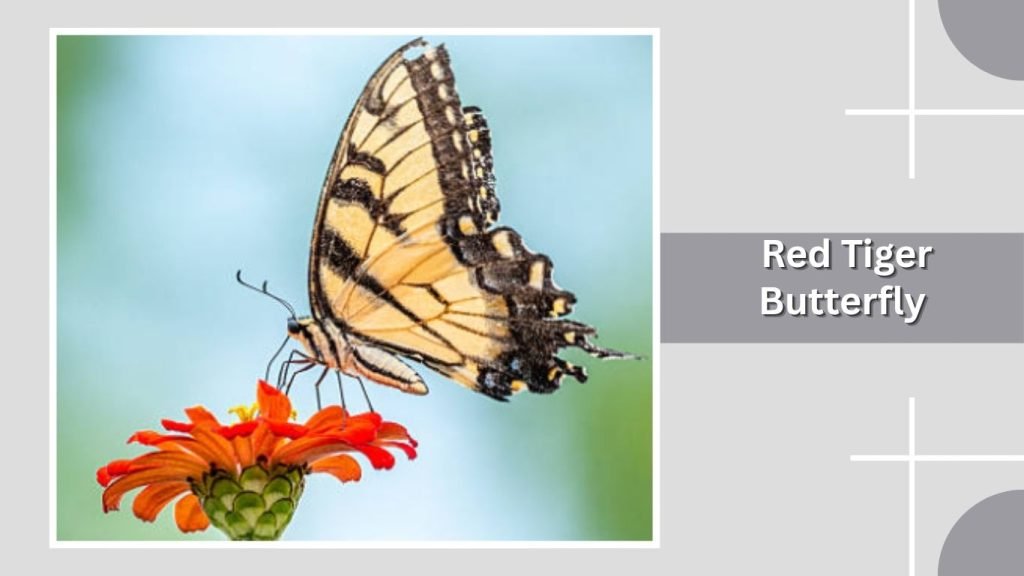
The Red Tiger Butterfly is a striking species known for its bold red and black striped or patterned wings.
Identification
- Red wings with black stripes or patterns
- Medium size
- Bright and bold coloration
- Smooth wing surface
- Rounded wing edges
Habitat
This butterfly is commonly found in gardens, forests, and open landscapes. It prefers areas with abundant nectar sources.
Behavior
Red Tiger Butterflies are active during the day and are often seen flying from flower to flower. They are strong fliers and may cover short distances quickly.
Diet
Adults feed on nectar from flowering plants. Caterpillars depend on host plants for growth, typically feeding on leafy vegetation.
14. Red Tip Butterfly
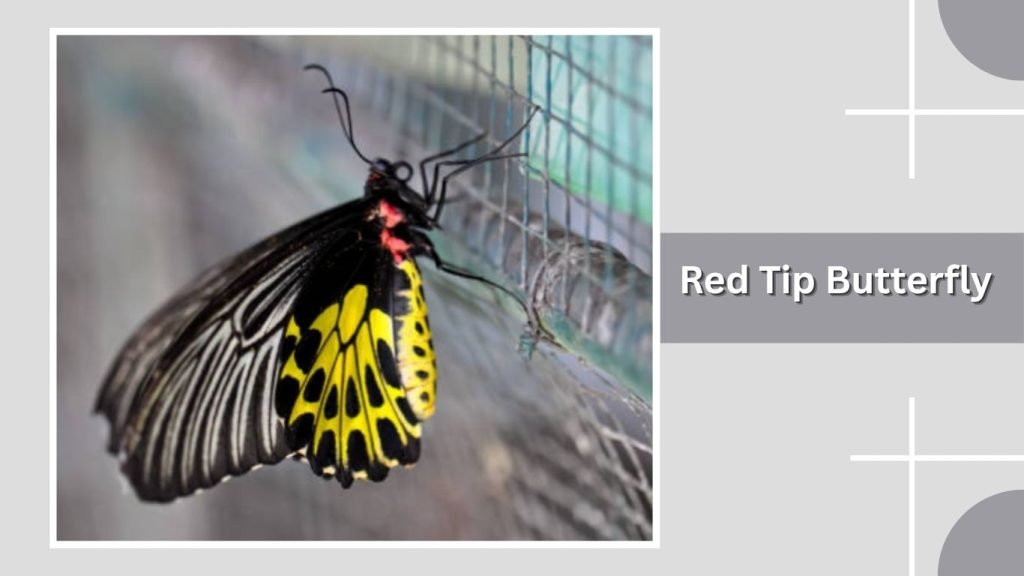
The Red Tip Butterfly is a small and delicate species known for the reddish or orange tips on its wings, giving it a subtle but attractive appearance.
Identification
- White wings with red or orange tips
- Small size
- Light and delicate wing structure
- Simple, clean pattern
- Pale underside
Habitat
This butterfly is commonly found in gardens, fields, and open grassy areas. It prefers environments with wildflowers and low vegetation.
Behavior
Red Tip Butterflies are active during the day and are often seen fluttering gently between flowers. They are light fliers and tend to stay close to the ground.
Diet
Adults feed on nectar from small flowers such as daisies and wildflowers. Caterpillars feed on host plants like mustard and related species.
15. Red-bordered Pixie
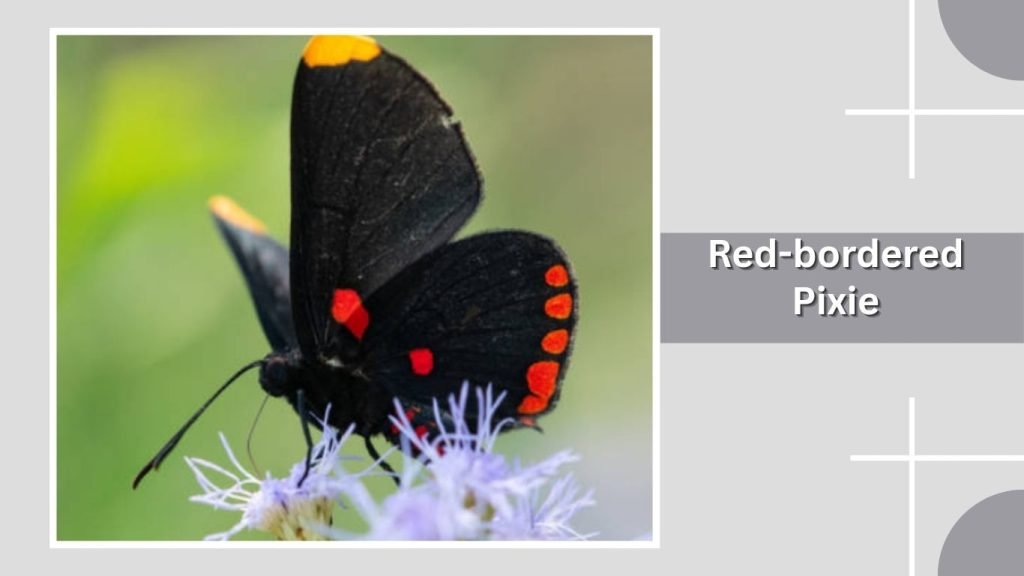
The Red-bordered Pixie is a small butterfly known for its delicate wings edged with reddish coloration, giving it a soft and charming look.
Identification
- Light-colored wings with red borders
- Small and slender body
- Smooth, delicate wings
- Subtle patterning
- Graceful appearance
Habitat
This butterfly is found in gardens, meadows, and open areas. It prefers warm environments with plenty of flowering plants.
Behavior
Red-bordered Pixies are active during the day and move lightly between flowers. They are gentle and not highly territorial.
Diet
They feed on nectar from small flowering plants. Caterpillars rely on specific host plants, usually low-growing vegetation.
