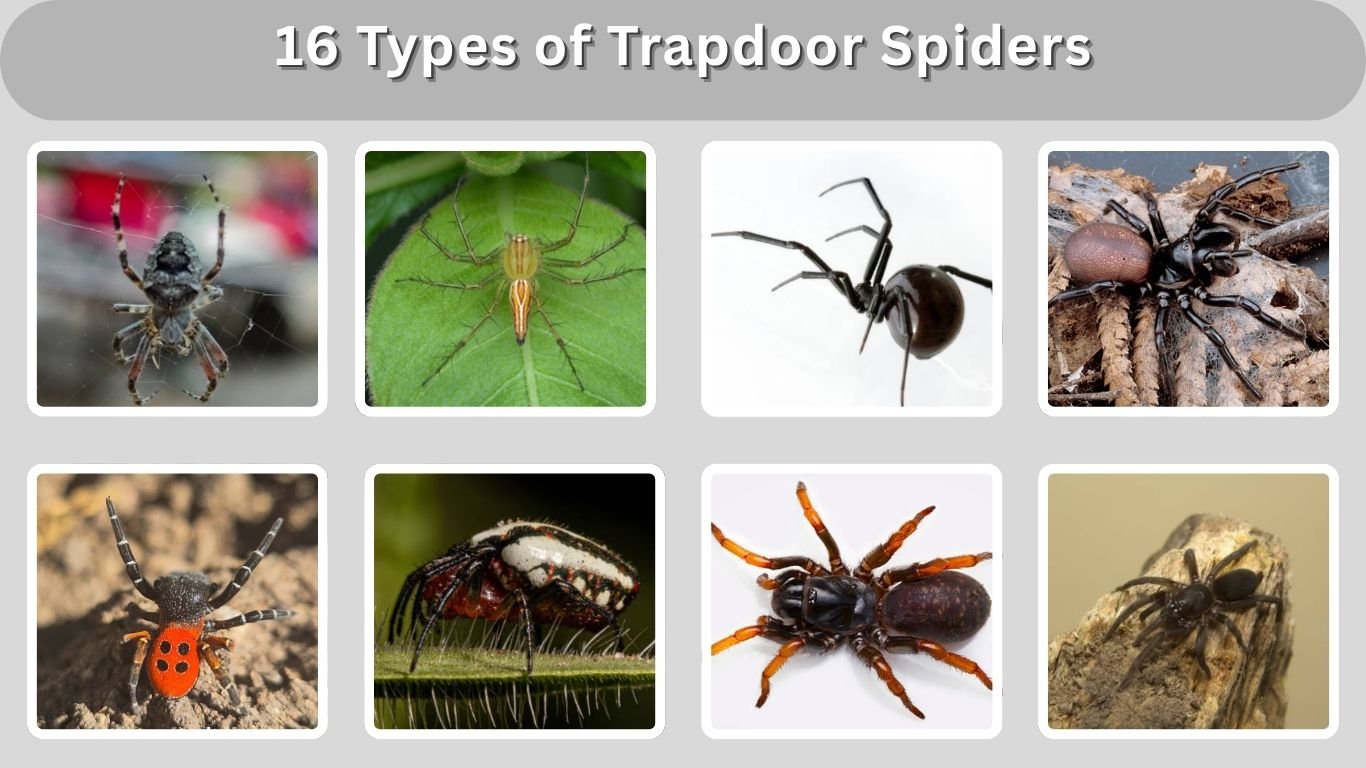
Trapdoor spiders are fascinating ground-dwelling arachnids known for their unique burrows with hidden “trapdoors.” These spiders spend most of their lives underground, using stealth and patience to ambush prey that passes by their concealed entrances.
In this list, you’ll explore 20 different types of trapdoor spiders, each with distinct characteristics, habitats, and behaviors. From forest-dwelling species to desert-adapted hunters, these spiders showcase incredible survival strategies and diversity within the arachnid world.
1. Brown Trapdoor Spider
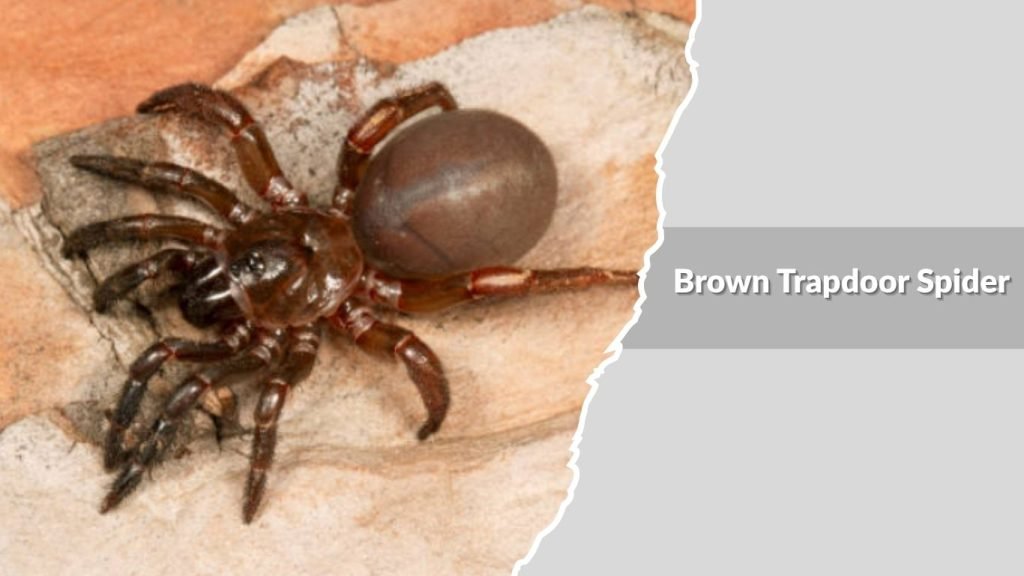
The Brown Trapdoor Spider is a ground-dwelling spider known for its secretive lifestyle and well-camouflaged burrow entrance. It is commonly found in various regions with suitable soil for digging.
Identification
- Brown, earthy-colored body for camouflage
- Robust build with strong legs
- Large fangs adapted for digging and hunting
- Hairy body with a slightly glossy appearance
Habitat
Brown Trapdoor Spiders live in burrows in soil, often in forests, grasslands, and gardens. They create silk-lined tunnels with a hidden “trapdoor” made from soil and silk.
Behavior
These spiders are ambush predators. They wait inside their burrow and quickly grab passing prey. They are highly secretive and rarely seen outside their tunnels.
Venom
Their venom is not considered dangerous to humans. Bites are rare and usually result in mild pain and swelling.
2. Sydney Brown Trapdoor Spider
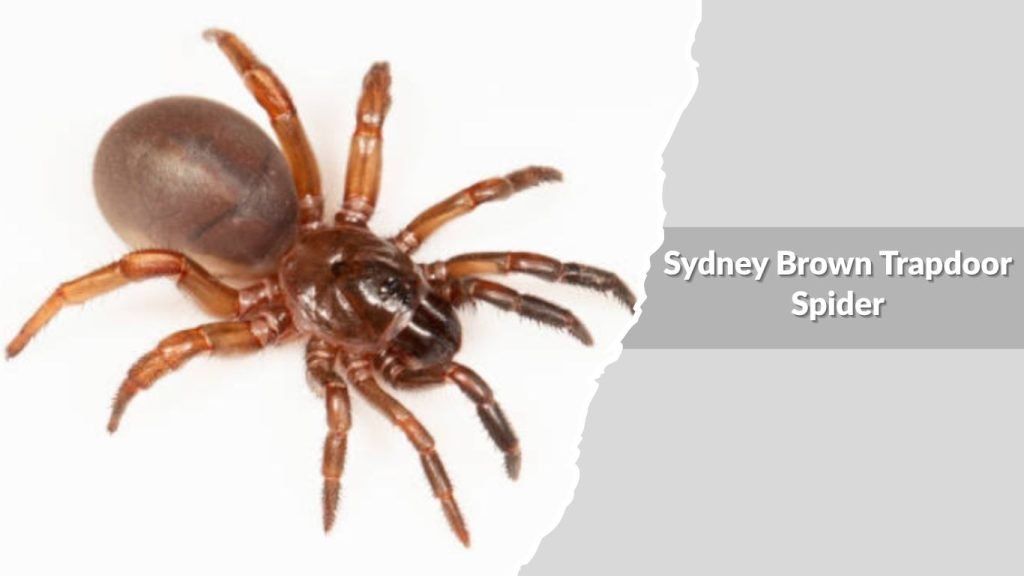
The Sydney Brown Trapdoor Spider is a burrowing spider commonly found in parts of Australia. It is known for its strong build and hidden underground lifestyle.
Identification
- Dark brown to black body
- Stout, muscular legs
- Large, downward-pointing fangs
- Hairy body with a solid appearance
Habitat
This spider lives in moist soil, often in gardens, forests, and suburban areas. It builds silk-lined burrows with concealed entrances.
Behavior
Sydney Brown Trapdoor Spiders are ambush hunters that stay inside their burrows. They detect vibrations and quickly capture prey that passes nearby.
Venom
Their venom is not highly dangerous to humans, though bites can cause pain and swelling. Medical attention is advised if symptoms worsen.
3. Wishbone Spider
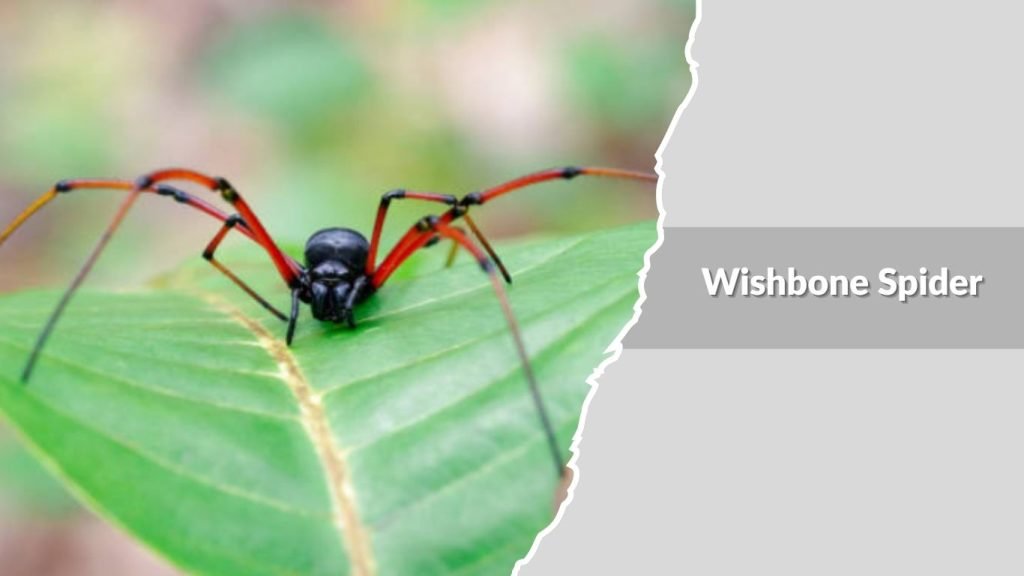
The Wishbone Spider is named after the distinctive Y-shaped entrance of its burrow. It is a primitive spider found in various regions, especially in the Southern Hemisphere.
Identification
- Brown to dark-colored body
- Strong legs adapted for digging
- Large jaws (chelicerae)
- Characteristic Y-shaped burrow opening
Habitat
Wishbone Spiders live in soil burrows, often in forests, gardens, and grasslands. Their burrows are well-hidden and reinforced with silk.
Behavior
They are ambush predators that wait inside their burrows for prey. They rarely leave their tunnels and rely on vibrations to detect movement.
Venom
Their venom is mild and not dangerous to humans. Bites are uncommon and typically cause only minor irritation.
4. Cork-lid Trapdoor Spider
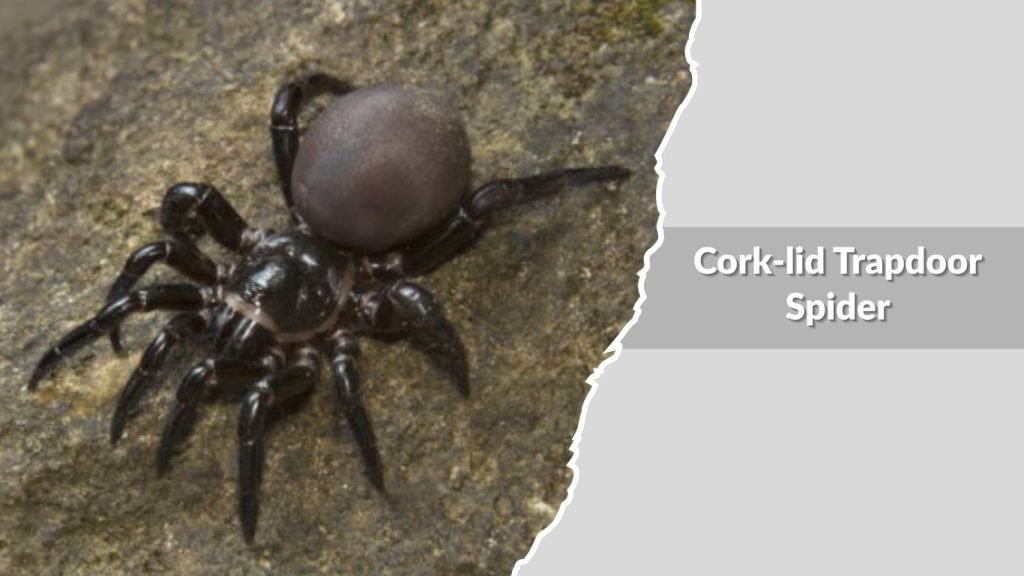
The Cork-lid Trapdoor Spider is named for its thick, tightly sealed burrow door that resembles a cork. This spider is a master of camouflage and spends most of its life hidden underground.
Identification
- Dark brown to black body with a sturdy, compact shape
- Thick legs with strong claws for digging
- Large, powerful fangs used for both hunting and defense
- Burrow entrance covered with a thick, round “cork-like” lid made of soil and silk
Habitat
Cork-lid Trapdoor Spiders are commonly found in dry forests, scrublands, and grassy areas. They prefer firm soil where they can construct deep, silk-lined burrows. The lid of the burrow blends perfectly with the surrounding ground, making it almost invisible to predators and prey.
Behavior
These spiders are highly sedentary and rarely leave their burrows. They wait just beneath the lid, holding it shut with their legs. When prey walks nearby, they quickly open the lid, grab the prey, and retreat inside. This ambush strategy makes them very efficient hunters.
Venom
Their venom is not considered medically significant to humans. Bites are rare due to their reclusive nature, but if they occur, they may cause localized pain, mild swelling, and temporary discomfort.
5. Folding-door Trapdoor Spider
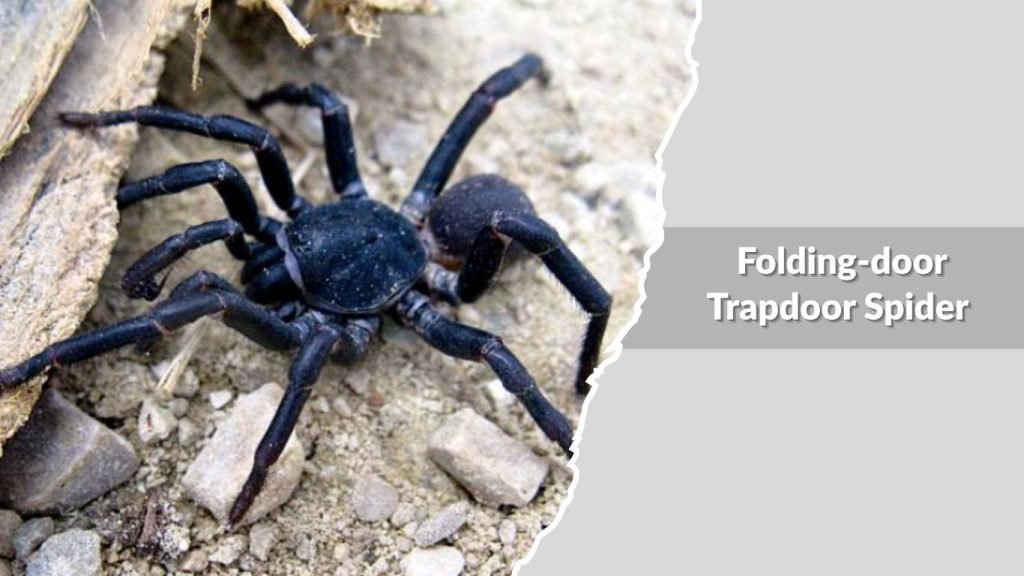
The Folding-door Trapdoor Spider is known for its flexible burrow entrance, which opens like a hinged flap. This design allows quick access for capturing prey while maintaining strong protection.
Identification
- Brown to dark brown body with a slightly elongated abdomen
- Strong, hairy legs adapted for digging and holding the door
- Medium to large size compared to other burrowing spiders
- Burrow entrance with a thin, flexible door that folds back easily
Habitat
These spiders inhabit forests, grasslands, and sometimes garden soils. They prefer loose to moderately firm soil where they can build silk-lined burrows with a well-fitted folding door that blends into the surroundings.
Behavior
Folding-door Trapdoor Spiders are ambush predators that remain just inside their burrow entrance. They use sensitive hairs to detect vibrations and react instantly when prey approaches. Unlike cork-lid species, their door is lighter and allows quicker movement.
Venom
Their venom is mild and not dangerous to humans. Bites are uncommon and usually result in slight pain, redness, and minor swelling that fades within a short time.
6. Armoured Trapdoor Spider
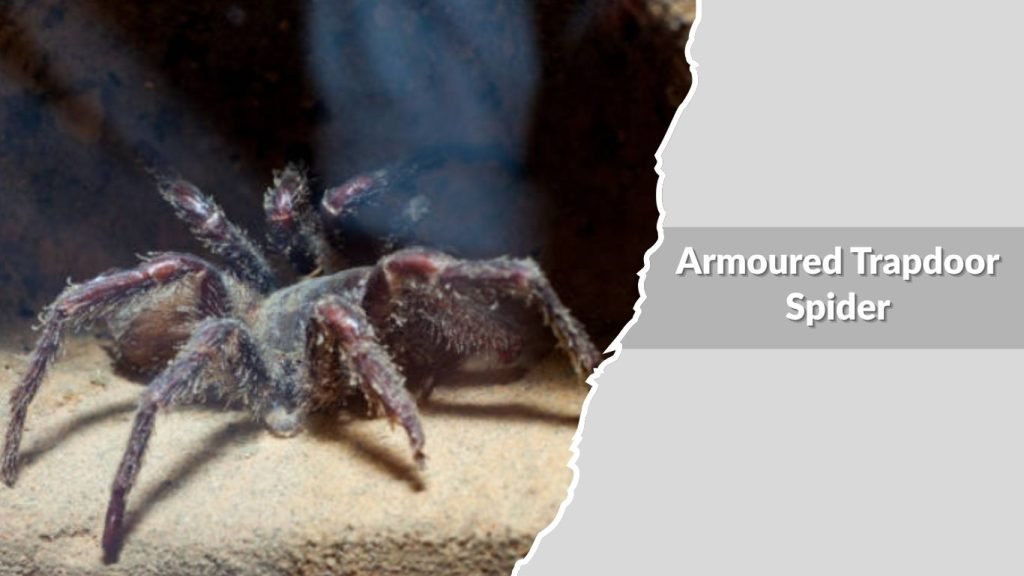
The Armoured Trapdoor Spider is known for its tough, heavily built body and strong burrow defenses. Its name comes from its hardened appearance, which provides protection against predators.
Identification
- Thick, dark brown to black body with a robust, “armoured” look
- Short, powerful legs built for digging
- Large fangs and strong jaws
- Hard exoskeleton compared to other trapdoor spiders
Habitat
These spiders are found in forests, woodlands, and grasslands. They dig deep, silk-lined burrows in firm soil, often hidden beneath leaf litter or debris.
Behavior
Armoured Trapdoor Spiders are highly defensive and rarely leave their burrows. They wait near the entrance and ambush prey using speed and strength. Their tough body helps them resist attacks from predators.
Venom
Their venom is not considered dangerous to humans. Bites are rare but may cause moderate pain and localized swelling.
7. Tree Trapdoor Spider
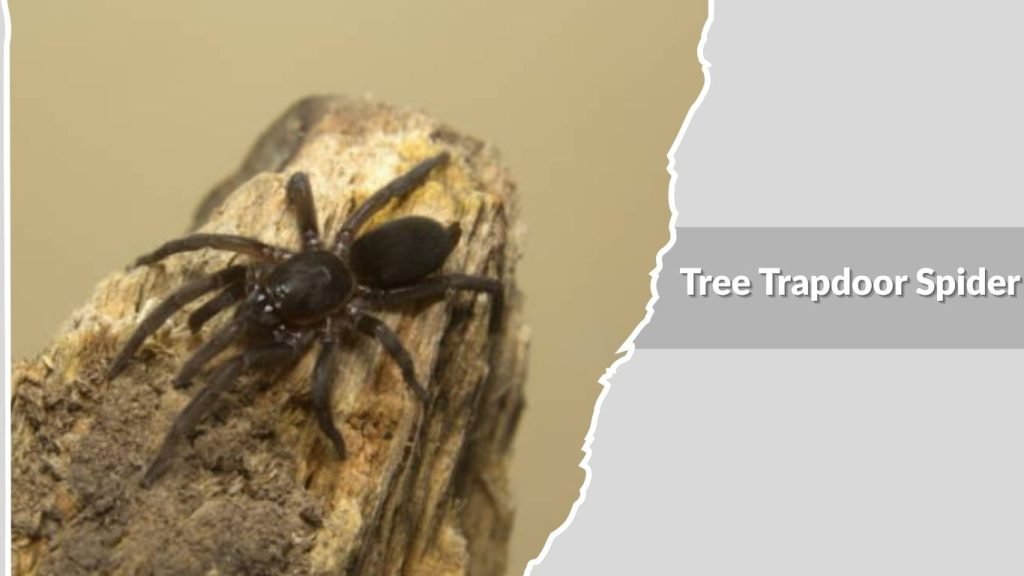
The Tree Trapdoor Spider is unique among trapdoor spiders because it builds its burrow in tree bark rather than soil. It is well adapted to an arboreal lifestyle.
Identification
- Brown to dark-colored body that blends with tree bark
- Flattened body shape for living in narrow spaces
- Strong legs for climbing and gripping surfaces
- Camouflaged silk door on tree bark
Habitat
These spiders live on tree trunks, especially in forests and wooded areas. They create silk-lined burrows within cracks or crevices in bark, with a hidden door covering the entrance.
Behavior
Tree Trapdoor Spiders remain hidden in their bark burrows and wait for prey to pass by. They rely on camouflage and quick reflexes to capture insects on tree surfaces.
Venom
Their venom is mild and not harmful to humans. Bites are extremely rare and usually result in minor irritation only.
8. Tube Trapdoor Spider
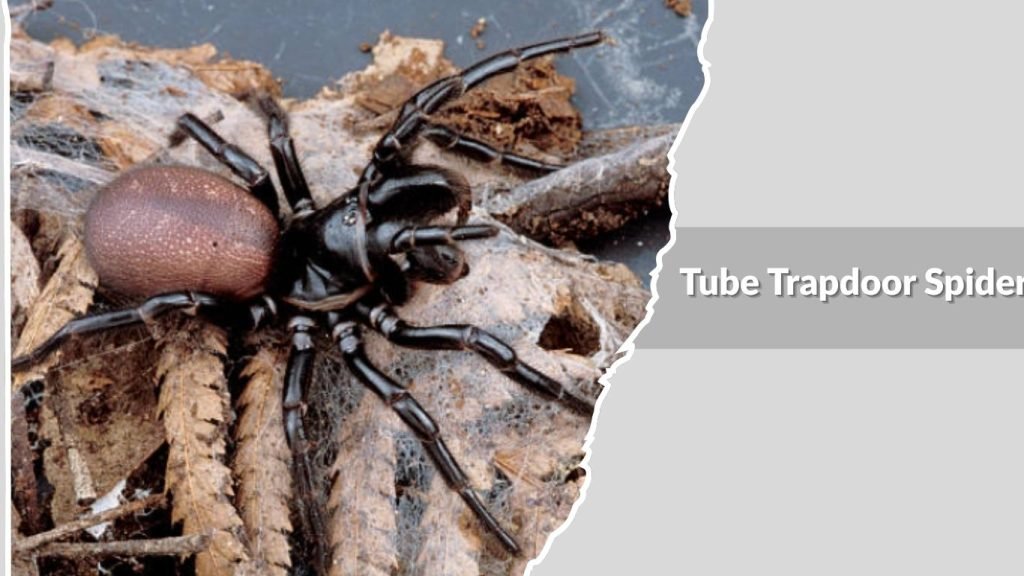
The Tube Trapdoor Spider is known for its elongated, silk-lined burrow that functions like a protective tube. It spends most of its life hidden inside this structure.
Identification
- Dark brown to black body with a cylindrical appearance
- Medium-sized with strong, digging legs
- Hairy body adapted to underground living
- Long, tube-shaped burrow instead of a simple chamber
Habitat
These spiders are commonly found in soil-rich environments such as forests, grasslands, and gardens. They build deep, silk-lined tube burrows in the ground, often hidden among vegetation or debris.
Behavior
Tube Trapdoor Spiders are ambush predators that remain inside their burrows. They sense vibrations and quickly grab prey that comes close to the entrance, pulling it inside the tube.
Venom
Their venom is mild and not considered dangerous to humans. Bites are rare and usually cause only slight pain and swelling.
9. Brush-footed Trapdoor Spider
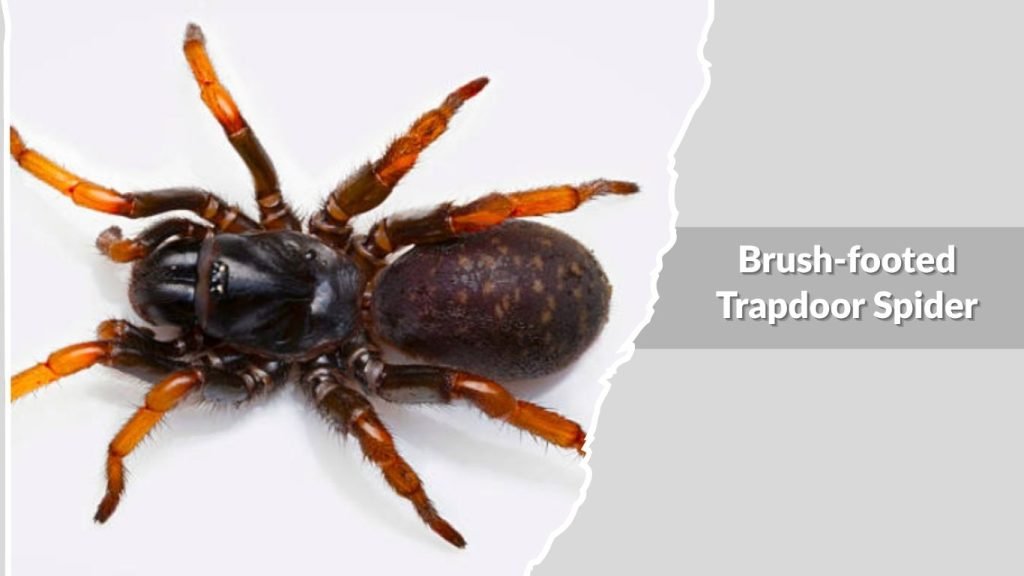
The Brush-footed Trapdoor Spider gets its name from the dense, brush-like hairs on its legs, which help in digging and sensing vibrations.
Identification
- Dark-colored body with noticeable dense hairs on legs
- Sturdy build with strong front legs
- Medium size with a slightly rounded abdomen
- Hairy “brush-like” structures on feet
Habitat
These spiders live in soil burrows in forests, grasslands, and sometimes gardens. Their burrows are silk-lined and often hidden under leaves or natural debris.
Behavior
Brush-footed Trapdoor Spiders are highly secretive and rarely seen. They stay inside their burrows, waiting for prey and using their sensitive leg hairs to detect movement.
Venom
Their venom is not harmful to humans. Bites are uncommon and typically cause mild, short-lived irritation.
10. Southern Black Widow
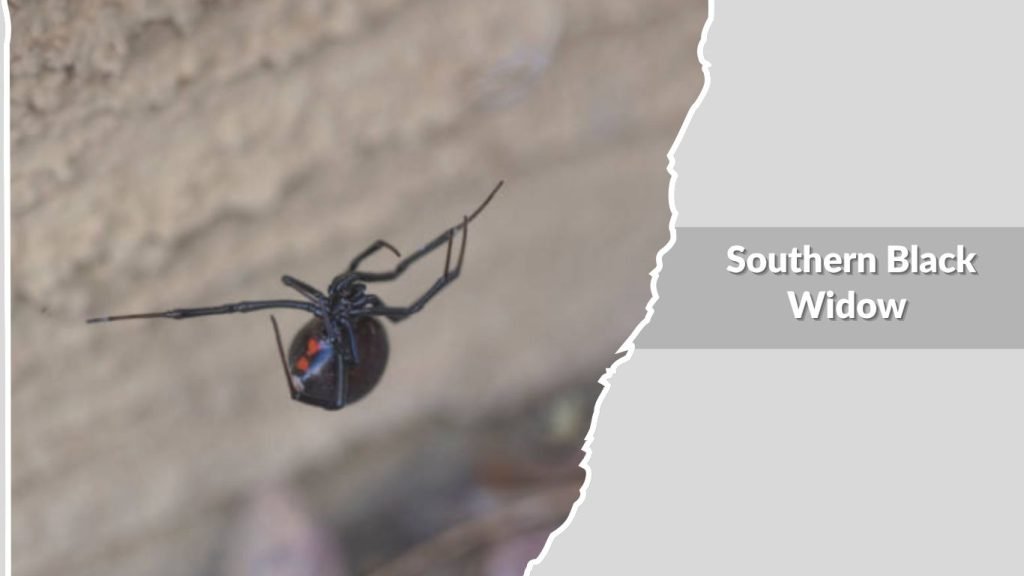
The Southern Black Widow is a well-known venomous spider found mainly in the southeastern United States. It is recognized for its glossy black body and distinctive red hourglass marking.
Identification
- Shiny black body with a bright red hourglass on the underside
- Females are significantly larger than males
- Rounded abdomen with long, slender legs
- Juveniles may have additional red or white markings
Habitat
This spider prefers warm, sheltered areas such as woodpiles, sheds, garages, and outdoor structures. It often builds webs close to the ground in undisturbed locations.
Behavior
Southern Black Widows are shy and avoid human contact. They stay in their webs and wait for prey, feeding mainly on insects. Bites usually occur only when they are accidentally disturbed.
Venom
Their venom is potent and neurotoxic, causing pain, muscle cramps, and other symptoms. Medical attention is recommended if bitten, especially for vulnerable individuals.
11. Northern Black Widow
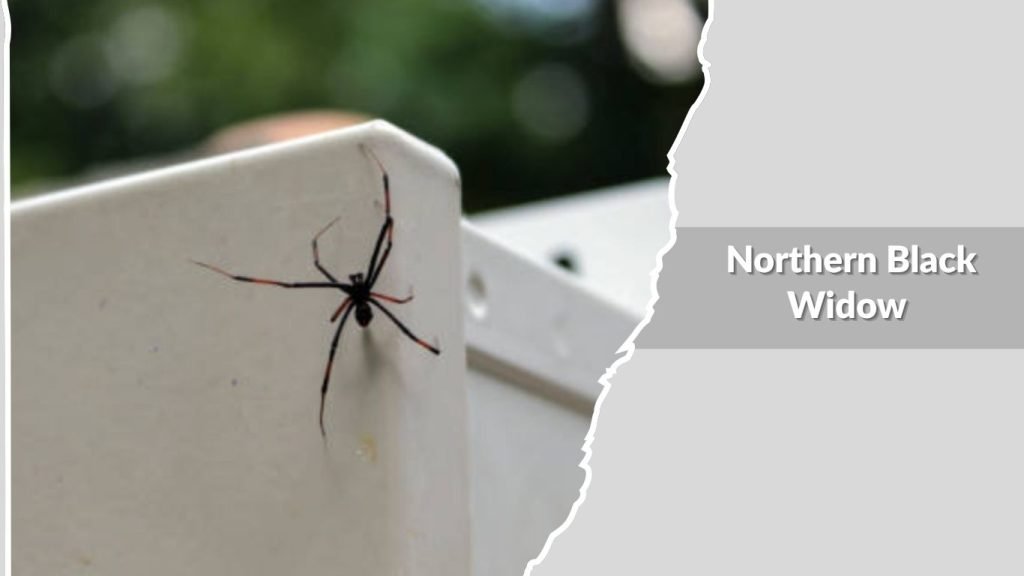
The Northern Black Widow is another venomous species found in parts of North America. It is similar in appearance to other black widows but has slight differences in markings.
Identification
- Black body with a red or orange hourglass marking underneath
- May have red spots along the top of the abdomen
- Females are larger and more prominent than males
- Smooth, glossy appearance
Habitat
They are commonly found in forests, woodpiles, stumps, and occasionally around buildings. They prefer quiet, undisturbed environments.
Behavior
Northern Black Widows are non-aggressive and spend most of their time in their webs. They capture insects and rarely leave their web unless necessary.
Venom
Their venom is similar to other black widows and can cause significant discomfort. While serious symptoms can occur, fatalities are rare with proper medical care.
12. Western Black Widow
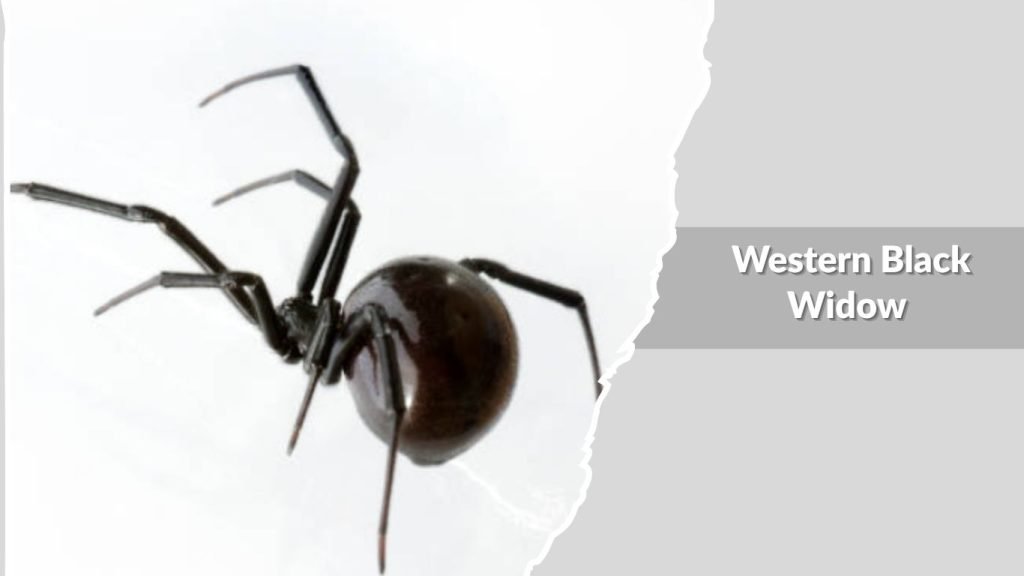
The Western Black Widow is a venomous spider commonly found in western regions of North America. It closely resembles other black widow species with its shiny black body and red marking.
Identification
- Glossy black body with a red hourglass shape on the underside
- Large, rounded abdomen
- Females are larger and more noticeable than males
- Long, slender legs
Habitat
They prefer dry, sheltered places such as garages, sheds, woodpiles, and outdoor debris. They are often found near human dwellings in quiet, undisturbed areas.
Behavior
Western Black Widows are shy and tend to stay hidden in their webs. They feed on insects and only bite when threatened or disturbed.
Venom
Their venom is neurotoxic and can cause pain, muscle stiffness, and other symptoms. Medical attention is advised if a bite occurs.
13. Red-marked Orb Weaver
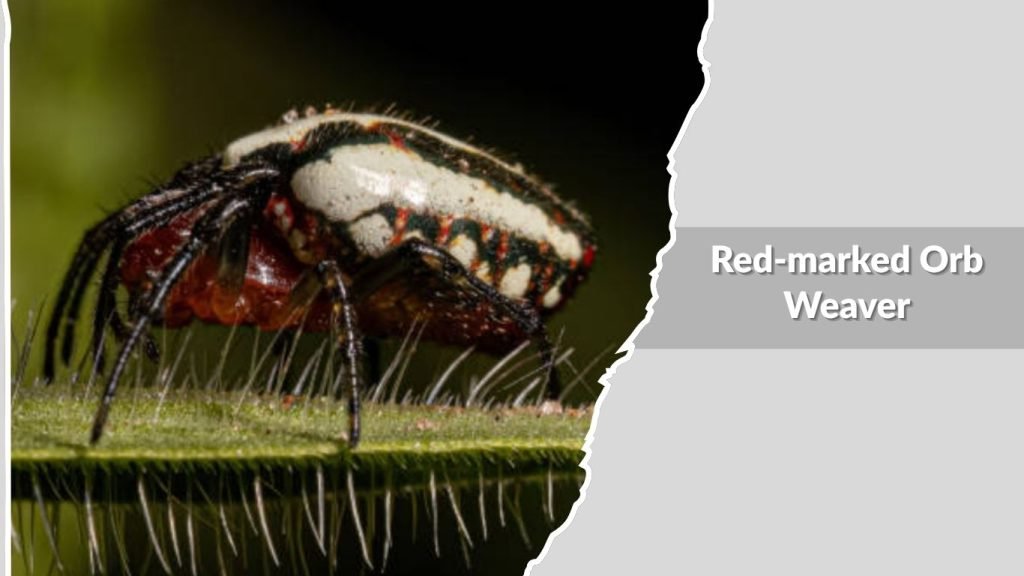
The Red-marked Orb Weaver is a visually striking spider known for its patterned body and circular web design. It is found in various regions, especially in gardens and forests.
Identification
- Black or dark body with red or orange markings
- Rounded abdomen with noticeable patterns
- Medium-sized with relatively long legs
- Builds classic circular (orb-shaped) webs
Habitat
These spiders are commonly found in gardens, forests, and areas with vegetation. They build their webs between branches, plants, or structures where insects are abundant.
Behavior
Red-marked Orb Weavers are generally harmless and spend most of their time in their webs. They are more active at night and rebuild their webs regularly.
Venom
Their venom is not dangerous to humans. Bites are rare and usually result in mild irritation or no noticeable symptoms.
14. Red-striped Lynx Spider
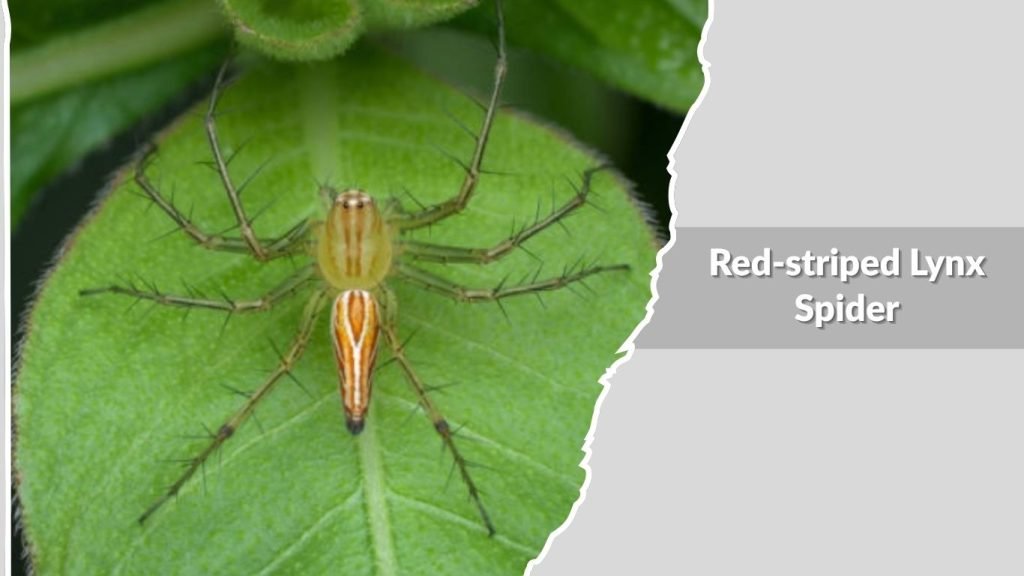
The Red-striped Lynx Spider is a fast-moving hunting spider known for its sharp vision and slender body. It is commonly found in warm regions, especially in grassy and bushy areas.
Identification
- Slender body with reddish stripes along the sides
- Long, spiny legs adapted for quick movement
- Light brown to black coloration with red markings
- Medium-sized and agile appearance
Habitat
These spiders live in grasslands, shrubs, and agricultural fields. They prefer areas with plenty of vegetation where they can easily hunt prey.
Behavior
Red-striped Lynx Spiders are active hunters and do not rely on webs. They stalk and leap onto insects, using speed and precision to capture prey.
Venom
Their venom is not harmful to humans. Bites are rare and typically cause only mild, temporary discomfort.
15. Black and Red Tarantula
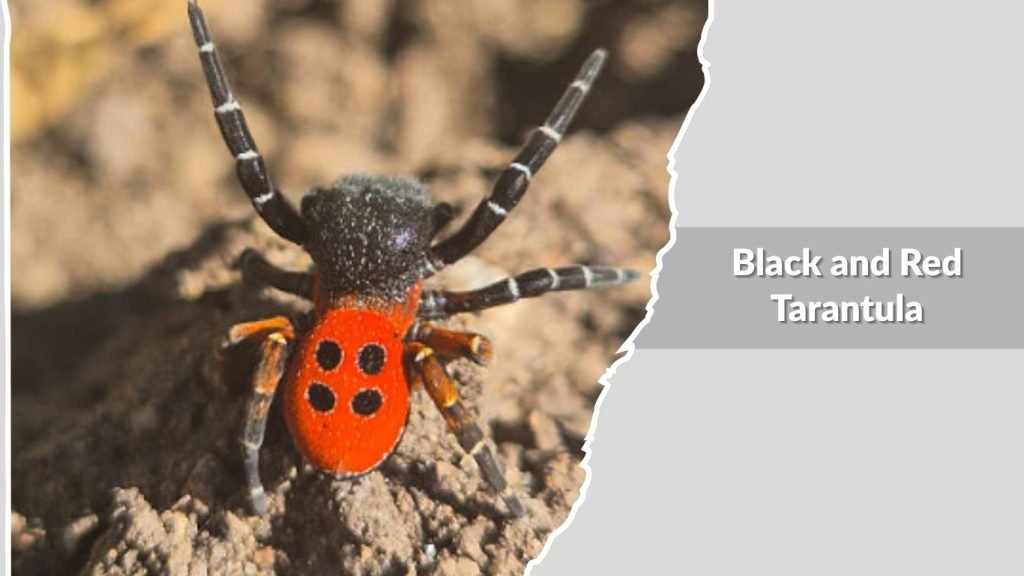
The Black and Red Tarantula is a large, ground-dwelling spider admired for its bold coloration and hairy body. It is found in tropical and subtropical regions.
Identification
- Large, hairy black body with red or reddish hairs on legs or abdomen
- Thick legs and robust build
- Prominent fangs (chelicerae)
- Slow-moving but powerful appearance
Habitat
These tarantulas prefer burrows in soil, often in forests, deserts, or grasslands. They create silk-lined shelters under rocks or in the ground.
Behavior
Black and Red Tarantulas are generally calm and defensive rather than aggressive. They may flick irritating hairs when threatened and usually hunt at night.
Venom
Their venom is mild to humans, similar to a bee sting. While not dangerous, bites can cause pain and irritation, and handling should be avoided.
16. Black and Red Spider (Generic Orb-weaver Type)
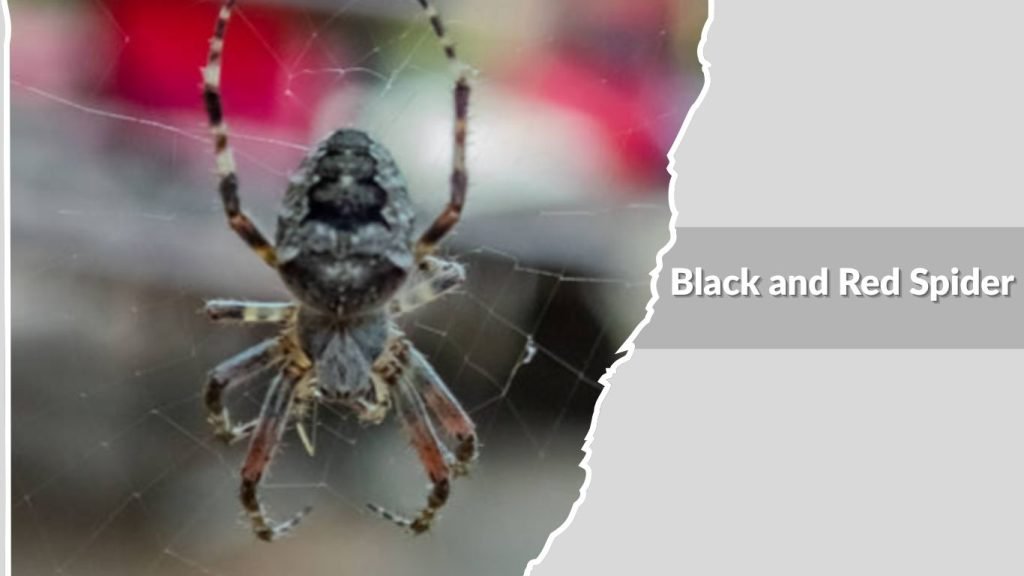
The Black and Red Spider (often referring to various orb-weaver species) is known for its striking color combination and beautifully structured webs. These spiders are commonly found in gardens and forests around the world.
Identification
- Dark black body with red or reddish-orange markings
- Rounded abdomen with visible patterns
- Medium-sized with long legs
- Builds large, circular orb webs
Habitat
These spiders are typically found in gardens, forests, and near vegetation. They prefer areas where they can anchor their webs between branches, plants, or structures.
Behavior
They are non-aggressive and spend most of their time sitting in the center of their webs. They are more active at night and rebuild their webs regularly to maintain effectiveness.
Venom
Their venom is harmless to humans. Bites are extremely rare and usually cause little to no noticeable effects.