
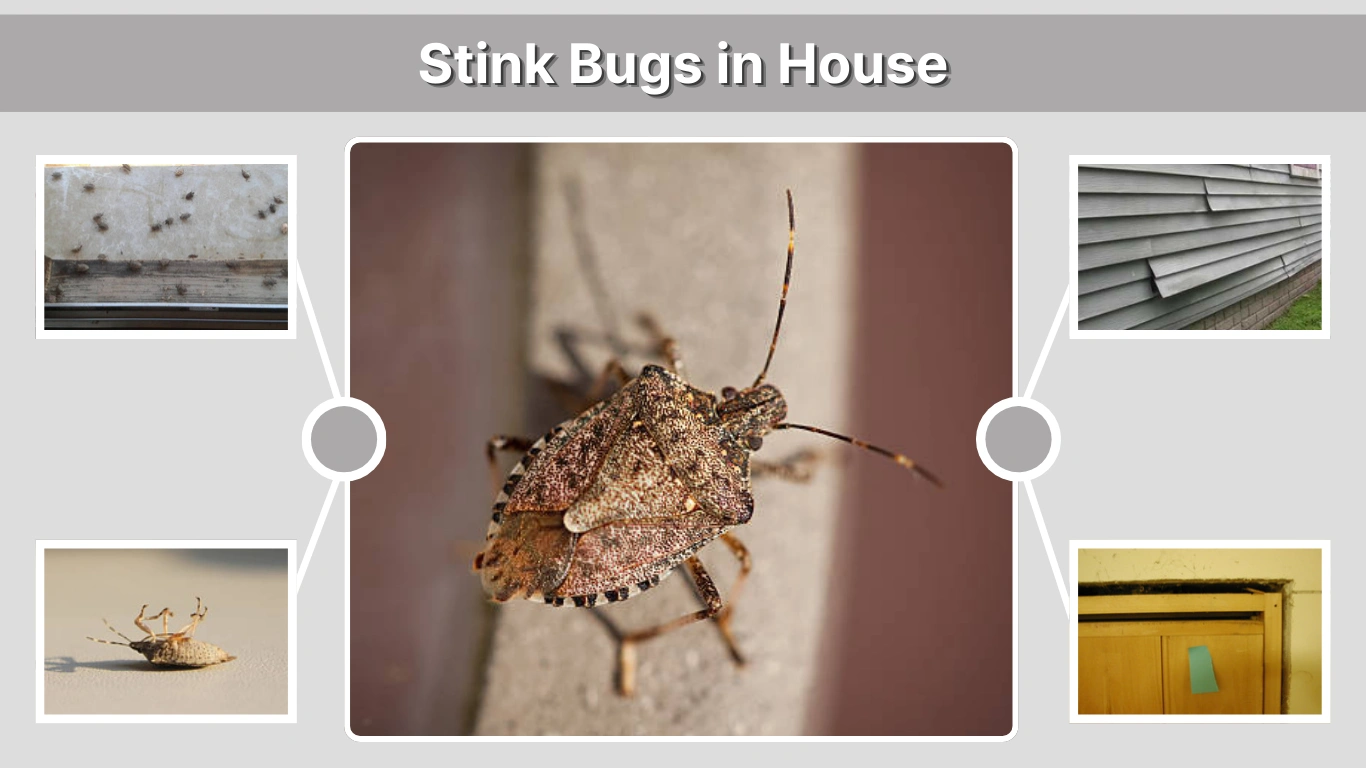
Finding stink bugs crawling on walls, windows, or curtains can be frustrating, especially when they seem to appear out of nowhere. These shield-shaped insects are common household invaders, particularly during cooler months when they seek warmth and shelter indoors. While stink bugs are not dangerous, their strong odor and sudden presence can make them an unwelcome guest in any home. Understanding why stink bugs enter houses, how they behave indoors, and whether they pose any real risk is the first step toward dealing with them effectively. This article explains the causes, seasonal patterns, and early solutions to help you manage stink bugs in your house.
Why Are Stink Bugs in My House?
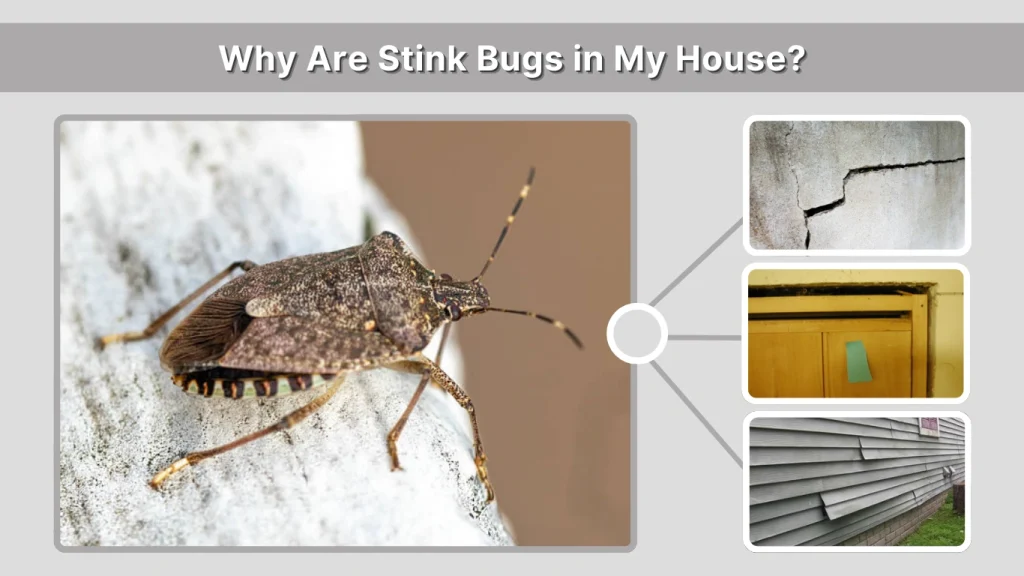
Stink bugs typically enter homes for one simple reason: survival. As outdoor temperatures drop, especially in late fall, stink bugs begin searching for warm, protected places to overwinter. Houses provide ideal shelter, offering stable temperatures and plenty of hiding spots.
Unlike insects that actively infest homes for food or nesting, stink bugs usually enter by accident. They do not reproduce indoors or feed on household materials. Instead, they are trying to escape cold weather and remain dormant until spring. This is why many homeowners notice a sudden increase in stink bugs during fall and winter, even if they had no issues earlier in the year.
Stink bugs are also attracted to light and warmth. Sunny exterior walls, windows, and doors often draw them in, particularly during the afternoon. Once they find small openings, they can easily slip inside and remain hidden for long periods.
How Stink Bugs Enter Homes
Stink bugs do not need large openings to get indoors. Common entry points include:
- Cracks in walls or foundations
- Gaps around windows and door frames
- Attics, chimneys, and roof vents
- Loose siding or damaged screens
Even well-maintained homes can provide access points, especially older buildings or houses without proper sealing. Once inside, stink bugs often gather in quiet areas such as attics, basements, or behind furniture.
What Do Stink Bugs Look Like Indoors?
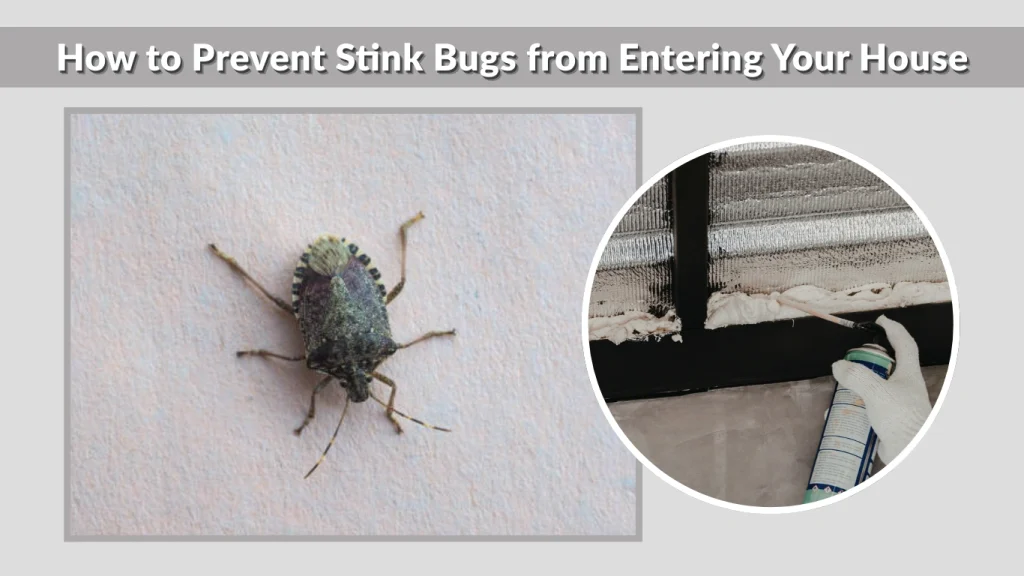
The most common species found inside homes is the brown marmorated stink bug. These insects are typically about half an inch long and have a shield-like shape. Their color ranges from brown to gray, often with lighter bands on the antennae and edges of the body.
Indoors, stink bugs are usually slow-moving and may appear lethargic, especially during colder months. They are often mistaken for beetles or other harmless insects, but their distinct shape and tendency to release odor when disturbed make them easy to identify once you know what to look for.
Are Stink Bugs Harmful Inside the House?
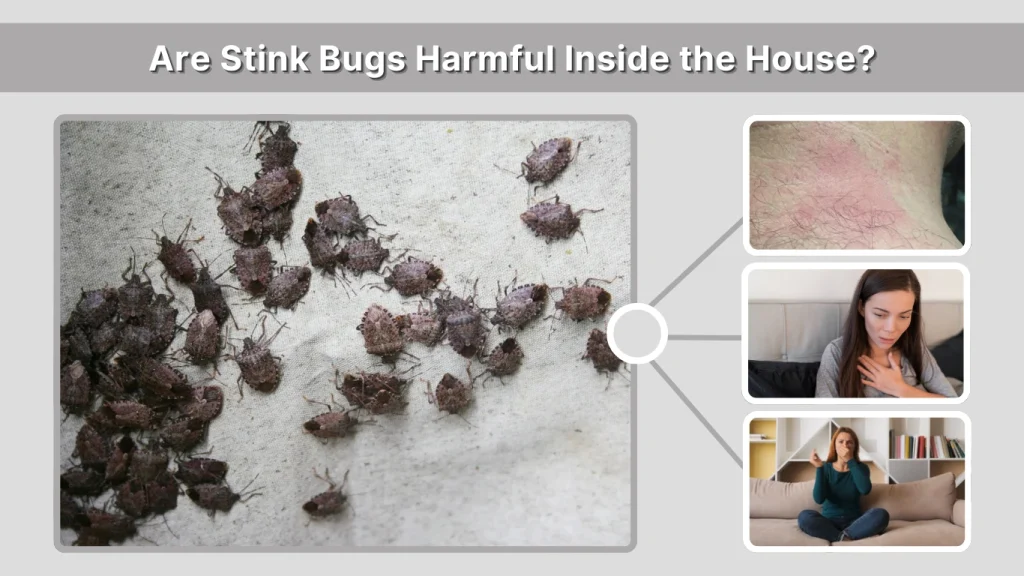
Stink bugs are considered a nuisance rather than a threat. They do not bite, sting, or spread diseases to humans. However, they can still cause discomfort in several ways.
The most noticeable issue is the strong odor they release when crushed, threatened, or handled. This smell comes from a defensive chemical that can linger on surfaces like walls, curtains, and furniture. For some people, the odor may cause nausea or headaches.
In rare cases, stink bugs can trigger allergic reactions, including skin irritation or respiratory discomfort. Pets may also react to the smell if they attempt to bite or play with them, though serious harm is unlikely.
While stink bugs do not damage homes structurally, their presence in large numbers can become stressful and unpleasant, especially if they repeatedly appear throughout the winter.
Stink Bugs in House During Winter
Winter is the most common time to find stink bugs indoors. During this season, they enter a state similar to hibernation known as diapause. While in this state, stink bugs remain hidden and inactive, conserving energy until warmer temperatures return.
On sunny winter days or when indoor heating increases, stink bugs may become active and suddenly appear on walls or near windows. This can make it seem like new bugs are entering the house, even though they were already hiding inside.
Killing stink bugs during winter often leads to the strongest odor release. This is why squashing them is not recommended. Instead, careful removal methods are more effective and less unpleasant.
How to Get Rid of Stink Bugs in House
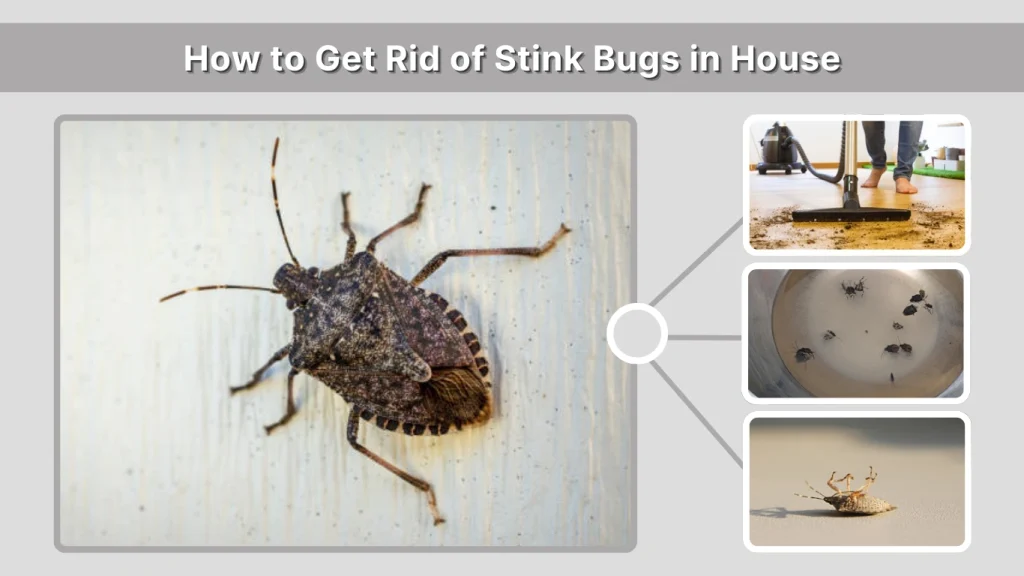
Getting rid of stink bugs requires a combination of patience and proper technique. Since they do not breed indoors, removal focuses on eliminating visible bugs and preventing further entry.
Physical Removal Methods
One of the safest ways to remove stink bugs is by vacuuming them. Using a vacuum with a disposable bag can help capture bugs without triggering odor. Afterward, the bag should be sealed and discarded outside.
Another effective method is trapping stink bugs in a container filled with soapy water. The soap breaks down their protective coating, causing them to sink and die without releasing strong smells.
Crushing stink bugs should be avoided, as this almost always results in lingering odor and may attract other stink bugs to the area.
Natural Home Remedies for Stink Bugs
Many homeowners prefer natural solutions to deal with stink bugs, especially when only a few are present. While natural remedies may not eliminate stink bugs completely, they can help reduce numbers and discourage them from lingering indoors.
A common option is a simple dish soap and water mixture. When sprayed directly on stink bugs, the soap breaks down their outer layer and kills them quickly. This method works best for individual bugs rather than large numbers. Vinegar is another popular remedy, but it should be used carefully, as it may damage painted surfaces or furniture.
Essential oils such as peppermint, clove, lavender, or eucalyptus are often used as repellents. Mixing a few drops with water and spraying around windowsills, doors, and baseboards may help deter stink bugs. However, these methods are most effective as preventive measures rather than full solutions.
Chemical and Professional Treatments
Chemical insecticides are generally not very effective against stink bugs indoors. Most sprays only kill on contact and do not prevent new bugs from emerging from hiding places. Additionally, using chemicals indoors can create health concerns, especially around children and pets.
Professional pest control services may be helpful if stink bugs appear in large numbers year after year. Pest control experts typically focus on exterior treatments, sealing entry points, and targeted applications rather than indoor spraying. This approach reduces future invasions rather than just addressing visible bugs.
What Attracts Stink Bugs to Your House?
Stink bugs are drawn to specific environmental factors around homes. Exterior lighting is one of the biggest attractions, especially bright white or fluorescent lights at night. Warm, sun-exposed walls also attract stink bugs during the day, particularly on the south and west sides of a house.
Homes located near gardens, crops, or wooded areas are more likely to experience stink bug activity. Open windows, loose siding, and unsealed gaps make it easier for them to enter once they gather near the structure.
Understanding these attractants is key to reducing future problems.
How to Prevent Stink Bugs from Entering Your House
Seal Entry Points
Prevention is the most effective way to deal with stink bugs. Sealing cracks and crevices around windows, doors, siding, and foundations can significantly reduce entry. Weather stripping and caulking are inexpensive but highly effective solutions.
Reduce Outdoor Attraction
Turning off unnecessary outdoor lights at night or switching to yellow “bug lights” can help minimize attraction. Keeping vegetation trimmed away from the house and removing debris near the foundation also reduces hiding spots.
Seasonal Prevention Tips
Fall is the best time to take preventive action. Inspect your home before temperatures drop, repair damaged screens, and seal gaps early. These steps can prevent stink bugs from settling inside for the winter.
FAQs
Why do stink bugs come into houses at night?
Stink bugs are attracted to light and warmth, which is why they often appear at night. Indoor lighting, combined with warm air escaping through windows or doors, can draw stink bugs toward homes after sunset. Once inside, they may crawl along walls or ceilings as they search for quiet hiding spots.
Can stink bugs lay eggs inside the house?
No, stink bugs do not lay eggs indoors. They enter houses only to find shelter during cold weather, not to reproduce. Egg-laying typically occurs outdoors in spring and summer on plants and vegetation, not inside living spaces.
How long do stink bugs live inside a house?
Stink bugs can survive several months indoors, especially during winter when they remain mostly inactive. They rely on stored energy rather than food and usually die or exit the house once warmer temperatures return in spring.
Do stink bugs come back every year?
Yes, stink bugs often return annually if entry points are not sealed. Homes that provide easy access, warmth, and nearby vegetation are more likely to experience repeated stink bug problems each fall and winter.
What is the safest way to remove stink bugs from a house?
The safest way to remove stink bugs is by vacuuming them or trapping them in soapy water. These methods prevent the release of odor and avoid the need for chemical sprays, making them safe for households with children and pets.
