
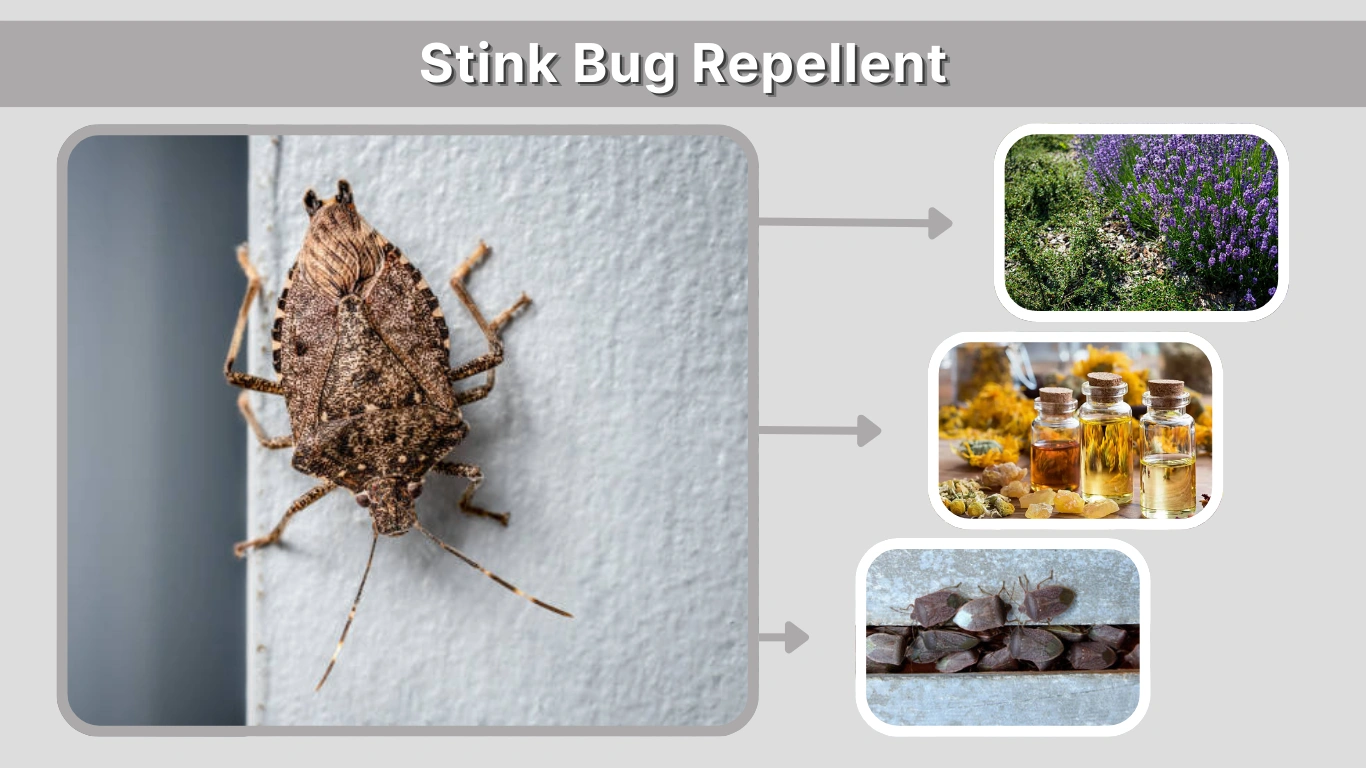
Stink bugs are one of the most frustrating household and garden pests, especially during cooler months when they invade homes in search of shelter. Their strong odor, persistent presence, and ability to sneak indoors lead many people to search for effective stink bug repellents. From natural scents and essential oils to homemade sprays and store-bought products, there are many suggested solutions. Understanding what actually repels stink bugs—and what doesn’t—helps you choose methods that work without wasting time or money.
Do Stink Bug Repellents Actually Work?
Stink bug repellents can work, but results are often limited and temporary. Unlike insects such as mosquitoes, stink bugs are not strongly repelled by most substances. Repellents usually discourage them from lingering in specific areas rather than eliminating them entirely.
Repelling stink bugs means making an environment less attractive through scent disruption or physical barriers. Indoor repellents focus on preventing entry and encouraging bugs to leave, while outdoor repellents aim to reduce attraction to siding, doors, and garden plants. The most effective results usually come from combining repellents with exclusion methods such as sealing cracks and reducing entry points.
What Repels Stink Bugs?
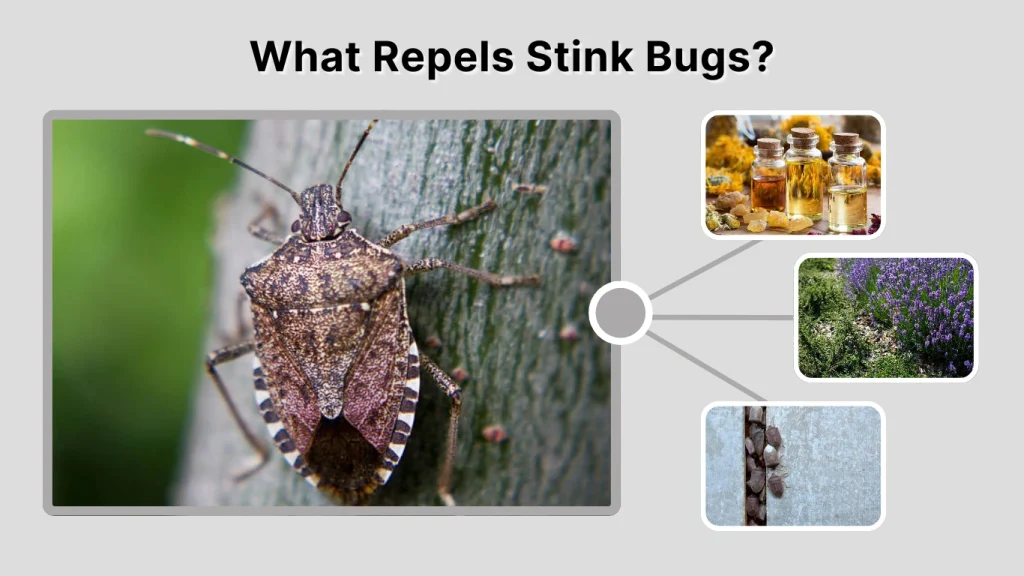
Several factors can help repel stink bugs when used correctly.
- Strong or overwhelming scents
- Essential oils with intense aromas
- Certain plants and herbs
- Physical barriers and sealing gaps
- Some commercial stink bug repellent sprays
No single repellent works in every situation, but combining multiple approaches improves success.
Natural Stink Bug Repellents
Natural repellents are popular because they are easy to use, low in toxicity, and safe for indoor spaces when applied properly.
Essential Oils That Repel Stink Bugs
Essential oils work by overwhelming a stink bug’s sensory system. While they do not kill stink bugs, they can discourage them from settling in treated areas.
Commonly used essential oils include:
- Peppermint oil
- Eucalyptus oil
- Lavender oil
- Tea tree oil
- Lemongrass oil
- Cedar oil
These oils are most effective when diluted with water and applied to window frames, doorways, baseboards, and other entry points. Reapplication is often necessary because the scent fades over time.
What Scents Repel Stink Bugs?
Stink bugs are sensitive to strong odors, especially those that interfere with their ability to detect shelter and food.
Scents that may repel stink bugs include:
- Mint and peppermint
- Clove
- Cinnamon
- Garlic
- Citrus
- Eucalyptus
These scents work best in enclosed or targeted areas rather than open outdoor spaces.
Does Peppermint Oil Repel Stink Bugs?
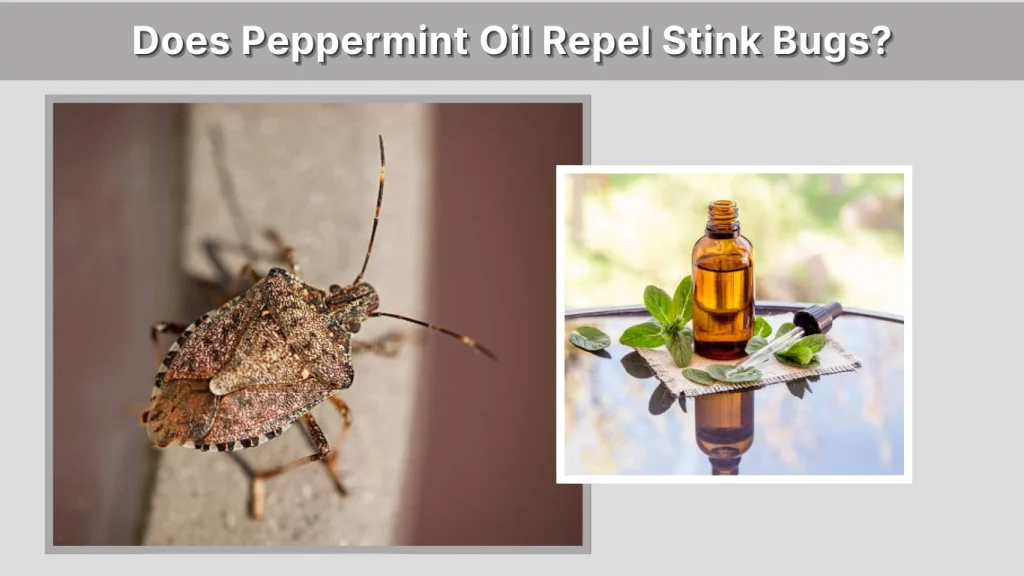
Peppermint oil is one of the most commonly recommended natural stink bug repellents. Its strong scent can discourage stink bugs from resting or entering treated areas. Peppermint oil works best when mixed with water and a mild emulsifier, such as dish soap, to help it disperse evenly.
While peppermint oil can help repel stink bugs indoors, it is not a permanent solution. The scent fades quickly, and it does not stop bugs already inside from moving around. It works best as part of a broader prevention strategy.
Homemade Stink Bug Repellent
Homemade stink bug repellents are easy to make and allow you to control the ingredients used inside your home.
DIY Essential Oil Stink Bug Spray
A basic homemade spray typically includes water, essential oils, and a small amount of dish soap to help the oil mix evenly. This type of spray can be applied to window sills, door frames, cracks, and corners where stink bugs enter.
DIY sprays are most effective when applied regularly and used alongside physical prevention methods. They are better suited for deterring entry than eliminating active infestations.
Vinegar Stink Bug Repellent
Vinegar is often suggested as a stink bug solution. While vinegar can kill stink bugs on contact, it does not function well as a repellent. The smell dissipates quickly, and it may damage surfaces if sprayed repeatedly. Vinegar is best reserved for spot treatment rather than long-term prevention.
DIY Repellent Myths
Several household items are believed to repel stink bugs, but results are inconsistent.
- Dryer sheets may provide temporary scent deterrence
- Irish Spring soap shows mixed results
- Garlic sprays have limited effectiveness
- Cinnamon water rarely produces lasting results
These methods may help slightly in small areas but should not be relied on alone.
Do Dryer Sheets Repel Stink Bugs?
Dryer sheets are often mentioned as a quick fix for stink bugs, but their effectiveness is limited. The strong fragrance may discourage stink bugs from lingering in very small, enclosed spaces such as drawers or storage bins. However, dryer sheets do not provide reliable or long-lasting protection in rooms, entryways, or outdoor areas.
Because the scent fades quickly, dryer sheets must be replaced often. They may help slightly when combined with other methods, but they should not be considered a primary stink bug repellent.
Plants That Repel Stink Bugs
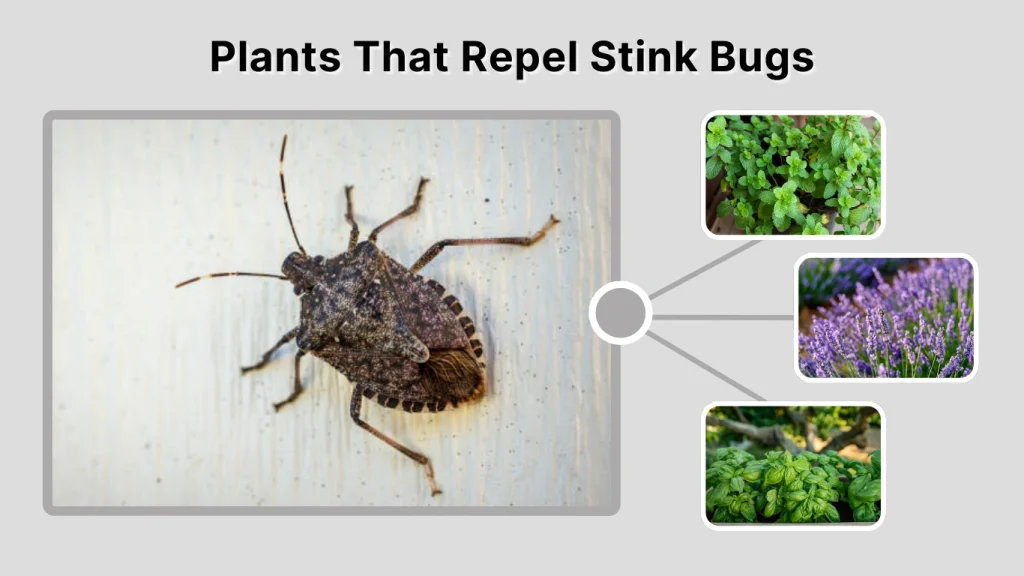
Some plants produce strong natural scents that may help deter stink bugs when placed strategically around the home or garden.
Herbs and Plants
- Mint
- Lavender
- Basil
- Marigolds
- Chrysanthemums
These plants release odors that stink bugs tend to avoid, especially when brushed or crushed.
How to Use Plants Effectively
Plants work best as a preventative measure rather than a solution to an active infestation. Growing them near doors, windows, patios, and garden borders may reduce stink bug activity. Container plants placed near entry points are often more effective than planting them deep in the yard. However, plants alone will not eliminate stink bugs and should be used alongside other control methods.
What Repels Stink Bugs Indoors?
Indoor stink bug repellents focus on discouraging entry and making interior spaces less appealing.
Essential oil sprays are among the most practical indoor options. Applying diluted oils around window frames, doorways, vents, and baseboards can help reduce stink bug activity. Sealing cracks, repairing screens, and weather-stripping doors are equally important steps.
Managing indoor lighting can also help. Stink bugs are attracted to light, especially at night, so reducing exterior lights near entry points or using yellow bulbs can decrease attraction.
What Repels Stink Bugs Outside?
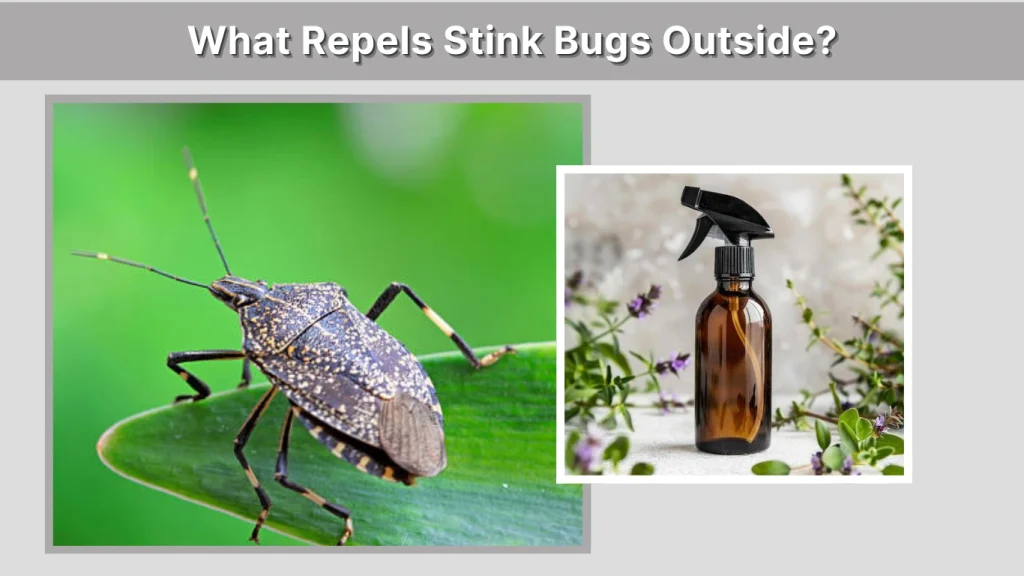
Outdoor repellents are designed to reduce attraction rather than completely repel stink bugs from the area.
Essential oil sprays can be applied to siding, door frames, and window exteriors. Garden management is also important. Removing weeds, fallen fruit, and excess plant debris reduces food sources and hiding spots. Keeping vegetation trimmed away from the house limits easy access points.
Outdoor repellents must be reapplied frequently, especially after rain, and work best when combined with structural prevention.
Best Stink Bug Repellent Products
Commercial stink bug repellents can offer convenience and longer-lasting formulations.
Commercial Stink Bug Repellents
Many store-bought repellents use essential oil blends and are labeled as natural or organic. These sprays are available in indoor and outdoor formulas and are designed to be applied directly to entry points and problem areas. While no product provides complete protection, commercial repellents may last longer than homemade sprays.
Where to Buy Stink Bug Repellent
Stink bug repellents are commonly available at home improvement stores such as Home Depot and Lowe’s, as well as garden centers and online retailers. Product availability varies by season and region.
Brown Marmorated Stink Bug Repellent
The brown marmorated stink bug is more difficult to repel than native species. It is highly persistent and more likely to invade homes in large numbers. The same repellents used for green or native stink bugs may help, but results are often limited. Preventing entry through sealing and exclusion remains the most effective strategy for this species.
What Does NOT Repel Stink Bugs?
Many commonly suggested solutions do not work and may even cause additional problems.
- Mothballs are toxic and ineffective
- Ultrasonic pest repellers show no proven results
- Citronella candles offer little deterrence
- Random household scents lack consistency
Relying on these methods often leads to continued infestations.
Best Way to Repel Stink Bugs Long-Term
The most effective way to repel stink bugs is through a combined approach. Using natural or commercial repellents alongside physical exclusion provides the best results. Sealing cracks, repairing screens, managing lighting, and reducing outdoor attractants are essential steps.
Repellents are best used as a support tool rather than a standalone solution. Consistent prevention efforts throughout the year help reduce seasonal infestations.
FAQs
Is there a stink bug repellent that really works?
Stink bug repellents can reduce activity but rarely eliminate the problem entirely. The best results come from combining repellents with sealing and prevention methods.
What smell repels stink bugs the most?
Strong scents such as peppermint, eucalyptus, clove, and lavender are commonly reported to repel stink bugs, especially in enclosed spaces.
How do you repel stink bugs naturally?
Natural methods include essential oil sprays, planting repellent herbs, sealing entry points, and reducing outdoor lighting near doors and windows.
Are natural stink bug repellents safe for pets?
Most diluted essential oil sprays are safe when used properly, but direct exposure should be avoided. Always allow treated areas to dry completely.
Can stink bugs become resistant to repellents?
Stink bugs do not become resistant in the traditional sense, but they may ignore weak or fading scents over time, making reapplication necessary.
