

Stink bugs are well known for invading homes and gardens, but many people are surprised to learn that these insects can actually fly. Their sudden buzzing, awkward airborne movements, and ability to appear in high places often lead to confusion about how well they fly and why they do it. This guide explains how stink bugs fly, which species are capable flyers, how far and fast they travel, and whether Venus flytraps can eat them.
Do Stink Bugs Fly?
Adult stink bugs are fully capable of flight, although their flying style is clumsy and noisy. When disturbed, stink bugs may suddenly lift off with a recognizable buzzing sound, which is created by their rapid wing vibrations. Their flight is not elegant or fast, but it is effective enough for escaping threats, finding food, and entering homes through small openings.
Short Answer & Basic Wing Structure
Stink bugs have two sets of wings:
- Forewings: Hardened, shield-like wings that protect the body.
- Hindwings: Flexible wings used for flight.
During rest, the wings are neatly folded underneath their shield-shaped backs. When ready to fly, stink bugs unfold these wings quickly and launch themselves into the air with a burst of buzzing motion.
Why Their Flight Seems Awkward
Stink bugs are not graceful flyers. Their bulky bodies and hard wing casings make flight less stable than that of lighter insects. The result is a flight pattern that appears slow, drifting, and unpredictable. Indoors, this clumsy behavior is even more noticeable as they bump into walls, ceilings, and lamps.
Which Stink Bugs Can Fly? (Species Breakdown)
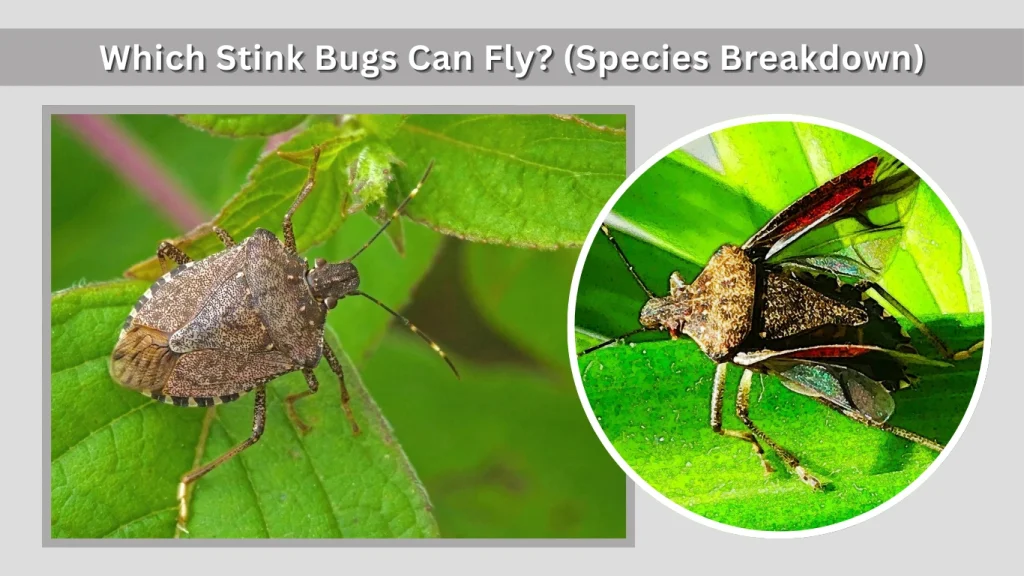
Nearly all adult stink bugs can fly, but their flight habits and strength can vary depending on the species.
Brown Marmorated Stink Bug
This is the most common species found inside homes. Brown marmorated stink bugs are strong flyers, and when temperatures warm, they often migrate by flying long distances between plants and structures. Indoors, their flight produces a loud buzzing sound, making them easy to detect.
Green Stink Bug
Green stink bugs are also capable of smooth and directed flight. They frequently move between garden plants, fruit trees, and crops. Because they are lighter in weight than brown species, their flight can appear more stable.
Black & Brown Stink Bug Species
Many darker species retain strong flight ability but may choose to fly less frequently. Their flight is functional and often used to escape predators or to move from one feeding site to another.
Can Male and Female Stink Bugs Fly?
Both male and female stink bugs can fly equally well. There is no behavioral or anatomical difference that limits one sex from flying. The decision to fly typically depends on temperature, food availability, and environmental stress.
Can Baby Stink Bugs Fly?
No—baby stink bugs, also known as nymphs, cannot fly. They lack wings entirely during their early developmental stages. They move only by crawling until they reach adulthood, when fully developed wings emerge, enabling them to fly.
Identification Guide: Signs a Stink Bug Can Fly
Use these features to recognize stink bugs that are capable of flight:
- Visible wing edges tucked beneath the shield-shaped back
- Sudden buzzing sound when disturbed
- Ability to lift off from walls or windows
- Presence on high ceilings or curtain rods
- Quick unfolding of hindwings when threatened
These traits make it easy to distinguish flying stink bugs from other crawling insects.
Can Stink Bugs Fly Indoors?

Yes—stink bugs often fly indoors, especially during fall, winter, and early spring when they seek warmth and light. Indoors, they are more likely to fly short distances rather than making long, sustained flights.
Why They Fly Inside Houses
Indoors, stink bugs fly for simple reasons:
- Attraction to warm areas
- Movement toward bright windows
- Searching for escape routes
- Disturbance from human activity
Their flight can startle homeowners, but it is harmless and almost always short-lived.
Common Indoor Flight Patterns
Stink bugs generally follow patterns like:
- Buzzing around lamps or light fixtures
- Flying slowly and drifting downward
- Landing on walls, then crawling
- Launching unexpectedly when approached
Their unpredictable movements make them seem more active than they truly are.
Flight Performance: How Far, Fast & High Can They Fly?
Stink bugs may not be elegant flyers, but they are capable of covering surprising distances when necessary. Their flight is primarily functional—it helps them migrate, locate plants, escape danger, and move into sheltered areas when seasons change.
How Far Stink Bugs Can Fly
On average, stink bugs can fly short distances of 10–50 feet indoors or around gardens. Outdoors, especially during warm months, they are capable of longer flights that may cover hundreds of feet. Some studies suggest they can travel even farther when migrating toward food sources or overwintering sites. While their flight isn’t extremely powerful, it’s highly effective for spreading infestations.
How Fast Stink Bugs Can Fly
Stink bugs fly at approximately 1–3 miles per hour, which is relatively slow compared to many insects. Their heavier bodies and stiff wings limit their speed, but this is enough to move between plants and enter homes through weak points such as torn screens, cracks, or gaps around windows.
How High Stink Bugs Can Fly
In natural outdoor environments, stink bugs may fly at heights of 20–40 feet, moving between trees, tall plants, or building exteriors. Indoors, their maximum height is limited by ceiling level, which is why homeowners often find them near ceiling corners, curtain rods, and high light fixtures.
Can Stink Bugs Fly When Wet?
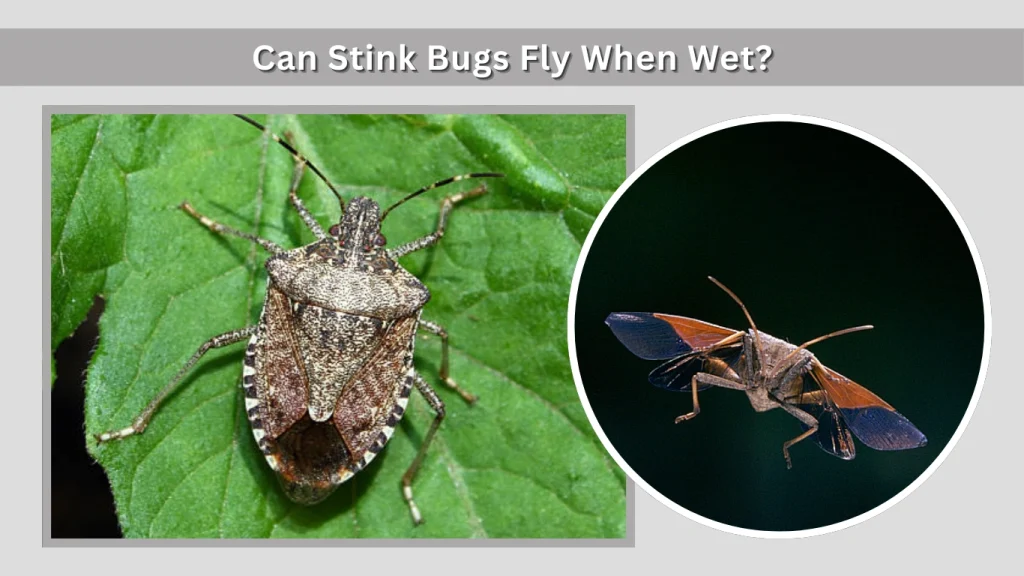
Moisture greatly affects a stink bug’s ability to fly. When their wings become wet from rain, dew, or washing, they struggle to lift off or control their direction.
Wet Wing Limitations
Wet wings add weight and disrupt the airflow needed for flight. Stink bugs may attempt to fly but often fail, resulting in short hops or immediate drops back onto surfaces. In many cases, they remain motionless until their wings dry fully.
Why Moisture Affects Their Flight
- Hindwings become stuck together
- Extra water weight reduces lift
- Cold or damp weather slows muscle response
This temporary grounding is one of the reasons stink bugs hide under leaves or inside sheltered cracks during rainfall.
Do Stink Bugs Buzz When They Fly?
Stink bugs are known for the distinctive buzzing sound they make during flight. This is often the first thing homeowners notice when a stink bug takes off indoors.
Cause of the Buzzing Sound
The buzzing comes from rapid vibration of the hindwings. The hard forewings act almost like amplifiers, making the sound louder and more noticeable. This vibration produces a deep, mechanical buzz similar to beetles or large flies.
Why It Sounds Loud Indoors
- Walls and ceilings echo the sound
- Air turbulence from heavy bodies amplifies vibration
- Indoor flying is often close to human ears
This buzzing is harmless but often startles people, especially when stink bugs launch unexpectedly.
Can Venus Flytraps Eat Stink Bugs?
The intersection of carnivorous plants and household pests is a common curiosity. While Venus flytraps can trap and digest insects, not all bugs make good food for them.
Can a Venus Flytrap Capture a Stink Bug?
Yes—Venus flytraps can eat stink bugs if the insect fits inside the trap. Small or medium-sized stink bugs are the most likely to be captured successfully. Larger species may be too big, causing the trap to close incompletely or allowing the stink bug to escape.
Digestion Challenges
Stink bugs have hard exoskeletons that slow down digestive enzymes. This means digestion may take 5–12 days, depending on the size of the bug. In some cases, a trap may fail to digest a stink bug thoroughly, leading to blackened or damaged traps.
Should You Feed Venus Flytraps Stink Bugs?
Feeding stink bugs to a Venus flytrap is generally safe but should only be done occasionally. Overfeeding—especially with large or tough insects—can stress or rot the trap. It is best to let the plant catch its own prey whenever possible.
Comparison Table: Adult Stink Bugs vs Nymphs
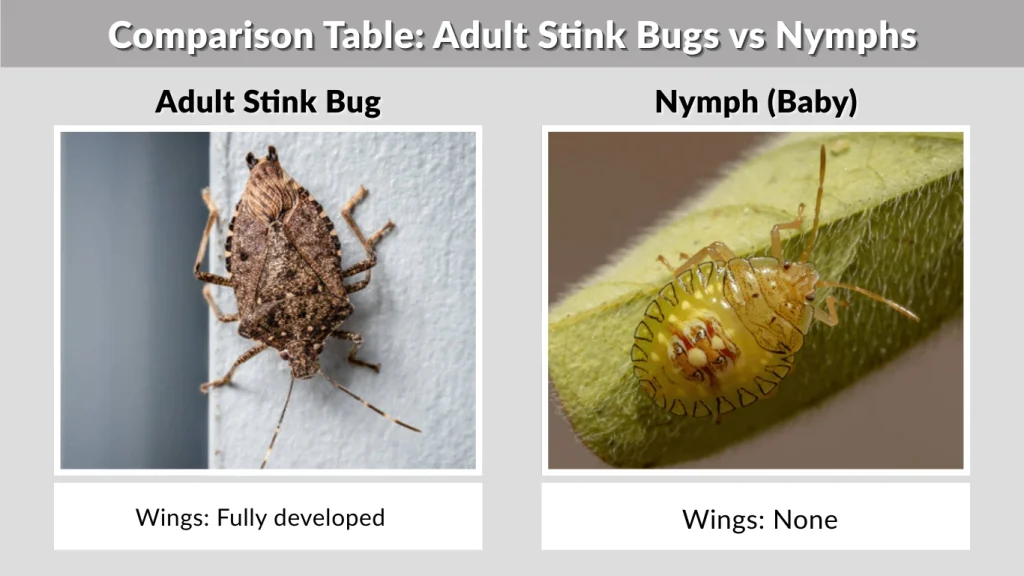
| Feature | Adult Stink Bug | Nymph (Baby) |
| Wings | Fully developed | None |
| Flight | Yes | No |
| Buzzing | Yes | No |
| Mobility | Flight + crawling | Crawling only |
| Diet | Plants & fruit | Plants |
This comparison highlights that only adult stink bugs fly; nymphs are strictly ground-level crawlers.
Are Flying Stink Bugs Dangerous?
Although their sudden buzzing and clumsy flight can be alarming, flying stink bugs pose little risk.
Risks to Humans
- Stink bugs do not bite
- They do not sting
- Their flight is defensive, not aggressive
- Odor release may occur if they are crushed
The primary annoyance is the smell and noise, not danger.
Risks to Homes or Gardens
Indoor flights are mostly harmless, but outdoor stink bug flight plays a major role in crop damage. By flying between fields and plants, stink bugs spread infestations quickly and can destroy fruits, vegetables, and ornamentals.
How to Prevent Stink Bugs From Flying Indoors
Simple preventative steps can reduce the number of stink bugs flying inside:
- Seal cracks around windows, doors, and siding
- Repair torn window screens
- Use outdoor lighting with warmer tones
- Reduce indoor lighting at night
- Vacuum stink bugs instead of crushing them
These methods help minimize both indoor flight and odor release.
FAQs
Can stink bugs fly?
Yes, adult stink bugs can fly using their hindwings. Their flight is slow, clumsy, and loud, but effective for escaping danger or entering homes.
Do brown marmorated stink bugs fly?
Absolutely. They are one of the strongest flying stink bug species and frequently buzz around window frames or lights.
Can baby stink bugs fly?
No. Nymphs have no wings and only crawl. Only adults develop full flight capability.
Why do stink bugs buzz when they fly?
The buzzing comes from rapidly vibrating wings and the resonance of their hard wing covers. Indoors, the sound echoes and becomes even louder.
Can Venus flytraps eat stink bugs?
Yes, but digestion may be slow due to the stink bug’s hard shell. It’s safe occasionally but should not be done too often.
