
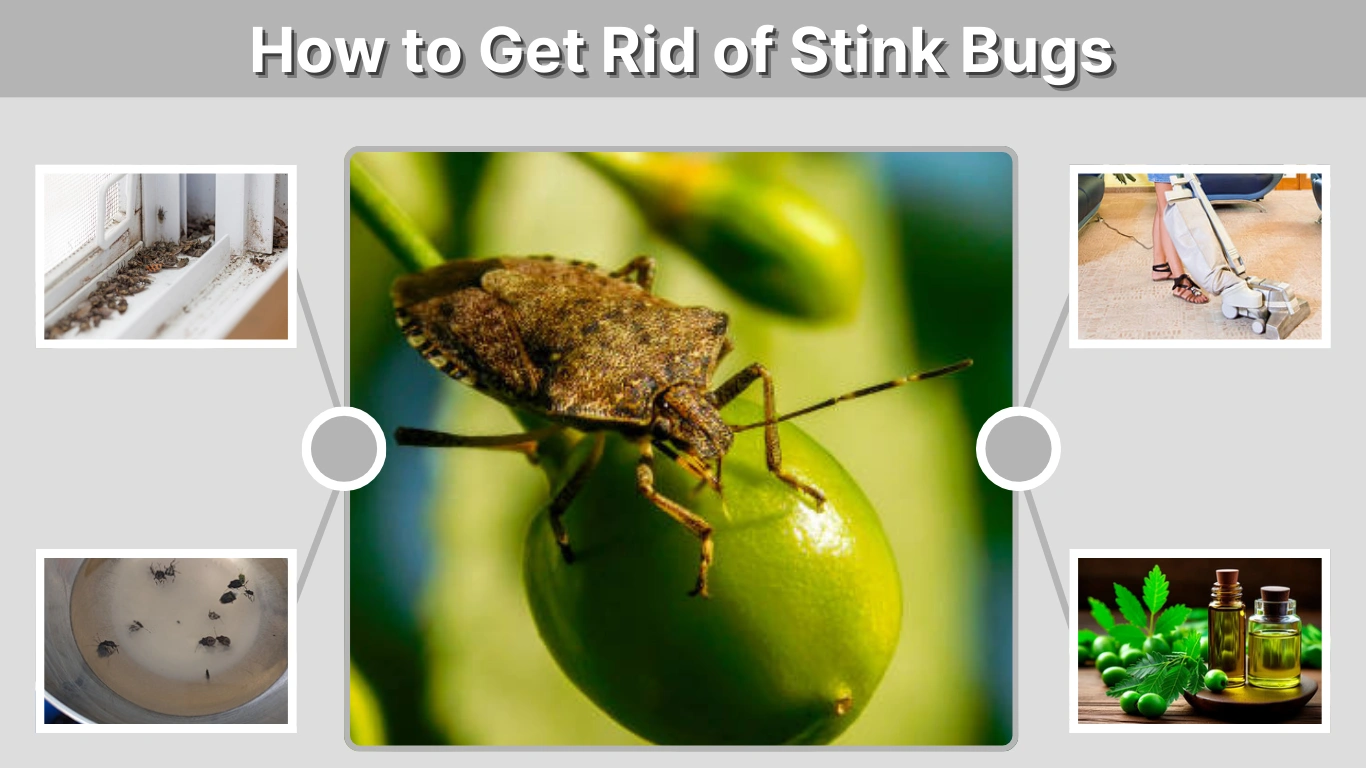
Stink bugs are notorious household and garden pests known for their foul odor, indoor invasions, and widespread damage to fruits, vegetables, and ornamental plants. Whether you’re dealing with brown marmorated stink bugs, green stink bugs, or other regional varieties, removal requires a combination of indoor strategies, outdoor prevention, and natural remedies. This guide covers how to eliminate stink bugs from your home, garden, and outdoor areas—while also managing odor, preventing reinfestation, and removing eggs and nymphs safely.
Identification
- Shield-shaped body across all stink bug species
- Brown, green, black, red, or orange color depending on species
- Brown marmorated stink bug has white antenna bands
- Eggs: small, round, pale green clusters on leaf undersides
- Nymphs: round, bright-colored early stages developing into brown forms
- Adults fly and are attracted to lights
- Indoors: slow-moving clusters near windows, ceilings, and warm areas
Recognizing the species and life stages helps determine the best removal method.
Why Stink Bugs Invade Homes
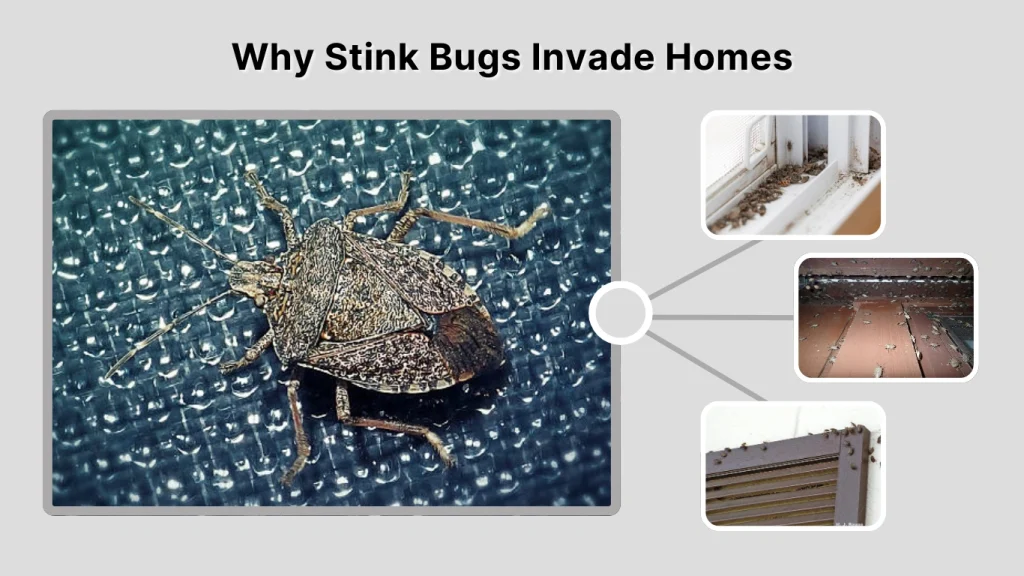
Stink bugs enter homes primarily during fall as they search for overwintering sites. They’re attracted to warm siding—especially south- or west-facing walls—and slip inside through even the smallest gaps. Common entry points include window frames, attic vents, chimneys, door gaps, pipes, and siding cracks. Once inside, they become dormant in hidden areas but may reappear on warm winter days. Their behavior is not aggressive, but their odor and numbers make them a major nuisance.
Why Stink Bugs Gather Around Houses
Homes provide warmth, shelter, and light—three major attractants for stink bugs. Evening lights bring flying adults toward windows and porches, while warm siding mimics the heat of natural overwintering sites. Houses near gardens, fruit trees, wooded areas, or farms often experience higher activity because bugs migrate from outdoor food sources toward indoor shelter as temperatures cool.
Dangers & Concerns
Stink bugs do not bite or harm humans, but they create multiple issues:
- Odor release: Their defensive smell can cling to skin, clothing, furniture, pets, and walls.
- Stains: Crushing them leaves dark stains and lingering odor.
- Allergies: Rarely, some individuals may experience mild irritation.
- Plant damage: Outdoor varieties attack tomatoes, peppers, fruit trees, and many vegetables.
- Indoor infestation: Clusters form in attics, basements, window sills, and wall voids.
The main concern is odor and damage—not health threats.
How to Get Rid of Stink Bugs Indoors
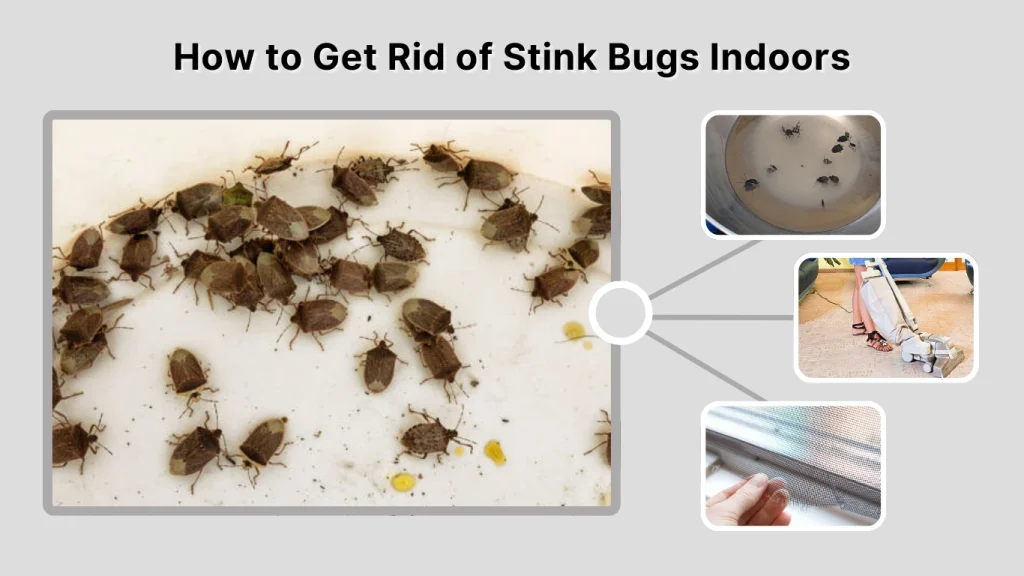
1. Physical Removal
The simplest method is non-crushing capture.
- Gently place stink bugs into a cup of warm, soapy water.
- Use tissue to pick up bugs without squeezing them.
- Vacuuming works, but use a bagged vacuum only to avoid internal odor contamination.
- Sticky cards can help capture slow-moving bugs near windows.
2. Indoor Barriers
Creating interior exclusion zones keeps bugs from spreading.
- Install window and vent screens.
- Use draft blockers at doors.
- Apply caulk around trim, pipe entry points, and electrical outlets.
3. Light Management
Stink bugs are extremely light-attracted.
- Keep curtains closed at dusk.
- Turn off unnecessary indoor lights near windows.
- Avoid leaving porch lights on during peak evening activity.
4. Removing Stink Bug Smell Indoors
Odor neutralizing solutions include:
- Vinegar + dish soap spray
- Baking soda for fabrics
- Activated charcoal for room air
- Mild detergents for surfaces
Avoid crushing bugs, as odor spreads quickly and deeply penetrates porous materials.
How to Get Rid of Stink Bugs Outdoors
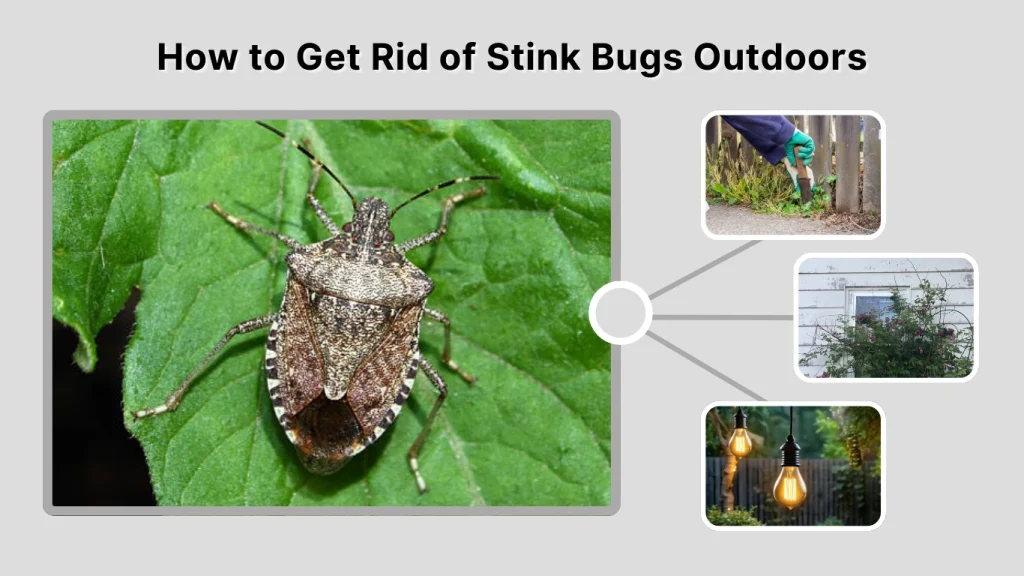
Outdoor control reduces the number entering your home.
- Remove leaf litter and weeds along foundations.
- Cut back vegetation that touches siding.
- Turn off outdoor lights or replace with yellow bug-reducing bulbs.
- Keep firewood at least 20 feet from the house.
- Seal exterior cracks with silicone caulk.
- Treat severe infestations with garden-safe sprays like neem or insecticidal soap.
Creating a “clean perimeter” around your home significantly lowers fall invasions.
How to Get Rid of Stink Bugs on Plants & Tomatoes
Stink bugs cause heavy damage in gardens, especially to tomatoes and peppers.
- Handpick bugs and drop them into soapy water.
- Shake plants early morning when bugs are sluggish.
- Use neem oil or an organic soapy spray on plant surfaces.
- Apply kaolin clay to fruiting plants to deter feeding.
- Remove egg masses from leaf undersides.
- Use floating row covers during peak feeding seasons.
Preventing reproduction is key to long-term control in the garden.
How to Get Rid of Stink Bugs in the Garden
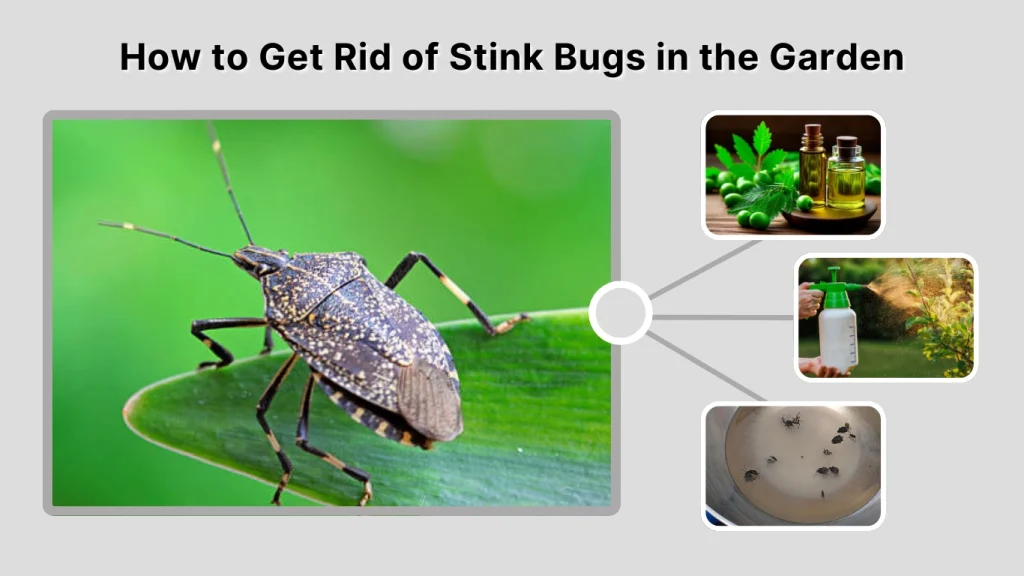
Garden infestations can quickly spread as stink bugs feed on tomatoes, peppers, beans, berries, fruit trees, and ornamental plants. Managing them outdoors prevents larger populations from migrating into your home later in the year. Start with regular inspection—look for bugs, clusters, and barrel-shaped egg masses beneath leaves. Removing eggs early greatly reduces future infestations. In addition, maintain a clean garden by removing weeds, fallen fruit, and dense vegetation where stink bugs hide. Consistent monitoring throughout the growing season is essential for keeping populations low.
Natural Garden Solutions
- Apply neem oil weekly during peak seasons.
- Use insecticidal soap to target nymphs and soft-bodied stages.
- Shake plants early in the morning and collect bugs in soapy water.
- Introduce beneficial predators such as praying mantises and parasitic wasps.
- Lay down diatomaceous earth as a perimeter barrier around garden beds.
- Plant trap crops like sorghum or sunflowers to redirect feeding.
These natural techniques protect edible plants without harsh chemicals.
How to Get Rid of Stink Bugs Naturally (Home Remedies)
Natural solutions are ideal for indoor use where chemical sprays aren’t appropriate. Stink bugs dislike strong scents, making essential oils and household ingredients effective repellents. A simple homemade spray—one part vinegar, one part water, and a few drops of dish soap—kills stink bugs on contact and leaves a residue that discourages return.
Highly Effective Natural Remedies
- Peppermint oil spray: Mix 10–15 drops with water to create a strong repellent.
- Garlic spray: Stink bugs avoid garlic’s intense smell when applied to entry points.
- Clove, eucalyptus, or tea tree oil: Use on cotton balls or diluted sprays.
- Diatomaceous earth: Sprinkle along windows, baseboards, and foundations.
- Lemon or citrus cleaner: Natural acidic scent disrupts their ability to cluster.
- Dryer sheets: Rubbing window sills may deter stink bug movement.
These methods are safe around children and pets when used correctly.
DIY Stink Bug Traps
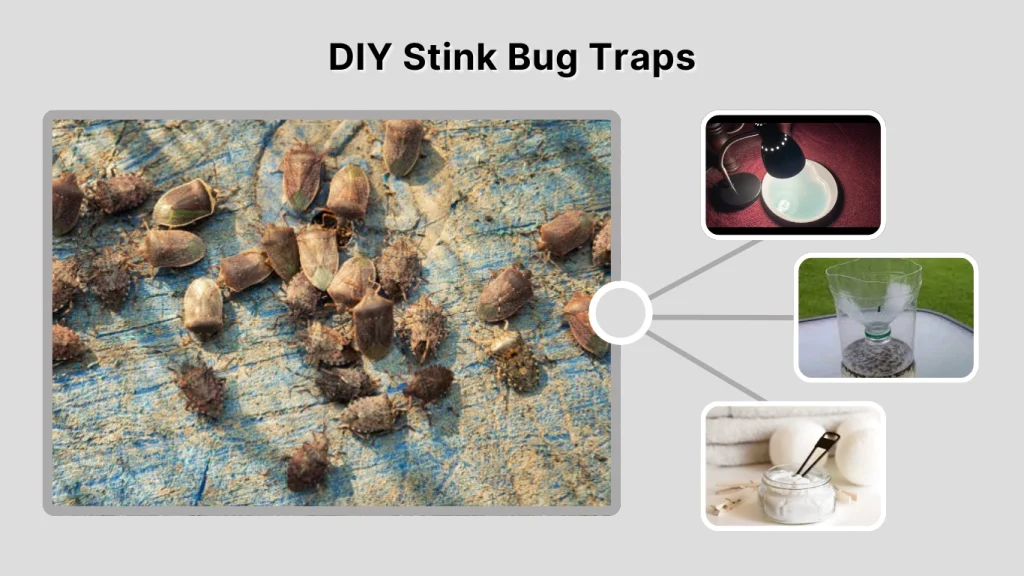
Homemade traps work exceptionally well, especially during peak fall invasion periods. The light trap is one of the most effective indoor tools. Place a bright lamp above a bowl of soapy water at night; stink bugs fly toward the light and fall into the water. Outdoors, soda bottle traps lure bugs without the need for chemical attractants.
Top DIY Trap Options
- Light + Soapy Water Trap: Extremely effective indoors at night.
- Bottle Trap: Cut a plastic bottle, invert the top, and add soapy water.
- Sticky Card Trap: Use near windows or garden plants.
- Homemade pheromone-free traps: Safe alternative to attractant traps that may draw more bugs to the area.
These traps help control populations without commercial insecticides.
How to Remove Stink Bug Smell (Odor Control)
The odor released by stink bugs can cling to skin, fabrics, furniture, and pets. Fortunately, several remedies neutralize the smell quickly. Vinegar and baking soda are among the most effective solutions.
On Skin
- Wash with dish soap and warm water.
- Apply a baking soda paste for stubborn odor.
- Rinse with diluted vinegar or lemon juice.
On Clothes
- Pre-soak with vinegar-water mix.
- Add baking soda to washing machine.
- Air-dry garments in sunlight to dissipate odor.
On Pets (Cats & Dogs)
- Wash gently with mild dish soap or pet shampoo.
- Wipe fur with a cloth dipped in diluted vinegar.
- Avoid harsh chemicals or scented sprays.
On Furniture
- Clean hard surfaces with vinegar-based cleaner.
- Use enzyme-based upholstery sprays on fabric.
- Place activated charcoal near affected areas.
In the House
- Ventilate spaces well.
- Use charcoal bags or baking soda bowls to absorb odors.
- Avoid crushing bugs indoors to prevent worsening the smell.
How to Get Rid of Stink Bug Eggs
Egg removal stops future stink bug generations. Eggs are pale green, round, and found in clusters on the underside of leaves.
Egg Removal Steps
- Scrape eggs gently with a credit card.
- Drop into soapy water to destroy.
- Check plants daily during summer.
- Use neem spray to prevent egg laying.
- Encourage natural egg predators like parasitic wasps.
How to Get Rid of Stink Bug Nymphs
Nymphs cause significant early-season damage in gardens and landscapes. They are best controlled with direct contact methods.
Nymph Control Techniques
- Hand removal into soapy water.
- Neem oil applications.
- Insecticidal soap sprays.
- Diatomaceous earth barriers.
- Removing egg masses to prevent hatch cycles.
How to Permanently Get Rid of Stink Bugs
Long-term elimination requires consistent prevention and exclusion. Once stink bugs establish entry routes, they return annually unless the structure is sealed.
Permanent Prevention Steps
- Seal cracks and crevices around the entire home exterior.
- Install high-quality window screens and door sweeps.
- Replace damaged siding or gaps.
- Switch exterior lights to yellow or amber “bug” bulbs.
- Maintain a clean, trimmed foundation perimeter.
- Store firewood far from the house.
- Combine indoor trapping, garden control, and structural improvements.
Integrated pest management offers the best long-term success.
Regional Variations: Michigan, Midwest & Other Areas
Cold-climate regions like Michigan experience heavy fall invasions as stink bugs seek warmth. Garden damage peaks in late summer while indoor problems begin around September. In warmer states, stink bugs reproduce longer and may create multiple generations per year. Adjust prevention timing based on local climate to stay ahead of seasonal waves.
Ladybugs and Stink Bugs Together
Homes near wooded areas or fields may experience both ladybug and stink bug invasions. Both seek indoor shelter during fall, making combined prevention essential. Sealing gaps, reducing exterior lighting, and maintaining a clean perimeter work for both pests.
FAQ
How do I get rid of stink bugs fast?
Use a light trap indoors at night, capture bugs in soapy water, and seal major entry points. Remove outdoor attractants and reduce lighting. Avoid crushing to prevent odor.
What smell keeps stink bugs away?
Peppermint, garlic, clove, eucalyptus, and vinegar-based scents repel stink bugs. These can be applied as sprays or placed on cotton balls near entry points.
What kills stink bugs instantly?
Soapy water kills stink bugs on contact. Vinegar and dish soap mixtures also work quickly and naturally.
How do I eliminate stink bug odor?
Use vinegar, baking soda, or lemon-based cleaners. Air out rooms and avoid crushing bugs indoors, as odor spreads quickly.
