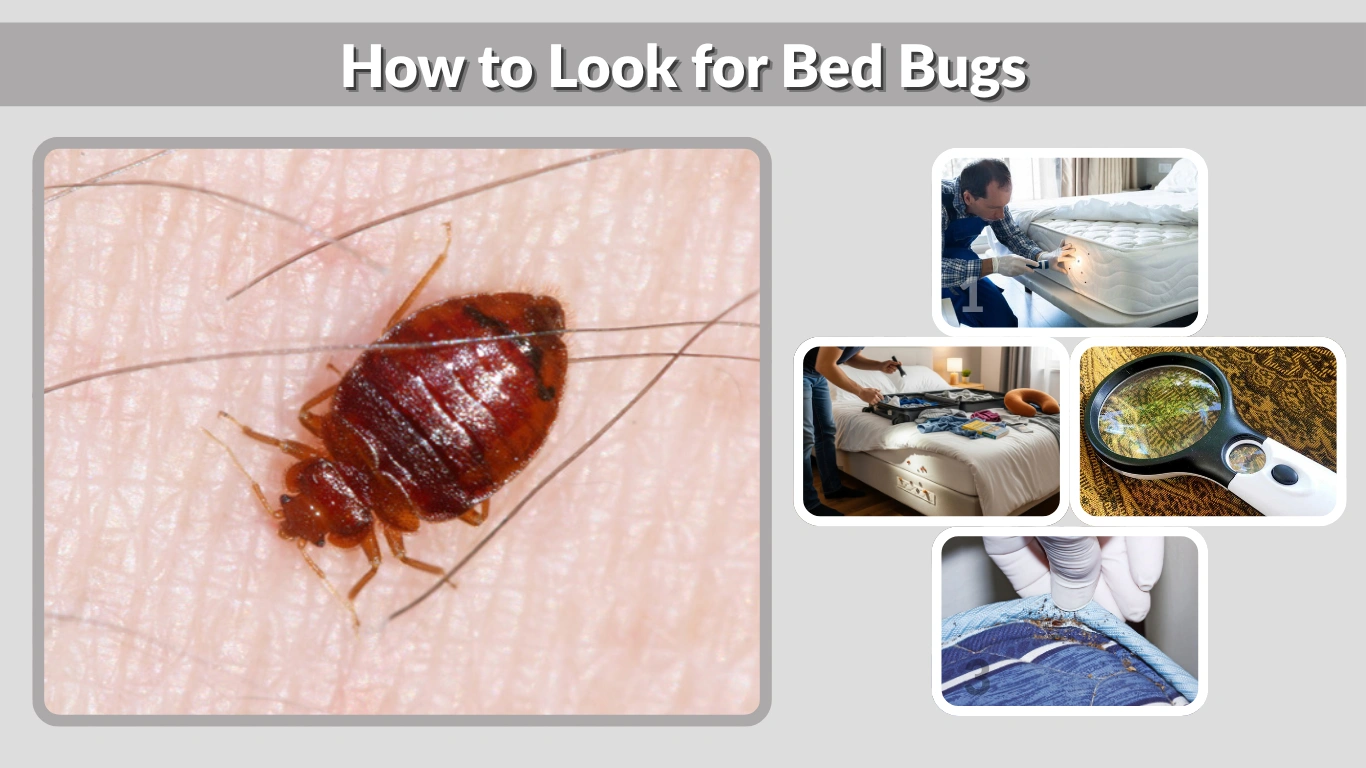
Finding bed bugs early can prevent a small problem from becoming a full-blown infestation. These pests hide in tight cracks, seams, and dark spaces, making them difficult to spot unless you know exactly where and how to look. Whether you’re checking your home, a hotel room, used furniture, or your mattress, this guide explains what to look for, where to look, and how to examine each area safely.
What You Need Before You Start Looking
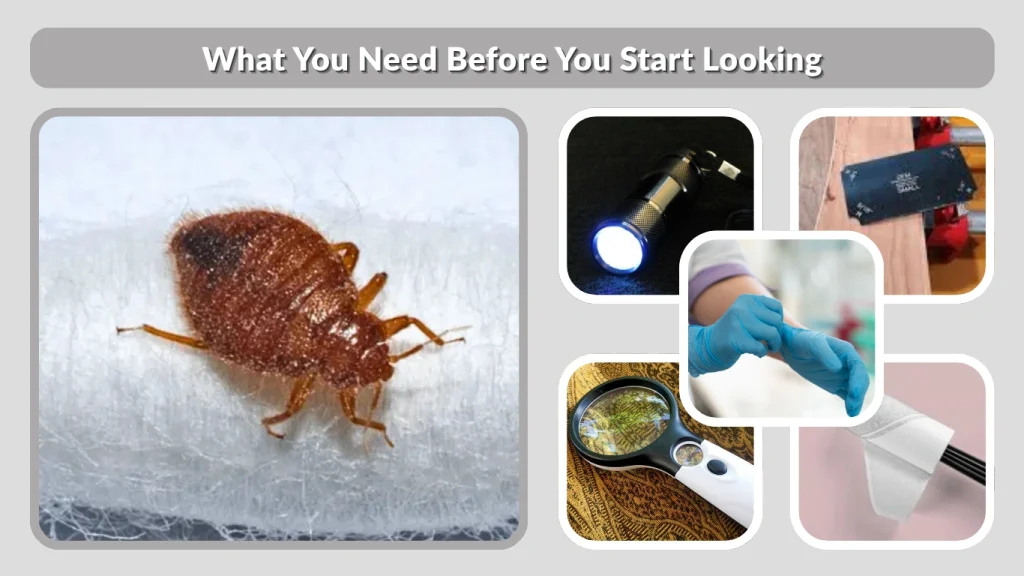
Before you begin a thorough inspection, preparing the right tools makes the process faster and more accurate. Bed bugs are small, hide deeply, and move quickly—so having the proper items makes a big difference.
Essential Inspection Tools
A few simple tools can help you find even the smallest bed bugs, eggs, or shells:
- Flashlight: Necessary for inspecting dark cracks and crevices.
- Credit card or thin scraper: Helps check tight seams where bugs squeeze in.
- Gloves: Prevent touching bugs or contaminated surfaces.
- Magnifying glass: Makes spotting eggs and tiny nymphs easier.
- Sticky tape or lint roller: Useful for lifting specks, eggs, or bugs you find.
- Vacuum with crevice tool: Helps clean seams, corners, and narrow spaces.
With these tools, you can search every hiding area effectively.
Safety Tips for Inspection
Bed bugs spread easily, so follow these precautions:
- Keep bags and clothes off the floor during inspection.
- Avoid sitting on infested furniture.
- Work slowly to avoid missing small signs.
- Contain anything suspicious in sealed plastic bags.
Being cautious reduces the risk of carrying bed bugs to new areas.
Signs of Bed Bugs to Look For
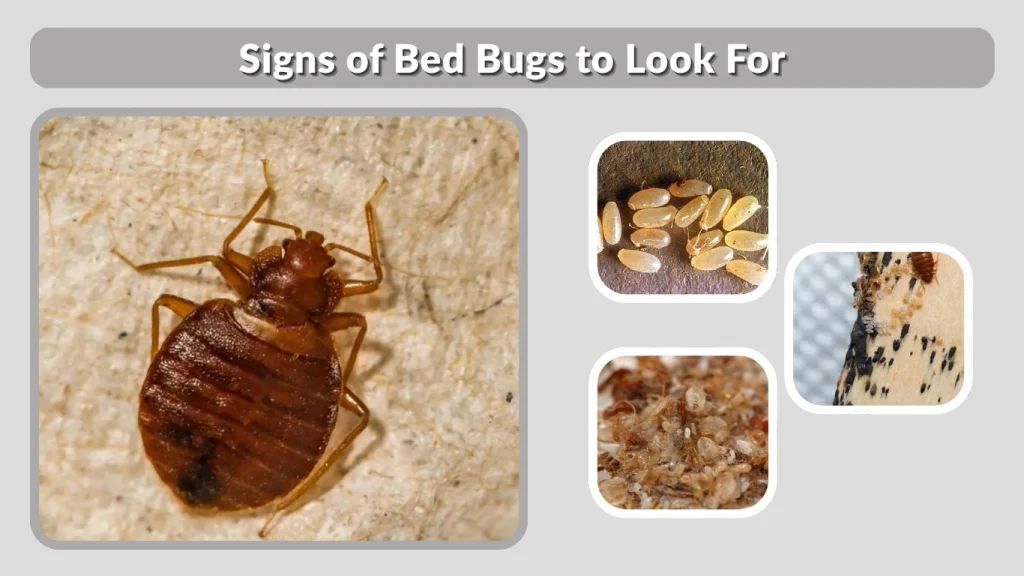
Knowing what to look for is the key to finding bed bugs early. They don’t always appear in the open, so you must look for signs they leave behind.
Physical Evidence
Bed bugs leave multiple types of physical traces:
- Live bed bugs: Small, oval, brownish insects that range from flat to plump after feeding.
- Shed skins: Translucent, shed exoskeletons left behind as they grow.
- Eggs and eggshells: Pearly white, rice-grain–sized specks stuck to fabric or wood.
- Fecal spots: Tiny black dots that smear when wiped—these are dried droppings.
Finding any of these is a strong indicator of an active infestation.
Subtle Clues of Activity
Sometimes, you may not see bugs directly but can detect other signs:
- Small blood spots on sheets or pillowcases
- Musty, sweet odor in large infestations
- Bite patterns that appear in lines or clusters
While bites alone are not proof, combined with other signs, they strongly suggest bed bug activity.
How to Look for Bed Bugs in Your Bed
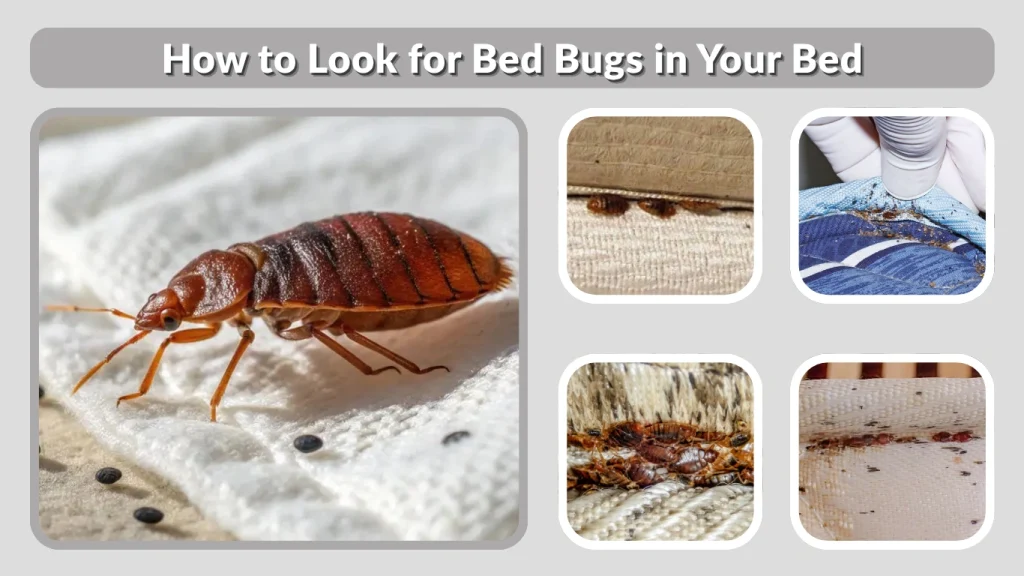
Your bed is the first and most important place to inspect. Bed bugs prefer to stay close to where people sleep so they can feed at night.
Inspecting the Mattress Thoroughly
Start by removing all bedding. Then check:
- Seams and stitching: Bed bugs hide inside folds and thread lines.
- Piping: The edge piping is a common shelter.
- Labels and tags: Bugs often hide behind brand tags.
- Corners and under the mattress: Use a flashlight to scan corners, edges, and folds.
Look for movement, eggs, specks, or shed skins—especially near the top corners.
Checking the Box Spring
Box springs offer ideal hiding spots because of their hollow interior.
Inspect:
- The fabric underside—bed bugs hide under the thin dust cover.
- Wooden frame joints where they squeeze between cracks.
- Staples, corners, and edges along the bottom and sides.
If you see black dots, shells, or live bugs, the infestation may be inside the frame.
Searching the Bed Frame & Headboard
Bed frames and headboards contain multiple cracks that bed bugs love.
Check:
- Bolts and screw holes
- Joints and crevices
- Behind the headboard against the wall
- Under slats and support beams
Hotel headboards are especially common hiding spots because they are rarely moved.
How to Look for Bed Bugs in a Hotel Room
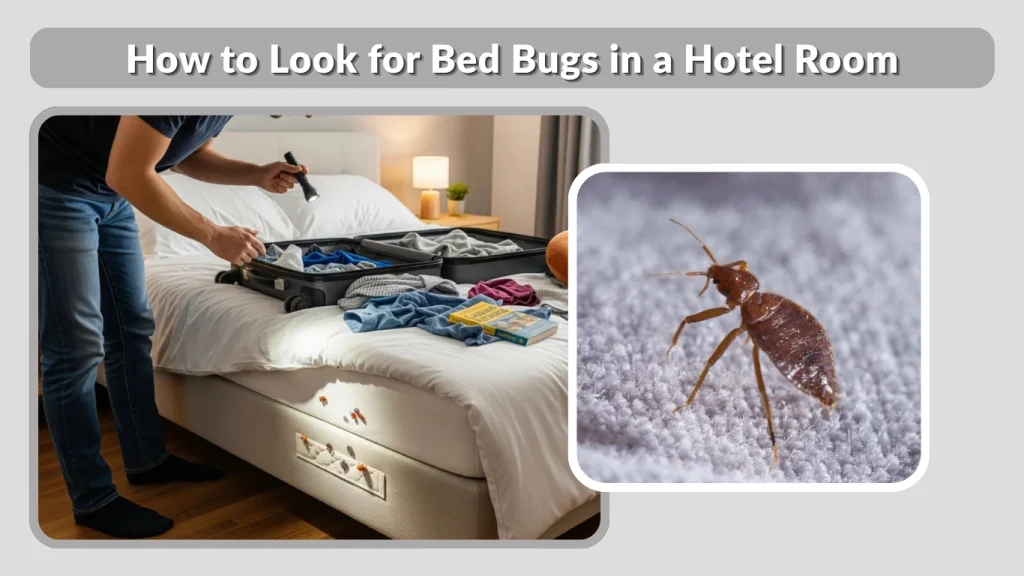
Hotels can easily spread bed bugs from one guest to another. Inspecting your room before unpacking is essential.
Inspect Before You Unpack
Before opening your suitcase:
- Place bags on a luggage rack, away from walls.
- Avoid placing anything on the bed.
- Quickly scan the sheets, top mattress edges, and headboard area.
This helps prevent accidental contamination.
Step-by-Step Hotel Bed Inspection
For a more thorough check:
- Pull back the sheets and blankets.
- Examine mattress seams and corners.
- Shine a flashlight along the piping and tags.
- Look behind the headboard and between the wall gap.
- Inspect nearby furniture—nightstands, couch seams, and drawers.
If you find bugs or black spots, request a different room on a different floor, not next door.
What to Do If You Find Signs in a Hotel
If you identify bed bugs:
- Notify the front desk immediately.
- Request a room away from the infested area.
- Keep luggage sealed and inspect before leaving.
- Heat-treat clothes when you return home.
This protects you from transporting bugs accidentally.
How to Look for Bed Bugs on a Couch or Sofa
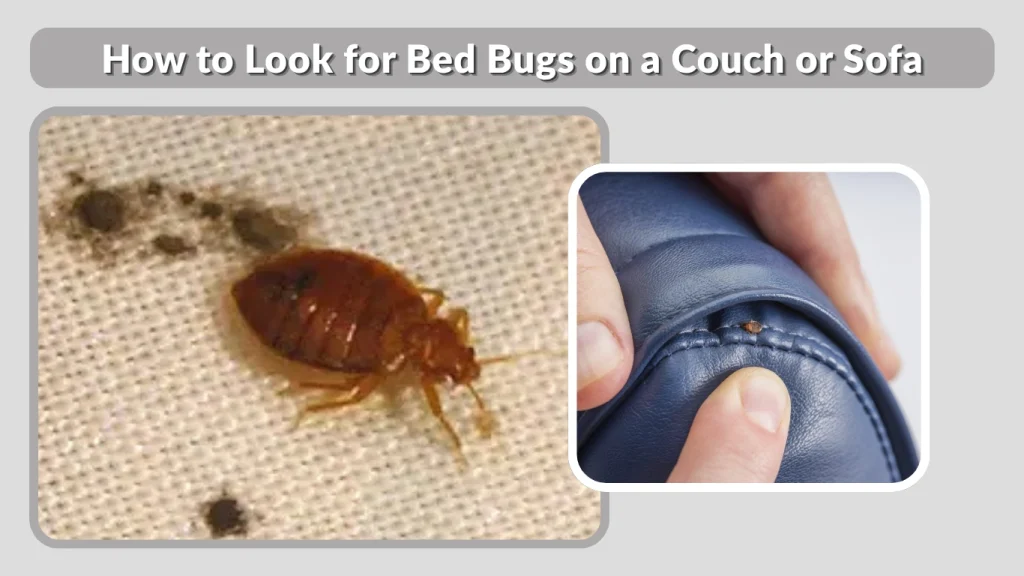
Couches and soft furniture are common hiding places because they offer deep seams, cushions, and dark gaps where bed bugs can thrive unnoticed. When inspecting a couch, begin by examining the cushions closely. Lift each one and check around the stitching, the folds, and the areas where fabric is tightly gathered. Bed bugs tend to hide in narrow spaces, so look closely at the crease lines and any hidden areas beneath the cushion fabric.
Once the cushions are checked, move on to the couch frame. Turn the couch slightly to examine the underside, looking along the edges where the fabric is stapled to the wood. Bed bugs often hide where the fabric meets the frame because it gives them an undisturbed, dark space. If the couch has a zipper, lift the flap and inspect the interior area. Many infestations begin in these hidden fabric pockets long before bugs reach the bed.
Leather or Faux Leather Furniture
Leather couches may seem safer, but they can still harbor bed bugs. The pests hide in cracks, seams, and folds where the cushions meet the frame. Even with smooth material, the spaces between the backrest and seat can shelter them. Inspect the seams, check the base of reclining sections, and look for tiny black spots or shed skins. Bed bugs often choose warm areas where people sit for long periods, making living room furniture a prime hiding location.
Recliners and Chairs
Recliners are especially attractive to bed bugs because they have numerous mechanical parts and fabric folds. When inspecting a recliner, pay close attention to the areas where the back and seat connect, as well as the underside where the reclining mechanism is located. These spaces often accumulate heat and movement, making them ideal for bugs seeking a stable environment.
How to Look for Bed Bugs in Your Home
Searching your entire home is important because bed bugs rarely stay confined to one room. Begin with the bedroom and work outward. Inspect areas around the bed, including baseboards, carpet edges, curtain hems, and nearby furniture. Bed bugs often cluster within a few feet of where people sleep, but as the infestation grows, they spread into adjacent rooms.
Living Room and Shared Spaces
In common areas, focus on couches, recliners, and any soft furnishings that see regular use. Curtains and drapes should also be examined, especially at the bottom hem where fabric folds. Rugs and carpets can hide bugs along the edges, particularly where the rug meets walls or furniture. Bed bugs travel easily, so an infestation in the bedroom can eventually reach shared spaces if not addressed.
Closets and Storage Areas
Clothing, bags, and storage boxes can offer hiding places as well. When inspecting closets, examine the seams and folds of garments. Bed bugs tend to settle into dark corners where items touch each other. Storage bins, especially those holding blankets or seasonal clothes, may also harbor them. Inspect around the edges, inside the corners, and through any fabrics stored for long periods.
How to Look for Bed Bugs in Clothing and Linens

Checking clothing requires patience because bed bugs often hide in stitching and folds. Hold each piece of clothing up to a strong light and examine the seams carefully. Look around pockets, waistbands, cuffs, and collars, as these areas provide tight hiding spots. Pay special attention to clothing that stays near the bed, such as pajamas or garments stored under or beside the bed.
Linens should also be inspected. Pillowcases, blankets, and throws can all harbor bed bugs, especially along edges and deep creases. When checking linens, unfold them completely and examine the areas where the fabric naturally gathers. If bed bugs are present, you may see small stains, shed skins, or even eggs adhered to the material.
What to Do If You Find Evidence
Finding evidence on clothing or linens should be handled carefully. Avoid shaking items, as this can scatter bugs. Contain them immediately in sealed bags. Heat treatment is effective for most fabrics, and washing followed by high-heat drying can eliminate bugs at all life stages.
How to Look for Bed Bugs in Used Furniture
Used furniture poses a major risk because bed bugs can hide deep inside frames, joints, and upholstery. Before bringing secondhand items into your home, conduct a thorough inspection. Turn the furniture over, focus on seams, and examine all gaps where parts connect. Even wood furniture such as dressers or nightstands can hide bugs in drawer tracks, screw holes, and back panels.
How to Look for Bed Bugs With a Flashlight
A flashlight is one of the most effective tools for detection. Shine the light at an angle rather than directly at the surface. This angled lighting helps reveal movement and highlights the shadows of insects hiding in cracks. When inspecting gaps, move your hand or the furniture slightly to disturb any bugs that might be hiding. Their quick movement often gives them away.
How to Spot Eggs and Nymphs
Eggs and young nymphs are tiny and often missed without strong lighting. Eggs are pearly white and oval, while nymphs are translucent and almost invisible on light-colored surfaces. Move the flashlight slowly along seams and cracks to reveal their shapes. Areas where multiple eggs cluster are especially suspicious, as this indicates an active reproduction site.
How to Look for Bed Bug Bites
Although bites alone cannot confirm an infestation, they can guide your search. Bed bug bites usually appear in clusters or lines on exposed skin. If you wake up with new bites regularly, especially in a consistent pattern, it may indicate bed bugs nearby. Use bite locations to focus your inspection. For example, bites on the arms may suggest bugs hiding along the upper mattress or headboard, while bites on the legs may point toward the foot of the bed or nearby furniture.
What to Do If You Find Bed Bugs
If your inspection reveals bed bugs, take immediate action. Avoid moving belongings between rooms, as this can spread the infestation. Instead, isolate any items showing signs of activity and contact a professional pest control service. Bed bugs are extremely resilient, and expert treatment is far more effective than DIY methods. Early detection and quick response can prevent the infestation from worsening and make treatment easier.
FAQs
What are the first signs of bed bugs I should look for?
The first signs usually include small dark fecal spots on sheets, tiny shed skins, and light-colored eggs near seams or cracks. You may also notice blood stains from crushed bugs or wake up with new bite patterns. These early clues often appear before you see live bed bugs.
Where do bed bugs hide during the day?
Bed bugs hide in dark, tight spaces close to where people sleep or rest. Common locations include mattress seams, box spring edges, headboards, bed frames, couch cushions, electrical outlets, and baseboards. They prefer hidden spots that offer warmth, safety, and easy access to a sleeping host at night.
Can I find bed bugs without seeing live insects?
Yes. Many infestations are identified by indirect signs such as shed skins, eggs, fecal spots, or blood marks on bedding. Live bugs may stay hidden, especially in early infestations. Finding these traces is often enough to confirm activity even if you don’t see the insects themselves.
Do I need special tools to look for bed bugs?
You don’t need many tools, but a flashlight is essential for seeing into cracks and seams. A thin card, magnifying glass, and gloves also make inspections easier and safer. These simple tools help you spot eggs, shed skins, and tiny bed bugs hiding in tight spaces.
What should I do if I find bed bugs during my inspection?
If you find signs of bed bugs, avoid moving belongings around to prevent spreading them. Contain suspicious items in sealed bags and contact a professional exterminator promptly. Bed bugs reproduce quickly, and early treatment is crucial. Professional heat or chemical treatments offer the most reliable long-term results.