
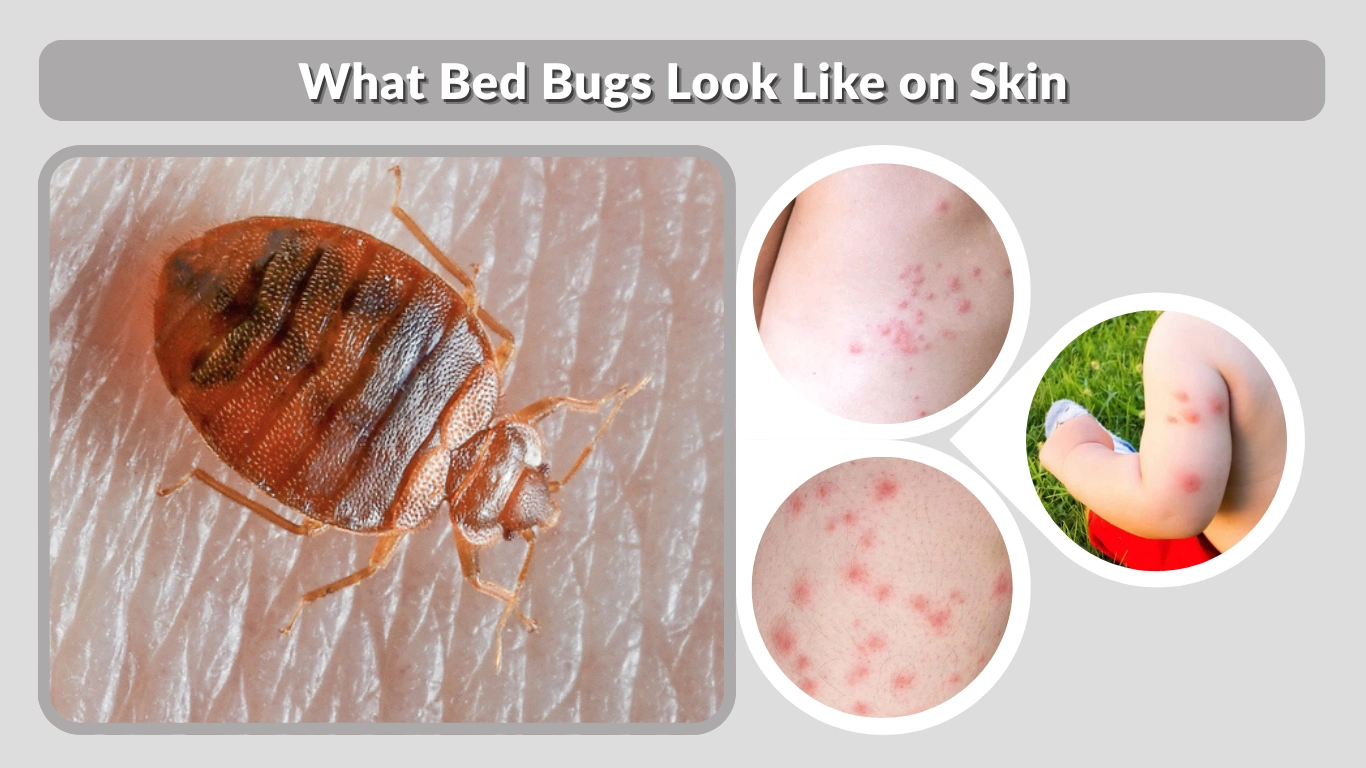
Bed bugs are tiny, blood-feeding insects that have become a common household nuisance worldwide. While they do not transmit serious diseases, their bites can cause itching, swelling, discomfort, and sleep disturbances. Recognizing what bed bug bites look like on the skin is critical for early detection and preventing an infestation from spreading throughout your home.
Bed bug bites can appear differently depending on your skin tone, the severity of the bite, and your body’s reaction. For instance, bites on light skin may show as bright red bumps, whereas on dark or black skin, they can appear as darker brown or purplish marks. Early identification allows for quick action, including mattress inspection, cleaning, and pest control measures.
Understanding Bed Bugs and Their Behavior
What Are Bed Bugs?
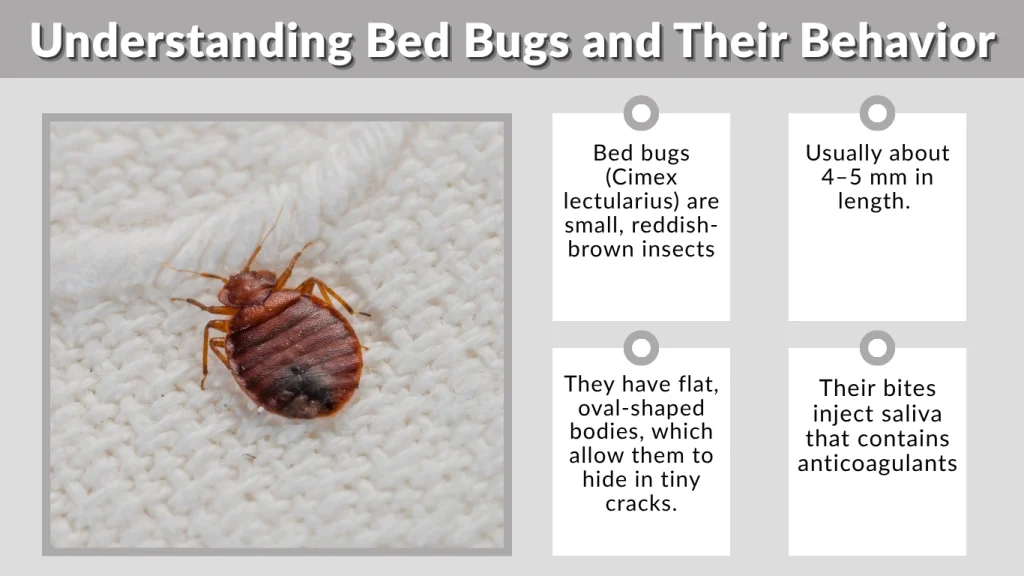
Bed bugs (Cimex lectularius) are small, reddish-brown insects, usually about 4–5 mm in length. They have flat, oval-shaped bodies, which allow them to hide in tiny cracks and crevices during the day. Bed bugs are nocturnal and feed on human blood, primarily while people are sleeping. Their bites inject saliva that contains anticoagulants, which prevents blood clotting and can trigger allergic reactions in some individuals.
How Bed Bugs Feed on Humans
Bed bugs usually bite exposed skin areas, such as the arms, legs, neck, and face. They often feed in a linear pattern or clusters, which has earned these arrangements nicknames like “breakfast, lunch, and dinner.” Although most bites are painless initially, they become itchy or inflamed several hours later.
What Bed Bug Bites Look Like on Skin
Common Features of Bed Bug Bites
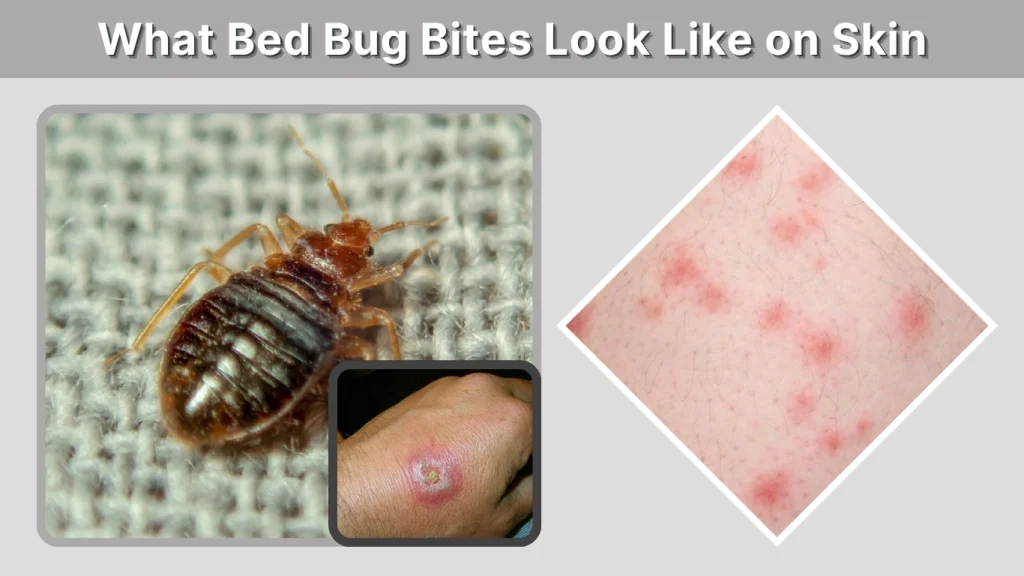
Bed bug bites typically appear as small red or pink bumps. They are usually itchy, and the intensity of the reaction varies from person to person. Bites often appear in clusters or lines, reflecting the insect’s feeding pattern. While some people may have mild reactions with minimal redness, others may experience swelling, redness, and even a darker central spot in response to the bite.
Early vs. Late Reactions
- Early Reaction: Small, slightly raised red bumps or pinkish spots. Mild itching may occur.
- Late Reaction: Larger, inflamed, or swollen areas; in some cases, the bite may develop a dark center, especially if scratched excessively.
Differences Based on Skin Tone
- Light/White Skin: Bites are usually bright red and easily noticeable. Redness and inflammation are more visible.
- Dark/Black Skin: Redness may be less visible; bites often appear as dark brown, purplish, or slightly raised spots. Swelling may still occur, but color changes are subtle.
- Brown Skin: Bites can appear as reddish-brown bumps, sometimes with a lighter halo around the bite.
Common Bite Locations
Bites usually occur on exposed areas during sleep:
- Arms and shoulders
- Legs and ankles
- Neck and face
- Occasionally torso areas if uncovered
How to Identify Bed Bug Bites vs Other Insect Bites

Bed bug bites are often confused with other insect bites or skin reactions.
- Mosquito Bites: Usually isolated, larger, and appear randomly rather than in lines.
- Flea Bites: Small red spots, mainly on lower legs and ankles, and more clustered.
- Allergic Hives: Irregular, widespread, sometimes accompanied by other allergy symptoms like sneezing or watery eyes.
Recognizing these differences can help you determine whether the bites are likely caused by bed bugs, prompting inspection of your mattress and bedroom.
Advanced Bite Symptoms
While most bed bug bites are mild, some people may experience stronger reactions:
- Severe allergic reactions: Some individuals may develop hives, intense swelling, or blisters around bite sites.
- Secondary infections: Scratching can break the skin, allowing bacteria to enter and cause infections. Signs include pus, redness, and increased pain.
- Progressive swelling: Bites may start as small bumps but become larger and darker over several days, especially on sensitive skin areas like the face or neck.
- Pain or burning: In rare cases, bites can be tender or produce a mild burning sensation.
Understanding these reactions helps distinguish bed bug bites from other insect bites or skin conditions.
Bed Bug Bites in Children vs Adults
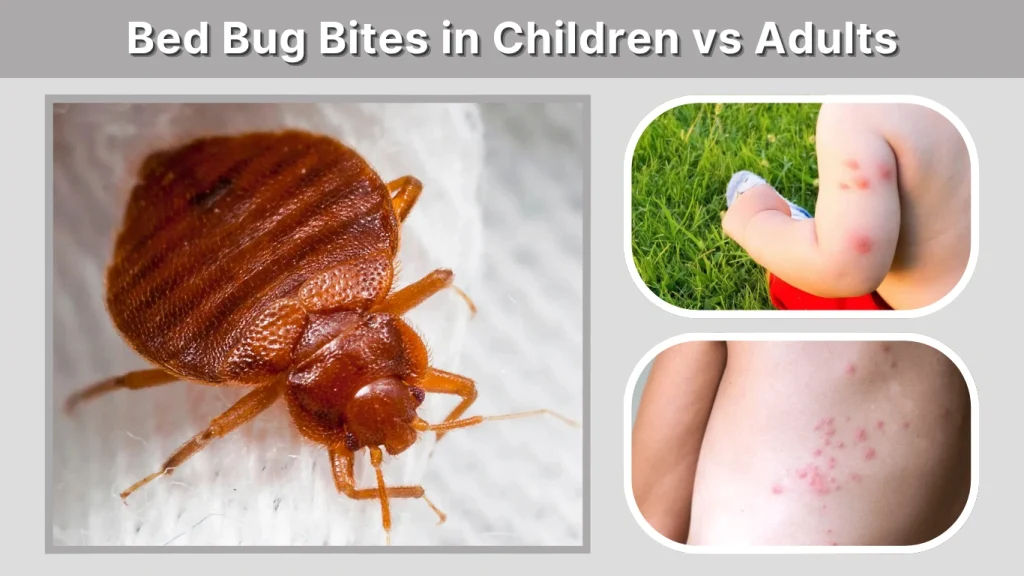
- Children: Often have more pronounced reactions due to sensitive skin. Bites may appear more inflamed or clustered. Young children may also scratch excessively, increasing the risk of infection.
- Adults: Reactions vary—some show mild redness, while others develop larger bumps or hives. Adults who are repeatedly exposed may build tolerance, sometimes showing minimal symptoms.
Parents should monitor children closely, as bed bug bites can interfere with sleep and cause anxiety.
Bed Bug Bites in Pets
Pets, especially dogs and cats, can also be bitten:
- Signs in dogs: Restlessness, excessive licking or scratching, small red bumps, or patches of irritated skin. Severe infestations may cause lethargy or vomiting.
- Signs in cats: Hiding, over-grooming, scratching, and redness at bite sites. Cats often conceal pain, so subtle behavioral changes are key indicators.
- Prevention: Keep pets off beds where infestations are suspected, and inspect bedding regularly.
Additional Visual Identification Tips
Recognizing bed bug activity early is crucial:
- Exoskeletons: Shed skins indicate bed bugs are growing. Look along mattress seams, folds, and bed frames.
- Fecal stains: Small dark spots along bedding edges suggest feeding activity.
- Eggs: Tiny, sticky, white eggs in mattress crevices are a sure sign of infestation.
- Patterns on skin: Clusters or lines of bites on exposed areas are more indicative of bed bugs than other insects.
Using a flashlight or magnifying glass can make it easier to spot eggs, live bugs, or exoskeletons.
Prevention and Home Remedies

- Mattress encasements: Trap bed bugs inside and prevent new infestations.
- Heat treatment: Wash bedding and clothing in hot water, and dry on high heat. Steam clean mattresses and furniture.
- Vacuuming: Regularly vacuum mattresses, carpets, and furniture, and immediately discard vacuum bags.
- Travel precautions: Inspect hotel rooms and keep luggage elevated. Avoid placing luggage on beds or floors.
- Declutter: Reduces hiding places for bed bugs and makes detection easier.
Early intervention is critical—catching bed bugs before the infestation spreads saves time, money, and stress.
FAQs
1. Can bed bugs bite through clothing?
Yes, thin or tight-fitting clothing may allow bed bugs to reach the skin, especially during sleep.
2. How soon do bed bug bites appear after being bitten?
Bites may appear immediately for some people, while others may take a few hours or even a couple of days to show redness and swelling.
3. Why do some people not react to bed bug bites?
Some individuals have minimal or no reaction due to a lower sensitivity to bed bug saliva. Repeated exposure can also reduce visible reactions over time.
4. Do bed bug bites leave permanent marks?
Most bites heal within 1–2 weeks without scarring. However, excessive scratching or secondary infections may leave temporary dark spots or scars.
5. How can I tell if a rash is a bed bug bite or something else?
Bed bug bites usually appear in clusters or lines on exposed skin and are often itchy. Mosquito bites, flea bites, or allergic reactions differ in pattern, location, and appearance. Inspecting your mattress and surroundings helps confirm the cause.
