
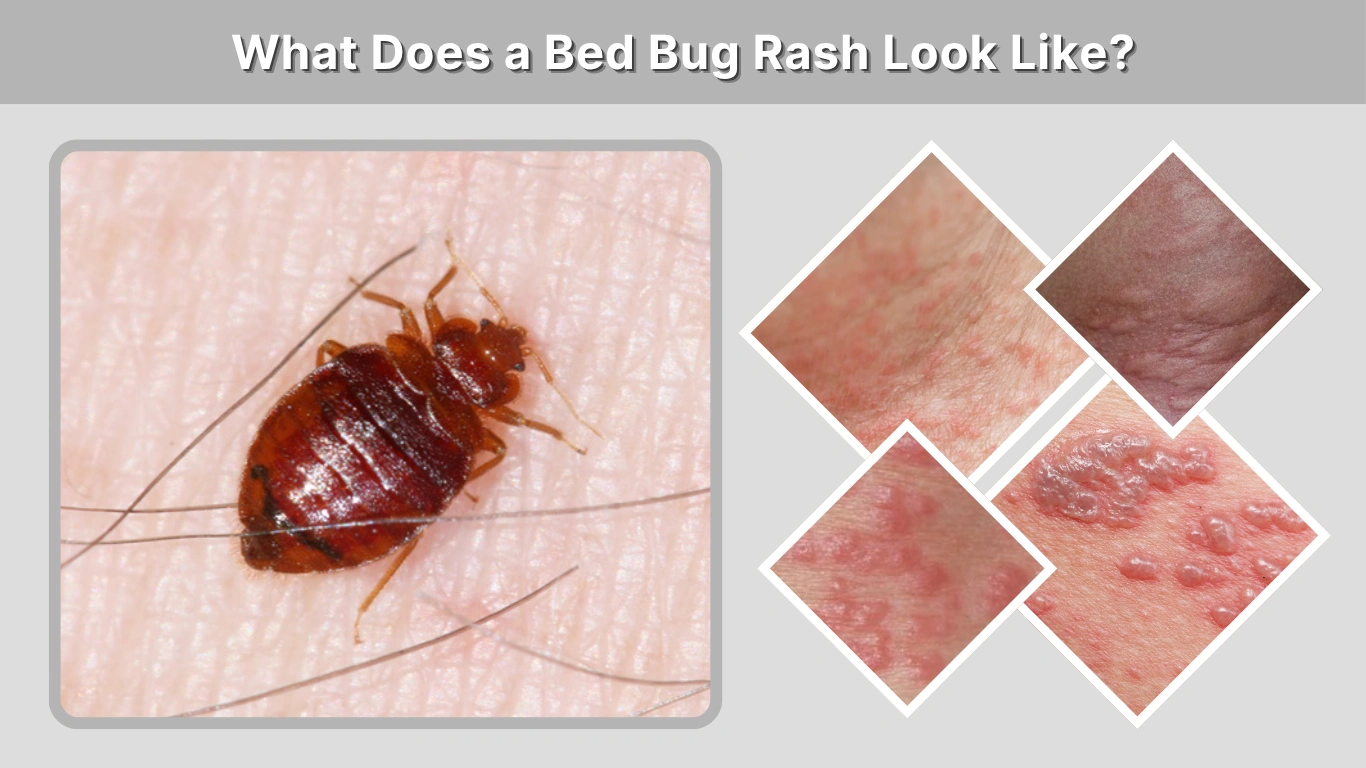
Bed bug rashes are one of the most commonly misunderstood skin reactions. Because they resemble other conditions like heat rash, flea bites, allergic reactions, and dermatitis, people often struggle to identify the true cause. A bed bug rash forms as a response to bites from bed bugs—tiny insects that feed on human blood at night. While some people show no reaction at all, many develop itchy, red bumps or full rash patches that can spread and intensify over time. Understanding what these rashes look like, why they occur, and how to treat them is essential for early detection and preventing further infestation.
Overview of Bed Bug Rashes
A bed bug rash is a skin reaction triggered by the insect’s saliva. When a bed bug bites, it injects a mixture of anesthetic and anticoagulant compounds so it can feed unnoticed. These substances cause irritation for many individuals, resulting in redness, swelling, and itching. The severity varies widely. Some people develop just small bumps, while others experience large, inflamed patches or even hives. Bed bug rashes can appear immediately or take 24–48 hours to become visible.
Because reactions differ from person to person, identifying a rash solely from appearance can be difficult. However, certain recognizable patterns and symptoms often help distinguish bed bug rashes from other skin issues.
What a Bed Bug Rash Looks Like

General Appearance
Most bed bug rashes appear as red, raised bumps that may be grouped together in clusters or aligned in a straight line. The cluster pattern, sometimes called the “breakfast-lunch-dinner” line, is one of the strongest visual clues. The bumps often have a small, darker center and may swell depending on skin sensitivity. Over time, the rash can develop into a larger irritated patch, especially if scratched repeatedly.
Early rashes usually start as small red dots. As inflammation progresses, the area may become warm and tender. In some cases, the rash takes on a blotchy appearance, and the surrounding skin may appear slightly swollen or pink.
Bite vs Rash – Key Differences
While bed bug bites start as individual bumps, these bumps can merge into a rash if the skin reacts strongly. A “bite-only” reaction involves a small bump with defined edges. In contrast, a rash involves broader skin irritation, creating patches that may look similar to eczema or dermatitis.
Some people develop bite-sized bumps without any rash formation, while others experience widespread redness that resembles hives or an allergic flare-up. Because of this variation, understanding both bite patterns and rash development is important.
Severe or Unusual Reactions
A small percentage of individuals experience extreme reactions such as:
- Large swollen welts
- Blister-like bumps
- Bullseye-shaped rashes
- Spreading redness that enlarges over the day
- Hive-like patches across multiple body areas
These severe reactions are typically immune-related and may require medical treatment.
Can Bed Bugs Cause a Rash?

Why Rashes Happen
Bed bug rashes occur because the body recognizes the insect’s saliva as an irritant. When bitten, the immune system triggers inflammation, histamine release, and itching. This inflammatory response is what forms the rash. People with allergies, eczema, sensitive skin, or weakened immune systems tend to experience stronger reactions.
Another factor is repeated exposure. The more often someone is bitten, the more pronounced the reactions may become, as the immune system becomes more responsive to the saliva proteins.
Common Rash-Related Questions
Many common questions arise when trying to determine whether rashes are bed bug related:
- Can bed bugs cause skin rashes? Yes, rashes are one of the most common symptoms.
- Can you get a rash from a single bed bug bite? Yes—sensitive individuals may react strongly even to one bite.
- Can bed bugs cause a rash all over the body? Widespread reactions can occur, especially in allergic individuals.
- Can bed bug bites cause a spreading rash? Yes, the rash can expand due to inflammation or scratching.
- Do bed bugs cause hives? In some cases, yes—hives are an allergic response to the bite.
Understanding these possibilities helps narrow down whether bed bugs are the likely cause.
Who Gets the Most Severe Rashes?
People with sensitive skin conditions, such as eczema, psoriasis, or dermatitis, often show strong reactions. Children may develop larger and more noticeable rashes than adults. Individuals with allergies or immune sensitivities may experience more dramatic inflammation, while others show almost no reaction at all. This wide range of responses is why diagnosing bed bug rashes can be challenging without examining bite patterns and home conditions.
Symptoms That Help You Identify a Bed Bug Rash

Primary Symptoms
Several hallmark symptoms can indicate a bed bug rash:
- Red, itchy bumps
- Clusters of three or more bites
- Straight-line bite formations
- Raised welts or small swollen bumps
- Itching that intensifies at night
Because bed bugs feed while you sleep, new rashes appearing in the morning are a major clue.
Secondary Symptoms
Sometimes the rash becomes more irritated over time. Secondary symptoms may include:
- Warm, sensitive skin
- Swelling around the bite area
- Pink or red patches spreading outward
- Delayed bumps that appear hours later
- Dark spots that remain after the rash fades
These symptoms help determine whether the reaction is worsening or healing.
How to Tell If It’s a Bed Bug Rash or Something Else
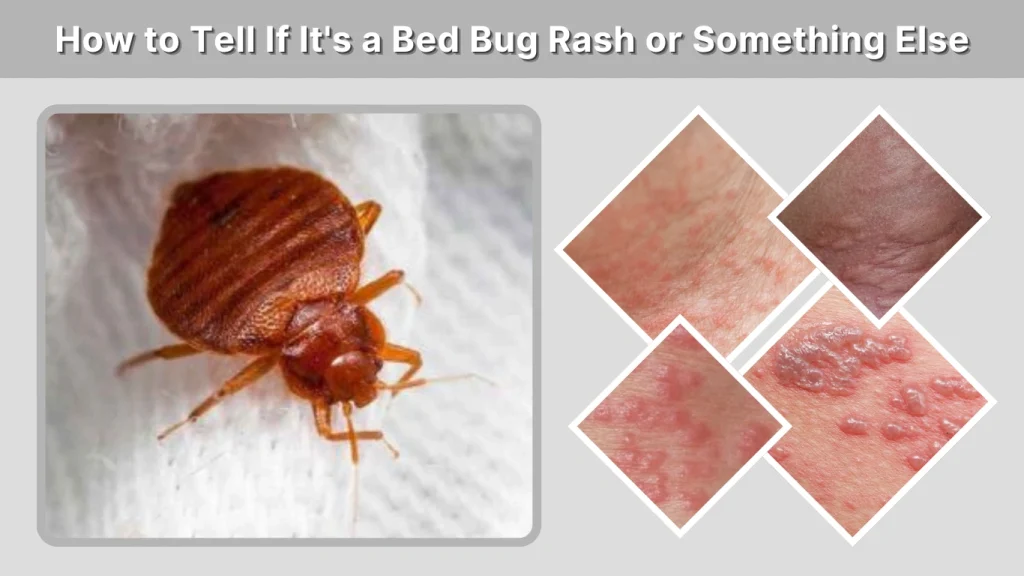
Because many rashes look similar, distinguishing a bed bug rash from other conditions requires careful comparison. The following guides help identify the differences.
Bed Bug Rash vs Heat Rash
Heat rash usually appears as tiny red dots that form in areas where sweat becomes trapped, such as the chest, armpits, or waistline. The bumps are small, prickly, and follow patterns related to sweating rather than sleeping. In contrast, bed bug rashes appear on exposed skin — arms, neck, legs, and face — and often show clear bite patterns or clusters. Heat rash improves with cooling, while bed bug rashes persist regardless of temperature changes.
Bed Bug Rash vs Allergies
Allergic rashes may appear suddenly and spread quickly. They often form flat, blotchy patches rather than raised bite marks. While bed bug rashes can trigger allergic reactions, especially hives, the presence of defined bite points is a major difference. Allergic reactions also tend to cover broader areas of the body without forming lines or clusters.
Bed Bug Rash vs Other Insect Bites
Not all insect bites look the same. Flea bites usually appear around the ankles and lower legs. Mosquito bites tend to be larger and isolated. Carpet beetles can cause rashes, but they are more linear and less raised. Sea lice causes clusters of tiny stings but are associated with ocean exposure. A key distinguishing feature of bed bug rashes is their tendency to appear overnight and show distinct groupings.
Bed Bug Rash vs Skin Conditions
Some skin conditions mimic bug bites:
- Dermatitis produces flaky, irritated patches.
- Eczema causes dry, itchy, thickened skin.
- Hives appear as raised welts that move across the skin.
- Diaper rash (in babies) can resemble clusters of irritation.
Bed bug rashes tend to have clearer bite marks and localized patterns, while many skin conditions are more diffuse or symmetric.
How to Confirm a Bed Bug Rash
Visual Checks
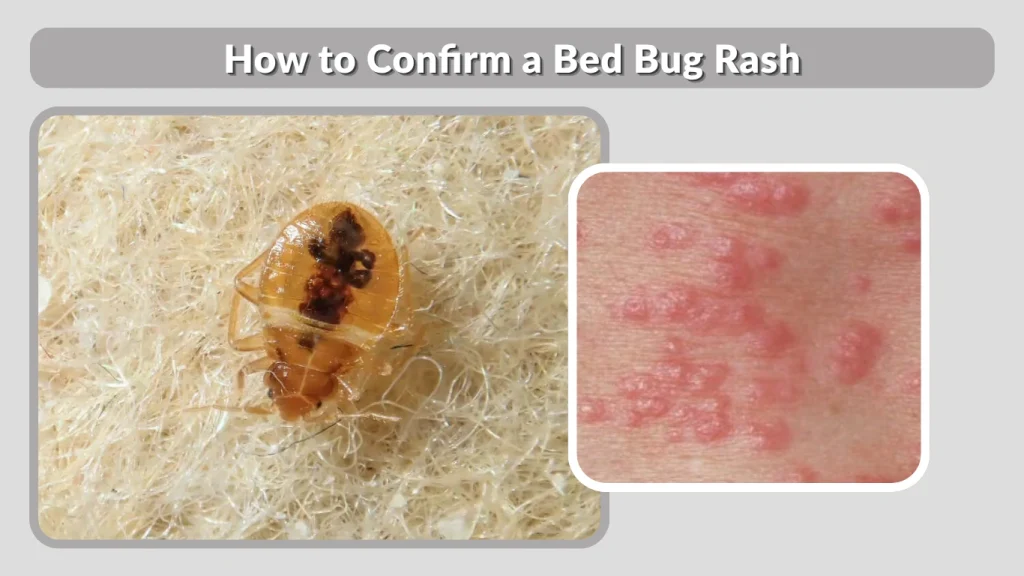
Comparing the rash to known photos of bed bug bites helps with identification. Look specifically for:
- Three bites in a row
- Clusters of small bumps
- Red raised welts
- Bite lines on exposed skin
A rash that appears overnight and follows these patterns strongly suggests bed bugs.
Inspecting Your Home
Finding visual evidence of bed bug activity provides confirmation. Check:
- Mattress seams and stitching
- The underside of box springs
- Behind headboards
- Around bed frames and nightstands
- Sofa cushions, carpets, and baseboards
Signs include tiny black fecal specks, small blood stains, shed skins, and live bugs. Bed bugs are reddish-brown, flat, and about the size of an apple seed.
When to Involve a Professional
If you cannot identify the cause or the rash continues to appear, a pest control professional can inspect your home. They use specialized tools and experience to locate infestations that are difficult to detect. Medical professionals can also diagnose rashes when the cause remains unclear.
How Long Bed Bug Rashes Last

Typical Duration
Most mild bed bug rashes fade within 3–7 days. Moderate reactions may take up to 2 weeks to fully heal. Severe allergic reactions or secondary infections can last significantly longer.
Factors That Affect Healing Time
Healing time depends on:
- How sensitive the person’s skin is
- How intensely the person scratches the rash
- Whether infection develops
- Continued exposure to new bites
- Skin hydration and care
Post-inflammatory dark spots may remain after the rash heals, especially for individuals prone to hyperpigmentation.
Treatment for Bed Bug Rashes

Medical Treatments
Over-the-counter medications can help reduce itching and swelling:
- Hydrocortisone cream
- Antihistamine tablets (such as diphenhydramine or cetirizine)
- Calamine lotion
- Antibiotic ointment for infected areas
In severe allergic cases, doctors may prescribe stronger steroid creams or oral steroids.
Home Remedies
Natural treatments are often effective for soothing irritation:
- Cold compresses reduce swelling.
- Aloe vera gel cools and hydrates the skin.
- Oatmeal baths soothe itchy, irritated areas.
- Baking soda paste can reduce redness and itchiness.
- Tea tree oil (diluted) helps calm inflammation, though sensitive skin should be cautious.
Things to Avoid
Avoid scratching the rash, as it can cause infection or scarring. Hot showers may worsen inflammation. Harsh soaps, scented lotions, and abrasive scrubbing should be avoided to prevent further irritation.
How to Get Rid of Bed Bug Rashes Quickly
Immediate Relief Steps
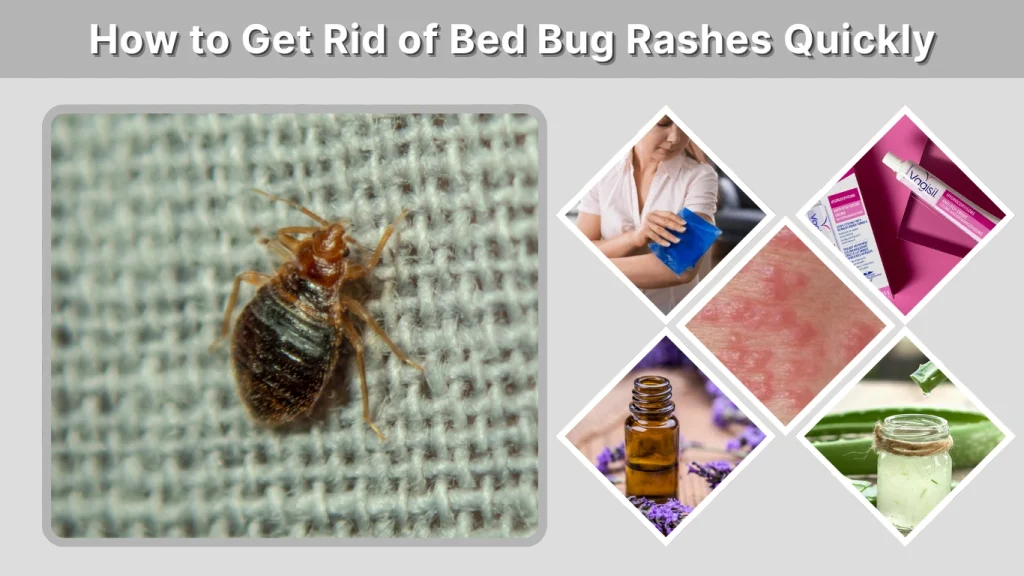
To minimize discomfort:
- Keep the area clean and moisturized
- Apply cold compresses
- Use anti-itch creams
- Wear soft, breathable clothing
- Avoid friction from tight fabrics
Preventing the Rash From Getting Worse
Covering the rash at night prevents unconscious scratching. Using lukewarm water for washing and applying moisturizer afterward helps maintain the skin’s protective barrier. Reducing stress and staying hydrated also supports the healing process.
Preventing Future Bed Bug Rashes
Eliminating the Bed Bugs
The only way to permanently stop bed bug rashes is to eliminate the pests. Key steps include:
- Washing clothing and bedding in hot water
- Using high heat to dry fabrics
- Vacuuming carpets, furniture, and mattress seams
- Steam cleaning mattresses and upholstery
- Using mattress encasements
- Contacting a pest control professional for severe infestations
Preventing Reinfestation
Prevent future problems by:
- Inspecting luggage and clothing after travel
- Checking used furniture before bringing it indoors
- Reducing clutter where bugs can hide
- Using bed bug interceptor traps under bed legs
When to Seek Medical Help
Seek medical attention if the rash:
- Spreads rapidly
- Causes severe swelling
- Shows signs of infection
- Is accompanied by fever
- Does not improve after two weeks
Medical professionals can prescribe stronger medication and rule out other conditions.
Special Situations
Can Pets Get Bed Bug Rashes?
Dogs and cats rarely show the same rash patterns as humans, but they can develop small bumps or itching. Bed bugs prefer human blood, though pets may be bitten in severe infestations.
Bed Bug Powder & Skin Reactions
Some people develop rashes from chemical bed bug powders. These reactions are typically allergic or irritant-based and are separate from actual bed bug bites.
