
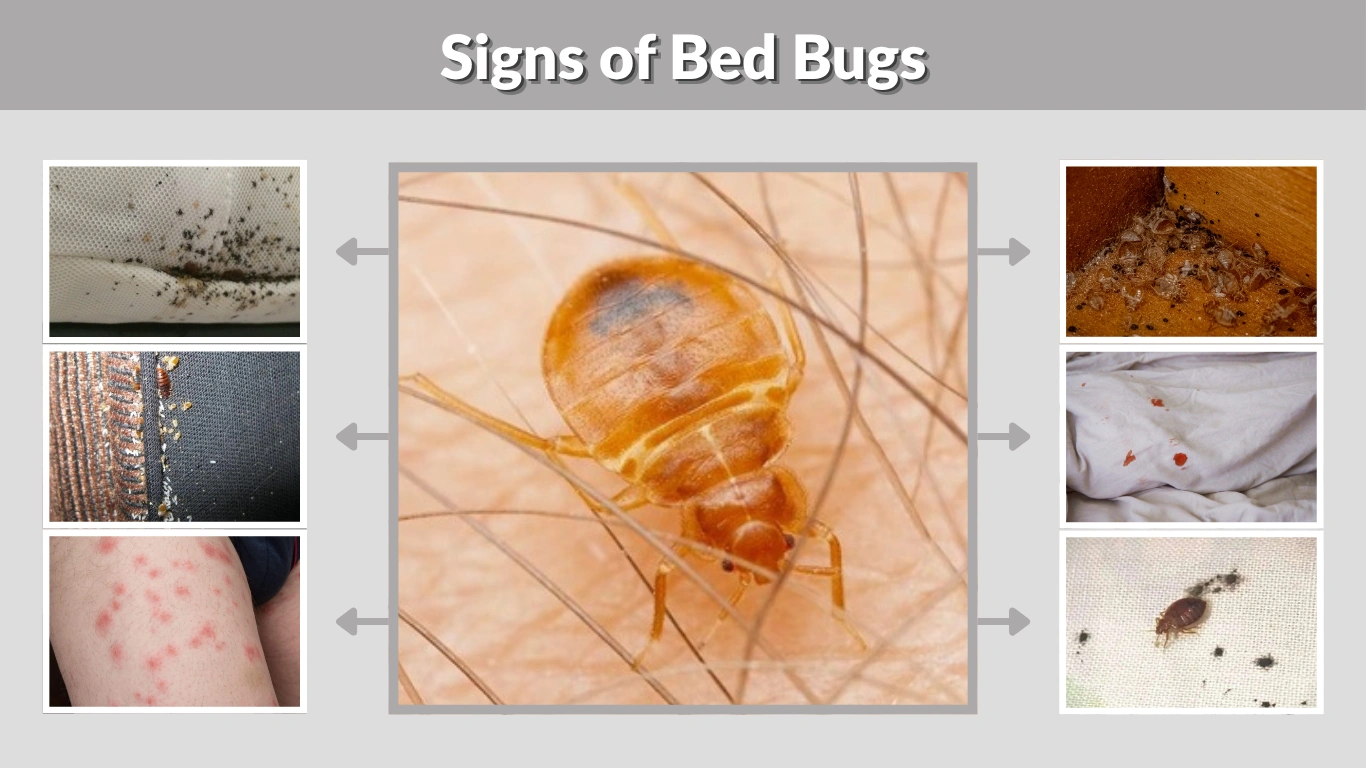
Bed bugs are small, elusive insects that hide deep within mattresses, furniture, and tiny cracks, making early detection essential. Recognizing the first signs helps prevent a minor problem from growing into a widespread infestation. From subtle stains on sheets to unexpected bites, these signs often appear before you ever see the insects themselves. This guide covers every early symptom, where to look, and how to identify bed bug activity with confidence.
Common Signs of Bed Bugs
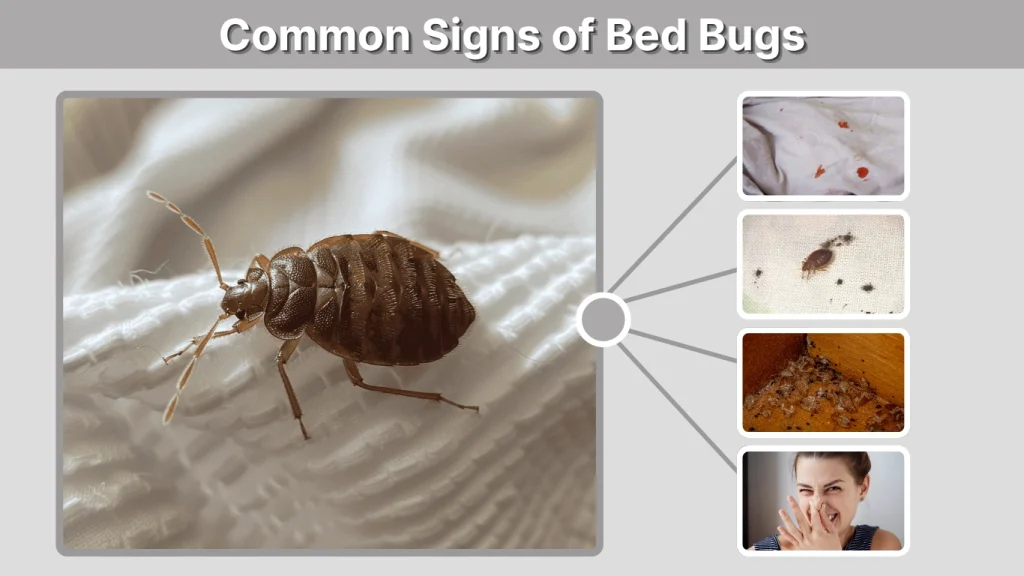
Bed bugs leave behind several visible clues that help you determine whether they are present. These indicators typically appear before the insects are spotted, allowing you to act quickly.
Small, Rust-Colored Blood Stains on Sheets
Blood stains occur when bed bugs are accidentally crushed after feeding. These tiny reddish marks often appear along pillowcases, bed edges, or on fitted sheets. They may be circular or smeared, depending on how the bug was pressed against the fabric during sleep.
Dark, Ink-Like Fecal Spots
Bed bug fecal stains are small black dots that resemble ink marks from a pen. They do not flake or crumble like dirt, and they smear easily when touched with a damp cloth. These dots accumulate on mattress seams, wall edges, headboards, and anywhere bed bugs rest.
Molted Skins and Shell Casings
As bed bugs grow, they shed their exoskeleton several times. These cast skins look like translucent, empty shells and are one of the most reliable signs of developing infestations. You may find multiple skins in clusters near common hiding areas.
A Musty, Sweet Odor
Severe infestations produce an unusual sweet, musty smell caused by pheromones released by large groups of bed bugs. Although mild cases may not have a noticeable scent, the odor becomes stronger as populations increase.
First Signs & Early Indicators of Bed Bugs
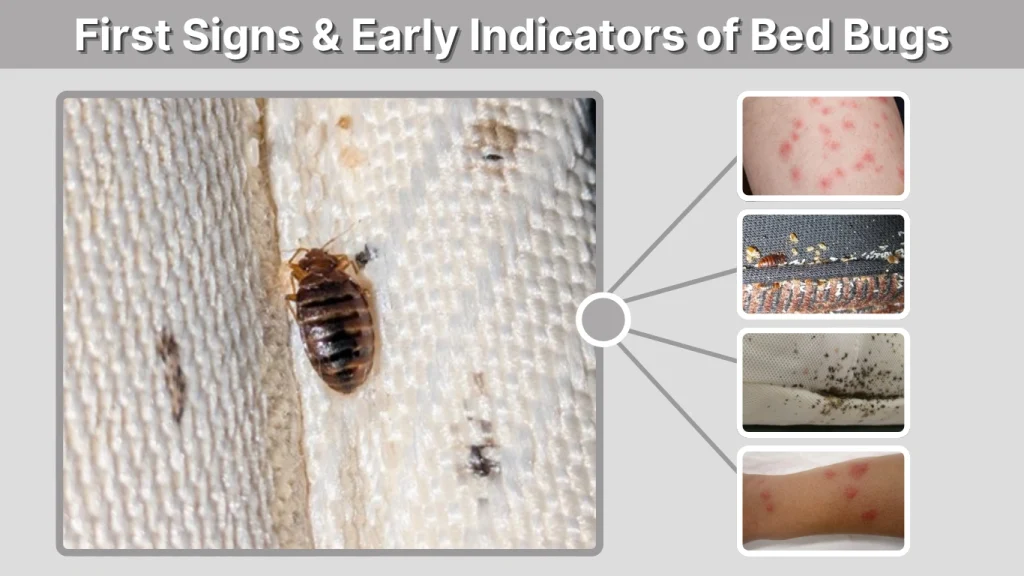
Early signs often appear before a population becomes large, making them especially important for stopping an infestation quickly.
Itchy, Red Bites in Lines or Clusters
Bed bug bites commonly appear in patterns such as rows, clusters, or zigzag lines. These raised, itchy welts are usually found on exposed skin like arms, legs, shoulders, and the neck. Bites appear overnight, but reactions vary widely—some people show strong symptoms while others show none.
Tiny White Eggs in Seams and Crevices
Bed bug eggs are extremely small, about the size of a pinhead. They appear white, slightly shiny, and are often glued to hidden surfaces like mattress seams or wood cracks. Although hard to spot, they can indicate early activity if discovered.
Subtle Early Signs on Mattresses and Bedding
Fresh fecal dots, pale stains, and occasional sightings of tiny bed bugs along the mattress edge are early indicators that a small infestation is developing. Pay special attention to seams, fabric tags, and the underside of the mattress.
How Quickly Early Signs Develop
Some people notice bites the next morning, while others may not react for days. Physical signs on bedding—such as stains or droppings—can appear within a week, depending on how often the bugs feed and move.
Signs of Bed Bug Bites on Humans
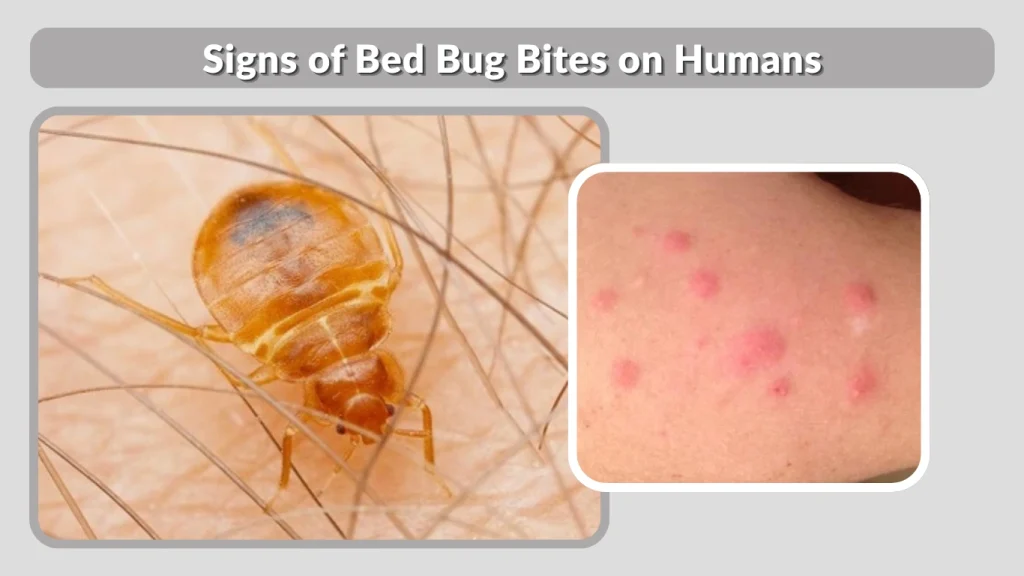
Bed bug bites are among the most common clues that something is wrong, but they can also be confused with reactions from other insects.
Red, Swollen, and Itchy Welts
Bed bug bites create raised, itchy bumps that may be slightly inflamed. The itching intensifies within a few hours or the next morning. These welts may cluster in small groups or appear in straight or curved lines across the skin.
Patterns That Indicate Bed Bugs
Common bite patterns include:
- Three bites in a row (“breakfast, lunch, dinner”)
- Multiple clusters on exposed areas
- Lines formed by bugs feeding successively along the skin
Matching these patterns with other visual evidence strengthens confirmation.
Why Some People Show No Bite Reactions
Up to 30% of people do not react to bed bug bites, making infestations difficult to detect based on skin symptoms alone. Children, older adults, and individuals with certain skin types may show minimal to no swelling or redness.
Differences Between Bed Bug Bites and Other Insect Bites
Bed bug bites usually appear in predictable patterns, unlike mosquito bites which are random. Flea bites tend to occur on the lower legs and ankles, while bed bug bites most often appear on upper body areas exposed during sleep.
Where to Look for Signs of Bed Bugs
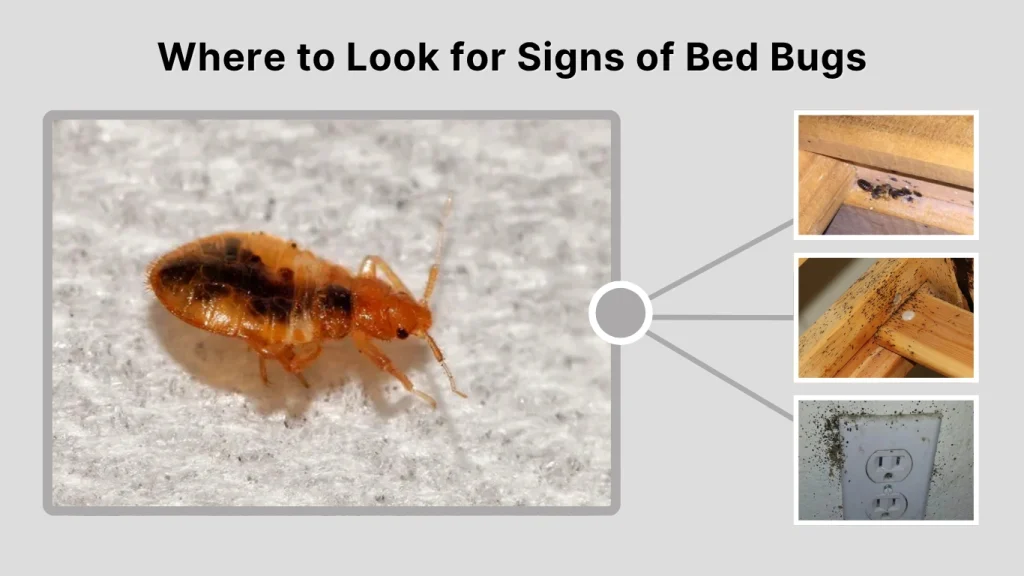
Bed bugs hide extremely well, especially during daylight, making careful inspection essential.
Mattresses, Box Springs & Bed Frames
Search thoroughly along the seams, tufts, creases, and under mattress tags. Check screw holes, joints, and the underside of wooden frames, as bed bugs prefer dark cracks close to their feeding source.
Furniture and Wooden Surfaces
Bed bugs frequently hide in furniture joints and narrow cracks in wooden surfaces. Check between cushions, inside zipper linings, beneath couch seams, and around drawer corners. The insects prefer rough or unfinished wood where they can grip easily. Even small crevices in bed frames or nightstands can harbor eggs, shells, or fecal spots.
Walls, Baseboards & Electrical Outlets
Bed bugs can travel behind walls and hide along baseboards, especially where wallpaper is peeling or the paint is cracked. They often slip into gaps around electrical outlets or light switches. Inspect these areas using a flashlight, paying attention to edges and screw holes where bed bugs may squeeze through.
Clothing, Bedding, and Carpets
Fabric layers provide warmth and protection, making them ideal for bed bugs. Look for stains or small dark specs on blankets, clothing piles, or carpets around the bed. Bed bugs may hide in thick carpet fibers along wall edges, particularly if the infestation has spread beyond the bed.
How to Inspect for Bed Bugs (Step-by-Step)
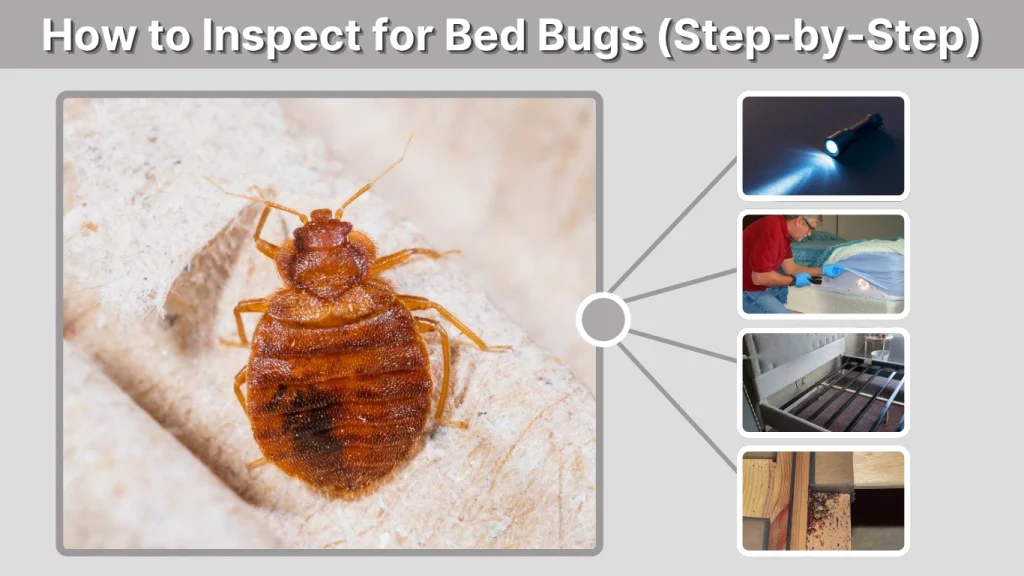
Step 1 — Gather Inspection Tools
A flashlight, gloves, a flat card (such as an old credit card), and a magnifying glass help you check tight spaces thoroughly. Interceptor traps placed under furniture legs can also capture bugs as they move.
Step 2 — Check Bedding and Mattress Seams
Start by removing all bedding. Run your card along mattress edges, lifting seams to uncover hidden bugs. Pay close attention to the corners and inspect both sides of the mattress, including labels, stitching, and the underside.
Step 3 — Inspect Furniture and Wood Cracks
Check headboards, bed frames, nightstands, and any furniture close to the sleeping area. Examine screw holes, joints, and drawer bottoms. Bed bugs are drawn to still, dark places where they can hide without disturbance.
Step 4 — Examine Walls, Outlets, and Baseboards
Look for shed skins or dark marks along walls and trim. If you notice gaps, gently shine your light inside. Bed bugs may climb into wall voids after feeding, especially in long-term infestations.
Step 5 — Use Interceptors or Traps
Traps placed under bed legs or along room edges help confirm activity. Bed bugs fall into the traps as they attempt to climb. If you notice captured insects within a few days, it is a strong sign of infestation.
Is One Bed Bug a Sign of Infestation?
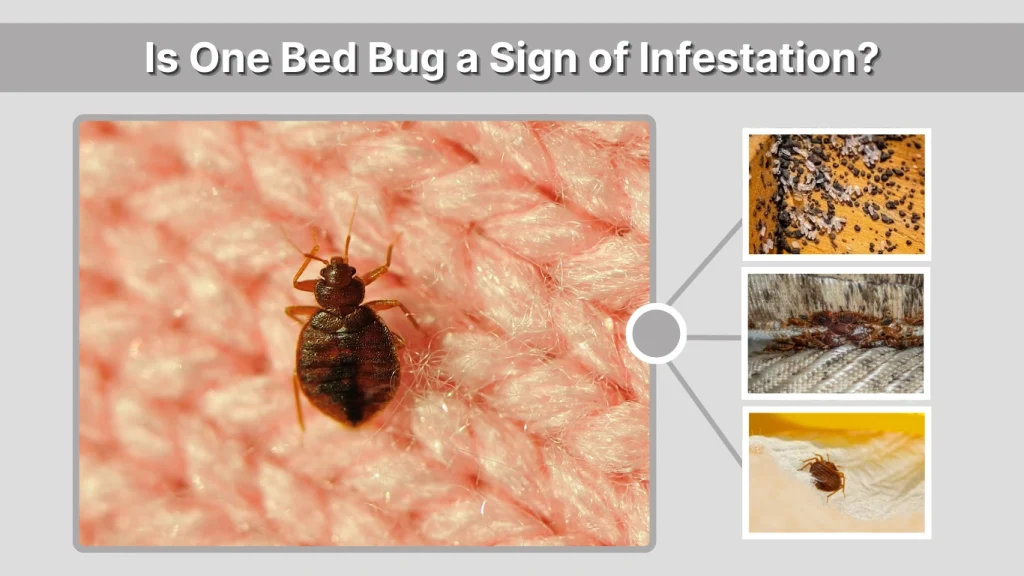
Single Bug vs. Hidden Colony
Finding one bed bug does not always mean a full infestation, but it should never be ignored. Bed bugs reproduce rapidly, and a single pregnant female can lay dozens of eggs. Even one bug could signal more are hiding nearby.
How Fast Bed Bugs Multiply
A female can lay up to five eggs per day, leading to hundreds over a few months. This rapid growth means early detection is critical to preventing a widespread infestation.
When to Assume an Infestation Has Started
If you find additional signs—such as stains, shells, or bites—assume a colony is forming. Bed bugs rarely travel alone for long.
Misconceptions About Bed Bug Signs
Are Bed Bugs a Sign of Poor Hygiene or Uncleanliness?
This is a common myth. Bed bugs feed on blood, not dirt or trash, so they can infest even clean homes. Clutter only helps them hide more effectively—it does not attract them.
Are Bed Bugs a Sign of Bad Luck or Witchcraft?
Bed bugs are insects, not supernatural omens. Their presence is usually caused by travel, secondhand furniture, or accidental transfer from other locations.
Can Bed Bugs Live in Microwaves or Strange Places?
Bed bugs do not survive appliances that produce heat consistently. However, they may hide in unusual locations like backpacks, clocks, or behind wall hangings near beds.
Why You May Have Bites but See No Bugs
Some people react strongly to bites, while others show no symptoms. If you see no signs, the bugs may be hiding in hard-to-reach places or the infestation may still be small.
What to Do at the First Sign of Bed Bugs
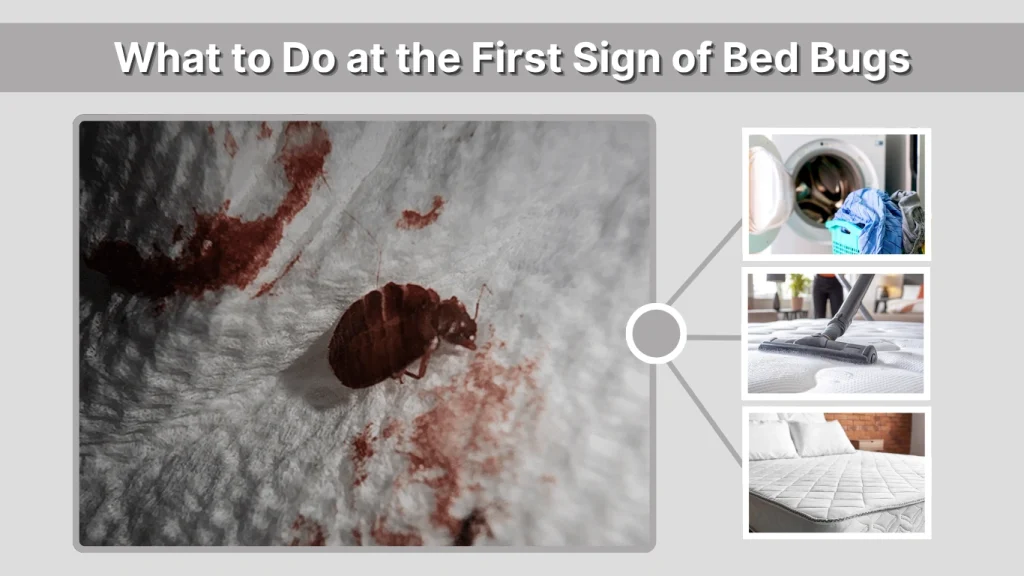
Clean and Heat-Treat Bedding and Clothing
Wash bedding in hot water and dry on high heat for at least 30 minutes. Heat kills all life stages, including eggs.
Vacuum Mattresses, Cracks, and Floor Edges
Vacuum carefully along seams, headboards, and floor edges. Empty the vacuum immediately into a sealed bag.
Use Mattress Encasements and Interceptors
Bed bug–proof encasements trap insects inside and prevent new ones from hiding. Interceptors placed under bed legs help monitor activity.
When to Call Professional Pest Control
If you see multiple signs or suspect a larger infestation, a licensed exterminator can provide effective heat, chemical, or steam treatments.
How to Get Rid of Early Signs of Bed Bugs
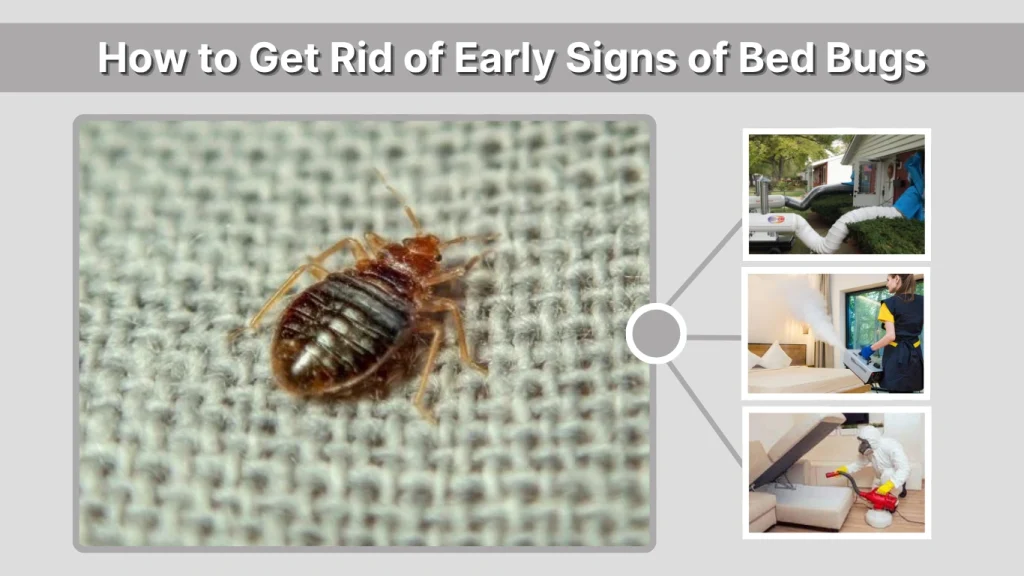
DIY Heat, Steam, and Cleaning Methods
Steam cleaners, hot dryers, and heat treatments can eliminate small infestations. Clean surrounding areas thoroughly and repeat treatments to ensure full removal.
Chemical vs. Natural Treatment Options
Chemical sprays may help but must be used carefully. Natural options like diatomaceous earth work slowly by dehydrating bed bugs. Always follow safety instructions.
Monitoring After Treatment
Install traps and inspect regularly to confirm the infestation has been eliminated. Continue checking bedding and furniture weekly for at least a month.
How Long Before Bed Bug Signs Show?
Bite Reaction Timeline
Reactions range from immediate to several days later, depending on sensitivity.
How Fast They Reproduce
Eggs hatch in about 6–10 days, meaning signs can appear within weeks.
Why It Can Take Weeks to Notice
Small infestations often remain hidden until bugs multiply enough to leave more visible evidence.
When Signs Don’t Match: What Else Could Be Biting?
Fleas
Usually found on ankles and pets.
Mosquitoes
Random bite patterns, not clusters.
Dust Mites
Cause irritation without clear bite marks.
Skin Allergies
Can mimic bite-like reactions.
FAQs
What are the earliest signs of bed bugs?
Early signs include tiny fecal spots, shed skins, light stains on sheets, and occasional bites. You may also find eggs in hidden areas like mattress seams or cracks in wood. These indicators often appear before bugs are visibly present, making them crucial for early detection and fast action.
Can you have bed bugs without seeing bites?
Yes. Some people do not react to bites at all, which makes infestations harder to detect. While others may develop itching and redness, many individuals show no symptoms. This is why physical signs—such as stains, shells, or droppings—are just as important as bite reactions when identifying bed bugs.
How do I check my mattress for bed bugs?
Begin by removing all bedding and inspecting seams, corners, tags, and stitching. Use a flashlight and run a flat card along the edges to reveal hidden insects. Check the underside and nearby bed frame joints. Look for droppings, blood stains, cast skins, and eggs to confirm activity.
Is one bed bug a sign of infestation?
A single bed bug should always be considered a warning. Bed bugs rarely remain alone, and one bug may indicate that others are hiding nearby. A pregnant female can start a full infestation within weeks. Inspect thoroughly and monitor the area using traps to verify whether a colony exists.
What should I do at the first sign of bed bugs?
Wash bedding in hot water, heat-dry clothing, and thoroughly vacuum mattresses and nearby furniture. Use interceptors under bed legs and consider installing mattress encasements. If multiple signs appear or activity continues, contact professional pest control for fast, effective treatment.
