
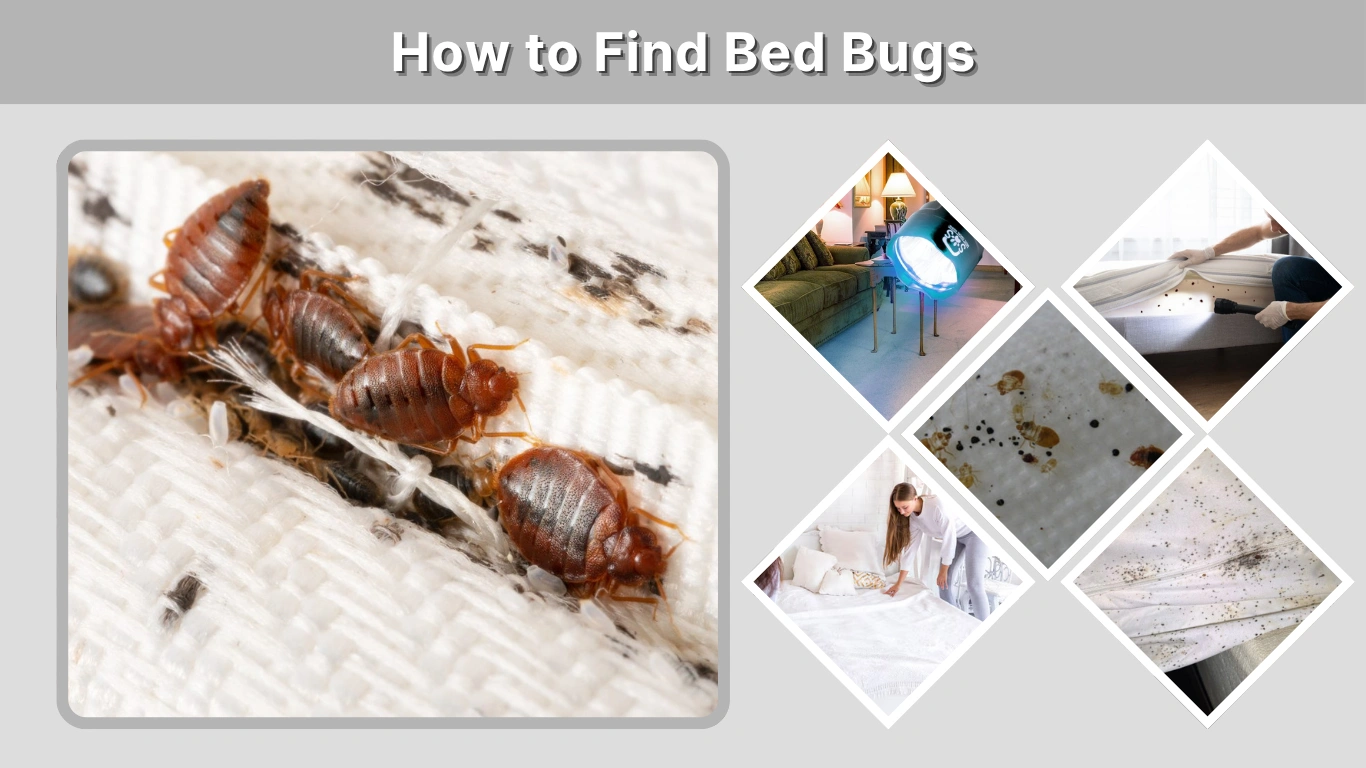
Finding bed bugs can be frustrating because they’re masters of hiding. These small, flat insects feed on human blood and often go unnoticed until bites or stains appear. Detecting them early is the key to preventing a full infestation. In this guide, we’ll explain how to find bed bugs in your bed, furniture, hotel rooms, and more — plus the tools and signs that reveal their presence even during the day.
Understanding Bed Bug Behavior and Signs
Why Bed Bugs Are Hard to Find
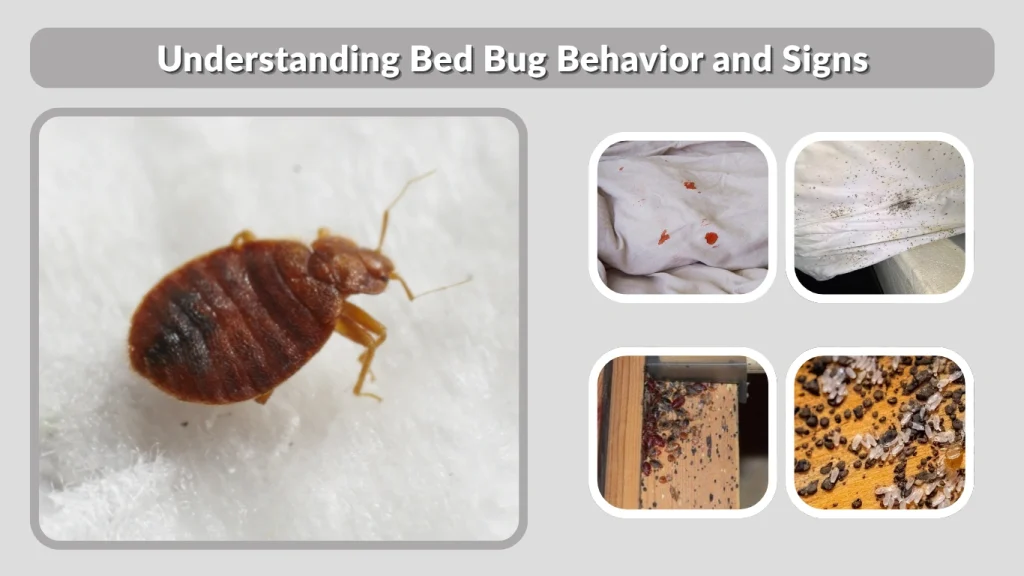
Bed bugs are nocturnal, meaning they prefer to feed at night and hide during the day. Their flat, oval-shaped bodies allow them to squeeze into spaces as thin as a credit card. They rarely crawl out in daylight unless the infestation is severe. Because they move silently and feed quickly, most people don’t notice them right away.
After feeding, bed bugs return to cracks, mattress seams, or furniture joints to digest their meal and lay eggs. A single female can lay hundreds of eggs in her lifetime, so missing even a small nest can lead to a large infestation in a few weeks.
Common Signs of Bed Bugs
Before searching for live insects, look for physical evidence:
- Blood stains: Small reddish smears on bed sheets or pillowcases.
- Fecal spots: Tiny black or dark brown dots resembling pepper.
- Shed skins: Pale, translucent shells left behind as nymphs grow.
- Eggs: White, pinhead-sized ovals glued to surfaces near sleeping areas.
- Odor: A sweet, musty scent caused by bed bug pheromones in large infestations.
Spotting even one or two of these signs suggests it’s time for a closer inspection.
How to Find Bed Bugs in Beds and Mattresses

Step-by-Step Bed Inspection
Start with the bed, as it’s the most common hiding place. Strip all bedding — sheets, pillowcases, blankets, and covers. Using a flashlight and magnifying glass, examine the mattress seams, corners, and tags carefully.
Pay attention to areas where the fabric folds or stitching creates shadows. Bed bugs often cluster near the head of the bed, within 8–10 inches of where people sleep. Look for live bugs (reddish-brown and the size of an apple seed), tiny eggs, or dark fecal spots that look like ink stains.
Checking the Box Spring and Headboard
If the mattress seems clean, move on to the box spring. Flip it over and inspect the wooden frame, edges, and fabric underside. Bed bugs often nest inside the frame, where it’s dark and warm.
Next, remove the headboard if possible. Look in screw holes, seams, or gaps between the bed and wall. These areas often harbor hidden bugs that crawl out only at night. A small flashlight beam along these cracks can reveal their reflective, reddish bodies.
How to Find Bed Bugs in Furniture and Upholstery

Inspecting Sofas and Chairs
Couches and recliners are the second most common hiding places. Remove the cushions and check every seam, zipper, and fold. Look under cushions, between fabric layers, and in the corners where material meets wood or metal.
If you find small black dots, white eggs, or reddish stains, it’s a clear sign of activity. Bed bugs prefer upholstered furniture in living rooms or guest rooms where people nap. Vacuum thoroughly after inspection and steam the seams for added safety.
Finding Bed Bugs in Carpets and Curtains
Bed bugs can crawl off furniture and hide along carpet edges, baseboards, and curtain folds. Check under rugs and along wall junctions where dust accumulates. Use a thin card or butter knife to scrape gently along cracks — if bugs are present, they’ll scurry out.
Inspect the tops and folds of curtains, especially near windows or sleeping areas. Bed bugs can climb fabric easily and settle into pleats. Cleaning curtains regularly and vacuuming baseboards reduces their hiding spots.
How to Find Bed Bugs in Different Places Around the Home
Clothes and Closets
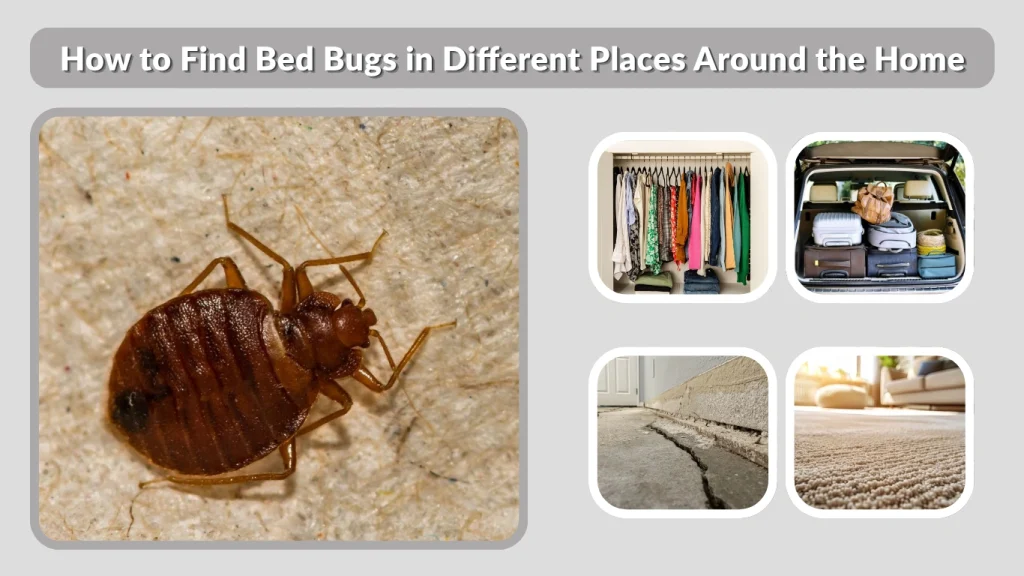
Bed bugs can cling to clothes and fabric bags, especially if they’ve been stored near infested furniture. Examine closet corners, shelf edges, and garment seams. They often hide in folded clothing or piles that stay undisturbed for long periods.
To eliminate them, wash clothes in hot water (120°F or 49°C) and dry them on high heat for at least 30 minutes. This kills both bugs and eggs. Store freshly washed clothes in sealed plastic bags until you’re sure your home is clear.
Cars and Luggage
Traveling can easily spread bed bugs. They hide in suitcase seams, zippers, and linings, hitching rides from hotels or airports. After returning home, inspect luggage outdoors or in a garage before bringing it inside.
In cars, focus on seat seams, headrests, and seatbelt folds. Bed bugs can survive for months between blood meals, so check regularly if you travel often. Vacuum and steam the interior, especially fabric areas and trunk corners.
Carpets and Floor Cracks
Bed bugs love cracks where carpets meet walls or furniture. Run a credit card or spatula along edges to uncover them. Vacuum these areas and use diatomaceous earth or insecticidal dust to create a barrier that kills crawling bugs over time.
How to Find Bed Bugs in Hotels
Inspecting a Hotel Room
Before unpacking, take five minutes to inspect the room. Pull back the bedspread and sheets to check mattress seams, corners, and under the pillows. Use your phone’s flashlight to spot eggs or stains.
Look behind the headboard, inside nightstands, and under lamps or telephones where bed bugs may hide during the day. Inspect upholstered chairs and curtains, especially if you notice small dots or shells nearby.
Protecting Your Belongings
Keep your luggage on a metal rack away from walls and bedding. Never place it on the floor or bed. Store clothing in resealable plastic bags instead of drawers. When you return home, immediately wash and dry all travel clothes on high heat.
Finding Bed Bugs During the Day and at Night
How to Spot Bed Bugs in Daylight
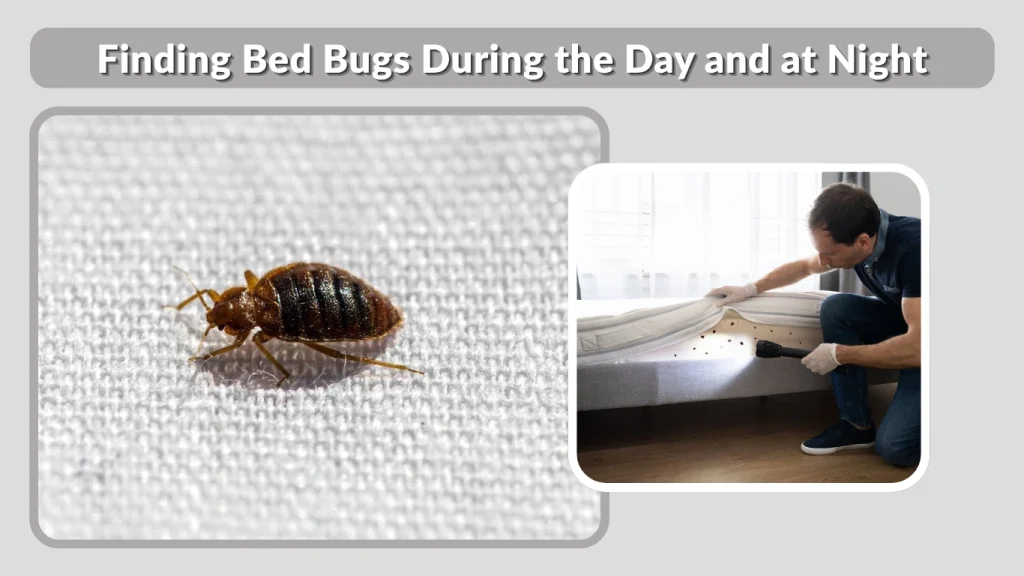
Even though bed bugs are nocturnal, it’s still possible to spot them during the day with patience and the right tools. Use a bright flashlight and direct the beam into cracks, seams, and corners around your bed and furniture. A magnifying glass helps you see eggs or small nymphs that are almost transparent.
Move slowly — bed bugs often freeze in place when exposed to light. Slide a thin card or putty knife along mattress seams and baseboards to disturb them. You may also find small clusters of eggs or shed skins, which are clear signs of their presence.
If you have dark furniture, look for tiny white specks (eggs) or faint black dots. On light-colored surfaces, live bugs and dark fecal stains are easier to notice. Always inspect areas closest to where you sleep or sit for long periods.
Nighttime Inspection
At night, bed bugs become more active, feeding for 5–10 minutes before retreating. If you suspect them but haven’t seen any, try a nighttime inspection:
- Turn off the lights for about 10 minutes.
- Sit quietly with a small flashlight or red light (they don’t detect red light easily).
- Observe bed seams, pillow edges, and nearby furniture.
You can also use bed bug interceptors under the bed legs to catch bugs traveling to and from your bed while you sleep. These simple traps are an excellent way to confirm their activity overnight.
Using Tools and Methods to Detect Hidden Bed Bugs
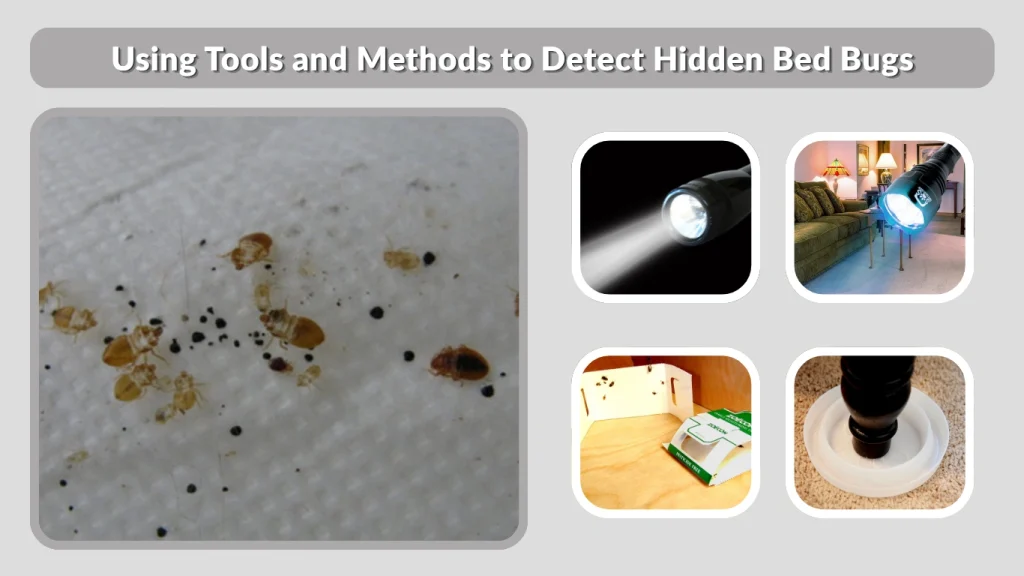
DIY Detection Tools
You don’t need professional gear to begin finding bed bugs. A few affordable tools can make the process easier:
- Flashlight: Essential for peering into cracks and seams.
- Black light or UV lamp: Helps highlight stains, shells, or droppings.
- Sticky traps: Placed around bed legs or baseboards to capture moving bugs.
- Interceptors: Plastic dishes under furniture legs that trap bugs as they climb.
Professional Detection Options
When infestations are difficult to confirm, professionals use advanced detection methods:
- Canine inspections: Specially trained dogs can detect even a few hidden bugs by scent.
- Heat or CO₂ monitors: These devices lure bugs out by simulating human body warmth or breath.
- Professional pest inspections: Experts use specialized tools to inspect wall voids, furniture interiors, and other hard-to-reach areas.
If home methods fail, these professional approaches can quickly identify hidden infestations before they worsen.
Identifying Bed Bug Eggs and Nests
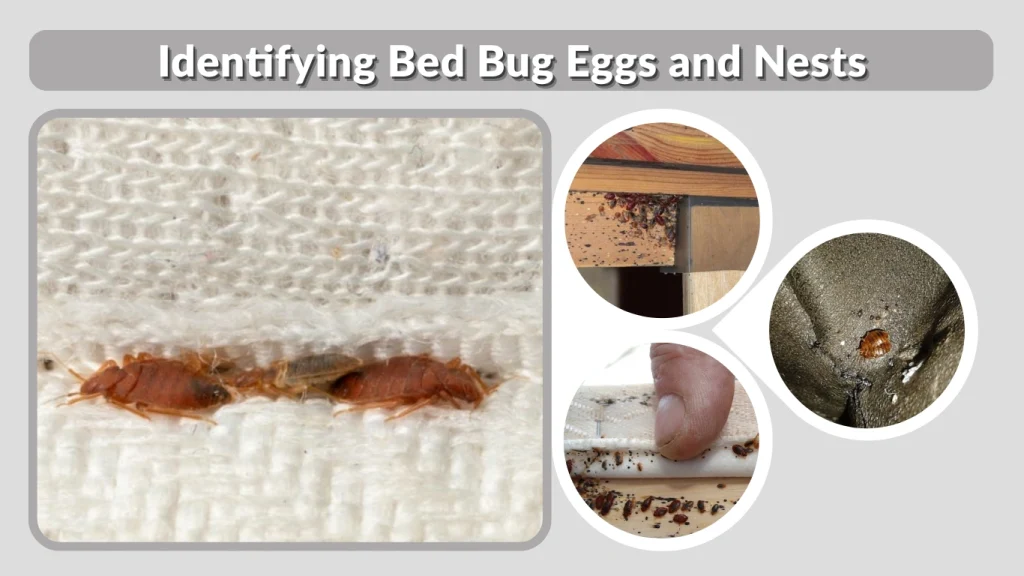
Finding Eggs
Bed bug eggs are tiny — about 1 millimeter long — and pearly white. They resemble small grains of rice and are often laid in clusters. Look for them:
- Along mattress seams and tags.
- Behind headboards or under screw holes.
- In the folds of curtains or upholstered furniture.
Because they stick to surfaces with a glue-like coating, eggs can be difficult to remove. A vacuum with a crevice tool or steaming helps dislodge them effectively.
Locating Nests
Bed bug “nests” aren’t traditional nests like those of ants or bees. Instead, they form clusters of bugs, eggs, and droppings in protected areas near their food source. You might find these clusters:
- Inside wall cracks, behind baseboards, or under peeling wallpaper.
- Beneath mattresses or inside box springs.
- In joints of wooden furniture and behind picture frames.
A strong musty odor often indicates a large nesting area. Once you identify these clusters, treat them immediately with heat or professional extermination methods.
Confirming a Bed Bug Infestation
How to Be Sure
If you’re unsure whether you’re dealing with bed bugs or another pest, look for a combination of signs:
- Bite patterns: Small, itchy red welts often appear in lines or clusters.
- Visible bugs: Adults are reddish-brown and roughly 4–7 mm long.
- Fecal spots and stains: Black dots on bedding, furniture, or walls.
- Eggs or shed skins: Evidence of ongoing reproduction.
If these signs persist even after cleaning, it’s time to call in professionals for confirmation and treatment.
When to Call a Professional
If you continue to find new bites, stains, or bugs despite cleaning, a pest expert can perform an in-depth inspection. Professionals can access areas behind walls, floors, and furniture that you can’t safely inspect yourself.
Most exterminators use integrated pest management (IPM) — combining heat, chemical, and mechanical methods for thorough elimination. Early professional intervention prevents infestations from spreading to other rooms or apartments.
FAQs
How can I be sure I have bed bugs?
The most reliable indicators are live insects, black fecal stains, or clusters of eggs and shells. Bed bug interceptors under bed legs can confirm activity overnight.
Where do bed bugs hide during the day?
They hide in dark, tight spaces near where humans rest — mattress seams, headboards, wall cracks, furniture joints, and electrical outlets.
Can I see bed bugs with the naked eye?
Yes. Adults are about the size of an apple seed (4–7 mm) and easily visible once you know where to look. However, eggs and newly hatched nymphs are much smaller and harder to detect.
How can I find bed bugs in a hotel room?
Inspect the mattress corners, seams, and behind the headboard before unpacking. Keep your luggage on a rack and away from walls or bedding to avoid hitchhiking bugs.
What’s the best tool for detecting hidden bed bugs?
A flashlight and bed bug interceptors are the simplest DIY tools. For larger or hidden infestations, canine detection or professional heat inspections are the most accurate methods.
