
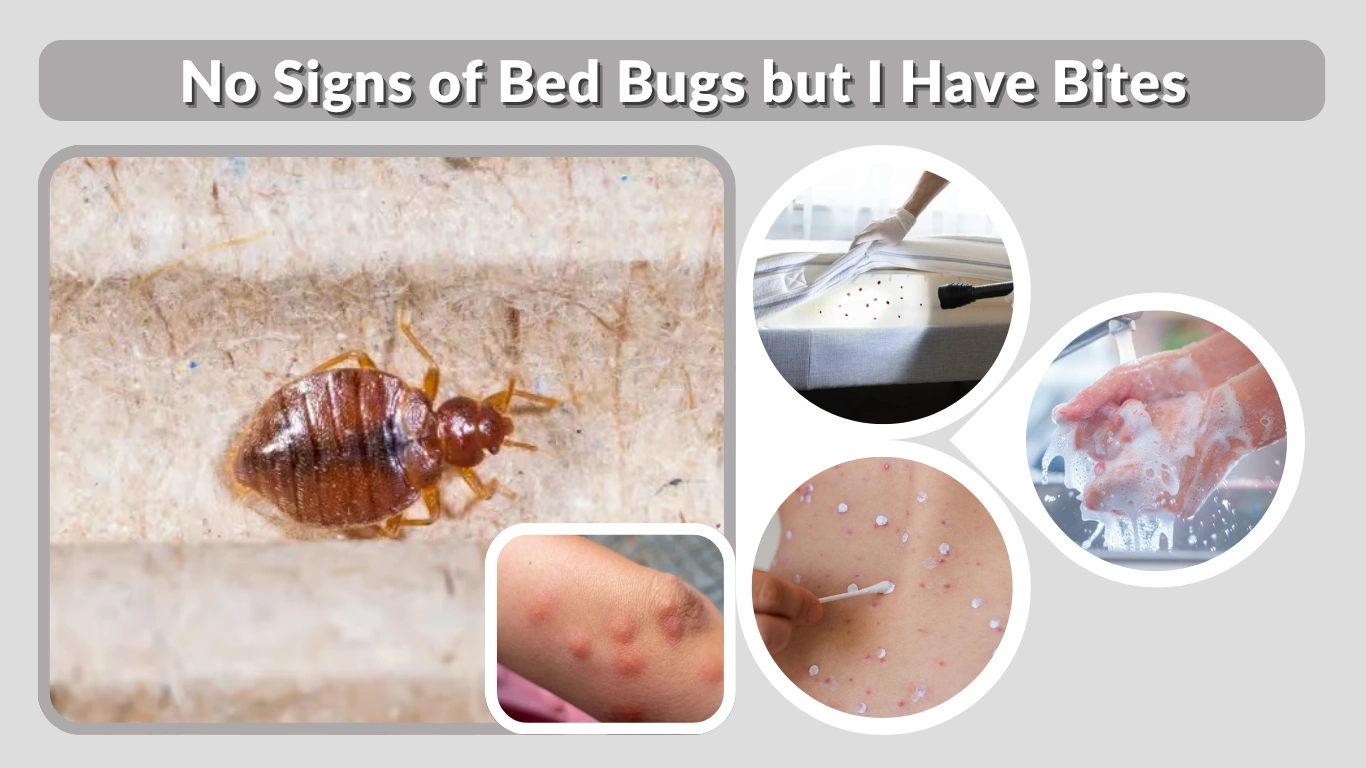
Waking up with unexplained red bumps or itchy marks can be unsettling, especially when you see no signs of bed bugs anywhere. You wash your sheets, check your mattress, and still find nothing — yet the bites keep appearing. This situation is surprisingly common, and several possible culprits may be responsible. Understanding what’s really happening is the first step toward relief and prevention.
Understanding the Problem
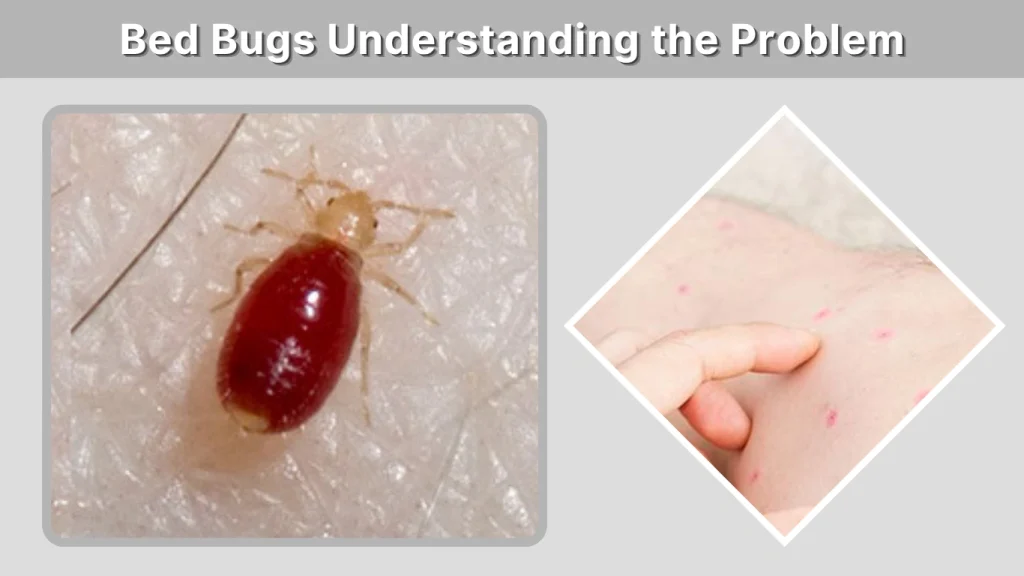
Why You Might Have Bites but No Signs of Bed Bugs
Bed bugs are masters of concealment. They can hide inside mattress seams, furniture joints, wall cracks, or even electrical outlets — places that are difficult to inspect without special tools. Small infestations may go unnoticed for weeks or months.
Another common reason for confusion is that not everyone reacts to bed bug bites the same way. Some people develop large, itchy welts, while others show little or no reaction. Bites may also appear days after feeding, which makes it difficult to connect them to bed bugs immediately. So, a lack of visible insects doesn’t necessarily mean you’re safe.
Hidden Bed Bug Habitats
If you suspect bed bugs but can’t find any, focus on their typical hiding spots. Check around:
- Mattress seams and tags
- Bed frames and headboards
- Behind wall hangings and picture frames
- Cracks in walls or floorboards
Bed bugs can flatten their bodies to hide in spaces as thin as a credit card. Early infestations often leave subtle clues like tiny black dots (fecal stains), translucent shed skins, or a faint musty odor.
Other Causes of Unexplained Bites
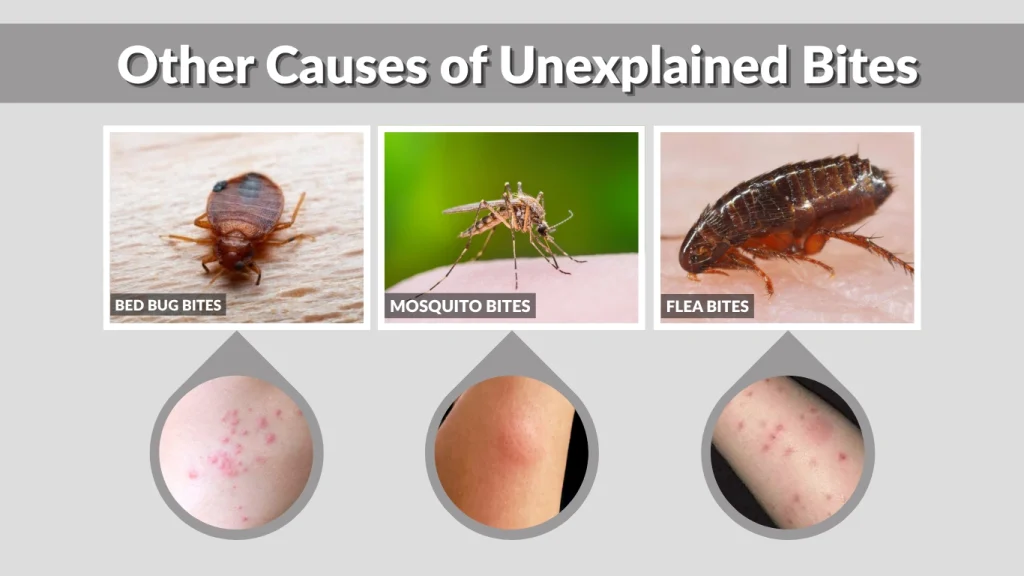
Even if you don’t find bed bugs, several other pests or skin irritations can cause similar reactions.
Fleas
Fleas are common in homes with pets or wildlife nearby. Their bites are small, red, and clustered, often concentrated around ankles or lower legs. Unlike bed bugs, fleas can jump and may bite multiple times in one area.
To confirm fleas, check your pets’ fur or bedding for small black specks — flea dirt — and wash everything in hot water.
Mosquitoes
Mosquito bites are typically isolated and raised, with intense itching that fades within a day or two. These bites usually occur on exposed skin and are more likely if you’ve slept with open windows or near standing water.
Prevent mosquito bites by installing window screens, using repellents, and removing stagnant water sources around your home.
Mites and Carpet Beetles
Mites, especially dust mites, don’t actually bite but can cause allergic reactions that resemble insect bites. Carpet beetle larvae, on the other hand, have tiny bristles that irritate skin when touched, leading to itchy welts mistaken for bites.
Frequent vacuuming, washing rugs, and deep-cleaning upholstered furniture can help eliminate these causes.
Spiders and Other Insects
Spider bites are rare but can cause isolated red marks that sometimes swell. Small insects like midges or gnats can also leave bite-like reactions, particularly in humid climates.
Most of these bites heal quickly, unlike bed bug bites, which can last several days.
Allergic Reactions and Skin Conditions
Sometimes, what looks like an insect bite isn’t one at all. Allergic dermatitis or eczema can create small red bumps that itch or swell.
Common triggers include new laundry detergents, perfumes, or cleaning products. If you’ve recently changed household products and the marks appeared shortly after, consider a contact allergy rather than a pest problem.
A dermatologist can help diagnose the cause if the irritation persists.
How to Check for Hidden Signs of Bed Bugs
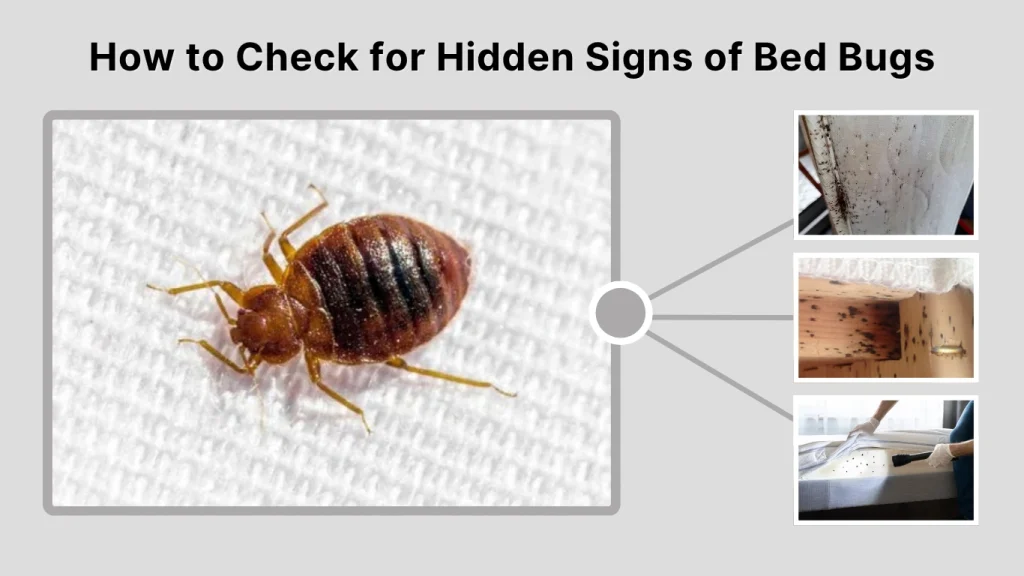
If you’re unsure whether bed bugs are to blame, a careful inspection is essential.
Detailed Bedroom Inspection
Start with your sleeping area, as bed bugs usually hide close to where humans rest.
- Remove all bedding and check mattress seams, tags, and tufts for small black stains or shed skins.
- Inspect behind the headboard, along baseboards, and under carpets or rugs near the bed.
- Examine nightstands, lamps, and outlet covers, as bed bugs may hide in dark, protected spaces.
A flashlight and magnifying glass make spotting these tiny insects easier. If you find brown shells or white, rice-like eggs (around 1 mm), that’s a sign of an active infestation.
Using Bed Bug Interceptors and Traps
If your inspection turns up nothing, use bed bug traps or interceptors under the bed’s legs. These small devices capture bugs moving between your bed and the floor. Leave them in place for several nights to monitor activity.
You can also use sticky traps or carbon dioxide monitors, which attract and trap bed bugs overnight.
Professional Pest Inspection
When all else fails, a pest control professional can perform a detailed inspection. Some companies use bed bug-sniffing dogs or heat detection equipment to locate infestations in walls or furniture.
Early detection saves time and money, as small colonies are much easier to eliminate than large infestations.
What to Do If You Have Bites but No Visible Bugs
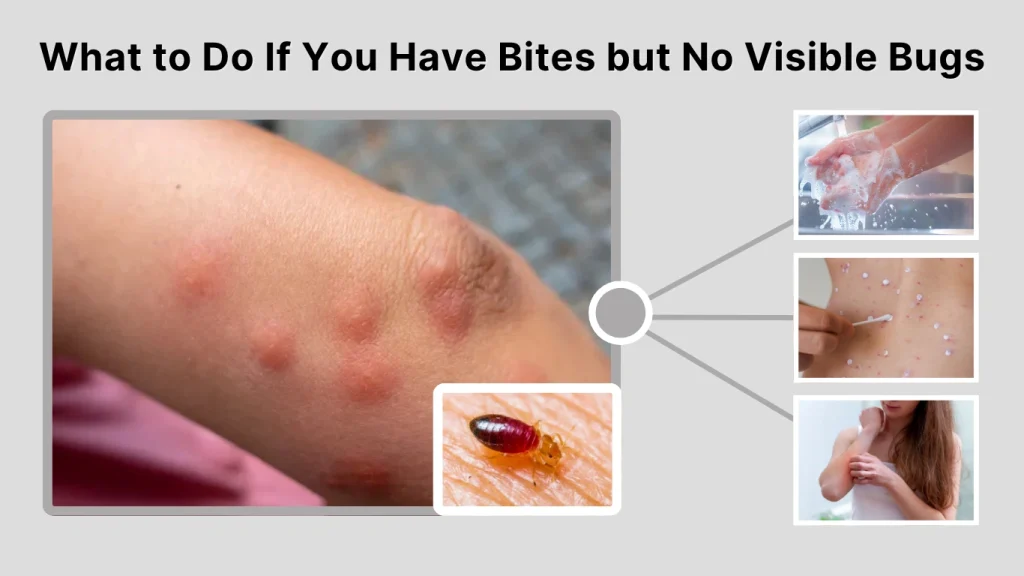
Treating the Bites
While identifying the cause, it’s important to relieve discomfort and prevent infection.
- Clean the area gently with soap and warm water.
- Apply calamine lotion or hydrocortisone cream to soothe itching.
- Use cold compresses to reduce swelling and redness.
- Avoid scratching, which can worsen irritation or cause scarring.
If itching becomes severe, an over-the-counter antihistamine can help reduce inflammation and allergic responses.
Cleaning and Prevention Steps
Once you’ve treated your bites, focus on keeping your environment clean and reducing possible insect activity. Even if you don’t see bed bugs, a thorough cleaning can eliminate any hidden pests or allergens that might be causing the reaction.
- Wash all bedding and clothing in hot water at least 120°F (49°C) or higher. This temperature kills bed bugs, fleas, and their eggs.
- Dry items on high heat for 30–45 minutes to ensure complete disinfection.
- Vacuum carpets, rugs, and upholstery carefully, especially around the bed and furniture edges. Empty or replace the vacuum bag immediately afterward.
- Steam clean mattresses, sofas, and curtains if possible. The high heat from steam is lethal to most pests.
- Declutter bedrooms and closets. Bed bugs and mites thrive in dark, undisturbed areas, so minimizing clutter helps reduce their hiding spots.
Keeping a clean, organized environment also makes it easier to detect early signs of future infestations.
Encase and Protect
Bed bug–proof encasements are excellent preventive tools even when you haven’t seen bugs. These zippered covers trap any hidden insects inside your mattress or box spring, cutting off their food source until they die.
Other preventive actions include:
- Sealing cracks in walls, baseboards, and bed frames.
- Pull your bed slightly away from walls.
- Placing bed bug interceptors under each leg of the bed to trap any bugs trying to climb up.
Taking these steps helps break the bed bugs’ life cycle and keeps your sleeping area secure.
Regional Considerations
No Signs of Bed Bugs but I Have Bites (UK Context)
In the UK, cooler weather and seasonal variations affect insect behavior. Bed bugs are still common, particularly in urban centers with shared housing or frequent travel, but other biting insects can also be the culprits.
- Fleas and bird mites are common in UK households, especially those with pets or birds nesting near windows.
- During cooler months, midges and gnats may cause small, itchy marks mistaken for bed bug bites.
- Because bed bugs thrive in heated indoor environments, a single room with a steady temperature can still host them even if you rarely see movement.
For persistent or mysterious bites, UK homeowners can contact local council pest control services or certified private exterminators who use safe heat or steam treatments.
When to Seek Professional Help
Persistent Bites and No Visible Bugs
If you continue to get bites after cleaning, washing, and inspecting, professional help is the next logical step. Ongoing bites may indicate:
- A hidden infestation inside furniture, electrical outlets, or walls.
- Another pest species (fleas, mites) that needs specialized treatment.
- Environmental or allergic factors requiring investigation.
Professional Treatment Options
Professional exterminators can inspect and treat more effectively than DIY methods.
- Heat Treatments: Professionals heat your entire room to 122°F (50°C) or higher to kill bed bugs and their eggs in one session.
- Chemical Treatments: Residual insecticides, dusts, or sprays are used to reach cracks, baseboards, and deep crevices.
- Integrated Pest Management (IPM): This combines cleaning, monitoring, sealing, and chemical or heat applications for long-term prevention.
If allergic reactions or infections develop from bites, visit a doctor or dermatologist for medical relief and advice.
FAQs
Can bed bugs bite without leaving marks?
Yes. Not everyone reacts the same way to bed bug bites. Some people develop red welts, while others may have little or no visible reaction. This can make infestations harder to identify early on.
Why do I have bites but can’t find bed bugs?
Bed bugs are excellent hiders. They often come out at night to feed, then retreat into deep crevices. Tiny infestations can exist for weeks before you see clear signs like black spots or shed skins.
Could it be something other than bed bugs?
Absolutely. Fleas, mosquitoes, mites, or even allergic skin reactions can cause similar bite marks. Rule out other possibilities first through cleaning, inspection, and monitoring.
What should I do if I can’t find any bugs but keep getting bitten?
Keep washing bedding regularly, vacuum all sleeping areas, and use interceptors under bed legs. If bites persist, hire a pest control expert for a full inspection to rule out hidden pests.
Can I prevent bed bugs from entering my home?
Yes. Always inspect luggage, furniture, and used items before bringing them inside. Reduce clutter, vacuum regularly, and use bed bugs–proof encasements. Prevention is easier and cheaper than dealing with an infestation.
