
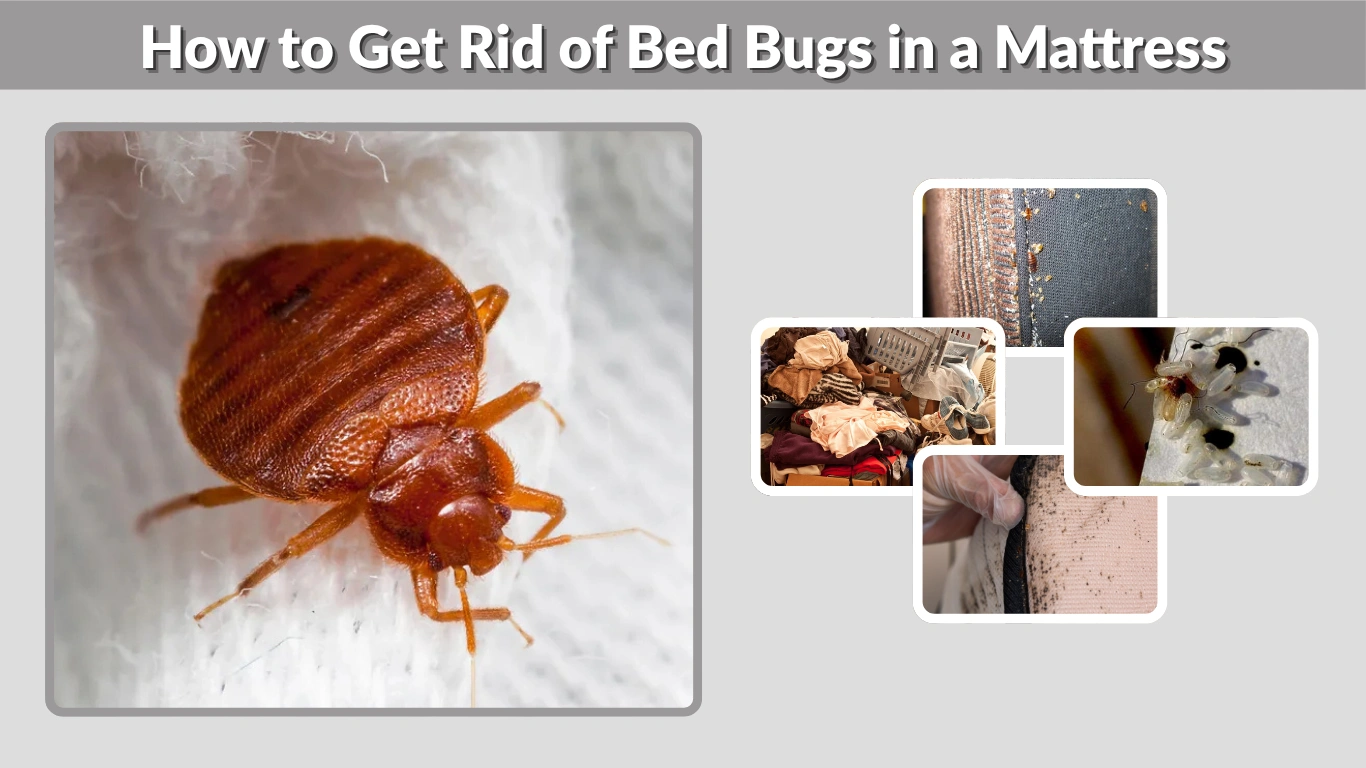
Dealing with bed bugs in your mattress can be stressful and exhausting. These tiny pests hide deep in fabrics and feed on human blood at night, causing itchy bites and sleepless nights. Luckily, you can eliminate them using proven cleaning, heating, and treatment methods. This guide explains how to identify bed bugs, understand their causes, and apply six effective methods to get rid of them — safely and permanently.
Signs of Bed Bugs in Your Mattress
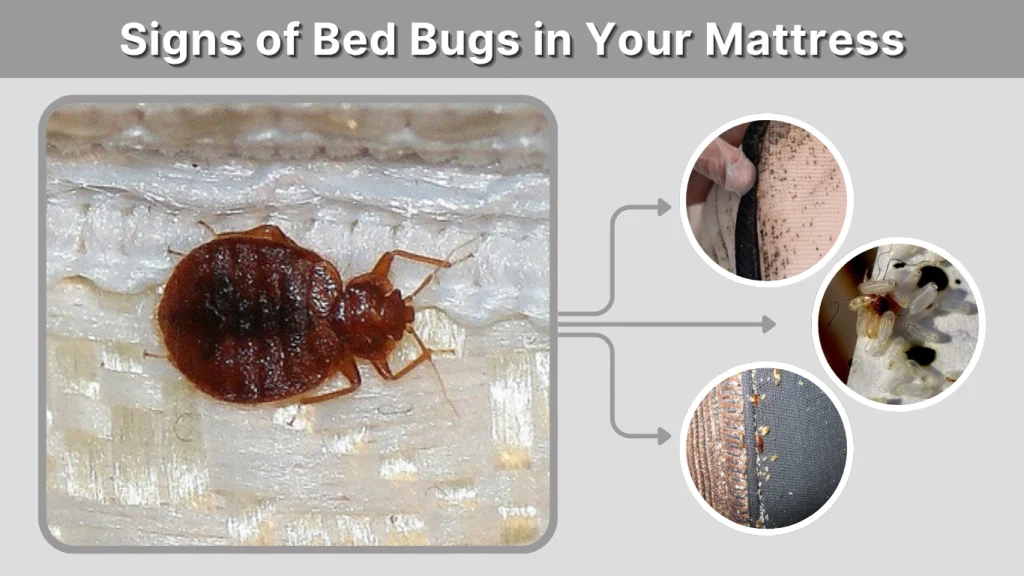
Visual Indicators
Bed bugs leave behind clear evidence of their presence. You might notice small rust-colored stains on your sheets or mattress seams, caused by crushed bugs or droppings. Tiny white eggs or shed skins in the creases are another sign of an infestation. If you look closely at the corners or stitching, you may even spot live bed bugs — about the size of an apple seed.
Physical Symptoms
Bite marks often appear in small clusters or lines, especially on exposed skin areas such as arms, legs, or neck. These bites can be itchy and red, and may develop welts. If you consistently wake up with new bites or mild allergic reactions, it’s a strong indication that bed bugs are living in your mattress.
When to Confirm with a Professional
Sometimes, early infestations are hard to identify. Pest control specialists use sniffer dogs or detection tools to locate hidden bugs. If you’re unsure, a professional inspection ensures accurate detection before starting any treatment.
Causes and Risk Factors
Bed bugs can enter your home in many sneaky ways. They don’t depend on dirt or poor hygiene — instead, they hitchhike on luggage, used furniture, or clothing. Hotels, dorms, and apartment buildings are common sources of transfer.
Cluttered bedrooms also create ideal hiding spots. When there are piles of clothes, boxes, or unwashed linens, it becomes harder to spot and remove these insects. Regular cleaning and inspecting travel gear after trips help reduce this risk.
Effective Methods to Remove Bed Bugs
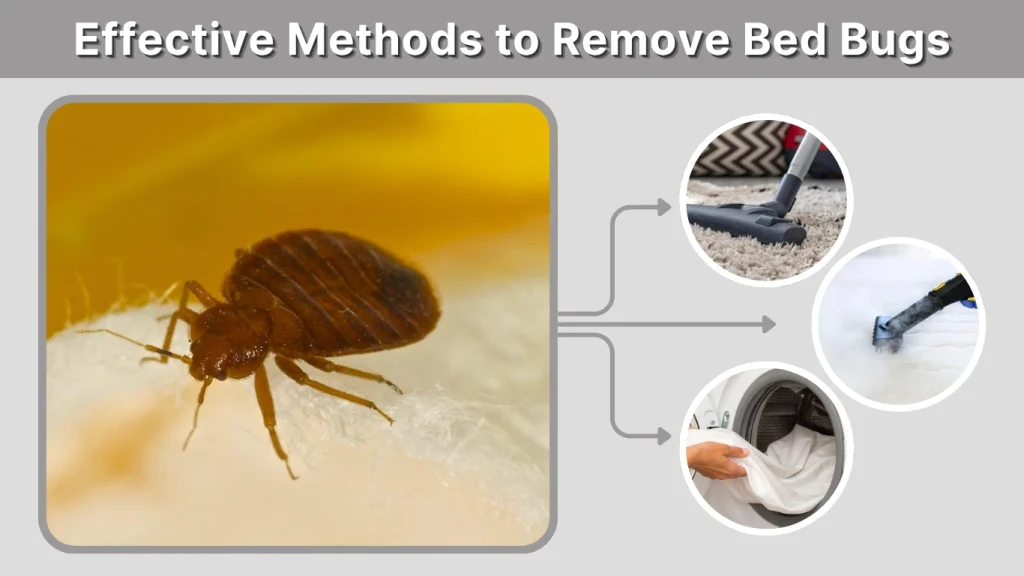
Vacuum and Steam Cleaning
Begin by vacuuming the entire mattress, paying close attention to seams, tufts, and edges. Use a HEPA-filter vacuum to capture both bugs and eggs. After vacuuming, immediately seal and discard the vacuum bag outside your home.
Follow with steam cleaning at temperatures above 120°F (49°C). The heat kills bugs and eggs instantly. Move the steamer slowly over the mattress and bed frame for deep penetration. Steam is especially effective in cracks, corners, and under fabric layers where sprays might not reach.
Wash and Heat-Dry Bedding
Remove all bedding, pillowcases, and blankets, then wash them in hot water (at least 130°F or 54°C). After washing, use a high-heat dryer cycle for at least 30 minutes. This combination ensures all life stages — eggs, nymphs, and adults — are destroyed.
Avoid reusing bedding until your mattress is fully treated. For delicate fabrics, use dry-cleaning or sun exposure, as direct sunlight and heat can also help kill lingering pests.
Use Mattress Encasements
Once your mattress is clean and dry, encase it in a bed bug–proof cover. These tightly woven encasements prevent new bugs from entering and trap any remaining ones inside, cutting off their air supply. Keep the cover sealed for at least one year, as bed bugs can survive for months without feeding.
Opt for a certified encasement labeled “bite-proof and escape-proof.” This step not only protects your mattress but also makes future inspections much easier.
Apply Natural Remedies
Natural treatments are safe alternatives for mild infestations. One of the most popular is diatomaceous earth (DE) — a fine powder made from fossilized algae. Sprinkle DE lightly around your mattress edges, bed frame, and floor cracks. It works by drying out the bed bugs’ exoskeletons, killing them within a few days.
You can also try essential oils like tea tree, lavender, or peppermint. Mix a few drops with water and spray it over infested areas. While these oils don’t kill bugs instantly, they act as repellents and help freshen the air in your bedroom.
For best results, use natural remedies alongside other cleaning methods rather than as a standalone solution. Reapply treatments every few days until no signs of bed bugs remain.
Chemical Treatments
For severe infestations, chemical insecticides may be necessary. Choose EPA-approved products specifically formulated for bed bugs. Look for active ingredients such as pyrethrins, pyrethroids, or desiccant dusts like silica gel. These chemicals kill bed bugs on contact and leave residual effects to prevent reinfestation.
Always follow the manufacturer’s directions carefully. Wear gloves and a mask, and ensure proper ventilation during and after treatment. Avoid spraying directly on pillows or sleeping areas. Instead, focus on mattress seams, bed frames, and nearby furniture.
If you have children or pets, consider safer options like bed bug sprays made with botanical ingredients or contact a licensed pest control expert for advice.
Professional Pest Control
When home remedies fail, it’s time to call professionals. Pest control specialists have access to advanced tools like heat chambers, steam injectors, and high-strength insecticides. They perform thorough inspections, identifying all hiding spots — even behind walls or inside electrical outlets.
Professional extermination usually involves whole-room heat treatment, raising temperatures to 135°F (57°C) or higher for several hours. This process kills bugs and eggs throughout your home, not just in the mattress. Although costly, it’s often the most reliable long-term solution for persistent infestations.
Prevention Tips
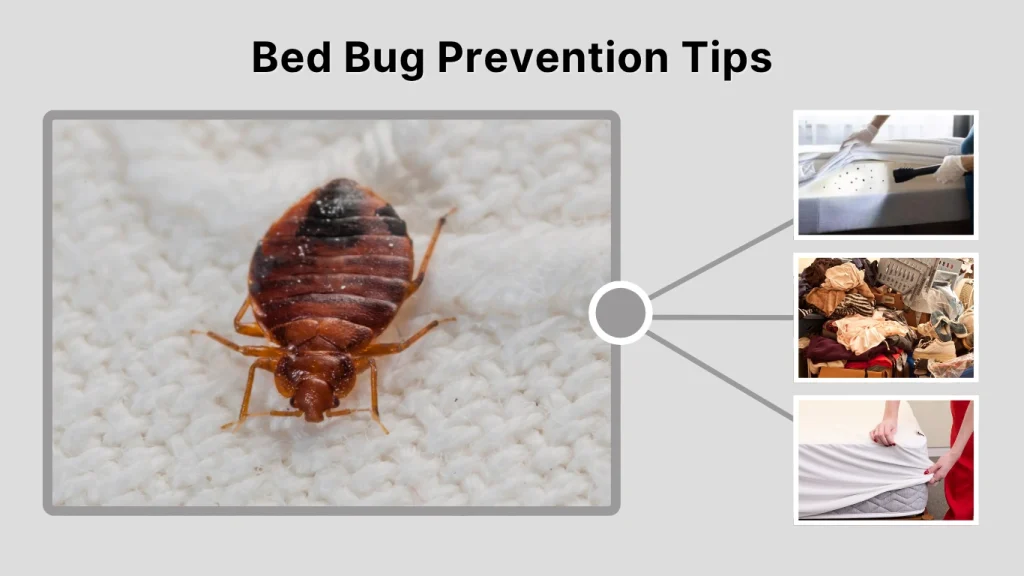
Keeping your home bed bug–free requires regular attention and cleanliness. Here are some essential prevention habits:
- Inspect regularly: Check your mattress seams, bed frame, and headboard once a month.
- Minimize clutter: Clear away piles of clothes or unused items that could harbor bugs.
- Use protective covers: Keep encasements on mattresses and pillows year-round.
- Be cautious when traveling: Always inspect hotel bedding and keep luggage off the floor.
- Wash bedding frequently: Hot wash cycles discourage new infestations.
Following these practices helps maintain a hygienic sleeping environment and reduces the risk of reintroduction.
FAQs
What kills bed bugs instantly on a mattress?
Steam cleaning is the most effective way to kill bed bugs instantly. Exposing them to temperatures above 120°F (49°C) destroys both adults and eggs. High-heat drying cycles or professional heat treatments also achieve immediate results without using chemicals.
Can I get rid of bed bugs without throwing away my mattress?
Yes. You can eliminate bed bugs through thorough vacuuming, steam cleaning, and using encasements. Once sealed inside a bed bug–proof cover, any remaining bugs will eventually die from starvation. Disposing of your mattress is only necessary in extreme infestations.
How long does it take to eliminate bed bugs completely?
Depending on the severity, full removal can take two to six weeks. Multiple treatments may be required, especially if eggs hatch after initial cleaning. Consistency and follow-up inspections are key to ensuring that all bed bugs are gone.
Are bed bugs visible to the naked eye?
Yes, adult bed bugs are visible and about the size of an apple seed. They appear reddish-brown and flat, while eggs and nymphs are smaller and pale. Because they hide during the day, spotting them often requires checking seams, cracks, and dark corners.
What should I do if bed bugs keep coming back?
Recurring infestations usually mean some bugs or eggs survived treatment. Reapply heat or chemical treatments and clean thoroughly. You may also need a professional pest inspection to locate hidden breeding spots. Maintaining cleanliness and using encasements helps prevent reoccurrence.
