
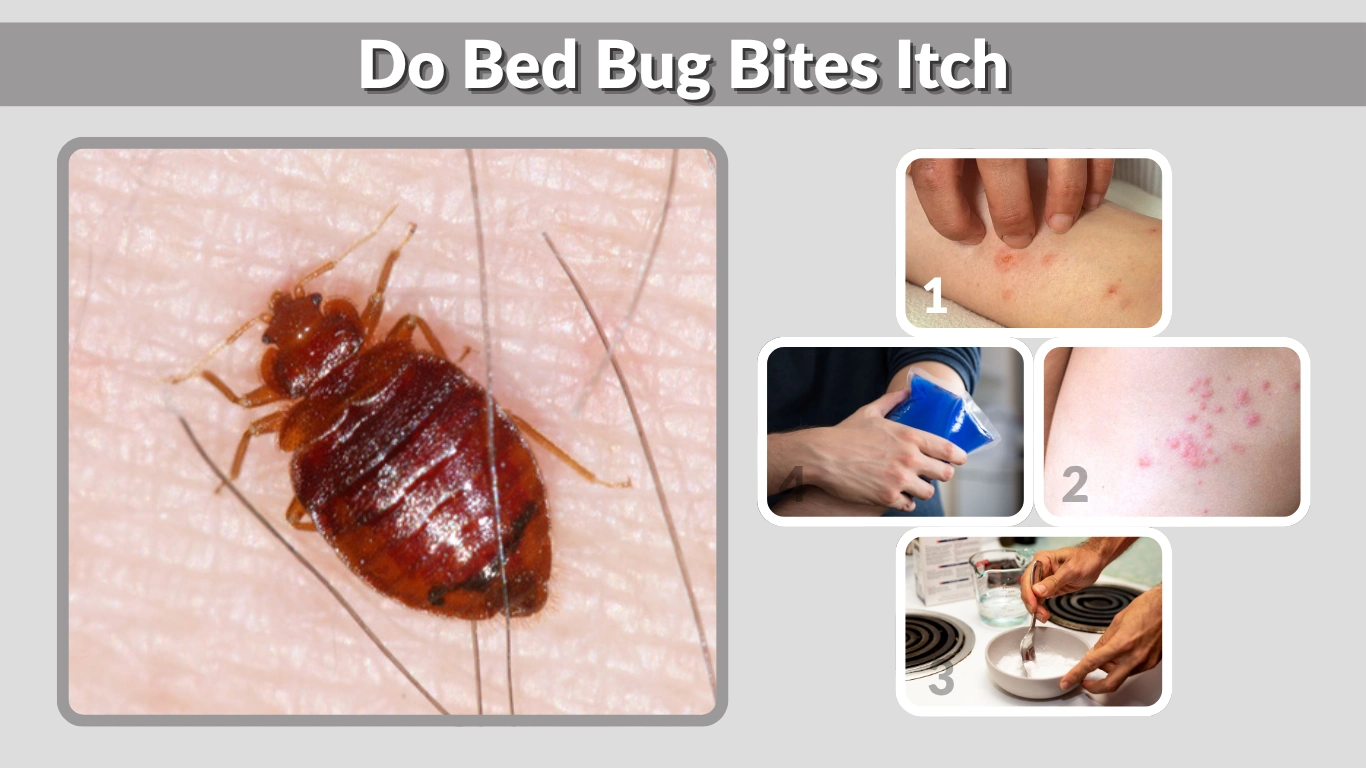
Bed bug bites often leave behind more than just red marks — they cause intense itching and irritation that can last for days. While some people barely notice the bites, others suffer severe allergic reactions and sleepless nights. Understanding why bed bug bites itch, how long the discomfort lasts, and how to ease the irritation can help you manage and prevent future infestations.
Understanding Bed Bug Bites
How Bed Bugs Bite
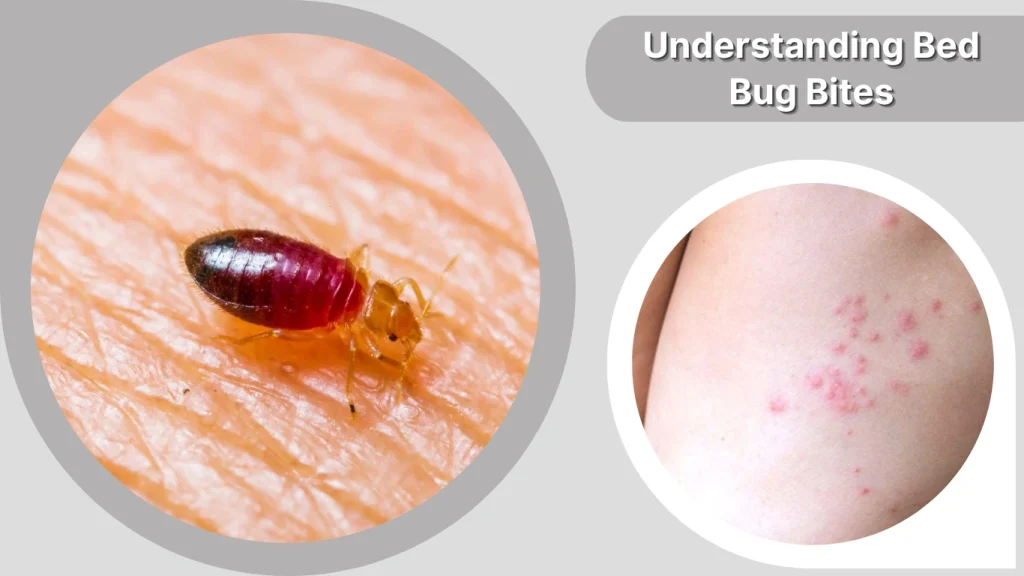
Bed bugs are nocturnal insects that feed on human blood while you sleep. They pierce the skin using elongated mouthparts and inject saliva that contains anticoagulants to prevent clotting and anesthetics to numb the area. This process allows them to feed unnoticed for several minutes before retreating to hiding places such as mattress seams or furniture cracks.
Typical Bite Appearance
Bed bug bites often appear as small red bumps or raised welts arranged in clusters or straight lines. They usually occur on exposed areas such as the arms, face, neck, or legs. In some cases, the bites may resemble mosquito or flea bites, but the pattern and persistence of itching often give them away.
Do Bed Bug Bites Always Itch?
Not every person reacts to bed bug bites the same way. While most people develop itching and redness, others show little to no reaction at all. The body’s immune response determines the intensity of symptoms. People who are allergic to the proteins in bed bug saliva tend to experience stronger itching, swelling, and inflammation. Those who are less sensitive may not feel any discomfort. Over time, repeated exposure can lead to heightened sensitivity and more severe reactions.
When Does the Itching Start?
Immediate vs. Delayed Reaction
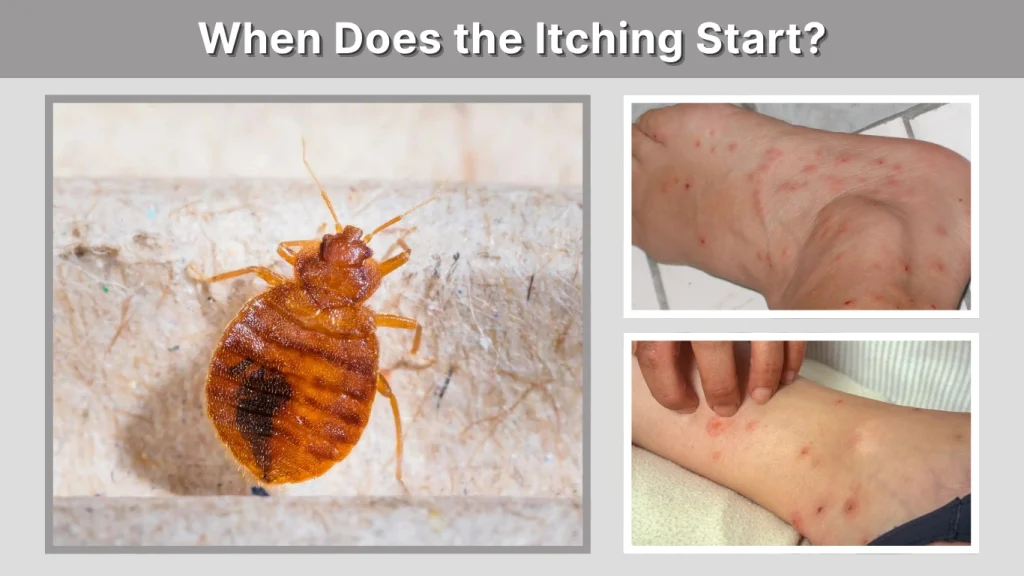
Bed bug bites don’t usually itch right away. The anesthetic compounds in their saliva mask any pain during the bite, meaning you might not realize you were bitten until hours or even days later. Once the immune system recognizes the foreign substances, it releases histamines that cause the skin to itch and swell. This delayed response explains why new bites often appear overnight but itch the next day.
Do Bed Bug Bites Itch Right Away?
For most people, itching develops between a few hours to 24 hours after the bite. Some individuals with strong immune responses may react almost instantly, while others may not notice itching for several days. The delay often leads to confusion when trying to identify when or where the bites occurred.
How Long Do Bed Bug Bites Itch?
Typical Duration
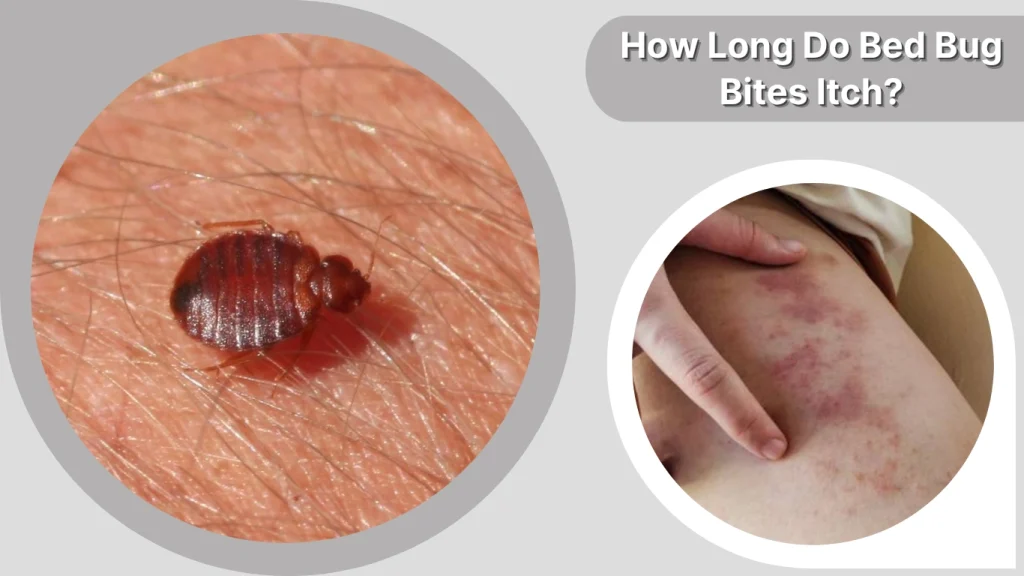
In most cases, itching from bed bug bites lasts between three and seven days. The irritation typically peaks on the second or third day and then gradually subsides. However, those with sensitive skin or allergic reactions may experience itching for up to two weeks. Children and individuals with preexisting skin conditions like eczema may also take longer to heal.
Why Some Itch for So Long
Persistent itching happens when the body continues to release histamine or when the skin becomes inflamed from scratching. Scratching can break the skin, leading to secondary infections that delay healing and worsen irritation. In rare cases, prolonged inflammation causes hyperpigmentation or scarring that can last for months.
Why Do Bed Bug Bites Itch So Bad?
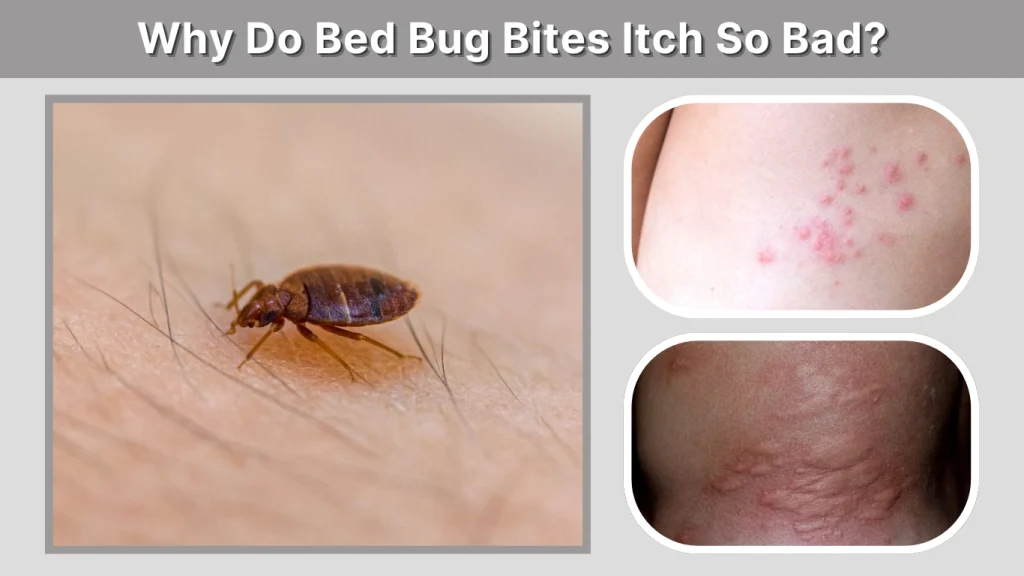
The Role of Saliva Proteins
Bed bug saliva contains a cocktail of proteins that help the insect feed without detection. These proteins trigger an immune response once introduced into the bloodstream, prompting the release of histamine and other inflammatory chemicals. The result is redness, swelling, and the familiar itching sensation that can drive people to scratch uncontrollably.
Allergic Sensitivity
People with higher sensitivity to these proteins often suffer intense itching and welts that resemble hives. In some cases, their skin may blister or form hard nodules. Each subsequent exposure to bed bug bites can worsen the body’s allergic reaction, making future outbreaks more uncomfortable. Using anti-inflammatory creams and antihistamines can help reduce this immune overreaction.
Do Bed Bug Bites Itch More at Night?
Many people report that itching feels worse at night. This happens for several reasons. First, the body’s temperature rises slightly during sleep, which increases blood flow and enhances the sensation of itching. Second, nighttime histamine levels naturally increase, amplifying allergic responses. Finally, when your mind is less distracted, you become more aware of the itching, which makes it feel more severe. This combination of biological and psychological factors often leads to restless nights and scratching that disrupts healing.
Itching Compared to Other Bites
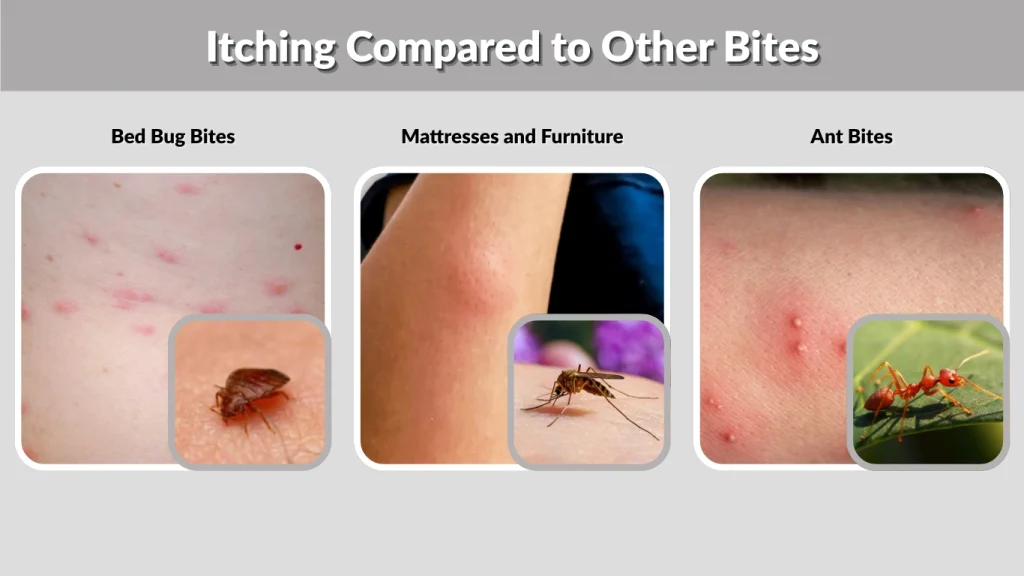
Bed Bug Bites vs Mosquito Bites
| Feature | Bed Bug Bites | Mosquito Bites |
| Timing | Often delayed | Immediate |
| Pattern | Clustered or linear | Random or isolated |
| Duration | Several days to weeks | A few hours to days |
| Itch Level | Moderate to severe | Mild to moderate |
Bed bug bites generally last longer and cause more persistent itching than mosquito bites. While mosquito bites tend to fade within a day or two, bed bug bites can linger for a week or more. They also tend to appear in straight lines or clusters, unlike the random pattern of mosquito bites.
Bed Bug Bites vs Flea or Ant Bites
Flea bites are most common around the ankles or lower legs, leaving small, sharply itching red dots. Ant bites, particularly from fire ants, may burn or sting rather than itch. Bed bug bites, on the other hand, are usually found on the upper body and tend to produce uniform welts that persist for days. Their longer-lasting itch makes them especially bothersome, even after the visible marks begin to fade.
Do Bed Bug Bites Hurt or Burn?
During the feeding process, bed bugs inject an anesthetic that prevents you from feeling the bite. For this reason, the act itself is painless. However, once the anesthetic wears off and the immune response begins, mild burning or tenderness can occur around the affected area. In sensitive individuals, bites may become inflamed, feeling warm or painful to the touch. When inflammation is intense, the skin can develop small blisters, similar to hives or eczema patches. This discomfort usually eases once proper treatment begins.
How to Stop Bed Bug Bite Itching
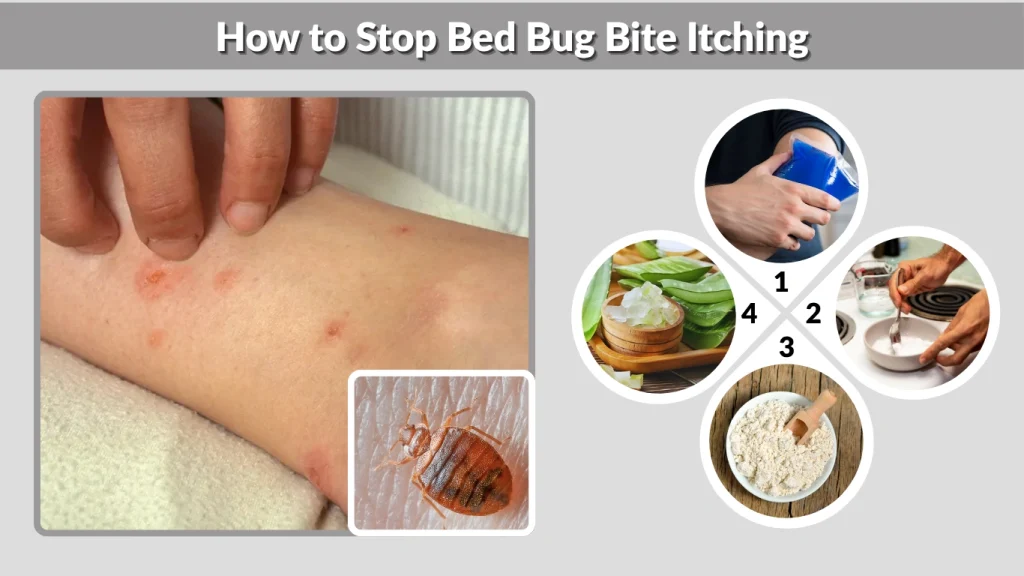
Home Remedies
Natural or household treatments can provide quick relief and are easy to apply:
- Cold Compress: Apply a clean, cold cloth or ice pack wrapped in a towel for 10–15 minutes to reduce swelling and numb itching.
- Baking Soda Paste: Mix one tablespoon of baking soda with water to form a paste. Apply it to bites and rinse after 15 minutes.
- Oatmeal Bath: Adding colloidal oatmeal to warm bathwater soothes widespread itching and calms inflamed skin.
- Aloe Vera Gel: Its cooling and anti-inflammatory properties help reduce redness and burning sensations.
- Tea Tree or Lavender Oil (Diluted): These essential oils contain natural antiseptic and anti-itch compounds that promote healing.
Over-the-Counter Treatments
If home remedies don’t provide enough relief, several pharmacy products can help control itching and swelling:
- Calamine Lotion: A classic option that dries and cools irritated skin.
- Hydrocortisone Cream (1%): Reduces redness, inflammation, and itching effectively when applied twice daily.
- Antihistamine Creams or Tablets: Target the allergic reaction that causes itching; oral antihistamines such as diphenhydramine or cetirizine can be taken before bed for overnight relief.
- Topical Anesthetics: Creams with lidocaine or pramoxine temporarily numb the area, stopping the urge to scratch.
When to See a Doctor
You should seek medical advice if:
- The bites blister, swell excessively, or show signs of infection (pus, warmth, or spreading redness).
- Itching persists beyond two weeks despite treatment.
- You experience symptoms of an allergic reaction such as difficulty breathing, dizziness, or severe swelling.
A doctor may prescribe stronger corticosteroid creams, antibiotics for infection, or prescription antihistamines to control the allergic response.
Preventing Future Bed Bug Bites
While treating itching provides relief, prevention is the most effective long-term strategy.
- Inspect Bedding Regularly: Check mattress seams, headboards, and furniture joints for small rust-colored stains or live bugs.
- Wash and Heat-Dry Linens: Laundering sheets, blankets, and clothing in hot water kills bed bugs and eggs.
- Vacuum Thoroughly: Pay attention to baseboards, carpets, and upholstered furniture. Dispose of vacuum contents in sealed bags.
- Use Protective Encasements: Mattress and pillow encasements trap any existing bugs and prevent new ones from hiding inside.
- Avoid Clutter: Reduce hiding spots by minimizing piles of clothes or stored boxes around sleeping areas.
- Call Pest Control: In severe infestations, professional exterminators can apply heat or chemical treatments for total eradication.
Taking these steps helps prevent re-infestation and future itching episodes.
FAQs
Do bed bug bites itch immediately after a bite?
Most people don’t feel bed bug bites right away because the insect’s saliva numbs the skin. The itching usually begins several hours later or the next day, once your immune system reacts to the foreign proteins. This delayed response often causes confusion about when or where the bites happened.
How long do bed bug bites typically itch?
Bed bug bite itching commonly lasts from three to seven days, though some reactions can persist for two weeks. Factors like skin sensitivity, allergic response, and scratching can influence how long it lasts. Keeping the area clean and applying antihistamine cream usually shortens recovery time.
Why do bed bug bites itch more at night?
Itching intensifies at night for several reasons. Your body’s histamine levels naturally rise while you sleep, increasing inflammation. Warm nighttime temperatures boost blood flow to the skin, making irritation stronger. Additionally, without daily distractions, you’re more aware of the itching sensation.
Do bed bug bites itch more than mosquito bites?
Yes. Bed bug bites generally itch longer and feel more persistent than mosquito bites. Mosquito bites appear quickly and heal within a day or two, while bed bug bites can stay inflamed for a week or more. The proteins in bed bug saliva trigger a stronger and longer-lasting immune response.
How can I stop bed bug bites from itching fast?
Apply a cold compress immediately to numb the area, followed by calamine or hydrocortisone cream. Oral antihistamines can further reduce the allergic reaction. Avoid scratching, as it delays healing and can cause infection. For widespread itching, take a cool oatmeal bath to calm the skin.
