
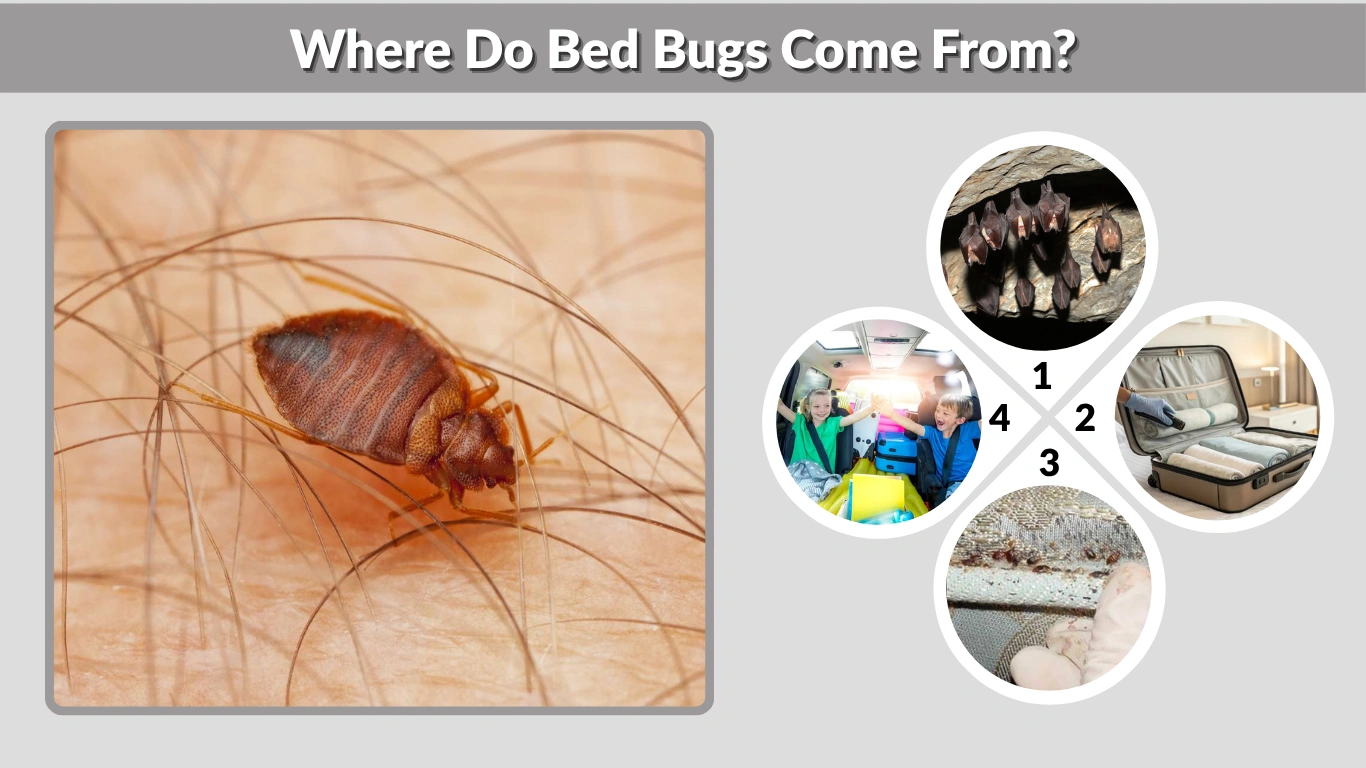
Bed bugs are small, flat, reddish-brown insects that feed exclusively on the blood of humans and animals. They’re notorious for invading homes, hotels, and apartments, often appearing suddenly without warning. Many people wonder — where do bed bugs come from, and why do they keep coming back even after cleaning?
The truth is that bed bugs have been around for thousands of years, thriving wherever humans live or travel. Understanding their origins, how they spread, and where they hide can help you prevent infestations before they start.
What Are Bed Bugs?
Identifying Bed Bugs
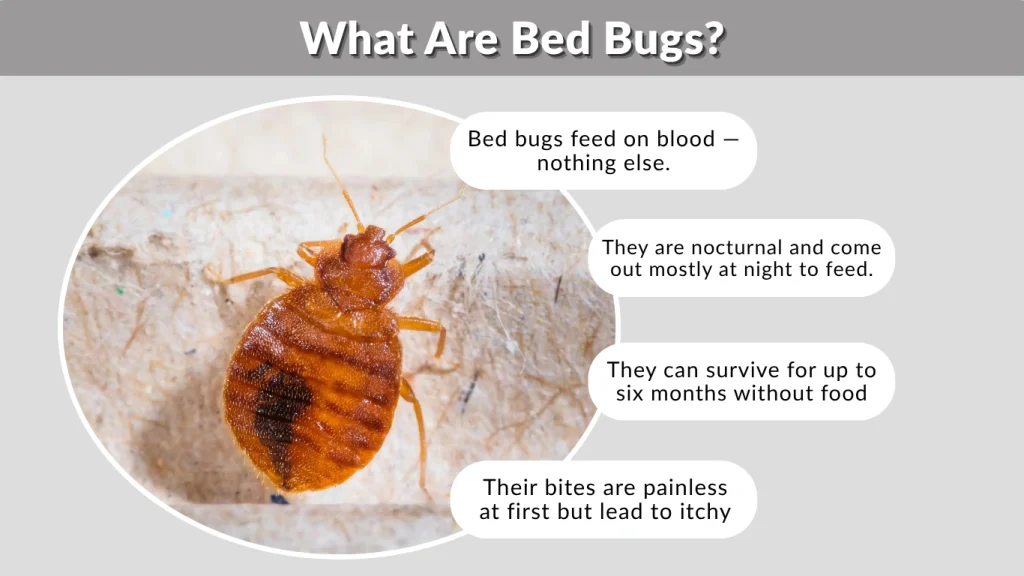
Bed bugs are tiny parasitic insects, about the size of an apple seed. They are oval-shaped, wingless, and range from light brown to deep reddish after feeding. Although they don’t jump or fly, they move quickly and flatten themselves to hide in cracks and seams.
They prefer dark, warm areas close to sleeping humans — such as mattresses, bed frames, headboards, and nearby furniture. Because of their stealthy nature, infestations often go unnoticed until the bites appear.
Quick Facts About Their Behavior
- Bed bugs feed on blood — nothing else.
- They are nocturnal and come out mostly at night to feed.
- They can survive for up to six months without food, waiting patiently for a host.
- Their bites are painless at first but lead to itchy, red welts later.
Bed bugs don’t transmit diseases, but their bites can cause allergic reactions and emotional distress due to poor sleep and anxiety.
Where Do Bed Bugs Come From Originally?
Historical Origins
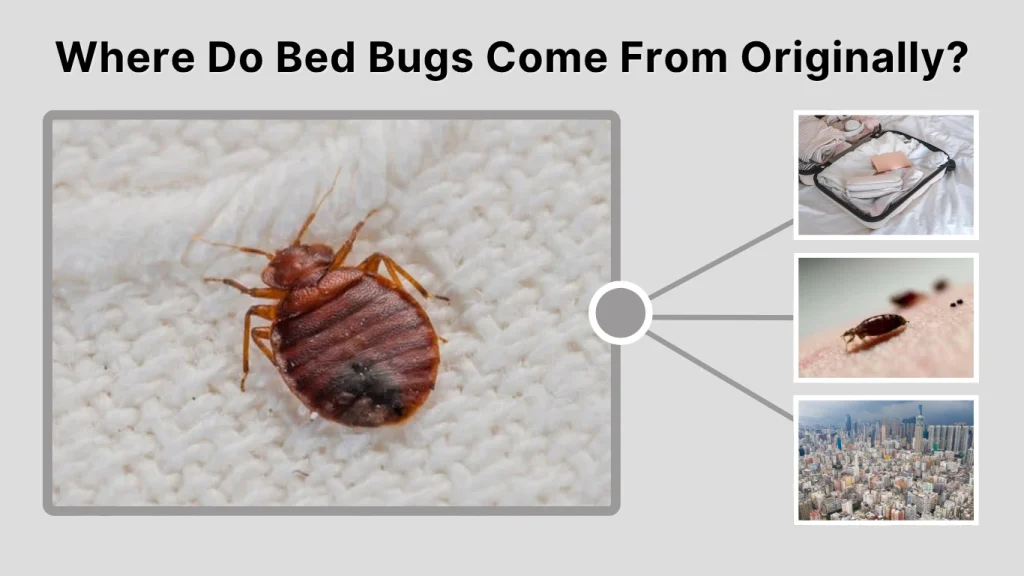
Bed bugs have ancient roots. Scientists believe they originated in caves of the Middle East and Africa, where they first fed on bats and birds before adapting to humans. As humans began building shelters and sleeping indoors, bed bugs found a new and steady food source — us.
Historical records show bed bugs existed in ancient Egyptian, Greek, and Roman civilizations. As trade and exploration expanded, these insects spread globally, hitchhiking on ships, wagons, and travelers.
Global Spread and Modern Resurgence
By the mid-20th century, bed bugs were nearly wiped out in developed countries due to strong pesticides like DDT. However, they made a major comeback in the late 1990s and early 2000s. The reasons include:
- Increased international travel, which allows bed bugs to move across continents in luggage and clothing.
- Pesticide resistance, as modern bed bugs have evolved to survive chemical treatments.
- Urban density, giving them more access to new hosts and hiding places.
Today, infestations are reported everywhere — from budget motels to luxury hotels, offices, schools, and even airplanes.
Where Do Bed Bugs Live in Nature?
Natural Environments
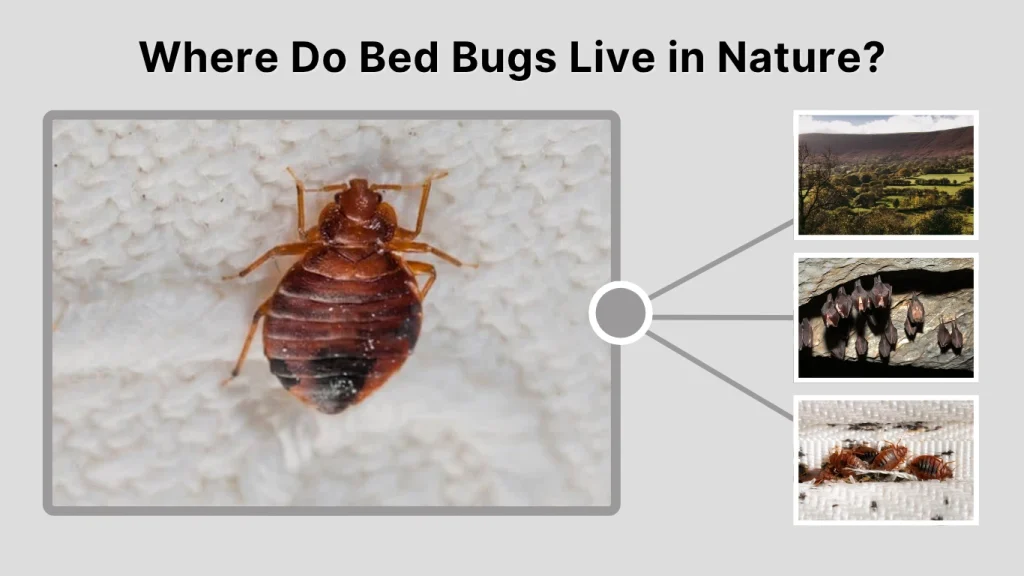
Before they adapted to human life, bed bugs lived in the wild, feeding on bats and birds in caves, nests, and roosts. Even now, certain bed bug species remain in those natural habitats. The common bed bug (Cimex lectularius) has evolved to rely solely on humans, while its relatives still feed on animals.
They thrive in warm, dark areas where hosts are stationary long enough to feed. That’s why human sleeping spaces — beds, sofas, and recliners — perfectly mimic their natural environment.
Adaptation to Modern Homes
Over centuries, bed bugs transitioned from animal hosts to human homes, becoming almost completely dependent on us for survival. They no longer need forests or caves; a warm apartment or a cozy hotel bed is all they require.
Their ability to hide in the smallest spaces — behind baseboards, inside mattress seams, or under wallpaper — makes them one of the most difficult household pests to eliminate.
How Bed Bugs Get Into Homes
Hitchhiking Through Travel
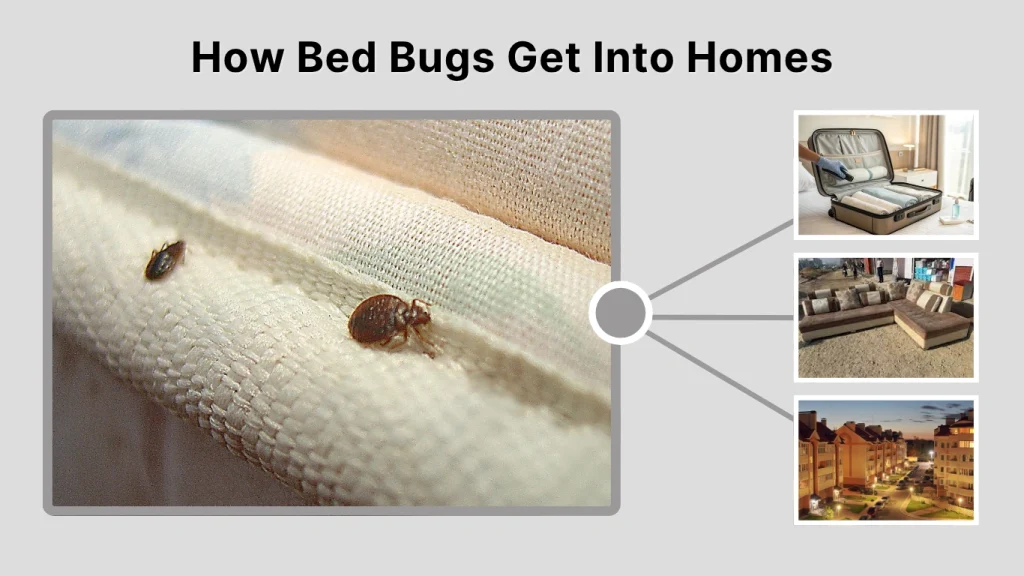
One of the most common ways bed bugs spread is through travel. When you stay in hotels, dorms, or short-term rentals, bed bugs can crawl into your luggage or clothing. They’re experts at hiding in small folds, seams, and zippers.
Once home, they emerge and begin nesting in your mattress, bedding, and furniture. Even a clean and well-kept house is no protection — these insects only need a way in.
Public transportation, such as airplanes, buses, and trains, can also transfer them between people and cities. A single pregnant female hitchhiker can start a new infestation in just a few weeks.
Secondhand Furniture and Mattresses
Used furniture is another major source of infestations. Bed bugs can survive for months in the cracks of secondhand couches, headboards, or mattresses. Buying or picking up furniture from thrift stores or curbside giveaways can unknowingly bring them inside.
Always inspect used items carefully, especially seams, folds, and corners. If possible, treat them with heat or steam before bringing them indoors.
Apartments and Shared Buildings
In multi-unit buildings, bed bugs can easily migrate between apartments through walls, vents, and electrical outlets. They move quietly, following the scent of carbon dioxide or body heat. Even if your apartment is spotless, bugs from a neighboring unit can find their way into yours.
Visitors, maintenance staff, or even shared laundry facilities can also spread bed bugs from one home to another.
Where Bed Bugs Hide Inside Homes
Bedrooms
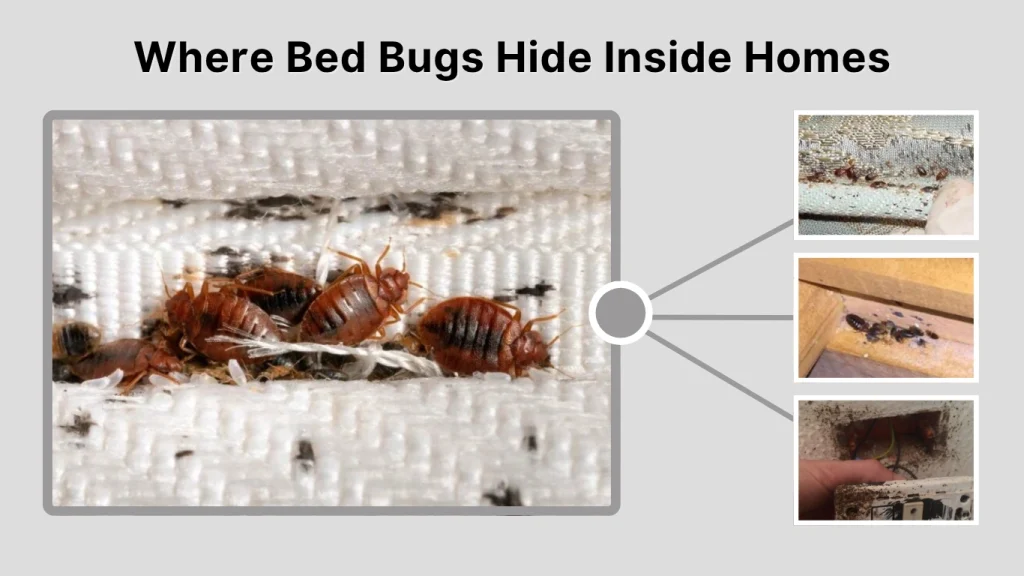
Bedrooms are the most common infestation sites because they provide easy access to blood meals. Bed bugs typically hide within a few feet of where people sleep. Their favorite hiding spots include:
- Mattress seams and tufts
- Bed frames, box springs, and headboards
- Behind electrical outlets or baseboards
- Inside nightstands or picture frames
They crawl out at night to feed, then retreat back into crevices before sunrise. Even a tiny crack the width of a credit card can shelter several insects.
Furniture and Living Areas
As infestations grow, bed bugs spread beyond bedrooms into other furniture. They can hide in:
- Sofas, recliners, and cushions
- Curtains, carpets, or rugs
- Cracks between floorboards and walls
- Behind peeling wallpaper
Their flat bodies help them squeeze into nearly invisible spaces, making eradication difficult without thorough inspection and treatment.
Clothing and Personal Items
Bed bugs don’t live on people like lice or fleas, but they often cling to clothing, backpacks, and luggage. They also hide in books, shoes, and blankets left near infested beds. Because they can survive months without feeding, moving or traveling with untreated belongings easily spreads them to new places.
Common Myths About Bed Bug Origins
“Bed Bugs Come from Dirty Homes”
This is one of the biggest misconceptions. Bed bugs don’t care about cleanliness — they care about access to humans. Whether you live in a spotless home or a cluttered apartment, if they find a way inside, they’ll stay.
They are equal opportunity pests found in five-star hotels, hospitals, and luxury condos as often as in older homes.
“Bed Bugs Come from Outside”
Contrary to belief, bed bugs rarely live outdoors. They aren’t like ants or fleas that migrate from soil or grass. Instead, they spread through human movement — people, luggage, or furniture. Bed bugs need consistent warmth and a nearby host, which is why they thrive indoors rather than in nature.
“Bed Bugs Only Bite at Night”
While they’re most active after dark, bed bugs will feed during the day if hungry and a host is present. Daytime napping or working night shifts can easily expose someone to bites. Light levels don’t deter them; it’s the opportunity that matters.
What Causes Bed Bug Infestations
Human Activity and Travel
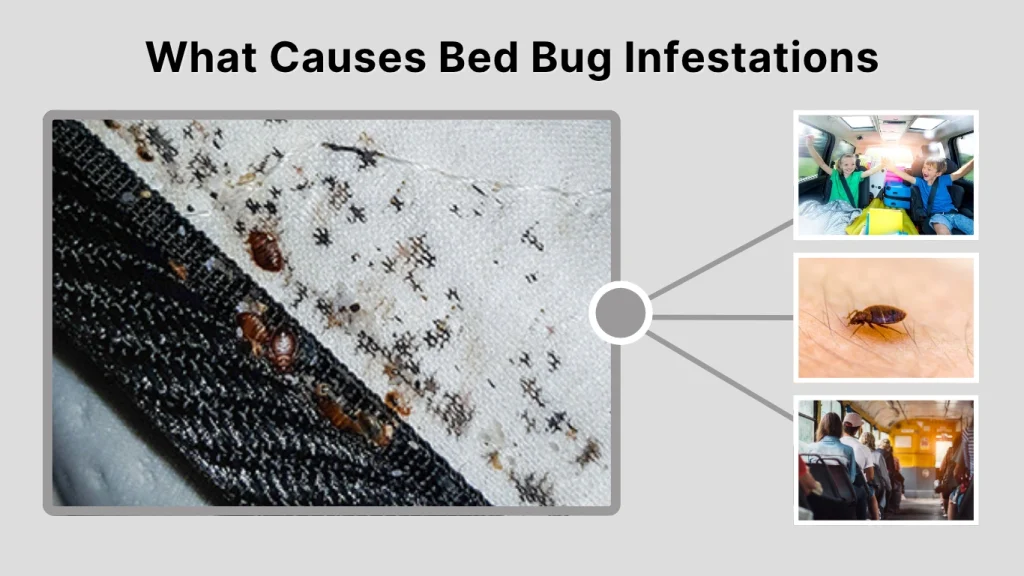
Modern bed bug infestations are largely a product of global travel and commerce. With millions of people flying daily, these pests hitchhike worldwide on luggage, clothing, and furniture. Hotels, dorms, and vacation rentals are hot spots where bed bugs move from guest to guest unnoticed.
Even public transportation plays a role — buses, trains, and taxis can all serve as transfer points. Once one insect arrives home, it hides and begins reproducing, often unnoticed until the population grows.
Resistance and Survival
Another major cause of resurgence is pesticide resistance. Many chemical treatments used decades ago no longer kill modern bed bugs effectively. Combined with their ability to hide deeply and survive months without feeding, infestations can quickly rebound after partial treatment.
Bed bugs also lay eggs that hatch within 6–10 days, meaning new generations can appear even after you think the problem is solved.
Global and Regional Spread
Where Bed Bugs Are Most Common
Bed bugs now infest every continent except Antarctica. Their numbers have surged in North America, Europe, Australia, and parts of Asia due to urban density and international travel.
In the United States, major cities like New York, Chicago, and Los Angeles regularly rank among the highest for infestations. In the UK and Australia, pest control companies report similar growth.
Urban Hotspots
Densely populated areas with frequent turnover — such as apartment buildings, hotels, hospitals, and schools — provide perfect conditions for bed bugs to spread. Even movie theaters and libraries can harbor them in seats or carpets, transferring them to visitors’ clothes and bags.
Preventing Bed Bug Infestations
At Home
- Regularly vacuum mattresses, box springs, carpets, and baseboards.
- Wash bedding and curtains in hot water (120°F / 49°C) and dry on high heat.
- Seal cracks in walls and repair loose wallpaper to remove hiding spots.
- Use bed bug-proof encasements on mattresses and pillows to trap existing bugs and prevent new ones.
Consistent cleaning and inspection are key to catching early signs before a small issue becomes a full infestation.
While Traveling
- Inspect hotel beds, seams, and headboards before settling in.
- Keep luggage elevated on racks and zipped shut when not in use.
- Avoid placing clothes or bags on carpets or furniture.
- When returning home, wash travel clothes immediately and vacuum your suitcase.
Travel vigilance is one of the most effective ways to keep bed bugs from hitchhiking into your home.
With Used Items
- Always inspect secondhand furniture thoroughly, especially sofas and mattresses.
- Treat used items with steam or heat before bringing them indoors.
- Avoid picking up curbside or “free” furniture unless it’s verified bed bug-free.
Preventive habits can save hundreds of dollars in extermination costs and countless hours of frustration later.
FAQs
Where do bed bugs come from in nature?
They originally lived in caves, feeding on bats and birds, before adapting to human environments. Modern bed bugs now rely almost entirely on human hosts.
Can bed bugs come from outside?
No. They don’t live in soil or grass. They move from one location to another by hiding in belongings, luggage, or secondhand items.
Where do bed bugs come from on a mattress?
They hide in seams, folds, and tufts of mattresses or box springs, emerging at night to feed. Over time, they spread to nearby furniture and walls.
What causes bed bugs in clean homes?
Cleanliness doesn’t prevent infestations. Travel, used furniture, or visiting infested places are the main causes of bed bugs entering clean homes.
Can bed bugs live on pets?
No. They may bite dogs or cats but don’t live on their bodies. They usually hide in bedding, furniture, or carpets close to where pets rest.
