
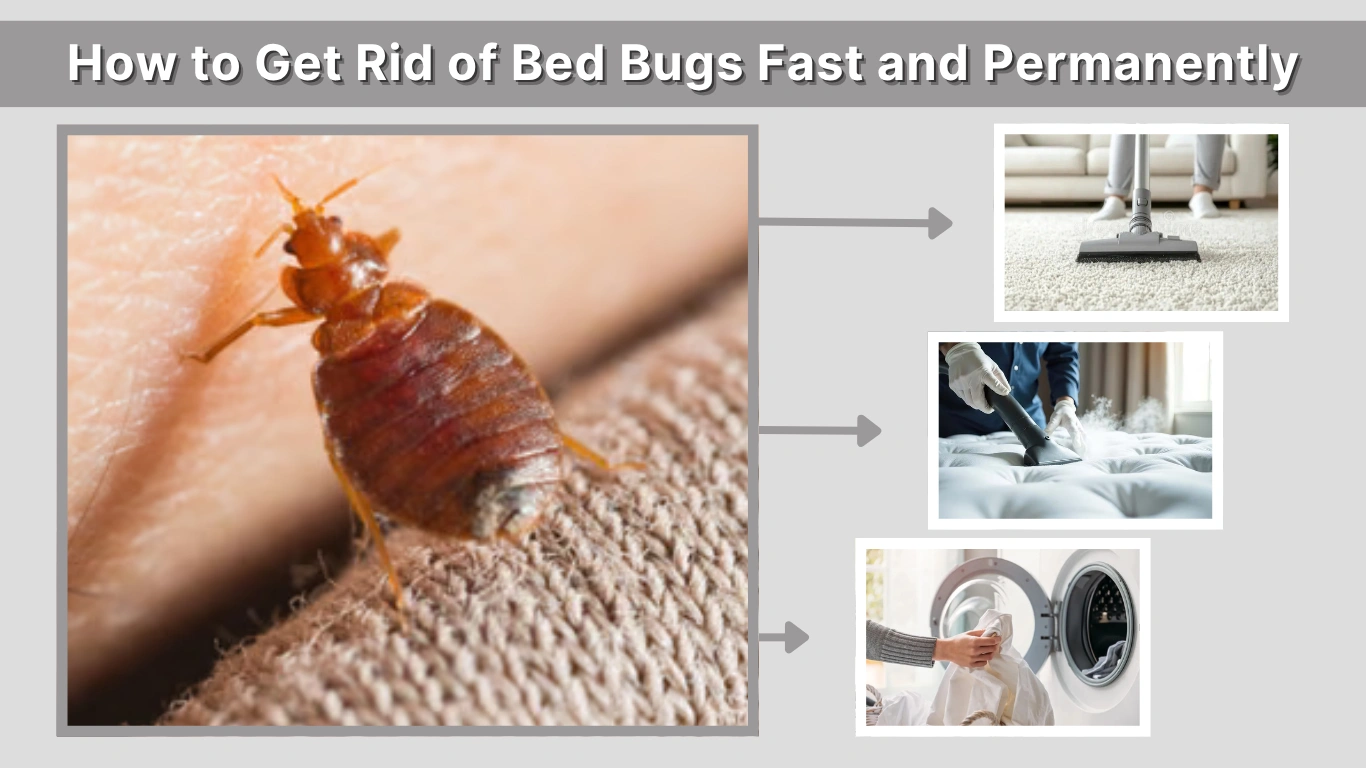
Bed bugs are one of the most frustrating pests to deal with. These tiny, blood-sucking insects can invade your bed, couch, clothes, and even your car — leaving behind itchy bites and sleepless nights. What makes them so difficult to eliminate is their ability to hide in the smallest cracks and reproduce quickly.
If you’re wondering how to get rid of bed bugs fast and permanently, this detailed guide will help you tackle them using effective DIY methods, natural remedies, and professional strategies — so you can sleep peacefully again.
Understanding Bed Bugs
What Are Bed Bugs?
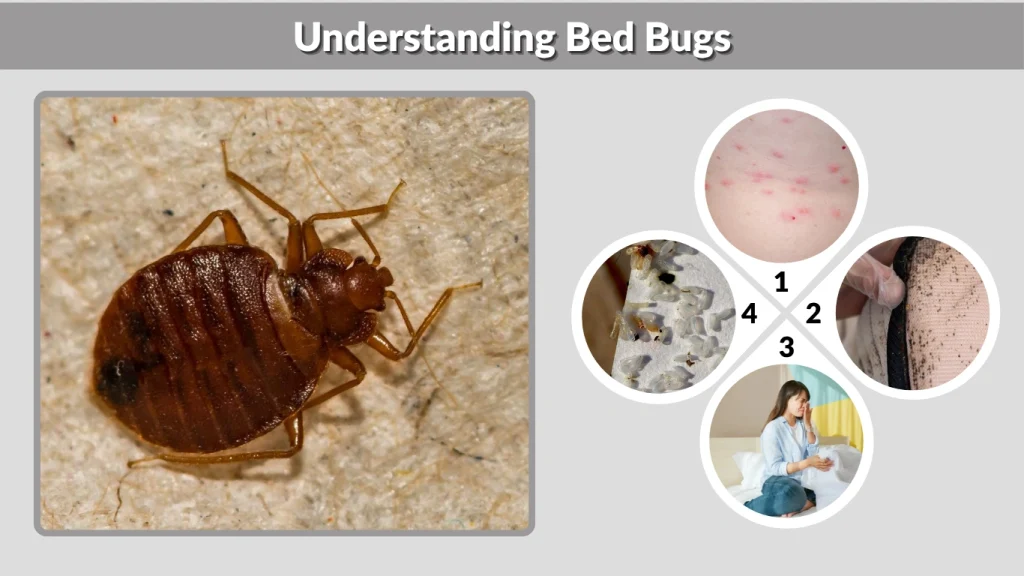
Bed bugs are small, flat, reddish-brown insects that feed on human blood, usually at night. They don’t fly, but they crawl quickly across floors, walls, and ceilings. Adult bed bugs are about the size of an apple seed and can survive for months without feeding.
They commonly hide in places close to where people sleep — like mattress seams, box springs, headboards, and furniture cracks. Once an infestation starts, bed bugs can spread throughout your home, hitchhiking on clothes, luggage, or even pets.
Signs You Have a Bed Bug Infestation
Recognizing an infestation early can help you take fast action. Common signs include:
- Small, itchy red bites on your skin, often in clusters or straight lines.
- Dark brown or red spots (bed bug droppings or crushed bugs) on sheets or mattresses.
- A sweet, musty odor near the bed or furniture.
- Tiny, pale yellow shed skins or eggshells around mattress seams.
If you notice one or more of these signs, it’s time to act immediately.
How to Get Rid of Bed Bugs Fast
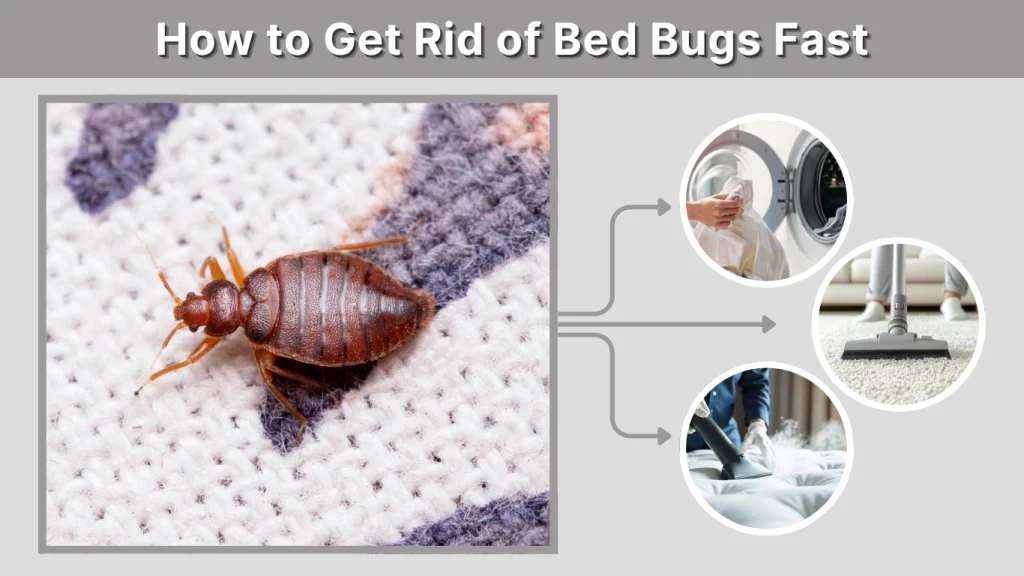
When you first discover bed bugs, your goal should be to stop them from spreading and kill as many as possible, as quickly as possible.
Quick DIY Actions
- Wash and heat-dry everything.
Remove all bedding, pillowcases, curtains, and clothes from the infested area. Wash them in hot water (at least 60°C / 140°F) and dry them on the highest heat setting for 30 minutes or more. Heat kills both bed bugs and their eggs. - Vacuum thoroughly.
Use a strong vacuum cleaner on mattresses, box springs, bed frames, baseboards, and carpets. Immediately dispose of the vacuum bag or contents in a sealed plastic bag. - Use a steamer.
Bed bugs can’t survive heat above 120°F (49°C). Steam-clean mattresses, sofas, and cracks in furniture to kill hidden bugs and eggs.
Immediate Containment Tips
- Isolate your bed. Pull it a few inches away from the wall and furniture. Place bed bug interceptors or sticky traps under each bed leg to prevent bugs from climbing up.
- Declutter the room. Bed bugs hide in clutter — remove unnecessary items and store essentials in sealed plastic bins.
- Seal infested items. Anything you can’t wash (like stuffed toys, shoes, or delicate fabrics) should be sealed in plastic bags for several days. Extreme heat (sunlight or dryer) can be used to treat them later.
These steps won’t kill every single bug, but they’ll dramatically reduce the infestation and buy you time for deeper treatment.
Natural and Home Remedies
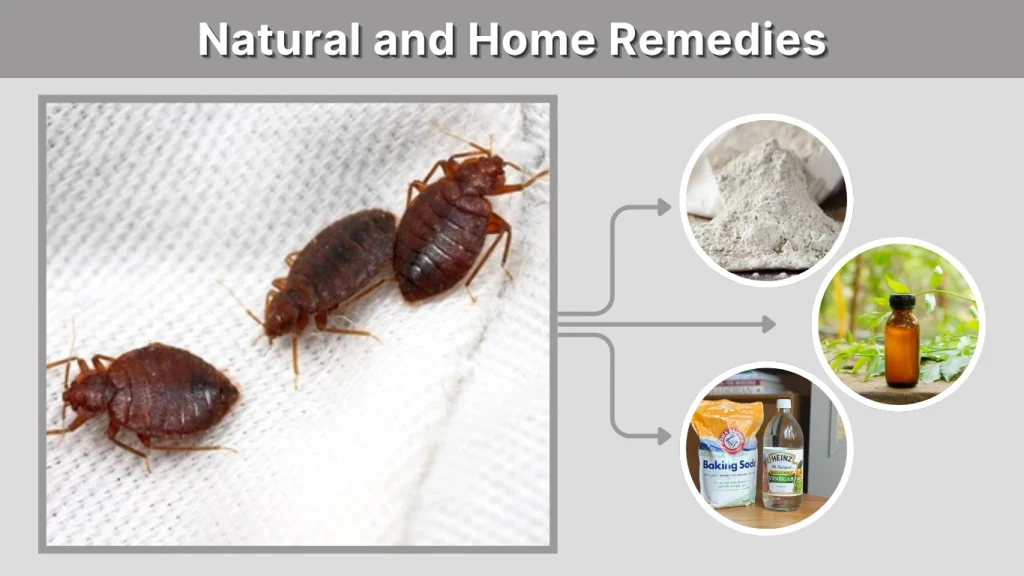
Many people prefer non-toxic or chemical-free methods, especially when children or pets are around. Here are some natural ways to get rid of bed bugs at home.
Effective Natural Treatments
- Diatomaceous Earth (DE):
A natural powder that kills bed bugs by dehydrating them. Sprinkle it lightly around bed frames, baseboards, and under furniture. Leave it for a few days, then vacuum it up. - Essential Oils (Tea Tree, Lavender, Peppermint):
Mix a few drops of tea tree or lavender oil with water and spray it on mattresses, bed frames, and infested areas. These oils repel and can kill some bugs, but they’re best used alongside other methods. - Baking Soda and Vinegar:
Baking soda can help dry out bed bugs, while vinegar acts as a mild disinfectant. However, these are temporary solutions and should not replace deep cleaning or professional treatment.
Home Remedy Cautions
Natural remedies work best for small, early infestations. While they can reduce numbers, they rarely eliminate all bed bugs or eggs. Combine these treatments with heat, vacuuming, and sealing methods for best results.
Deep Cleaning Your Home
Once you’ve reduced the infestation, deep cleaning is essential to remove hidden eggs and prevent reinfestation.
Bedroom and Mattress
- Strip your bed completely and wash all linens in hot water.
- Vacuum and steam the mattress thoroughly, especially along seams and corners.
- Encase your mattress and box spring in a bed bug-proof encasement. This traps any remaining bugs inside, where they eventually die.
Furniture and Upholstery
- Vacuum all furniture, paying close attention to seams, crevices, and joints.
- Use a handheld steamer or bed bug spray on sofas, chairs, and curtains.
- If you suspect your couch is infested, remove all cushions and steam inside and out.
Getting Rid of Bed Bugs in Specific Places
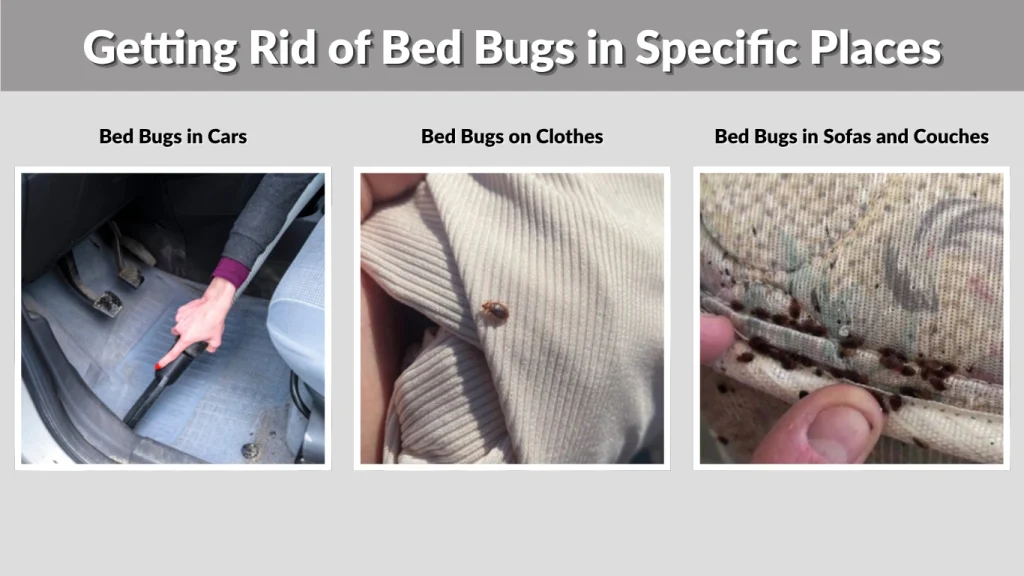
Bed bugs are experts at hiding — not just in your bed but throughout your home and even your car. Each location requires a slightly different approach to ensure every last bug is gone.
Bed Bugs in Cars
Yes, bed bugs can live in cars. They hide in seat seams, floor mats, and trunk fabric.
To remove them:
- Vacuum the seats, carpet, and floor thoroughly.
- Use a handheld steamer to treat fabric areas and cracks.
- On a hot day, close all windows and park the car in direct sunlight for a few hours — the internal temperature can rise enough to kill most bed bugs.
- Avoid storing infested items in the car to prevent reinfestation.
Bed Bugs on Clothes
Bed bugs can cling to your clothing and spread quickly.
Here’s how to handle them:
- Wash all clothes in hot water and dry on high heat for 30+ minutes.
- Store clean clothes in airtight plastic bags or bins until your home is completely bug-free.
- For delicate items, use a dry cleaner or place them in a sealed bag for several days before washing.
Bed Bugs in Sofas and Couches
Couches are a favorite hiding place because of deep seams and fabric folds.
- Remove all cushions and vacuum underneath.
- Steam every part of the couch — especially under cushions and along the frame.
- Apply diatomaceous earth or bed bug spray (safe for upholstery) around and under the sofa.
- If the infestation is severe, consider professional treatment or replacement.
Treating Bed Bug Bites
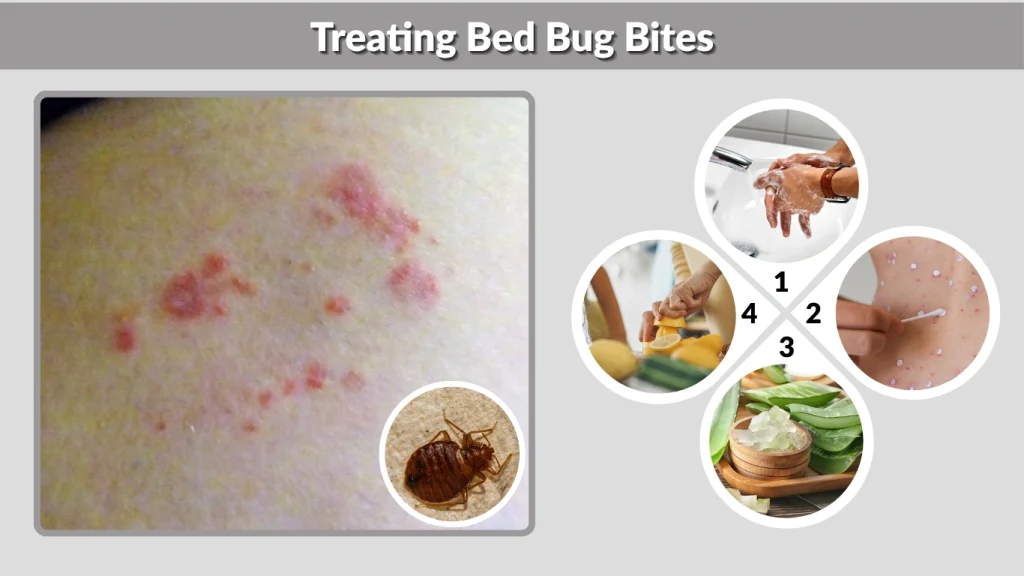
Even after you remove bed bugs, the bites can continue to itch and irritate your skin. Fortunately, there are effective ways to relieve symptoms and help your skin heal.
Quick Relief Methods
- Clean the bites: Gently wash affected areas with mild soap and water to remove bacteria.
- Soothe itching: Apply calamine lotion, hydrocortisone cream, or a cold compress to reduce swelling and redness.
- Prevent infection: Avoid scratching, as this can cause open sores that might get infected.
- Take oral antihistamines: Over-the-counter options like Benadryl can help reduce allergic reactions or swelling.
Healing and Scar Prevention
- Use aloe vera gel, vitamin E oil, or coconut oil to keep the skin moisturized and promote healing.
- For darker bite marks or scars, natural remedies like lemon juice or rosehip oil can help fade discoloration over time.
- Most bites heal within a week, but persistent reactions may require medical attention.
Professional vs. DIY Bed Bug Removal
While DIY methods are affordable and effective for small infestations, sometimes you’ll need professional help to ensure every egg and bug is eliminated.
When to Call an Exterminator
You should call a professional pest control service if:
- The infestation keeps coming back after multiple treatments.
- You see bugs in multiple rooms or areas of your home.
- You live in a shared building (like an apartment complex) where bugs can travel between units.
- You’re unable to locate their nesting sites.
Professional exterminators use heat treatments, chemical sprays, or fumigation to completely kill bed bugs and their eggs — often in a single visit.
Cost to Get Rid of Bed Bugs
The cost varies depending on how severe the infestation is and the treatment type:
- Per room: $300–$700
- Whole house: $1,000–$4,000
- Heat treatment: $2,000–$5,000 (but usually kills all bugs in one session)
Though expensive, professionals often provide guarantees and follow-up inspections to ensure total elimination.
Preventing Future Infestations
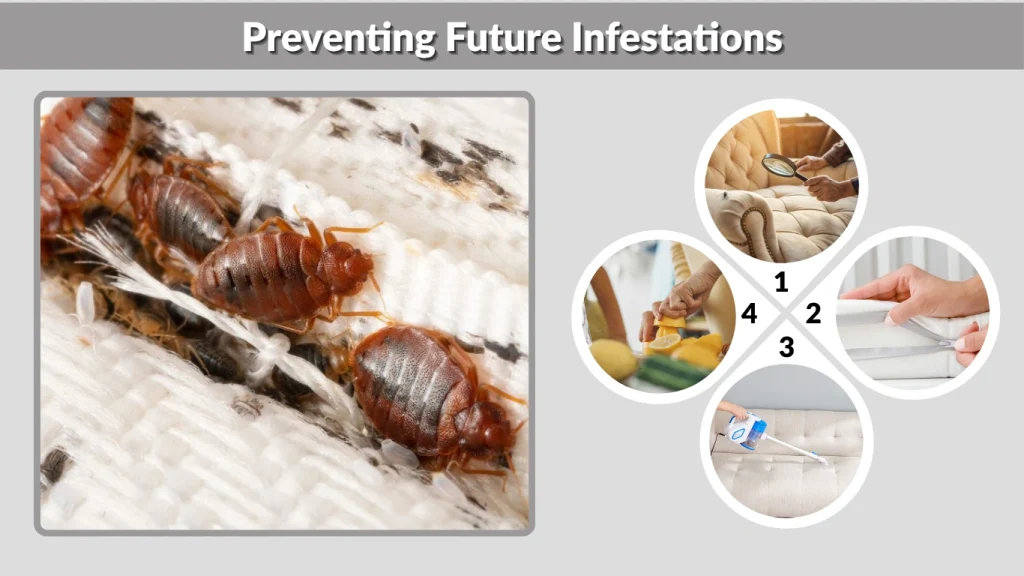
Once you’ve removed bed bugs, prevention becomes your best defense. Bed bugs can return easily if precautions aren’t maintained.
Long-Term Prevention Tips
- Inspect used furniture — Never bring home secondhand mattresses or couches without examining them for small brown stains or bugs.
- Use mattress encasements — Keep your mattress and box spring sealed to prevent bed bugs from finding new hiding spots.
- Vacuum regularly — Clean your bedroom, baseboards, and furniture at least once a week.
- Reduce clutter — Cluttered areas provide perfect hiding spots for bugs and make them harder to detect.
- Be cautious while traveling —
- Check hotel mattresses and headboards for bugs before unpacking.
- Keep your suitcase elevated and away from beds.
- Wash travel clothes immediately after returning home.
- Check hotel mattresses and headboards for bugs before unpacking.
Protect Your Pets and Family
Bed bugs can bite pets too. Regularly wash your pet’s bedding and inspect their sleeping areas. Keep personal hygiene items like clothes and blankets separate and clean.
Dealing With Reinfestation
Even after treatment, it’s wise to keep monitoring for a few weeks:
- Place bed bug traps or interceptors under bed legs.
- Continue vacuuming and steam-cleaning weekly.
- If you notice new bites or stains, act quickly before it becomes a major issue again.
Remember: catching a new infestation early makes it ten times easier to handle.
FAQs
What kills bed bugs instantly?
Heat is the most effective instant killer of bed bugs. Exposing them to temperatures above 120°F (49°C) — through steam cleaning, dryer cycles, or professional heat treatment — can eliminate both adult bugs and eggs within minutes. Some chemical sprays and rubbing alcohol can kill on contact, but they often miss hidden bugs.
Can bed bugs live in pillows and mattresses?
Yes. Bed bugs often hide in pillow seams, mattress folds, and box springs, coming out at night to feed. To remove them, wash pillowcases in hot water, steam-clean mattresses, and use bed bug-proof encasements to trap any remaining insects.
Can I get rid of bed bugs permanently on my own?
It’s possible to eliminate a mild infestation using DIY methods — such as vacuuming, steaming, diatomaceous earth, and heat treatments. However, for large or recurring infestations, professional pest control is often necessary to ensure complete and permanent eradication.
Do bed bugs go away if you clean your house?
Cleaning helps reduce bed bug hiding spots but doesn’t kill them completely. Bed bugs can survive even in spotless homes. The key is targeted cleaning combined with heat and treatment methods — not just general tidying.
How can I prevent bed bugs from coming back?
Inspect secondhand furniture before bringing it home, vacuum weekly, use protective mattress covers, and avoid clutter. When traveling, always check hotel beds and wash your clothes immediately after returning home. Consistent prevention is the best way to stay bed bug-free.
