
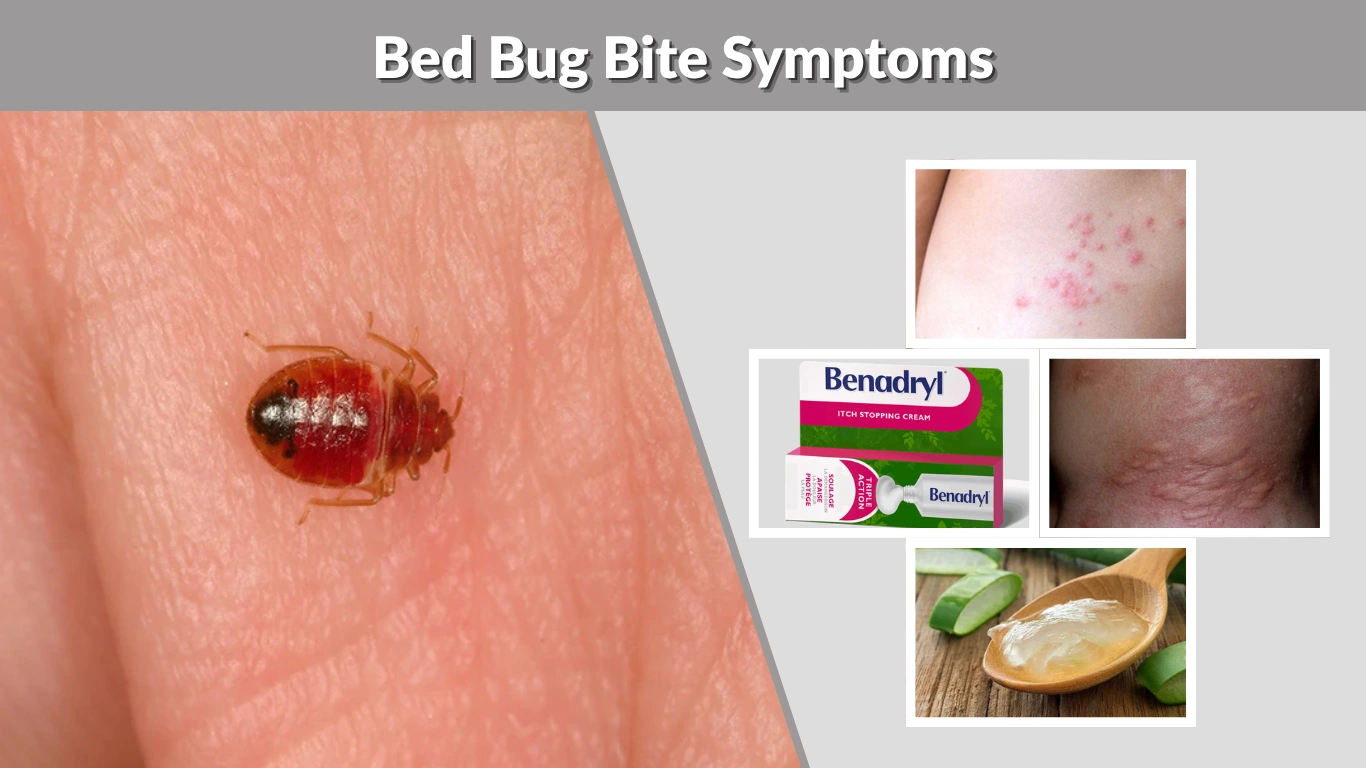
Bed bugs are small, blood-feeding insects that have made an alarming comeback in homes, hotels, and even public transport. While these pests do not transmit diseases, their bites can cause severe itching, allergic reactions, and psychological distress. Because their bites often resemble other insect bites, recognizing bed bug bite symptoms early is key to preventing further discomfort and infestation.
This guide explains how to identify bed bug bite symptoms, what they look like on different skin types, how long they last, and the best ways to treat them.
What Are Bed Bug Bites?
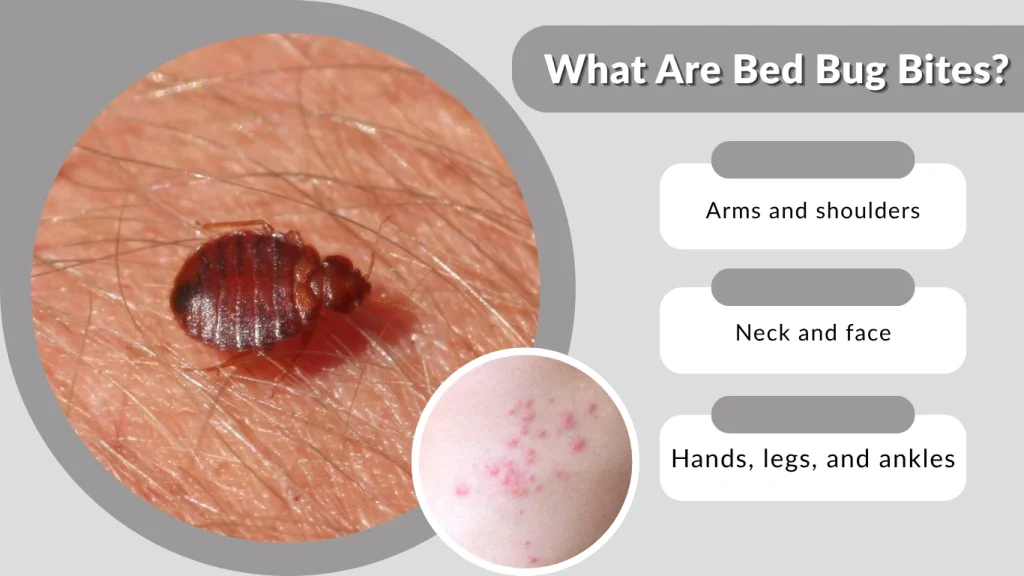
Bed bug bites occur when these nocturnal insects pierce the skin with their beak-like mouthparts to feed on blood, usually at night while you are asleep. They inject a small amount of saliva containing an anesthetic and an anticoagulant, which prevents you from feeling the bite while allowing the bug to feed for several minutes.
Bed bugs tend to bite areas of the body that are exposed during sleep, such as:
- Arms and shoulders
- Neck and face
- Hands, legs, and ankles
They often leave multiple bite marks in a cluster or a straight line, sometimes described as the “breakfast, lunch, and dinner” pattern.
Early Signs and Day 1 Symptoms of Bed Bug Bites
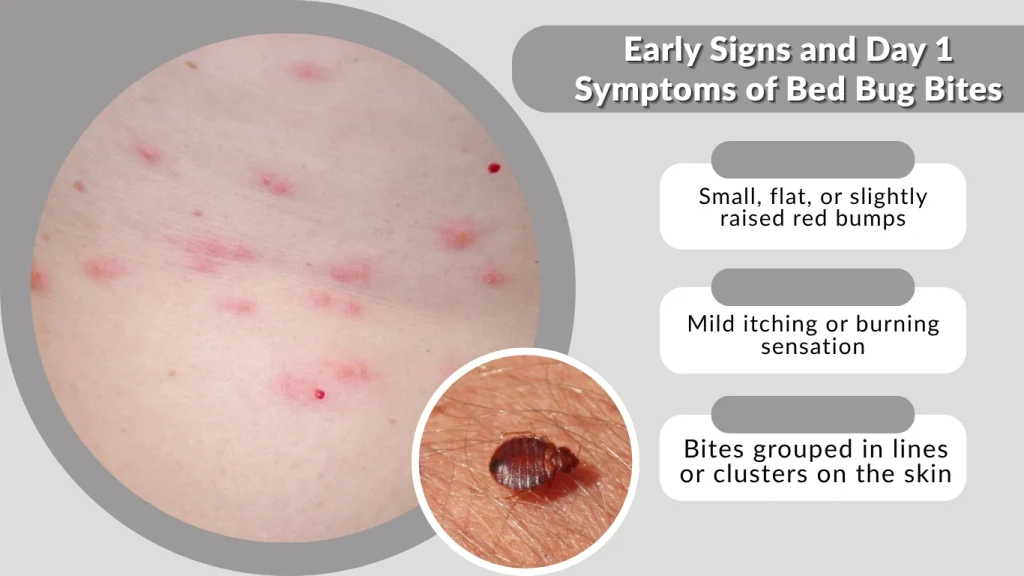
On the first day after a bite, symptoms may be subtle or even absent. The body’s immune reaction to bed bug saliva can take time to develop. Some people show signs within a few hours, while others may not notice for several days.
Early symptoms typically include:
- Small, flat, or slightly raised red bumps
- Mild itching or burning sensation
- Bites grouped in lines or clusters on the skin
In the early stages, bed bug bites can look similar to mosquito or flea bites. However, the pattern and location of the bites often help in identification. Bed bug bites usually appear in rows or clusters and are concentrated on areas exposed while sleeping, unlike mosquito bites, which are more random.
Common Bed Bug Bite Symptoms
Visible Skin Reactions
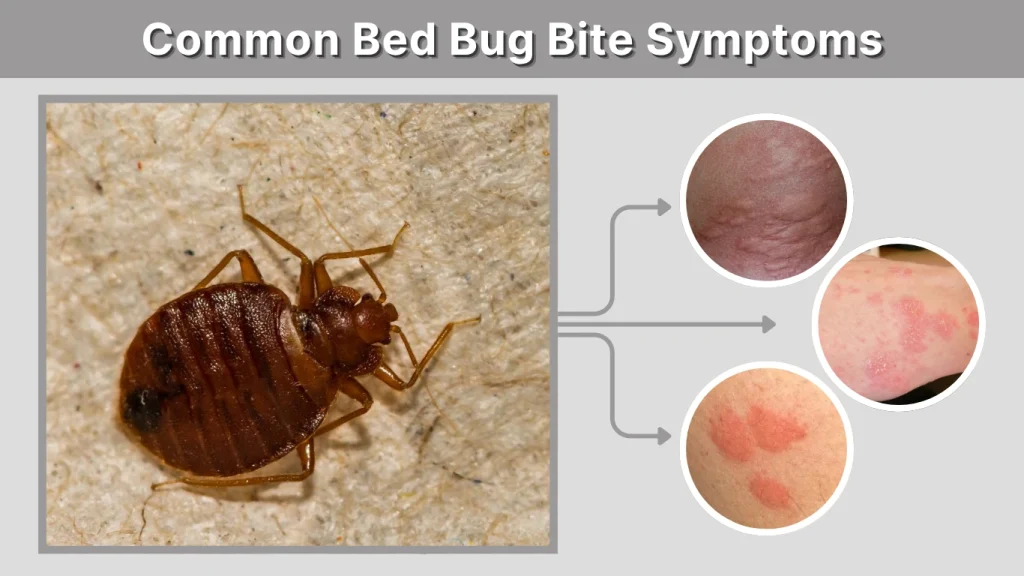
The most noticeable symptoms of bed bug bites are visible skin reactions. These can vary from person to person but commonly include:
- Red, swollen welts or bumps
- Rash-like clusters or small blisters
- Inflammation that worsens at night
For individuals with sensitive skin, the redness and swelling can be more intense, lasting several days or even weeks.
Physical Discomfort
Along with redness, bed bug bites cause discomfort such as:
- Persistent itching or irritation
- Mild burning or stinging sensation
- Tenderness or swelling around the bite site
Scratching can lead to broken skin and increase the risk of infection, so it’s best to keep the affected area clean and avoid itching.
Allergic Reactions and Severe Symptoms
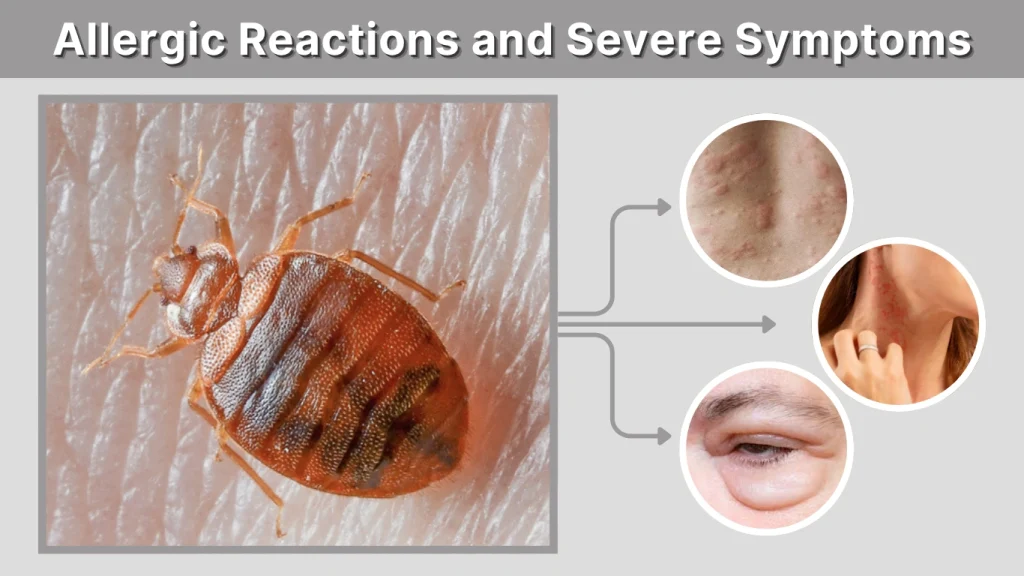
While most bed bug bites cause only mild irritation, some people develop allergic reactions. The severity of symptoms depends on the body’s immune response and the number of bites.
Allergic symptoms may include:
- Large, swollen welts or hives
- Severe itching or inflammation
- Painful swelling around the eyes or lips
- Rarely, shortness of breath or anaphylaxis
If swelling spreads beyond the bite area or is accompanied by difficulty breathing, medical attention is necessary. In extreme cases, prescription antihistamines or corticosteroid creams may be required to control the reaction.
Bed Bug Bite Symptoms on Different Skin Types
The appearance of bed bug bites can differ based on skin tone.
- Light skin: Bites often appear bright red or pink with a darker center.
- Medium to dark skin: Bites may appear as small, darker spots or purplish marks.
On darker skin, bed bug bites can be harder to spot but may leave post-inflammatory hyperpigmentation — dark marks that linger even after the swelling subsides.
Visual comparisons are helpful when diagnosing bed bug bites. High-quality reference photos showing different skin tones can make identification more accurate.
Bed Bug Bites vs. Other Insect Bites
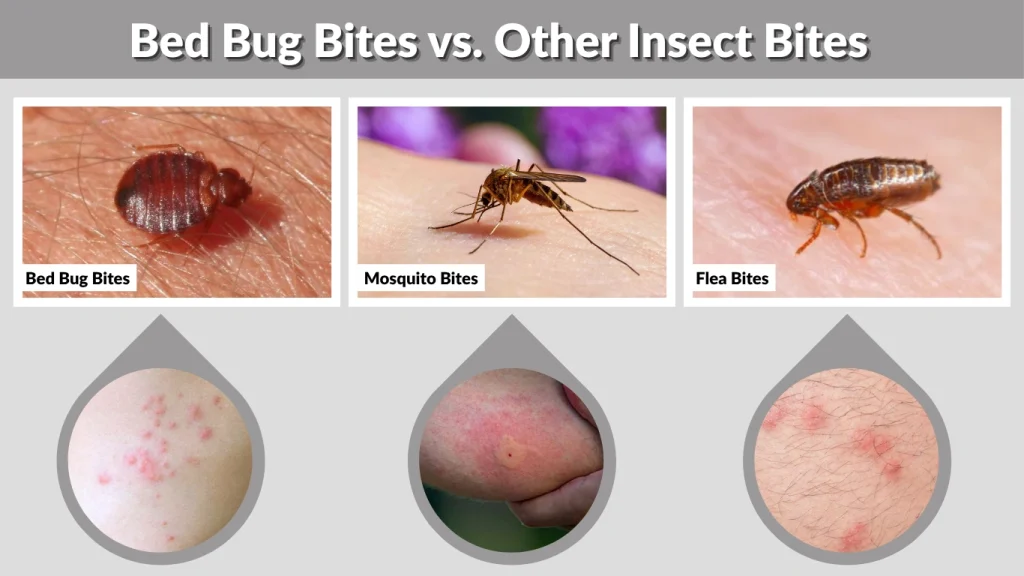
One of the biggest challenges in identifying bed bug bites is that they look similar to other insect bites. However, several characteristics can help you tell the difference.
| Feature | Bed Bug Bites | Mosquito Bites | Flea Bites |
| Pattern | Often appear in clusters or straight lines | Randomly scattered | Usually around ankles or lower legs |
| Itching Level | Moderate to severe, increases at night | Mild to moderate | Intense itching |
| Appearance | Red bumps with darker center or small blisters | Raised, round bumps | Small, red, hard spots |
| Timing | Usually appear overnight | Appear soon after outdoor exposure | Appear after contact with pets or carpets |
If you notice linear or clustered bites that itch more at night and appear on skin exposed while sleeping, bed bugs are the likely cause.
Timeline: When Bed Bug Bite Symptoms Appear and How Long They Last
The symptoms of bed bug bites can develop gradually. The timeline varies depending on an individual’s skin sensitivity and immune response.
Typical symptom timeline:
- 0–24 hours: Little or no visible reaction. Some may experience faint redness or itching.
- 1–3 days: Red bumps or welts become more noticeable, often accompanied by itching and mild swelling.
- 4–7 days: The irritation peaks. Scratching may cause scabs or small wounds.
- 1–2 weeks: The marks gradually fade if left untreated, though dark spots may linger on sensitive skin.
People who are repeatedly bitten may react faster and more severely over time as their immune system becomes sensitized to the bug’s saliva.
Infection and Secondary Symptoms
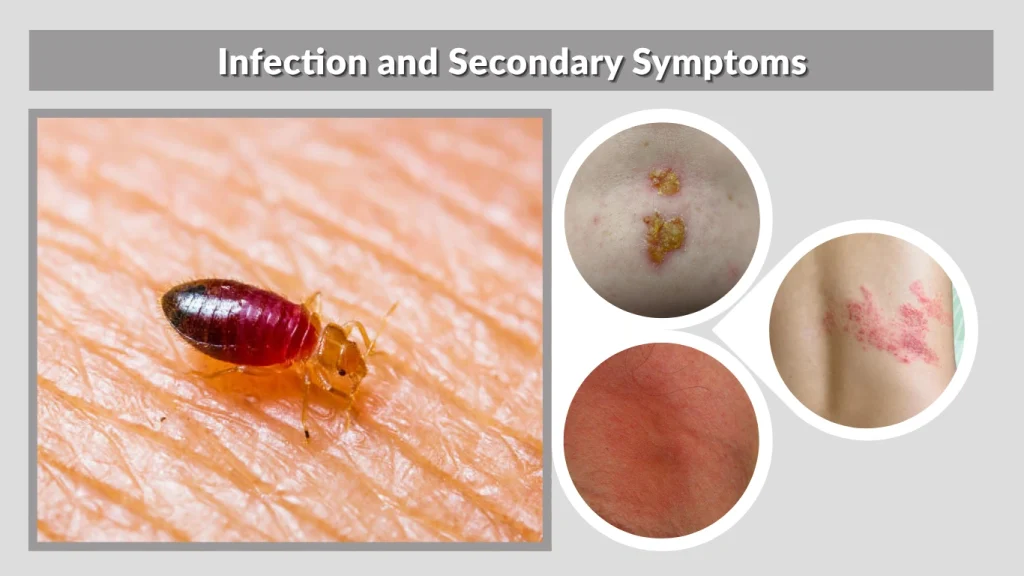
Bed bug bites themselves are not infectious, but scratching can lead to secondary bacterial infections. When the skin barrier is broken, bacteria such as Staphylococcus aureus can enter and cause inflammation.
Signs of infection include:
- Pus or yellow crust forming on the bite
- Increasing redness or warmth around the area
- Pain, swelling, or tenderness
- Fever or general malaise in severe cases
If these symptoms occur, it’s important to see a doctor. Antibiotic ointments or oral antibiotics may be prescribed to treat infected bites.
Treatment for Bed Bug Bite Symptoms
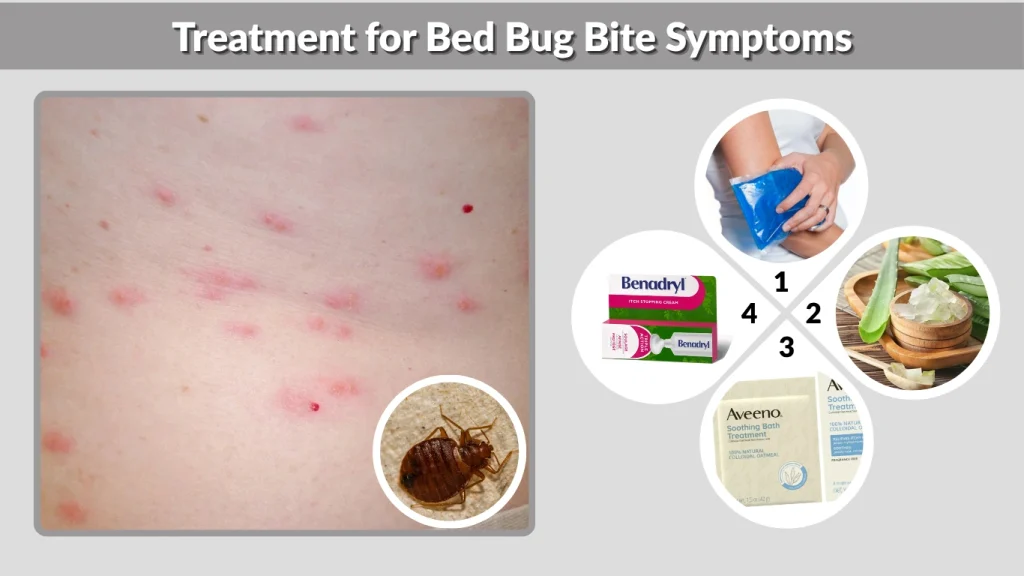
Most bed bug bites heal naturally within one to two weeks, but itching and discomfort can be reduced with simple home remedies or medical treatments.
Home Remedies
- Cold compress: Reduces swelling and itching.
- Aloe vera or calamine lotion: Soothes the skin and prevents dryness.
- Oatmeal baths: Relieves irritation and helps heal inflammation.
- Over-the-counter antihistamines: Reduce itching and allergic reactions.
Medical Treatments
If symptoms are severe or persistent:
- Topical corticosteroid creams (like hydrocortisone) can reduce inflammation.
- Antibiotic ointments help prevent infection if scratching has broken the skin.
- Prescription antihistamines or corticosteroids may be needed for strong allergic reactions.
It’s best to avoid scratching and keep the area clean to prevent infection and scarring.
Bed Bug Bite Symptoms in Infants, Adults, and Pets
Infants and Children
Babies have more delicate skin, so their reactions can be stronger. Bites often swell more and may blister or ooze if scratched. Always consult a pediatrician if your child develops multiple bites or severe swelling.
Adults
Healthy adults typically experience mild to moderate irritation. However, repeated bites can lead to sleep loss, anxiety, or allergic skin reactions over time.
Pets (Dogs and Cats)
Although bed bugs prefer human hosts, they can bite pets as well. Symptoms include excessive scratching, small red bumps under fur, or restless behavior during the night. A veterinarian can confirm and recommend pet-safe treatments.
Prevention and Long-Term Care
Treating bites is only part of the solution — eliminating the infestation is essential to prevent reoccurrence.
Key prevention tips:
- Regularly inspect mattresses, bed frames, and headboards for black spots or tiny eggs.
- Wash bedding and clothes in hot water and dry on high heat.
- Vacuum and steam clean carpets and furniture.
- Use mattress encasements to trap existing bugs.
- Contact professional pest control if the infestation persists.
FAQs
1. How long do bed bug bite symptoms last?
Most bed bug bite symptoms fade within one to two weeks. Mild reactions may disappear in just a few days, while stronger allergic responses can linger longer. If the area becomes infected or irritated from scratching, healing may take several weeks.
2. When do bed bug bite symptoms appear after being bitten?
Symptoms often take 1 to 3 days to appear, though some people react within hours. The delay happens because the body’s immune system needs time to respond to the bug’s saliva. Repeated exposure can shorten this reaction time, leading to quicker and stronger symptoms.
3. Can bed bug bites cause flu-like or COVID-like symptoms?
Bed bug bites do not cause viral symptoms such as fever, cough, or fatigue. However, in rare cases, individuals with severe allergic reactions may feel mild body aches or fatigue due to inflammation. If you develop flu-like symptoms, the cause is likely unrelated to bed bugs.
4. Do bed bug bites spread diseases?
No, bed bug bites are not known to transmit diseases to humans. The main health risks come from allergic reactions, secondary skin infections, and emotional stress from dealing with infestations. Keeping bites clean and avoiding scratching greatly reduces the risk of complications.
5. How can I tell if it’s a bed bug bite or another insect bite?
Bed bug bites usually appear in clusters or straight lines on areas exposed while sleeping, such as the arms, neck, and face. They often cause itching that worsens at night. In contrast, mosquito bites are random and appear after outdoor exposure, while flea bites are concentrated around the ankles or legs. If bites keep appearing overnight, inspect your bedding and mattress seams for tiny reddish-brown bugs or black fecal spots.
