Asian lady beetles may look like harmless ladybugs, but they behave quite differently. Known for invading homes in large numbers, biting humans, and producing a foul odor, these insects are considered a major nuisance. This guide explains how to identify them, their life cycle, behavior, and natural ways to prevent or eliminate infestations effectively.
Identification and Appearance
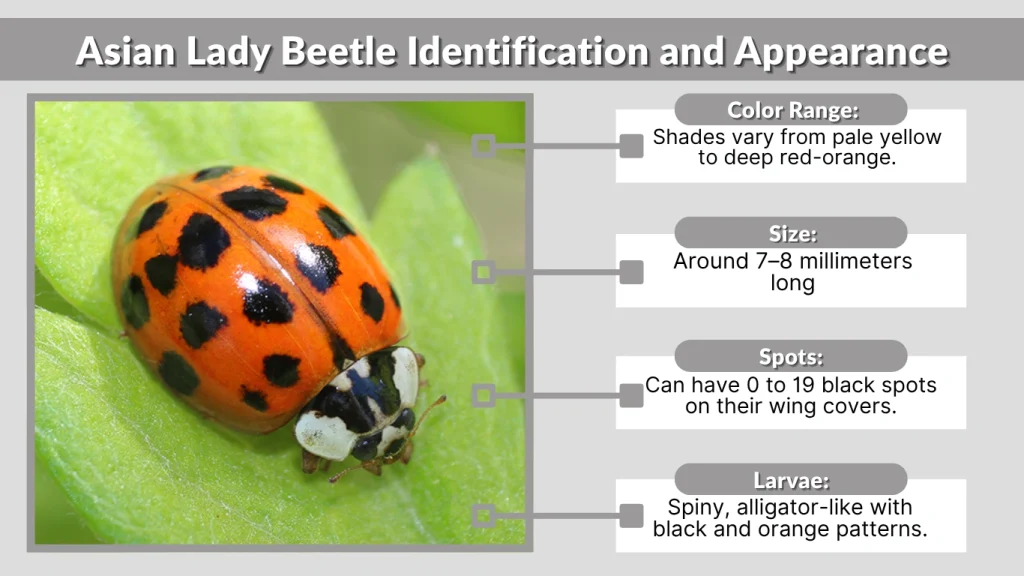
- Color Range: Shades vary from pale yellow to deep red-orange.
- Size: Around 7–8 millimeters long, slightly larger than common ladybugs.
- Distinct Marking: Black M- or W-shaped mark on the white pronotum (behind the head).
- Spots: Can have 0 to 19 black spots on their wing covers.
- Shape: Oval, slightly elongated body compared to rounder ladybugs.
- Behavioral Trait: Releases a yellow, foul-smelling fluid when disturbed.
- Larvae: Spiny, alligator-like with black and orange patterns.
- Eggs: Small, yellow, laid in clusters on leaf undersides.
- Pupae: Attach to surfaces and turn into adults within days.
Behavior and Habitat
Where They Live
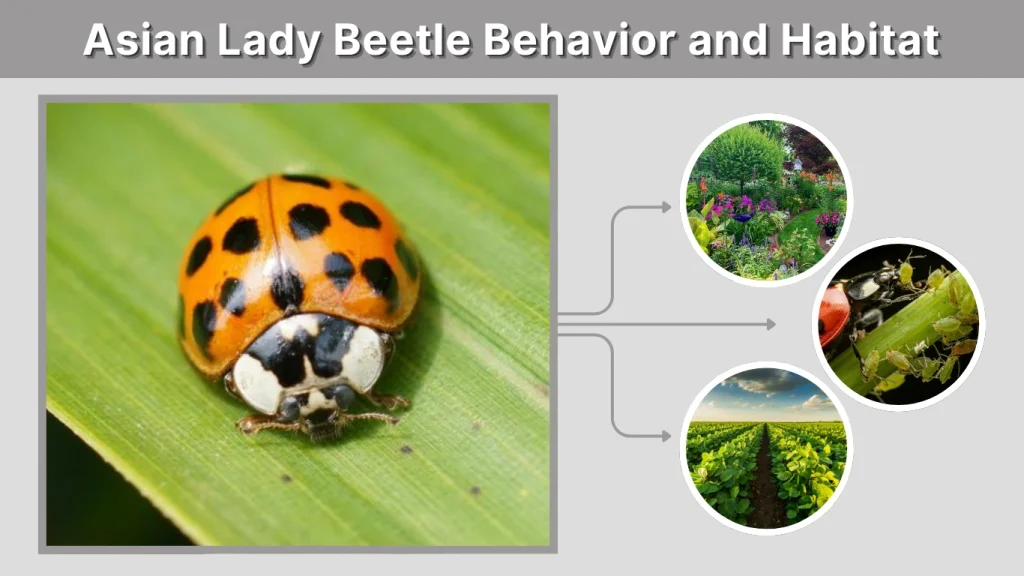
Native to Asia, these beetles were intentionally introduced to North America in the early 1900s for pest control. Today, they are found across the United States, Canada, and Europe. During warmer months, they thrive in gardens, agricultural fields, and forests, feeding on plant pests. In autumn, they seek warm, sheltered spaces — often homes — to overwinter.
Diet and Predators
Asian lady beetles primarily eat aphids, mites, scale insects, and whiteflies. This diet makes them beneficial outdoors, as they reduce crop damage. However, their aggressive feeding habits and large populations can threaten native ladybug species by outcompeting them for food. Natural predators include birds, assassin bugs, spiders, and parasitic wasps, although adult beetles’ chemical defenses make them unappealing to many animals.
Life Cycle and Lifespan
Their life cycle consists of four stages: egg, larva, pupa, and adult. Adults live for approximately nine months to one year. In late autumn, they gather in large numbers and enter buildings through cracks or vents to hibernate. Once indoors, they become dormant until temperatures rise in spring, when they become active and look for food and mates.
Invasive Nature and Infestations
Why They’re Considered Invasive
Originally introduced for biological pest control, Asian lady beetles quickly became invasive due to their adaptability and rapid reproduction. They reproduce multiple times a year, tolerate cold climates, and outcompete native ladybugs. Their habit of entering homes for winter shelter makes them both a household pest and an ecological concern.
Asian Lady Beetle Infestation in Houses
Infestations occur mostly in late fall when temperatures drop. Drawn by sunlight and warmth, these beetles cluster on the sunlit sides of buildings, then slip indoors through small gaps around windows, doors, or siding. Once inside, they often gather in attics, walls, or ceilings. When disturbed, they emit a strong odor and release a yellow fluid that can stain surfaces. While harmless to structures, their sheer numbers can make living spaces uncomfortable.
Bites and Health Concerns
Do Asian Lady Beetles Bite?
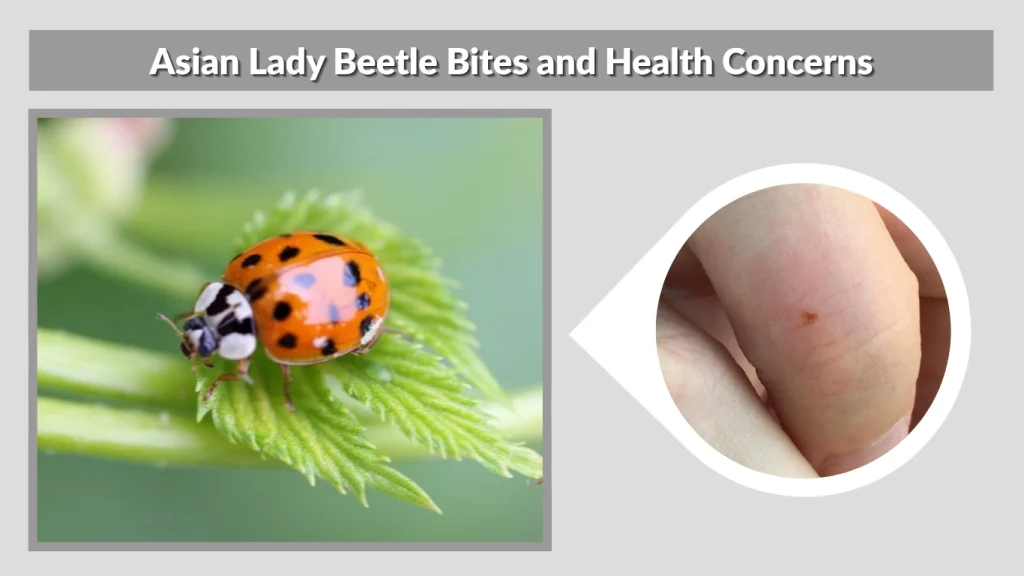
Yes, Asian lady beetles are capable of biting humans. Their bite isn’t venomous but can cause minor irritation or redness. They don’t feed on blood — instead, they may nip when searching for moisture or reacting defensively. Compared to ladybugs, which do not bite at all, this aggressive behavior is a key distinguishing trait.
Bite Symptoms and Allergic Reactions
Bites usually result in mild redness, itching, or a small raised bump. However, some individuals are sensitive to the beetle’s defensive hemolymph (a yellow fluid they secrete when threatened). Exposure to this fluid can cause allergic reactions, such as sneezing, watery eyes, sinus irritation, or even mild skin rashes. In severe cases, people with asthma may experience respiratory discomfort.
Are Asian Lady Beetles Harmful?
While not dangerous to humans, they can be a nuisance pest. Their odor, staining fluid, and biting tendencies cause frustration for homeowners. Pets, especially dogs, may also be affected — ingestion of these beetles can cause drooling, vomiting, or digestive upset. Though not fatal, it’s best to prevent contact and remove them safely.
What Attracts Asian Lady Beetles
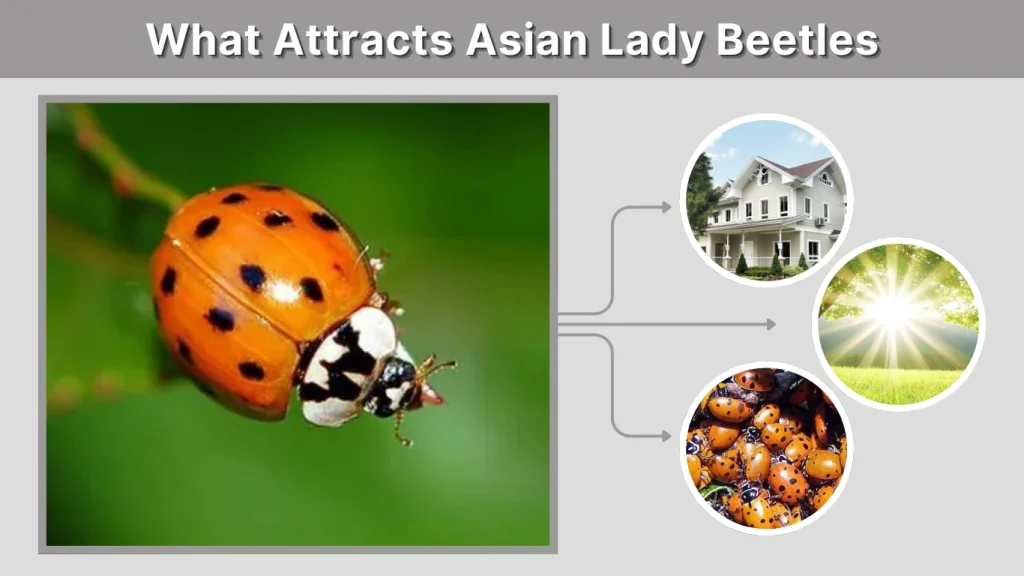
Asian lady beetles are drawn to light-colored buildings, warmth, and direct sunlight. They’re especially attracted to white, beige, or lightly painted homes with southern or western exposure. These beetles also release pheromones that attract others to the same location, meaning once a few beetles enter your home, more are likely to follow. Homes near forests, fields, or bodies of water tend to experience the worst infestations.
Prevention and Deterrence
How to Prevent Entry
Preventing Asian lady beetles from entering your home is far easier than eliminating an existing infestation. Begin by sealing cracks and gaps around windows, doors, vents, and siding. Apply caulk or weather stripping to close openings and install fine mesh screens over chimneys, exhaust fans, and attic vents.
Exterior lights attract beetles, so switch to yellow “bug” bulbs or reduce nighttime lighting during late autumn. Pay special attention to sun-facing walls since beetles prefer warm, bright surfaces for overwintering.
Natural Deterrents
Essential oils such as clove, citronella, peppermint, and citrus act as natural repellents. Mix a few drops with water in a spray bottle and apply around windows, entry points, and corners. Another eco-friendly solution is diatomaceous earth, a fine powder that kills insects by dehydrating them. Sprinkle it lightly along baseboards, window sills, and door frames where beetles gather.
You can also place bay leaves or whole cloves in problem areas — their strong scent discourages beetles from settling inside.
Removal and Control Methods
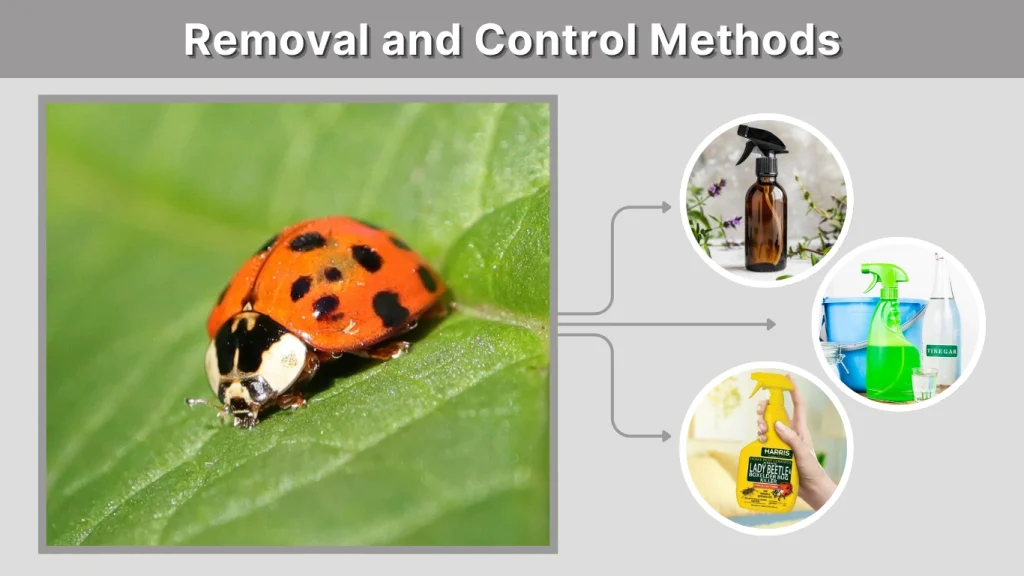
How to Get Rid of Asian Lady Beetles
If beetles have already invaded your home, avoid crushing them, as this releases their foul-smelling fluid. Instead, vacuum them gently using a hose attachment. Immediately dispose of the bag or contents outdoors to prevent lingering odor or escape.
For small numbers, a soapy water trap works well — fill a shallow dish with water and a few drops of dish soap, then place it beneath a bright light to attract beetles. The beetles fall in and drown, providing a simple and chemical-free control method.
Natural and Chemical Options
- Natural Methods: Essential oil sprays, vinegar-water solutions, and sticky traps are effective for light infestations.
- Chemical Methods: For heavier infestations, insecticides such as Harris Asian Lady Beetle Killer or pyrethrin-based sprays can be applied along window frames, walls, and eaves. Use chemical treatments sparingly and always follow safety guidelines, especially indoors.
For outdoor prevention, treat siding and window perimeters in late summer before beetles begin searching for shelter.
Outdoor Control
Outdoors, focus on removing food sources like aphids and mites from your garden. Use insecticidal soap or neem oil to keep populations in check. Cleaning debris and trimming vegetation near your home also reduces places where beetles can hide or reproduce.
DIY Traps and Repellents
DIY Asian Lady Beetle Trap
A simple, homemade trap can capture dozens of beetles overnight. Combine a small lamp, a plastic funnel, and a bowl of soapy water. Place the setup in dark areas such as attics or basements. Beetles drawn to the light fall through the funnel and drown in the water. This method is non-toxic, inexpensive, and reusable.
Asian Lady Beetle Spray
Create a natural beetle spray by mixing equal parts white vinegar and water with a few drops of lemon or orange essential oil. Spray directly on beetles or around infested areas to drive them out. The scent discourages them from returning and also removes odor left by previous infestations.
Interesting Facts and Symbolism
Although considered pests in modern homes, Asian lady beetles have a mixed reputation. In Japanese and Chinese folklore, lady beetles symbolize good fortune and love, believed to bring blessings when they land on someone. However, their invasive behavior and unpleasant odor have reversed this perception in many regions.
Interestingly, Asian lady beetles can survive freezing temperatures by clustering together in insulated spots — an adaptation that makes them persistent invaders once inside homes.
FAQs
Do Asian Lady Beetles Bite Humans?
Yes, they sometimes bite when seeking moisture or reacting defensively. Their bite is not venomous but can cause mild itching, redness, or irritation. Individuals sensitive to insect fluids may develop small welts or skin reactions that usually subside within a day or two.
How Can I Naturally Get Rid of Asian Lady Beetles?
Vacuuming and essential oil sprays are the best natural options. Peppermint, citronella, and clove oils repel them effectively. Diatomaceous earth or homemade vinegar sprays can also reduce their presence without using chemical pesticides.
What Attracts Asian Lady Beetles to Houses?
They are attracted to light-colored walls, warmth, and sunlit surfaces during autumn. Beetles also follow pheromone scents left by others, so even a few entering your home can attract hundreds more to the same area.
Are Asian Lady Beetles Harmful to Pets or Plants?
They rarely damage plants but can harm pets if ingested. Dogs or cats that eat them may experience drooling, vomiting, or minor digestive discomfort. While not poisonous, it’s best to prevent pets from interacting with these beetles.
How Long Do Asian Lady Beetles Live?
Asian lady beetles can live up to a year under ideal conditions. They hibernate during winter inside homes or other sheltered areas, becoming active again when temperatures rise in spring.