
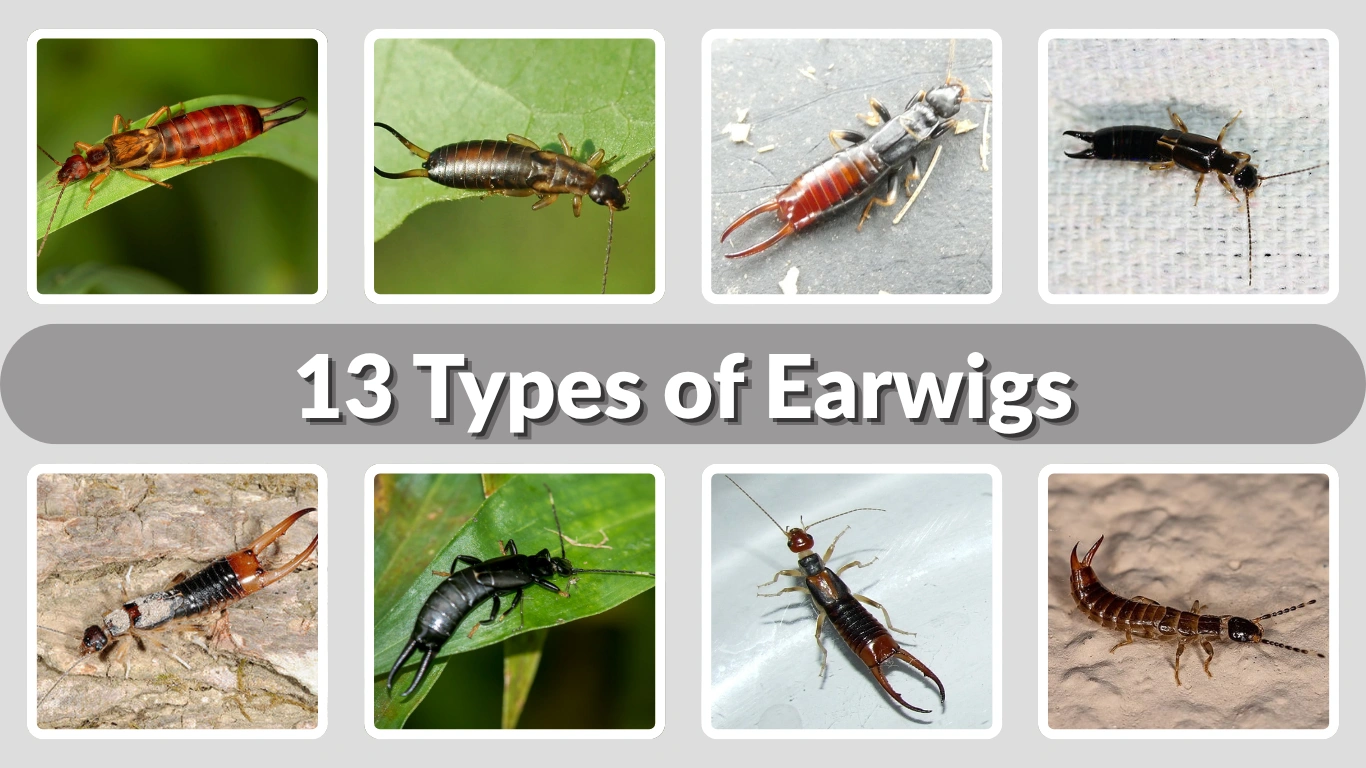
Earwigs are fascinating insects from the order Dermaptera, recognized by their pincer-like cerci at the end of their abdomen. Found worldwide, there are over 2,000 species, ranging from small garden dwellers to large, tropical varieties. Despite their fearsome appearance, earwigs are harmless to humans and often play a beneficial ecological role by consuming pest insects. This guide explores 13 unique types of earwigs, detailing their identification, habitats, behaviors, lifecycles, and diets — revealing how these nocturnal insects thrive in diverse environments, from coastal regions to forests and farmlands.
1. Common Earwig
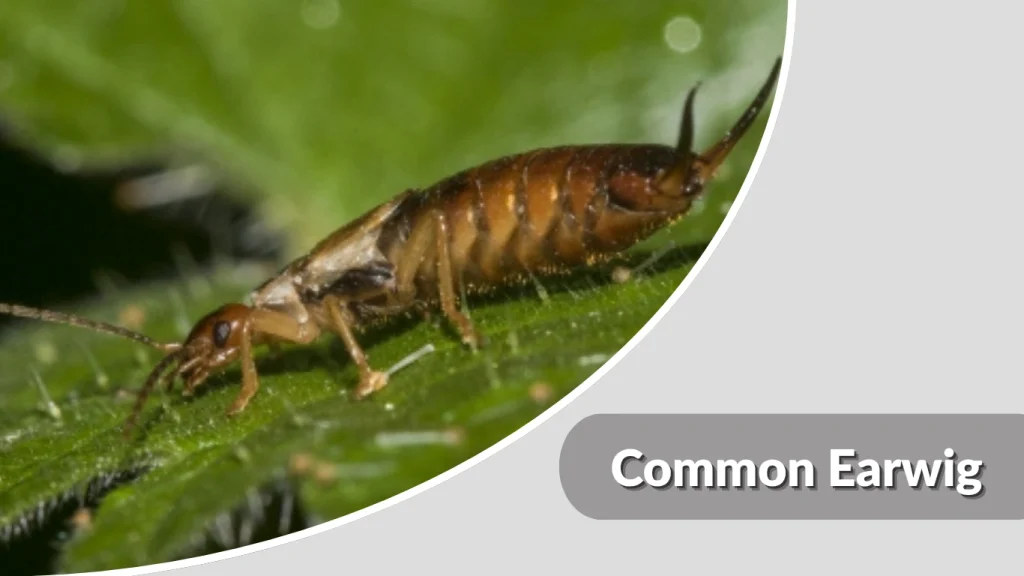
The Common Earwig (Forficula auricularia) is the most widespread and recognizable earwig species in the world. Native to Europe, it has spread to North America, Asia, and Australia, becoming one of the best-known representatives of its order (Dermaptera). Despite their intimidating pincers, common earwigs are harmless to humans and play a mixed ecological role—acting as both garden pests and beneficial predators.
Identification
- Scientific name: Forficula auricularia
- Size: 12–16 mm long.
- Color: Reddish-brown body with lighter yellowish-brown legs.
- Shape: Elongated and flattened body with characteristic forceps-like pincers (cerci) at the rear.
- Distinctive feature: Males have curved pincers, while females’ pincers are straighter and shorter.
Habitat
Common Earwigs thrive in temperate climates and are found in gardens, fields, forests, and urban areas. They prefer moist, dark places, such as under stones, bark, logs, and leaf litter. They often enter homes seeking shelter, particularly in cool or dry weather.
Behaviors
Common Earwigs are nocturnal omnivores, active mainly at night. They use their pincers for defense, courtship, and folding their wings. During the day, they hide in damp crevices. They feed on a variety of materials—plant matter, decaying vegetation, and small insects—making them both pests (when feeding on crops or flowers) and beneficial (when consuming aphids and other pests).
Lifecycle & Diet
Their lifecycle includes egg, nymph, and adult stages. Females lay 30–60 eggs in underground chambers, which they guard and clean—a rare maternal behavior among insects. Nymphs resemble miniature adults and molt several times before maturity.
- Lifespan: About 1 year.
- Diet: Omnivorous—feeds on soft fruits, flowers, vegetables, algae, fungi, aphids, and other small insects.
2. Ring-legged Earwig
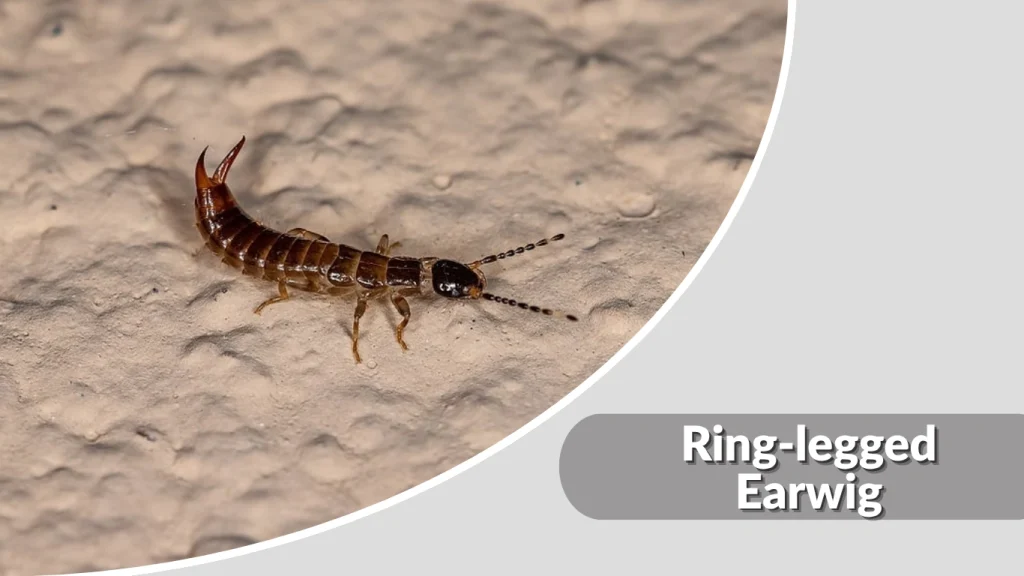
The Ring-legged Earwig (Euborellia annulipes) is a small, wingless species found across North America, Europe, Asia, and Africa. Recognized by the faint ring-like markings on its legs, it thrives in warm climates and is often found in gardens, compost piles, and decaying organic matter. Though harmless to humans, it is considered a beneficial insect because it feeds on pest larvae and aphids.
Identification
- Scientific name: Euborellia annulipes
- Size: 8–12 mm long.
- Color: Shiny dark brown to black with yellowish-brown legs.
- Shape: Slender, flattened body; lacks wings entirely.
- Distinctive feature: Pale bands (“rings”) visible on legs and short, straight pincers.
Habitat
The Ring-legged Earwig inhabits gardens, farmland, compost heaps, and decaying wood. It prefers warm, moist environments and shelters during the day under stones, bark, and leaf litter. Indoors, it may hide in cracks, basements, or greenhouses.
Behaviors
This species is nocturnal and highly active during warm nights. It hunts for soft-bodied insects, such as aphids and caterpillar larvae, making it a natural ally for gardeners. It is wingless and cannot fly, relying instead on crawling and short bursts of movement.
Lifecycle & Diet
Females lay 20–50 eggs in soil or rotting vegetation. They exhibit maternal care, guarding and cleaning the eggs until they hatch. Nymphs molt several times before adulthood.
- Lifespan: 8–10 months.
- Diet: Omnivorous—feeds on aphids, mites, decaying leaves, plant roots, and dead insects.
3. Saint Helena Earwig
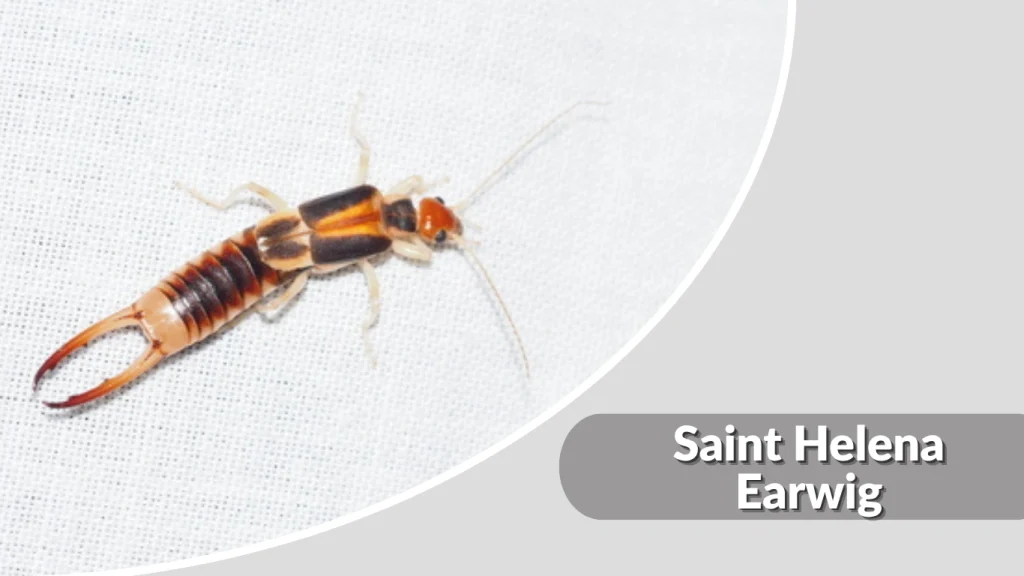
The Saint Helena Earwig (Labidura herculeana) was the largest earwig species ever known, once native to the remote island of Saint Helena in the South Atlantic Ocean. Sadly, it is now believed extinct, with the last confirmed sighting in the 1960s. Adults could grow to an astonishing 8 cm (3 inches) in length, earning it the nickname “Giant Earwig.”
Identification
- Scientific name: Labidura herculeana
- Size: Up to 80 mm (3 inches) long.
- Color: Dark brown to black.
- Shape: Large, heavy-bodied with robust pincers and thick legs.
- Distinctive feature: Gigantic size and long, curved cerci (pincers).
Habitat
The Saint Helena Earwig lived in arid, rocky areas of the island, particularly under stones and in cracks in the volcanic soil. It relied on moist microhabitats for survival and was often found alongside seabird colonies where organic debris was abundant.
Behaviors
It was nocturnal and ground-dwelling, emerging at night to feed on organic matter and possibly small invertebrates. Like other earwigs, it likely used its pincers for defense and grooming. Due to its size and slow movement, it depended heavily on shelter for protection.
Lifecycle & Diet
While little is known about its complete life cycle, it likely followed typical earwig patterns—females guarding eggs underground. Its extinction is believed to have resulted from habitat destruction and invasive predators such as rodents.
- Lifespan: Unknown (estimated 1–2 years).
- Diet: Probably omnivorous, feeding on detritus, plant material, and small insects.
4. Seaside Earwig
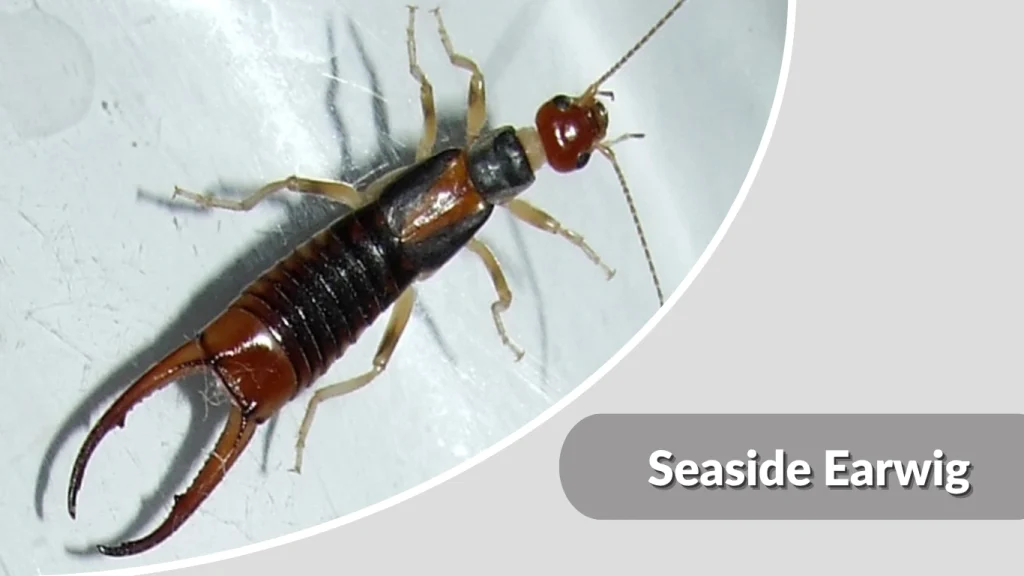
The Seaside Earwig (Anisolabis maritima) is a robust, wingless species commonly found along coastal regions worldwide, especially near beaches and rocky shorelines. Adapted to saltwater environments, it hides under driftwood, seaweed, and stones during the day and becomes active at night. Despite its fierce appearance, it is harmless to humans and helps control populations of small insects and larvae.
Identification
- Scientific name: Anisolabis maritima
- Size: 15–25 mm long.
- Color: Dark brown to black with a glossy body.
- Shape: Elongated, wingless, and sturdy with prominent curved pincers.
- Distinctive feature: Large, asymmetrical pincers on males; lack of wings.
Habitat
As its name suggests, this species inhabits coastal habitats, including beaches, dunes, tidal zones, and harbors. It shelters under seaweed, shells, and driftwood during the day to retain moisture and avoid sunlight.
Behaviors
The Seaside Earwig is nocturnal and predatory, feeding on small insects, larvae, and decaying organic material. It uses its pincers to capture prey and defend itself from rivals. During high tides, it seeks refuge in burrows or under debris. It is also an excellent burrower, digging small tunnels in moist sand.
Lifecycle & Diet
Females lay eggs in burrows above the high tide line, guarding them until hatching. Nymphs resemble small adults and molt several times before maturity.
- Lifespan: About 1 year.
- Diet: Omnivorous—feeds on dead fish, insects, larvae, and decaying seaweed.
5. Black Earwig
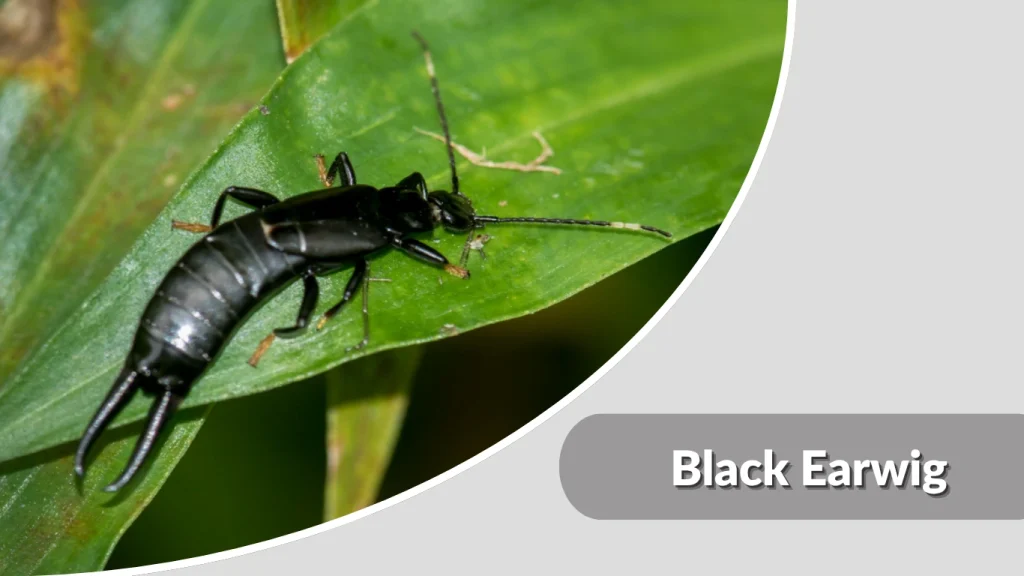
The Black Earwig (Chelisoches morio) is a striking, glossy-black species native to Southeast Asia and the Pacific islands, now found in tropical regions worldwide. It is a beneficial predator known for hunting crop pests such as aphids, caterpillars, and termites. Unlike most earwigs, it is fast, agile, and highly active both day and night.
Identification
- Scientific name: Chelisoches morio
- Size: 15–20 mm long.
- Color: Shiny jet black with reddish-brown legs.
- Shape: Slender body with long antennae and strong, curved pincers.
- Distinctive feature: Entirely black coloration and rapid movement; short wings.
Habitat
The Black Earwig thrives in humid tropical environments, often found in gardens, under bark, banana leaves, and compost heaps. It adapts easily to urban and agricultural settings, making it a common sight near fruit plantations.
Behaviors
This species is both diurnal and nocturnal, unlike many earwigs that are strictly nocturnal. It is highly predatory, using its pincers to grasp and kill prey. It is also capable of climbing plants and trees to hunt. Males are territorial and may engage in short combats using their pincers.
Lifecycle & Diet
Females lay eggs in moist soil or leaf litter and exhibit maternal care, guarding and cleaning their eggs until they hatch. Nymphs grow quickly, molting several times before adulthood.
- Lifespan: 9–12 months.
- Diet: Predatory—feeds on aphids, termites, caterpillars, and decaying vegetation.
6. Striped Earwig
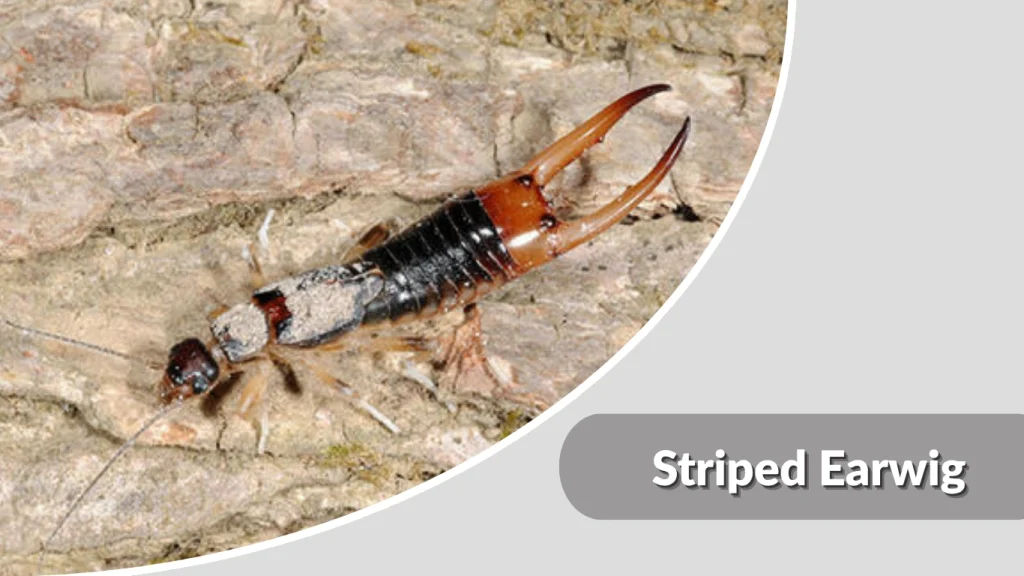
The Striped Earwig (Labidura riparia) is a large, active species found across tropical and subtropical regions worldwide. Easily recognized by the pale stripes running along its body, it is a strong predator that feeds on a wide range of insects, making it an important biological control agent. Despite its intimidating pincers, it is harmless to humans.
Identification
- Scientific name: Labidura riparia
- Size: 18–25 mm long.
- Color: Yellowish-brown with two dark longitudinal stripes on the thorax.
- Shape: Elongated, slightly flattened body with long legs and curved pincers.
- Distinctive feature: Pale body with clear dorsal stripes; wings well-developed for short flights.
Habitat
Striped Earwigs are commonly found in gardens, fields, sandy areas, and near water bodies. They prefer moist soil and hide during the day under rocks, bark, or leaf litter. They are especially abundant in warm coastal and agricultural regions.
Behaviors
This species is nocturnal and primarily predatory, hunting soft-bodied insects such as caterpillars, aphids, and maggots. They use their pincers for defense and for folding their wings. They are capable of limited flight and often migrate short distances at night.
Lifecycle & Diet
Females lay 40–60 eggs in moist soil burrows and guard them until they hatch. Nymphs molt several times over 2–3 months before reaching maturity.
- Lifespan: About 1 year.
- Diet: Carnivorous—feeds on insect larvae, aphids, mites, and other small invertebrates, occasionally consuming decaying matter.
7. Lesser Earwig
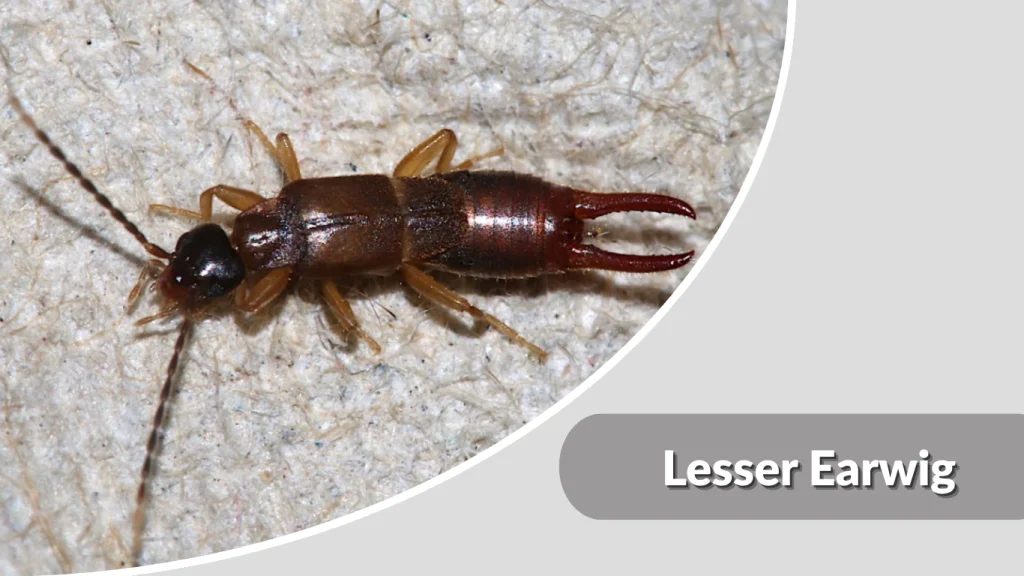
The Lesser Earwig (Forficula lesnei) is a small, delicate species native to Europe, often found in woodlands, hedgerows, and gardens. It closely resembles the Common Earwig but is smaller and more slender, with shorter pincers. Unlike its larger relative, the Lesser Earwig is mostly harmless to plants and plays a useful role in controlling tiny garden pests.
Identification
- Scientific name: Forficula lesnei
- Size: 8–10 mm long.
- Color: Light brown with a pale yellow underside.
- Shape: Slim, elongated body with short, straight pincers.
- Distinctive feature: Smaller and wingless; antennae with fewer segments than F. auricularia.
Habitat
The Lesser Earwig lives in shrubby vegetation, hedgerows, and woodland edges, often climbing plants and trees. It hides during the day under bark, leaves, or moss, preferring moist but shaded habitats.
Behaviors
It is nocturnal, spending nights hunting for small insects and organic debris. It cannot fly but climbs well using its slender legs. This species rarely enters houses and is considered ecologically beneficial in natural pest control.
Lifecycle & Diet
Females lay 15–30 eggs in soil cavities and protect them until they hatch. Development from egg to adult takes several months, depending on temperature.
- Lifespan: Around 10–12 months.
- Diet: Omnivorous—feeds on aphids, mites, algae, fungi, and decomposing plant matter.
8. Maritime Earwig
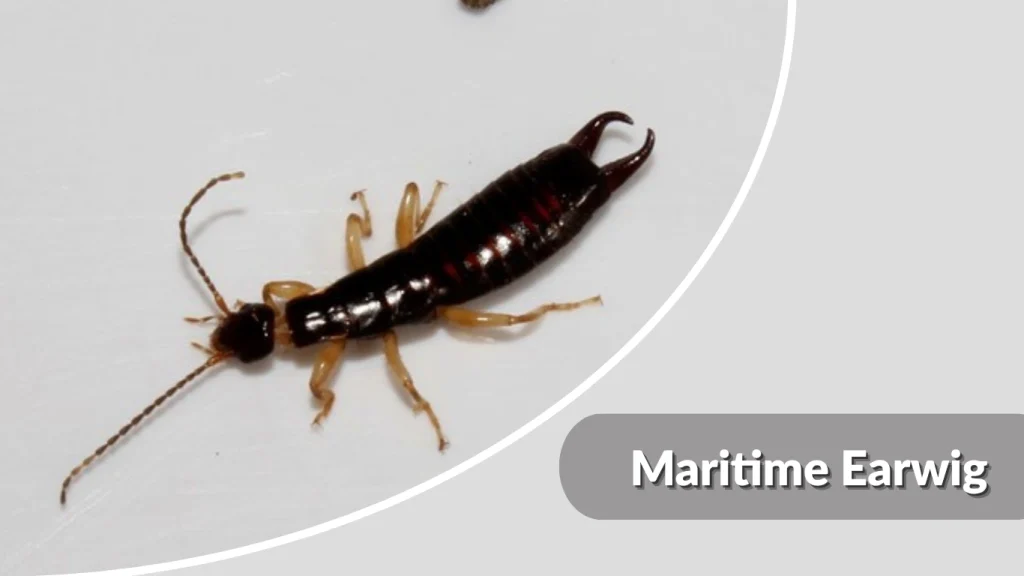
The Maritime Earwig (Anisolabis littorea) is a coastal species native to New Zealand and parts of Australia, known for its ability to survive in sandy, saline environments. Adapted to life along beaches and dunes, it hides under driftwood, seaweed, and stones near the shoreline. Though wingless, it is agile and well-suited to the harsh coastal habitat.
Identification
- Scientific name: Anisolabis littorea
- Size: 15–22 mm long.
- Color: Shiny dark brown to black.
- Shape: Robust, wingless body with strong, curved pincers.
- Distinctive feature: Large, asymmetrical pincers on males; flattened body for burrowing.
Habitat
The Maritime Earwig lives in sandy beaches, coastal dunes, and rocky shorelines, where it shelters under debris and driftwood. It prefers moist, shaded microhabitats, especially near the high-tide line.
Behaviors
This species is nocturnal and primarily predatory, feeding on other small invertebrates and decaying organic matter. During the day, it burrows into moist sand or hides beneath seaweed to avoid desiccation. It is also tolerant of saltwater exposure, making it highly adapted to the coastal ecosystem.
Lifecycle & Diet
Females burrow into the sand to lay 20–40 eggs, which they guard until hatching. Nymphs molt several times before reaching adulthood.
- Lifespan: About 1 year.
- Diet: Omnivorous—feeds on small insects, larvae, dead fish, and decomposing seaweed.
9. Shore Earwig
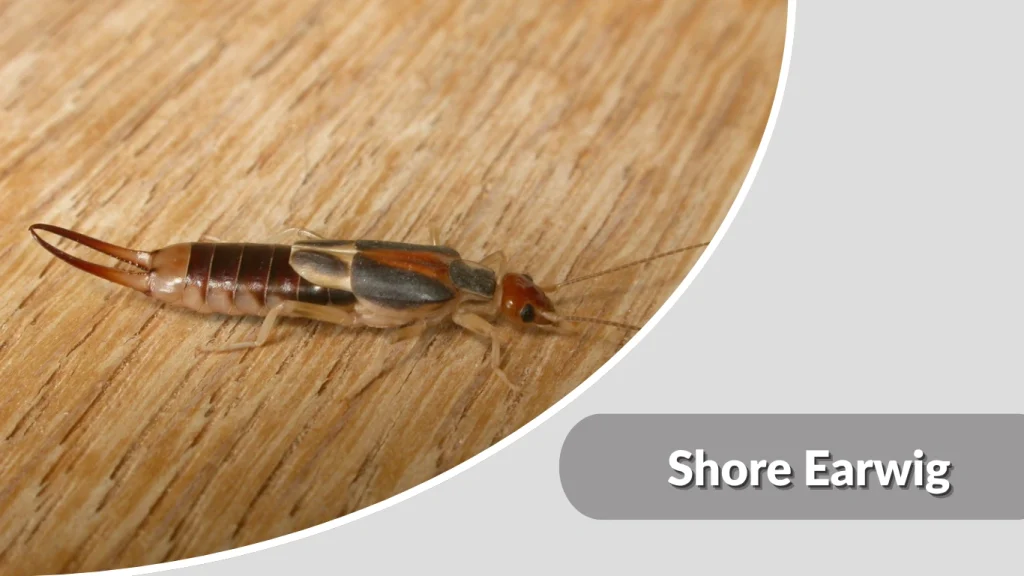
The Shore Earwig (Labidura truncata) is a coastal and riparian species found throughout Africa, Asia, and the Middle East, often near water bodies such as rivers, lakes, and ocean shores. It is a close relative of the Striped Earwig and shares its predatory habits.
Identification
- Scientific name: Labidura truncata
- Size: 18–25 mm long.
- Color: Light brown to sandy yellow with darker bands.
- Shape: Elongated, winged body with long legs and well-developed pincers.
- Distinctive feature: Flattened head and thorax adapted for burrowing; broad, fan-shaped pincers.
Habitat
This species inhabits riverbanks, beaches, and moist grasslands, seeking shelter under stones, driftwood, or dense vegetation. It thrives in warm, humid environments and prefers sandy or loamy soil for burrowing.
Behaviors
The Shore Earwig is nocturnal and predatory, preying on small insects, grubs, and larvae. It is also an adept digger, often creating tunnels to hide during the day. Its pincers are used for catching prey, grooming, and defense against rivals.
Lifecycle & Diet
Females lay eggs in underground burrows and guard them diligently until hatching. Nymphs undergo multiple molts before reaching maturity in about 3–4 months.
- Lifespan: 10–12 months.
- Diet: Carnivorous—feeds on flies, maggots, insect larvae, and decaying organic material.
10. Spongiphorid Earwig
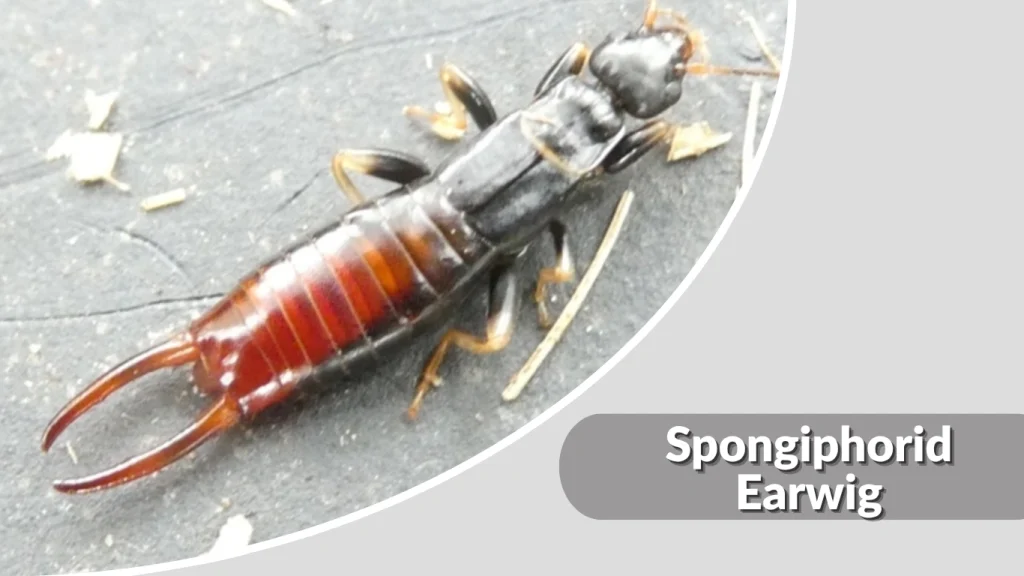
The Spongiphorid Earwig (Spongiphora croceipennis) is a small, fast-moving species found across Central and South America, Africa, and parts of southern Asia. Unlike many earwigs, it is fully winged and capable of flight, often attracted to lights at night. It plays an important role in natural pest control, feeding on small insects and decaying organic matter.
Identification
- Scientific name: Spongiphora croceipennis
- Size: 8–11 mm long.
- Color: Reddish-brown body with lighter yellowish wings.
- Shape: Slender, elongated form with fully developed, cross-folded wings.
- Distinctive feature: Translucent wings that form a short, leathery cover over the abdomen when folded.
Habitat
This earwig inhabits tropical and subtropical regions, living in gardens, woodlands, and agricultural fields. It prefers humid environments and often hides under leaves, bark, or soil debris during the day.
Behaviors
The Spongiphorid Earwig is nocturnal and actively hunts small insects and larvae at night. It can fly short distances, making it more mobile than most earwig species. It is attracted to artificial lights and often appears around homes or crops in the evening.
Lifecycle & Diet
Females lay clusters of eggs in soil or leaf litter and guard them until they hatch. Nymphs resemble small, wingless adults and develop over several molts.
- Lifespan: Around 1 year.
- Diet: Omnivorous—feeds on aphids, mites, decaying plants, and insect carcasses.
11. African Earwig
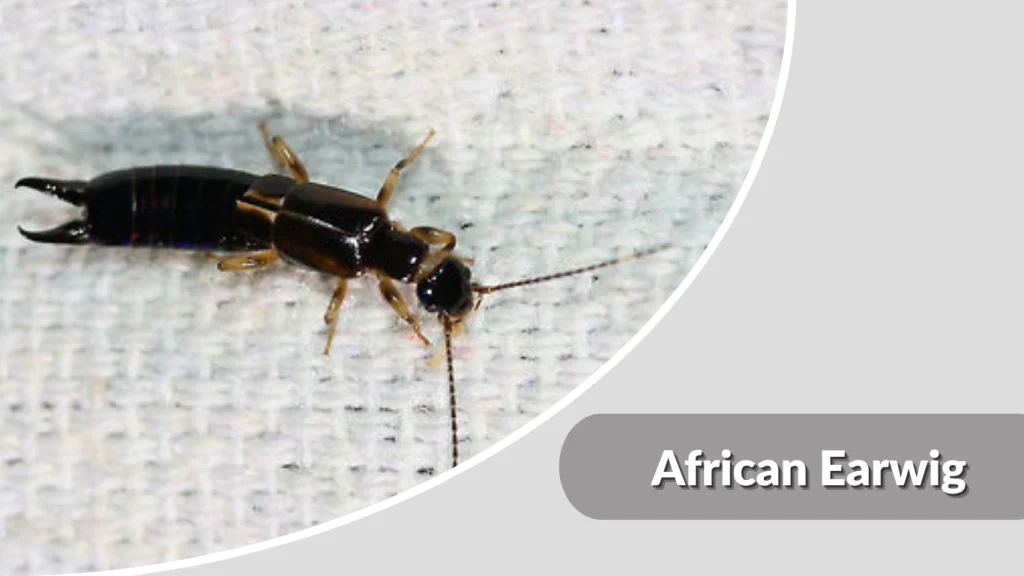
The African Earwig (Diaperasticus erythrocephalus) is a distinctive, medium-sized species native to sub-Saharan Africa, recognizable by its reddish head and dark body. Adapted to warm climates, it is often seen in gardens, farmlands, and under bark or stones. It contributes to pest control by feeding on aphids and other small insects.
Identification
- Scientific name: Diaperasticus erythrocephalus
- Size: 14–18 mm long.
- Color: Black or dark brown body with a bright red or orange head.
- Shape: Elongated and narrow, with long legs and short wings.
- Distinctive feature: Contrasting coloration—red head and dark thorax; short, straight pincers.
Habitat
Found in savannas, farmlands, and gardens throughout Africa, it prefers moist soil and shaded vegetation. It hides during the day under bark, logs, or rocks and emerges at night to feed.
Behaviors
The African Earwig is nocturnal and moderately predatory. It uses its pincers for capturing prey and self-defense. It is a ground-dweller that avoids light and humidity extremes. During the dry season, it may burrow deeper into soil to maintain moisture.
Lifecycle & Diet
Females guard their eggs and young, showing typical earwig maternal care. Nymphs grow through several molts over a few months before adulthood.
- Lifespan: Approximately 10–12 months.
- Diet: Omnivorous—feeds on aphids, insect larvae, decaying plant matter, and soft fruits.
12. European Earwig
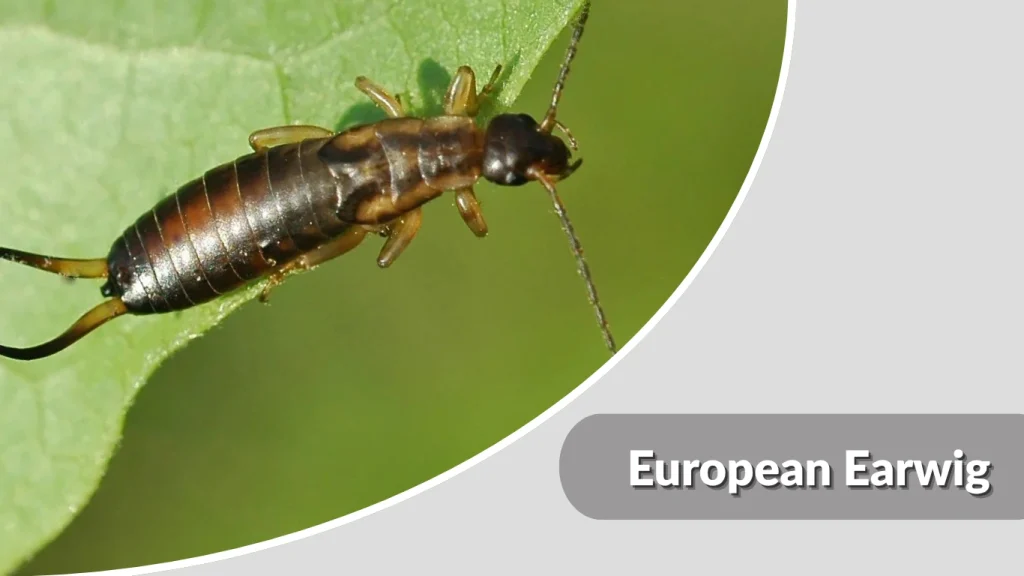
The European Earwig (Apterygida media) is a widespread species found throughout Europe, North Africa, and western Asia. Often confused with the Common Earwig, it is slightly smaller, lighter in color, and prefers wooded and rural habitats rather than urban gardens. It is primarily nocturnal and plays a beneficial role by feeding on small pest insects.
Identification
- Scientific name: Apterygida media
- Size: 10–13 mm long.
- Color: Light brown to reddish-brown with a yellowish underside.
- Shape: Slender and flattened with straight pincers.
- Distinctive feature: Lacks or has very short wings (apterous form); straighter pincers than Forficula auricularia.
Habitat
This earwig inhabits woodlands, hedgerows, and fields, particularly in Central and Southern Europe. It shelters under bark, leaf litter, and stones during the day, preferring moist, shaded areas near vegetation.
Behaviors
The European Earwig is nocturnal, active during the night, and often climbs plants in search of prey. It is not considered a pest and, in fact, helps control populations of aphids, mites, and other small insects. Adults cannot fly and are less likely to enter human dwellings than the Common Earwig.
Lifecycle & Diet
Females lay small clusters of eggs in soil chambers and tend to them until they hatch. Nymphs molt several times over a few months before reaching maturity.
- Lifespan: Around 1 year.
- Diet: Omnivorous—feeds on aphids, insect eggs, fungi, algae, and decaying plant material.
13. Red-legged Earwig
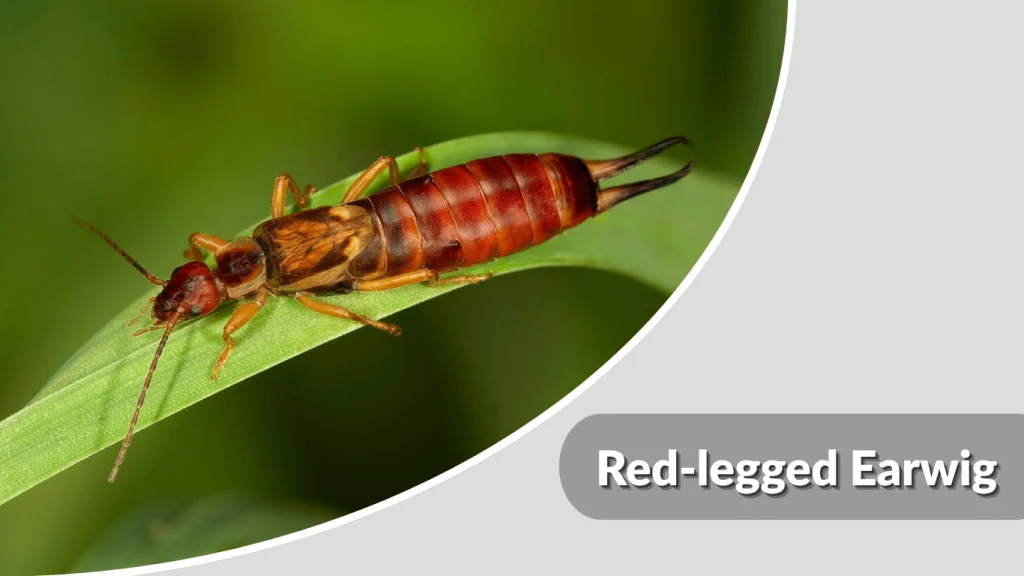
The Red-legged Earwig (Euborellia cincticollis) is a small, glossy species known for its reddish-brown legs and dark body. It is distributed across southern Europe, Asia, and parts of Africa, commonly inhabiting warm, humid areas such as gardens and farmland. Though it occasionally feeds on plants, it is mainly beneficial for controlling pest populations.
Identification
- Scientific name: Euborellia cincticollis
- Size: 10–14 mm long.
- Color: Shiny dark brown to black body with reddish or orange legs.
- Shape: Wingless and slightly curved, with well-defined pincers.
- Distinctive feature: Contrasting red or orange legs and dark body; no wings.
Habitat
This species thrives in gardens, under stones, logs, and in compost piles. It prefers moist soil and decaying vegetation, where food sources are abundant. It is also found near crop fields, where it helps reduce pest insects.
Behaviors
Red-legged Earwigs are nocturnal and predatory, emerging at night to hunt for small insects and larvae. They are fast-moving and seek refuge in soil crevices or organic litter during the day. They exhibit typical maternal care, guarding their eggs and young nymphs.
Lifecycle & Diet
Eggs are laid in protected soil chambers and hatch after several weeks. Nymphs develop through multiple molts before becoming adults.
- Lifespan: About 8–10 months.
- Diet: Omnivorous—feeds on aphids, mites, insect eggs, decaying vegetation, and soft fruits.
