
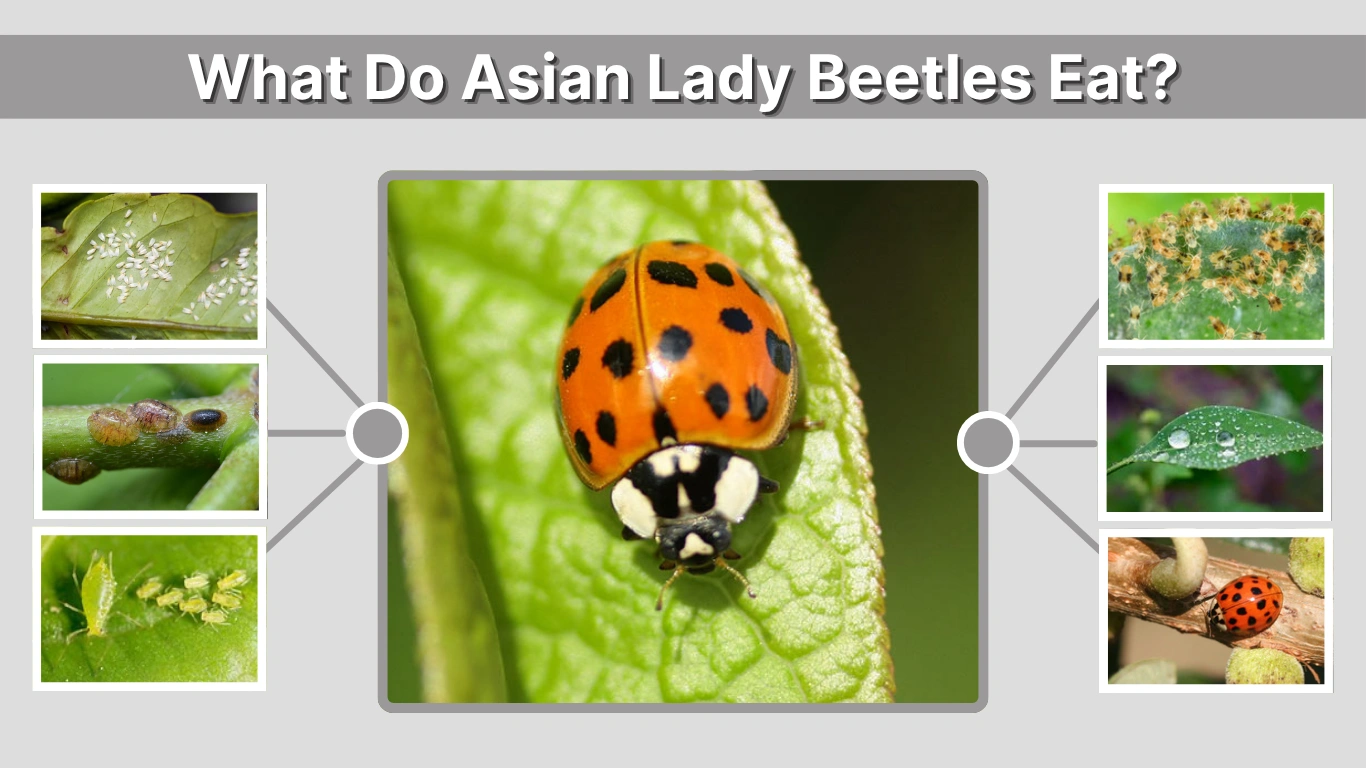
Asian lady beetles are small, colorful insects known for their role in controlling garden pests, but their feeding habits also make them one of the most adaptable beetle species in the world. While they are beneficial outdoors, their ability to survive indoors and during winter raises interesting questions about what they eat in different environments. This guide explores the diet of Asian lady beetles, including what they eat outdoors, in homes, and during colder months.
Overview: Asian Lady Beetle Feeding Behavior
The Asian lady beetle diet is primarily carnivorous, though they are technically omnivores. These beetles are opportunistic feeders, meaning they eat whatever is available — usually small, soft-bodied insects that damage plants. However, unlike native ladybugs, Asian lady beetles can survive in various habitats and adapt their diet accordingly.
Their strong mandibles allow them to pierce and suck the fluids from their prey. When living indoors or during winter, their feeding activity slows down, but they can go months without eating by entering a semi-dormant state. This flexibility contributes to their reputation as both helpful pest controllers and stubborn household invaders.
What Do Asian Lady Beetles Eat Outdoors?
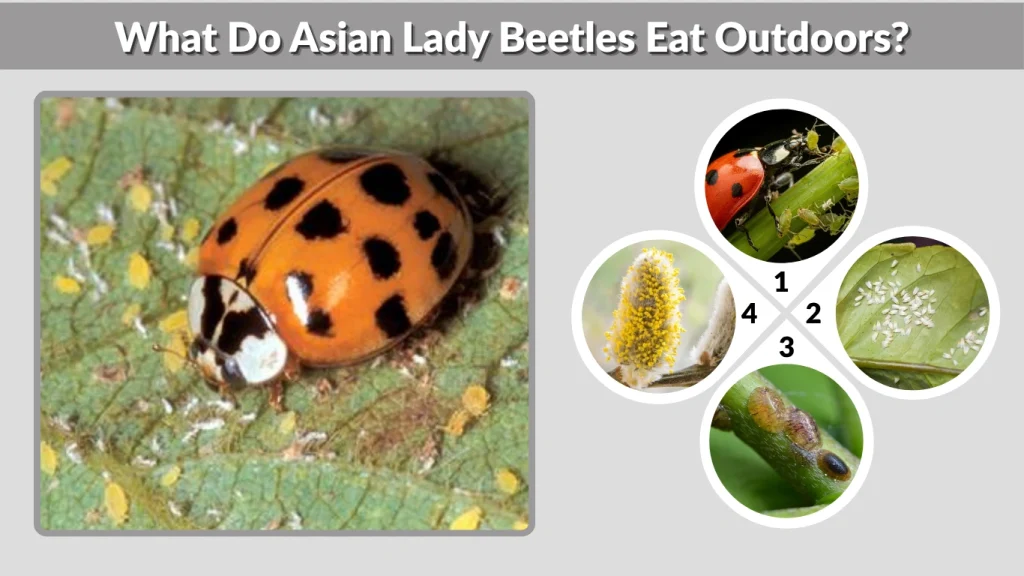
Outdoors, Asian lady beetles act as natural predators that feed on agricultural and garden pests. Their primary diet includes:
- Aphids – their favorite food source, often found on crops and plants.
- Mites and Whiteflies – small insects that feed on leaves and weaken plants.
- Scale Insects and Mealybugs – soft-bodied pests common in orchards and greenhouses.
- Pollen and Nectar (occasionally) – used as a supplementary energy source when insect prey is scarce.
Both larvae and adults hunt actively during spring and summer. Farmers often appreciate their presence because one beetle can consume up to 50 aphids per day, making them highly effective in pest management.
However, their aggressive feeding also has downsides. Asian lady beetles sometimes outcompete or even prey on native ladybugs, upsetting natural insect balance in ecosystems.
What Do Asian Lady Beetles Eat Indoors?
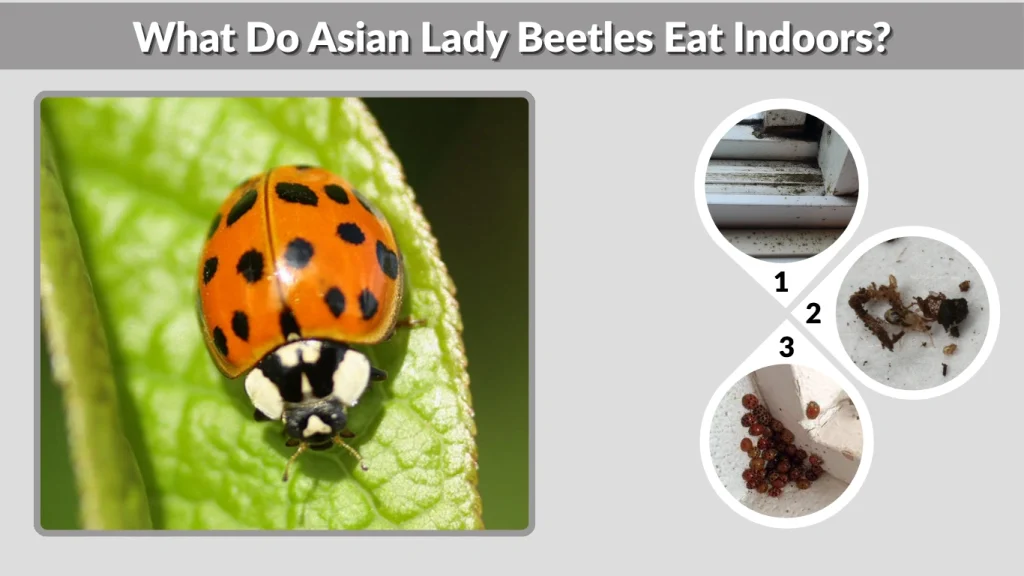
Inside homes, food sources are limited — yet Asian lady beetles can still survive for months. Once indoors, their main goal isn’t to feed but to find warmth and shelter. Still, they may nibble on small organic matter when active.
Common Indoor Food Sources:
- Dust particles or mildew around windows
- Small dead insects or plant debris
- Residual moisture or condensation
In most cases, they do not feed aggressively indoors. Instead, they enter a dormant state called diapause, which allows them to survive on stored energy. This is why infestations often persist all winter even without visible food sources.
What Do Asian Lady Beetle Larvae Eat?
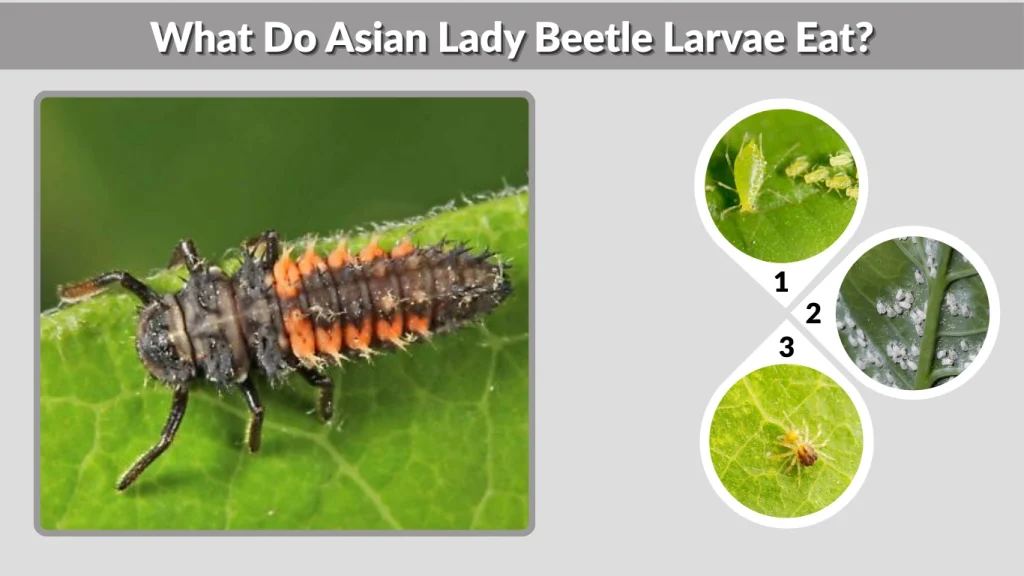
The larvae of Asian lady beetles are extremely active feeders and consume even more prey than adults. They look like tiny black alligators with orange or yellow markings and have sharp jaws for hunting.
Larval Diet Includes:
- Aphids, whiteflies, and small soft-bodied insects
- Occasionally, other beetle larvae if food is scarce
- In rare cases, their own unhatched eggs (a behavior known as cannibalism)
The larval stage lasts about 10–14 days, during which they can eat hundreds of aphids. This makes them effective biological pest controllers but also contributes to their dominance over native ladybug species.
What Do Asian Lady Beetles Eat in Winter?
When temperatures drop, Asian lady beetles prepare for overwintering rather than feeding. They seek out warm, sheltered spaces — often inside homes or attics — where they can remain inactive through the cold months.
During this period:
- They do not eat or drink regularly.
- Their metabolism slows, conserving stored nutrients.
- Occasionally, they may sip moisture from condensation or tiny water droplets indoors.
If winter days are unusually warm, some beetles might become active and crawl around windows in search of light or water. Still, most remain dormant until spring returns, when they resume their regular outdoor feeding habits.
What Do Multicolored Asian Lady Beetles Eat?
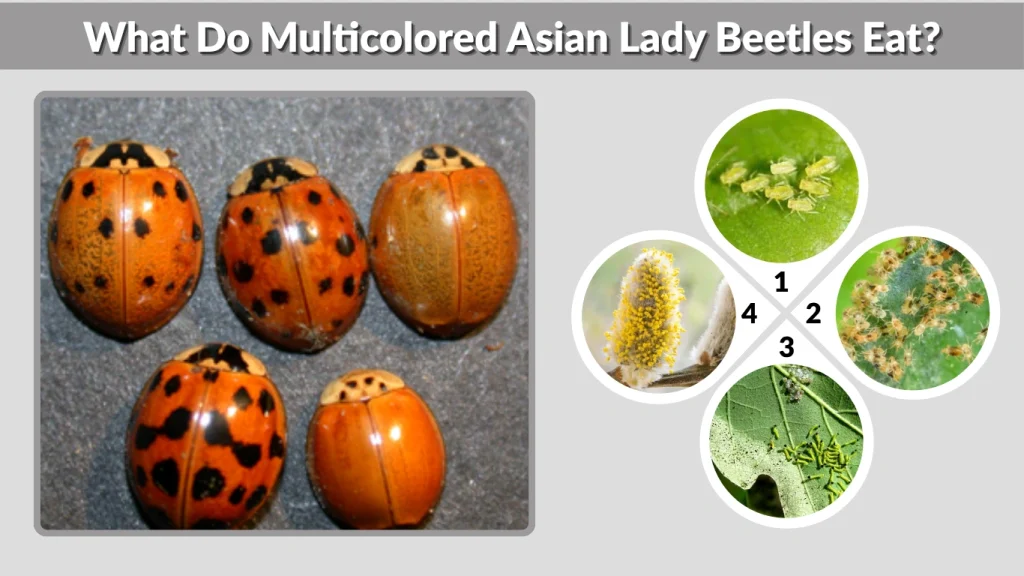
The multicolored Asian lady beetle (Harmonia axyridis), also known as the harlequin ladybird, has the same diet as the standard Asian species. These beetles are generalist feeders, meaning they can survive in different habitats and adapt their diet based on what’s available.
Their Typical Diet Includes:
- Aphids and mites on crops, trees, and garden plants
- Soft-bodied pests like mealybugs and whiteflies
- Small insect eggs and larvae
- Occasionally pollen, nectar, or sap when prey is scarce
Their ability to feed on both insects and plant materials gives them an advantage over native ladybugs. While native species rely heavily on aphids, multicolored beetles can endure short food shortages by switching to alternative food sources. This flexibility contributes to their survival and spread across North America, Europe, and other temperate regions.
What Do Asian Lady Beetles Drink?

Asian lady beetles don’t drink water the way humans or animals do. Instead, they absorb moisture from their environment and food. The fluids of the insects they consume — especially aphids — provide hydration and nutrients.
Sources of Hydration:
- Insect body fluids (their main water source)
- Morning dew on plants and leaves
- Water droplets or condensation indoors
- Plant sap during food scarcity
Indoors, where prey is limited, they may rely on small water droplets near windows or humid surfaces. They can survive for weeks without drinking, thanks to their slow metabolism and efficient moisture retention during dormancy.
How Their Diet Affects Ecosystems
Asian lady beetles play both positive and negative roles in the environment, depending on population levels and location.
Positive Impact
They are powerful biological pest controllers, consuming thousands of aphids, mites, and crop-damaging insects. In agriculture, they reduce the need for chemical pesticides and contribute to natural pest management in fields and gardens.
Negative Impact
When populations become too dense, their feeding habits disrupt ecosystems. Asian lady beetles:
- Outcompete native ladybugs for food
- Sometimes eat other beneficial insects or their larvae
- Leave behind yellow stains and foul odors when disturbed indoors
Their dominance can decrease biodiversity, reducing the balance between pest and predator populations. This dual role makes them both a blessing and a problem in ecosystems worldwide.
How to Manage Asian Lady Beetles Indoors
Although they eat very little indoors, infestations can still be unpleasant. Removing their food sources and entry points helps prevent their survival through winter.
Prevention Tips:
- Seal Cracks and Gaps: Use caulk or weatherstripping around windows, vents, and siding.
- Reduce Moisture: Dehumidify basements and attics to eliminate condensation they may drink from.
- Vacuum Gently: Remove beetles without crushing them to prevent odor and stains.
- Use Natural Repellents: Spray diluted peppermint or citrus essential oils near entry points.
- Clean Surfaces: Wipe walls and windows with vinegar to erase scent trails that attract others.
These steps won’t just remove food and water sources but also discourage future overwintering infestations.
FAQs
What do Asian lady beetles eat in my house?
Inside homes, Asian lady beetles rarely eat. They may nibble on small debris, dust, or mildew, but most remain dormant through winter. Their survival relies on stored energy, not active feeding. Occasional moisture from condensation may help them stay hydrated.
Do Asian lady beetles drink water or plant sap?
They don’t drink water directly. Instead, they absorb fluids from prey, dew, or sap. During drought or indoor hibernation, they rely on humidity and condensation. Plant sap can act as an emergency water source when insect prey is scarce outdoors.
What do Asian lady beetle larvae eat?
Larvae are the most aggressive feeders, consuming hundreds of aphids and mites daily. They may also eat insect eggs or smaller larvae if food is limited. Their strong predatory nature allows them to grow quickly before entering the pupal stage.
Do Asian lady beetles eat during winter?
No. During winter, they enter a dormant state known as diapause. Their metabolism slows down, allowing them to survive months without food or water. Indoors, they remain inactive until temperatures rise again in spring.
How are Asian lady beetles different from native ladybugs in diet?
Both eat pests like aphids, but Asian lady beetles are more adaptable. They can survive on pollen, sap, or other insects when prey is limited. Native ladybugs are more selective and depend almost entirely on soft-bodied plant pests for food.
