
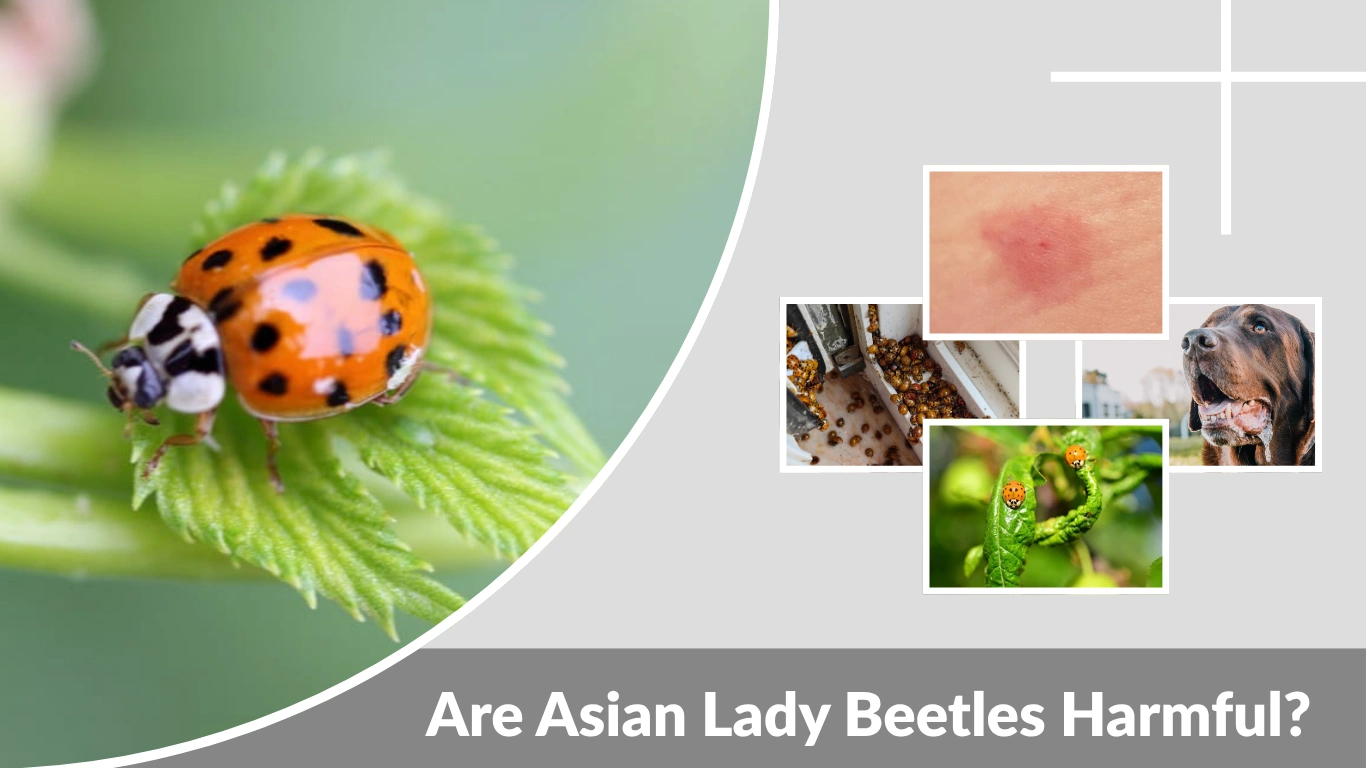
Asian lady beetles look almost identical to native ladybugs, but their behavior is far less friendly. These insects, originally introduced to control crop pests, have become an invasive species that can harm humans, pets, and the environment. While not deadly or highly poisonous, Asian lady beetles bite, trigger allergic reactions, and can irritate animals that come into contact with them. Understanding how they cause harm helps you manage and prevent infestations safely.
Overview: What Makes Asian Lady Beetles Different
Asian lady beetles (Harmonia axyridis) were imported from Asia to North America in the late 1900s to reduce aphid populations on crops. However, their population grew rapidly, outcompeting native ladybugs and invading homes during cooler months. Unlike native species that stay outdoors, Asian lady beetles seek warmth indoors, clustering around windows, attics, and walls.
Their defensive behaviors, odor, and tendency to bite make them far less welcome than true ladybugs. Though beneficial in small numbers for pest control, their invasiveness and aggressive nature have made them a nuisance and potential health concern.
Are Asian Lady Beetles Harmful to Humans?

Asian lady beetles can bite humans, but their bites are not venomous or dangerous. The bite feels like a light pinch or mild sting and usually leaves a small red mark. They use their mandibles to grip the skin when they feel threatened or when seeking moisture and salt.
While their bite is harmless for most people, the defensive fluid they release can cause irritation. This yellow secretion, called hemolymph, contains chemicals that produce a foul smell and may trigger allergic reactions.
Common Reactions in Humans
- Mild redness and swelling at the bite site
- Itching or burning sensation
- Skin irritation or rash after contact with beetle fluid
- Watery eyes, sneezing, or nasal congestion during heavy infestations
For sensitive individuals, these reactions resemble seasonal allergies. People with asthma or insect sensitivities should avoid handling the beetles directly. If symptoms persist, antihistamines or mild topical creams can help relieve irritation.
Are Asian Lady Beetles Harmful to Pets?
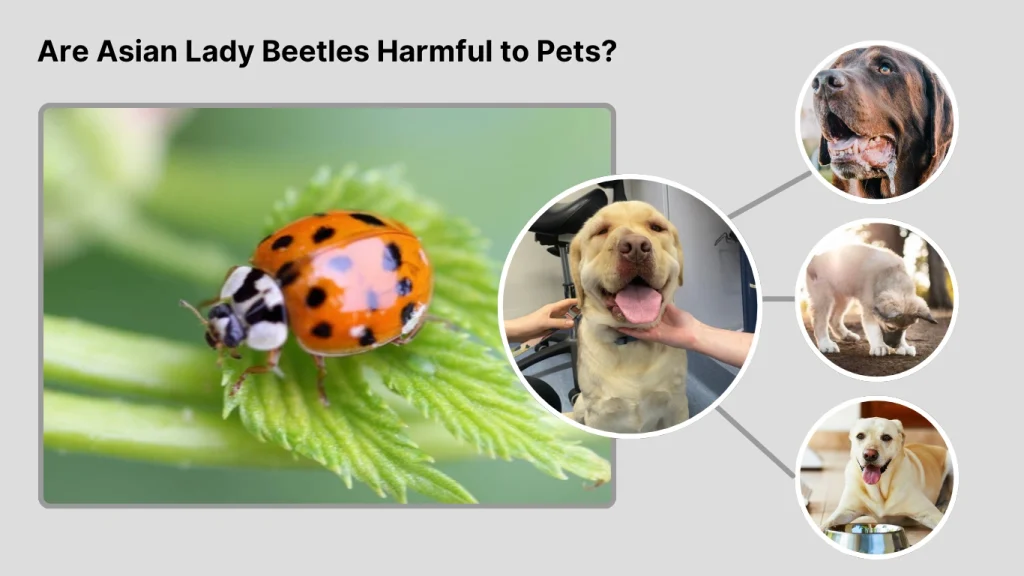
Asian lady beetles pose a greater risk to pets, especially dogs, than to humans. Although they rarely bite animals, ingestion or close contact can cause discomfort and inflammation.
Harm to Dogs
Dogs may accidentally eat beetles while sniffing, chewing, or licking infested areas. When swallowed, the beetle’s hard exoskeleton and chemical defense fluid can irritate the mouth, tongue, and digestive tract.
Symptoms in Dogs Include:
- Drooling or foaming at the mouth
- Pawing at the lips or face
- Refusal to eat or whining in pain
- Yellowish spots on gums or the roof of the mouth
In severe cases, the beetles may cling to the dog’s palate, causing small ulcers or inflammation. If you notice these signs, inspect your dog’s mouth and remove visible beetles gently with a damp cloth or cotton swab. Persistent discomfort or swelling should be treated by a veterinarian.
Harm to Cats and Other Animals
Cats are less likely to be affected since they’re not as curious about insects as dogs. However, ingestion can still cause mild gastrointestinal upset, such as drooling, vomiting, or temporary loss of appetite. The same defensive chemicals that irritate humans can also bother birds and small animals if contact occurs.
Pet owners should vacuum regularly and keep windows sealed during beetle season to prevent exposure. Avoid using chemical sprays indoors, as pets are more sensitive to insecticides.
Are Asian Lady Beetles Harmful to Plants or Gardens?
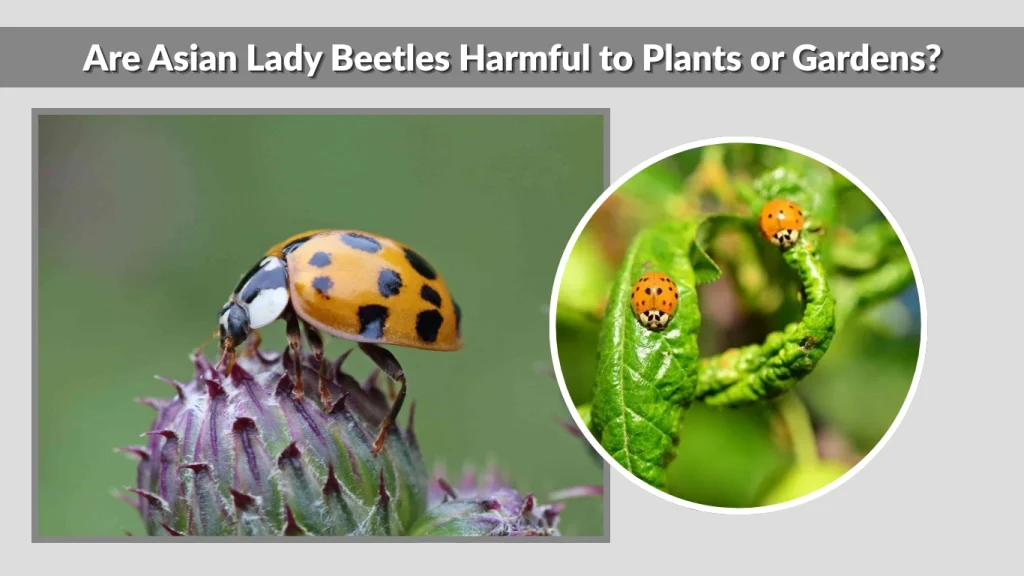
Unlike many pests, Asian lady beetles don’t directly damage plants. In fact, they feed on aphids, scale insects, and mites — making them beneficial to gardens in small numbers. However, the problem arises when they outcompete native ladybugs, which are crucial for maintaining balanced ecosystems.
Large populations of Asian lady beetles can disrupt this balance. They consume the same food sources and may even prey on native ladybug larvae, leading to a decline in beneficial insects. As a result, your garden could lose natural biodiversity over time, weakening its overall resilience against harmful pests.
Additionally, when these beetles die in large numbers near plants or soil, their chemical residue may leave behind an unpleasant odor that attracts ants and other insects.
Are Asian Lady Beetles Harmful to Homes?
Asian lady beetles are not harmful in the way termites or carpenter ants are, but they can create significant indoor problems. During fall and winter, they seek shelter inside warm buildings, squeezing through cracks, window frames, and vents.
Once inside, they release a strong odor and leave behind yellow stains on walls, ceilings, and curtains. The stains come from their defensive fluid, which contains compounds that can irritate skin and discolor paint or fabric. When crushed, the smell intensifies and lingers for days.
Common Household Problems:
- Foul smell from crushed beetles
- Yellow stains on walls and furniture
- Triggered allergies from airborne beetle residue
- Large infestations near light sources or windows
Vacuuming and sealing entry points are the most effective ways to control indoor beetle activity without spreading stains or odors.
Are Asian Lady Beetles Harmful to the Environment?
Yes, Asian lady beetles are considered environmentally harmful because they disrupt native ecosystems. Originally introduced for pest control, their rapid reproduction and adaptability have made them one of the most invasive insects in North America.
They compete directly with native ladybugs for food and habitat, often outnumbering and displacing them. This imbalance affects the population of other beneficial insects that help maintain a healthy garden ecosystem. Asian lady beetles also feed on native beetle larvae and eggs, further reducing biodiversity.
Over time, the dominance of Asian lady beetles weakens natural predator-prey relationships in local environments. This ecological pressure makes them an ongoing threat to native species conservation.
Why Are Asian Lady Beetles Harmful?
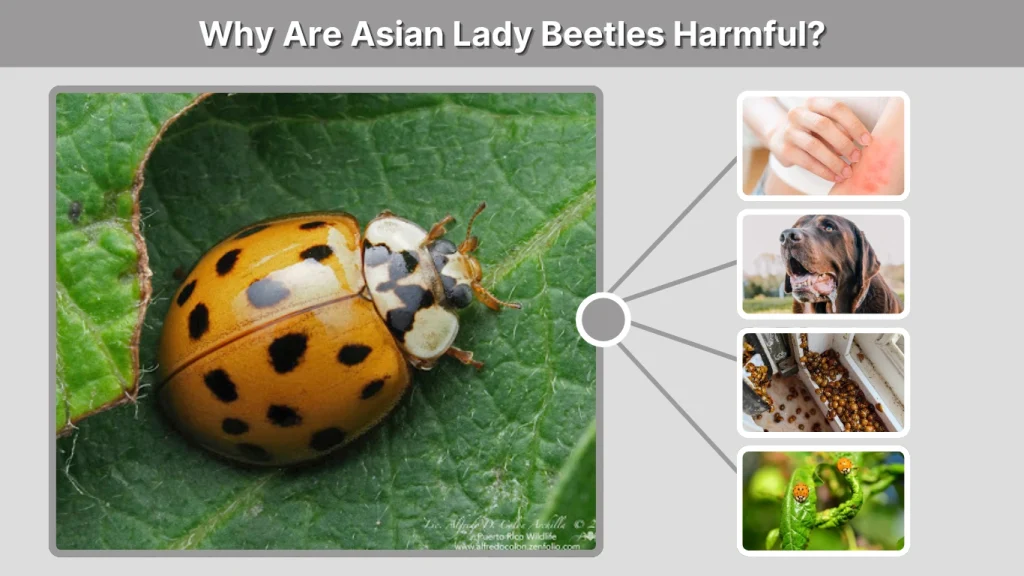
Asian lady beetles are harmful for several reasons — not because of toxins or deadly bites, but because of their behavior, adaptability, and invasiveness.
They Bite and Cause Allergies
They bite humans when disturbed and release a yellow fluid that contains chemical irritants. This secretion causes skin rashes, eye irritation, and allergic reactions in some individuals.
They Harm Pets
Dogs and other pets can experience oral burns, ulcers, and drooling after coming in contact with or ingesting beetles. The defensive chemicals can stick to the mucous membranes, leading to irritation or mild poisoning symptoms.
They Invade Homes
Large groups enter homes seeking warmth during autumn. Their presence leaves stains, odors, and allergens. When vacuumed or crushed, the smell worsens and can linger for weeks.
They Harm Native Ecosystems
They overpower native ladybugs by consuming shared prey and even feeding on native beetle eggs. This competition reduces biodiversity and alters garden ecosystems that rely on balanced insect populations.
Asian lady beetles’ combination of aggressiveness, adaptability, and reproductive strength makes them more of a pest than a helper, especially indoors or in agricultural areas.
How to Reduce Harm and Prevent Infestation
Keeping Asian lady beetles under control starts with prevention. Since they’re attracted to warmth and light, blocking entry points and using repellents are your best defenses.
Home Prevention Tips
- Seal Cracks and Gaps: Use caulk to seal spaces around windows, doors, and utility lines.
- Install Mesh Screens: Cover vents, chimneys, and attic openings with fine mesh to prevent beetle entry.
- Vacuum Safely: Collect beetles with a vacuum and dispose of the bag outdoors immediately. Avoid crushing them to prevent odor and stains.
- Use Natural Repellents: Mix peppermint or citrus essential oils with water and spray around doors and windows. These scents repel beetles effectively.
- Dim Indoor Lighting: Since they are drawn to light, keeping window lights low at night discourages them from entering.
Garden and Outdoor Measures
- Encourage native ladybugs by planting nectar-rich flowers like dill, fennel, and marigolds.
- Avoid heavy pesticide use; it kills both harmful and beneficial insects.
- Use diatomaceous earth or neem oil around outdoor entry zones to deter beetles without harming plants.
Consistent seasonal maintenance, especially before fall, will drastically reduce the likelihood of infestations.
How to Handle an Infestation Safely
If Asian lady beetles are already inside your home, handle the situation carefully to avoid spreading stains or odor.
- Use a Vacuum with a Bag: Gently collect beetles and seal the bag before discarding it outside.
- Wipe Surfaces: Clean stained walls or windows with a mixture of vinegar and warm water.
- Avoid Crushing Beetles: Crushing releases defensive fluids that stain and attract more beetles.
- Use Light Traps: These attract beetles to a single location, making them easier to collect and remove.
- Call Professionals: For large infestations, pest control experts can apply safe indoor treatments that target beetles without harming pets or humans.
Regular cleaning and preventive sealing will help ensure beetles don’t return the following season.
FAQs
Are Asian lady beetles harmful to humans?
Asian lady beetles can bite, causing mild redness or itching. Their yellow secretion may irritate skin or trigger allergies in sensitive individuals. Although not venomous, they can cause respiratory irritation or allergic reactions if infestations are large indoors.
Are Asian lady beetles harmful to dogs or cats?
Yes, especially to dogs. When ingested, the beetles’ chemical defense fluid can irritate a dog’s mouth or stomach, leading to drooling and discomfort. Cats are less affected but may still experience mild nausea if they eat them accidentally.
Do Asian lady beetles destroy plants?
No, they don’t eat plants or leaves. In fact, they feed on aphids and mites. However, their large numbers can drive away native ladybugs that naturally balance garden pest populations, indirectly disrupting your garden’s ecosystem.
Why are Asian lady beetles considered harmful?
They’re harmful because they bite, release irritating chemicals, and invade homes. More importantly, they threaten native ladybugs by competing for food and habitat, causing long-term ecological imbalance in local environments.
Are Asian lady beetles harmful to the environment?
Yes. As an invasive species, they displace native ladybugs and reduce biodiversity. Their aggressive feeding habits and adaptability disrupt ecosystems that rely on native insects for natural pest control, making them ecologically harmful in the long run.
