
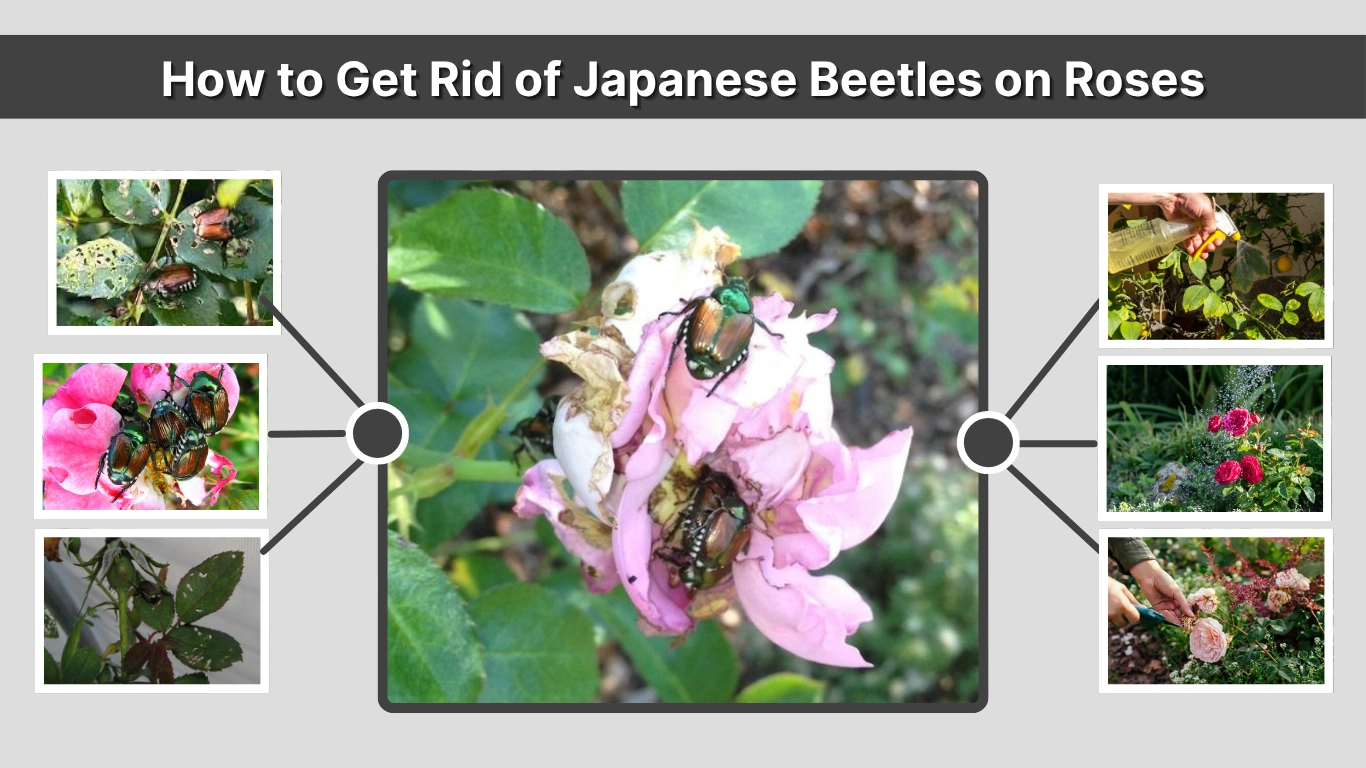
Japanese beetles are one of the most destructive pests for rose lovers. These shiny green and bronze insects can turn a thriving rose garden into shredded leaves and half-eaten blooms within days. If you’ve spotted clusters of metallic beetles on your rose bushes, it’s important to act fast. This guide explains how to get rid of Japanese beetles on roses naturally, safely, and effectively — and how to stop them from coming back.
Understanding Japanese Beetles and Roses
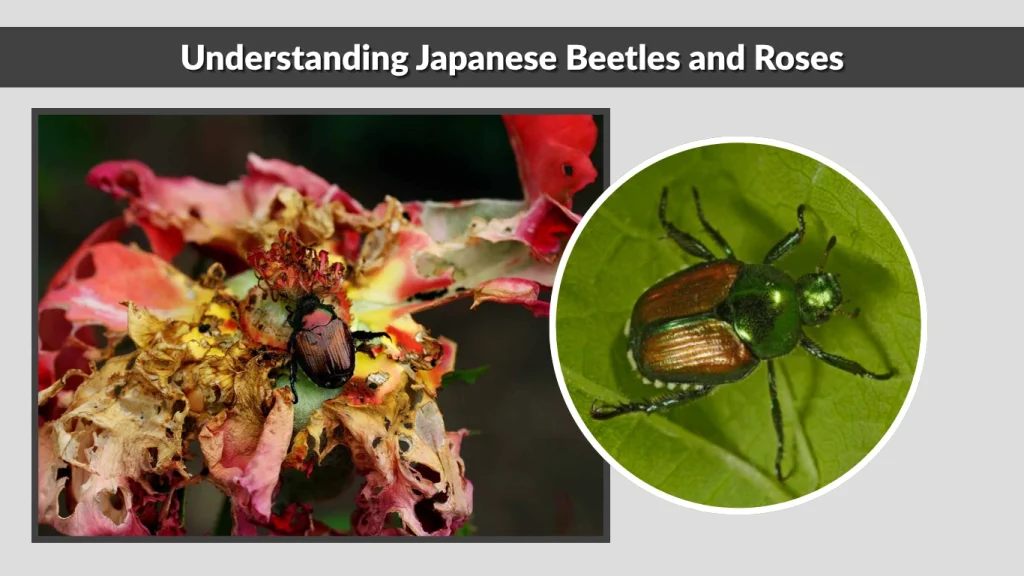
Japanese beetles (Popillia japonica) are small insects about half an inch long that feed on more than 300 plant species, but roses are among their top favorites. Their metallic green bodies and copper-colored wings make them easy to recognize, often seen crawling over petals or gathered in clusters on rosebuds during the summer.
Beetles feed during the day, especially in warm, sunny weather. They are most active from June through August, depending on your region. Adult beetles live for only a few weeks, but they cause extensive damage in that short time by chewing through leaves, buds, and petals.
Both garden roses and Knock Out roses can be affected. The sweet scent and soft petals of roses attract beetles in large numbers, making regular inspection essential during peak season.
Japanese Beetle Damage on Roses
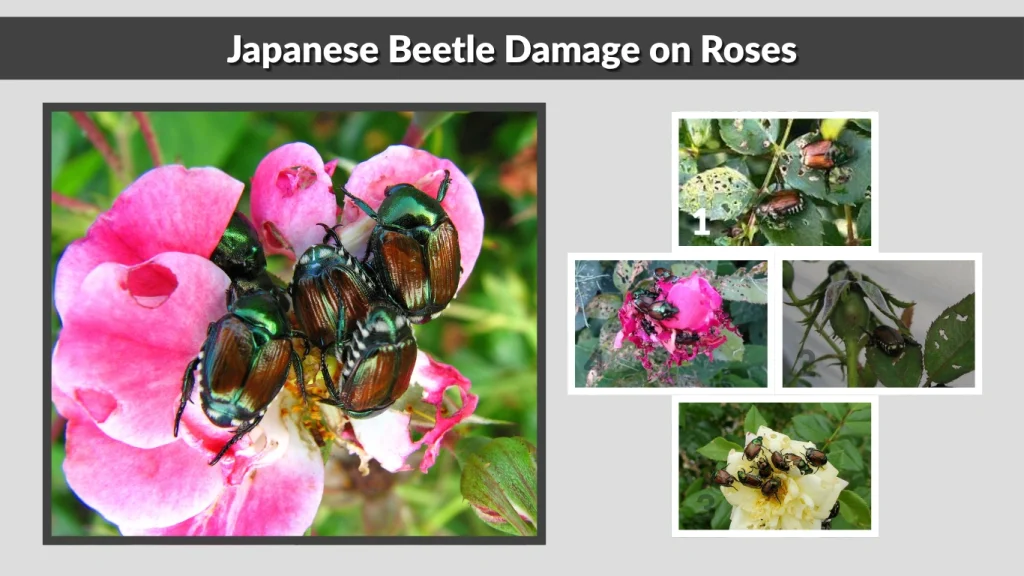
Recognizing Japanese beetle damage early helps prevent long-term harm to your rose bushes. The insects feed on leaf tissue, leaving behind a lace-like pattern called skeletonization, where only the veins remain.
Common signs of Japanese beetle damage include:
- Leaves that look shredded or “skeletonized.”
- Petals chewed or missing from open blooms.
- Clusters of beetles feeding on the same flower.
- Browning and wilting of new growth.
- Fewer or smaller blooms during the season.
If left untreated, repeated infestations weaken your rose bushes, reducing their vigor and bloom production. While they rarely kill mature plants, heavy feeding can lead to long-term decline.
Why Do Japanese Beetles Like Roses?
Japanese beetles are drawn to roses for several reasons. First, roses produce a strong floral fragrance that attracts adult beetles from long distances. Their soft, thin leaves and tender flower petals are easy to chew, making them a perfect food source.
Light-colored roses — especially white, yellow, and pink varieties — tend to attract more beetles than darker shades like red or orange. Overfertilized or stressed plants also release stronger chemical signals, making them even more appealing to pests.
If you’ve noticed that your roses seem to be “beetle magnets,” switching to resistant varieties or improving soil balance can help reduce attraction over time.
How to Get Rid of Japanese Beetles on Roses Naturally
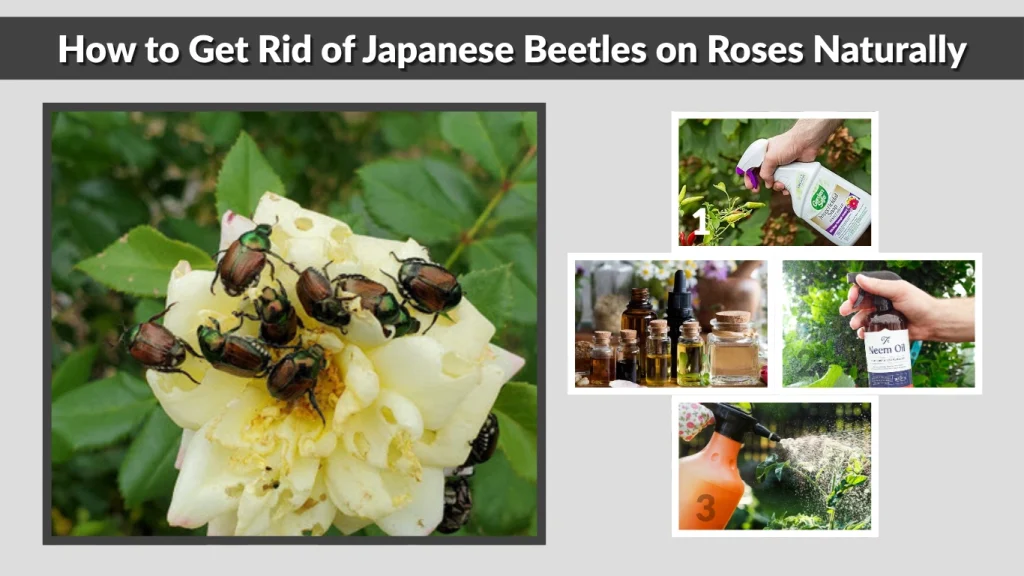
Natural methods are the best way to control Japanese beetles without harming your plants, pollinators, or beneficial insects. With consistency, these approaches can protect your roses throughout the season.
1. Hand Removal
Handpicking beetles is the most effective and immediate solution for small gardens. Early in the morning, when beetles are sluggish from cool temperatures, gently shake or pick them off your roses and drop them into a bucket of soapy water.
Adding a few drops of dish soap (such as Dawn) breaks the surface tension of the water, causing beetles to sink and die instantly. Do this daily during peak infestation to keep numbers under control.
This method works well for all rose types, including hybrid teas, climbers, and Knock Out varieties.
2. Neem Oil Spray
Neem oil is one of the best natural treatments for Japanese beetles on roses. It’s derived from the neem tree and contains azadirachtin, a compound that disrupts beetle feeding and reproduction.
To use it:
- Mix 2 tablespoons of neem oil with 1 gallon of water.
- Add a few drops of mild dish soap as an emulsifier.
- Spray the mixture on all rose leaves and buds early in the morning or late in the evening.
Repeat every 5–7 days while beetles are active. Neem oil not only repels adult beetles but also prevents them from laying viable eggs, helping break the life cycle.
Be sure to avoid spraying when bees are present to keep pollinators safe.
3. Homemade Remedies and Sprays
If you prefer DIY solutions, there are several home remedies that can help repel Japanese beetles naturally:
- Soapy Water Spray: Mix water with a few drops of dish soap and spray directly on beetles and leaves. It suffocates them quickly.
- Garlic and Pepper Spray: Blend garlic cloves and hot peppers with water, strain the mixture, and spray it over rose bushes. The strong scent deters beetles.
- Essential Oil Spray: Peppermint, clove, and wintergreen oils are natural repellents. Mix 10 drops of essential oil with 2 cups of water and spray around plants.
These natural methods are safe for your roses and environmentally friendly, though they require regular reapplication after rain or watering.
4. Encourage Natural Predators
Japanese beetles have several natural enemies that can help control their population in your garden. Birds like robins, starlings, and grackles feed on adult beetles, while beneficial insects such as praying mantises, assassin bugs, and ladybugs attack both beetles and larvae.
To attract these predators:
- Add a birdbath or feeder near your garden.
- Keep your yard pesticide-free to preserve beneficial insects.
- Include native shrubs and perennials that support natural biodiversity.
Encouraging wildlife balance is a long-term, sustainable way to keep beetle populations under control.
5. Japanese Beetle Traps (Use with Caution)
Pheromone traps can attract large numbers of beetles, but improper placement can worsen infestations. Always position traps at least 30 feet away from your rose beds so beetles are drawn away from the flowers rather than toward them.
Best Sprays and Insecticides for Japanese Beetles on Roses
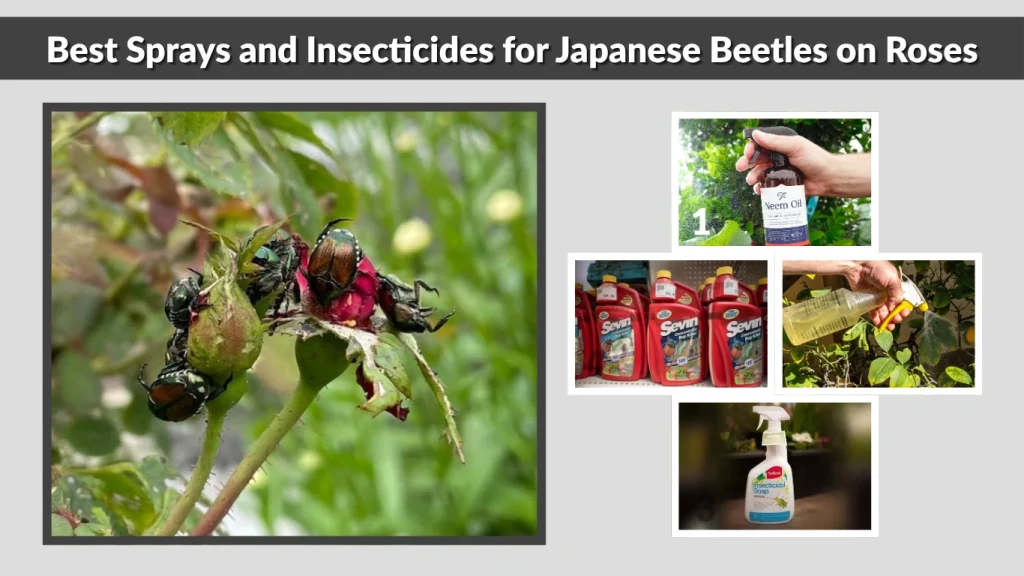
When natural methods aren’t enough, using safe sprays and insecticides can help eliminate larger infestations. The key is choosing products that protect your roses without harming pollinators or damaging delicate petals.
Here are the most effective options:
- Neem Oil: The best all-around natural spray. It not only kills adult beetles but also prevents future egg-laying.
- Pyrethrin-Based Sprays: Derived from chrysanthemums, these sprays act fast and break down quickly in sunlight, making them safer for flowers.
- Insecticidal Soap: Ideal for daily use, this kills beetles on contact without leaving harmful residues.
- Carbaryl (Sevin): A powerful chemical option for severe infestations. It provides immediate control but should be used carefully and sparingly.
How to Apply Sprays Safely:
- Always spray early in the morning or late in the evening when pollinators are inactive.
- Cover both the tops and undersides of leaves.
- Reapply after rain for consistent protection.
By rotating between natural and chemical options as needed, you can manage infestations effectively while keeping your rose garden healthy.
How to Prevent Japanese Beetles on Roses
Prevention is the most effective way to maintain beetle-free roses year after year. Once adult beetles appear, their damage spreads quickly, so early prevention is key.
Here’s how to keep Japanese beetles off your roses naturally:
- Remove Damaged Flowers: Prune away wilted or chewed blooms to discourage beetles from gathering.
- Avoid Overfertilizing: Excess nitrogen encourages tender new growth, which attracts beetles.
- Cover Roses with Netting: Use fine mesh or garden fabric during peak beetle season (June–August) to physically block access.
- Plant Companion Flowers: Garlic, chives, catnip, and marigolds repel beetles with their scent.
- Maintain Clean Garden Beds: Remove fallen petals and leaves where beetles may hide or lay eggs.
These preventive actions greatly reduce the number of beetles you’ll encounter the next year and make your garden less inviting overall.
How to Protect Rose Bushes from Japanese Beetles

Beyond daily pest control, maintaining strong, healthy rose bushes makes them less vulnerable to attack.
- Fertilize Wisely: Use slow-release, balanced fertilizer to strengthen roots without overstimulating soft growth.
- Water Deeply: Deep watering helps roses develop strong stems that can better tolerate occasional beetle feeding.
- Prune Regularly: Remove deadwood and thin branches to improve airflow and reduce hiding spots.
- Mulch: Add organic mulch to retain moisture and protect roots from grubs developing in the soil.
Healthy rose bushes recover faster from minor infestations, maintaining their color, fragrance, and bloom cycle throughout the season.
Japanese Beetle-Resistant Roses
While no rose is completely immune, certain varieties are less appealing to Japanese beetles. If you’re planning a new garden or replacing damaged plants, consider these resistant options:
- Rugosa Roses: Their thick, wrinkled leaves and strong scent deter beetles.
- Double Knock Out Roses: More resilient to pests and diseases, requiring less maintenance.
- Drift Roses: Compact and hardy, with smaller blooms that attract fewer beetles.
- Dark-Colored Roses: Deep red or orange roses tend to draw fewer beetles than light varieties.
These resistant types still need occasional protection but are far less likely to suffer severe damage compared to traditional hybrids.
Knock Out Roses and Japanese Beetles
Knock Out roses are popular for their easy care and long bloom cycle, but they are not completely immune to Japanese beetles. The good news is that they usually recover quickly, even after mild damage.
To control beetles on Knock Out roses:
- Spray neem oil or insecticidal soap once a week during peak season.
- Handpick beetles daily to prevent large clusters from forming.
- Use row covers or netting in heavily infested areas.
Maintaining a regular routine of inspection and treatment will help keep your Knock Out roses vibrant all summer long.
Japanese Beetle Control on Roses (Long-Term Plan)
For lasting protection, focus on breaking the beetle’s life cycle over time. This approach tackles both adult beetles and the grubs that live underground.
Seasonal Control Plan:
- Spring: Apply beneficial nematodes or milky spore to your lawn to eliminate overwintering grubs.
- Summer: Handpick beetles, spray neem oil regularly, and remove damaged blooms.
- Fall: Clean up fallen petals and leaves, prune bushes, and mulch to prevent egg-laying.
- Winter: Monitor soil health and plan next season’s treatment strategy.
This year-round approach ensures your roses stay protected while reducing beetle populations naturally.
FAQs
Do Japanese beetles eat roses?
Yes, roses are one of their favorite plants. Japanese beetles feed on leaves, buds, and petals, often leaving them skeletonized. Without quick action, the damage can spread across your entire rose garden.
How do you get rid of Japanese beetles on roses naturally?
Handpick beetles into soapy water each morning and spray neem oil weekly. You can also use peppermint or garlic-based sprays to repel them naturally.
What is the best spray for Japanese beetles on roses?
Neem oil is the top organic choice. For faster results in severe infestations, pyrethrin-based or carbaryl sprays are effective when applied safely in the early morning or evening.
How can I prevent Japanese beetles from eating my roses?
Remove spent blooms, avoid overfertilizing, and plant companion herbs like garlic or chives nearby. Cover your rose bushes with fine mesh during peak beetle season for full protection.
Do Japanese beetles kill rose bushes?
They rarely kill mature rose bushes outright but can weaken them significantly. Repeated attacks may stunt growth, reduce flowering, and make plants more vulnerable to disease.
