

Ground beetles are a fascinating group of insects from the family Carabidae. With thousands of species found worldwide, they play an important role in balancing ecosystems. Known for their active hunting habits, ground beetles are mostly nocturnal predators that help control common garden pests like slugs, snails, and caterpillars. While most species are carnivorous, their diet varies depending on the stage of life and environment. Understanding what they eat—and what eats them—highlights their ecological importance.
Overview of Ground Beetles
Ground beetles live in habitats such as gardens, forests, farms, and grasslands. They are usually found under logs, stones, and leaf litter, where they can stay hidden during the day. These beetles are fast runners and strong hunters, using their powerful mandibles to capture prey. In agriculture and gardening, they are considered beneficial insects because they naturally reduce populations of harmful pests.
What Do Ground Beetles Eat?
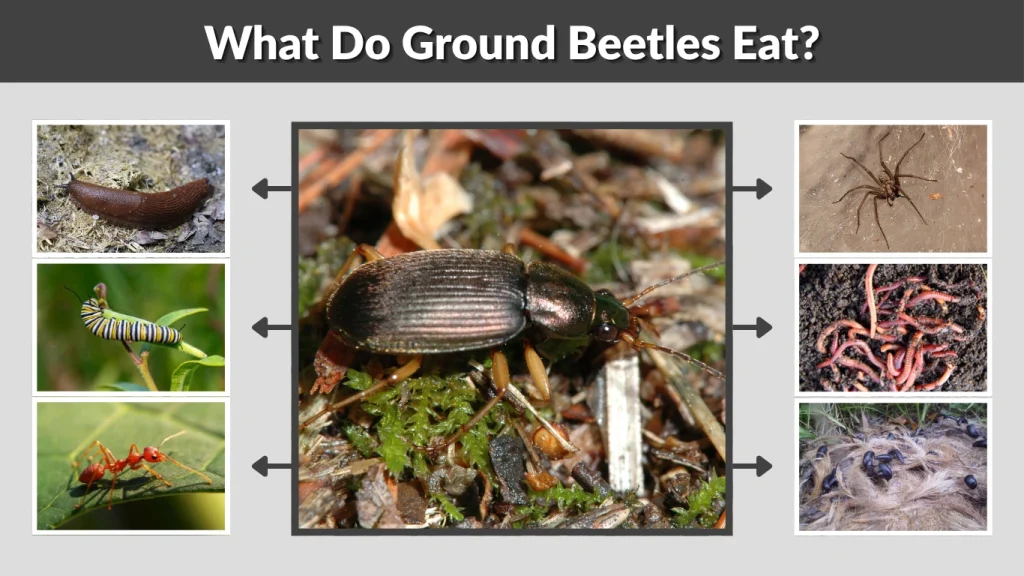
The majority of ground beetles are carnivores that prey on small invertebrates. Their diet often includes:
- Slugs and snails, which many species specialize in hunting.
- Insects such as caterpillars, ants, and spiders.
- Larvae of other beetles and worms found in the soil.
- Carrion, such as dead insects and decaying organic matter.
A smaller number of ground beetles are omnivorous or seed-eating species, but the most common garden varieties focus on live prey. This makes them extremely valuable for natural pest control.
Specific Prey and Food Sources
Ground beetles are opportunistic and adapt to what is available in their environment:
- Slugs and Snails: Snail-eating beetles, such as violet ground beetles, are equipped with strong jaws to crush shells.
- Caterpillars: Many species feed on destructive caterpillars, including horned tomato caterpillars, protecting vegetable crops.
- Spiders, Ants, and Midges: Some beetles expand their diet to include other arthropods when available.
- Dead Insects: They will scavenge carrion if live prey is scarce.
- Species Variations: Green ground beetles and scarites beetles are known for digging and hunting soil-dwelling pests, while black ground beetles feed on slugs, caterpillars, and dead bugs.
This diversity in diet ensures that ground beetles remain effective hunters in many ecosystems.
Ground Beetle Larvae Diet

The larvae of ground beetles are even more aggressive predators than adults. Living underground, they wait to ambush prey using their hooked jaws. Their diet includes worms, caterpillars, slugs, and insect larvae. Some species have been observed eating tadpoles and very small frogs. This predatory behavior continues until they mature, at which point they emerge as adult beetles to hunt above ground.
What Ground Beetles Do Not Eat
Despite their fearsome appearance, ground beetles are not harmful to crops. They generally do not eat leaves, roots, or wood. In fact, confusion sometimes arises because other beetles chew on plant matter, while ground beetles primarily hunt live prey. At most, a few species may nibble on seeds or decaying plant matter, but their impact is minimal. Instead of being garden pests, they are allies to farmers and gardeners.
Predators: What Eats Ground Beetles?

While ground beetles are strong hunters, they are not at the top of the food chain. They face predation from various animals in their ecosystems. Birds, such as thrushes and crows, frequently prey on them during the day when beetles are exposed. Amphibians like frogs and toads are also common predators, snatching beetles during nighttime activity. Small mammals, including mice and shrews, consume them as part of their diet. In some regions, lizards and larger insects may also feed on ground beetles. Even predators such as bobcats may consume them incidentally while hunting other prey.
Importance in Gardens and Agriculture
Ground beetles are highly valued in agriculture due to their ability to naturally manage pest populations. Farmers and gardeners benefit from their appetite for crop-damaging insects such as caterpillars, hornworms, and slugs. By reducing the need for chemical pesticides, ground beetles support sustainable farming practices and help maintain soil health.
Encouraging ground beetles in gardens is simple:
- Provide natural shelter like mulch, stones, and ground cover.
- Limit pesticide use to avoid killing beneficial beetle populations.
- Maintain biodiversity in the soil to support healthy food chains.
Their presence is an indicator of a balanced ecosystem and effective natural pest control.
Species-Specific Notes

Different species of ground beetles display unique feeding behaviors:
- Common Black Ground Beetle – Known for eating slugs, caterpillars, and dead insects, making it one of the most helpful species in gardens.
- Violet Ground Beetle – A specialist predator of snails and slugs, with strong jaws to crack shells.
- Snail-Eating Beetles – Adapted specifically for mollusk hunting, they play a big role in controlling snail infestations.
- Green Ground Beetles (Carabus species) – Generalist hunters that consume a wide variety of soft-bodied insects.
- Scarites Ground Beetles – Digging beetles that pursue soil-dwelling prey like larvae and worms.
- Big-Headed Ground Beetles – Strong predators capable of subduing larger invertebrates.
This diversity ensures that ground beetles as a group contribute to controlling multiple types of pests across different environments.
FAQs
What do ground beetles eat in gardens?
Ground beetles in gardens primarily eat slugs, snails, caterpillars, and other insect larvae. These beetles act as natural pest managers, keeping damaging species under control. Some species may also consume seeds or decaying organic matter, but the majority are beneficial predators that protect crops and ornamental plants from harm.
Do ground beetles eat plants or roots?
No, ground beetles do not typically eat plants, leaves, or roots. They are hunters that target insects and mollusks instead. While a few species may nibble on seeds or decomposing vegetation, their impact on crops is minimal. Most gardeners consider them valuable allies rather than threats to plants.
What do ground beetle larvae eat?
Ground beetle larvae are fierce predators that live in the soil. They feed on worms, caterpillars, insect larvae, and sometimes amphibians like tadpoles or tiny frogs. Their sharp jaws allow them to kill prey efficiently, making them just as important for pest control as adult beetles in maintaining a balanced ecosystem.
What animals eat ground beetles?
Ground beetles are prey for many creatures, including birds, frogs, lizards, spiders, and small mammals such as shrews and mice. Their shiny shells may deter some predators, but they remain part of the natural food chain. Larger predators, such as bobcats, may also eat them occasionally when foraging.
Do ground beetles eat horned tomato caterpillars?
Yes, many ground beetles, particularly those in the Carabidae family, eat horned tomato caterpillars. These destructive pests can devastate vegetable gardens, but ground beetles help keep them in check naturally. By feeding on such caterpillars, they provide a form of biological pest control that supports healthier gardens without chemical intervention.
