
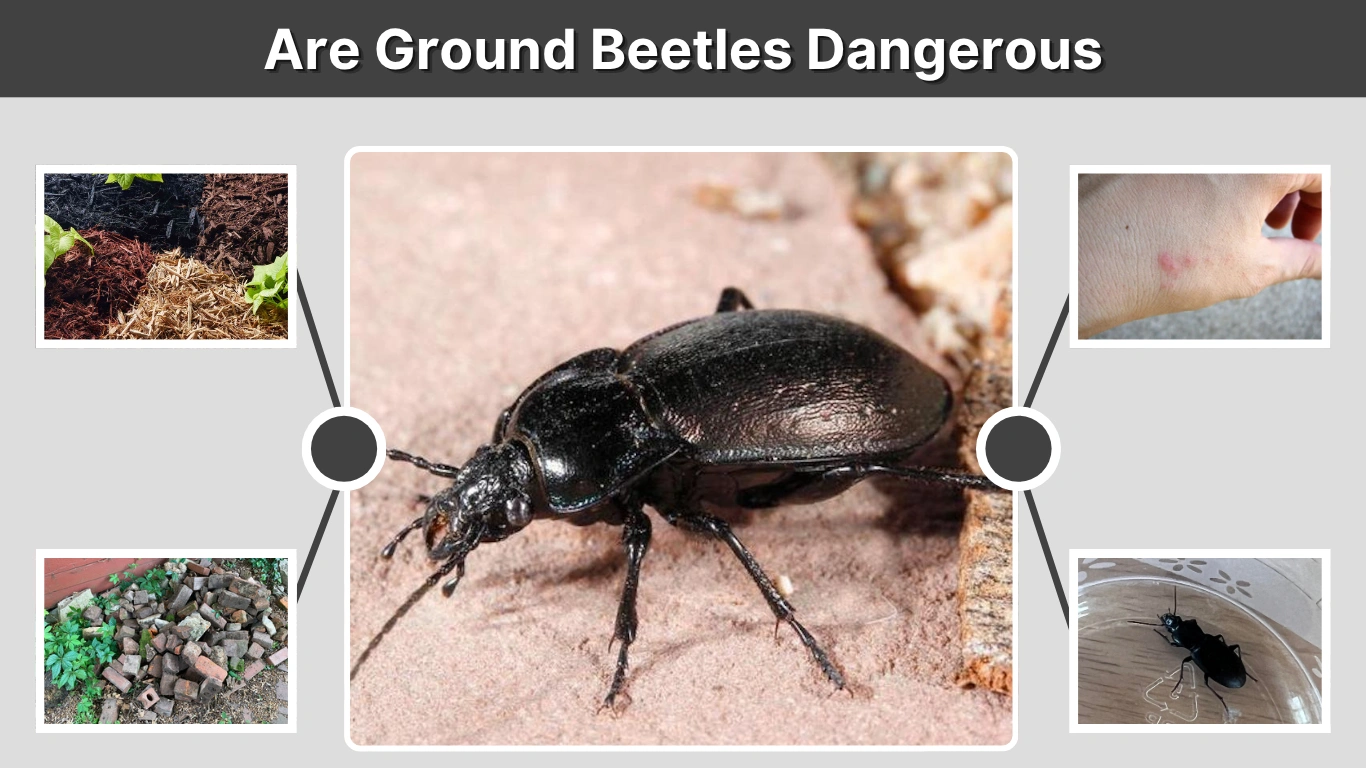
Ground beetles are often noticed crawling across garden soil or occasionally making their way into homes. Their shiny black or dark-colored bodies and fast movements can make them look intimidating, leading many people to wonder whether they pose any risk. Understanding their nature, habits, and impact on humans and pets can help you separate myths from reality.
What are Ground Beetles?
Ground beetles belong to the family Carabidae, a large group with thousands of species worldwide. They are usually dark brown or black, with hard wing covers and long legs that allow them to move quickly. Most species range from 1/8 to 1 inch in length. Unlike some beetles that fly, many ground beetles prefer to stay close to the ground and are more comfortable running.
You will often find them in moist, shaded areas such as gardens, under rocks, logs, or leaf litter. Their presence usually indicates a healthy ecosystem because they thrive where there is rich soil and an abundance of smaller insects.
Behavior and Lifestyle
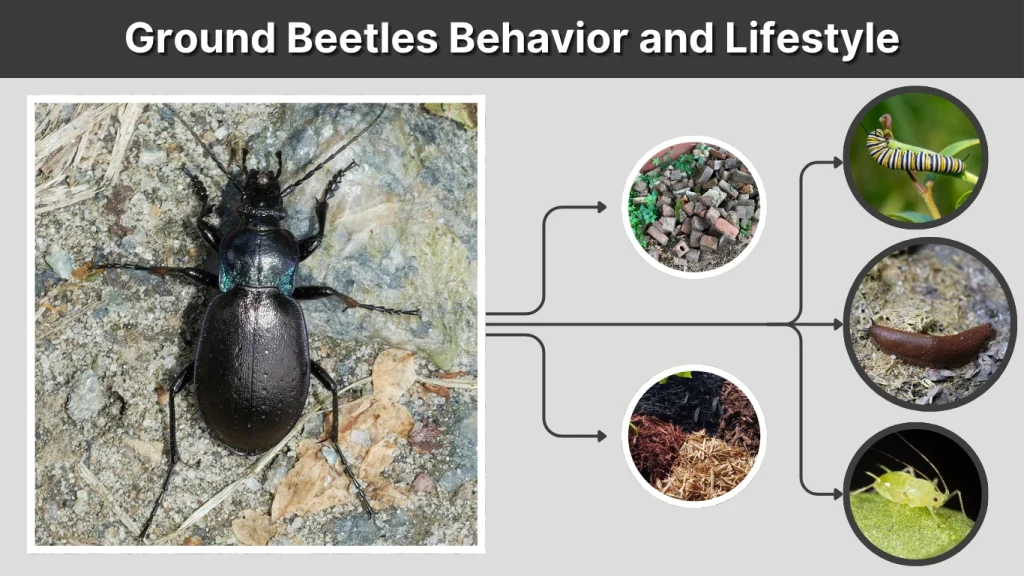
Ground beetles are primarily nocturnal, meaning they are most active at night. During the day, they hide under debris, stones, or mulch, and at night they emerge to hunt. Their diet mostly consists of pests like caterpillars, slugs, aphids, and other small insects that damage crops or garden plants.
Rather than being destructive themselves, ground beetles play an important role as natural pest controllers. Farmers and gardeners often appreciate their presence since they help reduce the need for chemical pesticides.
Are Ground Beetles Dangerous to Humans?

One of the most common concerns is whether ground beetles bite or sting. The truth is that ground beetles are not harmful to humans. They do not have venom, nor do they spread diseases. While they have strong jaws for catching prey, they rarely attempt to bite people.
In rare cases where a ground beetle feels threatened and trapped, it may give a defensive nip. This bite is usually mild, causing no more than temporary discomfort similar to a small pinch. Unlike dangerous insects such as mosquitoes or spiders, ground beetles do not inject toxins.
Another defense mechanism is that some species release a foul-smelling liquid when disturbed. This liquid can cause mild skin irritation in sensitive individuals but is not considered dangerous.
Are Ground Beetles Dangerous to Pets?
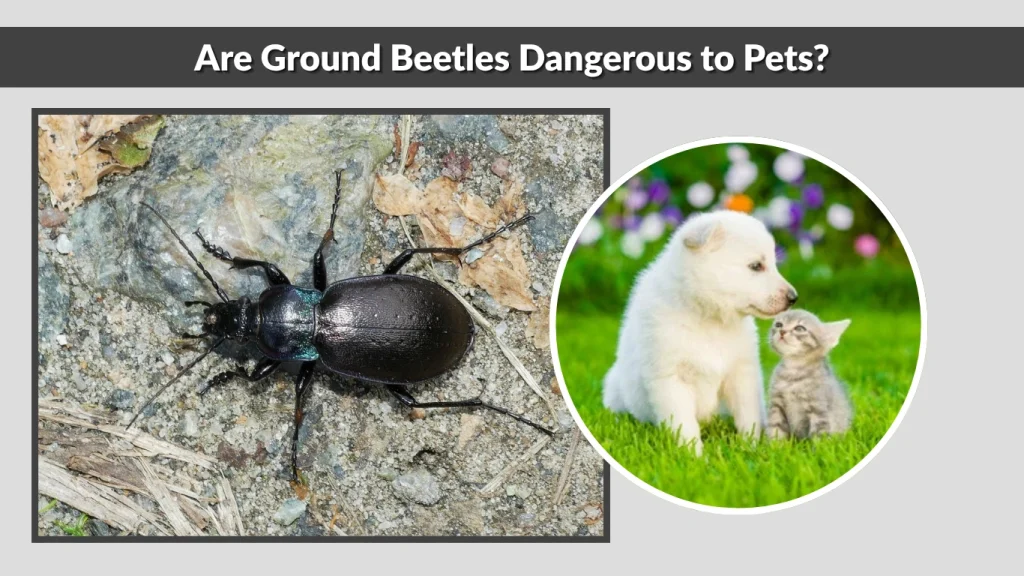
For pet owners, another concern is whether ground beetles can harm dogs, cats, or other animals. Fortunately, ground beetles are not toxic to pets. If a curious dog or cat happens to catch and eat one, it might experience a temporary upset stomach, but serious health problems are extremely rare.
Most pets avoid eating ground beetles because of the unpleasant smell and taste they produce when threatened. Still, it’s always best to supervise pets and discourage them from interacting with insects outdoors. Preventing beetles from entering your home also minimizes any chance of unwanted encounters.
Benefits of Ground Beetles
Despite their intimidating appearance, ground beetles offer many ecological benefits. By preying on pests that damage crops and gardens, they provide natural pest control that reduces reliance on synthetic pesticides. In agricultural fields, ground beetles help farmers maintain healthier soil and improve harvest outcomes.
In home gardens, they assist with keeping populations of slugs, grubs, and caterpillars in check. Their role in balancing ecosystems makes them an important ally for gardeners who want to maintain a natural, chemical-free environment.
How to Identify Ground Beetles at Home
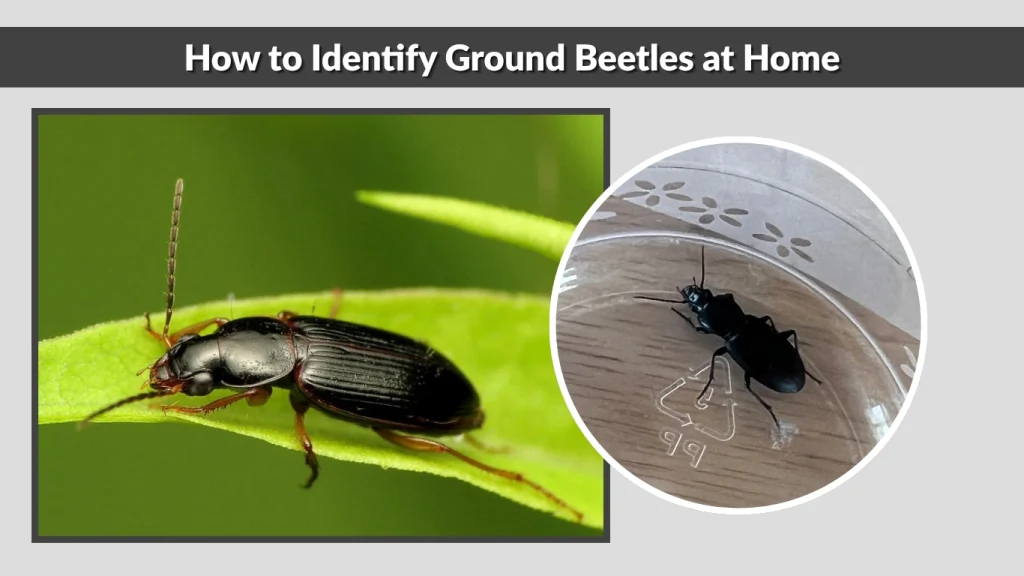
Spotting a ground beetle indoors can be alarming, but identification helps ease worries. Ground beetles are usually shiny black or dark brown, elongated, and fast-moving. Unlike cockroaches, they do not have long antennae or soft bodies. They are also quieter and less invasive than other household pests.
Outdoors, you might notice them scurrying in the soil or hiding under garden mulch. Their preference for dark, moist places makes basements and garages occasional hiding spots if they accidentally wander inside.
Managing Ground Beetles Indoors and Outdoors
Ground beetles rarely infest homes in large numbers. When they appear indoors, it is usually by accident, as they are attracted to light sources. If you encounter them, there’s no need for harsh chemicals. Simple steps like gently removing them or sealing gaps around windows and doors are usually enough.
Outdoors, it is better to let them stay, as they benefit the garden by reducing pest populations. If beetle numbers seem overwhelming, using natural deterrents like diatomaceous earth around entry points can help. Professional pest control is rarely necessary unless you have a significant infestation.
Prevention Tips
While ground beetles are not dangerous, preventing them from entering your home is still helpful. Some simple steps include:
- Sealing cracks and gaps around windows, doors, and foundations.
- Reducing outdoor lighting at night, as lights attract beetles indoors.
- Keeping mulch, stones, and firewood away from the house foundation.
- Maintaining tidy gardens to reduce hiding spots.
These small practices keep beetles in their natural environment—your garden—where they are most beneficial.
Conclusion
Ground beetles are not dangerous to humans or pets. Although they may look intimidating, they do not sting, spread disease, or cause significant harm. In fact, they are valuable allies in controlling pests naturally. With a few preventive measures, you can keep them outdoors, where they help maintain a healthy and balanced ecosystem. Appreciating their role in nature allows you to see them not as threats but as helpers in your garden.
FAQs
Are ground beetles poisonous?
Ground beetles are not poisonous or venomous. They do not inject toxins and are harmless to humans and pets. Some species release a foul-smelling liquid as a defense, which may irritate sensitive skin slightly, but it is not considered dangerous or medically significant.
Can ground beetles infest a house?
Ground beetles do not typically infest homes like cockroaches or ants. When they appear indoors, it is usually by accident while seeking light or shelter. They do not reproduce inside, damage food, or cause structural harm, making them more of a nuisance than a serious problem.
Do ground beetles bite?
Ground beetles can bite if handled roughly or trapped, but it is extremely rare. Their bite feels like a mild pinch and does not carry venom. Unlike mosquitoes or spiders, they do not transmit diseases. Most of the time, they simply try to escape instead of attacking humans.
Are ground beetles good for gardens?
Yes, ground beetles are highly beneficial for gardens. They feed on destructive pests such as caterpillars, grubs, and slugs that harm crops and plants. By keeping pest populations under control, ground beetles reduce the need for pesticides and help promote a healthier, balanced garden ecosystem.
How can I keep ground beetles out of my home?
You can prevent ground beetles from entering by sealing cracks and gaps, reducing outdoor lighting at night, and keeping garden debris away from your house foundation. Ensuring windows and doors are well-fitted also helps. These small steps keep beetles outdoors, where they serve as natural pest controllers.
