
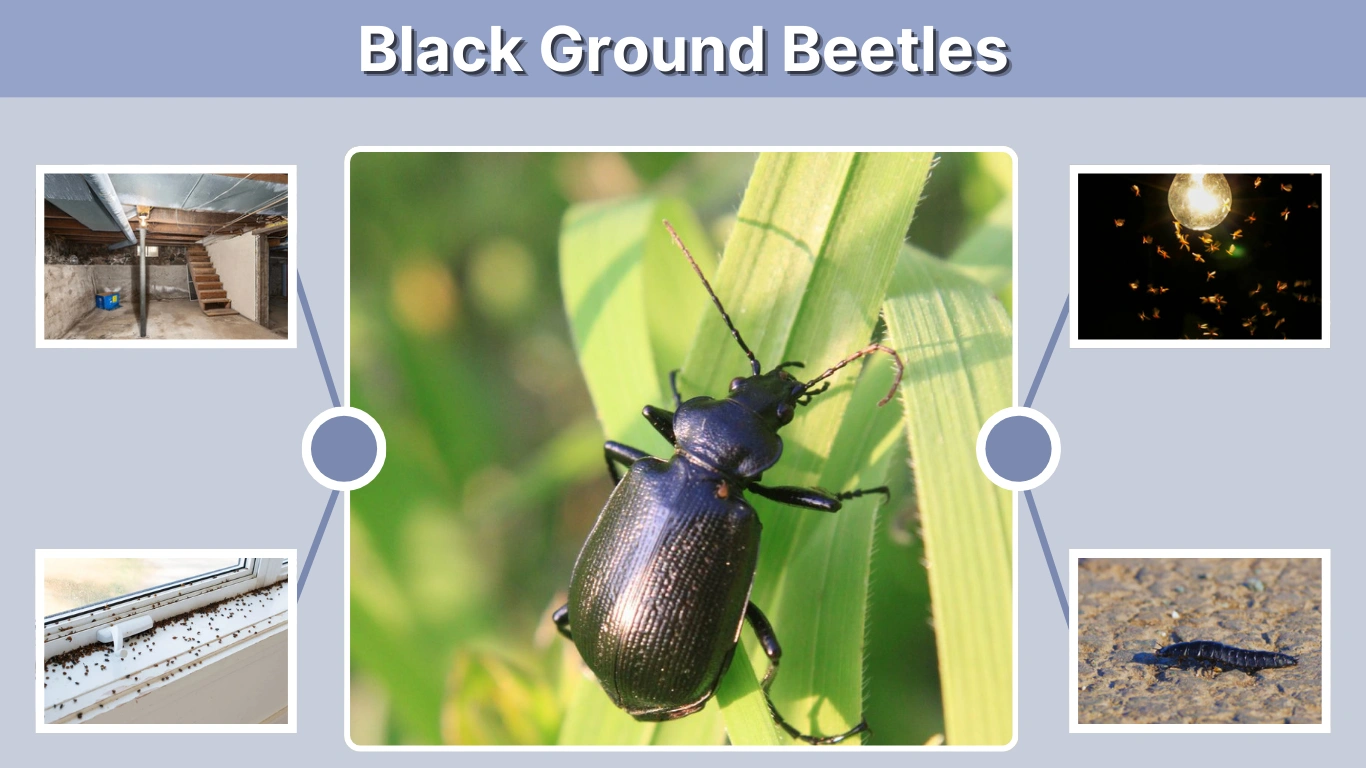
Black ground beetles are among the most common beetle species found worldwide. Recognized for their shiny dark bodies and quick movements, they play an important role in the ecosystem by preying on pests. However, when these insects invade homes, they can become a nuisance. Understanding their life cycle, habitats, and behaviors helps in both appreciating their ecological value and managing them effectively when they appear indoors.
Overview of Black Ground Beetles
Black ground beetles belong to the family Carabidae, which includes thousands of species across the globe. They are nocturnal hunters, typically found under stones, logs, and leaf litter during the day. Most species are harmless to humans and instead act as natural pest controllers by feeding on insects, slugs, and larvae. Their flattened bodies allow them to move easily through soil and vegetation, making them highly adaptable.
Presence in Homes and Infestations
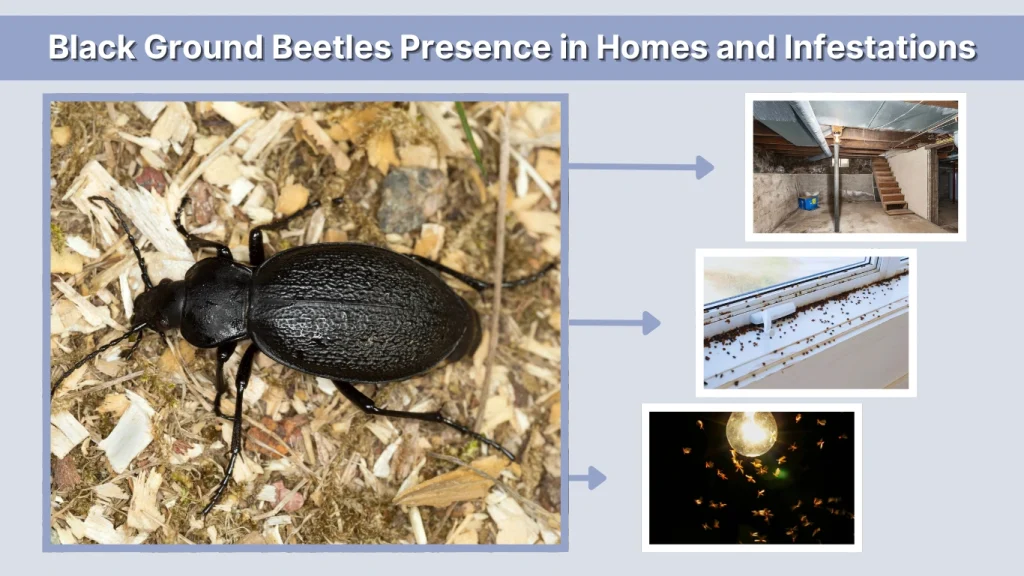
Although primarily outdoor insects, black ground beetles often wander indoors, especially when searching for food or shelter. Their presence in homes can be unsettling but usually indicates they are accidental intruders rather than established pests.
Why They Enter Houses
- Attracted to light sources during summer nights.
- Seeking warmth and shelter during colder months.
- Drawn indoors by cracks, vents, or open windows.
Signs of Infestation
- Multiple beetles appearing in basements or kitchens.
- Dead beetles found near entry points or windows.
- Beetles scurrying quickly when lights are turned on.
While infestations are rare, frequent appearances may signal nearby breeding grounds outside the home.
Identification and Classification
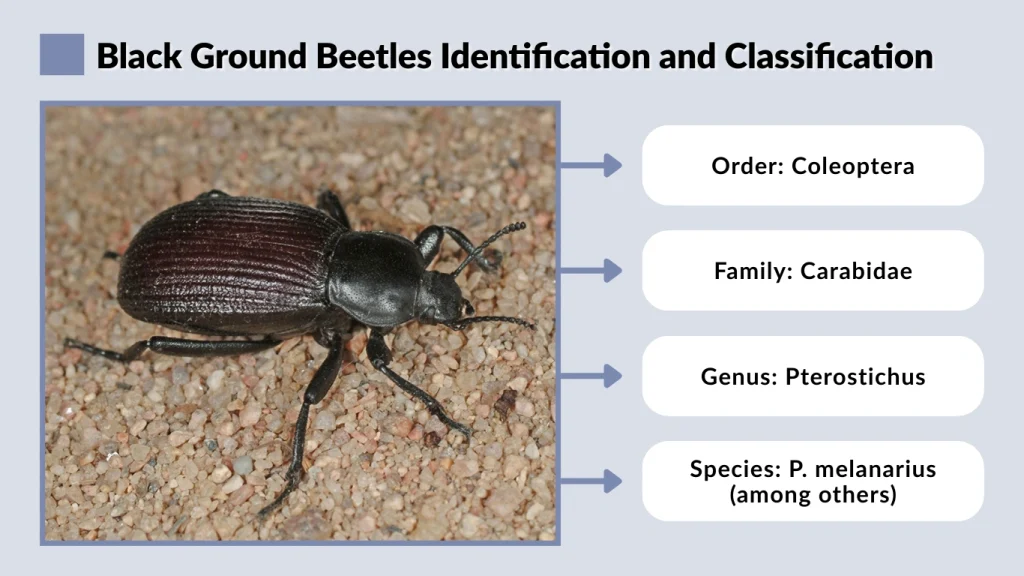
The most common type is the Common Black Ground Beetle (Pterostichus melanarius). These beetles measure about 1–1.5 cm in length, with elongated shiny black bodies and long legs built for speed.
Taxonomy
- Order: Coleoptera
- Family: Carabidae
- Genus: Pterostichus
- Species: P. melanarius (among others)
Some related species include the giant ground beetle, which grows up to 3 cm, and colorful varieties such as orange or green-tinged beetles. Correct identification is important because they are often mistaken for cockroaches or other pest insects.
Life Cycle and Development
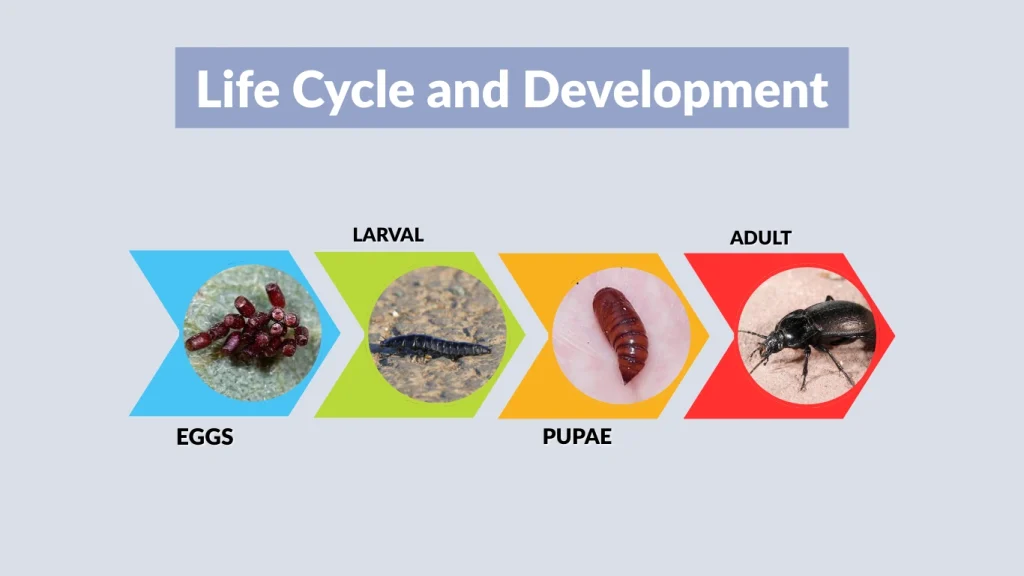
Like other beetles, black ground beetles undergo complete metamorphosis.
Stages of Development
- Eggs: Laid in soil or hidden under debris.
- Larvae: Elongated, segmented, and predatory, feeding on soil insects.
- Pupae: Resting stage where transformation occurs.
- Adults: Fully developed beetles emerge, ready to hunt.
The life cycle lasts about one year, with adults surviving the winter in sheltered locations. Larvae are especially important in pest control, as they consume soil-dwelling pests like caterpillars and maggots.
Diet and Habitat
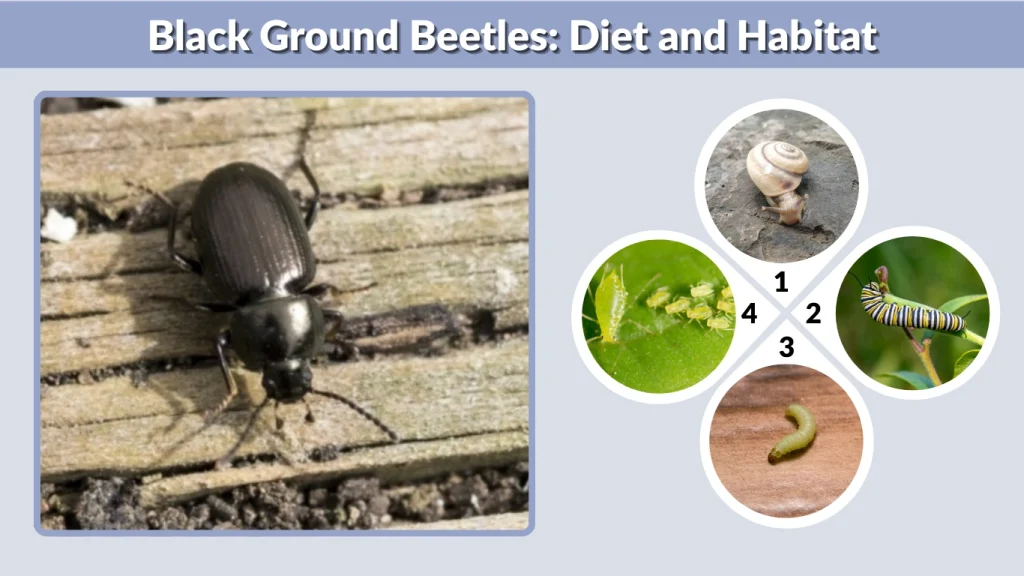
What They Eat
Black ground beetles are carnivorous. Their diet mainly includes:
- Slugs and snails
- Caterpillars and moth larvae
- Aphids and other small insects
- Occasionally decaying organic matter
Natural Habitats
They thrive in moist environments, such as:
- Gardens and flower beds
- Forest floors under logs or stones
- Farmland fields rich in organic matter
Indoors, they typically do not reproduce but may survive for short periods by feeding on small insects.
Bites, Danger, and Poison Concerns
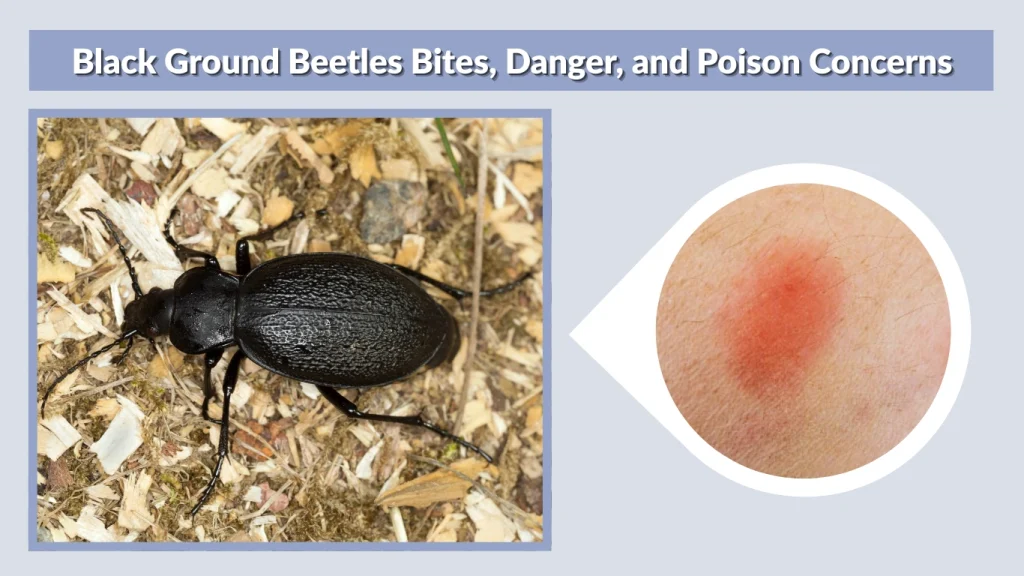
One of the most common questions about these beetles is whether they pose a risk to humans.
Do They Bite?
Ground beetles rarely bite, but if handled roughly, they may use their mandibles defensively. The bite is not venomous and usually causes only minor discomfort.
Are They Poisonous or Harmful?
- Not poisonous to humans or pets.
- Do not spread diseases.
- Considered beneficial insects outdoors.
Myths vs. Facts
Some people confuse them with blister beetles, which can release toxins. Black ground beetles, however, are harmless and beneficial, making them more of an asset in gardens than a threat.
Control and Removal Methods
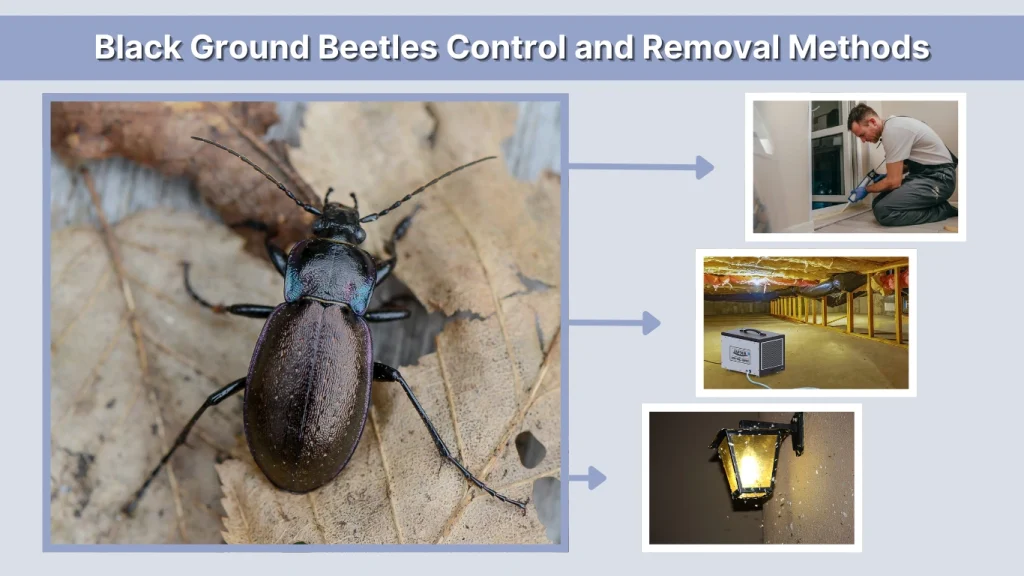
While beneficial outdoors, most homeowners prefer to keep them out of living spaces.
Indoor Control
- Seal cracks and entry points around windows, doors, and foundations.
- Use dehumidifiers in basements to reduce attraction.
- Vacuum beetles when spotted instead of squashing them.
Outdoor Prevention
- Reduce outdoor lighting that attracts beetles.
- Clear leaf litter, woodpiles, and debris close to homes.
- Maintain well-fitted screens on windows and vents.
Encouraging Beneficial Presence
In gardens, black ground beetles are welcome predators. Providing mulch, stones, or small shelters helps them thrive where they can control pest populations naturally.
Physical Appearance and Variations
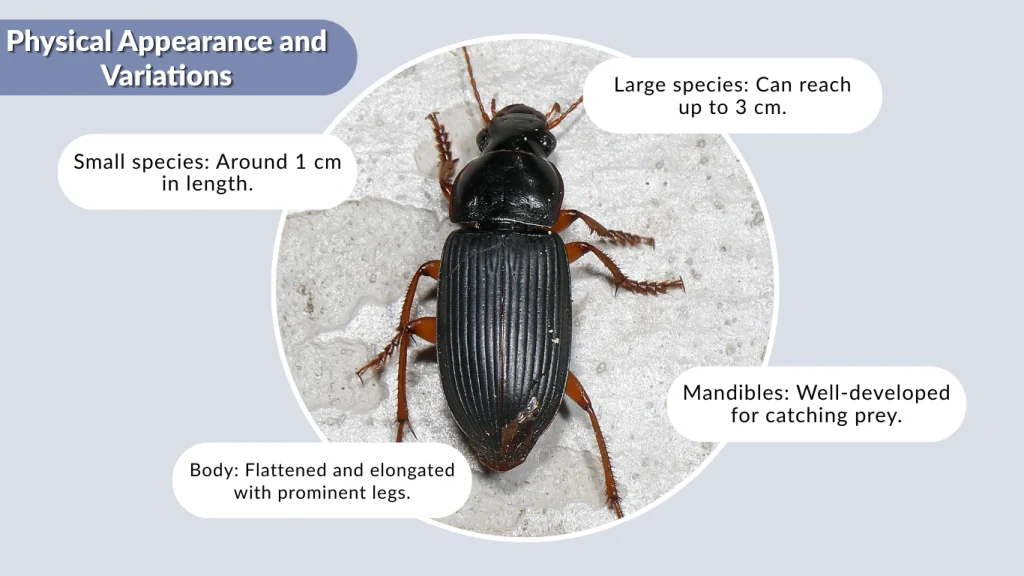
Black ground beetles are generally easy to identify due to their shiny dark bodies, but there are variations in size and coloration depending on the species.
Size and Shape
- Small species: Around 1 cm in length.
- Large species: Can reach up to 3 cm.
- Body: Flattened and elongated with prominent legs.
- Mandibles: Well-developed for catching prey.
Color Variations
Although most are deep black, some species display unique shades:
- Black and orange ground beetle – orange markings along the elytra.
- Red and black ground beetle – bright patterns for warning coloration.
- Brown-black beetles – common in arid areas.
- Green or purple iridescence – rare but striking in certain species.
These visual differences often confuse homeowners, but all belong to the Carabidae family and share similar habits.
Geographic Distribution
Black ground beetles are found worldwide, adapting to various climates.
In the United States
- Texas: Known for large ground beetles thriving in warm conditions.
- California: Common in gardens and farmland soils.
- Colorado: Often found in cool, moist areas near forests.
- Missouri: Frequently observed in suburban backyards.
International Presence
- UK: Well-documented species, often spotted in gardens and homes.
- Australia: Found in both urban and rural regions.
- Belgium: Widespread in agricultural areas.
Their adaptability explains why black ground beetles can appear in basements, fields, and even city parks across the globe.
Fun Facts and Educational Insights
Black ground beetles are more than just ordinary insects—many of their traits make them fascinating.
Interesting Behaviors
- Some species release a foul-smelling secretion as a defense mechanism.
- They are fast runners, making them excellent hunters.
- Nocturnal habits mean they are rarely seen during the day.
Ecological Importance
- Act as natural pest controllers by reducing slug and caterpillar populations.
- Contribute to soil health by feeding on decomposing matter.
For Kids and Education
- Easy to observe in gardens, making them perfect for nature lessons.
- Their shiny black bodies and quick movements are engaging for preschoolers learning about insects.
Special Mentions and Related Species
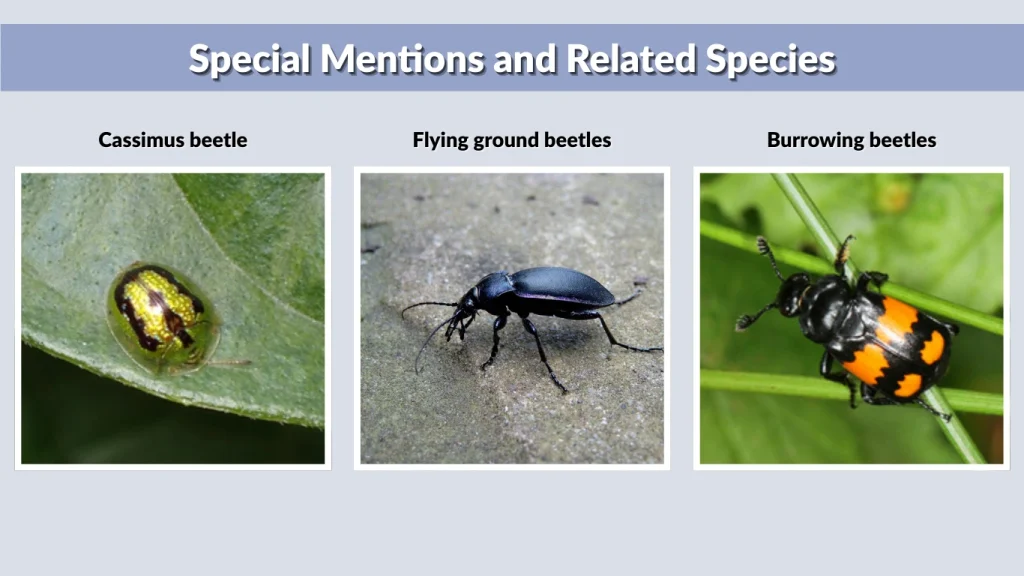
While the common black ground beetle is the best known, related species share similar roles in ecosystems.
Related Types
- Cassimus beetle: Rarely observed, but closely linked.
- Flying ground beetles: Some species are capable of short flights despite their heavy bodies.
- Burrowing beetles: Specialized in digging into soil for shelter and egg-laying.
Egg-Laying Habits
Female ground beetles often deposit eggs in moist soil, where larvae develop undisturbed. This behavior ensures they have immediate access to prey after hatching.
FAQs
What is the scientific name of the common black ground beetle?
The scientific name is Pterostichus melanarius, part of the Carabidae family. This species is widespread across North America and Europe.
Do black ground beetles bite humans?
Yes, they can bite if handled roughly, but the bite is not harmful or poisonous. It usually causes only mild discomfort.
Are black ground beetles good for gardens?
Absolutely. They are beneficial predators, feeding on slugs, caterpillars, and other pests that damage plants.
How can I prevent black ground beetles from entering my home?
Seal cracks, reduce outdoor lighting, and keep basements dry. Using screens on windows and vents also helps limit entry.
What do black ground beetle larvae eat?
Larvae are predatory like adults, feeding on soil-dwelling insects, maggots, and caterpillars, making them vital for natural pest control.
Conclusion
Black ground beetles are harmless, beneficial insects that play a major role in balancing ecosystems. While they may cause concern when found indoors, they are not dangerous to humans or pets. Outdoors, they serve as effective pest controllers, protecting gardens from harmful species. By understanding their behavior, life cycle, and control methods, you can appreciate their ecological value while managing their presence around homes.
