
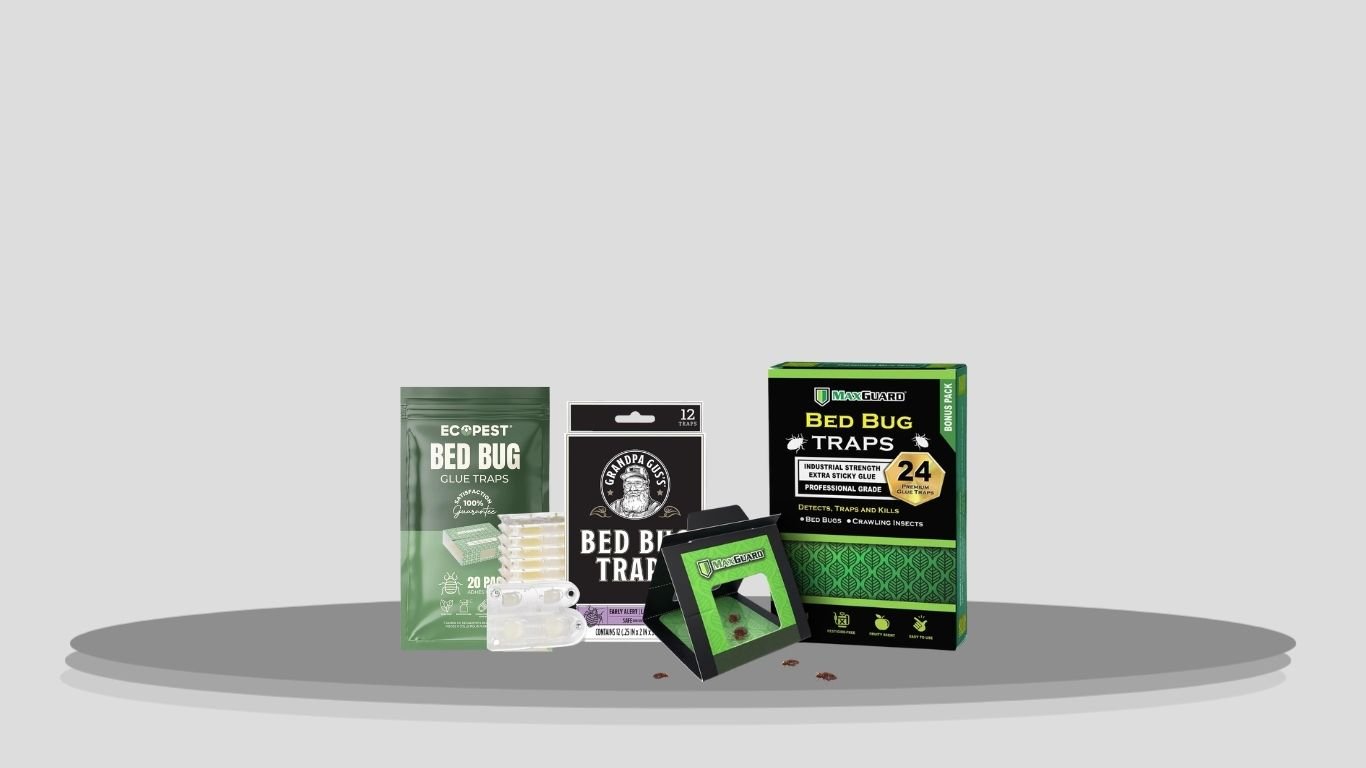
Bed bugs can be difficult to spot early, especially when they hide around mattresses, bed frames, furniture, and baseboards. Sticky traps and interceptors can help monitor crawling activity, reveal possible infestations, and support a broader bed bug control plan. Some models use adhesive surfaces, while others are designed to intercept bugs around furniture legs or travel paths. In this guide, we review 9 of the best bed bug sticky traps based on detection ability, adhesive strength, placement flexibility, ease of use, discretion, and overall monitoring performance.
1. Trapper Max Glue Traps
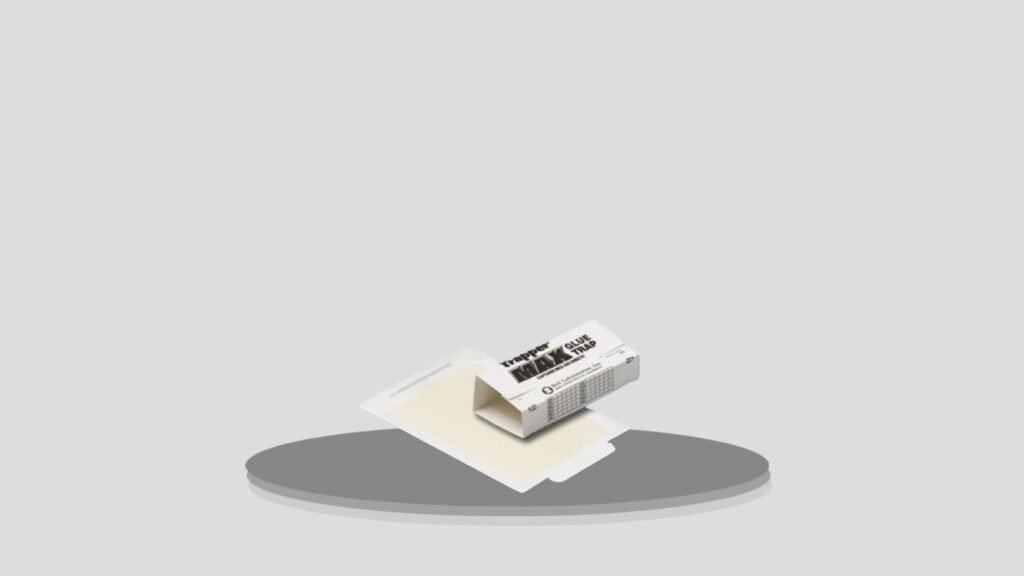
Trapper Max Glue Traps offer a simple, chemical-free method for monitoring bed bugs and other crawling pests around sleeping areas. Each package includes 12 adhesive boards with a peanut-butter scent, and the traps can be positioned near beds, furniture, walls, or suspected travel routes. Their large adhesive surface makes them useful for general pest monitoring as well as detecting crawling bed bugs.
Key Features
- 12 glue boards per package
- Strong adhesive catching surface
- No insecticide required
- Targets bed bugs and other crawling pests
- Can also capture cockroaches, spiders, and mice
- Manual, electricity-free operation
- Large flat monitoring surface
- Suitable for placement near furniture and walls
Why It Stands Out for Multi-Pest Monitoring
One advantage of Trapper Max is versatility. Unlike traps designed exclusively around one pest, these glue boards can reveal activity from bed bugs as well as cockroaches, spiders, and other crawling organisms.
That makes them especially practical when the exact source of nighttime pest activity has not yet been identified. A trap positioned beside a bed or along a wall may provide physical evidence of what is moving through the area.
The broad adhesive surface also gives crawling insects plenty of opportunity to become trapped if the board is positioned directly along their travel path.
Detection Performance and Placement
Placement determines much of the trap’s usefulness. Bed bugs commonly move between hiding areas and a sleeping host, so monitoring boards are generally most useful near bed frames, walls, furniture edges, and other likely travel routes.
Because these are passive adhesive boards rather than active bed bug treatments, they should primarily be viewed as monitoring tools. Capturing a bed bug can confirm activity, but an infestation may still remain hidden inside mattress seams, furniture joints, baseboards, or wall voids.
The boards should also be positioned where pets and children cannot accidentally contact the adhesive.
Overall Verdict
Trapper Max Glue Traps are a practical choice for households wanting an inexpensive, uncomplicated way to monitor crawling pest activity.
Their large adhesive area and multi-pest design give them more versatility than highly specialized bed bug monitors. They are particularly useful for confirming suspicious activity or monitoring an area after treatment.
For bed bugs specifically, they work best as one component of a wider inspection and management strategy rather than as a stand-alone infestation treatment.
2. MaxGuard Bed Bug Detection Sticky Traps
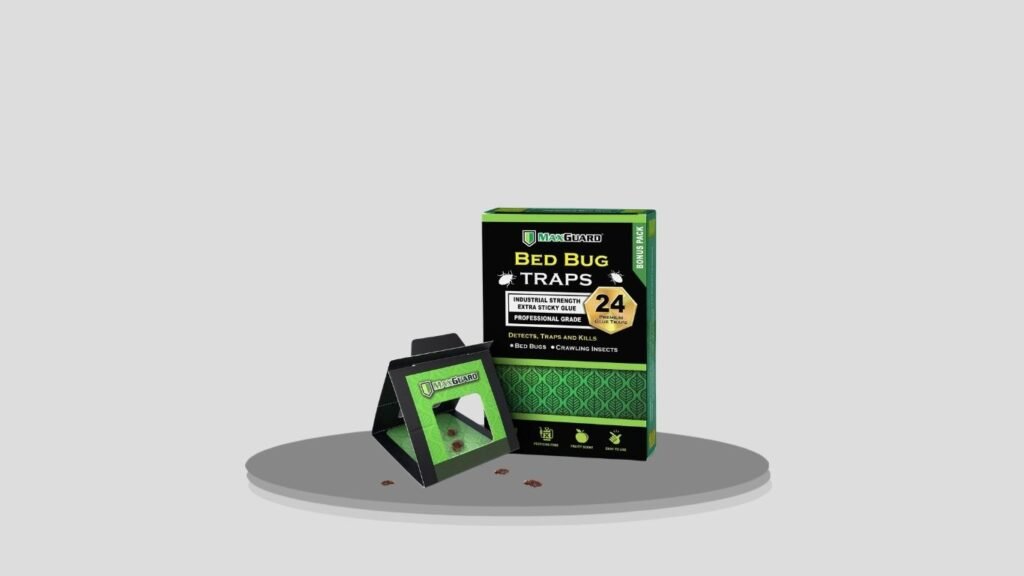
MaxGuard Bed Bug Traps are specifically positioned for early detection and monitoring of bed bugs and other crawling insects. The package contains 24 paper-based traps featuring a strong adhesive and a timed-release attractant. They require no electricity or pesticide application and can be positioned around beds, furniture, baseboards, and other locations where crawling insects are likely to travel.
Key Features
- 24 traps per package
- Designed specifically for bed bug detection
- Timed-release attractant
- Strong adhesive surface
- Pesticide-free design
- No electricity required
- Also traps ants, cockroaches, spiders, and crickets
- Designed for use around beds and furniture
- Up to six months of claimed monitoring life
Why It Stands Out for Early Detection
MaxGuard’s biggest advantage is its focus on monitoring. The combination of adhesive and an attractant is intended to improve the chances of intercepting crawling insects compared with a completely passive glue board.
This can be useful when there are subtle warning signs—such as unexplained bites or suspicious spotting—but no bed bug has yet been found.
With 24 traps in a package, users can also monitor several locations simultaneously rather than depending on a single detection point. This is valuable because bed bugs may move along different routes around a room.
Detection Performance and Placement
The traps are designed for placement near bedposts, furniture legs, walls, and other suspected travel paths. MaxGuard markets them for continuous monitoring for up to six months, although environmental conditions and dust accumulation can affect adhesive performance over time.
Checking several traps regularly can help show whether activity is concentrated in one part of a room.
However, sticky monitors do not prove that an entire infestation has been eliminated. Bed bugs can remain hidden for extended periods, so monitoring results should be considered alongside mattress inspections, furniture checks, and other control measures.
Overall Verdict
MaxGuard Bed Bug Detection Traps are one of the more purpose-built options in this roundup.
The 24-pack provides broad coverage, while the timed-release attractant and strong adhesive are designed specifically around early detection. Their discreet, pesticide-free operation also makes them easy to leave in place for ongoing monitoring.
For someone primarily concerned with identifying bed bug activity before it becomes more obvious, this format provides a convenient and organized monitoring system.
3. Harris Early Detection Bed Bug Traps – 20 Pack
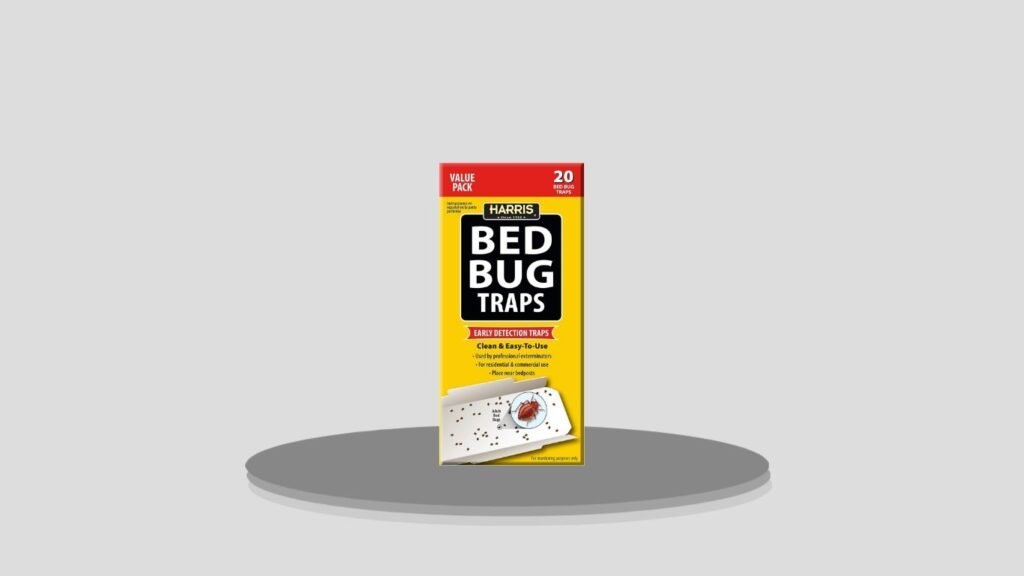
Harris Early Detection Bed Bug Traps provide a simple pesticide-free way to monitor sleeping areas for bed bug activity. Each package contains 20 paper traps that fold into a low-profile monitoring station. Their compact shape allows them to slide beneath beds, bedding, furniture, or other discreet locations where bed bugs may travel. They are intended for early detection and post-treatment monitoring rather than serving as a complete bed bug treatment.
Key Features
- 20 traps per package
- Specifically designed for bed bugs
- Pesticide-free construction
- Foldable paper design
- Adhesive trapping surface
- Low-profile shape
- Suitable for residential or commercial monitoring
- Fits underneath furniture and bedding
- No power source required
Why It Is Great for Discreet Monitoring
A major advantage of the Harris design is how easily the traps can disappear into the room. Once folded, they can be placed beneath beds, beside furniture, or in other low-profile locations without introducing bulky equipment.
That discretion is particularly useful in bedrooms, guest rooms, hotels, rentals, and other areas where visible pest-control equipment may be undesirable.
The 20-count package also makes it possible to create multiple monitoring points. Instead of relying on one trap, users can place several around a room and compare activity between locations.
Detection Performance and Ease of Use
Setup is straightforward: the paper trap is folded, secured using its tab, and placed in a likely bed bug travel area. Harris specifically positions these traps for early detection and for monitoring after treatment.
The adhesive provides physical confirmation when a crawling bed bug enters the trap, eliminating the uncertainty that can come from relying only on bite marks.
Nevertheless, absence of a catch does not guarantee that a room is bed-bug-free. Hidden populations may remain in cracks, seams, bed frames, or furniture, so sticky monitoring should be combined with careful inspection.
Overall Verdict
Harris Early Detection Traps are particularly well suited to users who want inexpensive monitoring that remains visually unobtrusive.
The 20-pack, foldable construction, pesticide-free design, and compact profile make them easy to distribute around multiple rooms or pieces of furniture.
They are not designed to eliminate an established infestation, but for early detection or monitoring after professional or DIY treatment, their straightforward design makes them a useful diagnostic tool.
4. Grandpa Gus’s Bed Bug Glue Traps
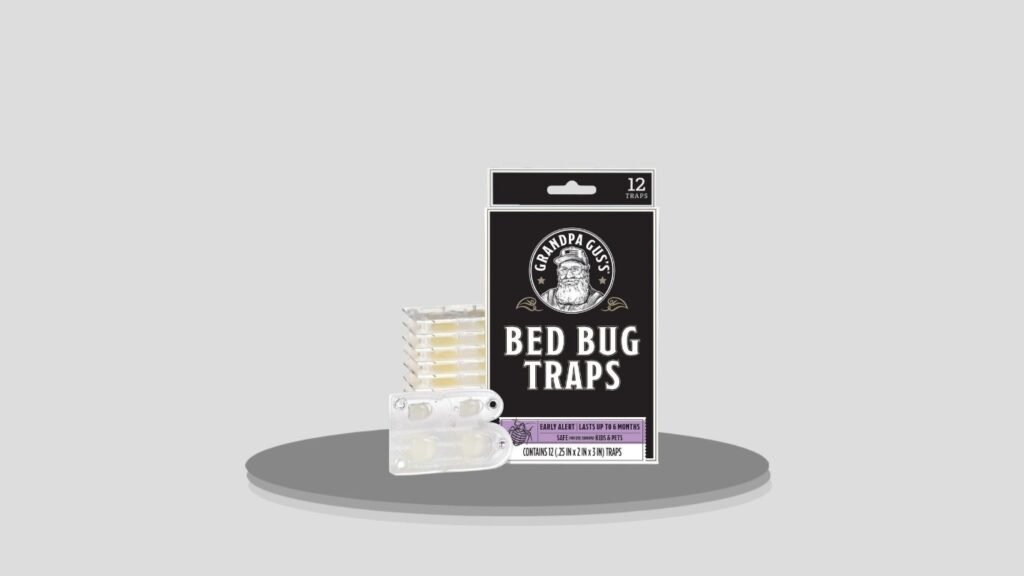
Grandpa Gus’s Bed Bug Glue Traps are designed specifically for discreet bed bug monitoring around mattresses, furniture, and travel accommodations. Instead of using a flat exposed board, each trap features a patented crush-resistant outer shell surrounding an adhesive interior. The manufacturer states that the hard shell allows the monitor to remain functional underneath a mattress while textured internal surfaces guide crawling bed bugs toward the sticky area.
Key Features
- 12 traps per package
- Bed-bug-specific monitoring design
- Crush-resistant protective shell
- Sticky adhesive interior
- Clear inspection window
- No pesticide active ingredient
- Designed for mattress and furniture placement
- Suitable for home or travel use
- Manufacturer claims up to six months of monitoring
Why It Stands Out for Mattress Placement
The reinforced housing is the most distinctive element of Grandpa Gus’s design. Standard cardboard glue traps can become compressed or damaged when placed under heavier objects, but these traps are specifically designed to maintain their shape beneath mattresses.
That gives users another monitoring position close to where bed bugs frequently hide and feed.
The enclosed structure also protects the adhesive from accidental contact better than a completely open glue board. A clear viewing area allows the user to inspect the trap without handling the sticky surface directly.
Detection Performance and Travel Use
The manufacturer recommends these monitors not only for bedrooms but also for travel. They can be placed around hotel sleeping areas or packed for use during trips when travelers want to check for possible bed bug activity.
Each trap is marketed to remain active for up to six months after opening, although real-world adhesive performance can vary depending on dust, temperature, and placement.
The traps contain no insecticidal active ingredient, so they mechanically capture insects rather than chemically killing hidden populations.
Overall Verdict
Grandpa Gus’s Bed Bug Traps are particularly attractive for users who want a more protected glue-trap design.
The rigid shell, clear inspection window, mattress-friendly construction, and long claimed monitoring period distinguish them from simple folding paper boards.
They can be useful for both home monitoring and travel, especially when a discreet trap needs to fit beneath a mattress or furniture. As with other monitors, they are most valuable for detection rather than complete infestation elimination.
5. Mysora Bed Bug Interceptor Traps for Furniture Legs
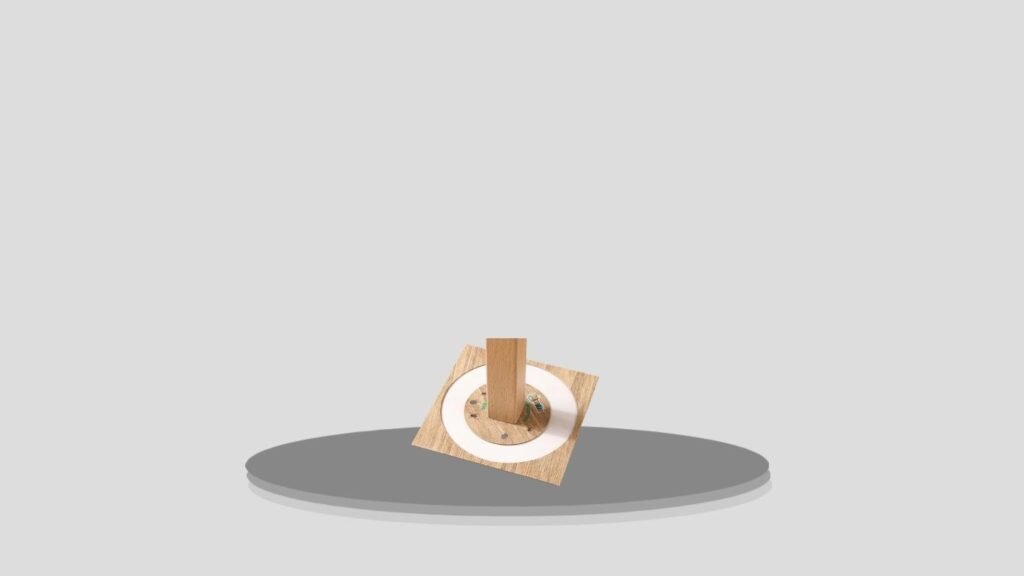
Mysora Bed Bug Interceptors take a different approach from ordinary flat glue traps by focusing on furniture legs. This 16-piece set is designed to create monitoring points beneath bed, sofa, or other furniture legs, where crawling bed bugs may be intercepted while attempting to move between the floor and furniture. This placement strategy can be particularly useful because it concentrates monitoring around the pathways leading directly to sleeping or resting areas.
Key Features
- 16 interceptors per package
- Designed for furniture-leg placement
- Bed bug detection and monitoring
- Glue-trap/interceptor format
- Suitable for beds and other furniture
- Creates multiple monitoring points
- No electricity required
- Useful for early detection
- Designed for discreet floor-level positioning
Why Furniture-Leg Monitoring Is Effective
Bed bugs cannot fly or jump. They crawl between hiding places and sleeping hosts, which makes furniture legs potentially useful interception points when beds and sofas are properly isolated from surrounding walls and objects.
Placing interceptors beneath multiple legs creates controlled pathways where crawling insects may be captured or revealed.
This approach can be particularly useful when the goal is to determine whether bed bugs are moving onto or away from a bed. It also helps concentrate monitoring in locations that would otherwise be difficult to watch continuously.
Detection Performance and Placement
For furniture interceptors to provide useful information, placement matters. The furniture should generally be arranged so that alternative pathways—such as bedding touching the floor or a bed pressed tightly against a wall—do not allow bugs to bypass the monitoring points.
The 16-piece quantity allows several beds or furniture items to be monitored simultaneously.
Interceptors should be inspected regularly for captured insects, dust, or debris that could affect their performance. Finding a suspected bed bug should ideally be followed by careful identification, because other small crawling insects can sometimes be mistaken for bed bugs.
Overall Verdict
Mysora Bed Bug Interceptors are an appealing choice when the primary objective is monitoring movement around furniture rather than simply placing adhesive cards randomly around a room.
The 16-piece package provides enough units to cover multiple furniture legs and creates a systematic detection setup around beds or sofas.
For users attempting to confirm an infestation, assess whether treatment has reduced activity, or monitor several sleeping areas, furniture-leg interceptors provide a technically useful complement to mattress inspections and other detection methods.
6. BugMD Bed Bug Traps
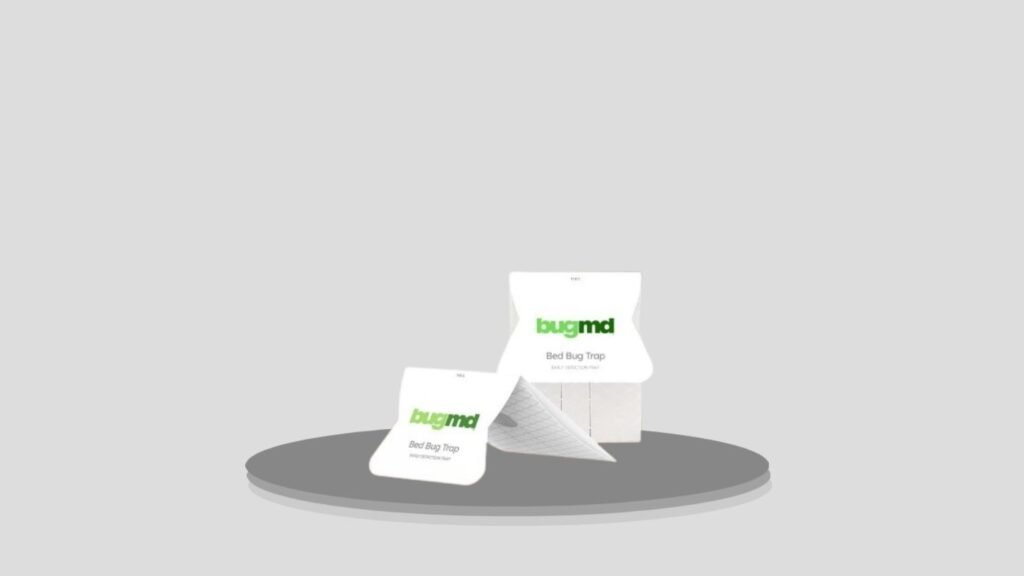
BugMD Bed Bug Traps are designed specifically for early detection and continuous monitoring around beds, furniture, floors, and other potential bed bug travel routes. Each box contains 12 disposable traps that use an ultra-sticky adhesive rather than insecticides or sprays. Their foldable design allows several placement configurations, making them especially useful for bedrooms, hotels, sofas, and other areas where discreet monitoring is important.
Key Features
- 12 traps per box
- Bed-bug-specific monitoring design
- Ultra-sticky adhesive surface
- No pesticides or chemical sprays
- Foldable multi-position construction
- Works around furniture and bed legs
- Can be positioned near mattresses and box springs
- Suitable for floor and baseboard placement
- Disposable after use
Why It Stands Out for Flexible Placement
BugMD’s strongest feature is its adaptable shape. The traps can be folded into different configurations depending on where bed bug activity is suspected.
They can be positioned around furniture legs, inserted between a mattress and box spring, or placed flat along walls and floors. That flexibility helps users create several monitoring zones without needing different trap styles for every location.
The traps also contain no harsh chemical pesticide, making them primarily a physical monitoring tool rather than a treatment that leaves insecticide residue.
Detection Performance and Everyday Use
BugMD uses what the manufacturer calls an ultra-sticky adhesive to hold crawling bed bugs once they contact the trap. The company recommends checking traps regularly and replacing them when they become filled or lose effectiveness. An opened trap may remain usable for up to about 90 days depending on conditions and activity.
Their lightweight paper construction also makes the traps convenient for travel. A few can be packed inside luggage and positioned temporarily around hotel beds or unfamiliar furniture.
Like other sticky monitors, however, they should not be treated as proof that an infestation has been completely eliminated.
Overall Verdict
BugMD Bed Bug Traps are especially practical for users who want one trap design that works in several locations.
Their 12-pack format, strong adhesive, chemical-free construction, and flexible folding system make them useful for early detection, post-treatment monitoring, and travel.
For bedrooms where bed bugs may move between floors, walls, furniture legs, and mattresses, the ability to reposition the same basic trap design provides substantial monitoring flexibility.
7. ECOPEST Bed Bug Glue Traps – 20 Pack

ECOPEST Bed Bug Glue Traps provide a straightforward sticky-monitoring system designed for beds, furniture, and other indoor locations where bed bugs may crawl. The package contains 20 adhesive traps, giving users enough units to monitor several locations at once. Their passive design requires no electricity, sprays, or complicated installation, making them particularly useful for inexpensive supplementary monitoring throughout a bedroom or living area.
Key Features
- 20 traps per package
- Strong adhesive surface
- Designed for bed bug monitoring
- Suitable for beds and furniture
- Also captures other crawling insects
- No electricity required
- Passive 24-hour monitoring
- Compact indoor design
- Suitable for multiple monitoring locations
Why It Is Best for Broad Room Coverage
A major advantage of this product is quantity. Twenty traps provide enough coverage to position monitors around several pieces of furniture instead of depending on one or two detection points.
That is especially useful because bed bugs can travel along different routes. One may move along a wall, while another may emerge from underneath furniture or crawl near a bed frame.
By distributing traps strategically, users can create a broader picture of where activity is occurring and whether one part of the room is showing more movement than another.
Detection Performance and Placement
The adhesive traps are intended for placement along likely crawling routes around beds and furniture. Product listings describe them as continuous bed bug monitoring traps that also catch other indoor crawling pests.
For better results, they should be positioned close to known or suspected hiding areas rather than randomly placed in open areas.
Because sticky monitors can capture unrelated insects as well, users should carefully identify anything caught before assuming it is a bed bug. Likewise, an empty trap cannot conclusively prove that a room is free of bed bugs.
Overall Verdict
ECOPEST Bed Bug Glue Traps are particularly attractive for users who want plenty of monitoring points at a relatively simple setup level.
The 20-pack makes them practical for bedrooms, guest rooms, sofas, and multiple furniture locations. Their passive adhesive design also means there is no need to power or maintain an electronic device.
For routine detection, post-treatment observation, or inexpensive supplementary monitoring, they provide a straightforward way to cover more potential bed bug travel routes.
8. EcoVenger Bed Bug Monitor & Interceptor Glue Traps
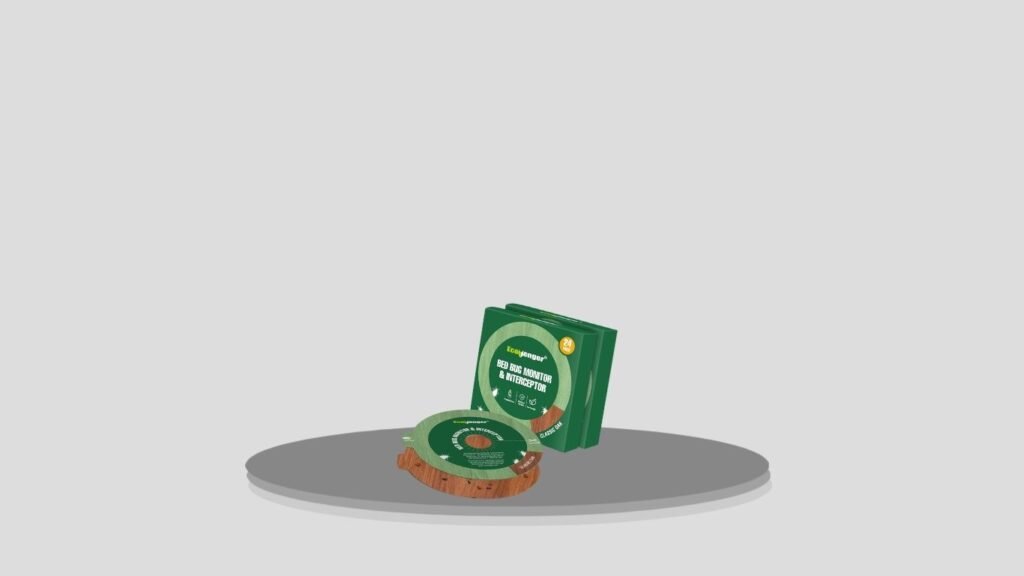
EcoVenger Bed Bug Monitor & Interceptor Traps combine furniture-leg interception with a flat adhesive design. Rather than using bulky plastic cups beneath each furniture leg, these thin round traps slide around the leg and create a sticky no-crossing zone. EcoVenger specifically markets them for beds, futons, couches, and similar furniture, making them particularly useful for monitoring crawling activity close to sleeping and resting areas.
Key Features
- 24 monitor traps per package
- Adhesive furniture-leg interceptor design
- Flat, low-profile construction
- Designed for beds, sofas, and futons
- Decorative wood-pattern appearance
- No bulky plastic interceptor cups
- Easy slide-in installation
- Disposable after use
- Designed for discreet indoor monitoring
Why It Stands Out for Furniture Protection
Traditional bed bug interceptor bowls often require users to lift heavy furniture legs into plastic cups. EcoVenger takes a different approach by using a thin adhesive plate that opens around the leg.
This can simplify installation, particularly under heavy beds or couches. The manufacturer also gives the adhesive surface an oak-style pattern so the traps blend more naturally with many flooring types.
That discreet design is useful for people who want continuous monitoring without making pest-control equipment visually obvious in the bedroom.
Interception Performance and Correct Placement
EcoVenger recommends moving the bed or furniture at least several inches away from the wall so bed bugs cannot bypass the trap using another route. The trap is then opened along its perforated section, positioned around the furniture leg, and laid flat against the floor.
That setup is important because interceptors work best when the furniture legs become the primary route available to crawling bed bugs.
Bedding should also be kept from touching the floor, since hanging sheets or blankets could create an alternative pathway.
Overall Verdict
EcoVenger Bed Bug Monitor & Interceptor Traps are one of the more interesting designs for people who want to concentrate monitoring directly around furniture legs.
Their thin profile, easy installation, adhesive capture surface, and discreet appearance help distinguish them from bulky bowl-style interceptors.
For beds or couches that are difficult to lift, the slide-around design can make routine monitoring considerably easier while still creating useful detection points around the furniture most likely to attract bed bug movement.
9. Mysora 16-Pack Bed Bug Interceptors
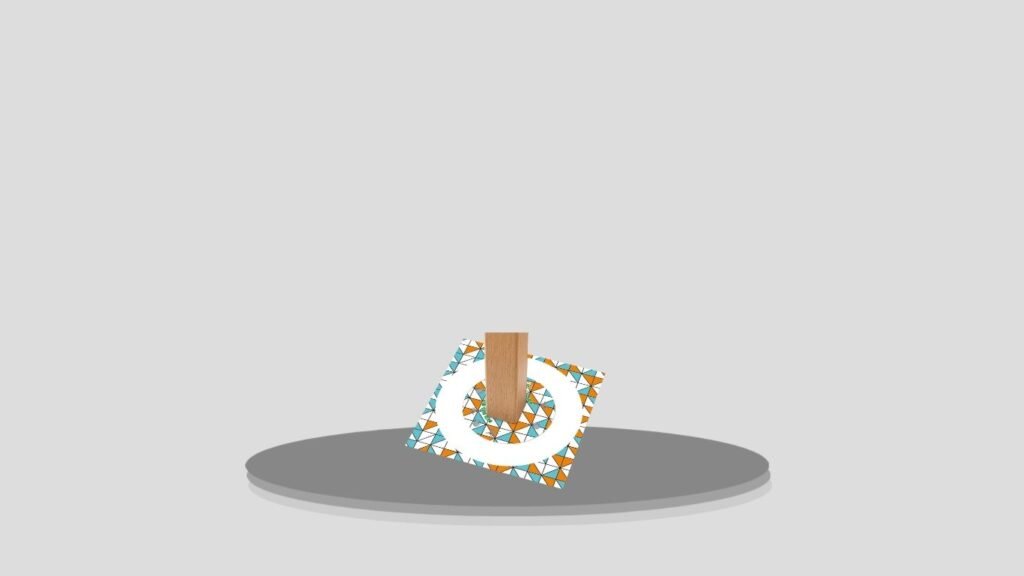
The Mysora 16-Pack Bed Bug Interceptors are designed specifically for installation beneath bed and furniture legs. Each interceptor uses a strong adhesive area to trap crawling bed bugs where they are likely to travel between the floor and sleeping furniture. With 16 pieces included, the set provides enough coverage for several beds, sofas, or other furniture items, making it useful for systematic monitoring across multiple rooms.
Key Features
- 16 interceptors per package
- Strong adhesive trapping surface
- Designed for bed and furniture legs
- Suitable for sofas and other furniture
- No assembly required
- Passive monitoring system
- No electricity needed
- Helps detect crawling activity early
- Enough units for multiple furniture pieces
Why It Works Well for Multiple Beds and Furniture
The 16-piece quantity is one of this set’s biggest advantages. A standard four-legged bed can require four monitoring points, meaning one package can potentially cover several furniture pieces depending on their design.
This makes Mysora useful for homes with multiple bedrooms, guest rooms, or sofas that need monitoring at the same time.
Furniture-leg placement is also highly targeted. Rather than hoping a bed bug crosses a randomly positioned sticky board, interceptors focus attention on a route that bed bugs may use while approaching sleeping or resting hosts.
Monitoring Performance and Proper Setup
The product listing describes the traps as using strong adhesive beneath furniture legs to help detect and capture bed bugs early. Installation requires no assembly: each trap is positioned at the appropriate furniture leg and left in place for monitoring.
For the best monitoring value, the bed or sofa should be kept away from walls, and blankets or sheets should not touch the floor.
Regular inspection is also important. Captured insects, dust, and debris can affect visibility and adhesive performance over time.
Interceptors can provide evidence of activity, but they should complement mattress, frame, headboard, and surrounding-area inspections.
Overall Verdict
Mysora Bed Bug Interceptors are especially suitable for users who want a structured furniture-based monitoring system.
The generous 16-piece package makes it easy to create multiple detection zones, while the adhesive design provides physical evidence when bed bugs cross the trap.
For homes with several beds, sofas, or other resting furniture, this set offers a practical way to extend monitoring beyond a single room and track possible bed bug movement over time.
FAQs
1. Do sticky traps actually work for bed bugs?
Sticky traps can capture bed bugs that travel across the adhesive surface, making them useful for detection and monitoring. They are especially helpful around furniture legs, walls, bed frames, and suspected travel routes. However, bed bugs can remain hidden in mattresses, furniture joints, baseboards, and cracks, so sticky traps should not be considered a complete treatment for an established infestation.
2. Where should I place bed bug sticky traps?
Useful locations include beneath or around bed legs, alongside baseboards, behind furniture, near headboards, under sofas, and between a mattress and box spring when the trap design allows it. Placement close to likely travel routes generally provides better monitoring than placing traps randomly in the middle of a room.
3. Can bed bug traps get rid of an entire infestation?
Usually not. Sticky traps may capture individual bed bugs and help reveal where activity is occurring, but an established infestation can include insects and eggs hidden in many inaccessible locations. Effective control may require thorough inspection, laundering or heat measures where appropriate, targeted treatment, and sometimes professional pest-control assistance.
4. How often should bed bug sticky traps be checked?
Checking them every few days during suspected activity makes it easier to identify new catches and determine which areas are most active. During longer-term monitoring, weekly inspection may be sufficient. Replace traps when the adhesive becomes dusty, contaminated, full of insects, or otherwise loses its stickiness, following the individual manufacturer’s instructions.
5. Are bed bug sticky traps useful after treatment?
Yes. Monitoring traps can be particularly valuable after treatment because they provide an ongoing way to watch for remaining or returning activity. Continuing to inspect traps for several weeks can help reveal whether bed bugs are still moving around beds or furniture. However, empty traps alone should not be treated as absolute proof that every bed bug or egg has been eliminated.
