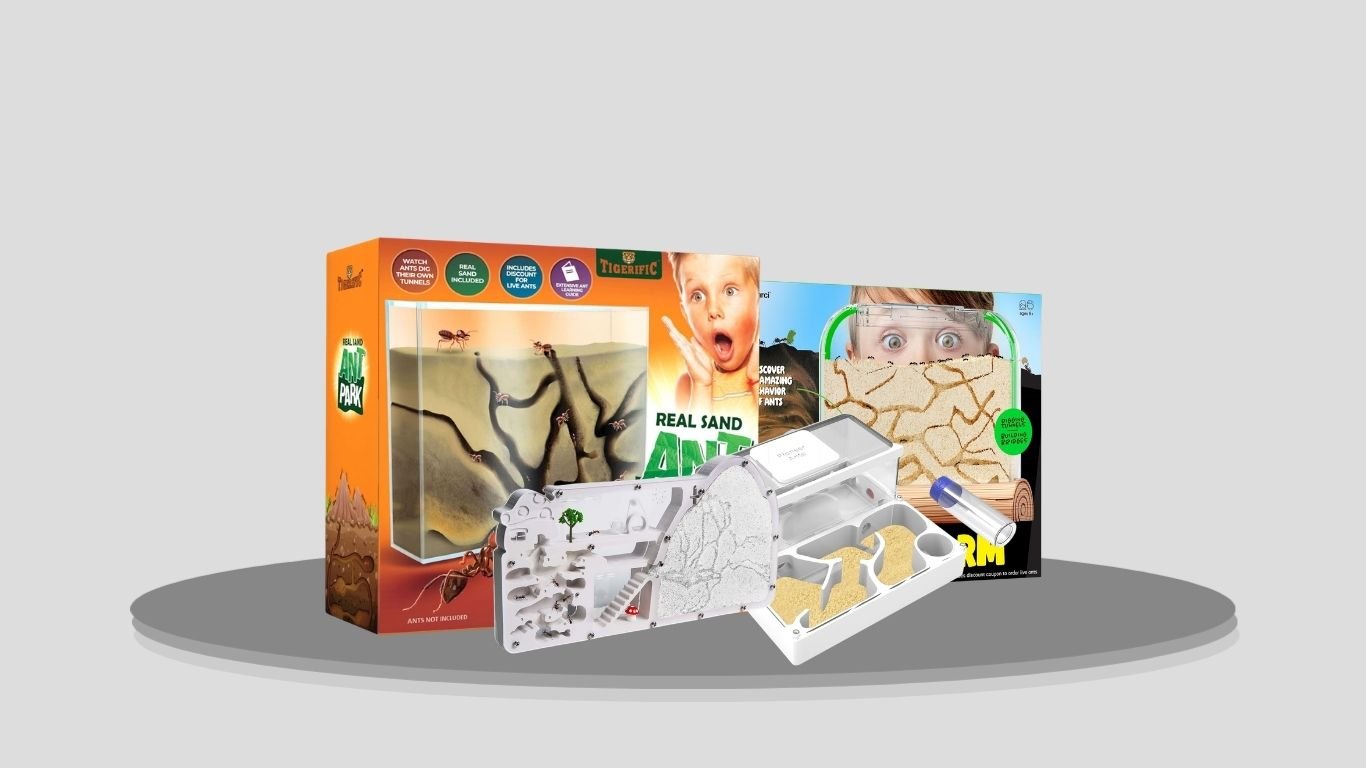
Ant farm kits offer a fascinating way to observe how ants build tunnels, organize colonies, and interact inside a controlled habitat. They are especially useful for kids, students, classrooms, and anyone interested in insect behavior. Modern ant farms come in many styles, including illuminated habitats, transparent formicariums, castle designs, and kits with built-in hydration systems. In this guide, we review the top 10 best ant farm kits based on visibility, ease of setup, educational value, habitat design, maintenance, durability, and overall suitability for beginners.
1. Tigerific Ant Farm Kit with Live Ants
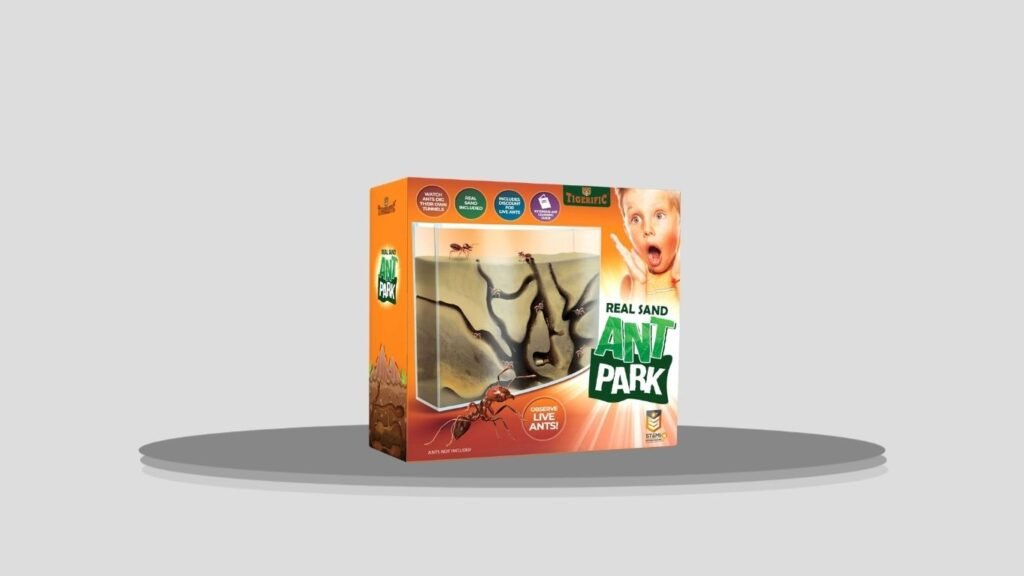
The Tigerific Ant Farm Kit is a beginner-friendly option designed to make ant observation simple, educational, and entertaining. Its clear habitat lets children and adults watch ants dig tunnels, transport material, and interact inside the colony. Because the kit includes live ants, it can also reduce some of the extra preparation normally required before starting an ant farm.
Key Features
- Clear ant-viewing habitat
- Kit includes live ants
- Designed for beginners and children
- Allows close observation of tunnel building
- Educational STEM-style activity
- Compact design for desks or tables
- Simple setup for first-time ant keepers
Why It’s Best for Beginners
One of the strongest advantages of the Tigerific kit is convenience. Many ant farms require users to separately find or order suitable ants, but this package is designed as a more complete starter experience.
That makes it particularly attractive for parents looking for an interactive science activity without assembling numerous components. Children can observe real colony behavior rather than simply reading about insects in a textbook.
The transparent design also makes changes inside the habitat easy to follow from day to day, helping maintain interest after the initial setup.
Viewing Experience and Educational Value
Visibility is one of the most important features in an ant farm, and this model is built around observation. Watching ants create tunnels gives children a practical look at cooperation, movement, excavation, and colony organization.
It can work well for home science activities, homeschool projects, classrooms, or simply as an unusual desktop habitat. Regular observation can encourage children to ask questions and document how tunnel systems develop.
Setup, Maintenance and Overall Verdict
Setup is relatively straightforward, which is important for first-time users. The habitat should be kept away from excessive heat and direct sunlight, and ants should be cared for according to the included instructions.
Regular observation without shaking or frequently moving the enclosure can also help reduce disturbance.
Overall Verdict: The Tigerific Ant Farm Kit is a strong starter choice for families wanting a complete, easy-to-observe ant farm. Including live ants gives it an important convenience advantage, while the clear habitat provides the type of continuous activity that can keep young learners engaged.
2. Illuminated Ant Farm Habitat with Magnifier
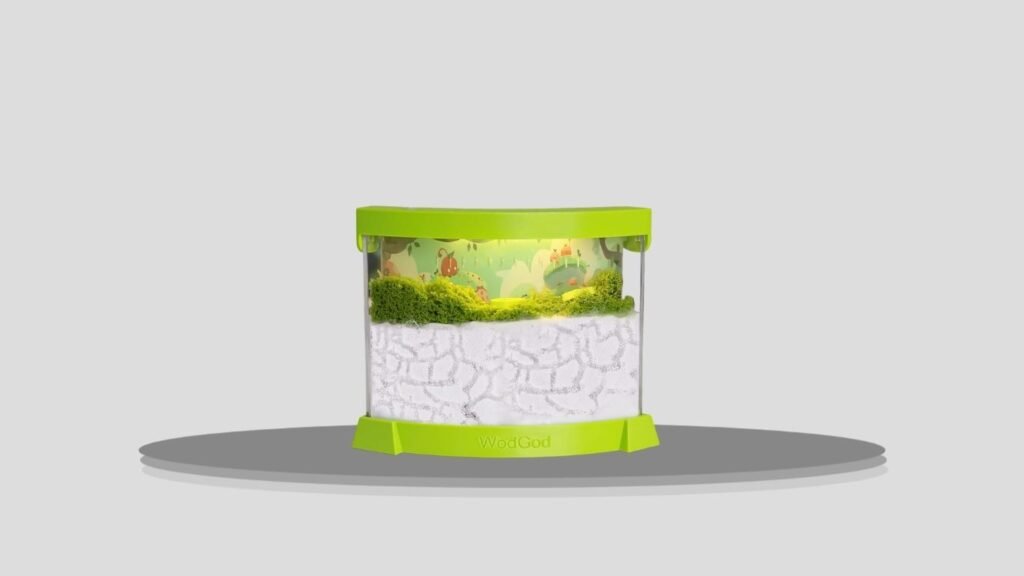
The Illuminated Ant Farm Habitat adds extra viewing features to the traditional ant-farm experience. Built-in illumination and magnification can make smaller details easier to see, especially when ants are working deeper inside tunnels. This makes the habitat particularly appealing for children who want a more interactive science experience and parents who prioritize visibility.
Key Features
- Illuminated viewing design
- Integrated magnifier
- Transparent observation habitat
- Suitable for children and beginners
- Helps reveal tunnel details
- Educational science-learning design
- Compact indoor setup
Why It’s Best for Detailed Observation
Standard ant farms can sometimes become difficult to observe when lighting is poor. The illuminated design helps improve visibility, making it easier to follow ants as they move through their tunnels.
The magnifier adds another useful element by allowing closer examination of individual ants and excavation areas. This can make the habitat more engaging for children who enjoy looking closely at insects rather than simply watching from a distance.
For classroom or homeschool use, these viewing features can also support simple lessons about anatomy, movement, and social behavior.
Viewing Quality and Habitat Design
A successful observation habitat should make activity easy to see without repeatedly disturbing the ants. The combination of transparent walls, lighting, and magnification provides several ways to examine the colony while leaving the enclosure in place.
This can encourage longer observation sessions and make small developments in the tunnels more noticeable. Children can compare tunnel depth, new chambers, and changing movement patterns over time.
Ease of Use and Overall Verdict
The habitat is best placed on a stable surface where children can observe it comfortably. Excessive movement should be avoided because vibration can disturb the colony.
Lighting should also be used appropriately rather than kept running unnecessarily. Following the included care instructions will help maintain better conditions inside the habitat.
Overall Verdict: This illuminated ant farm stands out for visibility. Families or teachers who want children to observe finer details may find the light and magnifier more useful than a basic clear enclosure. It offers a more interactive viewing experience without making the overall setup overly complicated.
3. ELNMLHT Ant Farm Observation & Educational Learning Kit
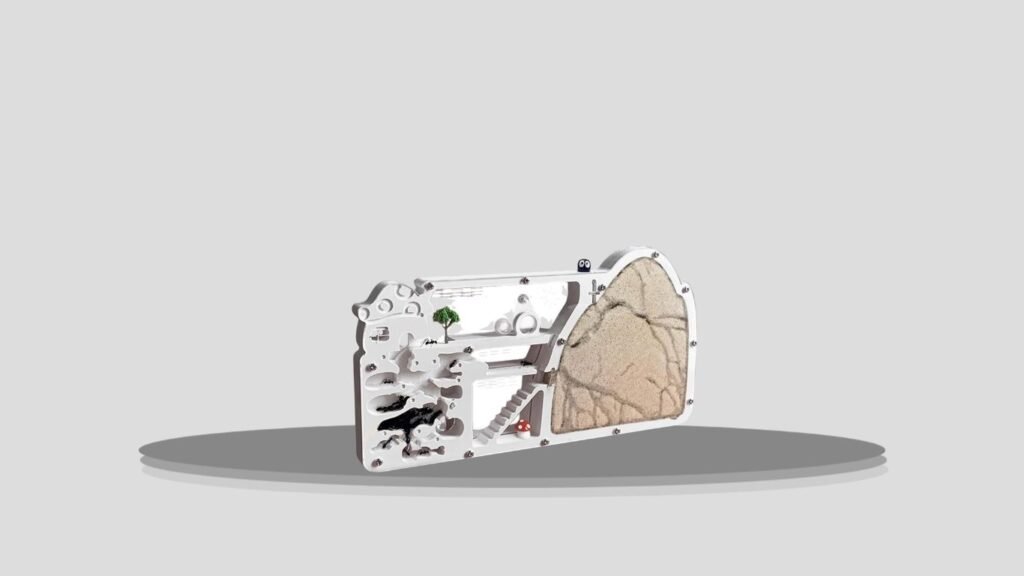
The ELNMLHT Ant Farm Observation Kit is designed around hands-on learning and close viewing of ant behavior. Its transparent construction provides an accessible way for children to study tunnel formation and colony activity at home. The straightforward educational design also makes it suitable for school projects, science activities, or families introducing children to insect observation.
Key Features
- Transparent viewing enclosure
- Designed for educational observation
- Suitable for children and students
- Supports hands-on science learning
- Allows tunnel and colony monitoring
- Compact design
- Beginner-friendly concept
Why It’s Best for Educational Projects
This model fits particularly well into structured learning activities. Rather than treating the ant farm only as entertainment, parents or teachers can use it to demonstrate topics such as insect behavior, teamwork, habitat formation, and environmental adaptation.
Children can keep a simple observation journal and record how tunnels change over several days. Measuring the number of visible tunnels or noting periods of increased activity can turn the habitat into a practical science project.
This makes it especially useful for homeschooling or classroom enrichment.
Observation and Learning Experience
The transparent enclosure helps users see how ants organize their underground environment. Over time, students can observe how individual tunnels connect into a larger system.
Because colony development does not happen instantly, the habitat also encourages patience and repeated observation. That slower progression can be educational in itself, teaching children that biological processes develop over time.
For curious young learners, the enclosure can provide much more engagement than static insect models.
Setup, Care and Overall Verdict
A stable indoor location is recommended for the farm. Avoid direct sunlight, strong heat, or locations where the enclosure could easily be knocked over.
Children should be supervised during setup, particularly when introducing ants into the habitat. Following the manufacturer’s instructions for moisture and feeding is important for maintaining appropriate conditions.
Overall Verdict: The ELNMLHT Observation Kit is well suited to parents and educators who want an ant farm primarily for learning. Its transparent construction and uncomplicated format make it easy to incorporate into science lessons, observation journals, or beginner insect studies.
4. Science Terrarium Ant Farm Observation Formicarium Kit
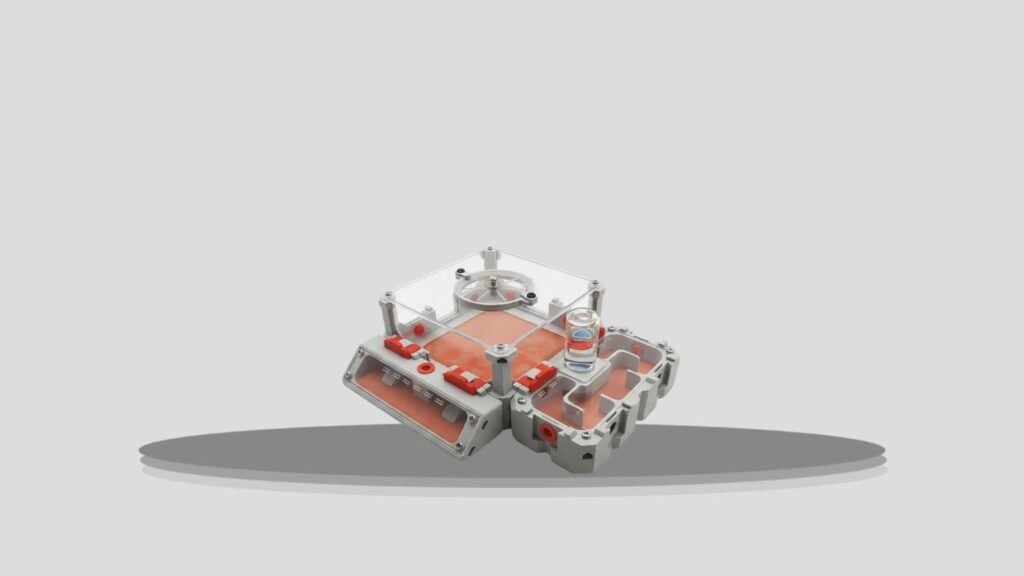
The Science Terrarium Ant Farm is designed as a more habitat-focused observation system for users who want to study ants inside a formicarium-style enclosure. It combines educational value with a terrarium-inspired design, making it appealing to children, students, and beginner insect enthusiasts who want something that feels closer to a miniature living habitat.
Key Features
- Formicarium-style ant habitat
- Transparent observation areas
- Designed for science learning
- Supports colony and tunnel observation
- Suitable for home or classroom projects
- Terrarium-inspired appearance
- Useful for beginners interested in ant keeping
Why It’s Best for a More Natural Habitat Experience
This kit is especially suitable for users who want an ant farm that feels more like a miniature ecosystem than a simple novelty toy. A formicarium-style habitat can provide a more immersive observation experience and may appeal to older children who are developing a deeper interest in insects.
The enclosure gives users an opportunity to watch colony activity while learning basic principles of habitat management.
For families wanting to move beyond very basic ant farms, this type of design can feel more substantial.
Habitat Design and Observation Quality
Clear viewing sections allow users to follow movement through the habitat while still giving ants space to establish tunnels or chambers.
The enclosure can be particularly engaging as colony structures become more complex. Users may observe ants transporting material, interacting with one another, or changing their movement patterns around the habitat.
This makes the kit useful for longer-term observation rather than only a short science demonstration.
Maintenance and Overall Verdict
Formicarium-style systems benefit from careful moisture and feeding management. Owners should follow the supplied instructions closely and avoid overwatering or exposing the habitat to extreme temperatures.
Keeping the enclosure stable and checking conditions regularly can help maintain a better environment for observation.
Overall Verdict: This Science Terrarium model is a good option for users who want a more habitat-oriented ant farm. Its formicarium approach offers additional appeal for children or beginners who are interested not only in watching tunnels develop but also in understanding how an ant colony uses its living space.
5. RIMSUNTA Ant Farm Starter Kit with Built-In Hydration
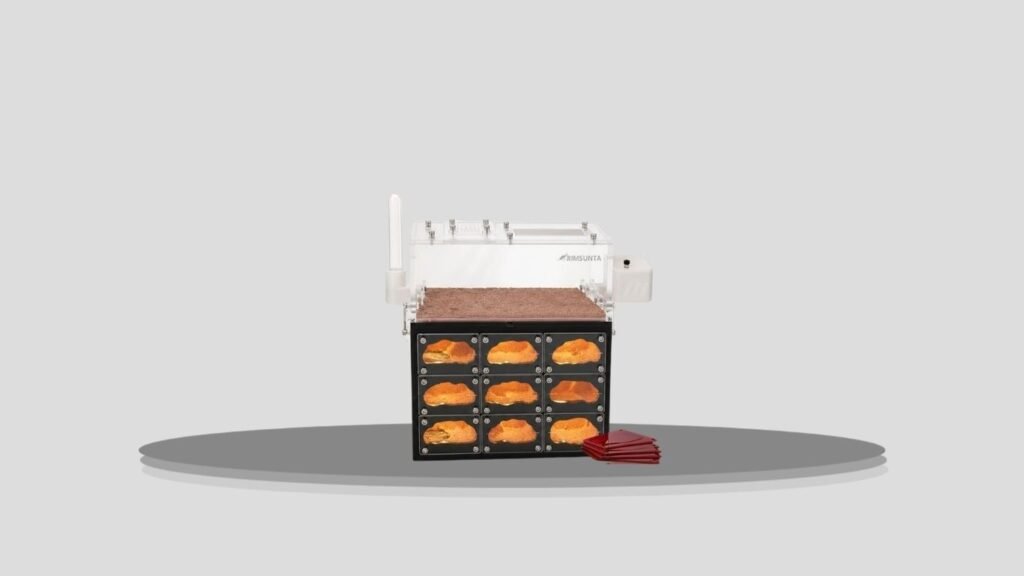
The RIMSUNTA Ant Farm Starter Kit stands out because of its built-in hydration feature, an important consideration in maintaining suitable conditions inside an ant habitat. This makes it particularly attractive for beginners who want a more structured setup for keeping moisture available while observing their colony. Its transparent design also provides the visibility expected from an educational ant farm.
Key Features
- Built-in hydration system
- Transparent observation habitat
- Designed as a starter ant farm
- Supports easier moisture management
- Suitable for beginners
- Useful for educational observation
- Compact indoor enclosure
Why It’s Best for Easier Habitat Management
Moisture is an important factor in many ant-keeping setups, and managing it manually can be confusing for beginners. The built-in hydration feature gives this model a practical advantage by integrating moisture management into the habitat design.
This can make the kit more approachable for families who want something beyond a basic toy ant farm but are not ready for a complicated professional formicarium.
The starter-oriented design makes it particularly suitable for users learning basic ant-care routines.
Hydration System and Viewing Performance
The hydration system can help maintain appropriate moisture when used according to the manufacturer’s directions. This is useful because excessively dry conditions can create problems, while too much moisture can also be undesirable.
The transparent viewing sections allow users to observe tunnel construction and colony behavior without opening the enclosure frequently. Together, hydration and visibility create a more complete observation setup.
Ease of Maintenance and Overall Verdict
Routine maintenance should include checking hydration levels, observing food needs, and keeping the habitat in a stable environment away from direct sunlight.
Users should avoid adding excessive water simply because a hydration feature is present. Following the recommended amounts and schedule is more important than frequent adjustment.
Overall Verdict: The RIMSUNTA Ant Farm Starter Kit is one of the more practical choices for beginners who want added support with habitat moisture. Its built-in hydration system, transparent viewing design, and starter-friendly format make it a strong option for families interested in maintaining an ant colony with more structure than a basic observation-only enclosure.
6. Ant Farm Castle Observation & Educational Kit
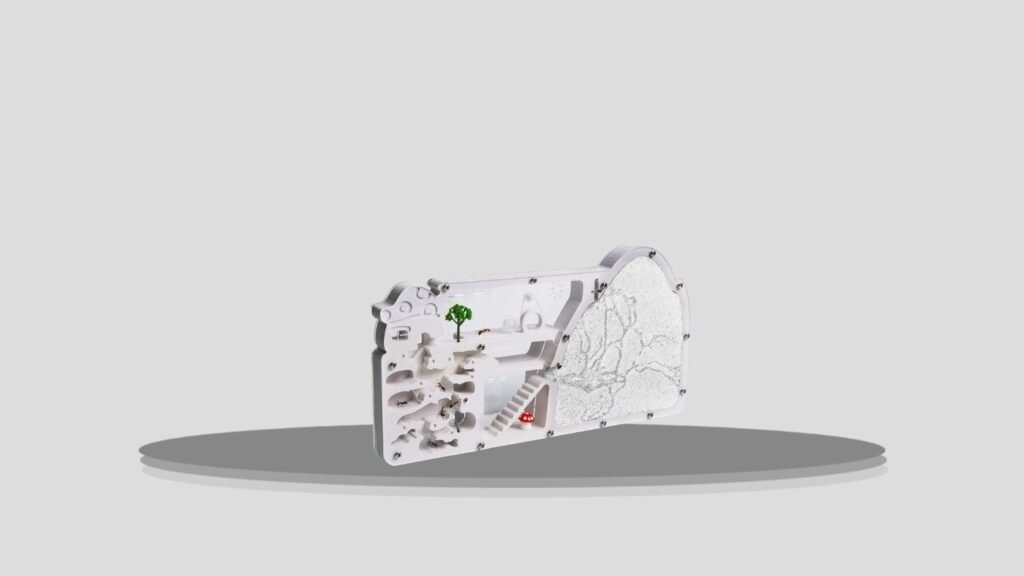
The Ant Farm Castle Observation Kit uses a playful castle-inspired design to make ant keeping more engaging for children. Its transparent viewing areas allow users to watch ants move, dig, and develop tunnels while the decorative structure gives the habitat a more imaginative appearance than a traditional rectangular ant farm. It can work well for home learning, science activities, and beginner insect observation.
Key Features
- Castle-style ant farm design
- Transparent viewing areas
- Suitable for children and beginners
- Educational observation habitat
- Supports tunnel and colony monitoring
- Attractive display-style appearance
- Useful for home science projects
Why It’s Best for Kids
The castle design is the biggest advantage of this kit. Younger children may be more interested in observing ants when the enclosure looks playful and visually distinctive.
Beyond appearance, the habitat can still provide useful educational value. Kids can watch ants transport material, interact with one another, and gradually create tunnel systems.
Parents can also turn the experience into a simple learning activity by encouraging children to record daily changes in the colony.
Observation Quality and Habitat Experience
Clear viewing sections make it possible to observe ant movement without repeatedly opening or disturbing the enclosure. As tunnels develop, children can see how ants create different pathways and chambers.
The decorative structure may also make the farm more suitable for displaying on a desk, shelf, or classroom learning table.
For the best viewing experience, the habitat should remain in a stable location away from excessive vibration and direct sunlight.
Setup, Maintenance and Overall Verdict
Care requirements depend on the ants and habitat medium used. Users should follow the included instructions for food, moisture, and ventilation.
Adults should supervise younger children during initial setup and when introducing ants into the enclosure.
Overall Verdict: The Ant Farm Castle Observation Kit is particularly appealing for younger users who want both an educational habitat and an entertaining design. It combines visual interest with accessible ant observation, making it a good option for families and classrooms.
7. PioneerAnts Transparent Ant Farm Kit – Model B
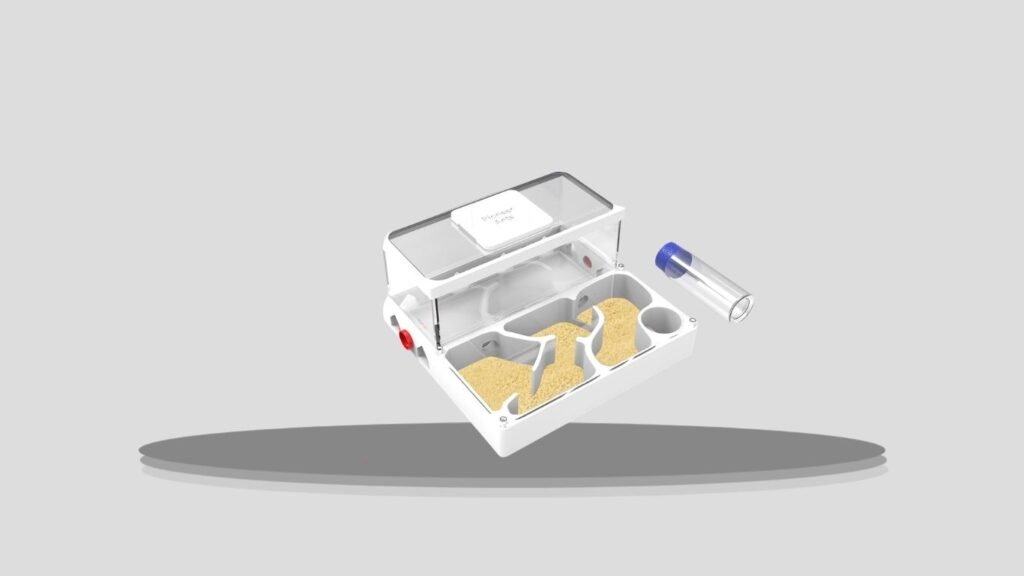
The PioneerAnts Transparent Ant Farm Kit Model B offers a more technical-looking setup for users interested in observing ants through a clear, structured formicarium. Its transparent construction makes colony activity easier to monitor, while the 3D-printed-style design gives the habitat a more specialized appearance than many basic children’s ant farms.
Key Features
- Transparent formicarium-style design
- Model B configuration
- Structured ant habitat
- Suitable for colony observation
- Compact indoor setup
- Useful for beginners and hobbyists
- Modern 3D-printed-style construction
Why It’s Best for Beginner Ant-Keeping Hobbyists
This model is particularly suitable for users who are interested in ant keeping beyond a short-term children’s science project. Its structured design gives it more of a hobby-style appearance while still remaining approachable for beginners.
The transparent construction makes it possible to study movement, nesting behavior, and colony development closely.
It may also appeal to older children, teenagers, or adults who want to learn more about formicarium-style ant keeping before moving to more advanced setups.
Viewing Performance and Build Design
Visibility is one of the strongest aspects of this type of habitat. Clear walls allow users to monitor ants while reducing the need to repeatedly disturb the nest.
A structured enclosure may also make different nesting areas easier to observe compared with traditional sand-based ant farms.
The compact size can be useful for desks, shelves, or other indoor spaces where users want a dedicated ant observation setup without requiring a large terrarium.
Maintenance and Overall Verdict
Users should pay close attention to moisture, ventilation, feeding, and the specific needs of the ant species being housed. A more specialized habitat works best when basic colony-care requirements are understood.
The enclosure should also remain secure to reduce escape risk.
Overall Verdict: PioneerAnts Model B is a strong option for beginners who want something closer to a hobby-grade formicarium than a simple novelty ant farm. Its transparent, structured design provides excellent observational value.
8. Uncle Milton Giant Ant Farm
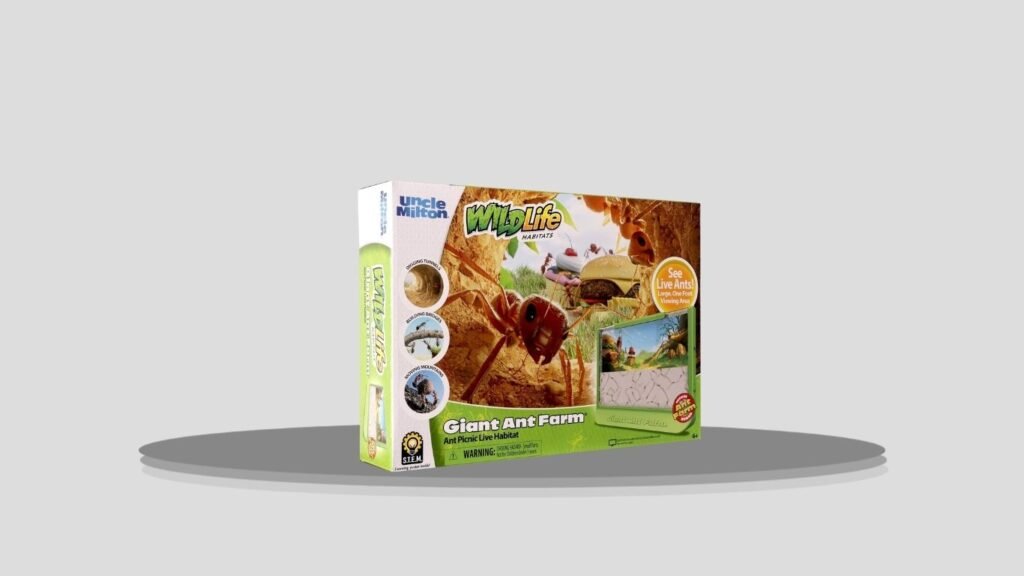
The Uncle Milton Giant Ant Farm is a classic-style observation habitat designed to give children a larger viewing area for watching ants build tunnels. Uncle Milton has long been associated with educational ant farms, and this larger version follows the familiar vertical habitat concept that makes underground activity easy to observe from the front.
Key Features
- Large vertical observation area
- Classic ant farm design
- Transparent viewing panels
- Suitable for children and families
- Educational science activity
- Good visibility of tunnel development
- Recognizable ant-farm brand
Why It’s Best for Classic Ant Farm Observation
This model is ideal for users who want the traditional ant farm experience. Rather than using a complex formicarium system, it focuses on one of the most fascinating aspects of ant behavior: tunnel excavation.
The larger viewing surface can make tunnel networks easier to follow as they develop.
For children, the familiar design is simple to understand and encourages repeated observation. It can also be used for school projects involving insect behavior, colony cooperation, or habitat construction.
Viewing Experience and Educational Value
The vertical layout allows tunnels to form close to the clear viewing panels, making excavation activity easier to see.
Children can compare how tunnel patterns change from one day to another and observe how ants work together to move substrate through the habitat.
Because the enclosure emphasizes visibility, it works especially well as a demonstration tool in classrooms or homeschooling environments.
Setup, Durability and Overall Verdict
The habitat should be positioned securely on a stable surface and kept away from excessive heat or direct sunlight. Care should follow the manufacturer’s recommendations for feeding, moisture, and compatible ants.
Avoid frequently shaking or moving the farm, as disturbance can damage tunnels.
Overall Verdict: Uncle Milton Giant Ant Farm remains an appealing choice for families who prefer a classic sand-style ant habitat with a generous viewing area. Its simple design emphasizes exactly what many beginners want to see—ants creating an increasingly complex underground tunnel network.
9. Connecting Ant Farm Observation & Educational Learning Kit
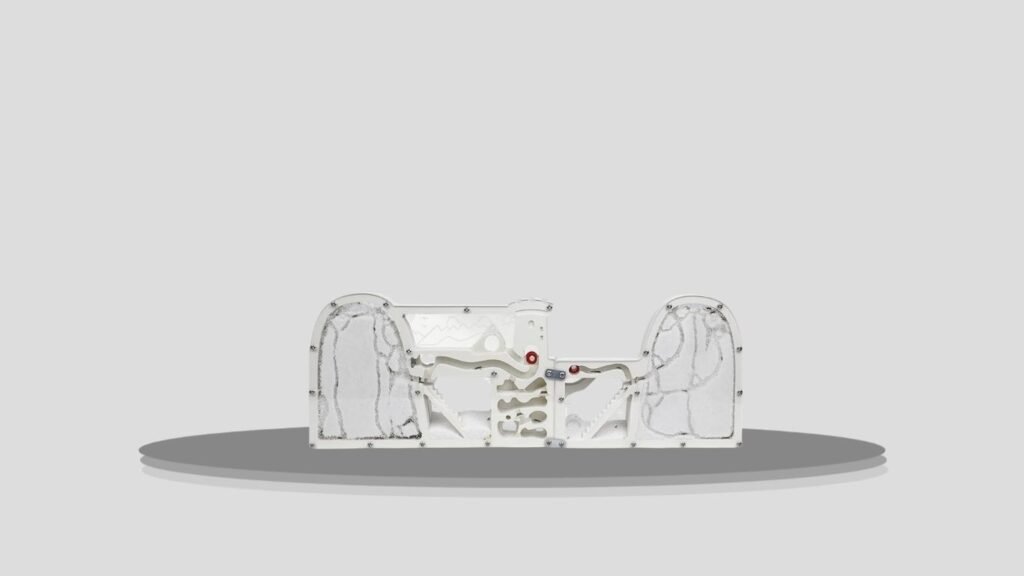
The Connecting Ant Farm Observation Kit offers an expandable-style concept that can make any observation more interesting as users become more experienced. Connecting habitat sections may provide additional flexibility compared with a single enclosed farm, allowing children to observe ants moving between different spaces while learning how colony behavior changes as the available environment expands.
Key Features
- Connecting ant habitat concept
- Transparent observation design
- Educational learning focus
- Suitable for children and beginners
- Can support expanded viewing areas
- Encourages colony-behavior observation
- Useful for science activities
Why It’s Best for Expandable Learning
This kit is especially appealing to users who like the idea of expanding or connecting different ant-observation areas.
A connected habitat can make observation more dynamic because ants may move between sections rather than remaining in one compact nest area.
For children, this can introduce additional concepts such as exploration, resource movement, navigation, and colony organization.
The expandable concept may also help maintain interest after the initial excitement of setting up an ant farm has passed.
Observation Experience and Educational Potential
Transparent sections let users monitor movement through different parts of the system. This can provide more varied observations than a standard single-chamber farm.
Students could record where ants spend the most time, how quickly they explore new areas, or whether certain sections become more heavily used.
That makes the habitat especially useful for informal experiments and hands-on biology activities.
Setup, Stability and Overall Verdict
Connecting systems should be assembled carefully to ensure all joints are secure. Loose connections may increase the possibility of ants escaping.
The habitat should also be kept stable and maintained according to the manufacturer’s care instructions.
Overall Verdict: This connecting ant farm is a good choice for families who want an observation system with more flexibility than a traditional single-unit farm. Its expandable concept can provide additional educational possibilities while keeping ant behavior highly visible.
10. Ant Farm Kit for Kids – Educational Observation Habitat

This Ant Farm Kit for Kids is designed as a straightforward educational habitat for introducing young learners to ant behavior. Its transparent construction allows children to watch tunneling, movement, and colony activity while gaining practical experience observing living insects. The beginner-friendly concept makes it suitable for home use, classrooms, science projects, and educational gifts.
Key Features
- Designed specifically for kids
- Transparent observation habitat
- Educational science focus
- Suitable for beginner ant keeping
- Allows tunnel-development monitoring
- Compact indoor design
- Useful for classroom or home activities
Why It’s Best for General Educational Use
This kit is best for parents or teachers who want a simple ant farm without specialized hobbyist features. Its main purpose is observation and learning, which makes it approachable for children experiencing ant keeping for the first time.
The habitat can introduce topics including insect anatomy, teamwork, nesting behavior, and colony organization.
Because ants remain active over time, children can return to the habitat daily and observe changes instead of completing the activity in a single session.
Observation and Learning Performance
The transparent design provides a clear window into the ants’ activity. Children can watch tunnels become longer and more interconnected as the colony works.
Teachers and parents can extend the educational value by asking children to draw tunnel maps, record daily observations, or compare activity at different times.
This turns the farm from a simple toy into an ongoing hands-on learning tool.
Ease of Use and Overall Verdict
The habitat should be set up with adult supervision and positioned in a stable indoor location. Temperature, moisture, feeding, and ant compatibility should all follow the provided instructions.
Careful handling is particularly important with younger users, as excessive movement can disturb the habitat.
Overall Verdict: This Ant Farm Kit for Kids is a practical all-around choice for beginner education. Its simple transparent design makes ant behavior easy to observe while providing plenty of opportunities for science learning at home or in the classroom.
FAQs
1. What is the best ant farm kit for beginners?
A beginner-friendly ant farm should have a secure enclosure, clear viewing areas, simple maintenance requirements, and straightforward setup instructions. Kits with built-in hydration or complete starter components can be especially convenient for first-time users.
2. Do ant farm kits come with live ants?
Some ant farm kits include live ants or provide instructions for obtaining them, while others only include the habitat. Always check the individual product details before ordering. Shipping restrictions may also affect whether live ants can be included in certain locations.
3. How long can ants live in an ant farm?
The lifespan of an ant colony in a farm depends on the species, habitat conditions, food, moisture, temperature, and whether a queen is present. Worker-only observation colonies are usually more temporary, while properly maintained queen-based colonies can potentially survive much longer.
4. What should I feed ants in an ant farm?
Ant diets vary by species, but many ants require a combination of carbohydrates and protein. Sugar water, diluted honey, and appropriately sized insect-based protein sources may be used for certain species. Always follow the kit instructions and research the specific ant species before feeding.
5. Are ant farms good educational toys for kids?
Yes. Ant farms can help children learn about insect behavior, teamwork, tunnel construction, habitat needs, and colony organization. They work particularly well for STEM activities, classroom science projects, and nature education. Younger children should have adult supervision when setting up, feeding, or handling the enclosure.