
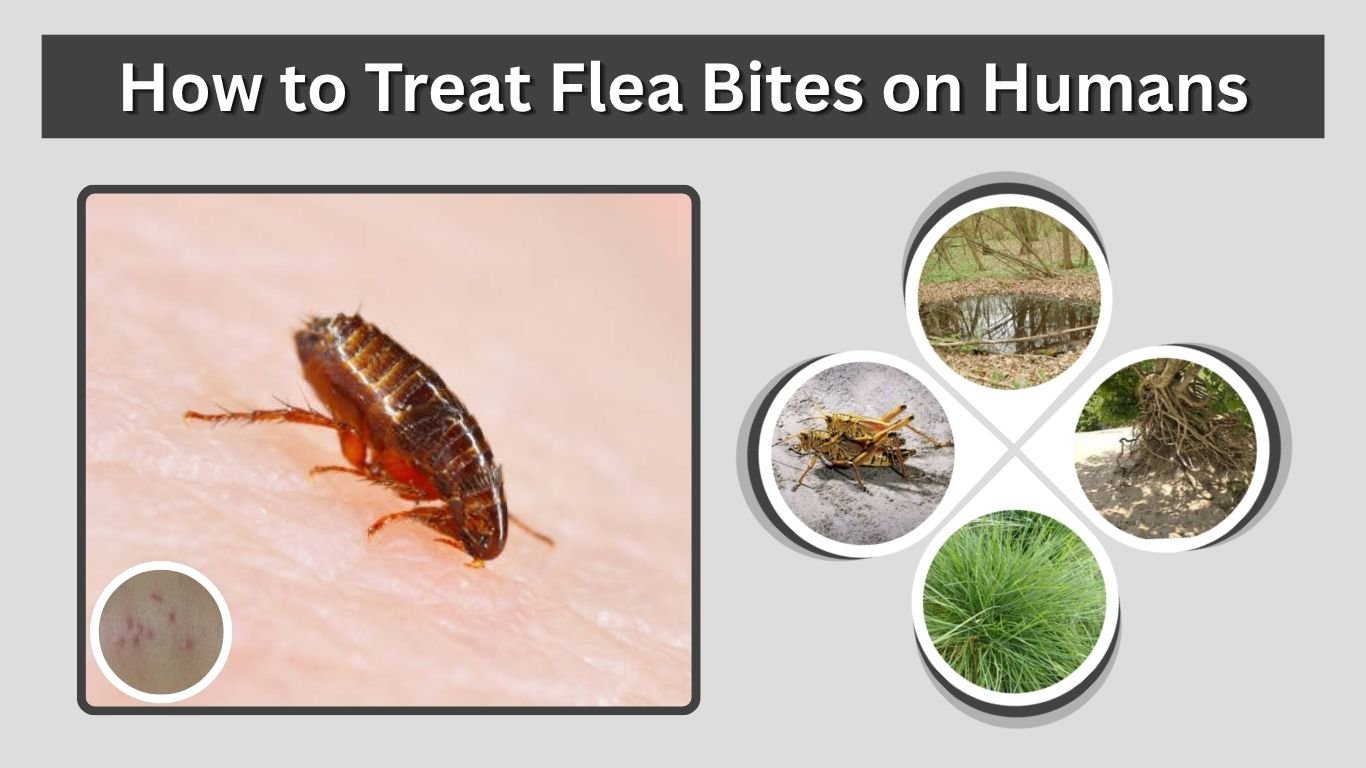
Flea bites usually cause small, intensely itchy bumps that may appear in clusters, especially around the ankles, feet, and lower legs. Most bites improve with simple home care, including washing the skin, applying a cold compress, and using an appropriate anti-itch treatment. Scratching should be avoided because broken skin can become infected. Treating the bites alone is not enough when fleas remain in carpets, bedding, furniture, or on household pets. Effective relief requires caring for the skin while eliminating the infestation responsible for new bites.
What Do Flea Bites Look Like on Humans?
Flea bites commonly appear as small, red, swollen, and itchy bumps. Several bites may develop close together because a flea can feed more than once while moving across the skin.
The redness may be less visible on brown or black skin, but the bumps can usually be felt. Some people develop only mild irritation, while others experience larger areas of swelling or a stronger allergic reaction.
Common Signs of Flea Bites
- Small, raised, itchy bumps
- Redness or skin discoloration
- Several bites grouped together
- A tiny central puncture point
- Swelling around the bite
- Scratches or scabs caused by itching
- Bites concentrated around the ankles and lower legs
Flea bites are often numerous on the feet and legs, although they can occur elsewhere when someone sits or sleeps in an infested area.
How to Treat Flea Bites on Humans
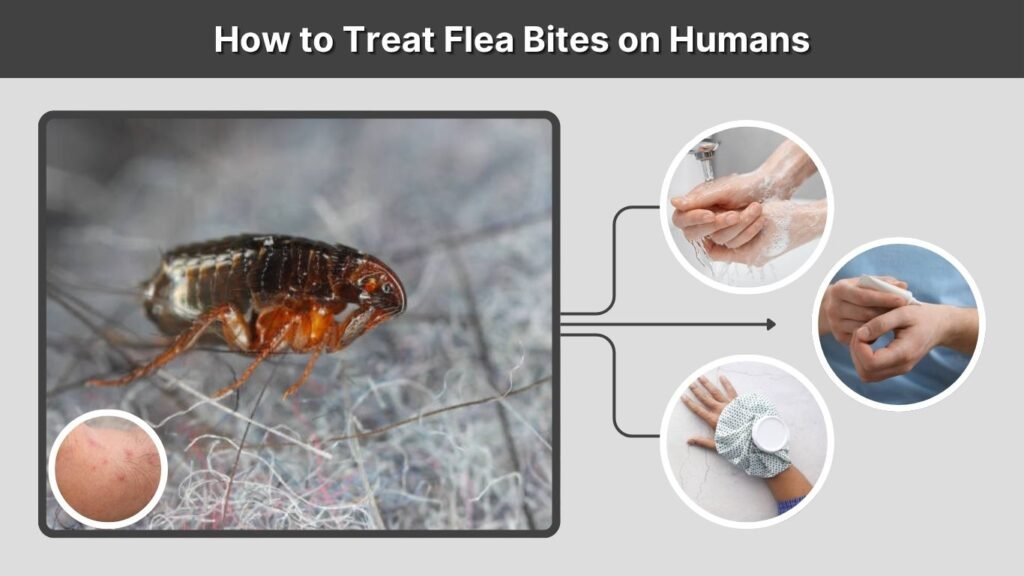
Most uncomplicated flea bites can be treated at home. The main goals are to clean the skin, reduce itching and swelling, and prevent infection.
1. Wash the Bites
Wash the affected skin gently with soap and water. This removes dirt, flea residue, and other material that could enter the skin through scratches.
Pat the area dry with a clean towel. Avoid rubbing aggressively because this may worsen irritation.
2. Apply a Cold Compress
Place a clean cloth soaked in cold water over the bites, or use an ice pack wrapped in cloth. Apply it for approximately 15–20 minutes at a time.
Cold treatment can reduce itching, redness, discomfort, and localized swelling. Never place ice directly on bare skin because prolonged contact may damage it.
3. Use an Anti-Itch Treatment
A pharmacist may recommend a mild hydrocortisone cream, calamine lotion, or another topical treatment to reduce itching and inflammation. Apply the product only as directed on its label.
Do not apply medicated cream to broken, infected, or severely irritated skin unless a healthcare professional advises it. Extra caution is necessary for young children, pregnancy, breastfeeding, and people with ongoing health conditions.
4. Consider an Oral Antihistamine
An oral antihistamine may help when itching or swelling affects several areas. Some antihistamines cause drowsiness and may affect driving, operating machinery, or combining them with other medicines.
Ask a pharmacist or healthcare professional which option is suitable, particularly when treating a child or someone who takes other medications.
5. Avoid Scratching
Scratching may briefly relieve the itching, but it damages the skin and allows bacteria to enter. Keep fingernails short and clean, and consider covering heavily scratched areas with a clean, loose dressing.
Children may need extra supervision to prevent repeated scratching, particularly while sleeping. Skin infections can develop several days after a bite when the surface has been broken.
Home Remedies for Flea Bites
A cold compress and gentle washing are among the safest home-care methods. Cool baths may also soothe multiple bites.
Avoid applying strong vinegar, bleach, alcohol, concentrated essential oils, toothpaste, baking soda mixtures, or other harsh substances. Such products may irritate the skin without improving healing. NHS guidance specifically advises against relying on homemade bicarbonate-of-soda remedies for insect bites.
How to Treat Flea Bites on Children
Wash the child’s skin and use a wrapped cold pack to reduce swelling. Prevent scratching by keeping the nails short and dressing the child in loose, comfortable clothing.
Consult a pharmacist or healthcare professional before using hydrocortisone, antihistamines, or other medicated products on a child. Medical advice is recommended for an insect bite affecting a baby younger than one year.
How Long Do Flea Bites Last?
Minor insect bites often improve within several days. Flea bites may remain itchy longer in people who are sensitive to flea saliva or who continue receiving new bites.
Persistent “new” bumps may mean fleas are still present rather than the original bites failing to heal. Seek medical advice when the rash continues worsening, spreads, becomes painful, or does not begin improving.
What Do Infected Flea Bites Look Like?
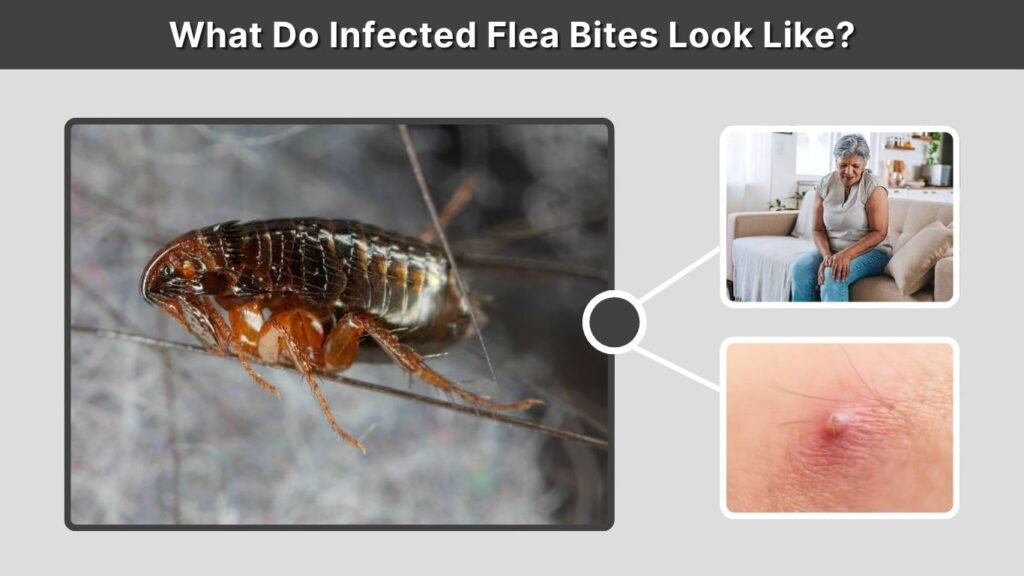
Repeated scratching can create open sores and secondary bacterial infections. An infected bite may become increasingly painful, hot, swollen, or red. Redness may appear as darker discoloration on some skin tones.
Signs of Infection
- Increasing pain or tenderness
- Skin that feels hot
- Rapidly spreading redness or discoloration
- Pus or cloudy fluid
- An unpleasant smell
- Red streaks extending from the area
- Swollen glands
- Fever or flu-like symptoms
Seek medical care promptly when these symptoms appear. An infection may require prescription treatment, including antibiotics.
Can Flea Bites Cause an Allergic Reaction?
Some people experience larger localized swelling after an insect bite. Rarely, a serious systemic allergic reaction can cause swelling of the lips, mouth, tongue, or throat; breathing difficulty; wheezing; trouble swallowing; confusion; severe dizziness; or fainting.
These symptoms require immediate emergency medical assistance. A person with a prescribed epinephrine auto-injector should use it according to their emergency plan while help is being called.
Can Flea Bites Spread Disease?
Most flea bites cause only itching and irritation. However, infected fleas can sometimes transmit disease-causing organisms. Flea-borne typhus may cause fever, chills, headache, body aches, and rash after exposure to infected fleas or flea dirt.
Contact a healthcare professional when fever, headache, rash, vomiting, or unusual illness develops after significant flea exposure, particularly following contact with rodents, stray cats, or other potentially infested animals.
Flea Bites vs. Bedbug and Mosquito Bites
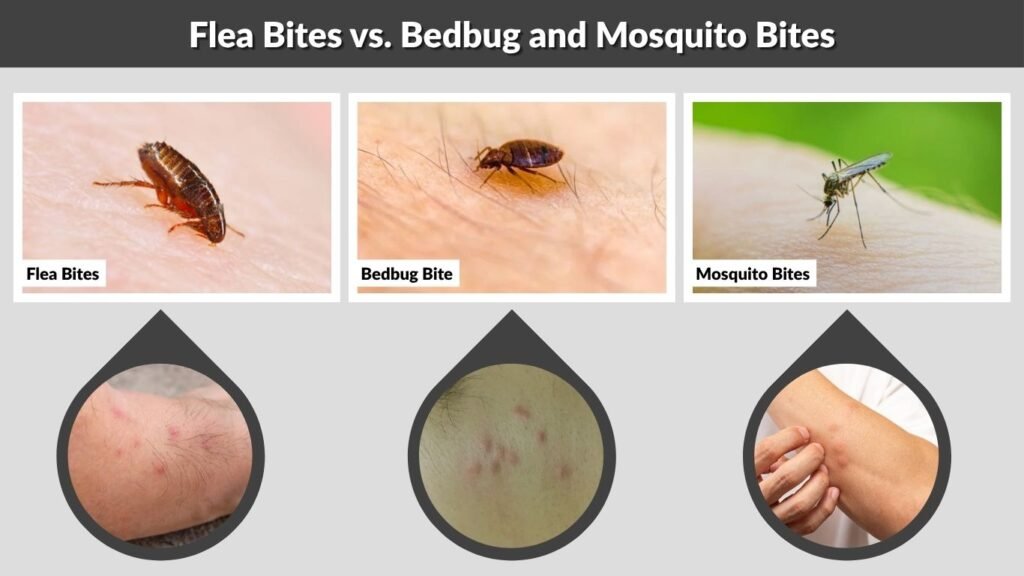
The appearance of insect bites overlaps, so skin bumps alone may not identify the insect conclusively.
| Bite type | Common pattern |
| Flea bites | Numerous small bumps, often on feet and lower legs |
| Bedbug bites | Itchy bumps that may form lines on exposed skin |
| Mosquito bites | Individual or scattered swollen, itchy bumps |
| Mite bites | Itchy rash that varies by mite species |
| Contact dermatitis | Broader irritated patches rather than clear punctures |
Look for environmental evidence such as fleas on pets, flea dirt, insects in bedding, or repeated bites after entering a particular room.
How to Stop Flea Bites From Returning
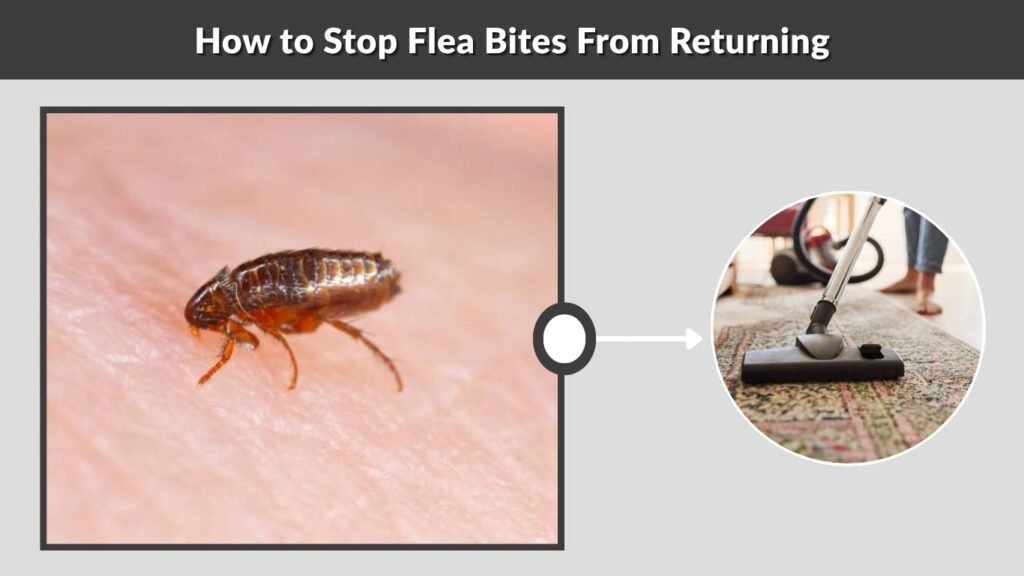
Human bite treatment will provide only temporary relief when the home remains infested. Fleas develop through egg, larval, pupal, and adult stages, with much of the population living away from the host.
Treat Household Pets
Ask a veterinarian to recommend an appropriate flea treatment for every pet in the household. Use products only on the species, age, and weight stated on the label. Never use a dog-only flea product on a cat.
Clean the Home
Vacuum carpets, upholstered furniture, floor cracks, baseboards, and areas where pets rest. Vacuuming daily during the initial control period helps remove adult fleas and immature stages.
Wash pet bedding and any family bedding used by pets in hot, soapy water. Steam-cleaning carpets may also help kill fleas at different life stages.
Continue Follow-Up
One cleaning session may not eliminate pupae protected inside cocoons. Continue vacuuming, washing bedding, checking pets, and following the selected flea-treatment schedule until no new bites or fleas appear.
Established infestations may take repeated treatment because all pets and household areas must be managed on the same timeline.
When to See a Doctor
Seek medical advice when:
- The bites become hot, painful, or filled with pus
- Redness or swelling spreads rapidly
- Symptoms continue worsening
- Fever, headache, rash, or swollen glands develop
- The affected person has diabetes or a weakened immune system
- A baby younger than one year has been bitten
- The cause of the rash remains uncertain
Call emergency services immediately for breathing difficulty, throat tightness, facial or tongue swelling, severe dizziness, confusion, or fainting.
FAQs
What is the fastest way to stop flea bites from itching?
Wash the area and apply a cold compress for 15–20 minutes. A pharmacist may recommend hydrocortisone, calamine, or an oral antihistamine when appropriate. Avoid scratching because it can worsen irritation and cause infection.
Can I put alcohol on flea bites?
Alcohol may sting, dry, or irritate inflamed skin. Washing with soap and water and using a cold compress are gentler options. Use medicated products only according to their labels or professional advice.
Should I pop a flea-bite blister?
Do not deliberately pop or squeeze a blister. Breaking the skin increases the chance of infection. Keep it clean and seek medical advice if it becomes painful, hot, cloudy, or increasingly swollen.
Why am I still getting flea bites after treating my pet?
Flea eggs, larvae, and pupae may remain in carpets, furniture, bedding, and floor cracks. Treat every pet and continue vacuuming and washing fabrics until the environmental infestation has been eliminated.
Do flea bites require antibiotics?
Uncomplicated flea bites do not usually need antibiotics. Antibiotics may be prescribed when scratching leads to a bacterial infection, particularly when there is spreading redness, warmth, pain, pus, or fever.
