
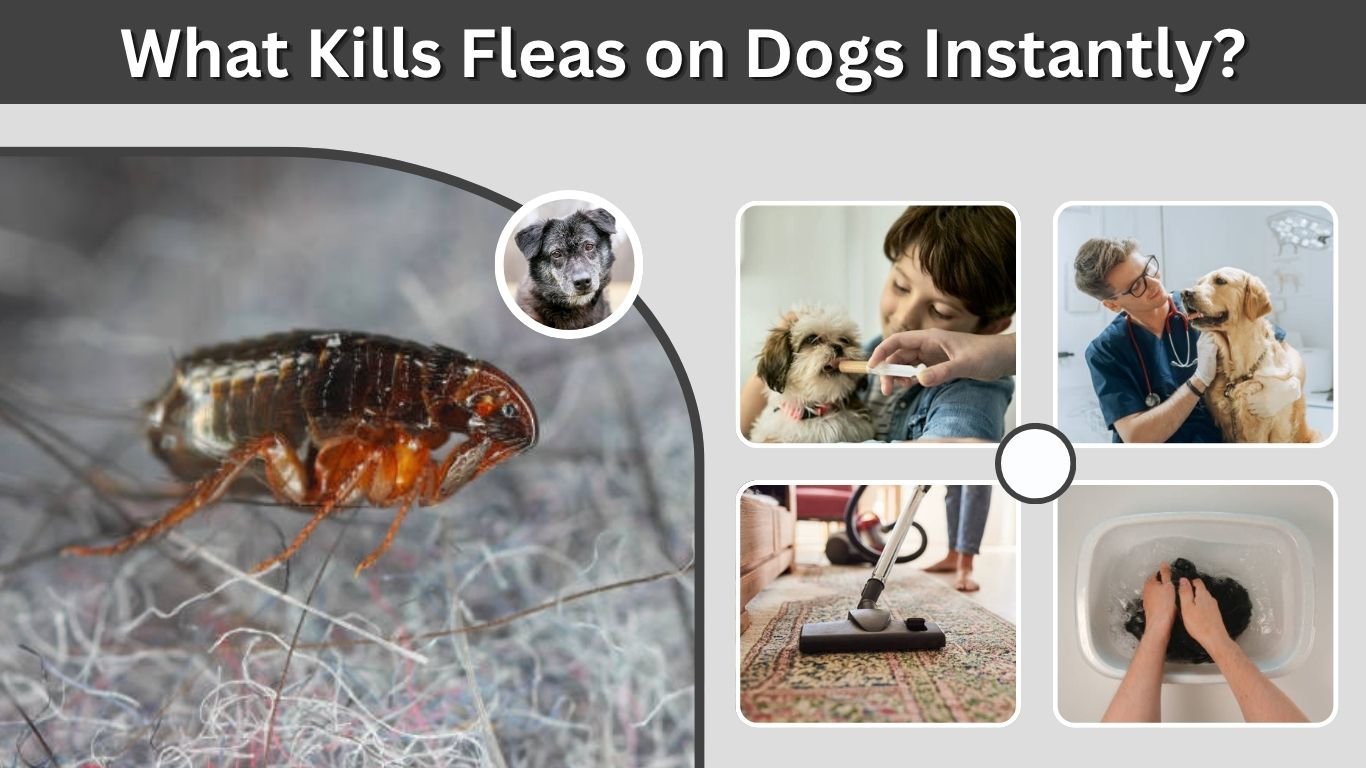
No treatment kills every flea, egg, and larva on a dog instantly. However, fast-acting flea medication containing nitenpyram can begin killing adult fleas within about 30 minutes. A flea bath or careful flea-comb session can also remove and kill many visible fleas immediately, but neither method provides complete, long-term protection. Effective control requires treating the dog with an appropriate veterinary product and eliminating immature fleas from bedding, carpets, and other areas of the home.
What Kills Fleas on Dogs the Fastest?
Fast-acting oral medication is generally the quickest option when a dog has many live fleas. Topical products, shampoos, sprays, and flea combs may also kill or remove adults, but their speed and duration vary.
| Treatment | How Quickly It Works | Long-Term Protection |
| Nitenpyram tablet | Begins within about 30 minutes | No—short acting |
| Veterinary oral preventive | Usually within several hours | Often about one month or longer |
| Flea shampoo | During the bath | Usually limited |
| Flea comb | Removes fleas immediately | No |
| Veterinary topical treatment | Varies by product | Commonly several weeks |
| Home remedies | Unreliable | No |
Fast-Acting Nitenpyram Tablets
Nitenpyram is an oral medication that attacks the nervous system of adult fleas. It starts killing fleas on the dog within approximately 30 minutes, but its effect generally lasts only 24–48 hours. It does not provide lasting prevention or control flea eggs and larvae in the home.
In the United States, FDA-approved nitenpyram products are labeled for dogs and puppies that are at least four weeks old and weigh two pounds or more. The correct tablet strength depends on the animal’s weight, so the label must be followed exactly.
Veterinary Flea Preventives
Oral and topical flea preventives containing active ingredients such as isoxazolines, spinosad, imidacloprid, or selamectin can eliminate adult fleas and provide longer-lasting control. Some systemically absorbed treatments can remove most adult fleas within approximately 12 hours.
The best product depends on the dog’s:
- Age and body weight
- Medical history
- Pregnancy or nursing status
- Current medications
- Seizure history
- Exposure to ticks and other parasites
Some isoxazoline products have been associated with neurologic reactions, including tremors, loss of coordination, and seizures. Although most dogs use them safely, owners should discuss the dog’s medical history with a veterinarian.
What Kills Fleas Without Bathing?
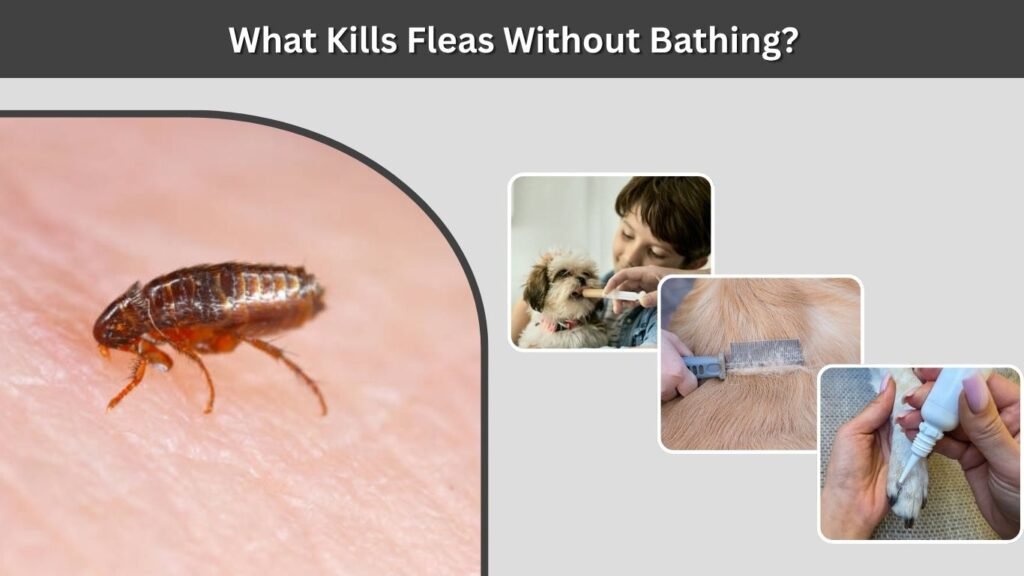
Bathing is not required to kill fleas. Oral medication is usually the most convenient fast-acting option for a dog that cannot be bathed.
Use an Appropriate Oral Treatment
A properly selected nitenpyram tablet can rapidly kill adult fleas without wetting the dog’s coat. Because it is short acting, it is commonly combined with a longer-lasting preventive selected by a veterinarian.
Do not combine several flea medications without professional guidance. Products may contain related active ingredients, and unnecessary combinations could expose the dog to excessive medication.
Apply a Dog-Specific Topical Product
Spot-on treatments are applied directly to the dog’s skin, usually between the shoulder blades or along the back. Application instructions differ among products, and bathing before or after treatment may affect some formulas.
Use only a product labeled for the dog’s species, age, and weight. Applying too much or using a product intended for another species can cause illness.
Remove Fleas With a Flea Comb
Run a fine-toothed flea comb through the dog’s coat, concentrating on the neck, belly, groin, and base of the tail. Drop collected fleas into a container of soapy water.
Combing removes adults immediately without exposing the dog to additional medication. However, it cannot prevent new fleas from jumping onto the dog.
What Naturally Kills Fleas on Dogs?
There is no proven natural substance that safely kills an entire flea infestation on a dog instantly. The safest nonchemical approach is physical removal with a flea comb, followed by environmental cleaning.
Flea Comb and Soapy Water
Comb the coat in small sections and inspect the teeth after every pass. Place captured fleas in soapy water so they cannot escape.
A flea comb may also collect reddish-black particles called flea dirt. When placed on a damp white paper towel, flea dirt may dissolve into a reddish stain because it contains digested blood.
Bathing With Dog Shampoo
A bath using a mild shampoo formulated for dogs can wash away and kill many adult fleas. Begin around the neck so fleas cannot escape toward the dog’s face, and rinse the coat thoroughly.
Flea shampoo usually has little residual effect, meaning new fleas may jump onto the dog after the bath. Never use a human shampoo or household cleaner unless a veterinarian specifically recommends it.
Home Remedies to Avoid
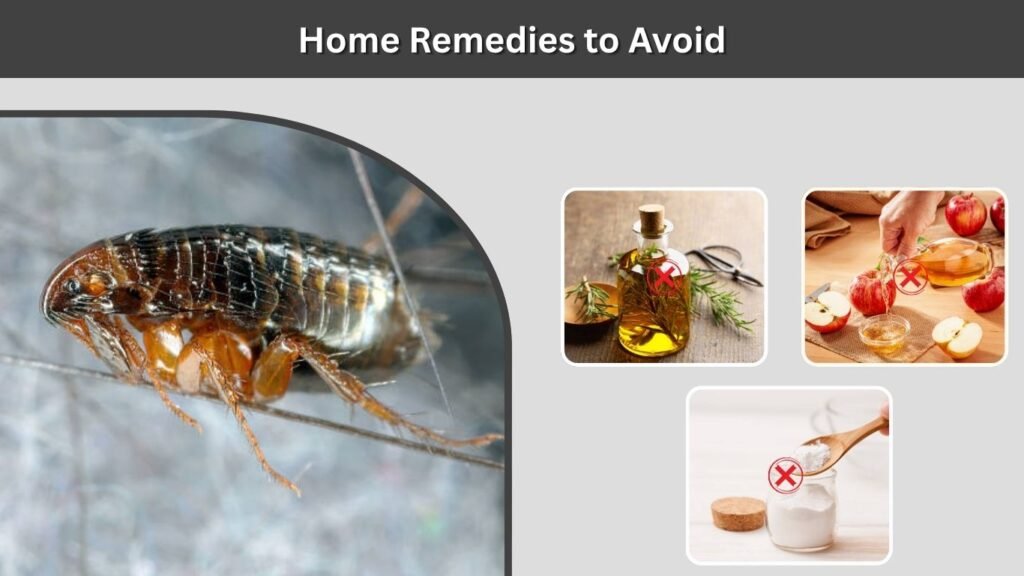
Many online remedies are ineffective, irritating, or potentially dangerous. A dog should not be treated like carpeting or furniture.
Essential Oils
Do not apply concentrated tea tree, peppermint, eucalyptus, clove, cinnamon, citrus, or other essential oils directly to a dog. Concentrated oils may cause skin exposure, poisoning, vomiting, diarrhea, weakness, low body temperature, or poor coordination. The ASPCA advises avoiding direct essential-oil application to pets.
Vinegar
Apple cider vinegar or white vinegar may make the coat smell different, but they do not reliably kill fleas or end an infestation. Vinegar can also irritate broken, inflamed, or sensitive skin.
Baking Soda and Salt
Baking soda and salt should not be rubbed into a dog’s coat. They are not dependable flea killers and may dry or irritate the skin. Ingestion of a large amount may also create health risks.
Undiluted Dish Soap
Dish soap can trap fleas in water during combing, but frequent use on a dog can remove protective skin oils and worsen dryness. A dog-formulated shampoo is generally more appropriate for bathing.
What Kills Flea Eggs on Dogs Instantly?
No common treatment reliably kills every flea egg on a dog instantly. Flea eggs are laid on the animal but readily fall into carpets, bedding, furniture, cracks, and other protected areas within a few hours.
Products containing an insect growth regulator may stop eggs and larvae from developing. Common growth-regulating ingredients include methoprene, pyriproxyfen, and lufenuron. They are preventive tools rather than instant egg killers.
How to Eliminate Fleas From the Home
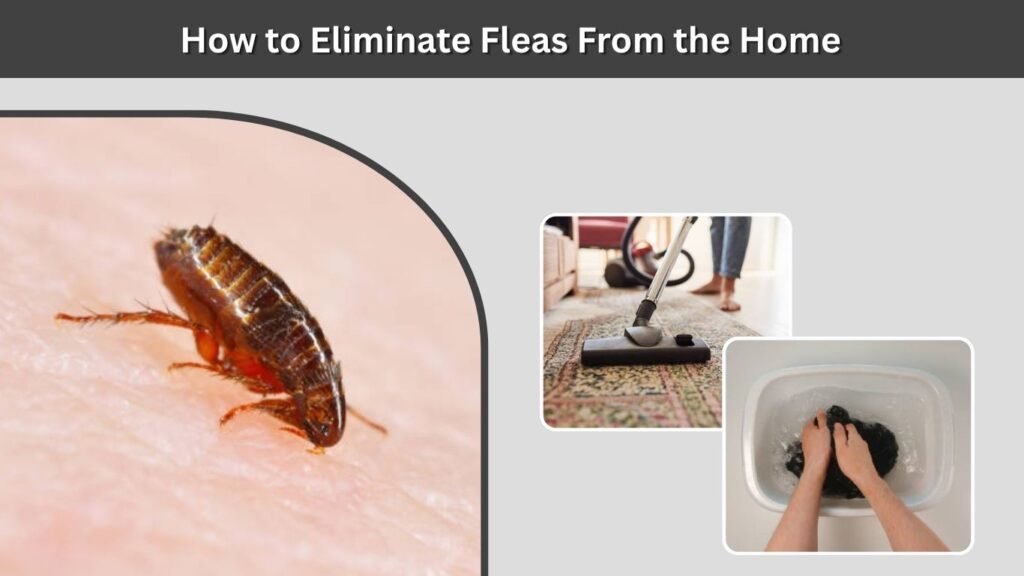
Treating only the dog allows fleas in the environment to continue developing. A complete program must address every pet and the areas where they rest.
Wash Pet Bedding
Wash the dog’s bedding, blankets, removable furniture covers, and washable toys. Use the hottest water and dryer settings considered safe for the materials.
Vacuum Thoroughly
Vacuum carpets, rugs, upholstered furniture, floor edges, and spaces beneath furniture. Concentrate on quiet areas where the dog sleeps or rests.
Empty the vacuum outdoors after each use. Continue vacuuming frequently while the infestation is active because new adult fleas may emerge from protected pupal cocoons.
Treat Every Pet
All dogs and cats in the household may require appropriate flea protection, even when fleas are visible on only one animal. Never apply a dog flea product to a cat unless its label specifically states that it is safe for cats.
Expect Gradual Improvement
Moderate or severe household infestations may require weeks or even several months to control. Flea pupae can remain protected in carpets, beneath furniture, and inside bedding before adults emerge.
When to Contact a Veterinarian
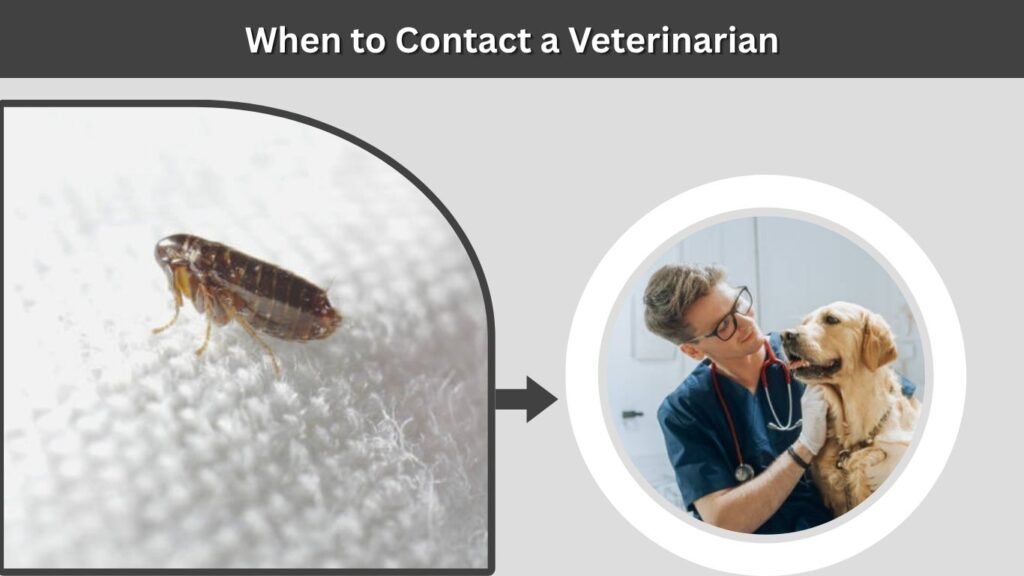
Seek veterinary advice promptly when the dog is very young, elderly, pregnant, nursing, underweight, sick, taking medication, or has a seizure history.
A veterinary examination is also important when the dog has:
- Pale gums or severe weakness
- Extensive hair loss
- Raw or infected skin
- Constant scratching or biting
- Worm-like segments around the anus
- Fleas despite correctly applied prevention
Puppies and heavily infested dogs can lose significant blood and may develop anemia.
After applying a flea product, contact a veterinarian immediately if the dog develops vomiting, diarrhea, excessive drooling, redness, trembling, weakness, poor coordination, or seizures. For a suspected reaction to a topical pesticide, EPA guidance recommends following the product label, washing the animal with mild soap and plenty of water, and obtaining veterinary advice.
FAQs
What is the fastest flea killer for dogs?
Nitenpyram is among the fastest veterinary flea treatments and can begin killing adult fleas within about 30 minutes. It is short acting, so the dog normally also needs a longer-lasting preventive and environmental flea control.
What kills fleas instantly without bathing?
An appropriate fast-acting oral flea tablet can kill adults without bathing. A flea comb can also remove visible fleas immediately. Check the product’s minimum age, weight range, dosage, and health warnings before use.
Can vinegar kill fleas on a dog?
Vinegar does not reliably kill fleas or prevent an infestation. It may irritate damaged skin and should not replace an approved flea treatment, environmental cleaning, or veterinary advice.
What kills fleas and ticks on dogs quickly?
Some veterinary oral or topical products control both fleas and ticks. Their speed, approved tick species, age restrictions, and safety warnings differ. Choose a product with veterinary guidance rather than combining separate treatments.
Can one treatment eliminate every flea?
Usually not. The medication may kill adult fleas on the dog, while eggs, larvae, and pupae remain in bedding, carpets, furniture, and outdoor resting areas. Continued prevention and environmental cleaning are required.
