
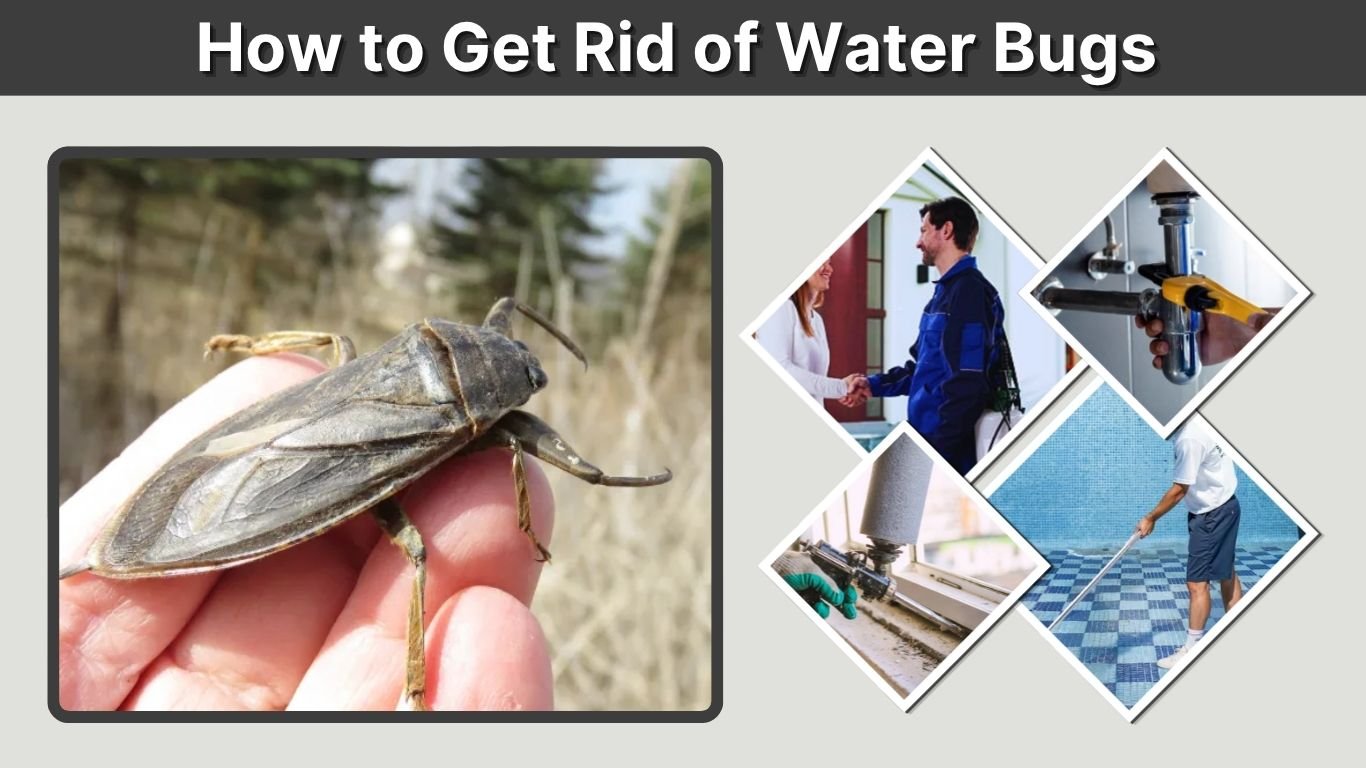
The best way to get rid of water bugs is to identify the insect first. Inside homes, “water bug” usually refers to an Oriental or American cockroach living near drains, bathrooms, basements, or plumbing. True aquatic water bugs—including giant water bugs, water boatmen, and backswimmers—normally live outdoors and enter buildings or pools accidentally. Removing moisture, food, hiding places, and entry points provides more dependable control than simply spraying the insects you see.
First, Identify the Type of Water Bug
Control methods differ significantly between cockroaches and aquatic insects. Oriental cockroaches are especially likely to be called water bugs because they prefer cool, dark, damp environments. American cockroaches are also commonly found near sewers, floor drains, bathrooms, basements, and utility spaces.
| Sign | Cockroach called a “water bug” | True aquatic water bug |
| Antennae | Very long and thin | Short and difficult to see |
| Legs | Six spiny running legs | Often has oarlike or grasping legs |
| Location | Kitchen, bathroom, drain, basement | Pond, pool, marsh, or outdoor light |
| Indoor sightings | Often multiple insects | Usually one accidental visitor |
| Reproduction indoors | Possible | Unlikely |
| Best response | Sanitation, sealing, traps, and baits | Capture, remove, and prevent entry |
Finding adults, small nymphs, droppings, shed skins, or egg cases indoors suggests a cockroach infestation. One large insect beside a pool, porch light, or open door is more likely to be an accidental aquatic visitor.
How to Get Rid of Water Bugs in the House
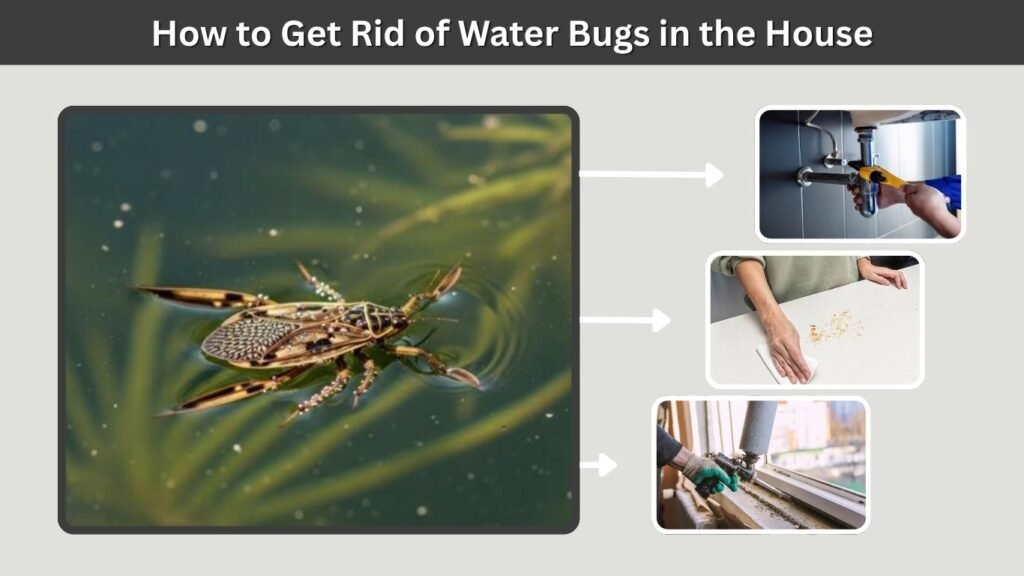
Household water-bug control should target the resources that cockroaches need: food, water, and shelter. Killing individual insects may provide immediate relief, but it will not eliminate hidden roaches or egg cases.
1. Remove Food Sources
Clean crumbs, grease, spills, and food residue every evening. Pay particular attention to spaces beneath refrigerators, stoves, cabinets, and pet-feeding areas.
Store dry food in tightly closed plastic, metal, or glass containers. Empty garbage regularly, rinse recyclable containers, and avoid leaving pet food out overnight. These measures make insecticidal baits more attractive because fewer competing food sources remain.
2. Eliminate Moisture
Repair leaking faucets, pipes, toilets, and appliance connections. Wipe sinks and counters dry before bedtime, empty standing water from plant trays, and improve ventilation in damp rooms.
Use a dehumidifier where appropriate in a persistently damp basement or laundry area. Moisture control is particularly important for Oriental cockroaches, which frequently gather around leaks in basements and crawl spaces.
3. Reduce Hiding Places
Remove cardboard boxes, paper bags, unused containers, and clutter from cabinets, basements, and garages. Vacuum cracks and crevices to collect food particles, droppings, shed skins, and some insects.
Seal cracks around baseboards, cabinets, utility lines, and plumbing penetrations. Repair damaged screens and install door sweeps where gaps are visible. Penn State recommends keeping areas clean and dry, reducing clutter, covering drains, and sealing structural openings as part of cockroach prevention.
4. Use Sticky Traps to Find Activity
Place sticky monitoring traps directly against walls because cockroaches commonly travel along edges. Useful locations include:
- Beneath sinks
- Behind refrigerators and stoves
- Beside toilets and bathtubs
- Near floor drains
- Around water heaters
- Inside lower cabinets
Check the traps every few days. The traps reveal where activity is concentrated, helping you decide where sanitation, sealing, and bait placement are most urgently needed.
5. Apply Cockroach Baits Correctly
For confirmed cockroaches, use a labeled gel bait or enclosed bait station intended for the identified species. Place small amounts near hiding and travel areas, following the product label exactly.
Do not place bait in the middle of open floors. Position it near cracks, cabinet corners, plumbing openings, appliances, and wall edges. Keep pesticide products inaccessible to children and pets. The EPA recommends tamper-resistant stations where exposure is possible, while extension guidance identifies baits as a useful cockroach-control option.
Avoid spraying insecticide directly over or beside bait because some sprays may discourage roaches from feeding there.
How to Get Rid of Water Bugs in Bathrooms and Drains
Bathrooms provide moisture, shelter, and possible access through gaps around pipes or poorly protected drains.
Clean hair and organic material from drain openings, repair plumbing leaks, and seal gaps where pipes enter walls or floors. Keep sinks, tubs, and shower floors dry when they are not being used.
Install tight-fitting drain covers or metal drain screens, particularly over floor drains that are rarely used. American cockroaches can travel through sewer-connected pipes, and drain protection is a recommended part of integrated cockroach management.
Do not pour bleach, gasoline, boiling oil, or mixed pesticides into drains. These treatments may damage plumbing, create dangerous fumes, contaminate water systems, or fail to reach the insects’ hiding areas. Use pesticides in drains only when the product label specifically permits that application.
How to Remove Water Bugs From a Basement or Garage
Begin by inspecting floor drains, sump areas, pipe openings, foundation cracks, stored boxes, and damp corners. Repair water intrusion and improve drainage outside the foundation.
Move stored items onto shelves rather than leaving them directly on the floor. Replace cardboard storage boxes with sealable plastic containers, vacuum debris, and keep floor drains covered when practical.
If large black insects repeatedly appear around a basement drain, they may be Oriental cockroaches rather than true aquatic bugs. Combine moisture reduction with traps and labeled baits instead of relying on repeated surface spraying.
How to Get Rid of Water Bugs in a Pool
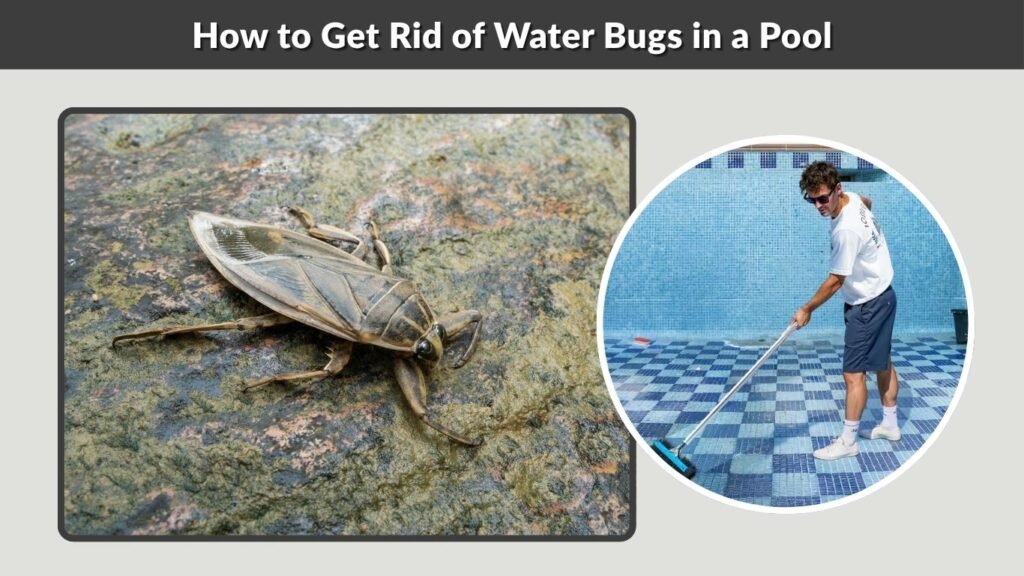
Pool insects are usually water boatmen, backswimmers, giant water bugs, or aquatic beetles—not household cockroaches. Water boatmen may feed partly on algae and microorganisms, while backswimmers are predators and can deliver a painful defensive bite.
Remove Existing Insects
Use a long-handled pool net rather than your bare hands. Empty the net away from the pool and areas used by children or pets.
Run the pool skimmer regularly and remove leaves, insects, and organic debris. University of California guidance notes that dip nets and frequently operated pool skimmers can provide effective physical removal.
Make the Pool Less Attractive
Brush pool walls and steps, remove visible algae, clean the filter, and maintain circulation and sanitation according to the pool manufacturer’s instructions. Water boatmen consume algae and other small aquatic material, so reducing this food supply can make the pool less suitable.
Limit unnecessary lighting near the water on warm nights. Aquatic insects can fly and may be attracted to illuminated pools. Moving lights farther from the pool or using them less frequently can reduce arrivals.
Never add household dish soap, vinegar, essential oils, or unapproved pesticides to swimming-pool water.
Do Home Remedies Get Rid of Water Bugs?
Vinegar is useful for cleaning surfaces, but it is not a dependable treatment for a hidden cockroach population. Peppermint oil and other scented products may temporarily affect insect movement, yet they do not remove egg cases, eliminate inaccessible harborages, or correct moisture problems.
A direct spray of soapy water may kill an exposed insect, but it will not provide permanent control. For long-term results, focus on sanitation, leak repair, sealing, monitoring, and properly labeled baits. The EPA recommends controlling pests by first removing food, water, and shelter before relying on pesticides.
Can You Get Rid of Water Bugs Overnight?
You can clean the room, repair accessible leaks, install drain covers, place traps, and remove exposed insects in one night. However, an established cockroach population rarely disappears overnight.
Baits must be discovered and eaten, while hidden eggs may hatch later. Continue monitoring and replacing bait according to label directions. Penn State notes that cockroach baits can take a week or longer to produce results.
Avoid Bug Bombs and Excessive Spraying
Total-release foggers may expose occupants to pesticide mist and often fail to reach cockroaches hidden deep inside cracks, walls, cabinets, and appliances. They should not replace moisture control, sanitation, sealing, and targeted treatment.
Use only pesticides labeled for the location and pest, and follow every instruction concerning application, ventilation, food protection, children, and pets.
When to Call an Exterminator
Consider licensed pest control when you see cockroaches during daylight, repeatedly find nymphs or egg cases, catch many insects in traps, or continue seeing activity after several weeks of sanitation and baiting.
Apartment residents should also report the problem to the landlord or property manager because cockroaches may travel between units through shared walls, plumbing, and utility openings. Effective treatment may require inspection of adjoining apartments.
FAQs
What kills water bugs quickly?
Vacuuming or physically removing an exposed insect works immediately. For roaches hiding indoors, labeled bait stations or gel baits provide better population control than killing only visible insects. Continue sanitation and moisture reduction while the bait works.
How do I get rid of black water bugs?
Large black “water bugs” in basements are often Oriental cockroaches. Repair leaks, cover drains, remove damp clutter, seal foundation gaps, install sticky traps, and place labeled cockroach bait near their hiding and travel areas.
Why are water bugs coming into my bathroom?
Bathrooms provide water, humidity, hiding spaces, and plumbing openings. The insects may enter around pipes, through structural gaps, or from drain and sewer systems. Repair leaks, dry wet surfaces, cover drains, and seal openings.
Will vinegar permanently remove water bugs?
No. Vinegar can clean food residue but does not reliably eliminate a cockroach infestation. Hidden insects and egg cases may survive. Permanent control requires removing food, moisture, and shelter while sealing entry points and using appropriate baits.
How can I prevent water bugs from returning?
Keep food sealed, empty garbage frequently, repair leaks, dry sinks overnight, cover drains, remove clutter, seal cracks, maintain door sweeps, and monitor vulnerable areas with sticky traps. In pools, remove debris, control algae, maintain circulation, and reduce nearby night lighting.
