
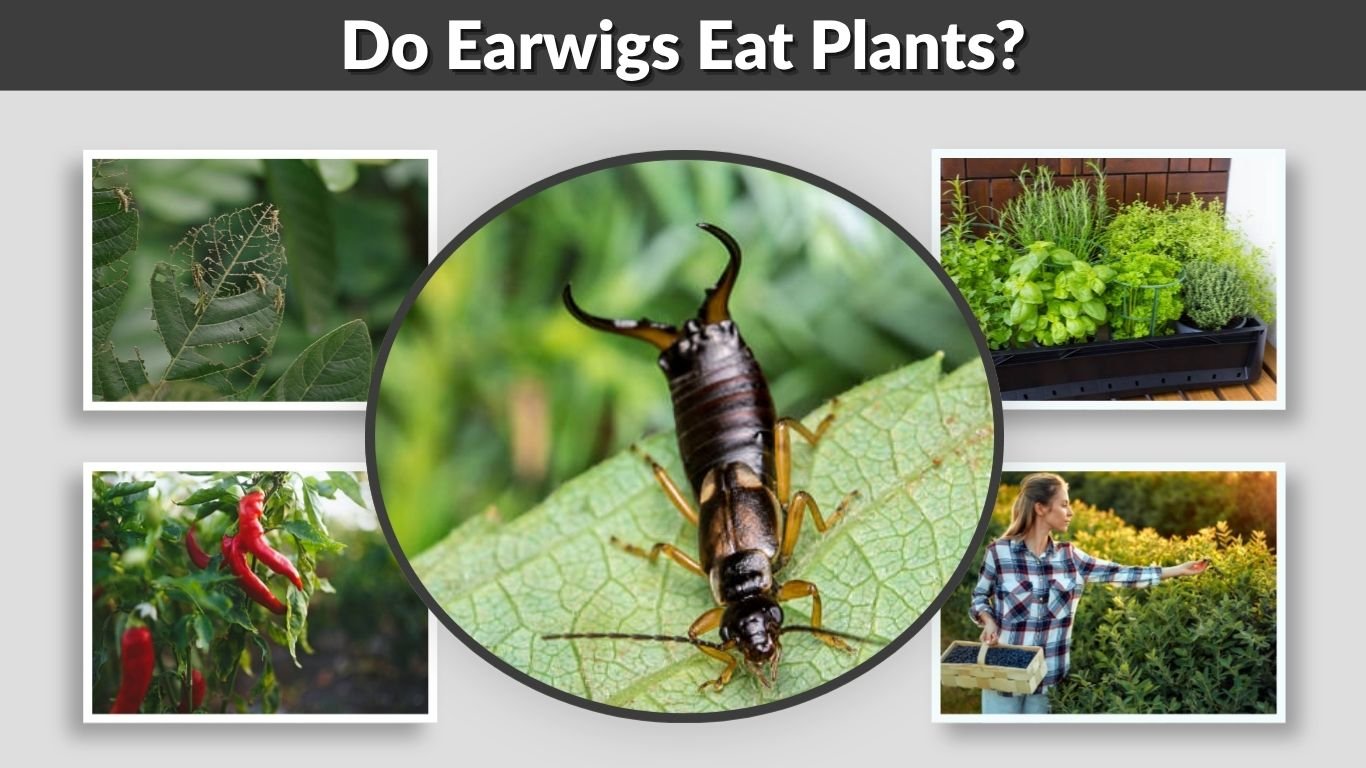
Earwigs can eat plants, especially soft leaves, seedlings, flowers, herbs, and ripe or damaged fruits. They are most active at night, so many gardeners notice holes in leaves before they ever see the insect. However, earwigs are not always bad. They also eat decaying matter and garden pests like aphids, so the goal is usually control, not complete removal.
Do Earwigs Eat Plants?
Yes, earwigs do eat plants. They are omnivores, which means they feed on both plant material and small insects. In gardens, they may chew leaves, flowers, seedlings, soft fruit, and tender new growth.
Earwig damage is often worse when the weather is moist, mulch is thick, or the garden has many dark hiding places. During the day, earwigs hide under pots, boards, mulch, rocks, weeds, and plant debris. At night, they come out to feed.
What Plants Do Earwigs Eat?
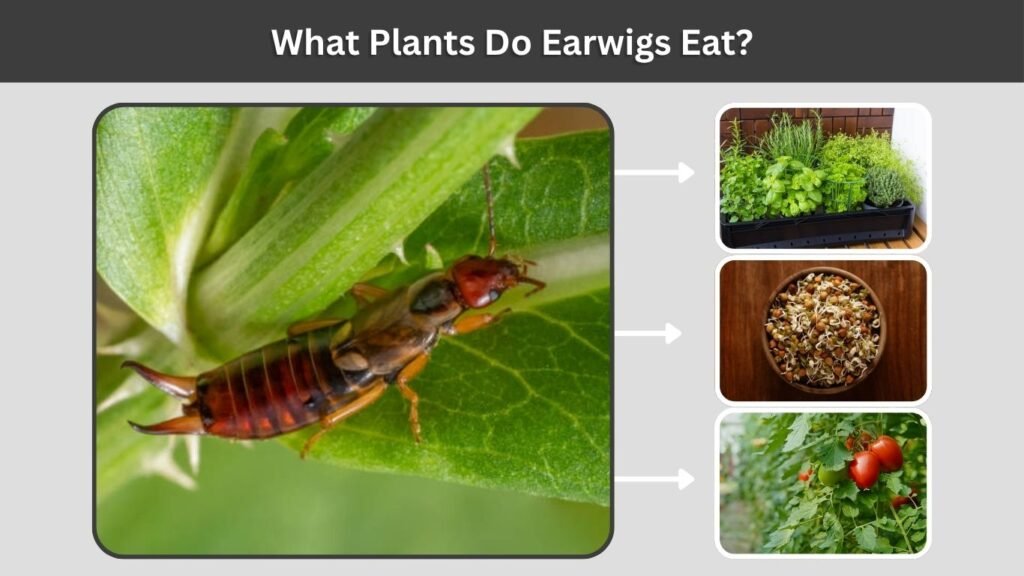
Earwigs are not very picky, but they usually prefer soft, tender, or damaged plant tissue. Young plants and leafy vegetables are more at risk than tough, mature plants.
| Plant Type | Earwig Risk | Common Damage |
| Basil and herbs | High | Ragged holes in leaves |
| Seedlings | High | Chewed leaves or stems |
| Peppers | Medium | Holes in leaves or fruit |
| Tomatoes | Medium | Feeding on damaged fruit |
| Cucumbers | Medium | Leaf and flower damage |
| Squash and zucchini | Medium | Holes in leaves, blossoms |
| Flowers | High | Damaged petals and buds |
| Houseplants | Low to medium | Leaf chewing if conditions are damp |
Do Earwigs Eat Garden Plants?
Yes, earwigs often eat garden plants, especially vegetables, herbs, flowers, and young seedlings. They may damage plants such as lettuce, basil, peppers, cucumbers, squash, zucchini, corn, and ornamental flowers.
Their damage usually looks like:
- Small, ragged holes in leaves
- Chewed flower petals
- Damaged seedlings
- Holes in soft fruit
- Missing new growth
- Damage that appears overnight
If you see damage but no insects during the day, check the plants at night with a flashlight. Earwigs feed at night and hide during daylight.
Do Earwigs Eat Basil Plants?
Yes, earwigs can eat basil plants. Basil has soft, tender leaves, which makes it attractive to many chewing pests, including earwigs. Damage may look like irregular holes or torn edges on the leaves.
Earwigs are more likely to attack basil when:
- The plant is near mulch or wet soil
- Pots sit directly on the ground
- Leaves are dense and close to hiding places
- The garden stays damp overnight
For potted basil, lift the container slightly off the ground and remove hiding spots underneath it.
Do Earwigs Eat Pepper Plants?
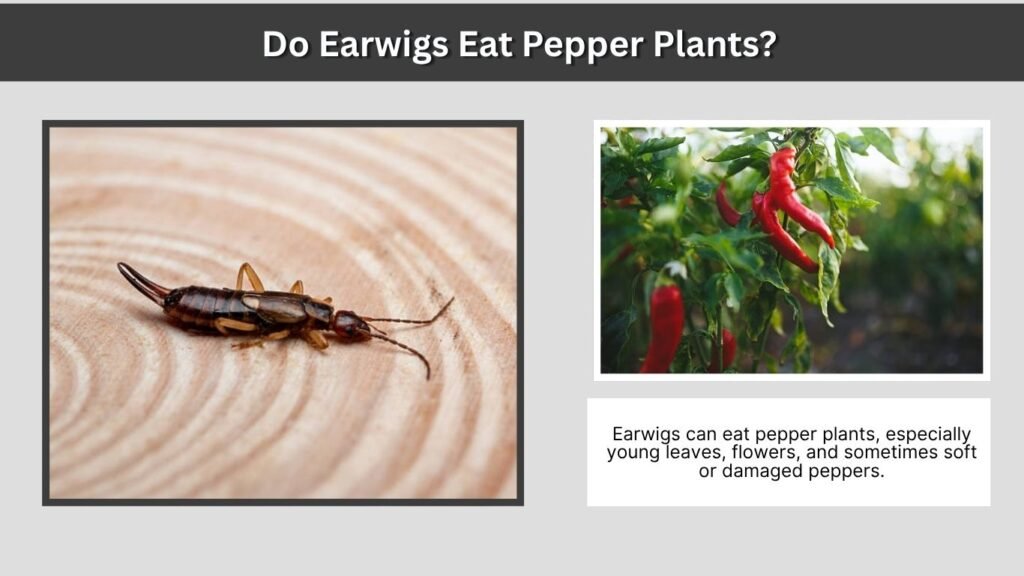
Earwigs can eat pepper plants, especially young leaves, flowers, and sometimes soft or damaged peppers. They usually do not destroy large healthy pepper plants, but heavy populations can slow growth by chewing tender leaves and blossoms.
Check pepper plants at night if you see:
- Holes in young leaves
- Missing flower parts
- Chewed edges
- Small insects hiding under mulch near the stem
Do Earwigs Eat Tomato Plants?
Earwigs may eat tomato plants, but they usually prefer softer leaves, flowers, or damaged tomatoes rather than healthy green tomato fruit. They may crawl into cracks, overripe tomatoes, or fruit already damaged by birds, slugs, or disease.
To reduce earwig problems on tomatoes:
- Pick ripe tomatoes quickly
- Remove fallen fruit
- Keep the base of plants clean
- Avoid heavy mulch touching the stem
- Use traps near the plant base
Do Earwigs Eat Cucumber, Squash, and Zucchini Plants?
Yes, earwigs can eat cucumber, squash, and zucchini plants. They may chew leaves, flowers, and tender seedlings. Young plants are the most vulnerable because they have softer growth and fewer leaves.
For squash and zucchini, earwigs may hide under large leaves during the day and feed at night. They may also damage blossoms, which can reduce fruit production if the damage is heavy.
Do Earwigs Eat Plant Leaves and Roots?
Earwigs mainly eat leaves, flowers, seedlings, fruits, and decaying plant matter. They are not usually serious root feeders. If plant roots are damaged, the problem may be from another pest such as grubs, root maggots, or soil-dwelling larvae.
Leaf damage from earwigs often appears as irregular holes rather than clean cuts. Slugs can cause similar damage, but they often leave shiny slime trails. Caterpillars may leave droppings or webbing.
Are Earwigs Bad for Plants?
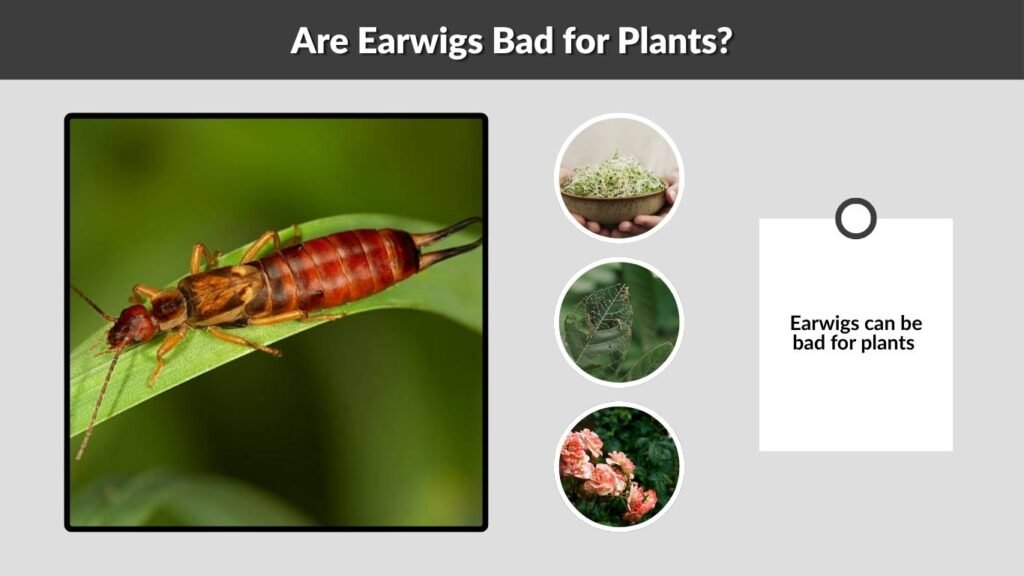
Earwigs can be bad for plants when their population is high, but they are not always harmful. They also eat aphids and other small pests, which makes them partly beneficial in the garden.
| Earwigs as Pests | Earwigs as Beneficial Insects |
| Eat seedlings | Eat aphids |
| Chew leaves | Eat decaying matter |
| Damage flowers | Help clean organic debris |
| Feed on soft fruit | May reduce some pest insects |
The best approach is to control earwigs only when you see clear plant damage.
How to Stop Earwigs from Eating Plants
You can stop earwigs from eating plants by reducing hiding places, trapping them, keeping the garden less damp, and protecting young plants.
Remove Hiding Places
Earwigs love dark, moist areas. Clean up places where they hide during the day.
Remove or reduce:
- Wet leaves
- Thick mulch near stems
- Boards
- Old pots
- Garden debris
- Dense weeds
- Fallen fruit
- Rocks near seedlings
This makes the garden less comfortable for earwigs.
Use Simple Earwig Traps
Traps are one of the easiest ways to reduce earwig numbers. Place traps in the evening and empty them in the morning.
Good earwig traps include:
- Rolled newspaper
- Cardboard tubes
- Short pieces of garden hose
- Shallow cans with oil
- Damp folded cardboard
Earwigs crawl into dark spaces during the day, so traps work well when placed near damaged plants.
Keep Plants Drier
Earwigs like moisture. Avoid overwatering and try to water early in the day so the surface dries before night.
For container plants:
- Raise pots on bricks or feet
- Improve air movement
- Avoid letting pots sit on wet soil
- Remove debris under containers
Michigan State University Extension notes that drying out the environment around container plants can help reduce earwig problems.
Protect Young Seedlings
Seedlings are one of the easiest targets for earwigs. Protect them until they grow stronger.
You can:
- Start seedlings indoors
- Use collars around young plants
- Move pots onto benches
- Keep mulch away from small stems
- Check seedlings at night
Once plants are larger, they can usually handle minor chewing.
Natural Ways to Keep Earwigs Away from Plants
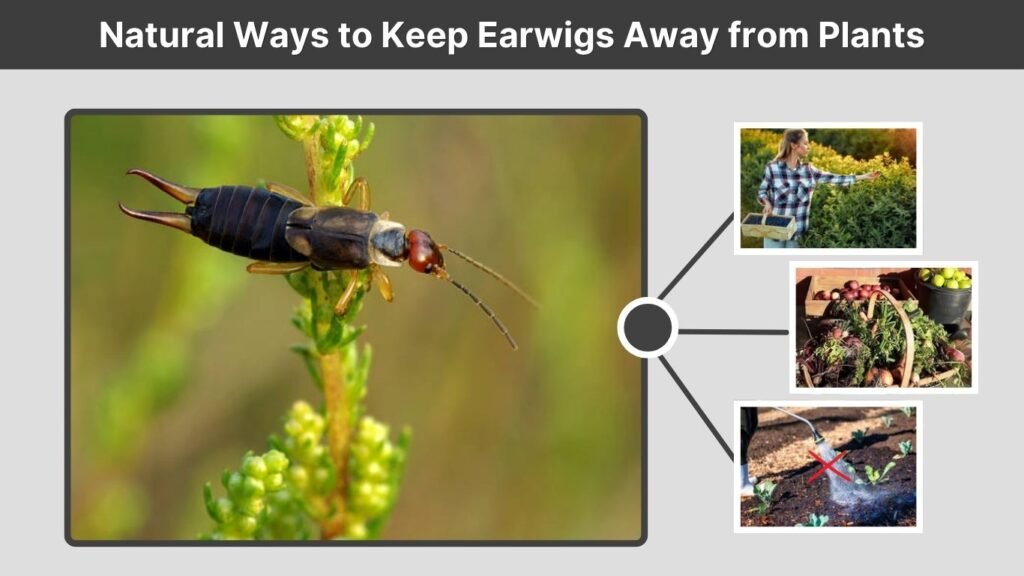
Natural control works best when you combine several methods. One method alone may not solve a heavy infestation.
Try these natural options:
- Remove damp hiding areas
- Use rolled newspaper traps
- Handpick earwigs at night
- Keep mulch thinner near plants
- Pick ripe fruit quickly
- Clean up fallen vegetables
- Encourage birds and natural predators
- Avoid overwatering
Diatomaceous earth may help in dry conditions, but it works poorly when wet. Since earwigs prefer damp areas, habitat control and traps are often more reliable.
How to Tell If Earwigs Are Eating Your Plants
Earwigs are often blamed for plant damage, but slugs, caterpillars, beetles, and cutworms can cause similar problems. The best way to confirm earwigs is to inspect plants after dark.
Signs of earwig damage include:
- Ragged holes in soft leaves
- Damaged flowers
- Chewed seedlings
- No slime trail
- Damage appears overnight
- Earwigs hiding near the plant base
Use a flashlight at night and look under leaves, inside flowers, and around the soil surface.
Plants Earwigs Usually Do Not Eat Much
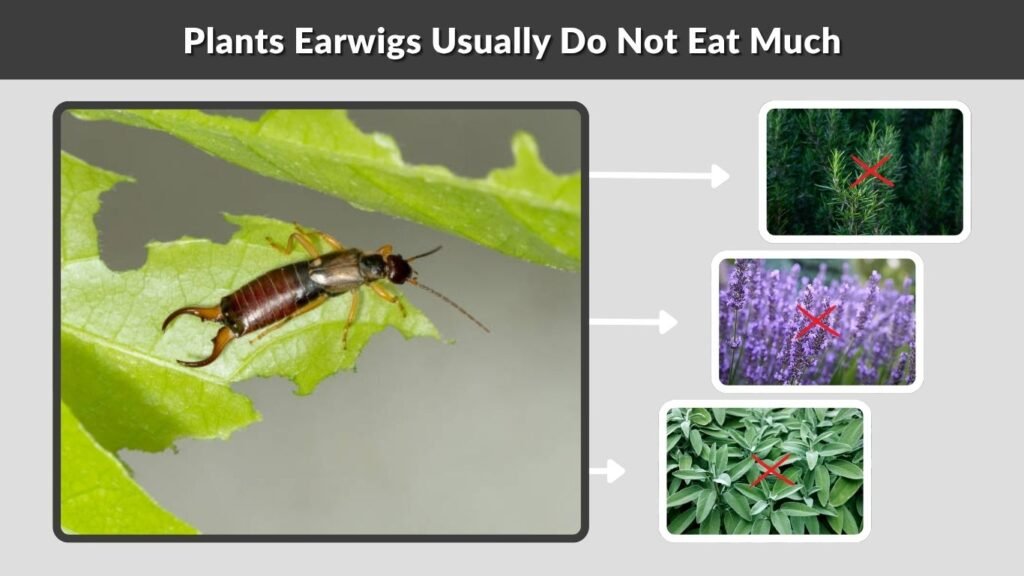
Earwigs may nibble many plants, but they usually prefer soft, moist, tender growth. Tough, aromatic, woody, or dry plants are often less attractive.
Plants that may be less attractive include:
- Rosemary
- Lavender
- Sage
- Thyme
- Mature woody herbs
- Tough ornamental grasses
- Established shrubs
However, no plant is completely earwig-proof if the population is very high and food is limited.
FAQs
Do earwigs eat live plants?
Yes, earwigs can eat live plants. They often chew soft leaves, flowers, seedlings, and tender new growth. They also eat decaying plant material and small insects, so they are both pests and beneficial insects depending on the situation.
Do earwigs eat vegetable plants?
Yes, earwigs can eat vegetable plants such as lettuce, peppers, cucumbers, squash, zucchini, corn, and young seedlings. Damage is usually worse at night and may appear as ragged holes in leaves, flowers, or soft fruit.
Do earwigs eat houseplants?
Earwigs can eat houseplants, but it is less common than garden damage. They may enter potted plants if the soil is damp or the pot has hiding places underneath. Raising pots and reducing moisture can help.
How do I stop earwigs eating my plants?
Remove hiding places, reduce moisture, use rolled newspaper or oil traps, and check plants at night. Keep mulch away from seedlings and clean up fallen fruit or plant debris. Protect young plants until they are strong enough to handle minor chewing.
Are earwigs good or bad for the garden?
Earwigs can be both good and bad. They may damage seedlings, flowers, herbs, and vegetables, but they also eat aphids and decaying organic matter. Control them when damage is visible, but complete removal is usually unnecessary.
